Premium Shadehouse Solutions: Advanced Agricultural Climate Control Technology

Welcome To JYXD-greenhouse

Get a Free Quote

Our representative will contact you soon.
Email
Tel or Whatsapp
Name
Company Name
Message
0/1000

shadehouse

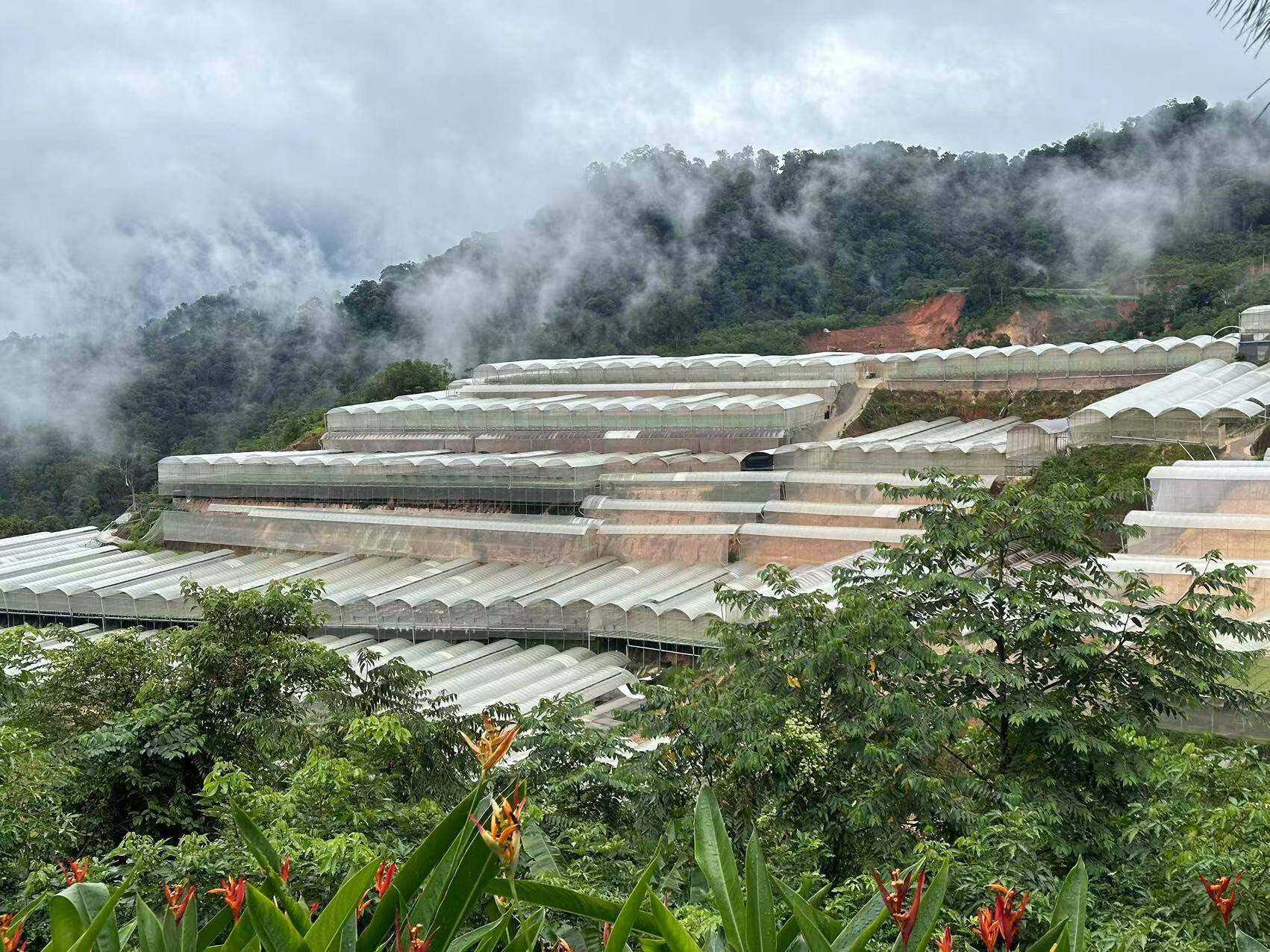
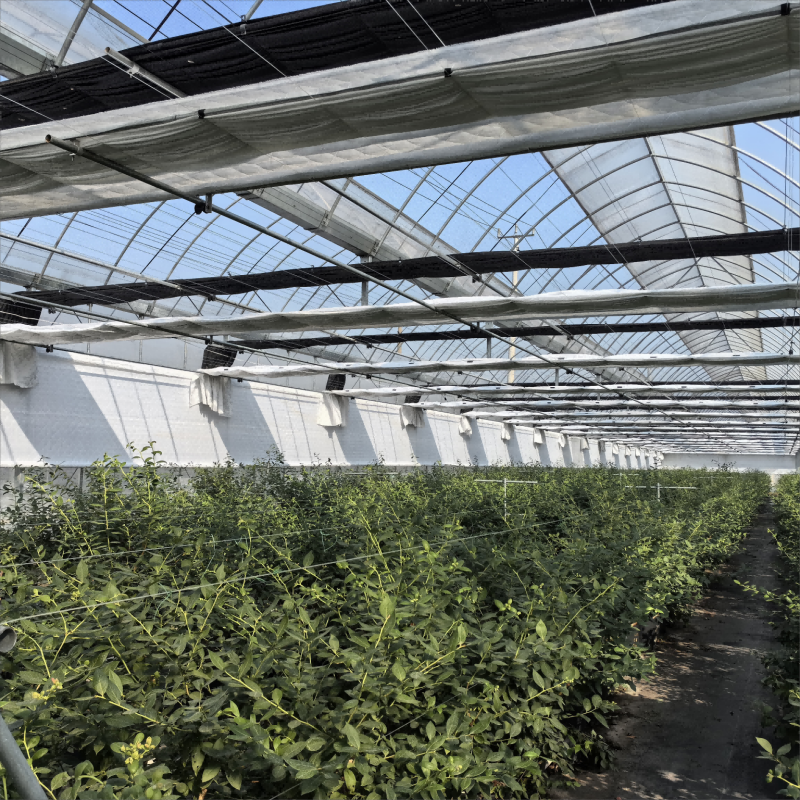
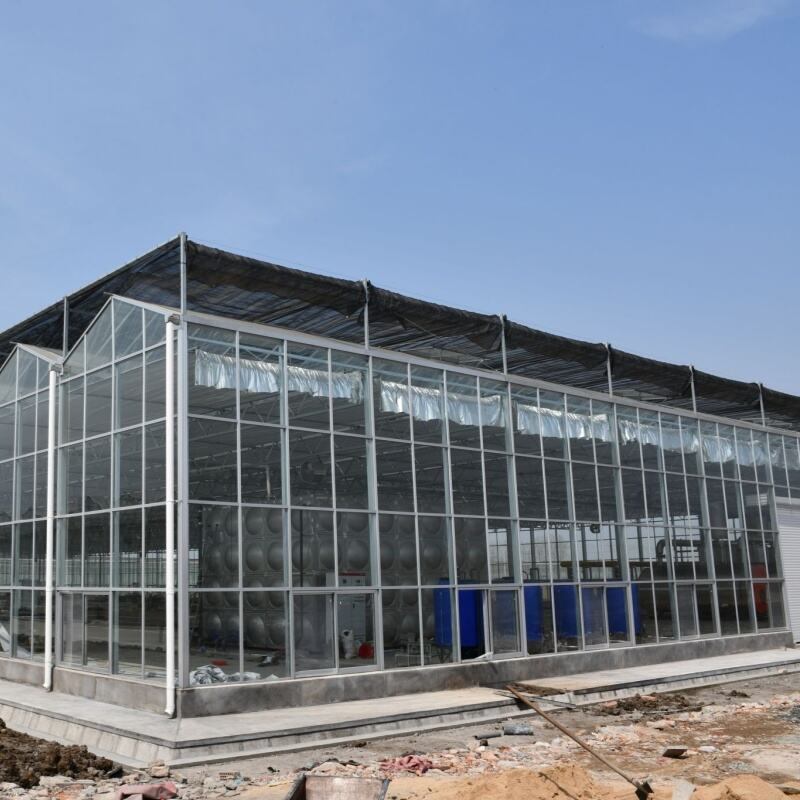
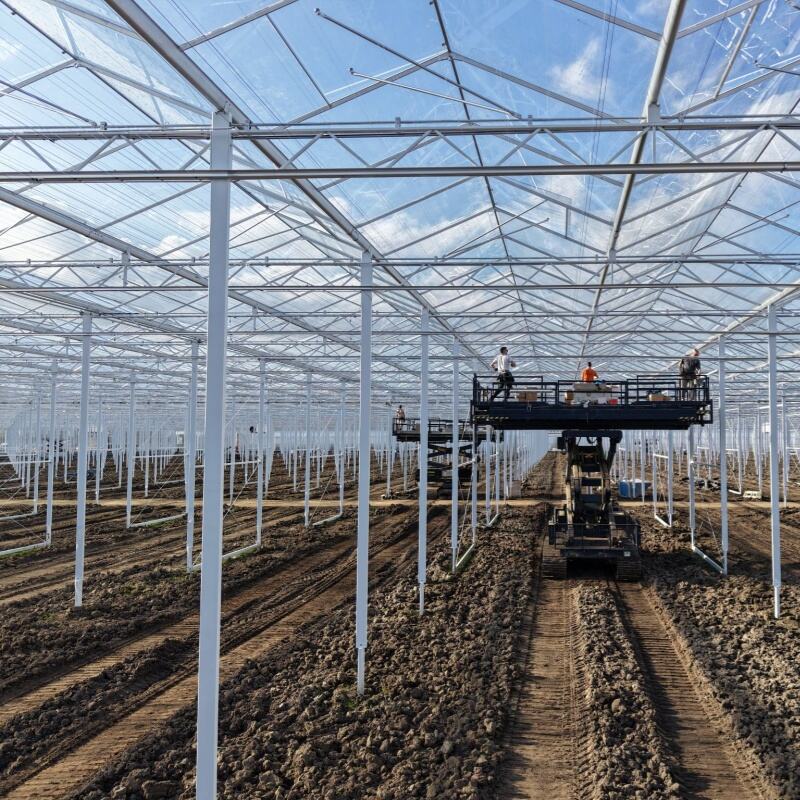
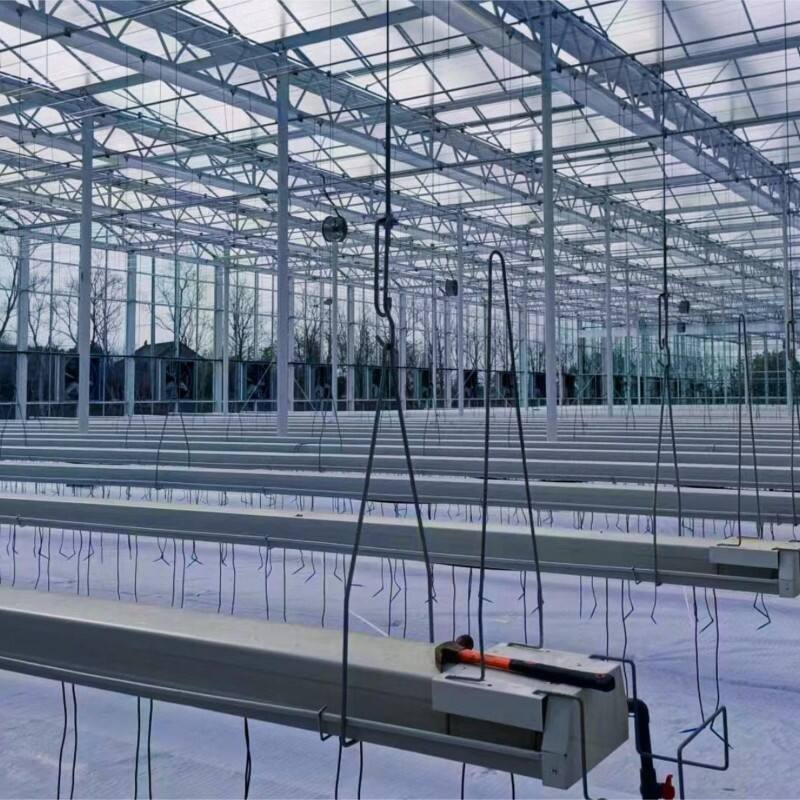
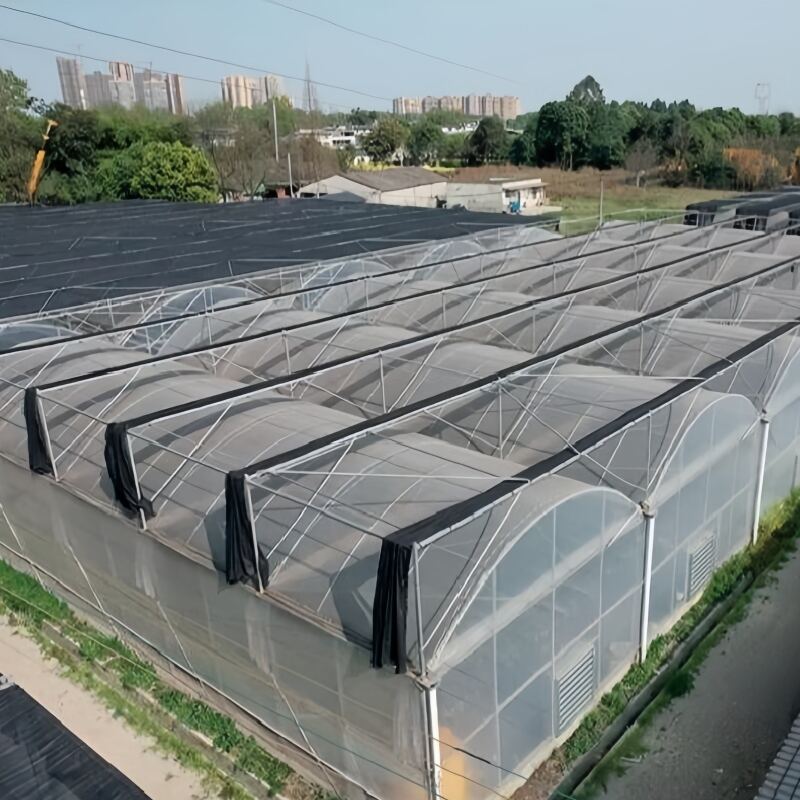
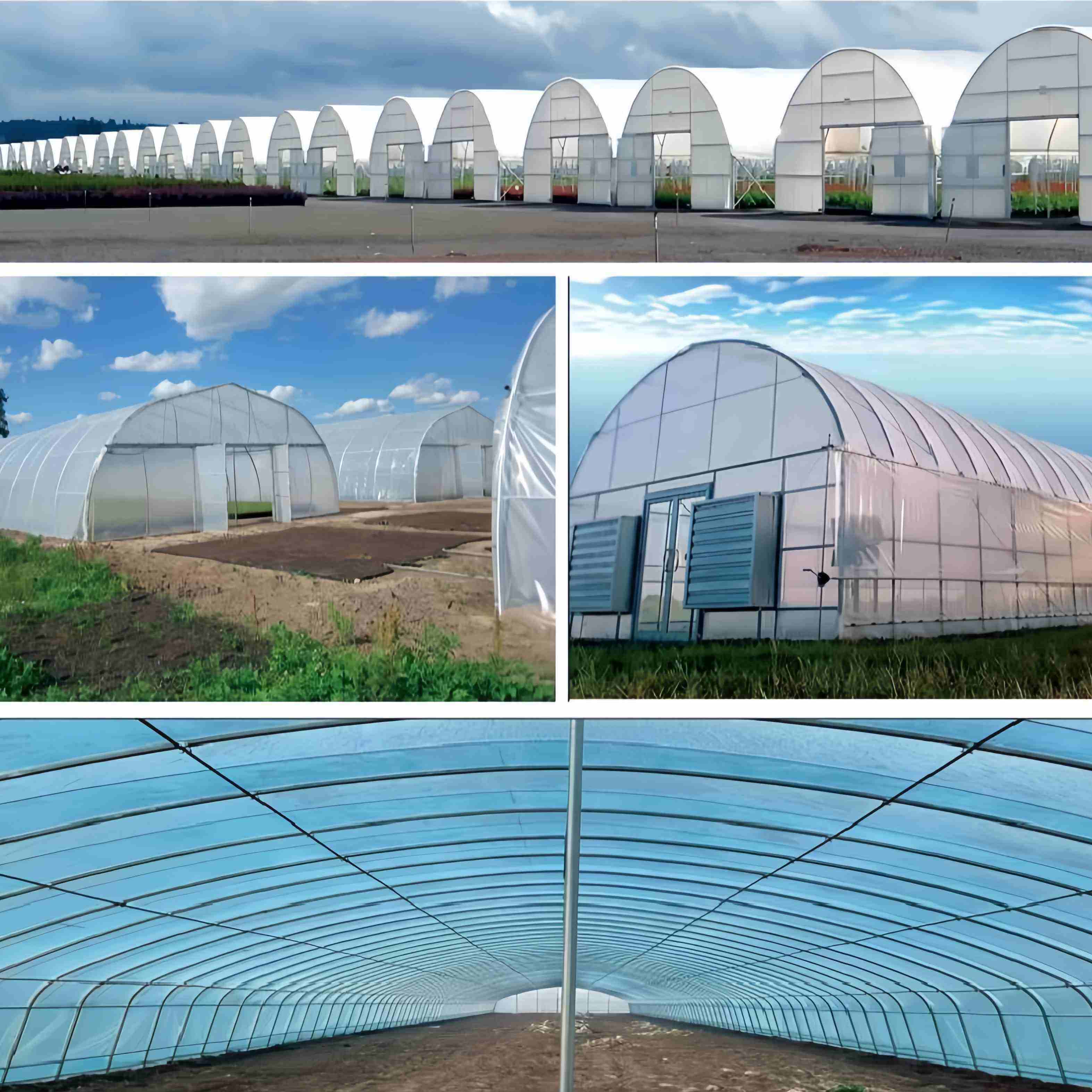
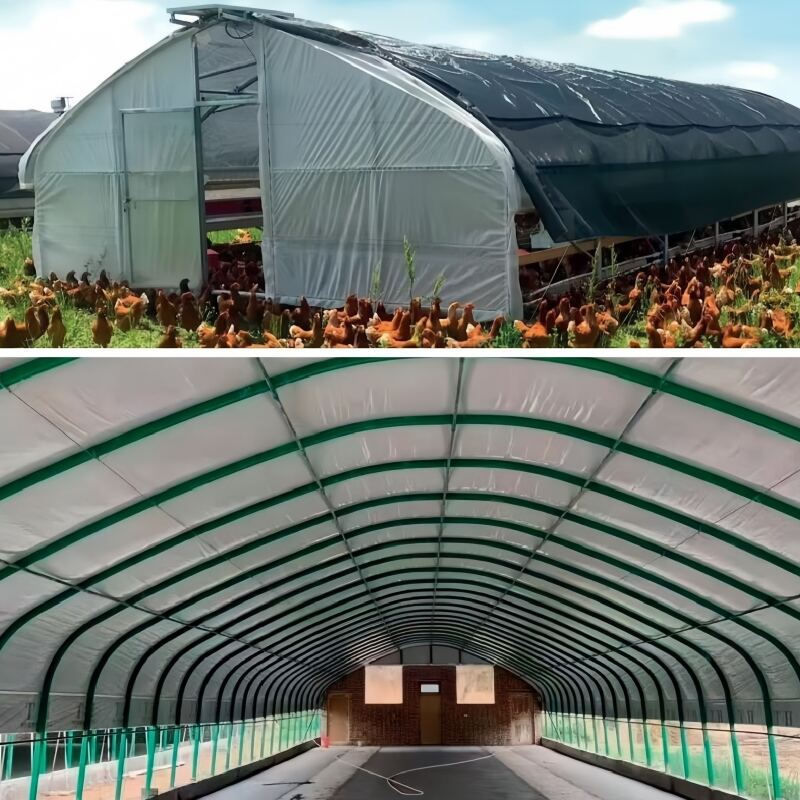
A shadehouse represents a sophisticated agricultural structure designed to provide controlled growing environments for plants while maintaining optimal light conditions. This specialized facility creates an intermediate growing environment between outdoor cultivation and fully enclosed greenhouse systems. The primary function of a shadehouse involves regulating sunlight exposure, temperature fluctuations, and environmental conditions to promote healthy plant development. Modern shadehouse designs incorporate advanced shade cloth materials, ventilation systems, and structural frameworks that deliver precise environmental control for various crop types. The technological features of contemporary shadehouse installations include automated shade cloth deployment mechanisms, climate monitoring sensors, and integrated irrigation systems. These structures utilize high-grade aluminum frameworks or galvanized steel construction to ensure durability and longevity in diverse weather conditions. The shade cloth materials employed range from 30% to 90% shade density, allowing growers to customize light transmission based on specific crop requirements. Ventilation technologies integrated into shadehouse designs include natural airflow systems, exhaust fans, and side wall opening mechanisms that maintain optimal air circulation. Applications for shadehouse facilities span across multiple agricultural sectors, including nursery operations, vegetable production, flower cultivation, and research facilities. Commercial growers utilize shadehouse environments for propagation activities, seedling development, and specialty crop production that requires specific light conditions. The controlled environment within a shadehouse enables year-round cultivation possibilities while protecting crops from extreme weather events, pest infestations, and UV radiation damage. Advanced shadehouse installations often incorporate automated environmental control systems that monitor temperature, humidity, and light levels continuously. These monitoring technologies ensure consistent growing conditions and optimize plant health throughout various growth stages. The modular design capabilities of modern shadehouse structures allow for scalable expansion and customization based on specific operational requirements.

New Product Recommendations

The shadehouse offers numerous practical benefits that directly impact agricultural productivity and operational efficiency for growers of all scales. Cost-effectiveness stands out as a primary advantage, as shadehouse construction requires significantly lower initial investment compared to traditional greenhouse facilities while delivering comparable environmental control capabilities. Energy efficiency becomes a major benefit since shadehouse operations rely primarily on natural ventilation and passive climate control, reducing electricity consumption and operational expenses throughout the growing season. The enhanced crop protection provided by shadehouse environments shields plants from harsh weather conditions, including hail damage, excessive wind exposure, and intense solar radiation that can stress or damage sensitive varieties. Water conservation benefits emerge through controlled irrigation systems and reduced evaporation rates within the shadehouse environment, allowing growers to optimize water usage and reduce waste. Pest and disease management improves significantly within shadehouse facilities, as the controlled access points and physical barriers help prevent many common agricultural pests from reaching crops. Quality improvements in harvested products result from the consistent growing conditions maintained within shadehouse environments, leading to more uniform plant development and higher-grade produce. Extended growing seasons become possible through shadehouse cultivation, enabling producers to start crops earlier in spring and continue production later into autumn months. Labor efficiency increases as shadehouse facilities provide comfortable working conditions for farm workers while organizing crops in accessible arrangements that streamline maintenance and harvesting activities. Flexibility in crop selection expands as growers can cultivate temperature-sensitive or light-sensitive varieties that would struggle in open-field conditions. Risk mitigation becomes a significant advantage as shadehouse protection reduces crop losses from unpredictable weather events and environmental stresses. Market advantages develop through improved product consistency and quality, allowing growers to command premium prices for shadehouse-grown produce. The scalability of shadehouse operations enables producers to start with smaller installations and expand gradually based on market demand and business growth. Environmental sustainability benefits include reduced chemical usage for pest control and more efficient resource utilization throughout the production cycle.

Tips And Tricks

Forging a Powerful Alliance: Netafim and Juyou Xinda Unite to Reshape the Future of Smart Agriculture

28

Nov

Forging a Powerful Alliance: Netafim and Juyou Xinda Unite to Reshape the Future of Smart Agriculture

View More
Australian Greenhouse Company Visits Our Facilities to Explore New Collaboration on 50,000 Sq.m Strawberry Glass Greenhouse Project

28

Nov

Australian Greenhouse Company Visits Our Facilities to Explore New Collaboration on 50,000 Sq.m Strawberry Glass Greenhouse Project

View More
 Innovative Breakthrough: Our Company Successfully Delivers World's First Customized

28

Nov

Innovative Breakthrough: Our Company Successfully Delivers World's First Customized "Greenhouse for Fertilizer Drying" to Malaysian Client

View More

Get a Free Quote

Our representative will contact you soon.
Email
Tel or Whatsapp
Name
Company Name
Message
0/1000

shadehouse

Advanced Climate Control Technology

Advanced Climate Control Technology

The sophisticated climate control technology integrated into modern shadehouse facilities represents a revolutionary approach to agricultural environmental management that transforms traditional farming practices. Advanced sensor networks continuously monitor temperature, humidity, light intensity, and air circulation patterns throughout the shadehouse environment, providing real-time data that enables precise environmental adjustments. Automated shade cloth deployment systems respond instantly to changing weather conditions, extending or retracting shade materials based on predetermined parameters that optimize growing conditions for specific crop varieties. Smart ventilation controls regulate airflow through motorized side walls, roof vents, and exhaust systems that maintain ideal atmospheric conditions while preventing temperature extremes that could stress plants. Integrated weather monitoring stations connect shadehouse control systems to external meteorological data, allowing proactive adjustments before adverse conditions impact crop health. The technological sophistication extends to computerized irrigation systems that deliver precise water quantities based on soil moisture sensors and plant growth stage requirements. Digital dashboard interfaces provide growers with comprehensive oversight of all environmental parameters through mobile applications and web-based platforms, enabling remote monitoring and control capabilities. Climate control algorithms learn from historical data patterns to predict optimal settings for different seasons and crop cycles, continuously improving environmental management efficiency. Backup power systems ensure uninterrupted operation of critical climate control functions during electrical outages or equipment maintenance periods. The integration of renewable energy sources, including solar panels and wind generators, powers many automated systems while reducing operational costs and environmental impact. Alert systems notify operators immediately when environmental parameters exceed preset thresholds, preventing potential crop damage through rapid response protocols. Data logging capabilities create detailed records of environmental conditions that support crop research, yield optimization, and regulatory compliance requirements. The modular design of control systems allows for easy upgrades and expansion as technology advances or operational needs evolve.
Superior Crop Protection and Quality Enhancement

Superior Crop Protection and Quality Enhancement

Superior crop protection capabilities within shadehouse environments deliver exceptional quality enhancement benefits that directly translate to improved harvest outcomes and market value for agricultural producers. Physical barrier protection shields crops from devastating weather events, including hailstorms, heavy rainfall, strong winds, and extreme temperature fluctuations that can destroy entire harvests in open-field cultivation. UV radiation filtering through specialized shade cloth materials prevents sun scorch damage while maintaining sufficient light penetration for healthy photosynthesis and plant development. Pest exclusion barriers integrated into shadehouse designs significantly reduce insect infestations and disease pressure, minimizing the need for chemical pesticides and creating healthier growing environments. Quality enhancement occurs through consistent environmental conditions that promote uniform plant growth, resulting in more predictable harvest timing and standardized product characteristics. Protection from contamination sources, including dust, airborne pollutants, and chemical drift from neighboring agricultural operations, ensures cleaner produce that meets stringent food safety standards. Controlled growing conditions eliminate many stress factors that can reduce crop quality, including water stress, temperature shock, and nutrient imbalances that commonly affect outdoor cultivation. Enhanced flower and fruit development results from stable environmental conditions that support optimal pollination and reproduction processes throughout the growing cycle. Post-harvest quality improvements extend shelf life and market appeal through reduced field damage and contamination that typically occurs in exposed growing conditions. Specialized growing environments within shadehouse facilities enable cultivation of premium varieties that require specific environmental conditions and command higher market prices. Disease prevention strategies become more effective within controlled shadehouse environments, where air circulation, humidity control, and plant spacing can be optimized to reduce pathogen development. Quality certification opportunities increase as shadehouse-grown produce often meets organic, sustainable, or premium growing standards that appeal to discerning consumers. Harvest timing flexibility allows growers to coordinate picking schedules with market demand and processing facility availability, maximizing product value and reducing waste.
Exceptional Versatility and Scalability Features

Exceptional Versatility and Scalability Features

Exceptional versatility and scalability features distinguish modern shadehouse facilities as adaptable agricultural solutions that accommodate diverse growing requirements and business expansion plans across multiple industry sectors. Crop diversification capabilities allow single shadehouse installations to support various plant types simultaneously through compartmentalized growing zones with different environmental settings and shade density requirements. Seasonal adaptability enables year-round production cycles by adjusting environmental parameters for different crops throughout changing seasons, maximizing facility utilization and revenue generation potential. Modular construction systems facilitate easy expansion of existing shadehouse facilities without disrupting ongoing production activities, allowing businesses to grow incrementally based on market demand and financial capacity. Multi-purpose functionality transforms shadehouse spaces for different agricultural activities, including seedling propagation, crop production, post-harvest processing, and equipment storage, optimizing space utilization efficiency. Research and development applications benefit from controlled shadehouse environments that enable precise experimentation with growing techniques, variety trials, and environmental parameter testing for crop improvement programs. Educational opportunities emerge as shadehouse facilities serve as demonstration sites for agricultural training programs, university research projects, and sustainable farming education initiatives. Specialty crop cultivation becomes viable through customizable environmental controls that support exotic varieties, medicinal plants, and high-value crops requiring specific growing conditions. Organic production certification processes benefit from shadehouse protection against contamination and precise control over growing inputs that meet organic standards requirements. Technology integration capabilities accommodate future innovations in agricultural automation, sensors, and monitoring systems without requiring major structural modifications. Geographic adaptability allows shadehouse installations in diverse climate zones through customizable designs that address local weather patterns and environmental challenges. Production scheduling flexibility enables growers to stagger planting cycles and coordinate harvesting activities with labor availability and market timing requirements. Investment scalability supports both small-scale family operations and large commercial enterprises through modular sizing options that match operational capacity and budget constraints while maintaining professional production standards.

Get a Free Quote

Our representative will contact you soon.
Email
Tel or Whatsapp
Name
Company Name
Message
0/1000