Modern Greenhouse Factory Solutions: Advanced Climate-Controlled Agricultural Production Systems

Welcome To JYXD-greenhouse

Get a Free Quote

Our representative will contact you soon.
Email
Tel or Whatsapp
Name
Company Name
Message
0/1000

greenhouse factory

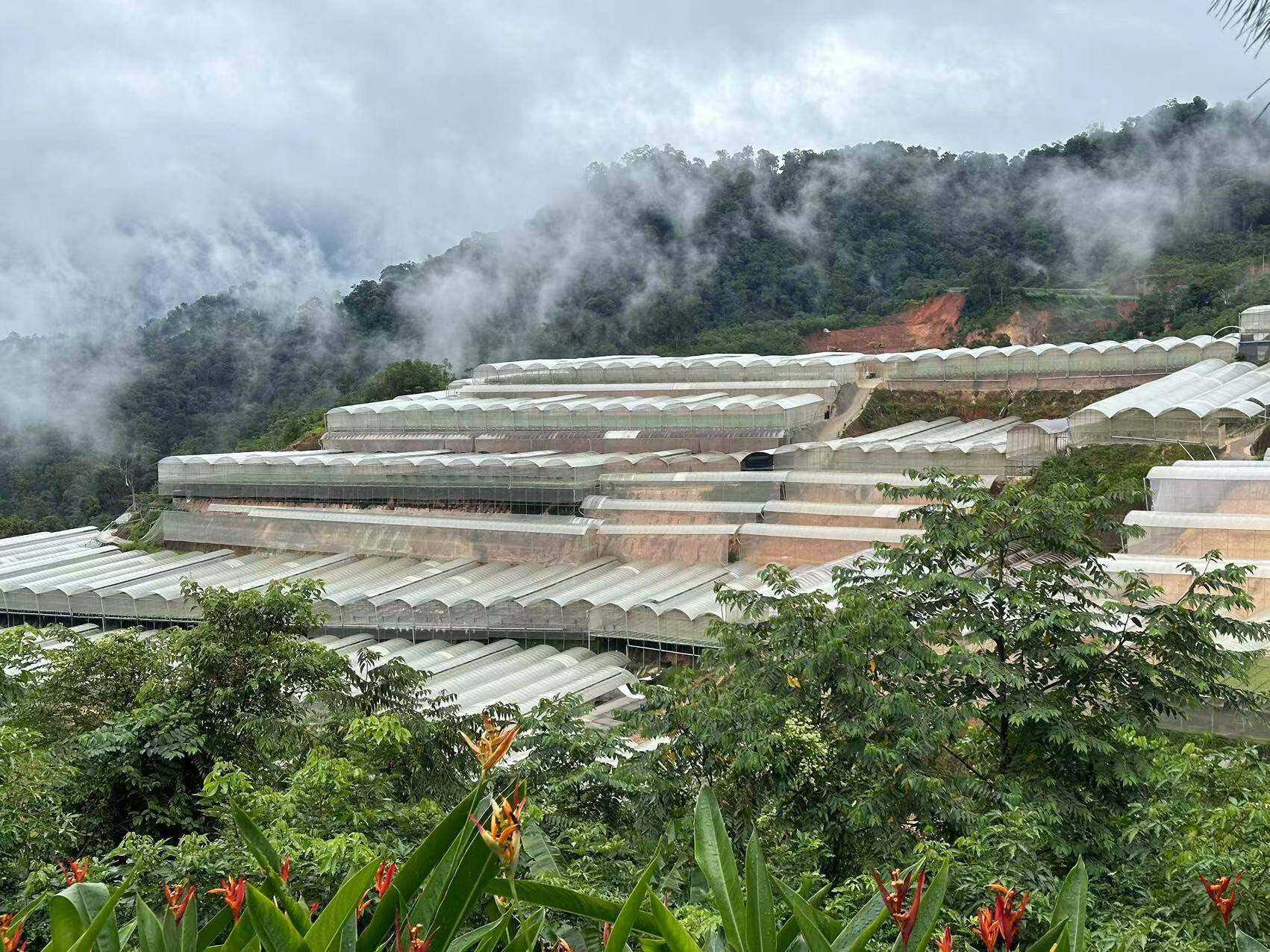
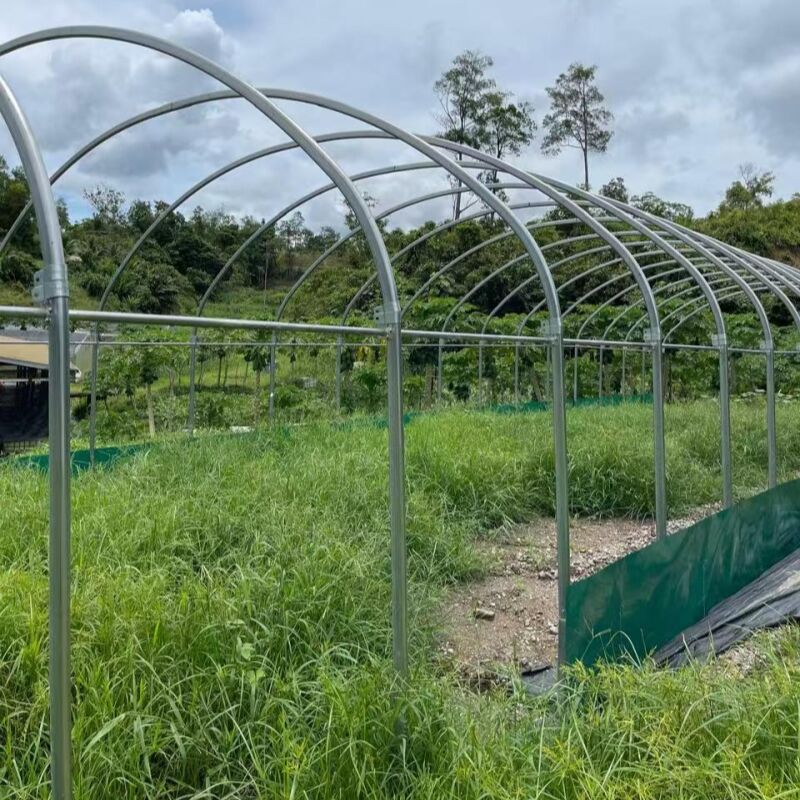
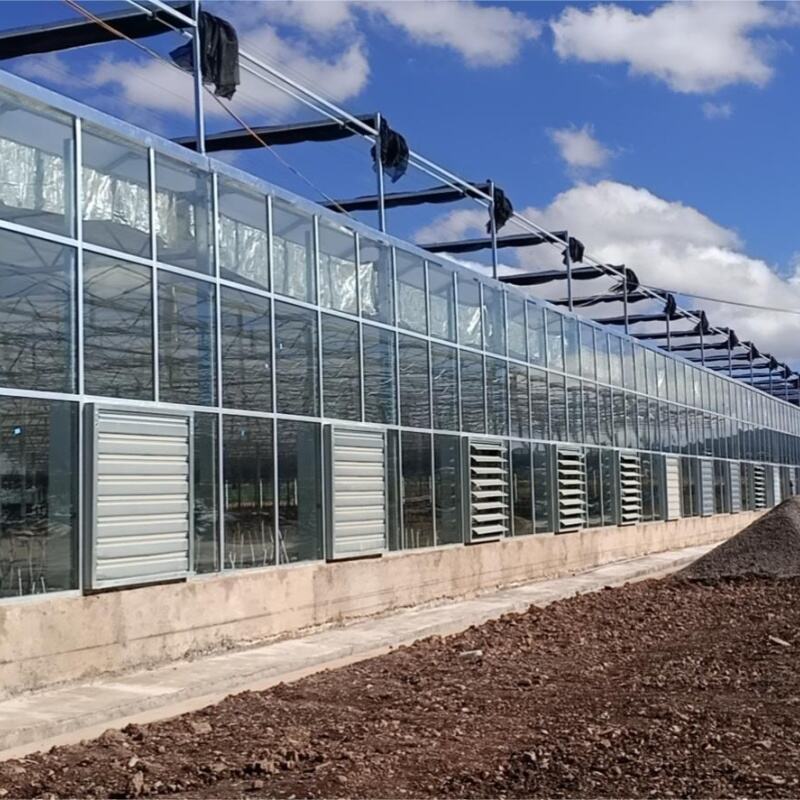
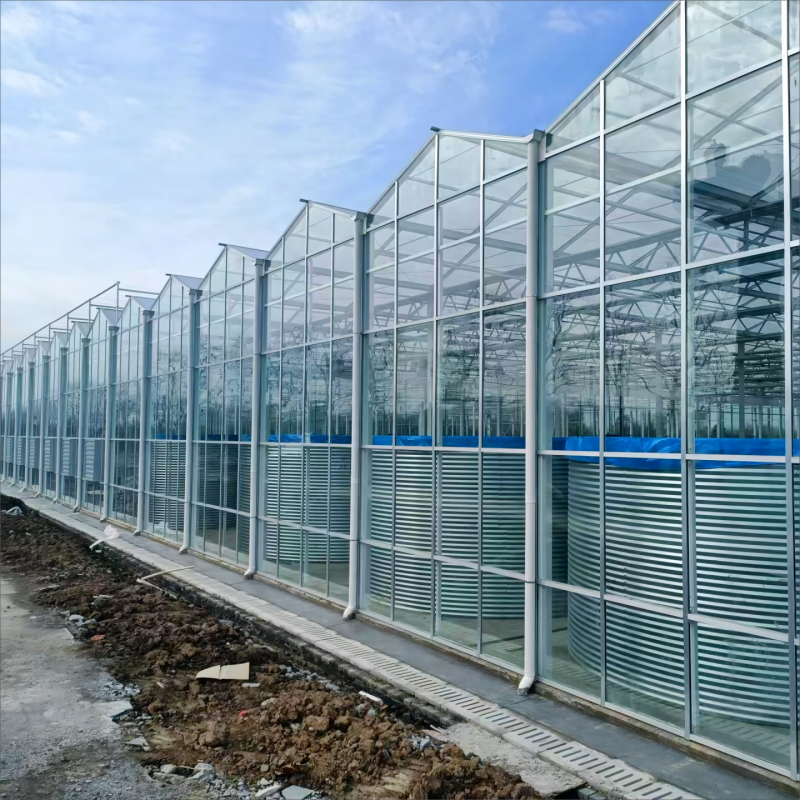
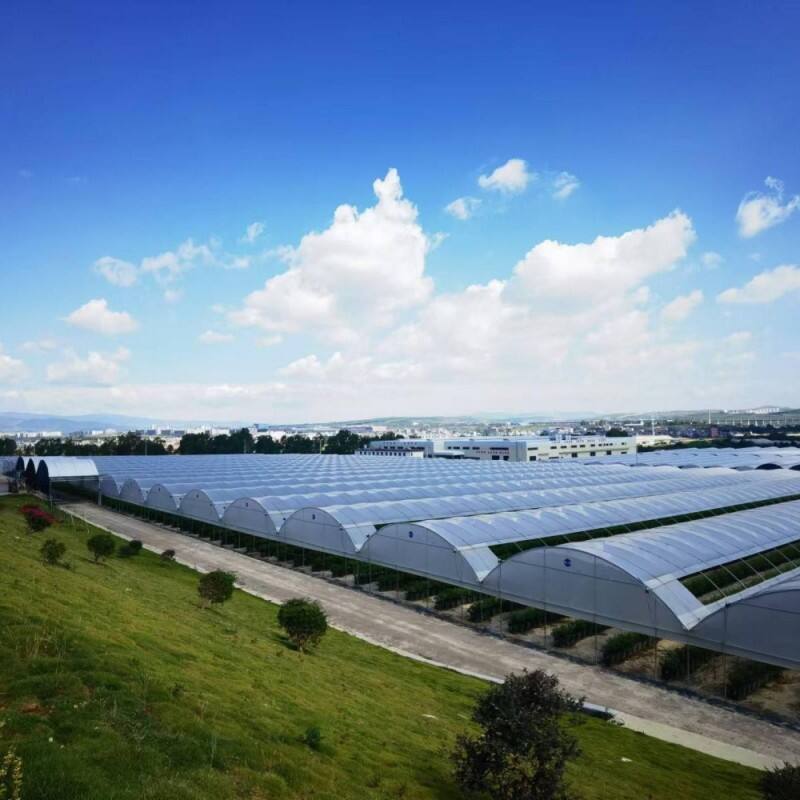
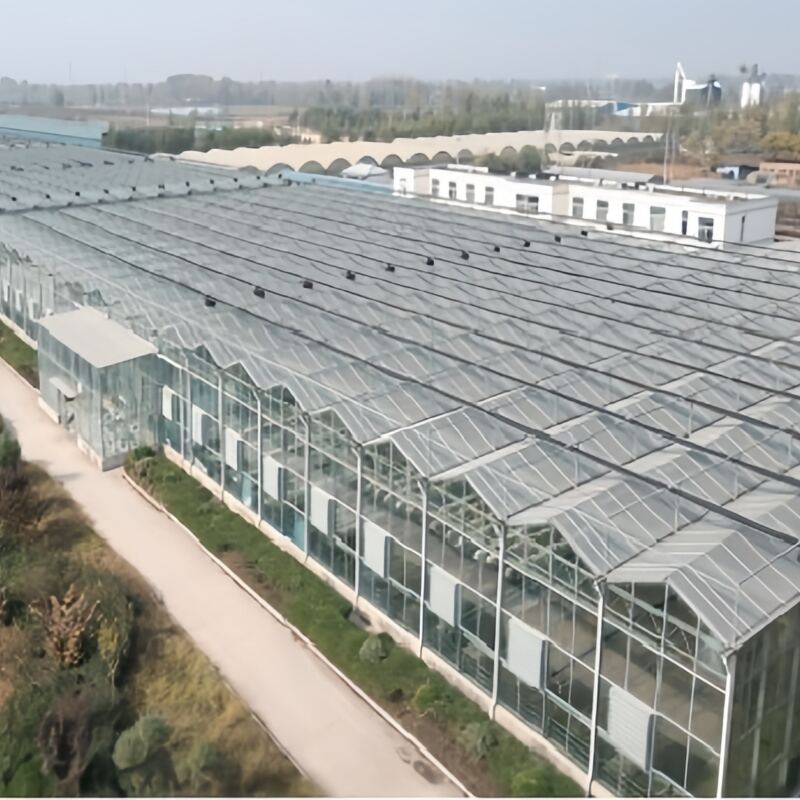
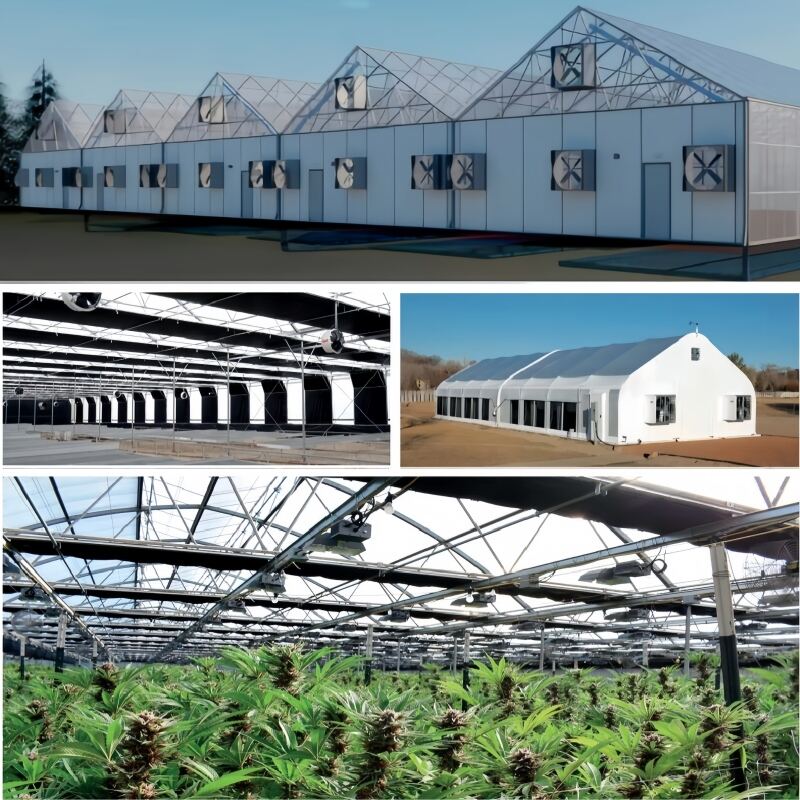
A greenhouse factory represents a revolutionary approach to modern agriculture, combining traditional greenhouse principles with advanced manufacturing methodologies to create controlled environment facilities for year-round crop production. These sophisticated structures integrate cutting-edge technology with sustainable farming practices, enabling farmers and agricultural businesses to maximize productivity while minimizing environmental impact. The greenhouse factory serves as a comprehensive solution for commercial food production, offering precise climate control, automated systems, and optimized growing conditions that surpass conventional farming methods. The main functions of a greenhouse factory encompass complete environmental management, including temperature regulation, humidity control, lighting systems, and ventilation management. These facilities utilize advanced sensors and monitoring equipment to maintain optimal growing conditions for various crops throughout different seasons. The technological features include automated irrigation systems, climate control computers, energy-efficient LED grow lights, and sophisticated air circulation systems that work together to create ideal growing environments. Modern greenhouse factory designs incorporate smart technology integration, allowing remote monitoring and control through mobile applications and computer interfaces. The structural components feature high-quality materials such as polycarbonate panels, aluminum framing, and reinforced foundations designed to withstand various weather conditions while maintaining internal stability. Applications for greenhouse factory systems span across multiple agricultural sectors, including commercial vegetable production, flower cultivation, herb farming, and specialty crop growing. These facilities prove particularly valuable for regions with challenging climates, urban agriculture initiatives, and businesses seeking consistent, high-quality crop yields. The greenhouse factory concept has gained significant traction among progressive farmers, agricultural cooperatives, and food production companies looking to enhance their operational efficiency while reducing dependency on unpredictable weather patterns and seasonal limitations.

New Product Recommendations

The greenhouse factory delivers numerous practical benefits that directly impact profitability and operational success for agricultural businesses and individual farmers. Year-round production capability stands as the primary advantage, allowing continuous harvesting regardless of external weather conditions or seasonal changes. This consistent production schedule enables farmers to maintain steady income streams and meet market demands throughout the entire year, eliminating the financial uncertainties associated with traditional seasonal farming. Water conservation represents another significant benefit, as greenhouse factory systems utilize advanced irrigation technologies that reduce water consumption by up to seventy percent compared to open-field farming. The controlled environment eliminates water waste through precise delivery systems and recycling capabilities, making these facilities environmentally responsible and cost-effective. Pest and disease management becomes dramatically simplified within greenhouse factory environments, as the enclosed structure provides natural barriers against insects, rodents, and airborne pathogens. This protection reduces the need for chemical pesticides and herbicides, resulting in healthier crops and lower input costs while supporting organic farming practices. Labor efficiency improvements occur through ergonomic design features and automated systems that reduce physical strain on workers while increasing productivity per person. The controlled height and accessible layout of greenhouse factory structures enable comfortable working conditions and efficient harvest procedures. Space optimization allows farmers to achieve higher yields per square foot compared to traditional farming methods, making greenhouse factory systems ideal for areas with limited available land or high property values. Crop quality enhancement results from the stable growing conditions that promote consistent plant development and superior produce characteristics. The greenhouse factory environment eliminates weather-related stress factors that can damage crops or reduce their market value. Energy efficiency features, including thermal screens and heat recovery systems, help minimize operational costs while maintaining optimal growing conditions. Market timing advantages allow producers to deliver fresh products during off-season periods when prices typically reach premium levels, significantly improving profit margins and competitive positioning in agricultural markets.

Tips And Tricks

Forging a Powerful Alliance: Netafim and Juyou Xinda Unite to Reshape the Future of Smart Agriculture

28

Nov

Forging a Powerful Alliance: Netafim and Juyou Xinda Unite to Reshape the Future of Smart Agriculture

View More
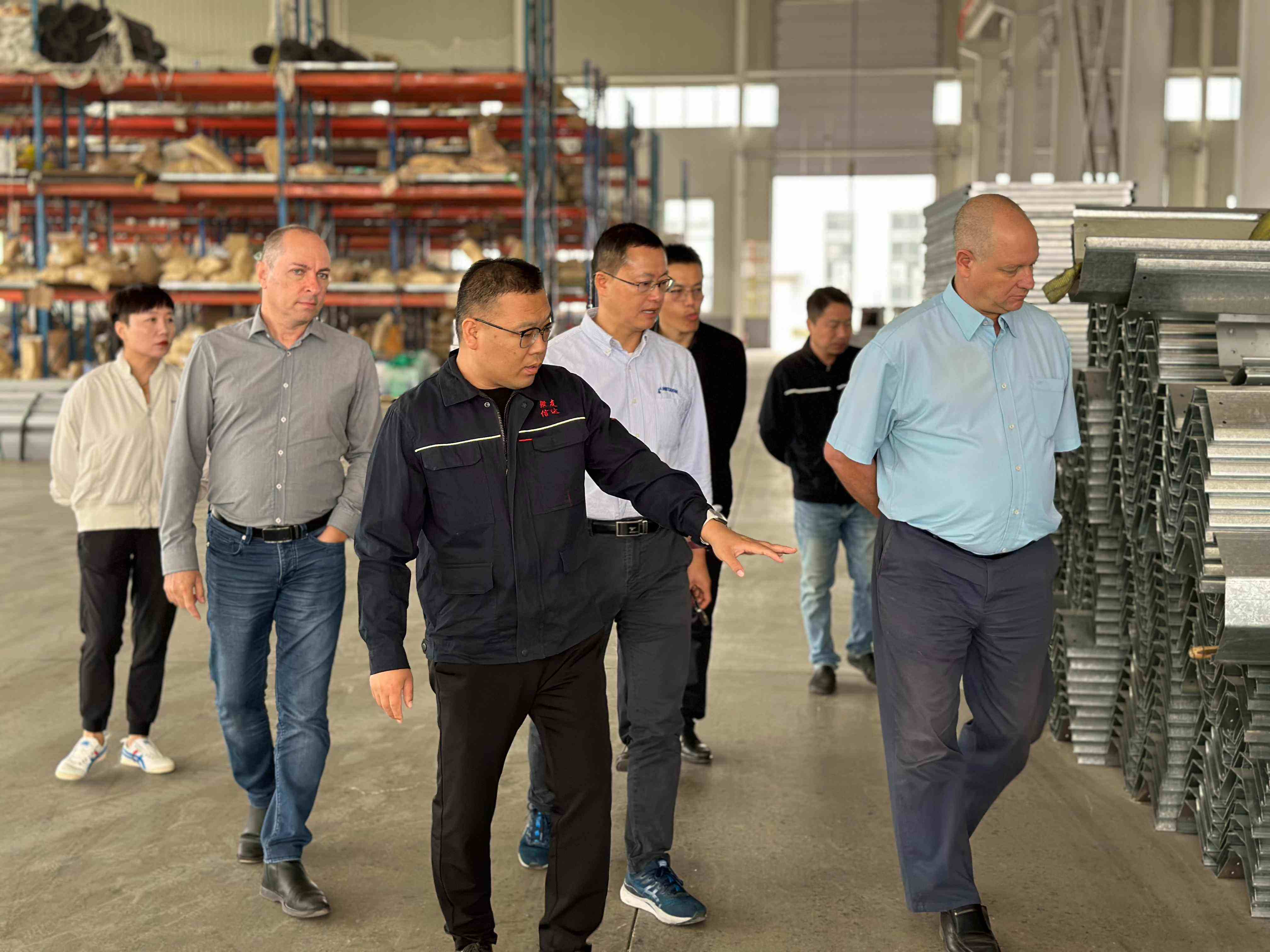
Australian Greenhouse Company Visits Our Facilities to Explore New Collaboration on 50,000 Sq.m Strawberry Glass Greenhouse Project

28

Nov

Australian Greenhouse Company Visits Our Facilities to Explore New Collaboration on 50,000 Sq.m Strawberry Glass Greenhouse Project

View More
 Innovative Breakthrough: Our Company Successfully Delivers World's First Customized

28

Nov

Innovative Breakthrough: Our Company Successfully Delivers World's First Customized "Greenhouse for Fertilizer Drying" to Malaysian Client

View More

Get a Free Quote

Our representative will contact you soon.
Email
Tel or Whatsapp
Name
Company Name
Message
0/1000

greenhouse factory

Advanced Climate Control Technology

Advanced Climate Control Technology

The greenhouse factory incorporates sophisticated climate control technology that revolutionizes agricultural production through precise environmental management systems. This advanced technology utilizes multiple sensors strategically positioned throughout the facility to continuously monitor temperature, humidity, carbon dioxide levels, and air circulation patterns. The integrated computer systems process this real-time data to automatically adjust environmental conditions, ensuring optimal growing parameters for specific crop varieties. Temperature control systems feature both heating and cooling capabilities, utilizing energy-efficient heat pumps, radiant heating systems, and evaporative cooling technologies that maintain consistent temperatures within narrow ranges regardless of external weather conditions. The humidity management system prevents both excessive moisture that can lead to fungal diseases and insufficient humidity that may stress plants and reduce growth rates. Carbon dioxide supplementation systems enhance photosynthesis by maintaining optimal CO2 concentrations during daylight hours, significantly increasing plant growth rates and overall yields. The ventilation system includes both natural and mechanical components, featuring automated roof vents, side wall louvers, and circulation fans that ensure proper air movement while maintaining temperature stability. Advanced thermal screens provide additional climate control by reducing heat loss during cold periods and minimizing excessive heat gain during hot weather, contributing to energy efficiency and cost reduction. The lighting control systems integrate natural sunlight with supplemental LED grow lights, automatically adjusting intensity and duration based on crop requirements and seasonal variations. These sophisticated climate control technologies work together seamlessly to create ideal growing conditions that maximize plant health, growth rates, and final yield quality. The system's ability to maintain consistent environmental parameters eliminates the stress factors that typically affect outdoor crops, resulting in superior produce quality and predictable harvest schedules that benefit both producers and consumers in the agricultural marketplace.
Automated Growing Systems Integration

Automated Growing Systems Integration

The greenhouse factory features comprehensive automated growing systems that streamline agricultural operations and significantly reduce labor requirements while improving crop consistency and quality. These integrated automation technologies encompass every aspect of plant cultivation, from seeding and transplanting to harvesting and post-harvest handling. The automated irrigation system represents a cornerstone of greenhouse factory efficiency, utilizing precision drip irrigation, ebb-and-flow systems, and misting technologies that deliver exact amounts of water and nutrients directly to plant root zones. Computer-controlled fertilizer injection systems mix and deliver customized nutrient solutions based on crop growth stages, soil conditions, and environmental factors, ensuring optimal plant nutrition throughout the entire growing cycle. Seeding automation includes precision seeders and transplanting robots that handle delicate seedlings with consistent spacing and depth placement, reducing labor costs while improving germination rates and plant uniformity. The automated monitoring systems continuously track plant health indicators, growth rates, and environmental conditions through advanced sensor networks and imaging technology that can detect early signs of stress, disease, or nutrient deficiencies. Robotic harvesting systems are increasingly integrated into modern greenhouse factory designs, particularly for crops like tomatoes, cucumbers, and lettuce, providing consistent harvesting schedules and reducing labor dependencies. Material handling automation includes conveyor systems, sorting equipment, and packaging machinery that streamline post-harvest operations and maintain product quality during processing. The central control systems integrate all automated components through user-friendly interfaces that allow operators to monitor and adjust multiple systems simultaneously from remote locations. These automation technologies reduce human error, improve operational consistency, and enable greenhouse factory operators to manage larger facilities with smaller workforce requirements. The integration of artificial intelligence and machine learning capabilities continues to enhance these automated systems, providing predictive analytics and optimization recommendations that further improve efficiency and productivity in greenhouse factory operations.
Sustainable Resource Management

Sustainable Resource Management

The greenhouse factory demonstrates exceptional sustainable resource management through innovative technologies and practices that minimize environmental impact while maximizing agricultural productivity. Water management systems form the foundation of sustainability efforts, incorporating closed-loop irrigation systems that capture, treat, and recycle water throughout the growing process. These systems reduce water consumption by up to eighty percent compared to traditional farming methods through precise delivery mechanisms that eliminate runoff and waste. Rainwater collection systems integrated into greenhouse factory designs capture precipitation from roof surfaces and channel it into storage tanks for irrigation use, further reducing dependence on municipal water supplies or groundwater resources. The nutrient management approach utilizes hydroponic and aquaponic growing systems that recirculate fertilizer solutions, preventing nutrient runoff that can contaminate surrounding soil and waterways. Energy management strategies include solar panel installations, geothermal heating systems, and energy recovery ventilators that reduce dependence on fossil fuels while lowering operational costs. The greenhouse factory structure itself contributes to sustainability through high-performance glazing materials that maximize natural light penetration while providing superior insulation properties, reducing the need for artificial lighting and climate control energy consumption. Waste reduction practices incorporate composting systems for organic plant matter, recycling programs for packaging materials, and circular economy principles that convert waste products into useful resources. Carbon footprint reduction occurs through localized food production that eliminates long-distance transportation requirements, reducing greenhouse gas emissions associated with food distribution networks. The greenhouse factory model supports biodiversity preservation by reducing the need to convert natural habitats into agricultural land, allowing existing ecosystems to remain intact while increasing food production efficiency. Integrated pest management strategies minimize chemical inputs through biological controls, beneficial insect populations, and physical barriers that maintain crop health without environmental contamination. These sustainable resource management practices position greenhouse factory operations as environmentally responsible businesses that meet growing consumer demands for eco-friendly food production methods while maintaining economic viability and competitive advantages in agricultural markets.

Get a Free Quote

Our representative will contact you soon.
Email
Tel or Whatsapp
Name
Company Name
Message
0/1000