Amélioration de la santé des plantes et optimisation de la productivité
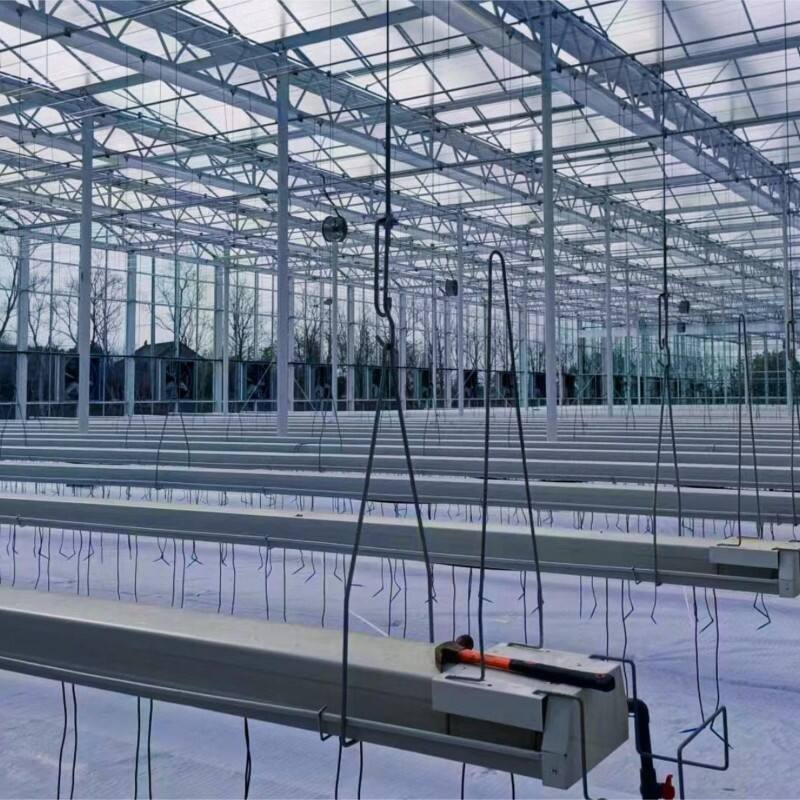
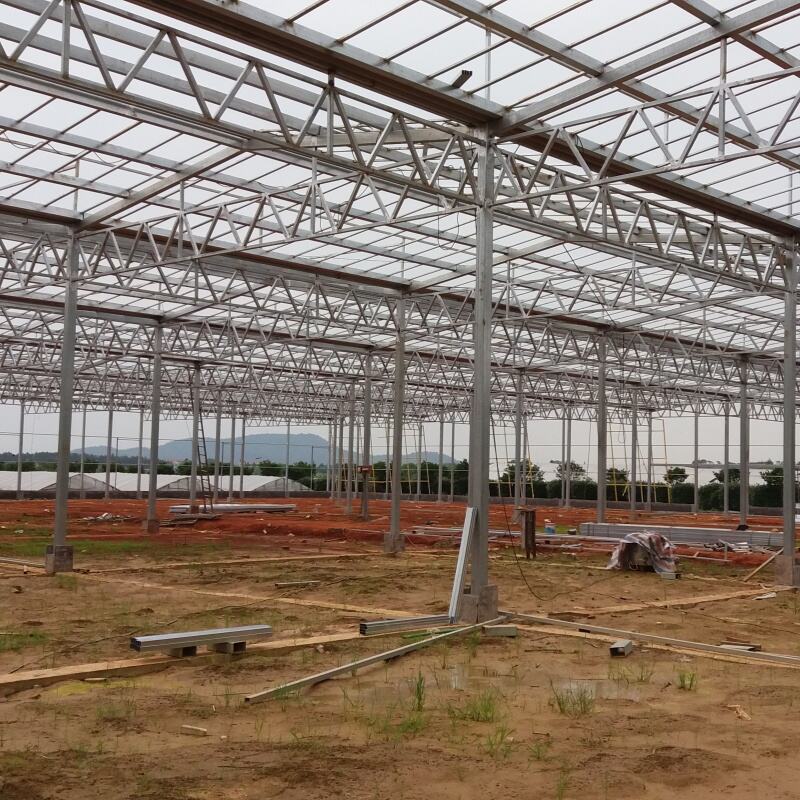
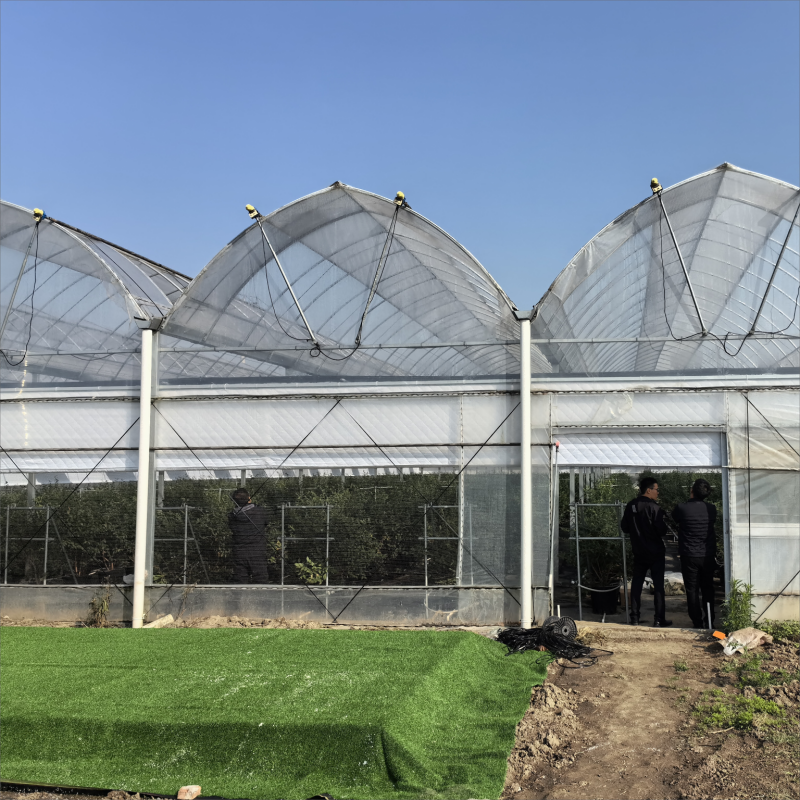
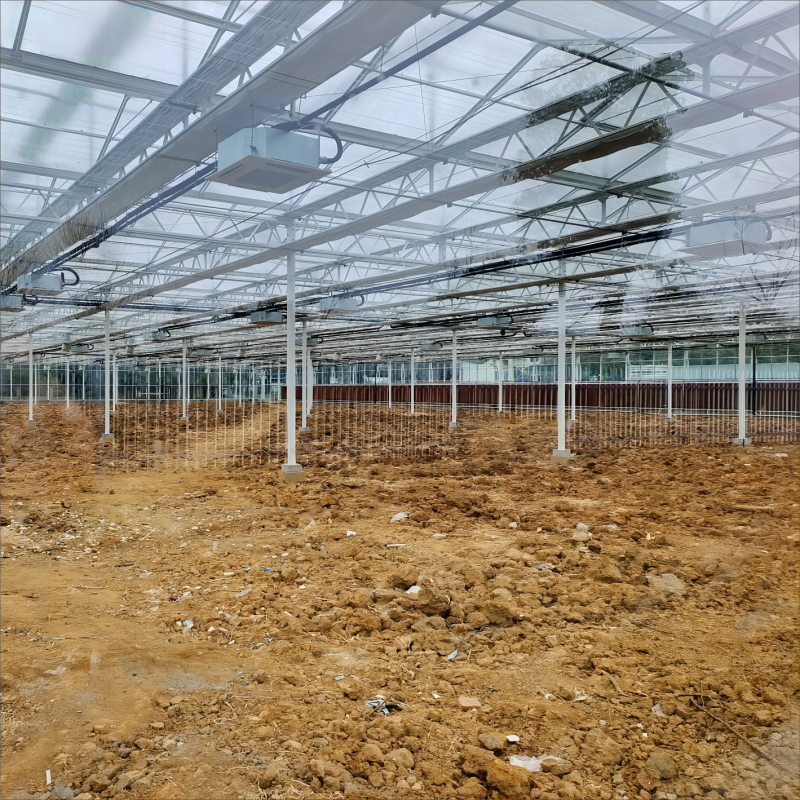
La mise en œuvre de supports professionnels pour plantes en serre crée des conditions de croissance optimales qui améliorent considérablement la santé des plantes et maximisent la productivité grâce à une meilleure gestion de l’environnement et à des capacités accrues d’entraînement des plantes. Ces systèmes permettent un contrôle précis du positionnement, de l’espacement et de l’orientation des plantes, ce qui a un impact direct sur l’efficacité photosynthétique, l’absorption des nutriments et la vigueur globale des plantes. Des supports bien positionnés favorisent une répartition uniforme de la lumière dans la canopée végétale, garantissant que toutes les feuilles reçoivent une illumination adéquate pour une photosynthèse optimale et empêchant le développement d’une croissance faible et étirée dans les zones ombragées. L’organisation verticale permise par les supports en serre améliore la circulation de l’air autour de chaque plante, réduisant l’accumulation d’humidité et la formation de poches d’air stagnant, facteurs courants de maladies fongiques et d’infestations parasitaires. Cette circulation améliorée renforce également le développement des tiges et confère aux plantes une structure plus robuste, car celles-ci s’adaptent au léger stress mécanique généré par un meilleur mouvement de l’air. L’organisation systématique offerte par les supports en serre permet d’appliquer des pratiques d’irrigation plus précises, avec une distribution ciblée d’eau et de nutriments directement dans les zones racinaires, sans gaspillage ni ruissellement, phénomènes fréquents dans des dispositions de culture moins structurées. Cette livraison ciblée des ressources améliore l’efficacité de la nutrition végétale tout en réduisant les coûts d’intrants et l’impact environnemental. Les améliorations d’accessibilité apportées par les supports en serre facilitent les activités régulières de surveillance et d’entretien, essentielles au maintien d’une santé végétale optimale, notamment la détection précoce des problèmes liés aux ravageurs, aux symptômes de maladies et aux carences nutritionnelles. Les possibilités d’entraînement offertes par les supports réglables en serre permettent aux cultivateurs de mettre en œuvre des techniques culturales avancées telles que la taille, le pincement et la gestion de la canopée, afin d’optimiser la production fruitière et les performances des plantes. Ces systèmes réduisent également le stress physique subi par les plantes en assurant un soutien constant tout au long du cycle de croissance, évitant ainsi la cassure des branches, les dommages racinaires et autres blessures mécaniques susceptibles de compromettre la santé et la productivité des plantes. L’espacement amélioré des plantes obtenu grâce aux supports en serre réduit la concurrence pour les ressources tout en maintenant une densité de production maximale, créant ainsi des conditions idéales pour une production agricole durable et hautement productive.
 ×
×
 EN
EN