Protection des cultures supérieure et amélioration de la qualité
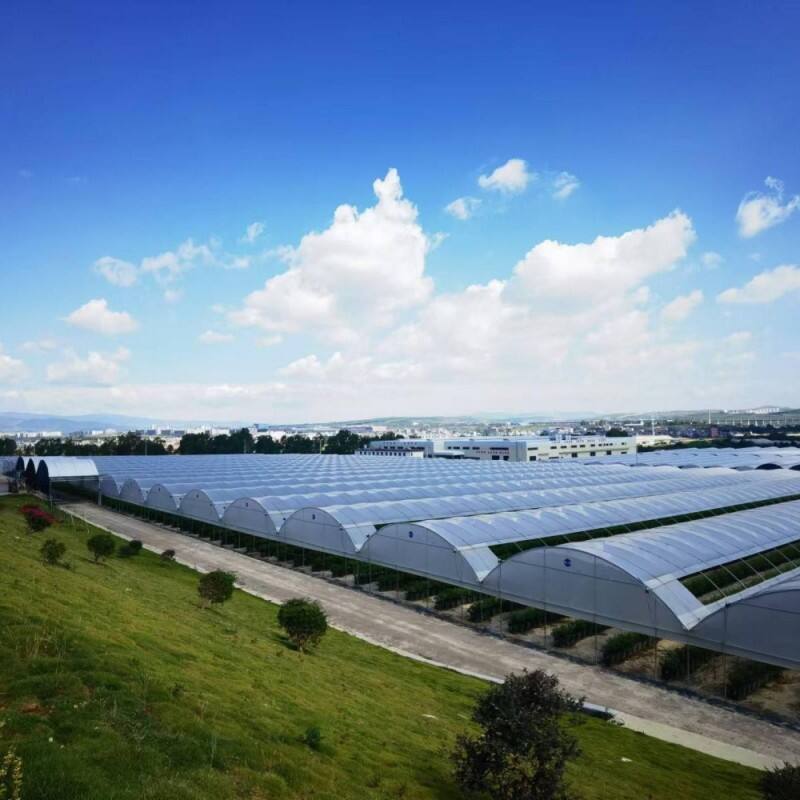
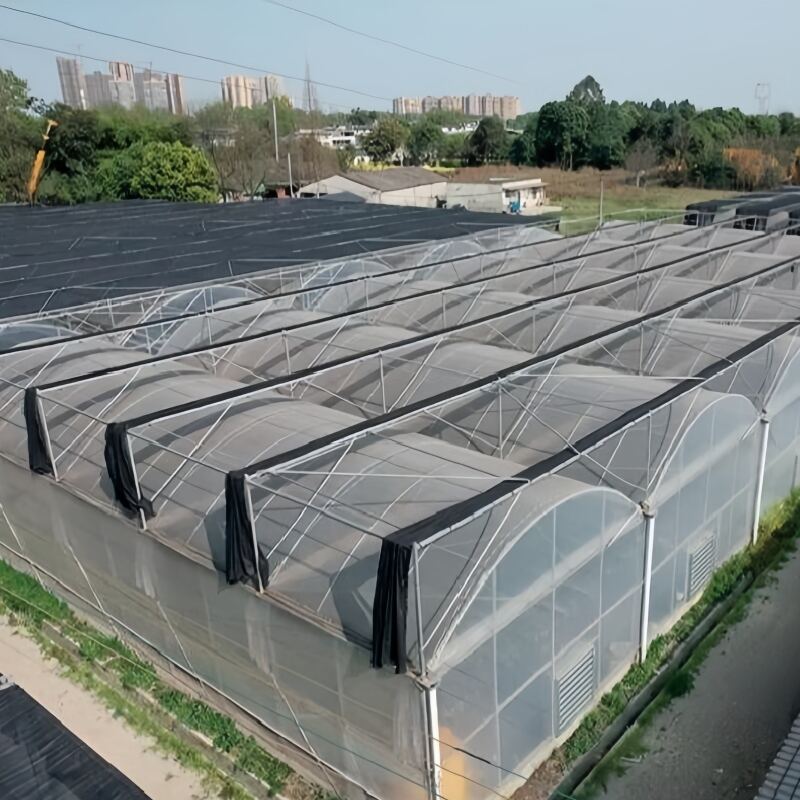
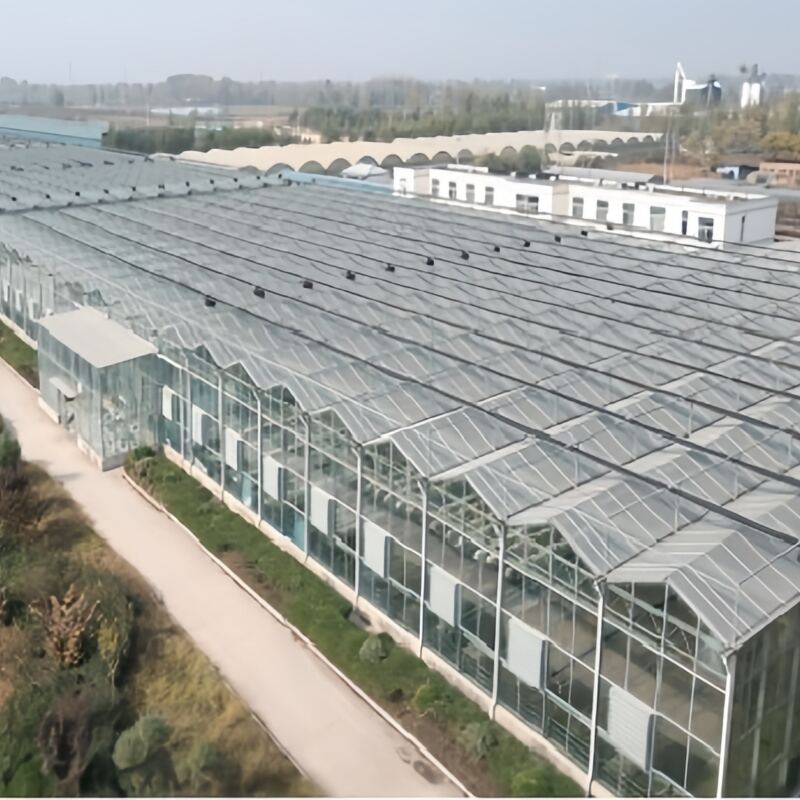
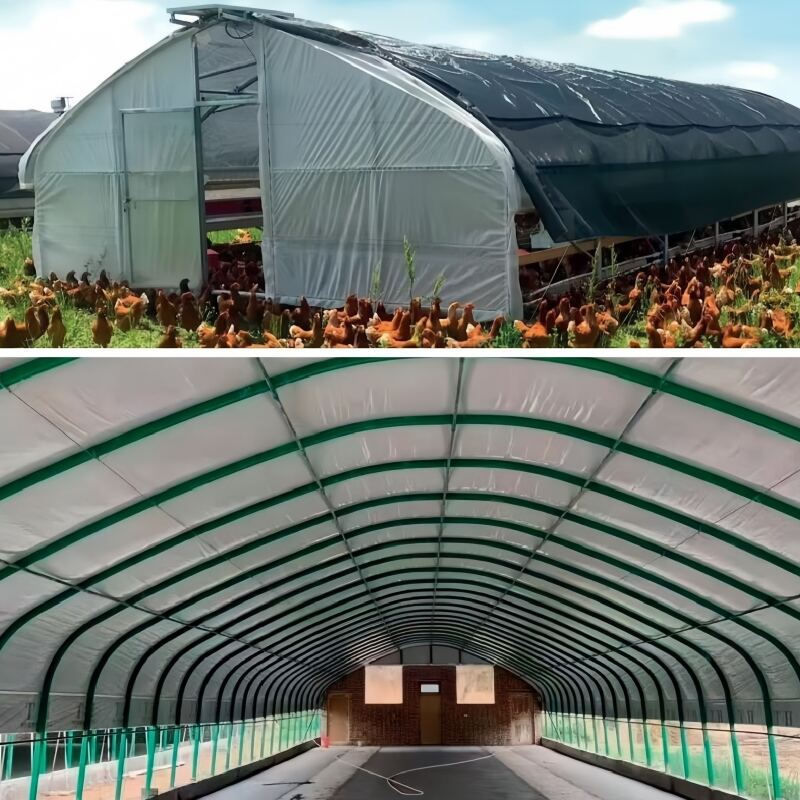
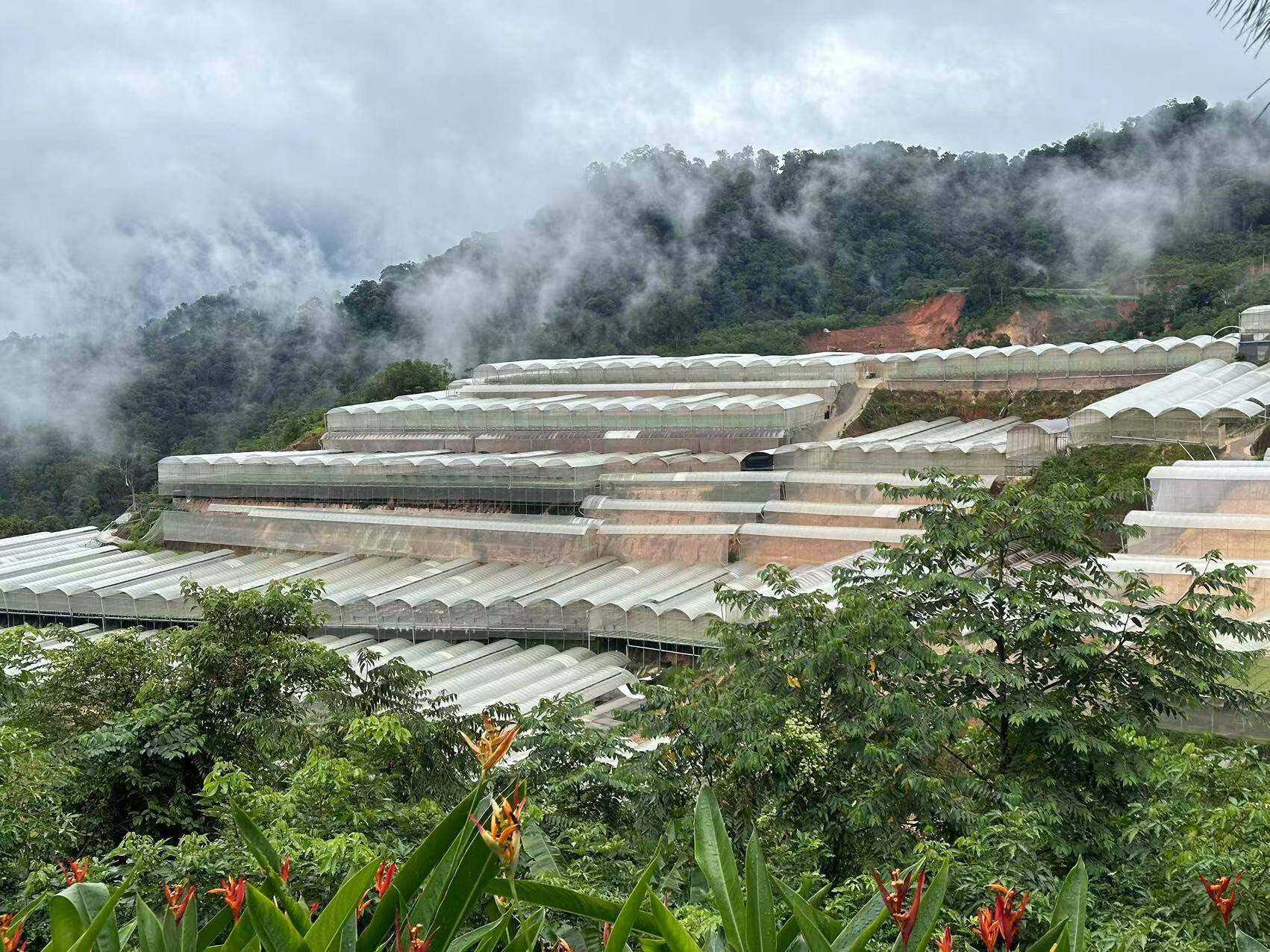
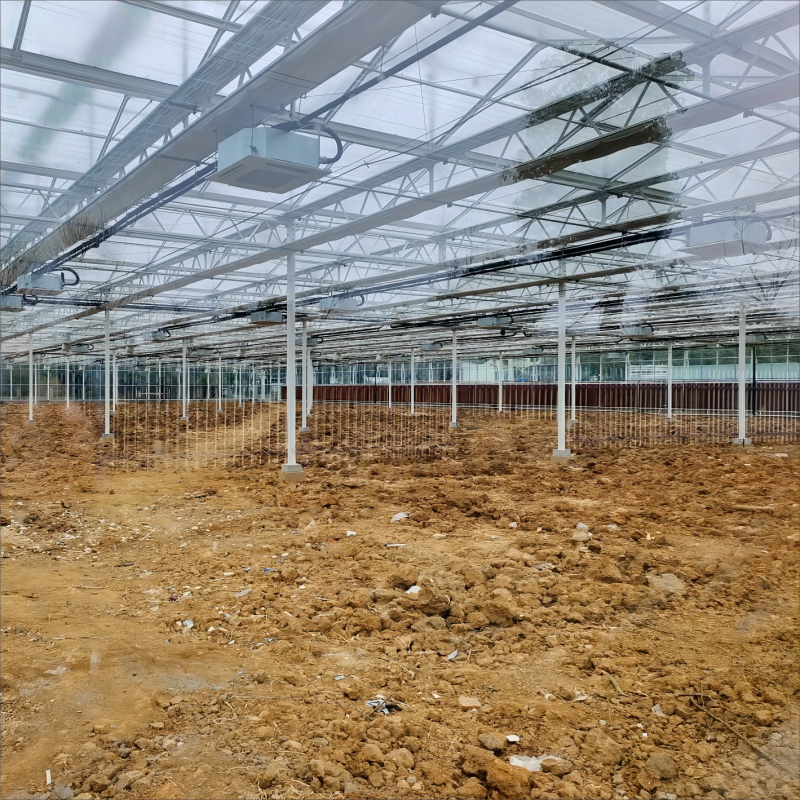
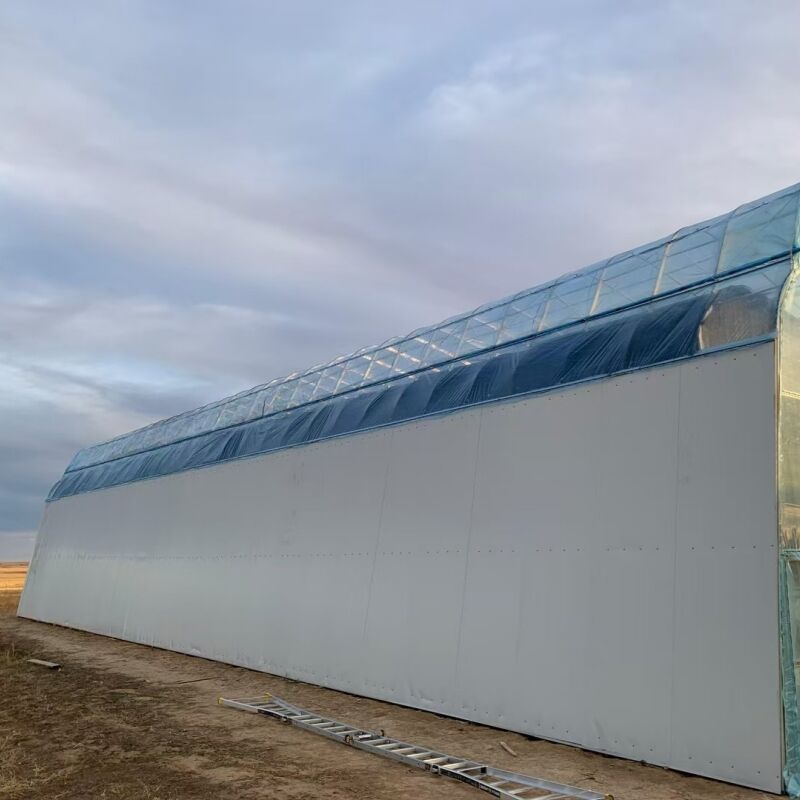
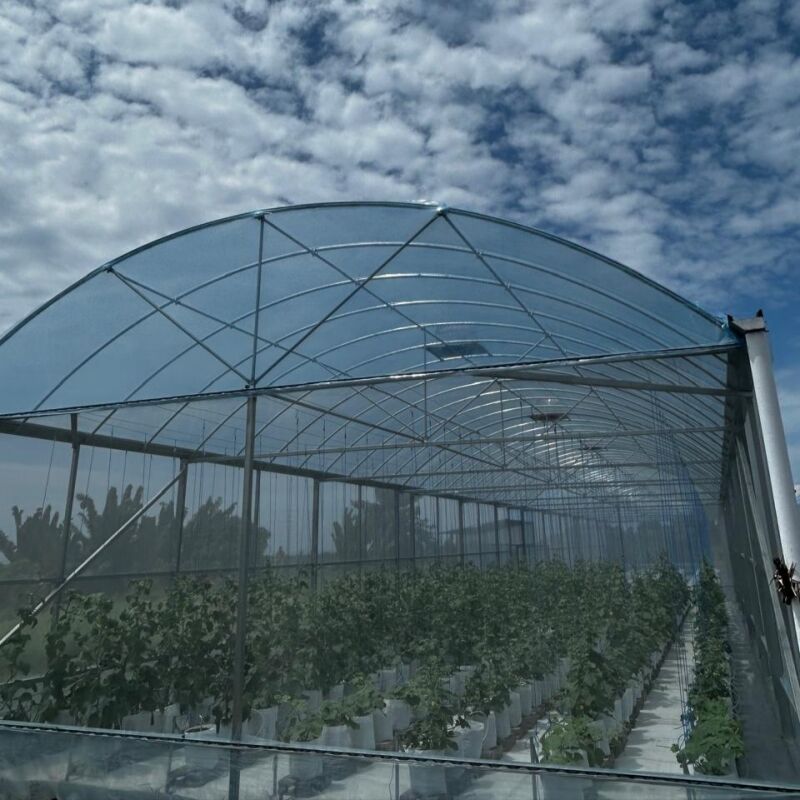
L’investissement requis pour une serre tunnel haute offre une protection complète des cultures, améliorant de façon significative à la fois la fiabilité des rendements et la qualité des produits tout au long de la saison de croissance. Ces structures constituent une barrière protectrice contre de nombreuses menaces environnementales susceptibles de détruire les cultures en plein air, notamment les dégâts causés par la grêle, les fortes pluies, les vents violents et les fluctuations thermiques imprévues. La couverture en polyéthylène protège efficacement les plantes contre les dommages physiques tout en assurant une excellente transmission de la lumière, nécessaire à une photosynthèse optimale. À l’intérieur de cet environnement contrôlé, les cultures développent des caractéristiques supérieures, notamment une coloration améliorée, une texture meilleure et moins de défauts superficiels, ce qui leur permet d’obtenir des prix premium sur le marché. Le coût d’une serre tunnel haute comprend également la protection contre l’excès d’humidité, facteur fréquent de maladies fongiques, d’infections bactériennes et de pourriture des racines chez les cultures cultivées en plein champ. En maîtrisant l’apport en eau grâce à des systèmes d’irrigation ciblés, les producteurs peuvent maintenir des niveaux optimaux d’humidité du sol tout en évitant les conditions de saturation qui favorisent les maladies végétales. Cette capacité à prévenir les maladies réduit la nécessité d’applications coûteuses de fongicides, ce qui abaisse les coûts de production tout en produisant des cultures plus saines et plus propres, conformes aux normes de certification biologique. La gestion des ravageurs devient nettement plus efficace dans cet environnement clos, car de nombreux ravageurs courants du jardin n’ont pas facilement accès aux cultures protégées par une serre tunnel haute. Les insectes volants, les oiseaux et les mammifères de grande taille, qui endommagent généralement les cultures en plein air, sont exclus, tandis que les insectes bénéfiques peuvent être introduits et maintenus plus efficacement dans le cadre de programmes de lutte biologique contre les ravageurs. L’investissement dans une serre tunnel haute permet de mettre en œuvre des stratégies de lutte intégrée contre les ravageurs qui reposent moins sur les interventions chimiques, produisant ainsi des cultures présentant des résidus de pesticides minimaux, ce qui séduit les consommateurs soucieux de leur santé. La modulation de la température à l’intérieur des serres tunnels évite les problèmes de qualité liés au stress, tels que le montaison prématurée (bolting) des feuilles vertes, les brûlures solaires sur les cultures fruitières et le développement insuffisant de la couleur chez les légumes spécialisés. Les conditions de culture stables favorisent un développement végétal régulier, ce qui se traduit par une uniformité de la taille et de la maturité, simplifiant ainsi les opérations de récolte et améliorant l’efficacité des unités de conditionnement. L’attrait commercial augmente considérablement pour les cultures cultivées sous protection, car elles présentent de façon constante l’apparence et les caractéristiques de qualité premium exigées tant par les détaillants que par les consommateurs. L’environnement contrôlé permet également un dosage précis de la maturité des cultures afin de répondre à des fenêtres commerciales spécifiques ou à des obligations contractuelles, offrant ainsi aux producteurs un avantage concurrentiel dans la commercialisation de leurs produits. Cette combinaison de protection, d’amélioration de la qualité et de synchronisation avec les besoins du marché fait de l’investissement dans une serre tunnel haute un atout inestimable pour toute exploitation agricole sérieuse.
 ×
×
 EN
EN