Soluzioni versatili per la coltivazione per una produzione massima di raccolti
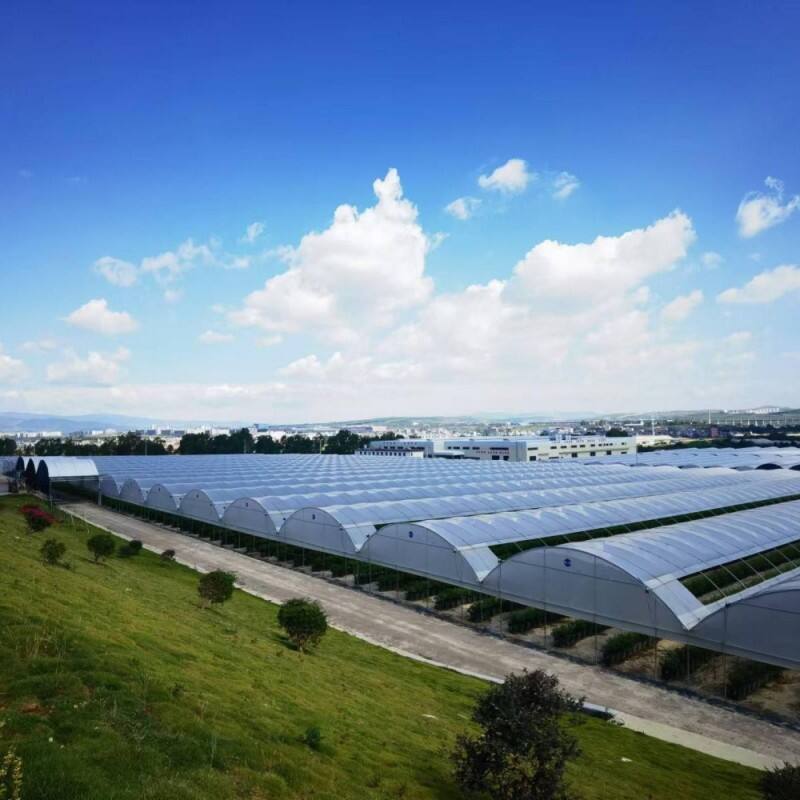
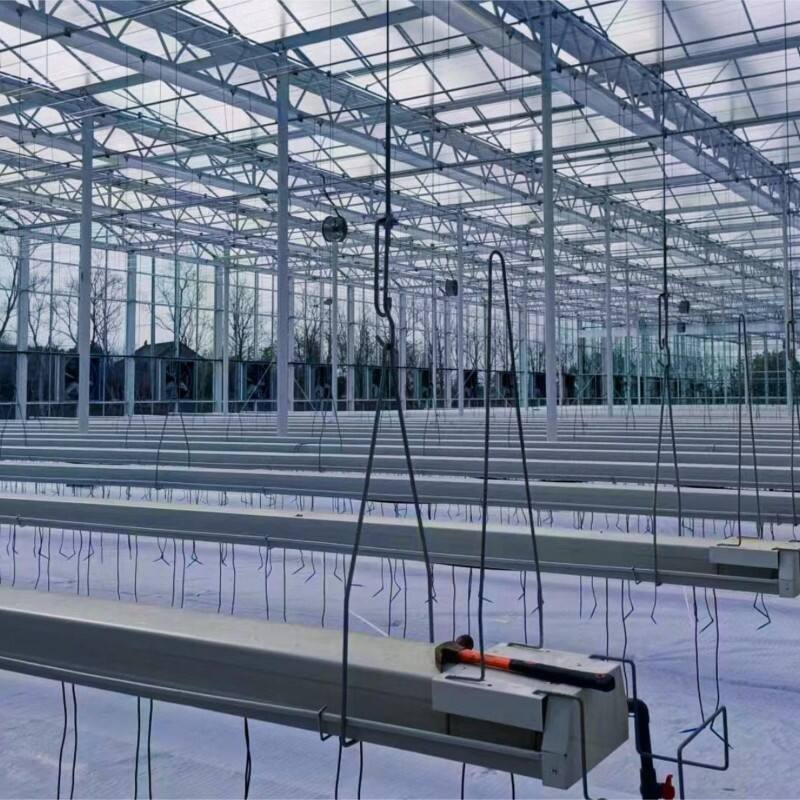
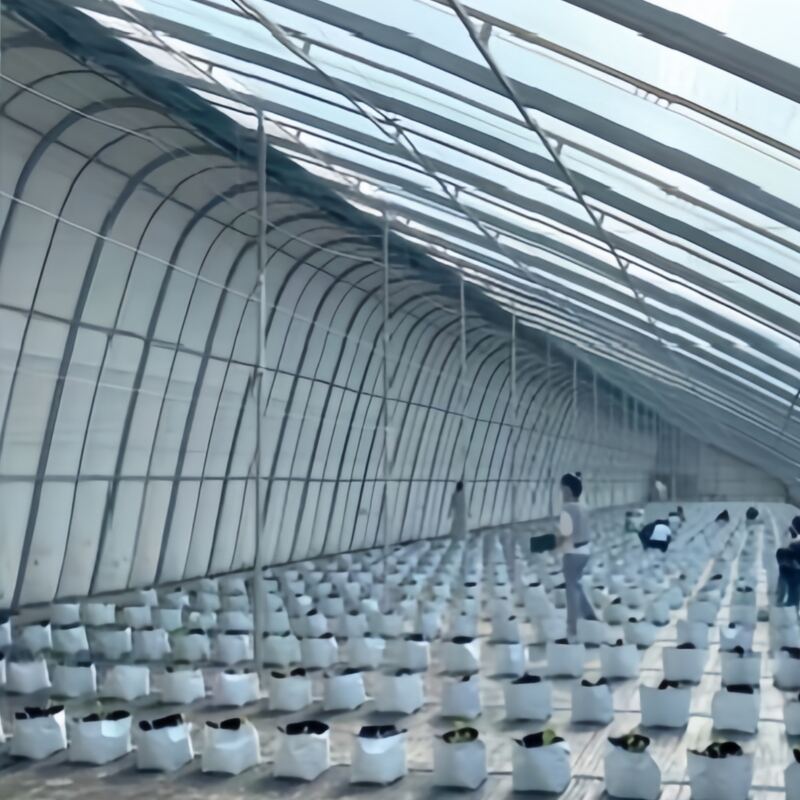
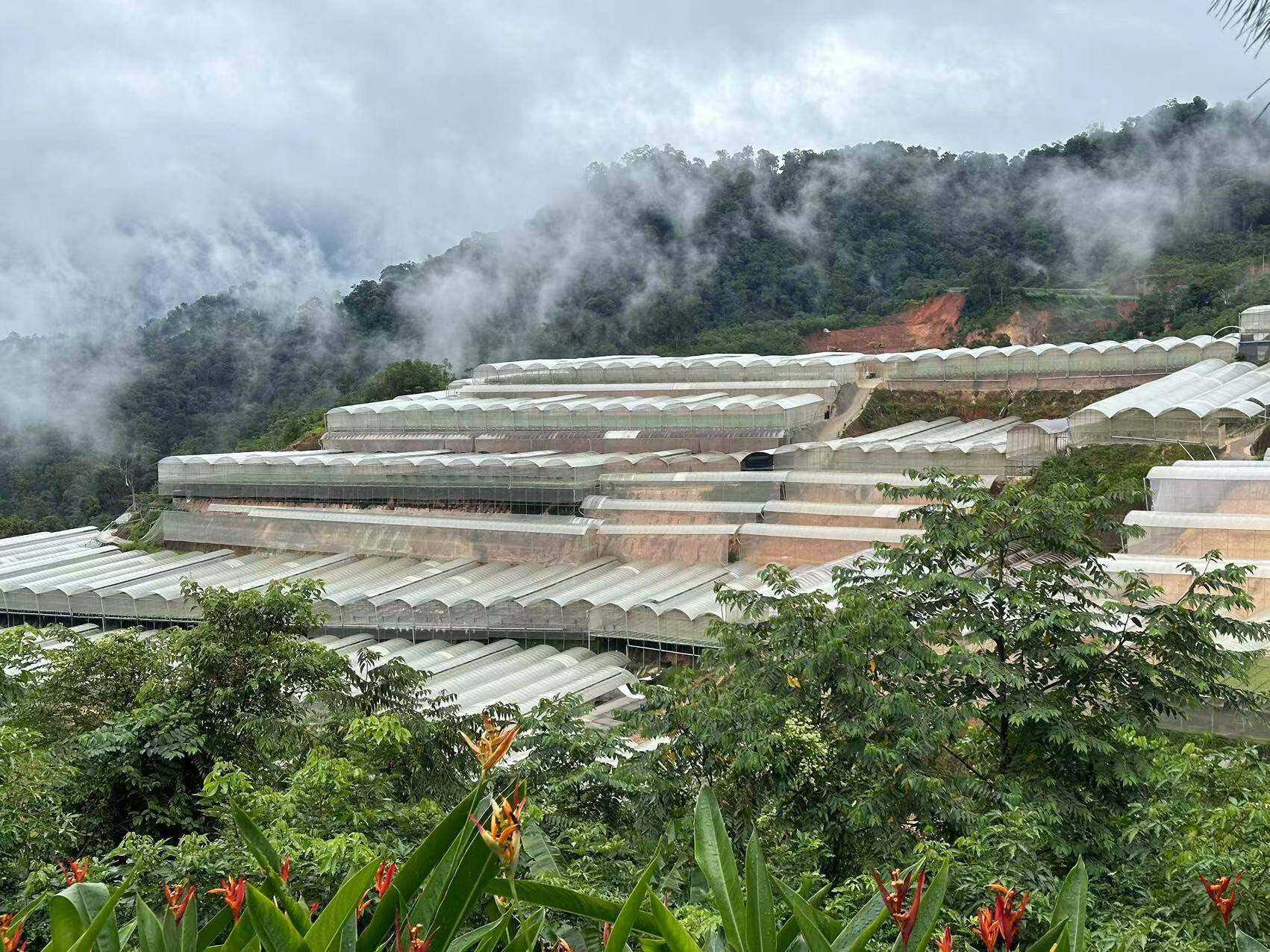
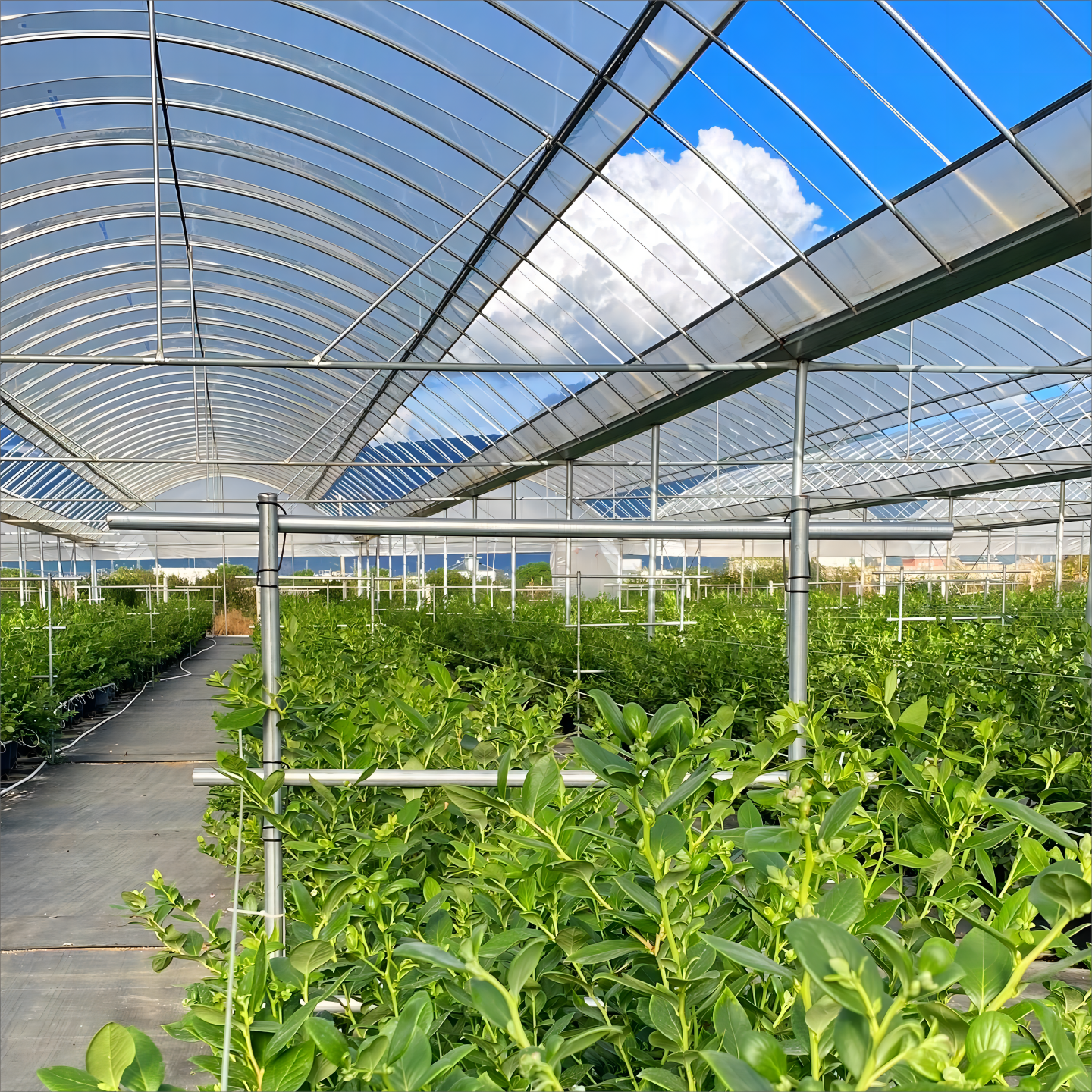
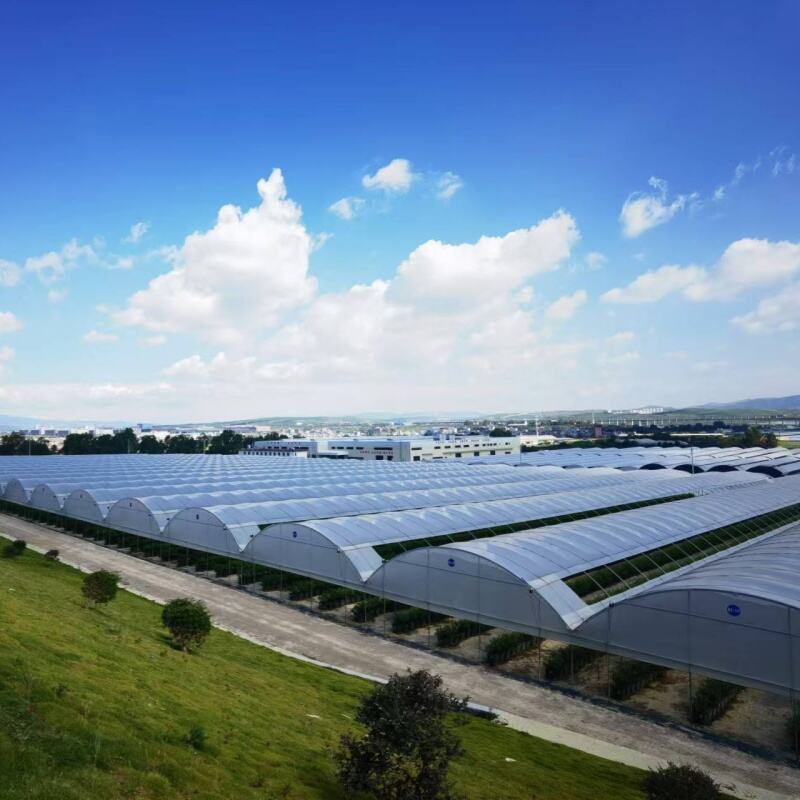
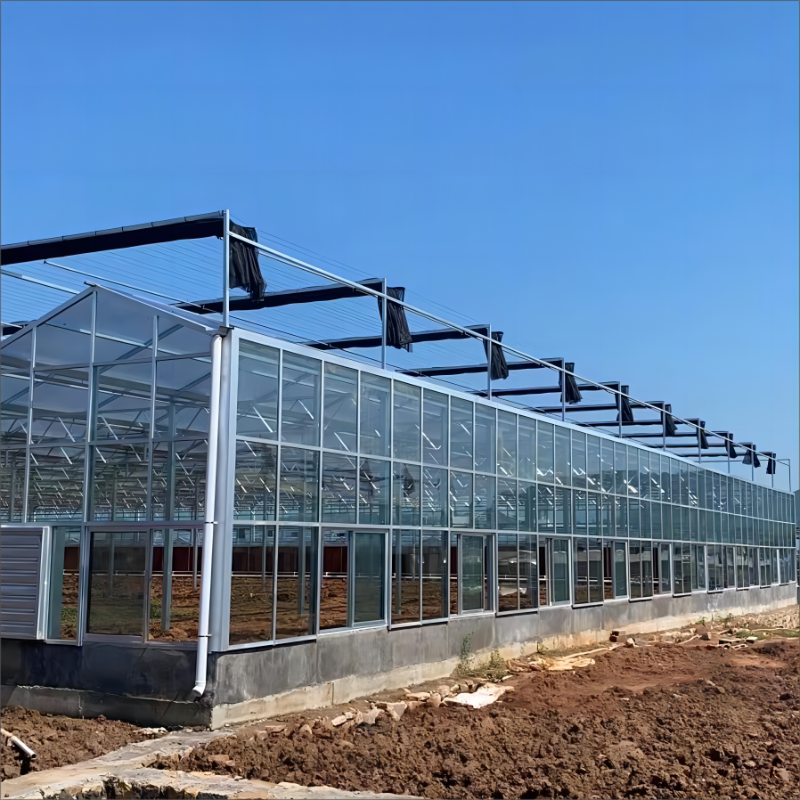
La versatilità di una serra economica trasforma spazi coltivabili limitati in ambienti agricoli altamente produttivi, in grado di supportare metodi di coltivazione diversificati e varietà di colture per tutto l'anno. Questa adattabilità deriva dalla progettazione modulare dell'ambiente interno, che consente di ospitare diversi sistemi di coltivazione, dai tradizionali letti di terra agli avanzati impianti idroponici, permettendo agli orticoltori di ottimizzare i propri metodi produttivi in base allo spazio disponibile, alle esigenze specifiche delle colture e alle preferenze personali. Le capacità di coltivazione verticale all'interno di una serra economica moltiplicano la superficie utile effettiva sfruttando lo spazio tridimensionale mediante sistemi di scaffalature a più livelli, cesti appesi e contenitori da coltivazione fissati a parete. Questo approccio verticale si rivela particolarmente vantaggioso per gli orticoltori urbani che operano su superfici ridotte, consentendo loro di ottenere raccolti consistenti anche all’interno di strutture serricole di dimensioni contenute. L’ambiente controllato elimina gli sprechi di spazio tipici dell’orticoltura all’aperto, dove sentieri, canali di irrigazione e barriere antiparassitarie occupano una porzione significativa della superficie disponibile. Le strategie di rotazione delle colture diventano estremamente efficienti negli ambienti di serra economica, poiché le condizioni controllate permettono cicli di semina continui, massimizzando l’utilizzo del suolo e riducendo al minimo i periodi di incoltura. Le tecniche di semina successiva consentono agli orticoltori di scaglionare i tempi di raccolta, garantendo una produzione costante di verdure ed erbe fresche durante tutta la stagione vegetativa. L’ambiente protetto accelera i tassi di crescita delle piante, permettendo più cicli colturali entro un singolo anno, cosa impossibile con la sola coltivazione all’aperto. Tecniche di coltivazione specializzate prosperano negli ambienti di serra economica, tra cui le operazioni di germinazione dei semi, che forniscono piantine da trapiantare negli orti all’aperto, i programmi di coltivazione invernale, che prolungano la stagione dei raccolti, e la coltivazione sperimentale di varietà vegetali insolite o esotiche. Le condizioni controllate consentono un monitoraggio preciso delle risposte delle piante a diversi substrati, programmi di fertilizzazione e condizioni ambientali, supportando sia la sperimentazione amatoriale sia prove produttive commerciali. Le strategie di coltivazione associata funzionano eccezionalmente bene negli ambienti serricoli, dove l’efficienza nello sfruttamento dello spazio richiede una pianificazione accurata delle combinazioni di piante che si arrecano reciprocamente benefici. Gli insetti utili possono essere introdotti e mantenuti all’interno dell’ecosistema chiuso, creando sistemi naturali di controllo dei parassiti che riducono la dipendenza dagli interventi chimici, promuovendo al contempo pratiche colturali sostenibili a beneficio sia delle piante che dell’ambiente.
 EN
EN