Complete Guide to Greenhouse Structure Types: Features, Benefits, and Applications

Welcome To JYXD-greenhouse

Get a Free Quote

Our representative will contact you soon.
Email
Tel or Whatsapp
Name
Company Name
Message
0/1000

greenhouse structure types

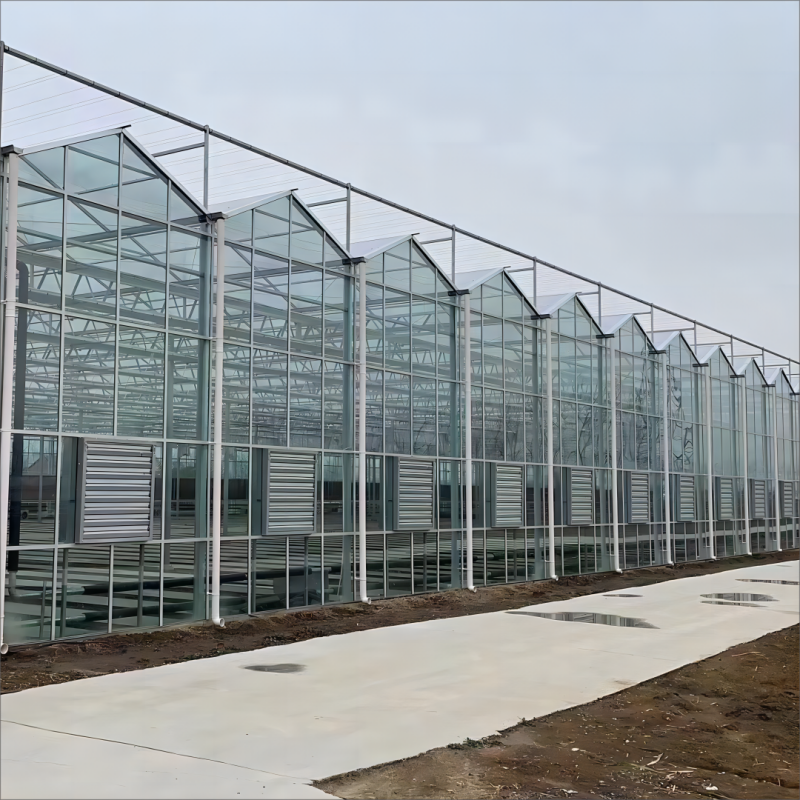
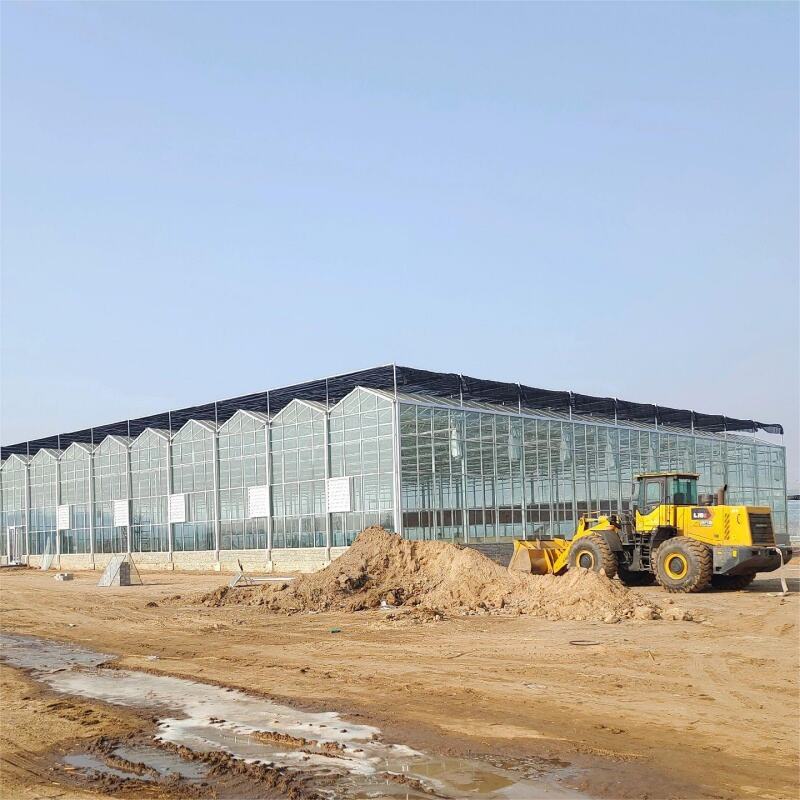
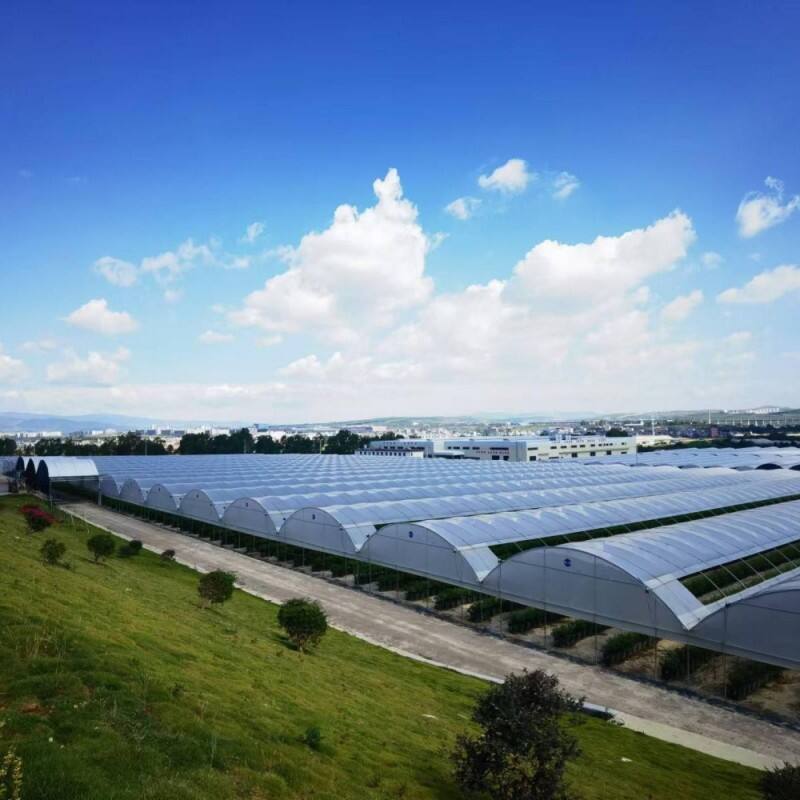
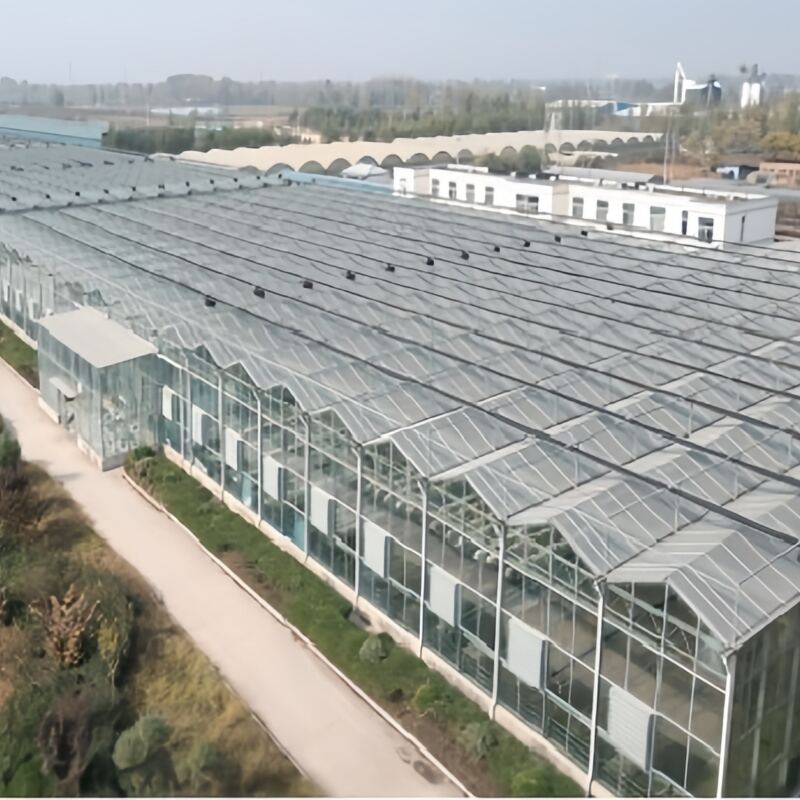
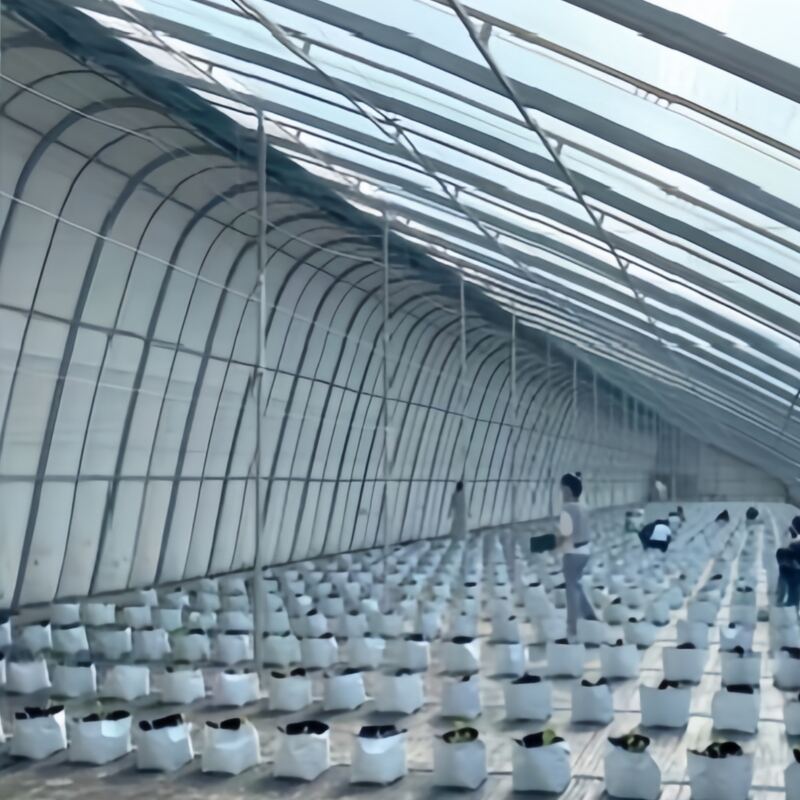
Greenhouse structure types represent the backbone of modern agricultural cultivation, providing controlled environments that enable year-round crop production regardless of external weather conditions. These sophisticated frameworks serve multiple essential functions including climate regulation, pest protection, and resource optimization. The primary purpose of greenhouse structure types revolves around creating optimal growing conditions through temperature control, humidity management, and light filtration. Modern greenhouse structure types incorporate advanced ventilation systems, automated irrigation networks, and energy-efficient heating solutions. The technological features of contemporary greenhouse structure types include polycarbonate panels for superior insulation, galvanized steel frameworks for durability, and computerized environmental controls for precision agriculture. These structures utilize smart sensors to monitor soil moisture, ambient temperature, and air quality, ensuring plants receive ideal growing conditions throughout their lifecycle. Applications of greenhouse structure types span commercial agriculture, research facilities, educational institutions, and residential gardening. Commercial growers utilize large-scale greenhouse structure types for vegetable production, flower cultivation, and seedling propagation. Research institutions employ specialized greenhouse structure types for botanical studies, crop development, and agricultural experimentation. The versatility of greenhouse structure types allows customization for specific crops, from hydroponic lettuce systems to tropical fruit cultivation. Educational facilities integrate greenhouse structure types into their curriculum for hands-on agricultural learning. Residential greenhouse structure types provide homeowners with extended growing seasons and protection from adverse weather. The design variations include traditional A-frame configurations, modern arch designs, and lean-to attachments. Materials range from basic plastic coverings to sophisticated glass and polycarbonate systems. Each greenhouse structure type offers unique benefits tailored to specific applications, budgets, and environmental requirements, making them indispensable tools for modern agriculture and horticulture.

Popular Products

Greenhouse structure types deliver remarkable benefits that transform agricultural productivity and efficiency for growers of all scales. The most significant advantage lies in season extension capabilities, allowing farmers to cultivate crops year-round regardless of harsh winter conditions or extreme summer heat. This extended growing period translates directly into increased revenue potential and consistent food supply. Temperature control represents another crucial benefit of greenhouse structure types, maintaining optimal growing conditions that accelerate plant growth and improve crop yields. The controlled environment eliminates weather-related crop losses, providing reliable harvests that traditional outdoor farming cannot guarantee. Pest and disease management becomes significantly easier within greenhouse structure types, as the enclosed environment creates barriers against harmful insects, birds, and wildlife that typically damage outdoor crops. This protection reduces the need for chemical pesticides, resulting in healthier produce and lower production costs. Water conservation stands out as a major environmental advantage of greenhouse structure types, with efficient irrigation systems reducing water waste by up to sixty percent compared to traditional farming methods. The controlled environment prevents water loss through evaporation and allows precise moisture management tailored to specific crop requirements. Space optimization represents another key benefit, as greenhouse structure types enable vertical growing systems and intensive cultivation methods that produce higher yields per square foot than conventional farming. This efficiency proves particularly valuable in urban areas where land costs remain high. Quality control improves dramatically within greenhouse structure types, as consistent environmental conditions produce uniform crops with predictable characteristics, meeting strict market standards and consumer expectations. Labor efficiency increases substantially, as workers can operate comfortably in climate-controlled conditions year-round, reducing seasonal workforce fluctuations and training costs. Energy efficiency continues to improve with modern greenhouse structure types incorporating renewable energy systems, LED lighting, and advanced insulation materials that minimize operational costs. The investment in greenhouse structure types typically pays for itself within three to five years through increased productivity, reduced losses, and premium pricing for high-quality produce. These structures also provide excellent research and development opportunities, allowing growers to experiment with new varieties and growing techniques in controlled conditions.

Practical Tips

Forging a Powerful Alliance: Netafim and Juyou Xinda Unite to Reshape the Future of Smart Agriculture

28

Nov

Forging a Powerful Alliance: Netafim and Juyou Xinda Unite to Reshape the Future of Smart Agriculture

View More
Australian Greenhouse Company Visits Our Facilities to Explore New Collaboration on 50,000 Sq.m Strawberry Glass Greenhouse Project

28

Nov

Australian Greenhouse Company Visits Our Facilities to Explore New Collaboration on 50,000 Sq.m Strawberry Glass Greenhouse Project

View More
 Innovative Breakthrough: Our Company Successfully Delivers World's First Customized

28

Nov

Innovative Breakthrough: Our Company Successfully Delivers World's First Customized "Greenhouse for Fertilizer Drying" to Malaysian Client

View More

Get a Free Quote

Our representative will contact you soon.
Email
Tel or Whatsapp
Name
Company Name
Message
0/1000

greenhouse structure types

Advanced Climate Control Systems in Modern Greenhouse Structure Types

Advanced Climate Control Systems in Modern Greenhouse Structure Types

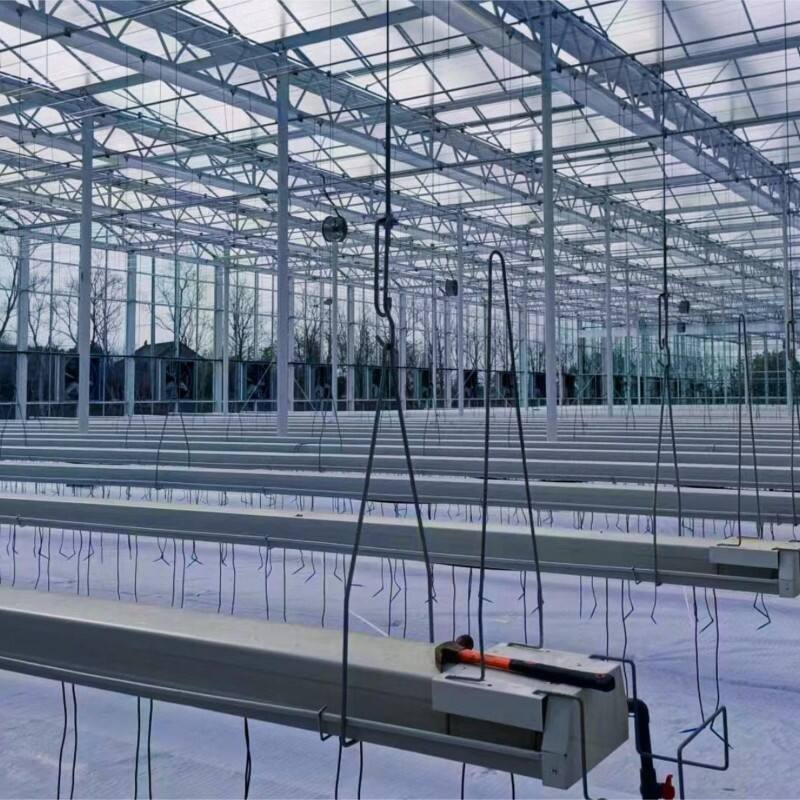
The sophisticated climate control capabilities of contemporary greenhouse structure types revolutionize agricultural production by creating precisely managed environments that optimize plant growth conditions. These systems integrate multiple technologies including automated ventilation, heating, cooling, and humidity control to maintain ideal growing parameters regardless of external weather fluctuations. Advanced greenhouse structure types feature computerized environmental management systems that continuously monitor temperature, humidity, carbon dioxide levels, and light intensity, making real-time adjustments to maintain optimal conditions for specific crops. The ventilation systems in modern greenhouse structure types utilize natural and mechanical methods, with roof vents, side louvers, and circulation fans working together to ensure proper air movement and temperature regulation. Smart sensors throughout the structure provide constant feedback to central control units, enabling automatic responses to environmental changes before they impact plant health. Heating systems in greenhouse structure types range from traditional boilers to innovative geothermal and solar heating solutions, providing cost-effective temperature maintenance during cold periods. Cooling systems incorporate evapotranspiration, shade cloths, and mechanical cooling to prevent overheating during hot weather. The integration of these climate control features in greenhouse structure types results in faster plant growth, higher yields, and superior crop quality compared to outdoor cultivation. Energy-efficient designs minimize operational costs while maximizing environmental control precision. The ability to customize climate parameters for different crop zones within larger greenhouse structure types allows growers to cultivate multiple species simultaneously, each receiving optimal growing conditions. This level of environmental control eliminates weather-related stress on plants, reduces disease pressure, and extends growing seasons indefinitely. The return on investment for advanced climate control in greenhouse structure types typically occurs within two to three years through increased productivity and reduced crop losses.
Structural Durability and Material Innovation in Greenhouse Structure Types

Structural Durability and Material Innovation in Greenhouse Structure Types

The structural integrity and material composition of modern greenhouse structure types represent significant technological advances that ensure long-term performance and weather resistance. Contemporary greenhouse structure types utilize high-grade galvanized steel frameworks that resist corrosion and provide exceptional strength-to-weight ratios, supporting heavy snow loads and withstanding strong winds without compromising structural stability. The covering materials in advanced greenhouse structure types have evolved from basic glass and plastic to sophisticated polycarbonate panels that offer superior insulation properties, impact resistance, and light transmission characteristics. These multi-wall polycarbonate panels provide excellent thermal performance, reducing heating costs by up to thirty percent compared to traditional glass coverings. The engineering design of modern greenhouse structure types incorporates wind load calculations, snow load requirements, and seismic considerations to ensure safety and longevity in various geographical locations and climate conditions. Foundation systems for greenhouse structure types feature concrete footings, ground anchors, and drainage solutions that prevent settling and moisture problems that could compromise structural integrity. The modular design of contemporary greenhouse structure types allows for easy expansion and customization, accommodating changing operational needs without requiring complete reconstruction. Ventilation components integrate seamlessly into the structural framework, with automated roof vents and side louvers designed to withstand frequent operation while maintaining weathertight seals. The materials used in greenhouse structure types undergo rigorous testing for UV resistance, ensuring covering materials maintain optical clarity and structural properties for extended periods. Maintenance requirements remain minimal due to the quality materials and engineering standards employed in modern greenhouse structure types. The investment in superior structural components and materials pays dividends through reduced maintenance costs, extended service life, and consistent performance over decades of operation. Warranty coverage for quality greenhouse structure types typically extends ten to twenty years, demonstrating manufacturer confidence in material durability and structural design.
Versatile Applications and Scalability of Greenhouse Structure Types

Versatile Applications and Scalability of Greenhouse Structure Types

The remarkable versatility and scalability of greenhouse structure types make them suitable for diverse agricultural applications ranging from small-scale hobby gardening to large commercial production facilities. This adaptability allows greenhouse structure types to serve various market segments including commercial vegetable production, ornamental plant cultivation, research institutions, educational facilities, and residential applications. Small-scale greenhouse structure types provide homeowners and hobby gardeners with affordable solutions for extending growing seasons, protecting sensitive plants, and experimenting with exotic species that require specific environmental conditions. Medium-scale greenhouse structure types serve market gardeners, organic producers, and specialty crop growers who need controlled environments for consistent production and quality control. Large commercial greenhouse structure types support industrial agriculture operations, providing millions of square feet of controlled growing space for major food production companies. The modular design of modern greenhouse structure types enables phased construction and gradual expansion, allowing businesses to grow their operations incrementally as market demand increases. This scalability reduces initial capital requirements and minimizes financial risk for new agricultural ventures. Specialized configurations of greenhouse structure types accommodate unique growing methods including hydroponic systems, aquaponics, vertical farming, and organic production techniques. Research applications utilize specialized greenhouse structure types with compartmentalized growing areas, precise environmental controls, and data collection systems for agricultural studies and crop development programs. Educational greenhouse structure types serve schools and universities, providing hands-on learning environments for agricultural and botanical education programs. The flexibility of greenhouse structure types allows customization for specific crops, from tropical fruits requiring high humidity to desert plants needing arid conditions. Multi-zone greenhouse structure types can simultaneously accommodate different crops with varying environmental requirements, maximizing facility utilization and revenue potential. The economic benefits of scalable greenhouse structure types include reduced per-unit production costs, improved efficiency through automation, and the ability to respond quickly to market opportunities and changing consumer demands.

Get a Free Quote

Our representative will contact you soon.
Email
Tel or Whatsapp
Name
Company Name
Message
0/1000