Small Greenhouse for Vegetables: Complete Guide to Year-Round Growing Solutions

Welcome To JYXD-greenhouse

Get a Free Quote

Our representative will contact you soon.
Email
Tel or Whatsapp
Name
Company Name
Message
0/1000

small greenhouse for vegetables

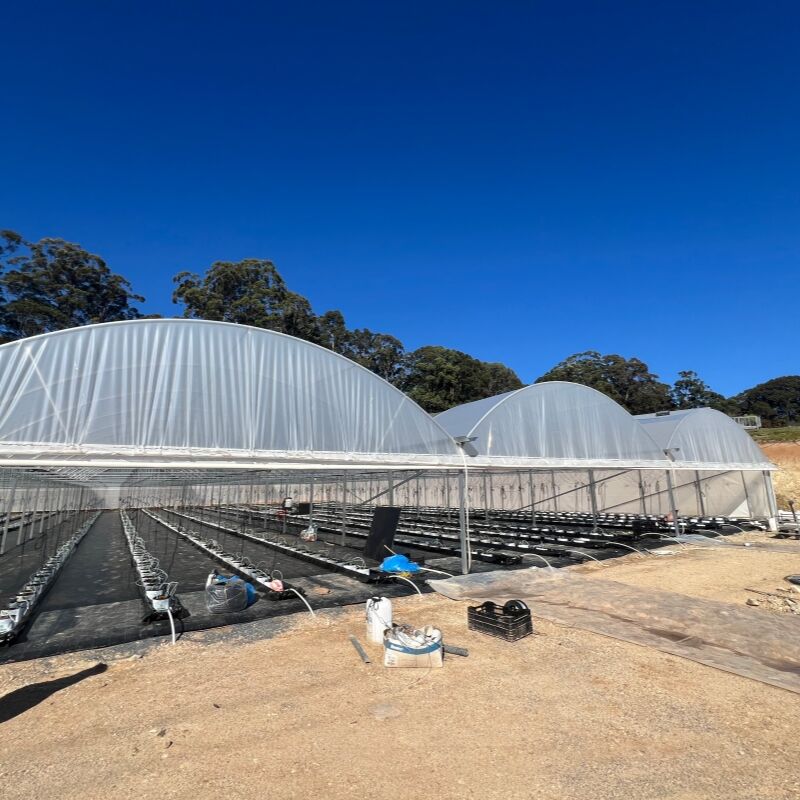
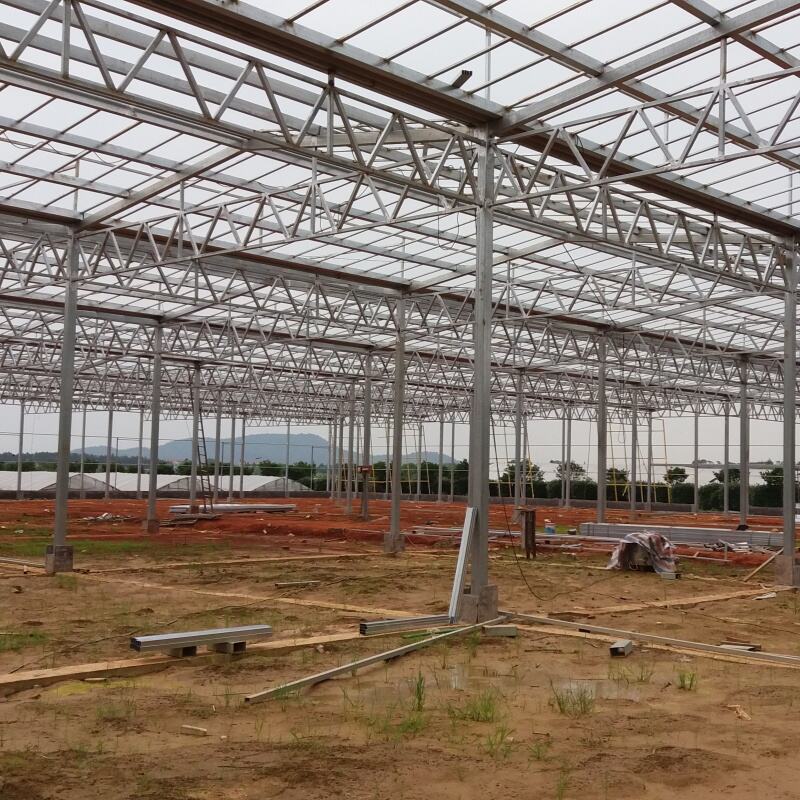
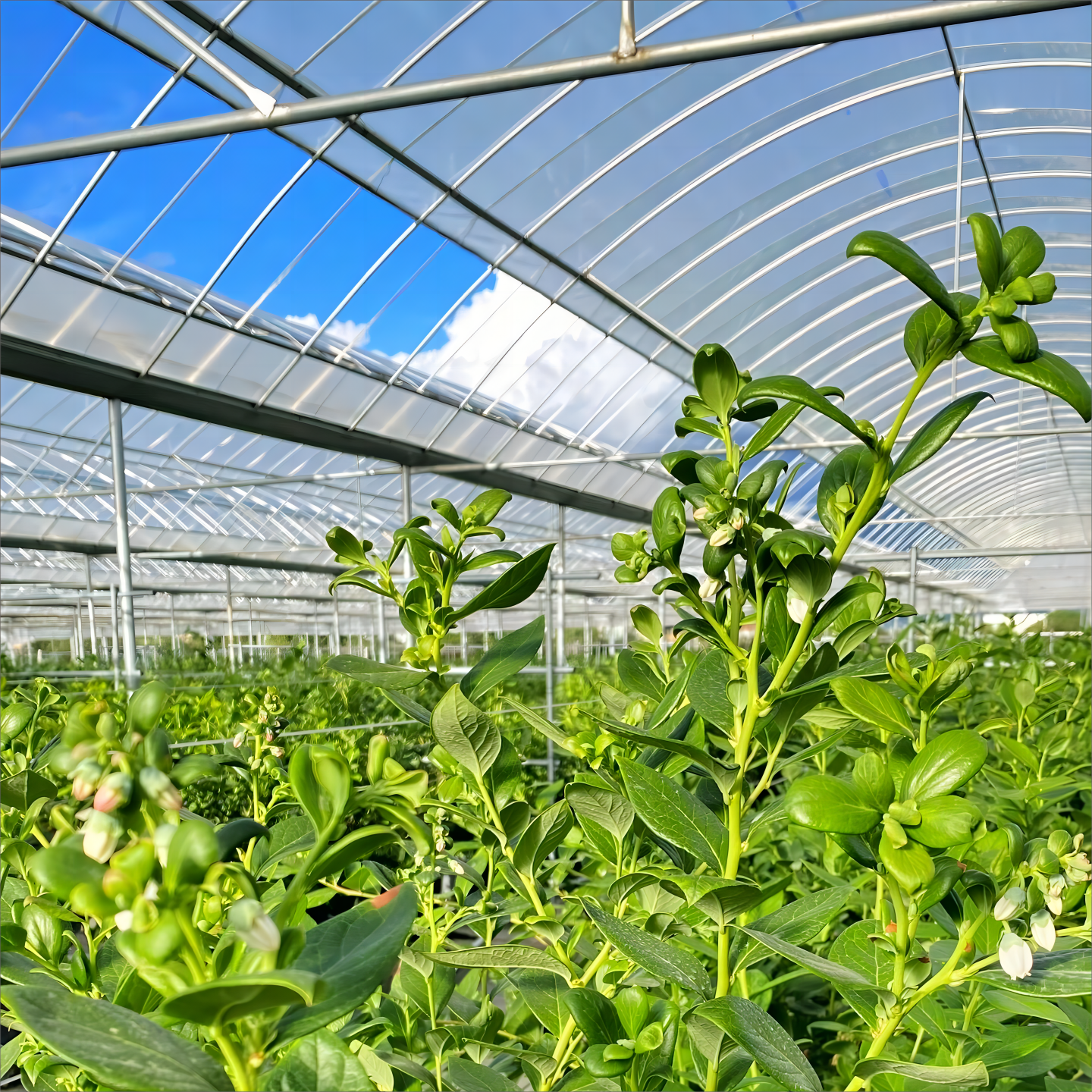
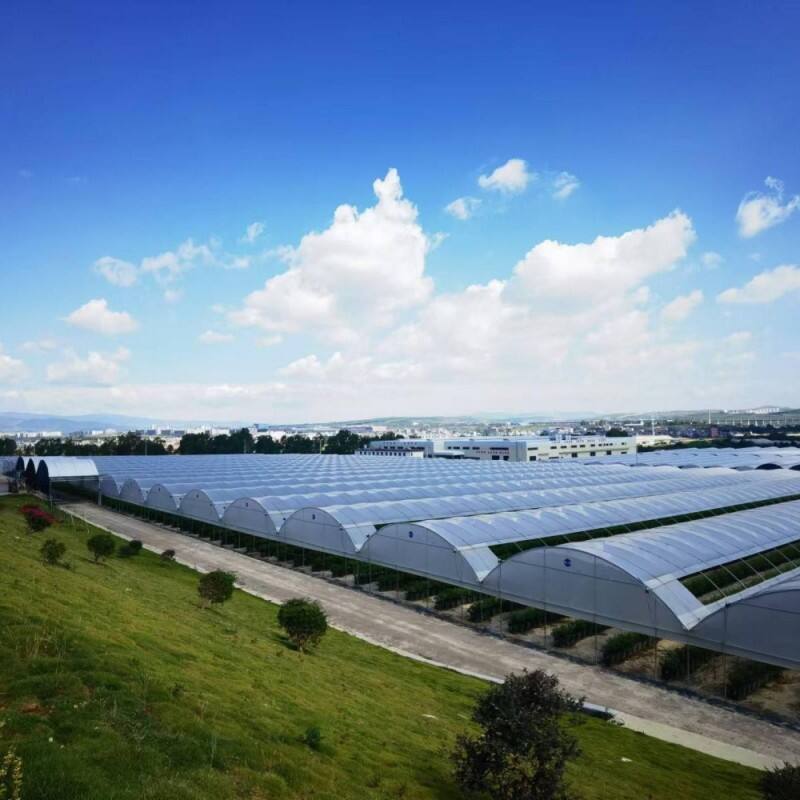
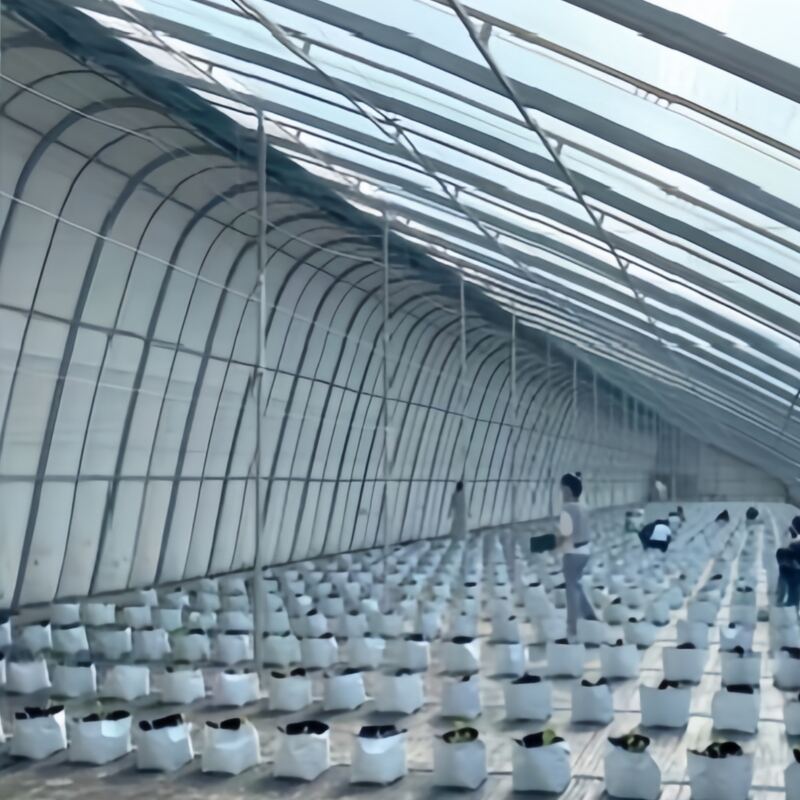
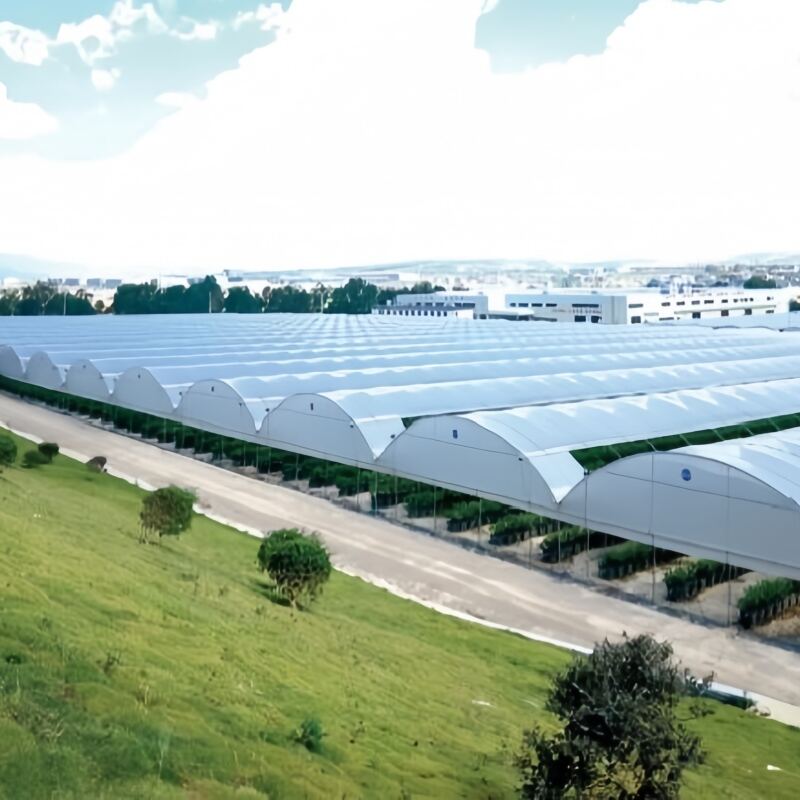
A small greenhouse for vegetables represents an innovative solution for home gardeners and small-scale farming operations seeking to extend growing seasons and maximize crop production in limited spaces. These compact structures provide controlled environments that protect plants from harsh weather conditions while maintaining optimal growing conditions throughout the year. The small greenhouse for vegetables typically features lightweight yet durable construction materials such as polycarbonate panels or tempered glass, supported by aluminum or steel frameworks designed to withstand various weather conditions. Modern designs incorporate advanced ventilation systems that automatically regulate temperature and humidity levels, ensuring plants receive proper air circulation without manual intervention. The technological features of a small greenhouse for vegetables include integrated irrigation systems that deliver precise water amounts directly to plant roots, reducing water waste while maintaining consistent soil moisture levels. Many models feature adjustable shelving systems that maximize vertical growing space, allowing gardeners to cultivate multiple layers of vegetables simultaneously. Temperature control mechanisms such as automatic vent openers and heating systems maintain ideal growing conditions regardless of external weather fluctuations. Solar panels and energy-efficient LED grow lights extend daylight hours during winter months, enabling continuous vegetable production. The applications of small greenhouse for vegetables extend beyond traditional gardening, serving urban dwellers with limited outdoor space, educational institutions teaching sustainable agriculture, and commercial operations focused on organic produce. These structures accommodate various vegetable types including leafy greens, tomatoes, peppers, cucumbers, and herbs, providing fresh produce year-round. The compact design makes installation possible in backyards, rooftops, balconies, or any available outdoor space with adequate sunlight exposure. Water recycling systems capture and reuse irrigation runoff, promoting sustainable growing practices while reducing environmental impact.

New Product Recommendations

The small greenhouse for vegetables offers numerous practical benefits that make it an attractive investment for both novice and experienced gardeners. Climate control represents the primary advantage, as these structures protect crops from unpredictable weather patterns including frost, hail, excessive rain, and strong winds that can devastate outdoor gardens. This protection extends growing seasons significantly, allowing gardeners to start planting earlier in spring and continue harvesting later into fall and winter months. The controlled environment eliminates seasonal limitations, enabling year-round vegetable production regardless of geographic location or local climate conditions. Pest management becomes remarkably easier within a small greenhouse for vegetables, as the enclosed space creates a barrier against common garden pests such as aphids, caterpillars, rabbits, and deer. This natural protection reduces or eliminates the need for chemical pesticides, resulting in healthier, more organic produce for family consumption. Water efficiency improves dramatically compared to traditional outdoor gardening, as the enclosed environment prevents water loss through evaporation and wind dispersion. Drip irrigation systems can be precisely calibrated to deliver exact water amounts to individual plants, reducing water consumption by up to fifty percent while maintaining optimal soil moisture levels. Space optimization allows gardeners to grow more vegetables in smaller areas through vertical growing systems and intensive planting methods that would not be possible in outdoor gardens. The controlled environment enables closer plant spacing without competition for nutrients or sunlight, maximizing harvest yields from limited square footage. Crop quality consistently exceeds that of outdoor-grown vegetables due to protection from environmental stressors such as temperature fluctuations, UV damage, and physical damage from weather events. Plants develop stronger root systems, produce larger yields, and maintain better nutritional content when grown in optimized greenhouse conditions. Economic benefits accumulate over time as reduced grocery bills and elimination of crop losses from weather or pests offset initial investment costs. The small greenhouse for vegetables pays for itself through increased productivity and elimination of seasonal vegetable purchases from retail stores.

Practical Tips

Forging a Powerful Alliance: Netafim and Juyou Xinda Unite to Reshape the Future of Smart Agriculture

28

Nov

Forging a Powerful Alliance: Netafim and Juyou Xinda Unite to Reshape the Future of Smart Agriculture

View More
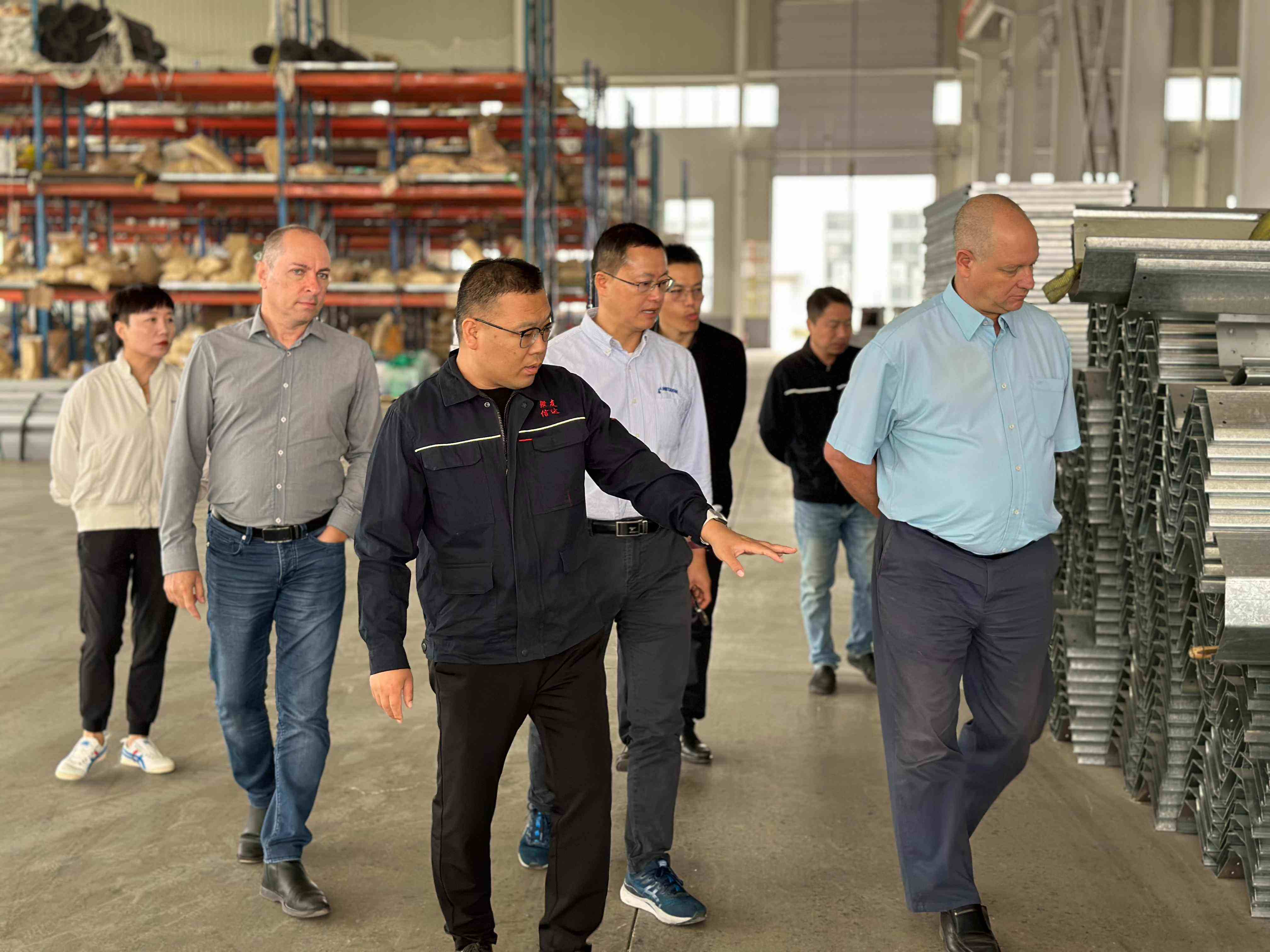
Australian Greenhouse Company Visits Our Facilities to Explore New Collaboration on 50,000 Sq.m Strawberry Glass Greenhouse Project

28

Nov

Australian Greenhouse Company Visits Our Facilities to Explore New Collaboration on 50,000 Sq.m Strawberry Glass Greenhouse Project

View More
 Innovative Breakthrough: Our Company Successfully Delivers World's First Customized

28

Nov

Innovative Breakthrough: Our Company Successfully Delivers World's First Customized "Greenhouse for Fertilizer Drying" to Malaysian Client

View More

Get a Free Quote

Our representative will contact you soon.
Email
Tel or Whatsapp
Name
Company Name
Message
0/1000

small greenhouse for vegetables

Advanced Climate Control Technology

Advanced Climate Control Technology

The sophisticated climate control technology integrated into modern small greenhouse for vegetables represents a revolutionary approach to precision agriculture that eliminates guesswork from vegetable cultivation. Automated ventilation systems equipped with temperature sensors continuously monitor internal conditions and adjust airflow accordingly, maintaining optimal growing temperatures between 65-75 degrees Fahrenheit during the day and slightly cooler temperatures at night. These systems prevent overheating during summer months while retaining warmth during cooler periods, creating stable microclimates that promote consistent plant growth. Humidity control mechanisms work in conjunction with ventilation systems to maintain ideal moisture levels between 60-70 percent relative humidity, preventing fungal diseases while ensuring adequate atmospheric moisture for plant transpiration. Advanced models incorporate computerized environmental controllers that can be programmed with specific parameters for different vegetable varieties, automatically adjusting conditions based on growth stages and seasonal requirements. Heating systems utilizing various energy sources including electric, gas, or solar power maintain minimum temperatures during winter months, enabling continuous production of cold-sensitive vegetables such as tomatoes, peppers, and eggplants. Cooling systems including evaporative coolers and exhaust fans prevent excessive heat buildup during peak summer temperatures, protecting delicate leafy greens and preventing bolting in cool-season crops. The integration of smart technology allows remote monitoring and control through mobile applications, enabling gardeners to adjust greenhouse conditions from anywhere with internet connectivity. This technological sophistication transforms the small greenhouse for vegetables from a simple shelter into an intelligent growing system that responds dynamically to environmental changes, ensuring optimal plant health and maximum productivity throughout all seasons.
Space-Efficient Growing Systems

Space-Efficient Growing Systems

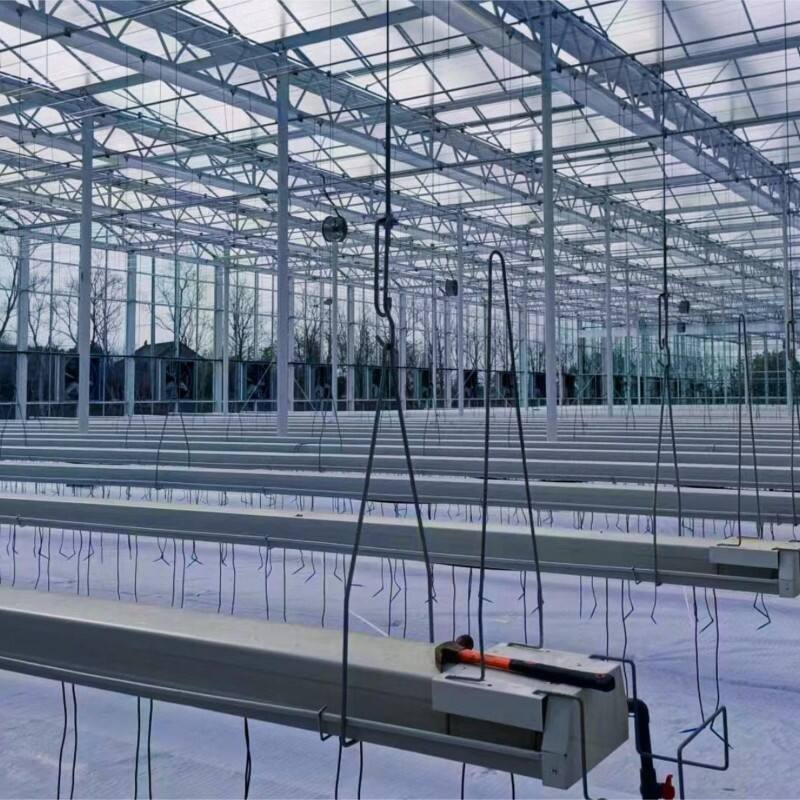
The innovative space-efficient growing systems incorporated into small greenhouse for vegetables designs maximize production capacity within minimal footprint areas, making them ideal solutions for urban gardeners and property owners with limited outdoor space. Vertical growing systems utilize every available cubic foot of greenhouse space through multi-tiered shelving arrangements, hanging planters, and wall-mounted growing systems that can triple or quadruple growing capacity compared to traditional ground-level planting methods. These systems accommodate various vegetable types at different heights, with taller plants like tomatoes and cucumbers occupying upper levels while shorter crops such as lettuce and herbs thrive on lower shelves. Hydroponic and aeroponic growing methods eliminate soil requirements, reducing weight loads while increasing nutrient uptake efficiency and accelerating plant growth rates. These soilless systems allow for precise nutrient delivery directly to plant roots, resulting in faster maturation times and higher yields per square foot of greenhouse space. Mobile growing benches and rolling plant tables maximize flexibility, allowing gardeners to reconfigure interior layouts based on seasonal planting schedules and crop rotation requirements. Trellising systems and plant support structures optimize vertical space utilization for climbing vegetables such as peas, beans, and vining tomatoes, directing upward growth while maintaining easy access for maintenance and harvesting activities. Automated seeding and transplanting systems streamline production processes, enabling continuous crop succession planting that maximizes harvest frequency throughout growing seasons. The space-efficient design of small greenhouse for vegetables incorporates storage solutions for tools, supplies, and harvested produce, ensuring everything needed for successful vegetable production remains organized and easily accessible within the compact structure. These integrated systems transform limited spaces into highly productive agricultural areas capable of supplying fresh vegetables for entire families year-round.
Sustainable Growing Practices

Sustainable Growing Practices

The implementation of sustainable growing practices within small greenhouse for vegetables systems represents a commitment to environmental stewardship while producing healthy, chemical-free food for family consumption. Water conservation technologies including rainwater harvesting systems, drip irrigation networks, and recirculation pumps minimize water usage while maintaining optimal growing conditions for vegetable crops. These systems can reduce water consumption by up to seventy percent compared to traditional outdoor gardening methods, making vegetable production viable even in drought-prone regions. Organic growing methods thrive within controlled greenhouse environments where natural pest management strategies prove more effective than chemical interventions. Beneficial insects such as ladybugs, lacewings, and predatory mites can be introduced to control harmful pest populations naturally, eliminating the need for synthetic pesticides that can contaminate food and harm beneficial soil organisms. Composting systems integrated into greenhouse operations transform kitchen scraps and plant waste into nutrient-rich organic fertilizer, creating closed-loop growing cycles that minimize external inputs while improving soil health. Solar energy systems power ventilation fans, heating elements, and grow lights using renewable energy sources, reducing carbon footprints associated with vegetable production while lowering operational costs. Companion planting strategies maximize biodiversity within small greenhouse for vegetables environments, pairing compatible plants that provide mutual benefits such as pest deterrence, improved nutrient uptake, and enhanced flavor development. Seed saving programs preserve heirloom vegetable varieties while reducing dependence on commercial seed suppliers, maintaining genetic diversity and adapting plants to local growing conditions over successive generations. These sustainable practices transform small greenhouse for vegetables operations into demonstration sites for regenerative agriculture techniques that build soil health, support biodiversity, and produce nutritious food without depleting natural resources or harming environmental systems.

Get a Free Quote

Our representative will contact you soon.
Email
Tel or Whatsapp
Name
Company Name
Message
0/1000