seră cu structură industrială
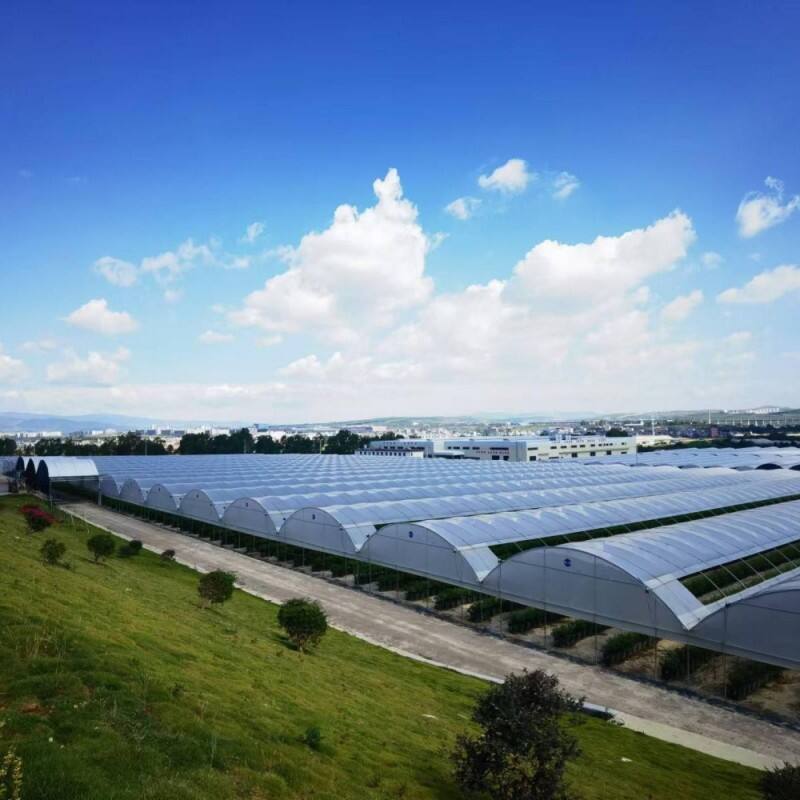
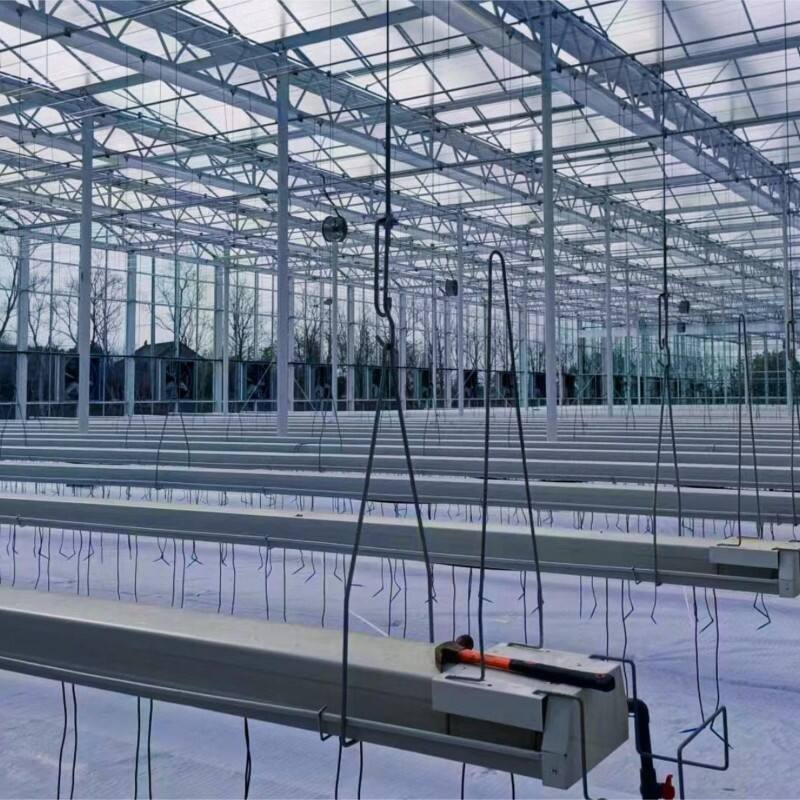
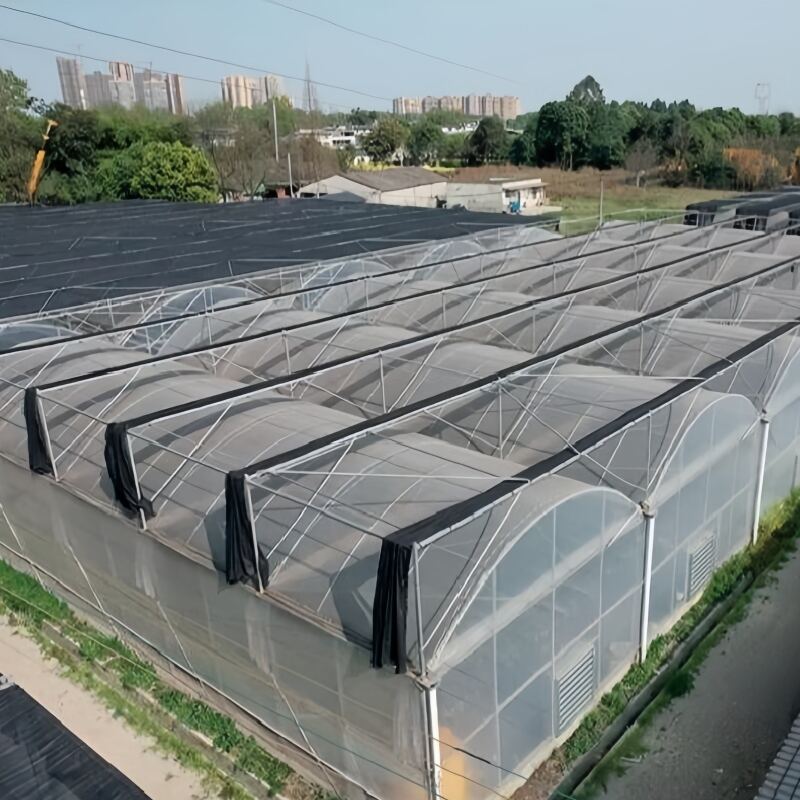
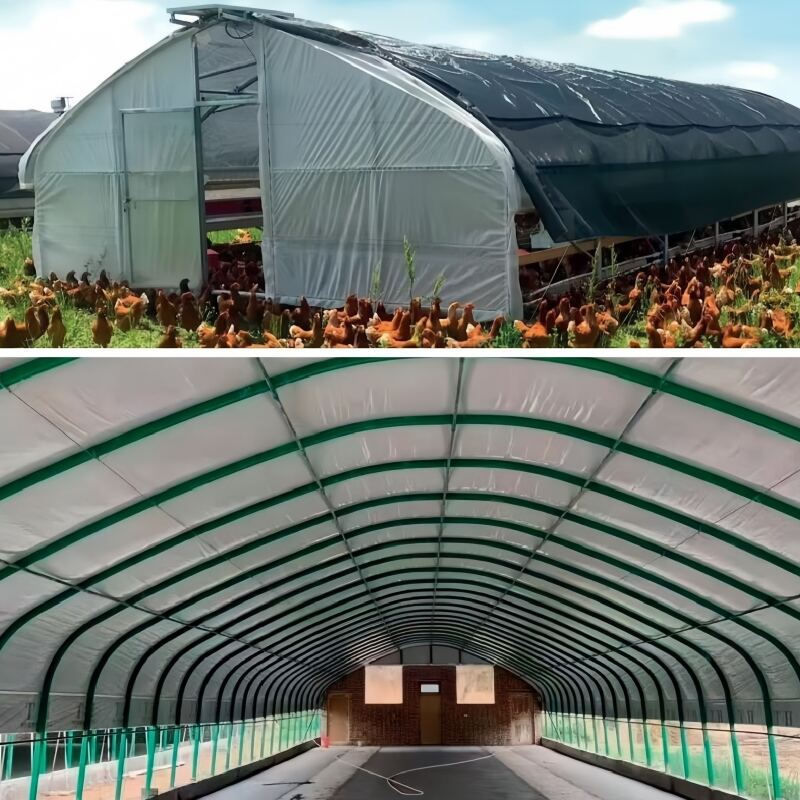
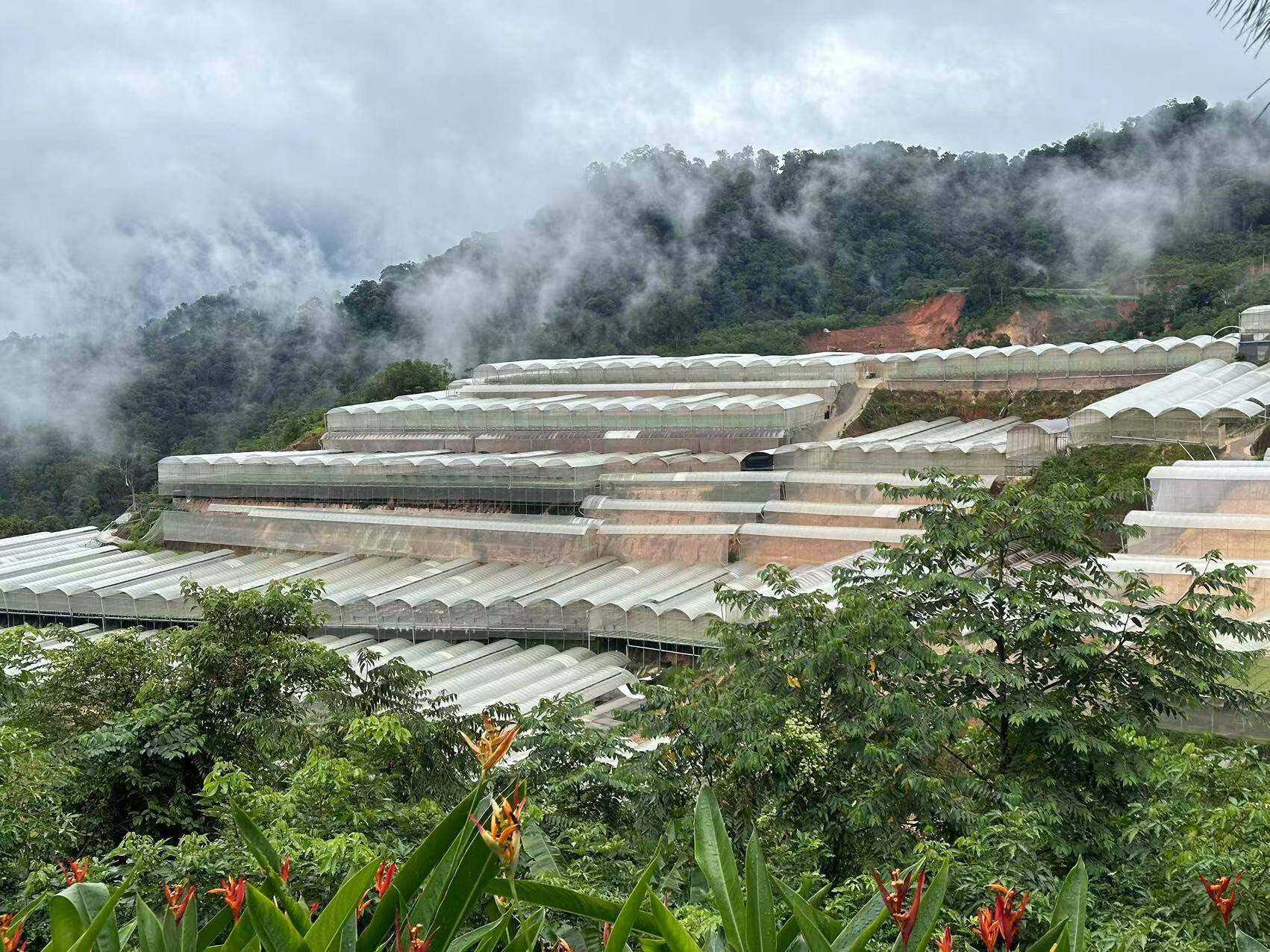
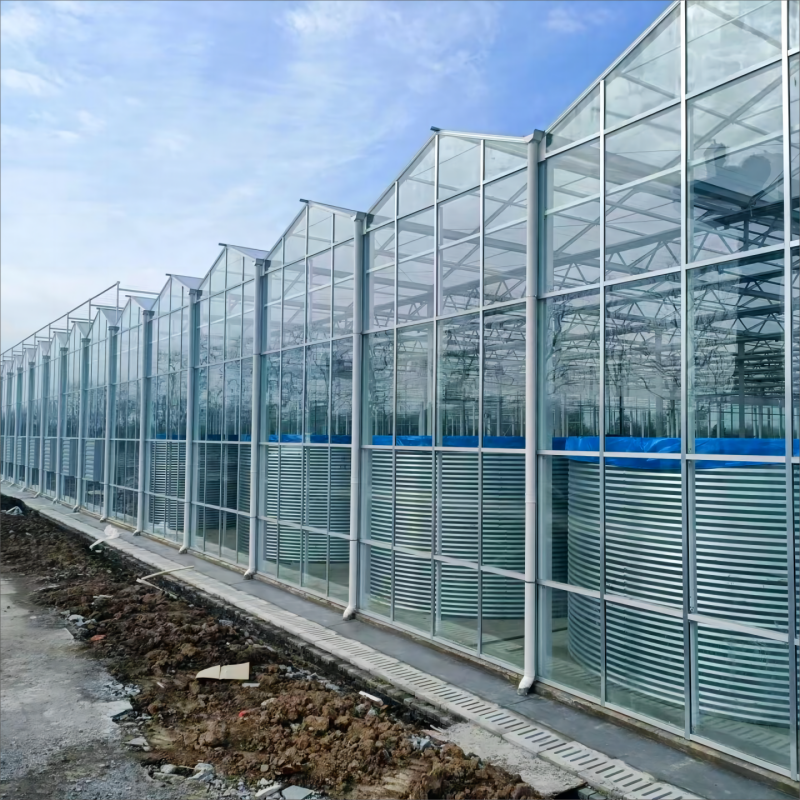
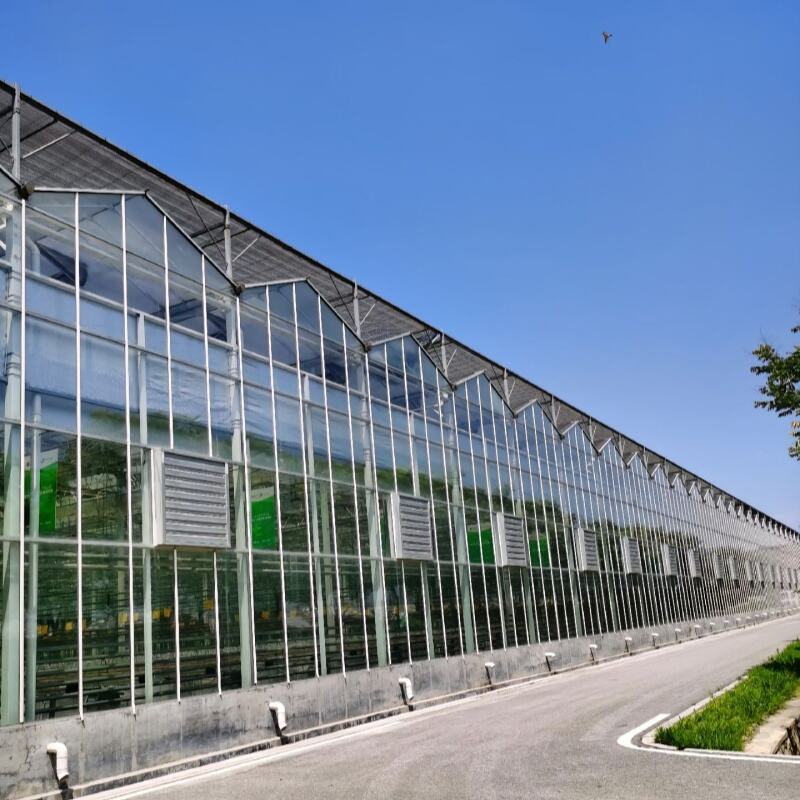
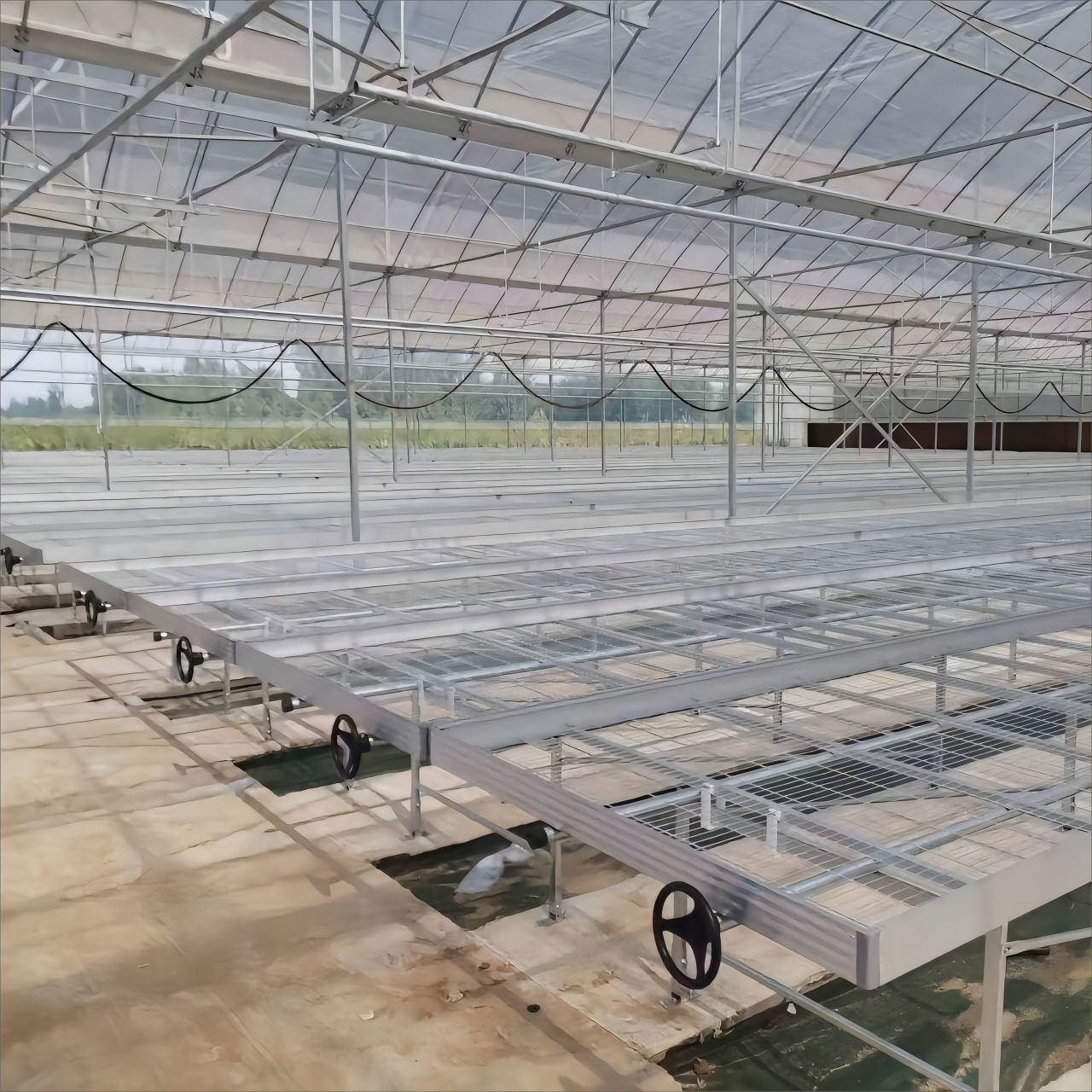
Un cadru industrial pentru seră reprezintă baza de susținere a horticulturii comerciale moderne, servind ca fundație structurală principală pentru operațiunile de cultivare la scară largă. Acest sistem sofisticat de cadre cuprinde componente din oțel, aluminiu sau metal zincat, proiectate ingineresc pentru a susține materiale extensive de acoperire, cum ar fi sticla, policarbonatul sau polietilena. Cadrele industriale pentru seră asigură integritatea structurală esențială pentru instalații care variază de la mici operațiuni comerciale până la complexe agricole masive, întinzându-se pe mai mulți acri. Aceste cadre robuste integrează principii avansate de inginerie pentru a rezista stresurilor mediului, inclusiv încărcărilor de vânt, acumulărilor de zăpadă și activității seismice. Arhitectura cadrului include, în mod obișnuit, componente modulare standardizate, care facilitează asamblarea eficientă și posibilitatea de extindere ulterioară. Sistemele moderne de cadre industriale pentru seră integrează puncte de montare pentru echipamente de control al climatului, sisteme de irigații, platforme automate de cultivare și infrastructură pentru iluminat suplimentar. Proiectarea structurală permite diverse configurații de acoperiș, inclusiv deschideri conectate prin jgheaburi, acoperișuri cu coamă și profiluri curbe, optimizate în funcție de cerințele specifice ale culturilor și de condițiile climatice regionale. Tehnologia cadrului industrial pentru seră a evoluat pentru a include învelișuri rezistente la coroziune, conexiuni proiectate cu precizie și caracteristici de întrerupere a punților termice, care minimizează pierderile de căldură. Aceste cadre susțin medii de cultivare cu mai multe zone, în care diferite secțiuni pot menține simultan parametri climatici distincți. Caracterul modular al sistemelor contemporane de cadre industriale pentru seră permite producătorilor să adopte abordări de construcție în etape, pornind de la structuri de bază și adăugând ulterior controale climatice sofisticate pe măsură ce operațiunile se extind. Sistemele de calitate includ componente pre-proiectate, fabricate conform specificațiilor exacte, asigurând toleranțe constante la asamblare și performanță structurală uniformă. Cadrele industriale pentru seră îndeplinesc mai multe funcții critice, printre care distribuția încărcărilor, montarea echipamentelor, sprijinul pentru ventilație și oferirea punctelor de fixare pentru sistemele automate care sporesc productivitatea și reduc necesarul de forță de muncă în operațiunile comerciale de cultivare.
 ×
×
 EN
EN