Premium Plastic Tomato Greenhouse Solutions - Advanced Growing Systems for Year-Round Production

Welcome To JYXD-greenhouse

Get a Free Quote

Our representative will contact you soon.
Email
Tel or Whatsapp
Name
Company Name
Message
0/1000

plastic tomato greenhouse

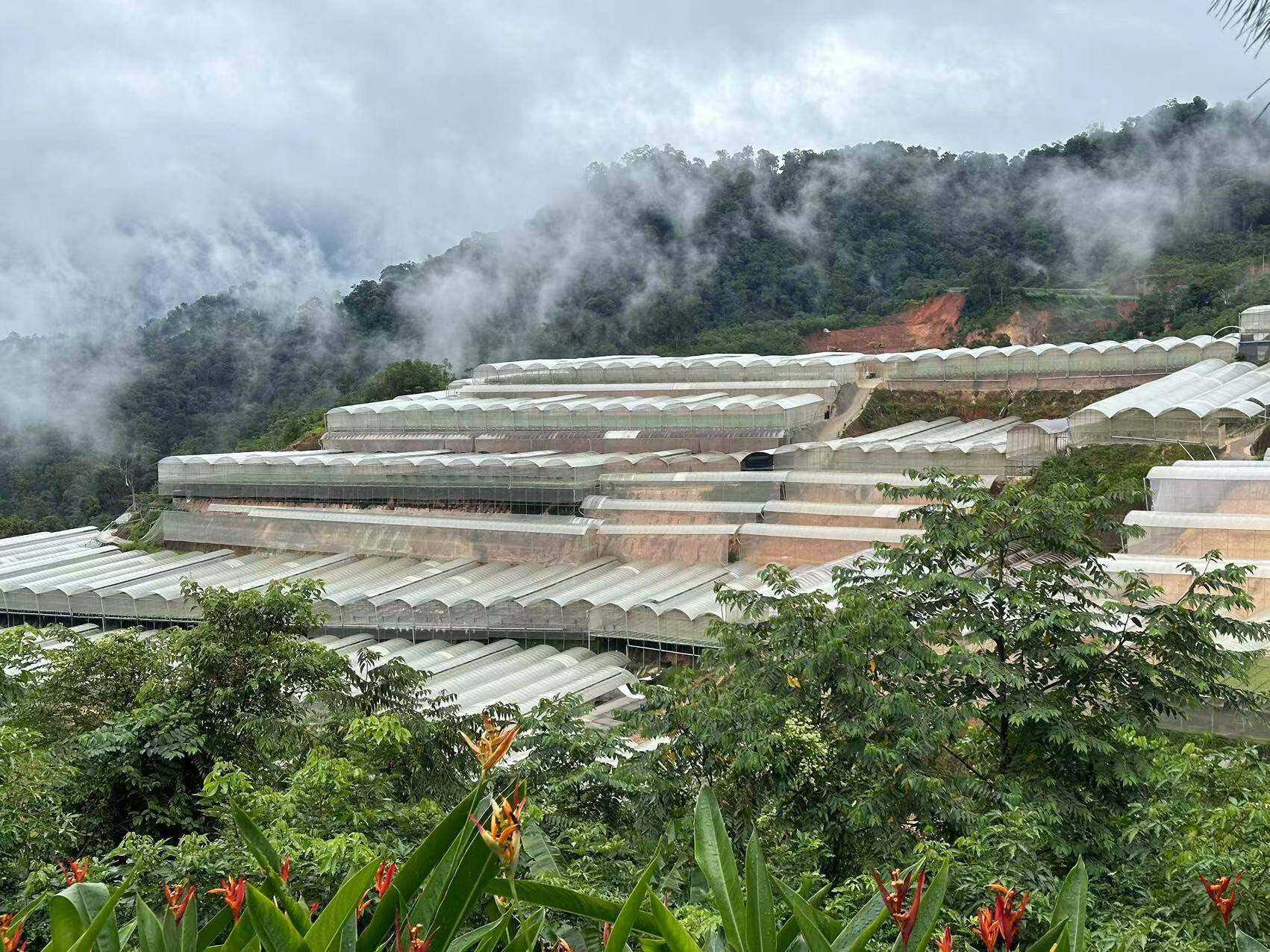
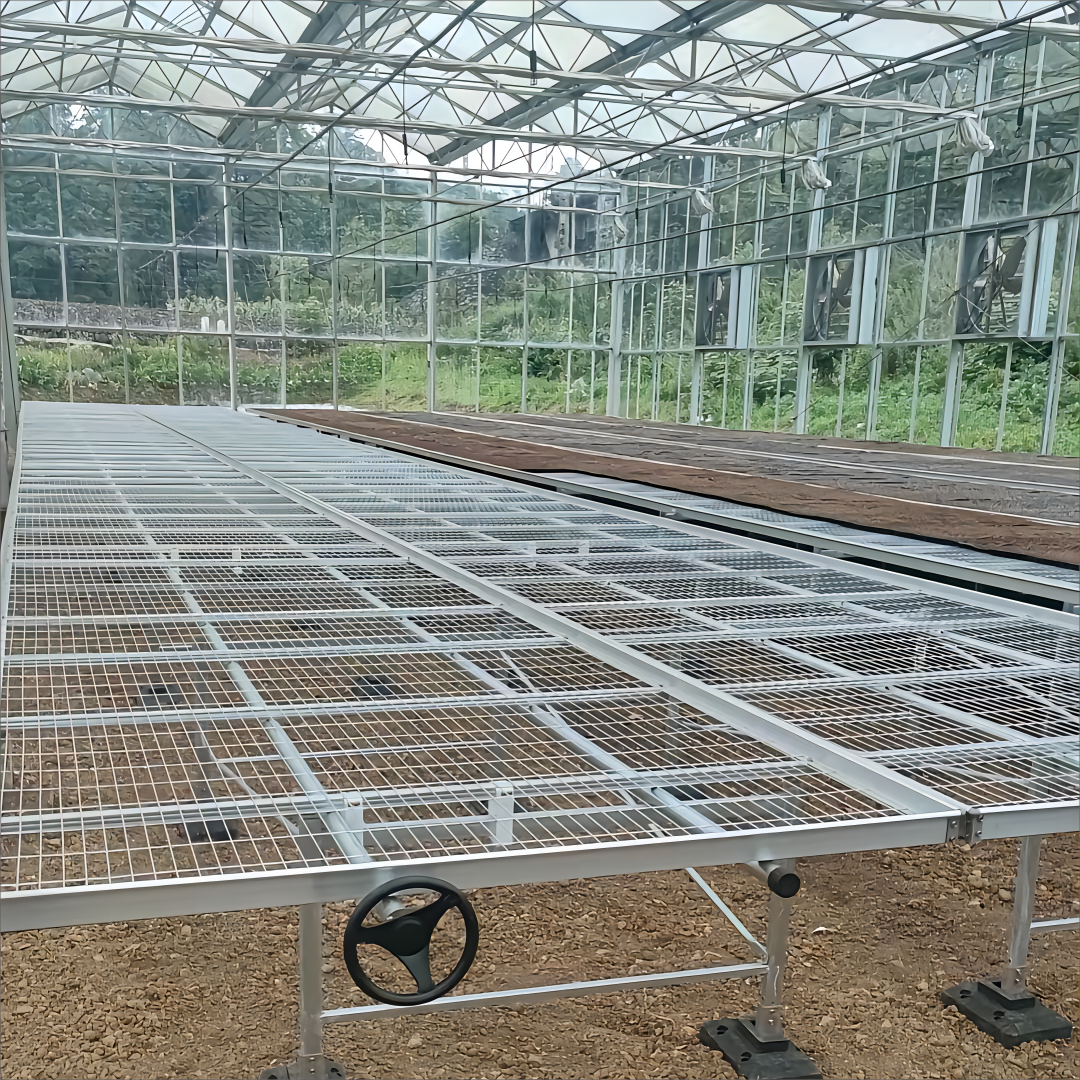
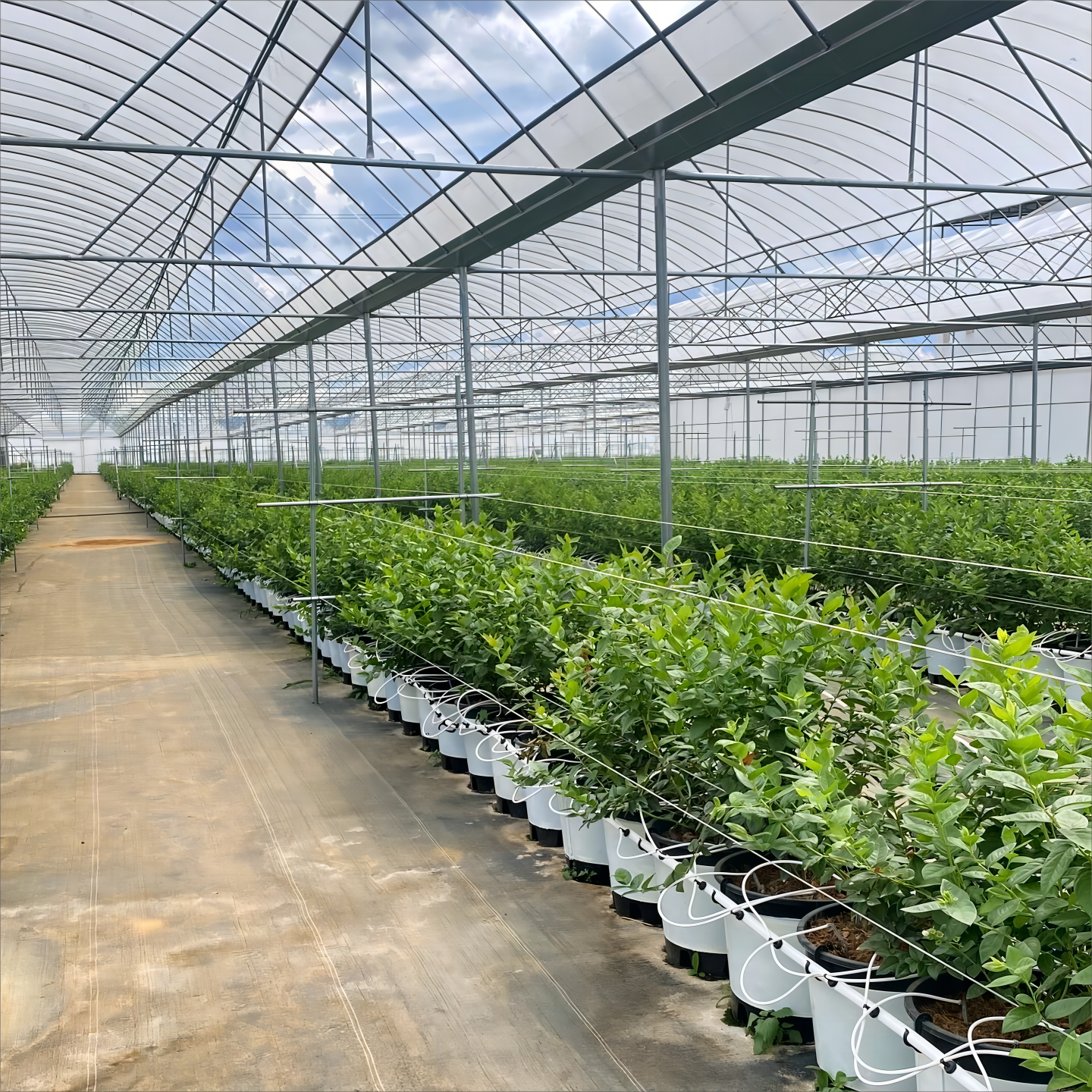
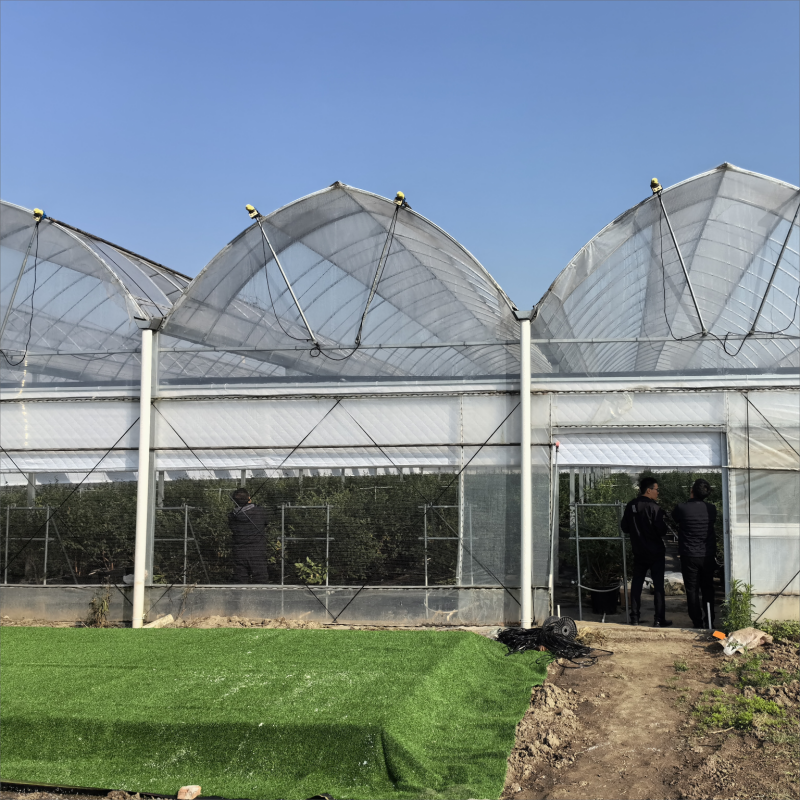
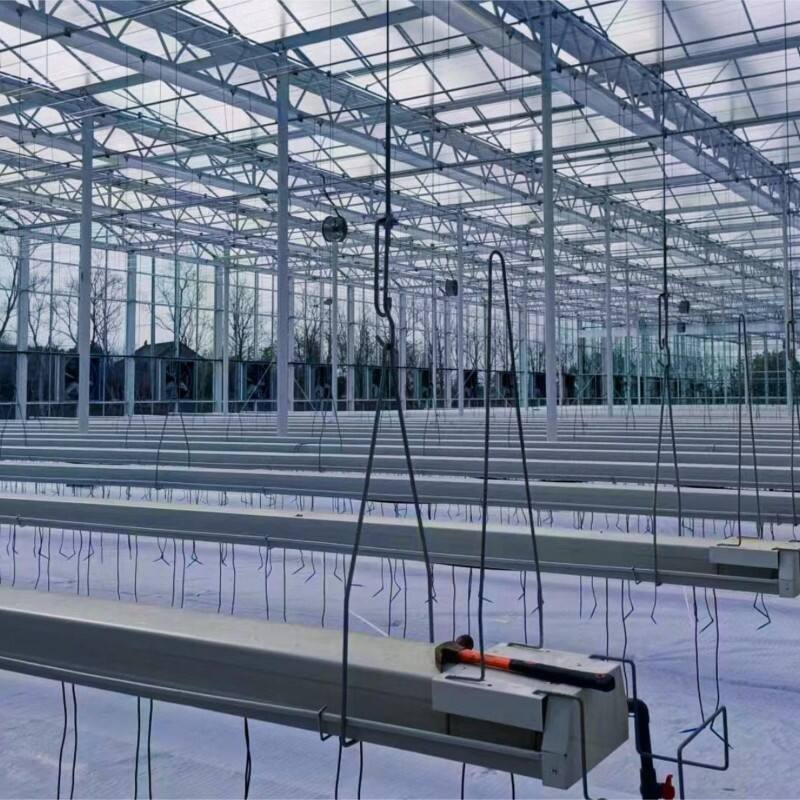
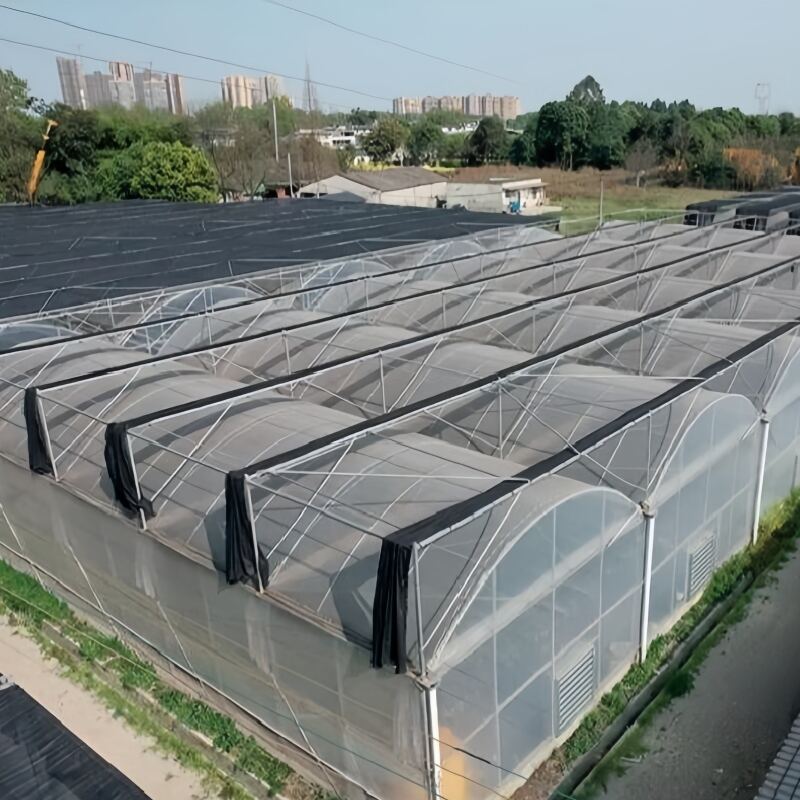
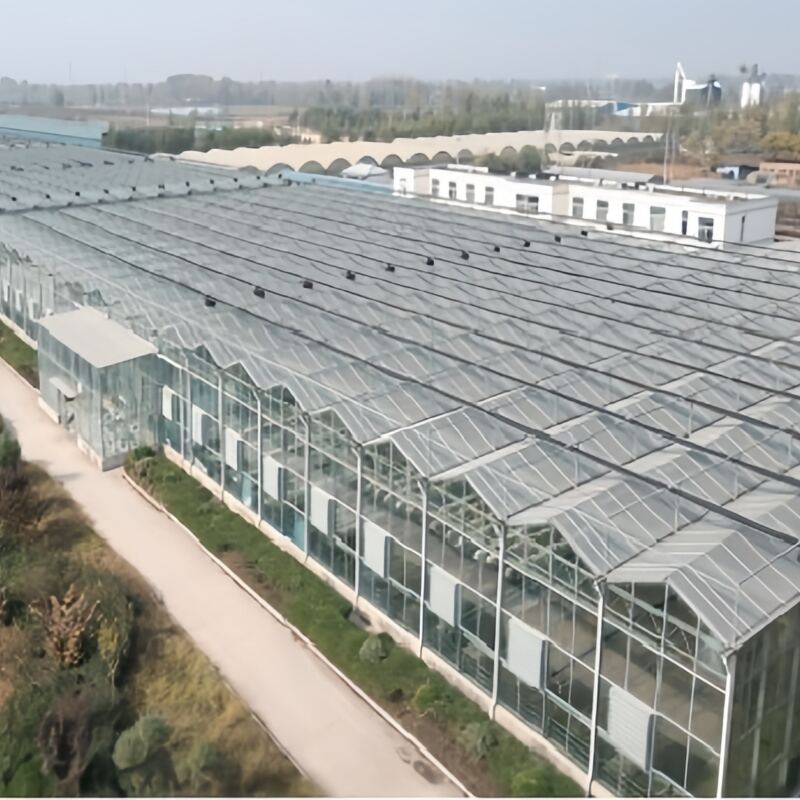
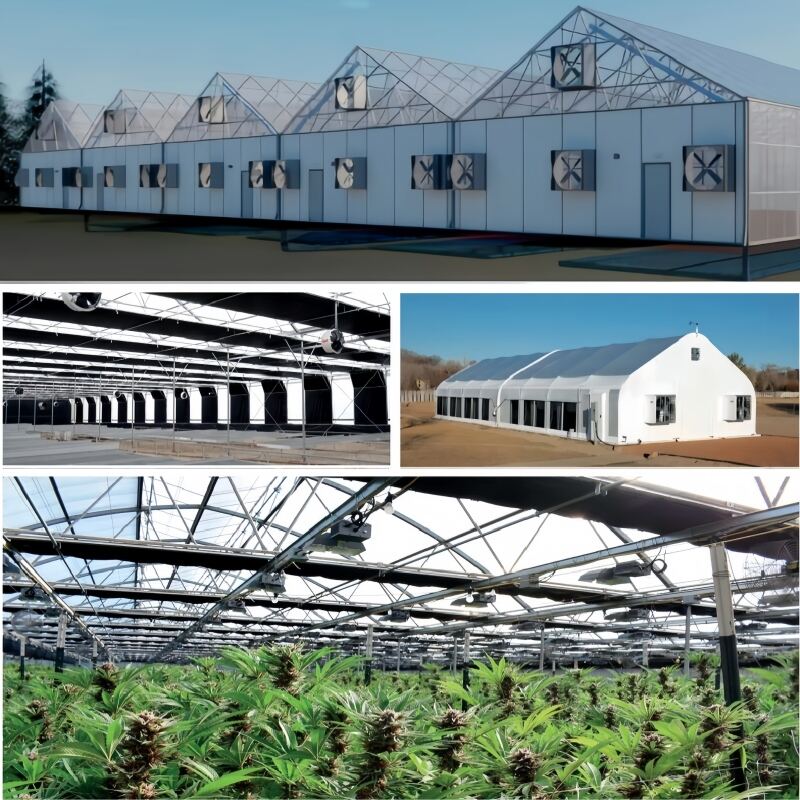
A plastic tomato greenhouse represents a revolutionary approach to controlled agricultural environments, specifically engineered for optimal tomato cultivation throughout various seasonal conditions. This sophisticated growing structure utilizes advanced polymer materials and precision engineering to create an ideal microclimate that maximizes tomato yield while protecting crops from external environmental challenges. The plastic tomato greenhouse incorporates multiple layers of specialized greenhouse-grade polyethylene or polycarbonate panels that provide superior light transmission, thermal insulation, and weather resistance. These structures feature integrated ventilation systems, automated climate control mechanisms, and customizable growing environments that can be adjusted according to specific tomato varieties and growth stages. Modern plastic tomato greenhouse designs include advanced features such as drip irrigation systems, hydroponic compatibility, pest control integration, and energy-efficient heating solutions. The technological framework encompasses computerized monitoring systems that track temperature, humidity, soil moisture, and nutrient levels in real-time, ensuring optimal growing conditions for premium tomato production. Applications of plastic tomato greenhouse technology extend across commercial farming operations, specialty crop producers, research facilities, and educational institutions. Large-scale agricultural enterprises utilize these structures to extend growing seasons, increase crop density, and maintain consistent quality standards. Small-scale farmers benefit from the controlled environment capabilities that allow year-round production regardless of external weather patterns. Research institutions employ plastic tomato greenhouse facilities for crop development, genetic studies, and sustainable agriculture testing. The versatility of these structures makes them suitable for urban farming initiatives, rooftop agriculture projects, and community gardening programs. Advanced plastic tomato greenhouse systems incorporate smart technology integration, including mobile app connectivity, automated fertilizer delivery, and predictive analytics for crop management optimization.

Popular Products

The plastic tomato greenhouse offers numerous compelling benefits that transform traditional farming practices into highly efficient, profitable operations. First, these structures provide complete environmental control, allowing farmers to maintain optimal growing conditions regardless of external weather fluctuations. This climate mastery translates directly into consistent crop yields throughout the year, eliminating seasonal limitations that typically restrict tomato production to specific months. Farmers can achieve three to four growing cycles annually instead of the single outdoor season, dramatically increasing revenue potential and return on investment. The controlled environment significantly reduces pest and disease pressure, minimizing the need for chemical pesticides and creating healthier, more marketable tomatoes. Water conservation becomes effortless through integrated irrigation systems that deliver precise amounts of moisture directly to plant roots, reducing water waste by up to seventy percent compared to traditional farming methods. The plastic tomato greenhouse enables precise nutrient management through hydroponic or soil-based systems, ensuring plants receive exactly the right fertilizer combinations at optimal timing intervals. This nutritional precision results in faster plant growth, larger fruit size, and enhanced flavor profiles that command premium market prices. Labor efficiency improves dramatically within these structures, as workers can tend plants in comfortable conditions year-round, increasing productivity and reducing seasonal hiring challenges. The enclosed environment protects crops from hail, wind, excessive rain, and temperature extremes that commonly destroy outdoor tomato plantations. Quality control becomes exceptional, as farmers can harvest tomatoes at peak ripeness without weather-related timing pressures. Market advantages include the ability to supply fresh tomatoes during off-seasons when prices typically peak, creating substantial profit opportunities. The plastic tomato greenhouse also provides protection from contamination sources, supporting organic certification processes and meeting stringent food safety requirements. Energy efficiency features, including thermal insulation and solar heat retention, minimize operational costs while maintaining optimal growing temperatures. These structures adapt easily to various scales, from small family operations to large commercial enterprises, making advanced agriculture accessible to diverse farming communities.

Tips And Tricks

Forging a Powerful Alliance: Netafim and Juyou Xinda Unite to Reshape the Future of Smart Agriculture

28

Nov

Forging a Powerful Alliance: Netafim and Juyou Xinda Unite to Reshape the Future of Smart Agriculture

View More
Australian Greenhouse Company Visits Our Facilities to Explore New Collaboration on 50,000 Sq.m Strawberry Glass Greenhouse Project

28

Nov

Australian Greenhouse Company Visits Our Facilities to Explore New Collaboration on 50,000 Sq.m Strawberry Glass Greenhouse Project

View More
 Innovative Breakthrough: Our Company Successfully Delivers World's First Customized

28

Nov

Innovative Breakthrough: Our Company Successfully Delivers World's First Customized "Greenhouse for Fertilizer Drying" to Malaysian Client

View More

Get a Free Quote

Our representative will contact you soon.
Email
Tel or Whatsapp
Name
Company Name
Message
0/1000

plastic tomato greenhouse

Advanced Climate Control Technology

Advanced Climate Control Technology

The plastic tomato greenhouse revolutionizes crop production through sophisticated climate management systems that create perfect growing conditions year-round. This comprehensive environmental control capability represents the most significant advantage of modern greenhouse agriculture, transforming how farmers approach tomato cultivation. The integrated climate control technology monitors and adjusts multiple environmental factors simultaneously, including temperature, humidity, air circulation, and carbon dioxide levels, ensuring optimal photosynthesis and plant development at every growth stage. Advanced sensors throughout the plastic tomato greenhouse continuously collect data, feeding information to computerized control systems that make real-time adjustments to maintain ideal conditions. Temperature regulation occurs through automated heating and cooling systems that respond instantly to external weather changes, protecting delicate tomato plants from temperature stress that commonly damages outdoor crops. Humidity control prevents fungal diseases while maintaining moisture levels that promote healthy plant transpiration and fruit development. The ventilation systems in a plastic tomato greenhouse provide consistent air movement that strengthens plant stems, improves pollination success, and prevents stagnant air conditions that harbor plant diseases. Carbon dioxide supplementation systems can boost photosynthesis rates during peak growing periods, accelerating plant growth and increasing fruit production significantly. These climate control features work together seamlessly, creating microclimates that can be customized for different tomato varieties, from cherry tomatoes requiring specific temperature ranges to large beefsteak varieties needing particular humidity levels. The precision control enables farmers to extend growing seasons indefinitely, producing fresh tomatoes throughout winter months when outdoor cultivation becomes impossible. This technological advancement eliminates the guesswork from agriculture, replacing traditional farming intuition with data-driven decision-making that consistently produces superior results. The economic impact of this climate control technology cannot be overstated, as it enables continuous production cycles that multiply annual yields while reducing crop loss risks associated with unpredictable weather patterns.
Superior Crop Protection and Quality Enhancement

Superior Crop Protection and Quality Enhancement

The plastic tomato greenhouse provides unparalleled protection against environmental threats and pest infestations while simultaneously enhancing crop quality to premium standards that command higher market prices. This protective barrier system creates a fortress-like environment that shields valuable tomato crops from the numerous dangers that plague outdoor agriculture, including severe weather events, insect damage, and disease transmission. The specialized plastic materials used in greenhouse construction filter harmful ultraviolet radiation while allowing beneficial light wavelengths to penetrate, promoting healthy plant growth without exposing crops to damaging solar radiation. Storm protection becomes absolute within these structures, as reinforced plastic panels and sturdy framework systems withstand high winds, hail storms, and heavy precipitation that routinely devastate outdoor tomato fields. The enclosed environment of a plastic tomato greenhouse creates natural barriers against flying insects, reducing pest populations by over ninety percent compared to open-field cultivation. This dramatic pest reduction eliminates the need for frequent pesticide applications, resulting in cleaner, healthier tomatoes that meet organic certification standards and appeal to health-conscious consumers. Disease prevention becomes highly effective as the controlled environment prevents spore transmission from neighboring fields and reduces moisture conditions that promote fungal growth. The protective qualities extend to contamination prevention, shielding crops from airborne pollutants, dust, and other environmental contaminants that can affect produce quality and safety. Quality enhancement occurs naturally within the plastic tomato greenhouse environment, as consistent growing conditions produce uniform fruit size, vibrant coloration, and exceptional flavor development. The protection from wind damage allows plants to develop stronger root systems and more robust fruit clusters, increasing per-plant yields significantly. Harvesting becomes more efficient and less wasteful, as protected fruits remain undamaged and marketable, reducing post-harvest losses that commonly occur with weather-exposed crops. The controlled environment enables precise timing of harvest operations, allowing farmers to pick tomatoes at optimal ripeness levels that maximize flavor and shelf life, crucial factors for premium market positioning.
Resource Efficiency and Sustainable Growing Practices

Resource Efficiency and Sustainable Growing Practices

The plastic tomato greenhouse represents the pinnacle of resource-efficient agriculture, dramatically reducing water consumption, minimizing fertilizer waste, and optimizing energy usage while maintaining exceptional crop productivity. This sustainability focus addresses critical environmental concerns while providing substantial cost savings that improve farm profitability and long-term viability. Water conservation within the plastic tomato greenhouse occurs through precision irrigation systems that deliver moisture directly to plant root zones, eliminating the water waste associated with traditional sprinkler or flood irrigation methods. These targeted delivery systems reduce water usage by sixty to seventy percent compared to conventional farming techniques, making agriculture viable in water-scarce regions and reducing operational costs significantly. The enclosed environment captures and recycles water vapor through natural transpiration processes, creating a closed-loop system that maximizes moisture utilization efficiency. Nutrient management becomes exceptionally precise within the plastic tomato greenhouse, as hydroponic and fertigation systems deliver exact fertilizer combinations directly to plant roots, preventing nutrient runoff that commonly pollutes groundwater and nearby waterways. This precision reduces fertilizer costs while improving plant nutrition, resulting in healthier crops and higher yields per unit of input resources. Energy efficiency features include thermal mass systems that store solar heat during daylight hours and release warmth during cooler periods, reducing heating costs substantially. Advanced plastic materials provide superior insulation properties that maintain stable temperatures with minimal energy input, making year-round production economically viable even in challenging climates. The plastic tomato greenhouse enables vertical growing techniques that maximize production per square foot of land, addressing land scarcity issues while increasing overall farm output. Waste reduction occurs throughout the growing cycle, as controlled conditions minimize crop losses and enable complete utilization of growing space. The sustainable practices inherent in greenhouse cultivation support environmental stewardship goals while providing farmers with competitive advantages in markets increasingly focused on sustainable agriculture. These efficiency improvements create positive feedback loops that reduce operational costs, increase profitability, and support long-term farm sustainability, making the plastic tomato greenhouse an essential investment for forward-thinking agricultural operations.

Get a Free Quote

Our representative will contact you soon.
Email
Tel or Whatsapp
Name
Company Name
Message
0/1000