tillverkare av högtunnlar
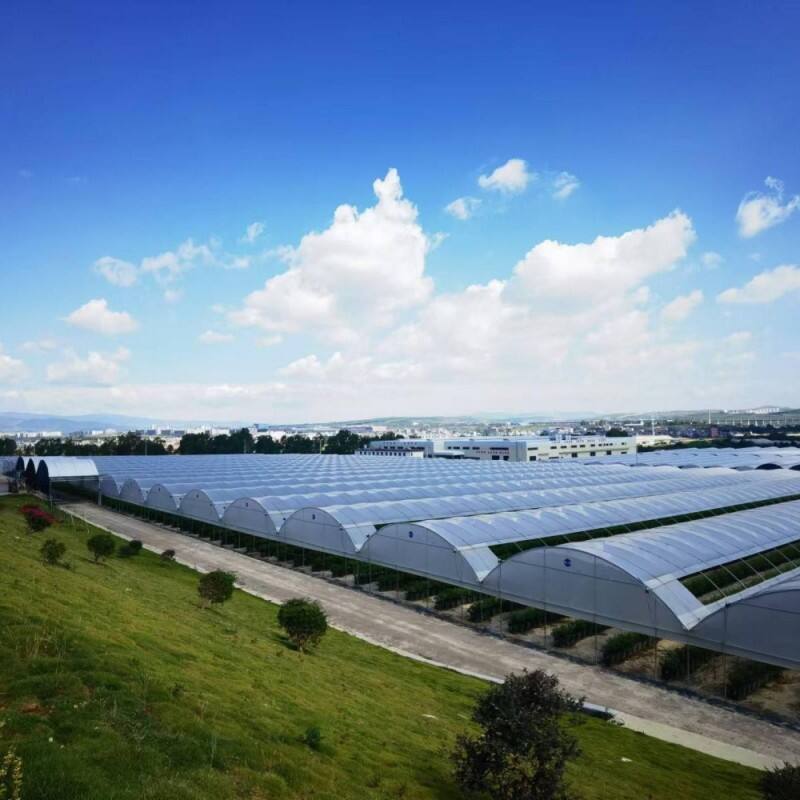
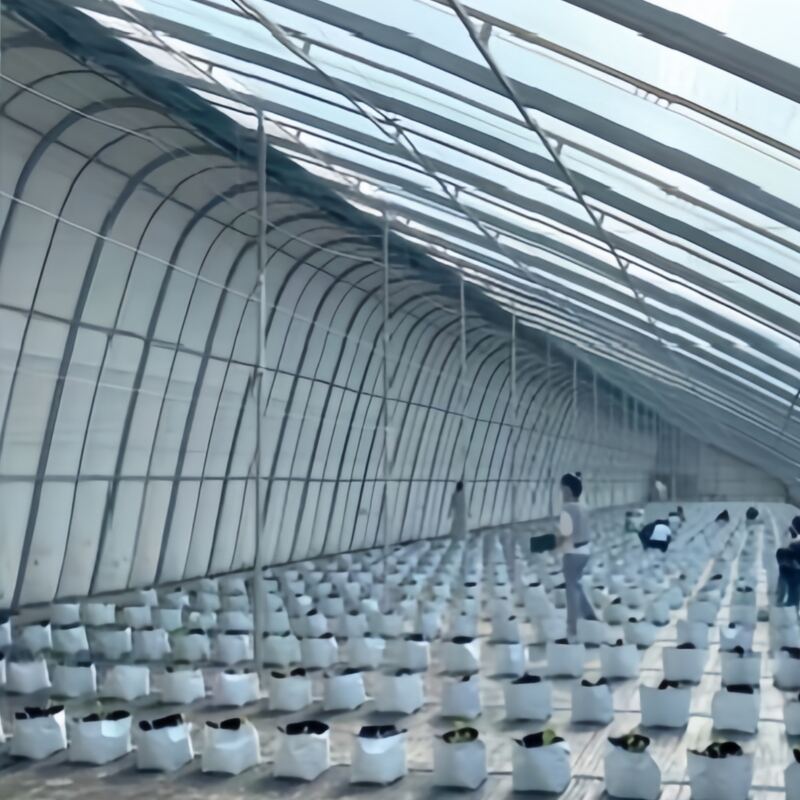
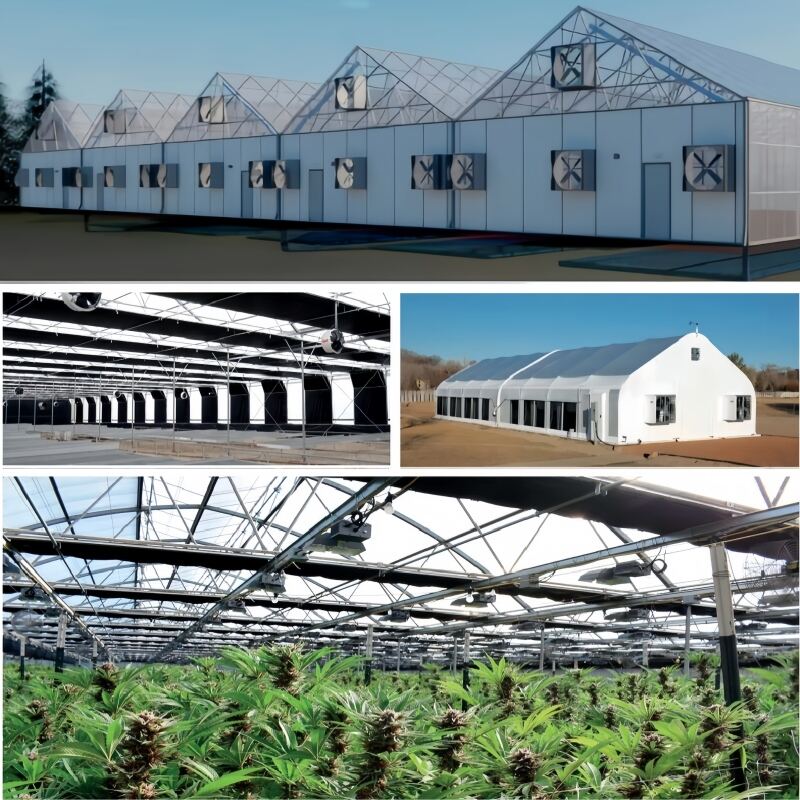
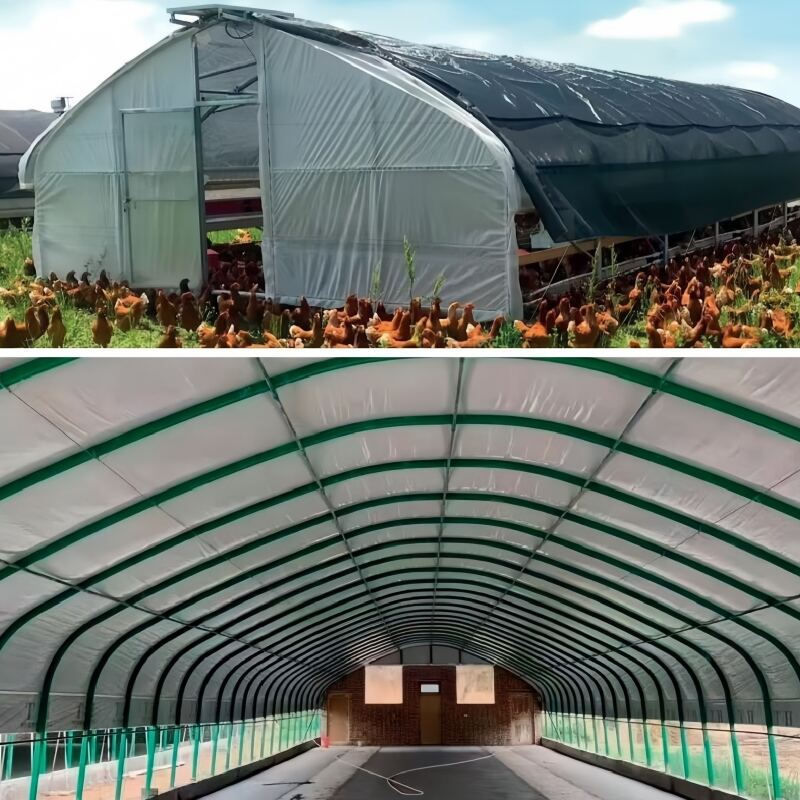
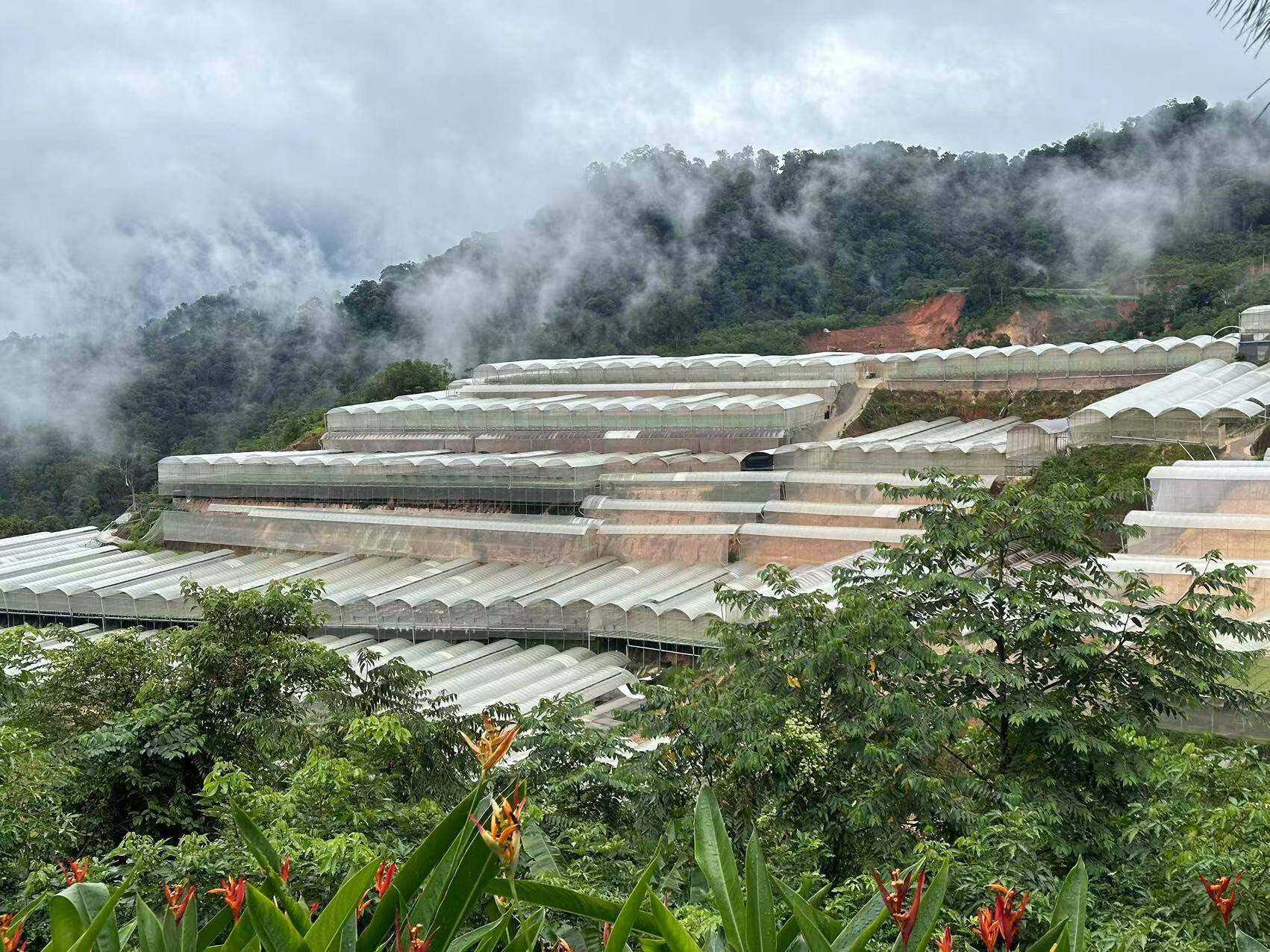
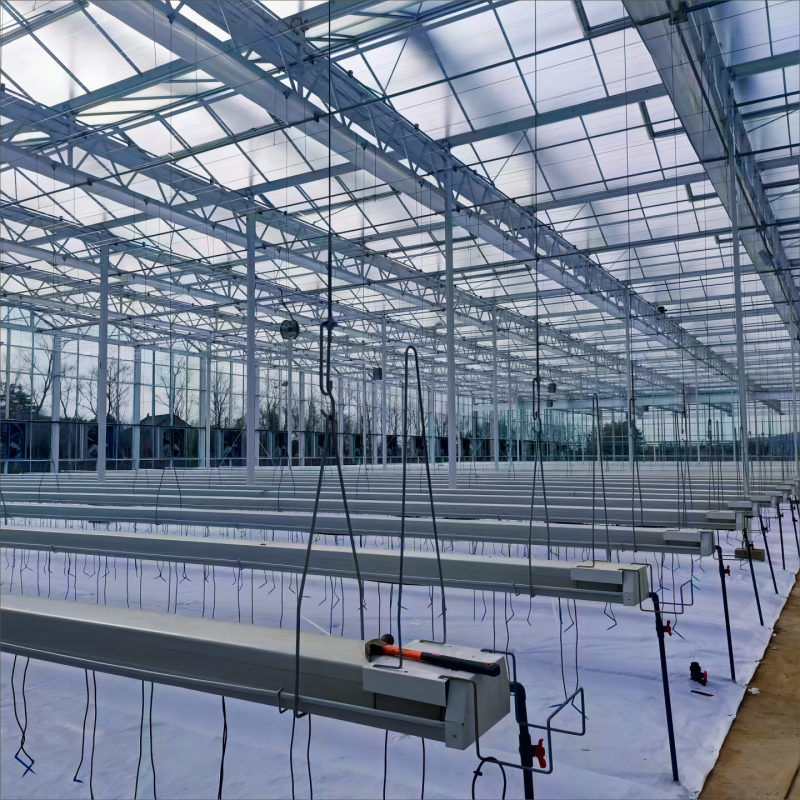
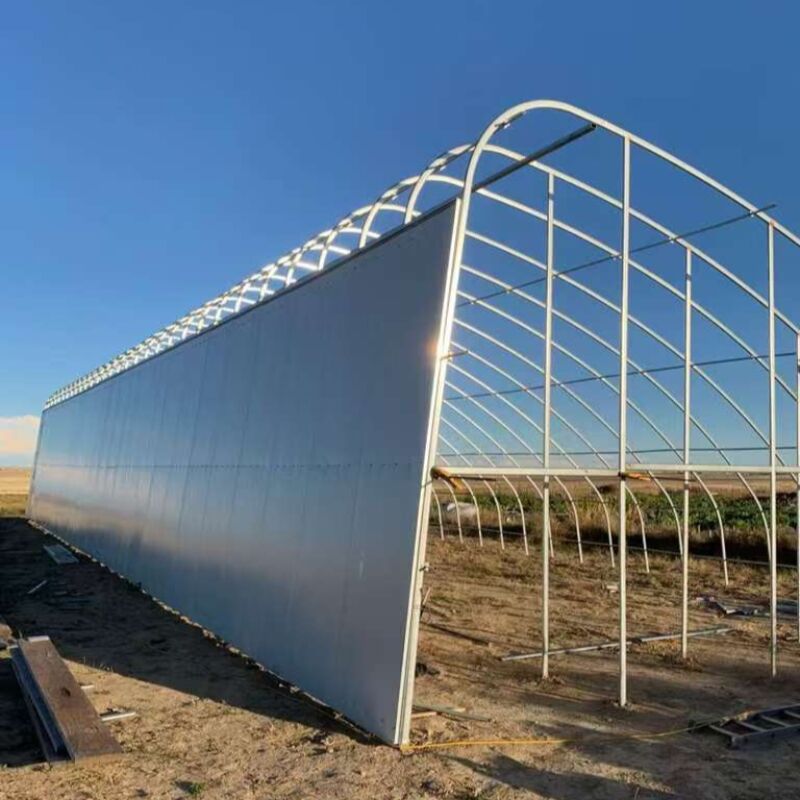
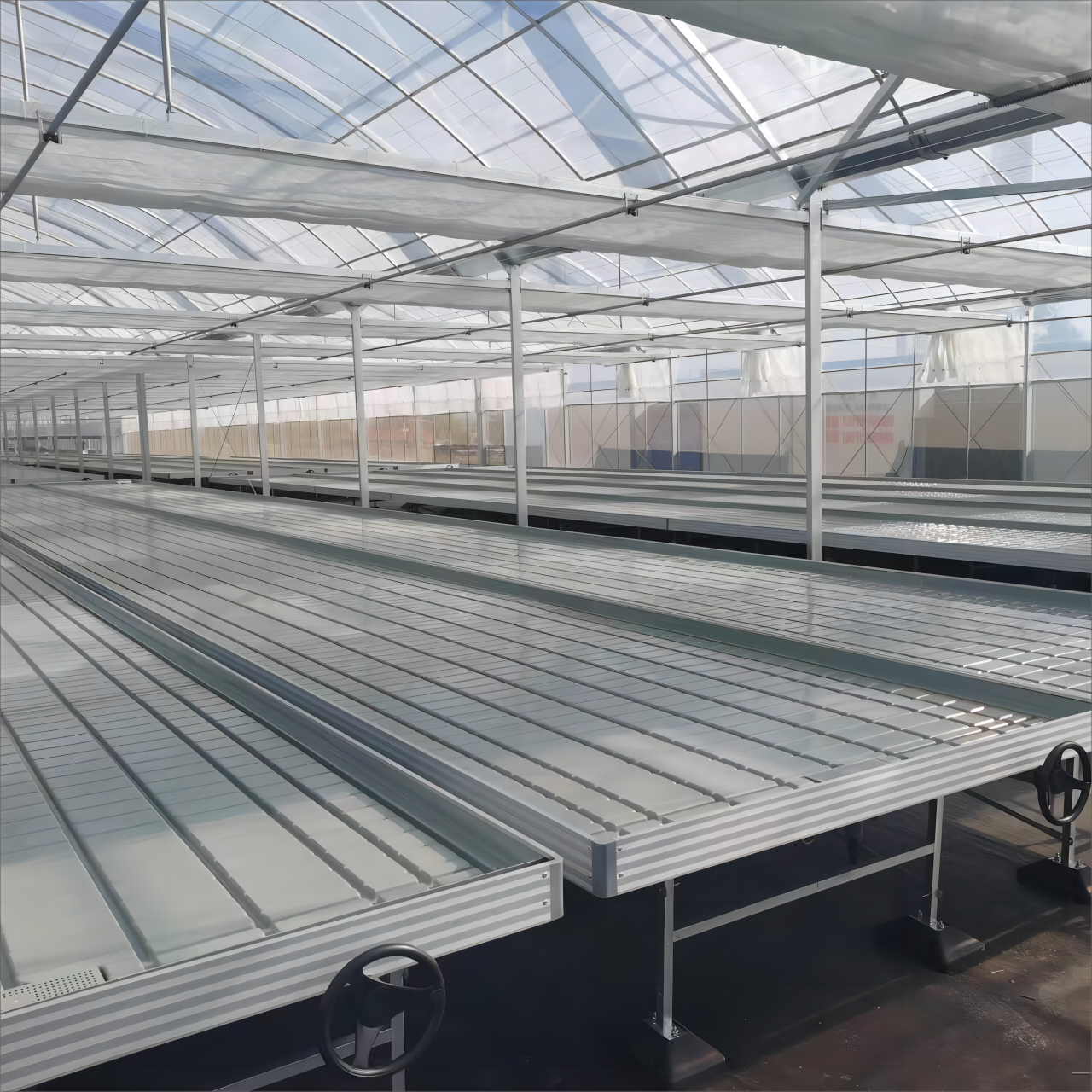
Tillverkare av höga tunnlar utgör en avgörande sektor inom jordbruksinfrastrukturindustrin och specialiserar sig på produktionen av mångsidiga odlingsstrukturer som fyller klyftan mellan odling i öppen mark och fullständiga växthus. Dessa tillverkare utformar och producerar halvpermanenta strukturer, vanligtvis byggda med ramverk av galvaniserad stål eller aluminium täckta med polyetenplast, vilket skapar kontrollerade odlingsmiljöer som förlänger odlingssäsongen och skyddar grödor mot ogynnsamma väderförhållanden. Den primära funktionen för tillverkare av höga tunnlar är att utveckla kostnadseffektiva lösningar som förbättrar grödproduktionen samtidigt som de bibehåller prisnivån på ett överkomligt plan för små och medelstora jordbrukare. Dessa strukturer, även kända som båghus eller polytunnlar, erbjuder skydd mot vind, regn, hagel och temperatursvängningar utan att kräva dyra uppvärmningssystem eller komplex automation. Ledande tillverkare av höga tunnlar integrerar avancerade material och konstruktionstekniker för att säkerställa strukturell integritet och lång livslängd. De använder UV-beständiga polyetenklädsel, korrosionsbeständiga rammaterial och innovativa ventilationssystem som upprätthåller optimala odlingsförhållanden. De teknologiska funktioner som utvecklats av tillverkare av höga tunnlar inkluderar rullupp-ventilation längs sidorna, automatiserade bevattningssystem och modulära konstruktioner som möjliggör enkel utbyggnad eller omlokalisering. Dessa tillverkare betjänar olika jordbruksmarknader, från ekologiska grödodlare till producenter av snittblommor och trädgårdsodlingsverksamheter. Tillämpningarna omfattar säsongsförlängning för kallväxtgrödor, tidig odling av värmekrävande grödor och år-runt-odling i måttliga klimat. Tillverkare av höga tunnlar tillhandahåller också lösningar för utbildningsinstitutioner, forskningsanläggningar och gemenskapsträdgårdar som söker hållbara odlingsmetoder. Strukturerna som tillverkas av dessa företag varierar vanligtvis från små bakgårdsenheter med en bredd på 3,6 meter till kommersiella anläggningar med en bredd på 9 meter eller mer och en längd på hundratals meter, vilket möjliggör anpassning till olika jordbruksbehov och budgetkrav utan att förlora de grundläggande fördelarna med skyddad odling.
 EN
EN