อุโมงค์พลาสติกขนาดใหญ่
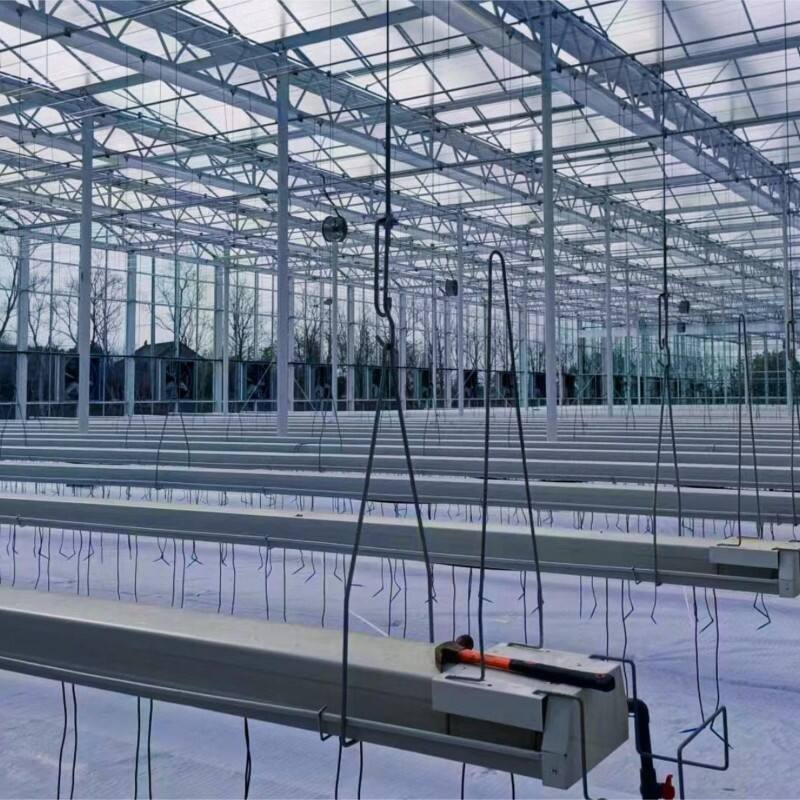
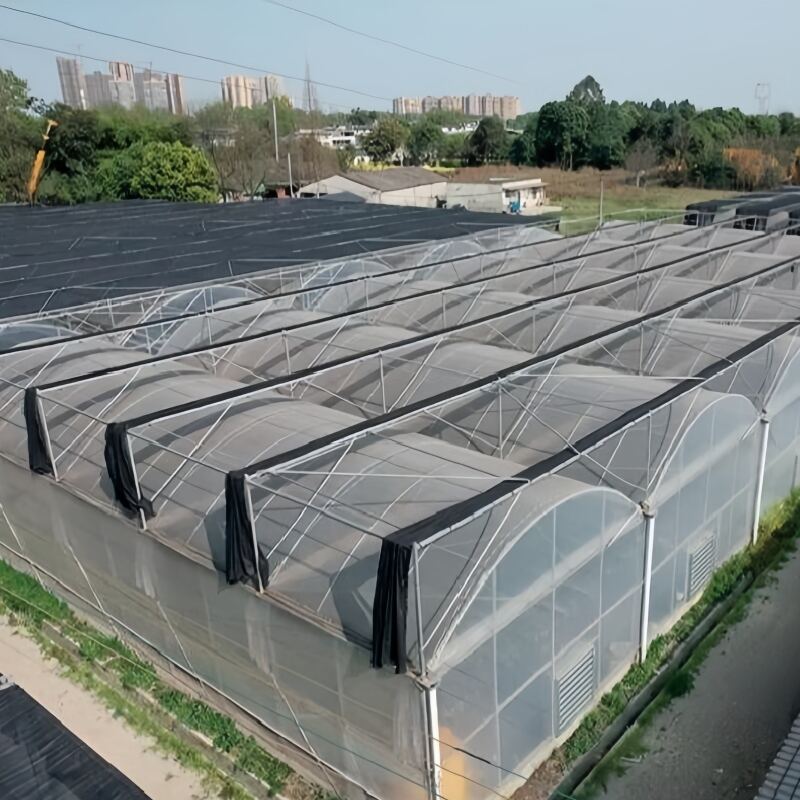
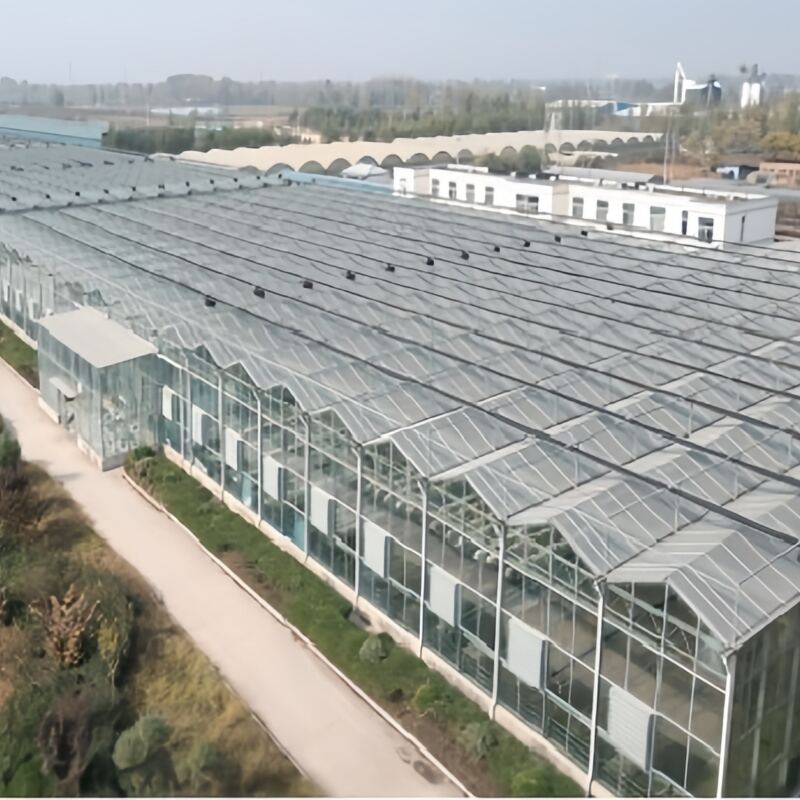
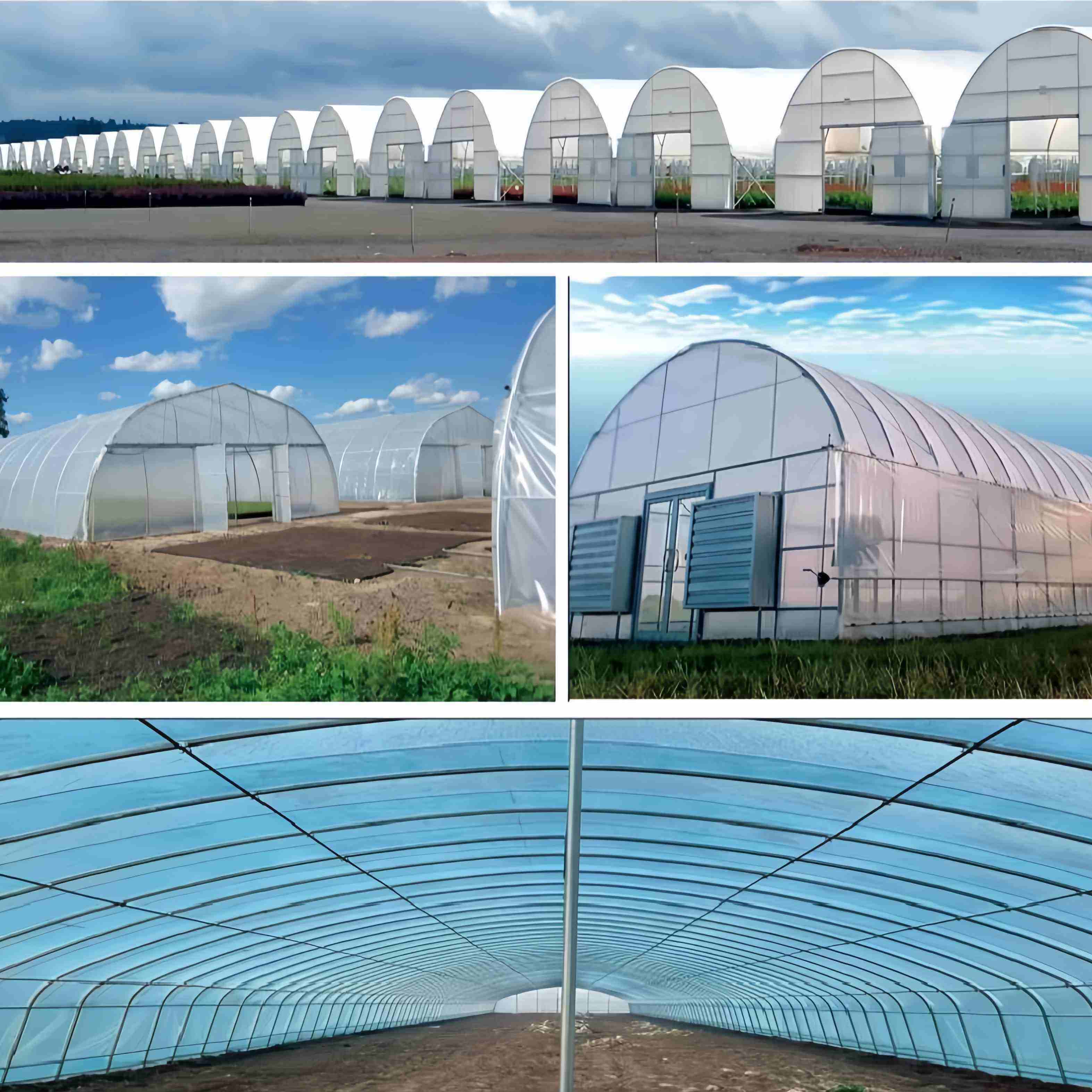
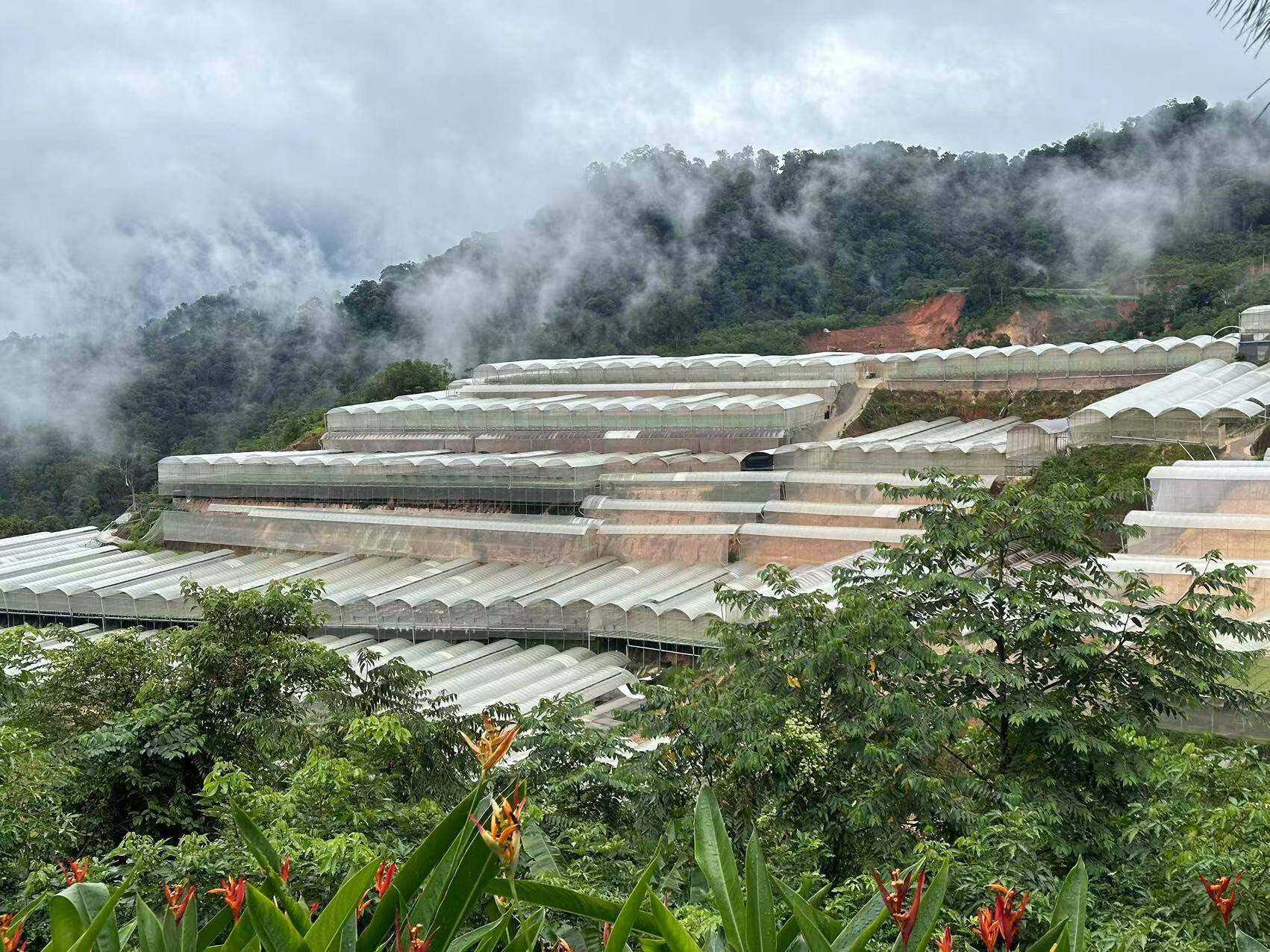
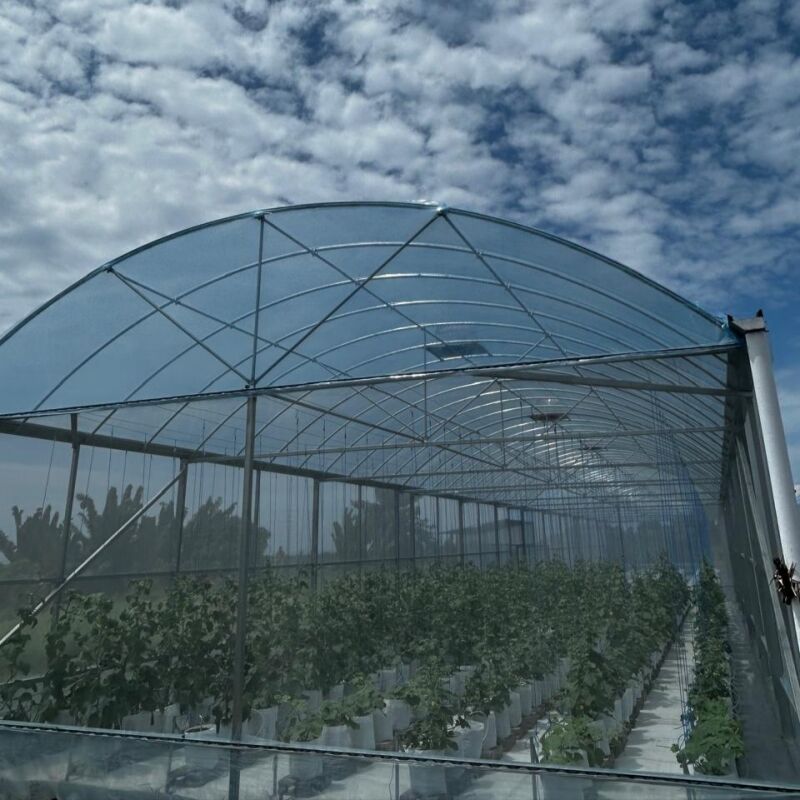
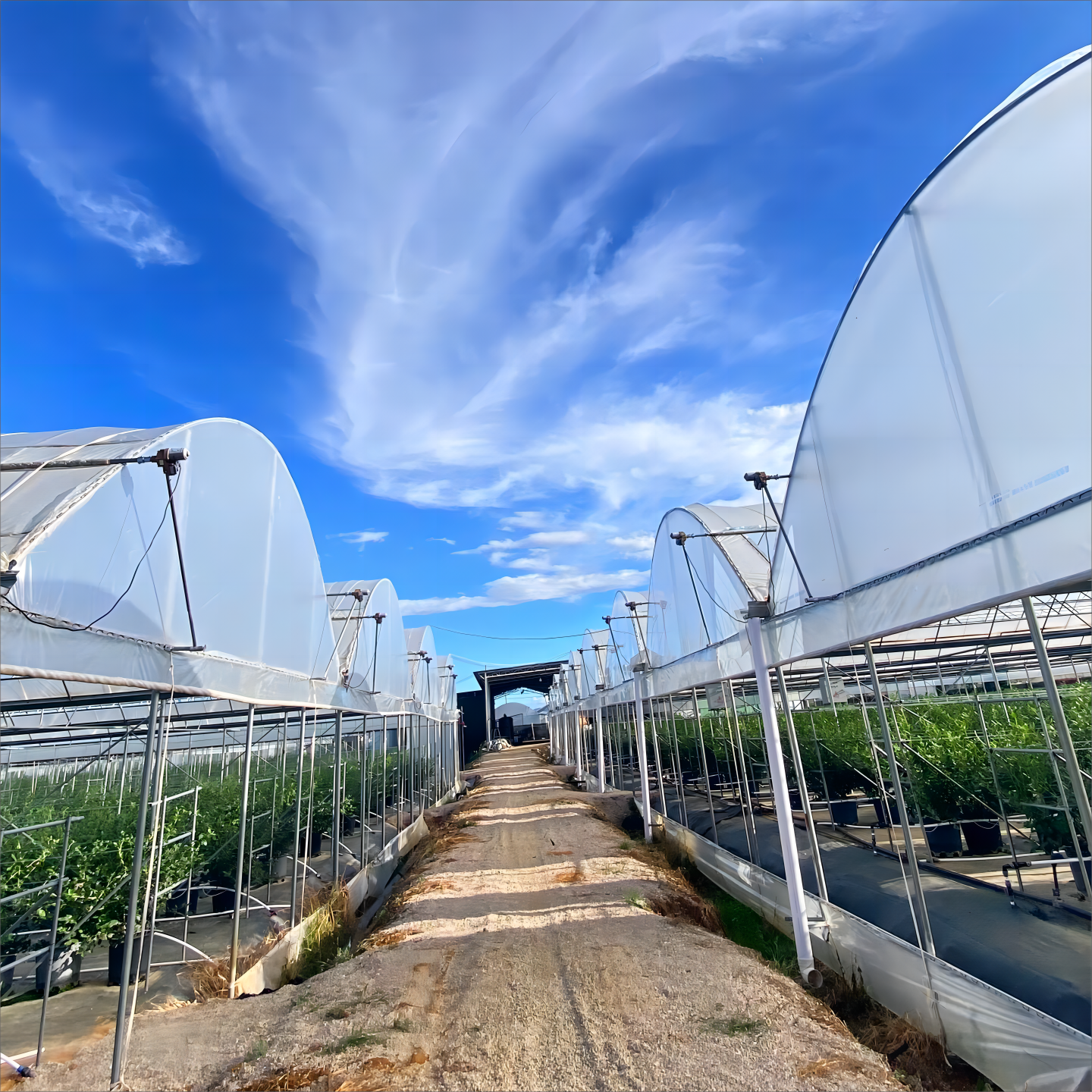
อุโมงค์พอลิเอทิลีนขนาดใหญ่เป็นโซลูชันโครงสร้างพื้นฐานทางการเกษตรแบบปฏิวัติที่ออกแบบมาเพื่อเพิ่มศักยภาพในการปลูกให้สูงสุด พร้อมปกป้องพืชผลจากความท้าทายด้านสิ่งแวดล้อม โครงสร้างเรือนกระจกขนาดใหญ่นี้ใช้วัสดุคลุมจากพอลิเอทิลีนขั้นสูง เพื่อสร้างสภาพแวดล้อมในการปลูกที่ควบคุมได้ ซึ่งช่วยยืดระยะเวลาการปลูกและเพิ่มผลผลิตพืชอย่างมีนัยสำคัญ อุโมงค์พอลิเอทิลีนขนาดใหญ่ทำหน้าที่เป็นเกราะป้องกันจากสภาพอากาศที่รุนแรง แมลงศัตรูพืช และโรคต่างๆ จึงถือเป็นการลงทุนที่จำเป็นสำหรับเกษตรกรเชิงพาณิชย์ ผู้ปลูกผักเพื่อจำหน่าย และธุรกิจการเกษตรที่ต้องการการผลิตพืชผลอย่างเชื่อถือได้ โครงสร้างหลักมักประกอบด้วยโครงโค้งเหล็กชุบสังกะสีหรืออะลูมิเนียมที่ให้ความแข็งแรงและความมั่นคงสูง รองรับแผ่นพอลิเอทิลีนโปร่งใสที่ช่วยให้แสงผ่านเข้ามาได้สูงสุด ขณะเดียวกันก็ควบคุมสภาพภูมิอากาศภายในได้อย่างมีประสิทธิภาพ การออกแบบอุโมงค์พอลิเอทิลีนขนาดใหญ่รุ่นใหม่รวมระบบระบายอากาศที่ทันสมัย เช่น ช่องระบายอากาศด้านข้าง ช่องระบายอากาศบริเวณสันหลังคา และระบบเปิด-ปิดหน้าต่างอัตโนมัติ ซึ่งควบคุมอุณหภูมิและระดับความชื้นโดยอัตโนมัติ โครงสร้างเหล่านี้สามารถรองรับพืชชนิดต่างๆ ได้หลากหลาย ตั้งแต่ผักใบเขียวและสมุนไพร ไปจนถึงมะเขือเทศ พริก และพืชออกดอก จึงมีความยืดหยุ่นสูงและปรับตัวได้ตามความต้องการของตลาดที่เปลี่ยนแปลงไป คุณสมบัติทางเทคโนโลยีของอุโมงค์พอลิเอทิลีนขนาดใหญ่ ได้แก่ วัสดุคลุมที่ทนต่อรังสี UV เพื่อป้องกันการเสื่อมสภาพและรักษาความใสไว้สำหรับกระบวนการสังเคราะห์แสง ระบบประตูเสริมความแข็งแรงเพื่อการเข้า-ออกที่สะดวกและการเคลื่อนย้ายอุปกรณ์ และจุดต่อสำหรับระบบให้น้ำแบบเลือกเสริมที่ช่วยให้การจัดการน้ำมีประสิทธิภาพมากยิ่งขึ้น แอปพลิเคชันของโครงสร้างนี้ครอบคลุมทั้งการผลิตผักเชิงพาณิชย์ การดำเนินงานโรงเพาะชำ ศูนย์วิจัย และการปลูกพืชเฉพาะทาง ซึ่งล้วนต้องอาศัยสภาพแวดล้อมที่สม่ำเสมอเพื่อความสำเร็จ การขยายขนาดของระบบอุโมงค์พอลิเอทิลีนขนาดใหญ่สามารถทำได้ตามลำดับ โดยใช้การออกแบบแบบโมดูลาร์ที่สามารถเชื่อมต่อกันหรือขยายออกไปได้ตามความต้องการทางธุรกิจที่เติบโตขึ้น จึงเป็นตัวเลือกที่เหมาะสมทั้งสำหรับธุรกิจการเกษตรที่ดำเนินงานมานานแล้วและโครงการเพาะปลูกใหม่ที่กำลังเริ่มต้น
 ×
×
 EN
EN