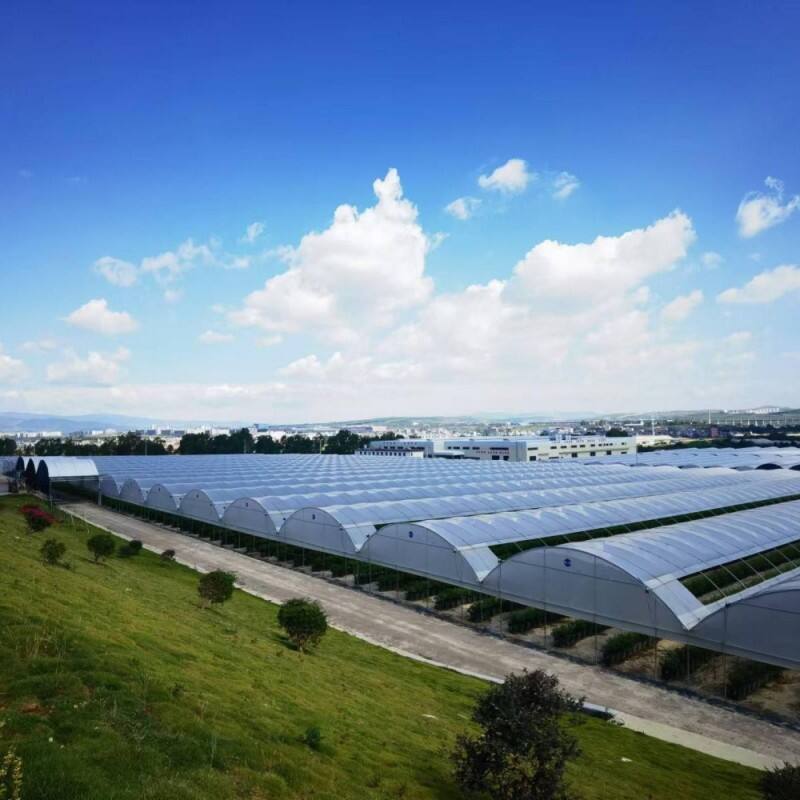
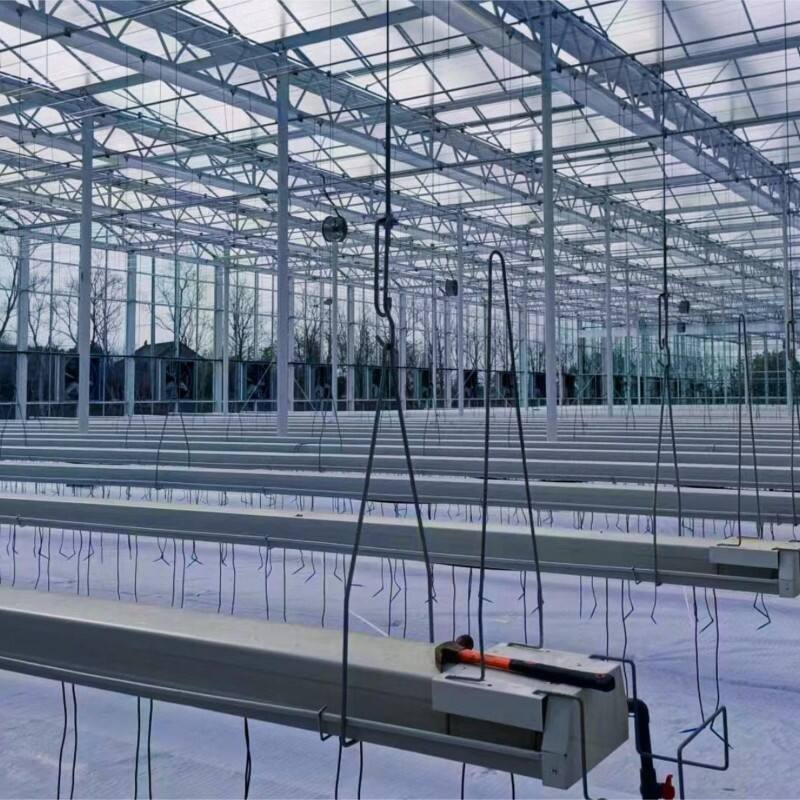
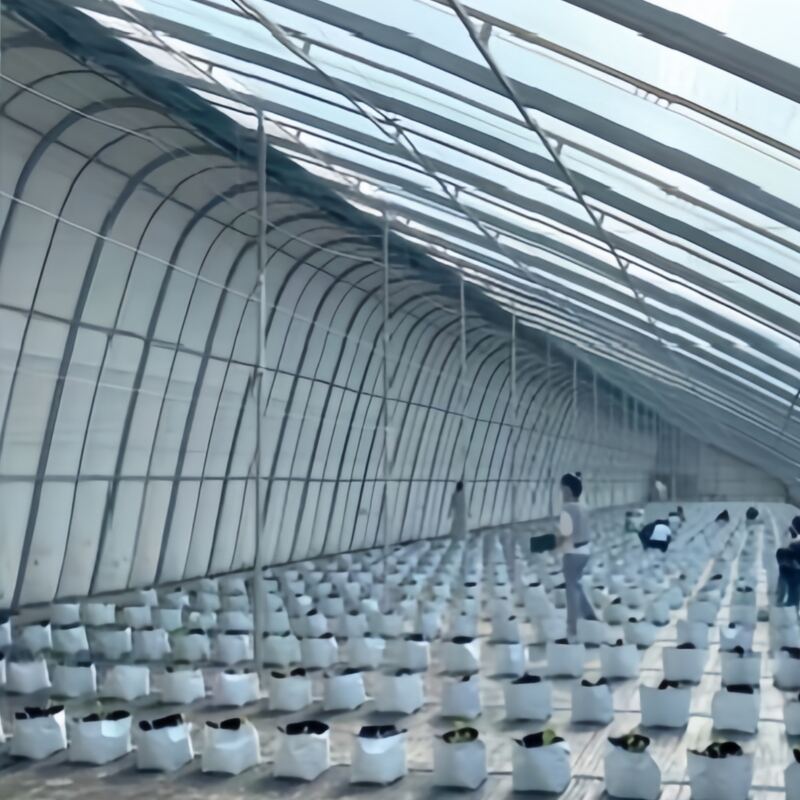
เรือนเพาะชำแบบโพลีทันเนลที่มีโครงเหล็ก
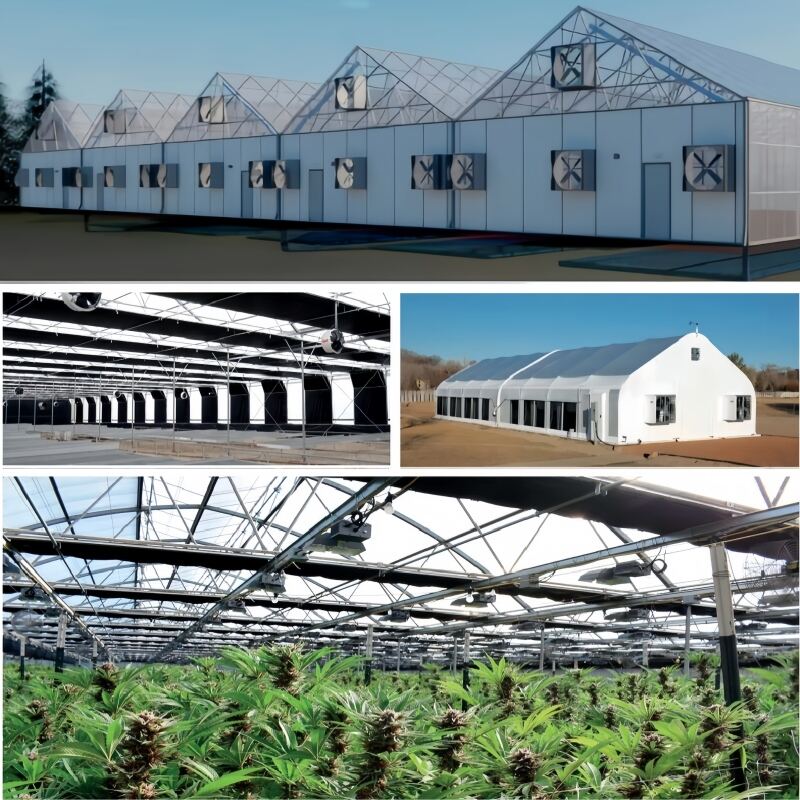
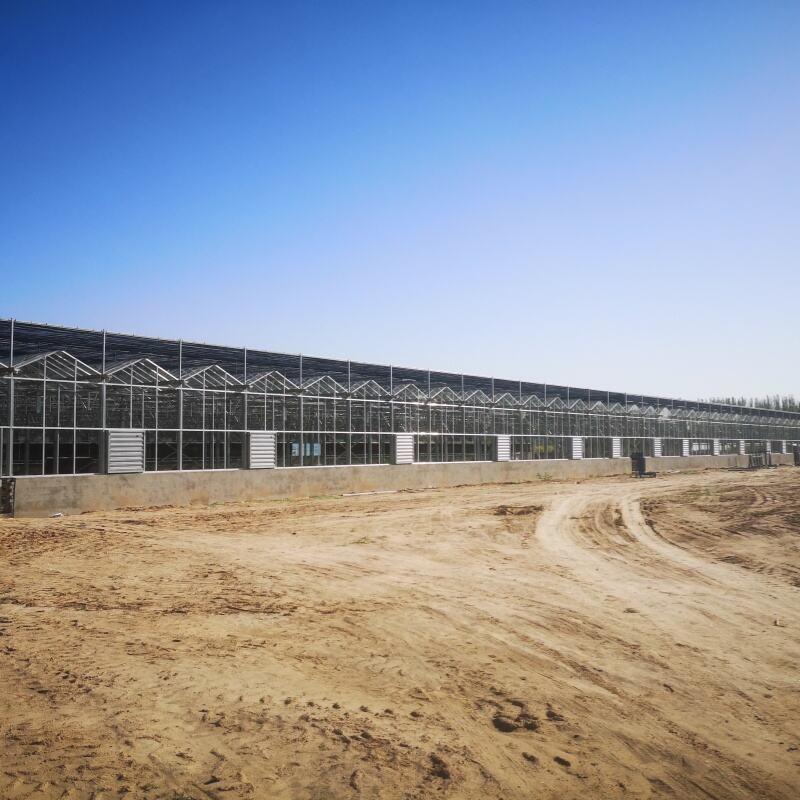
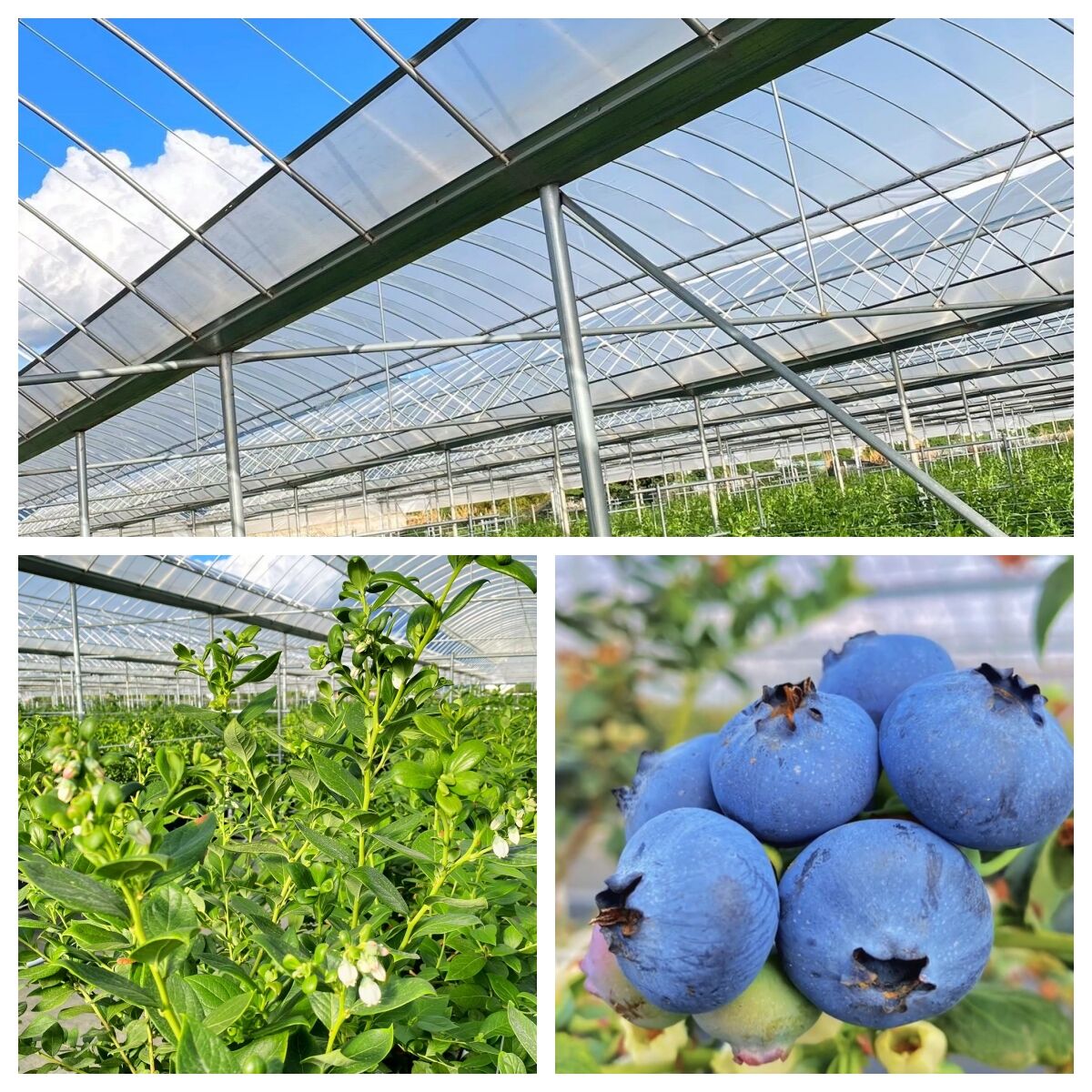
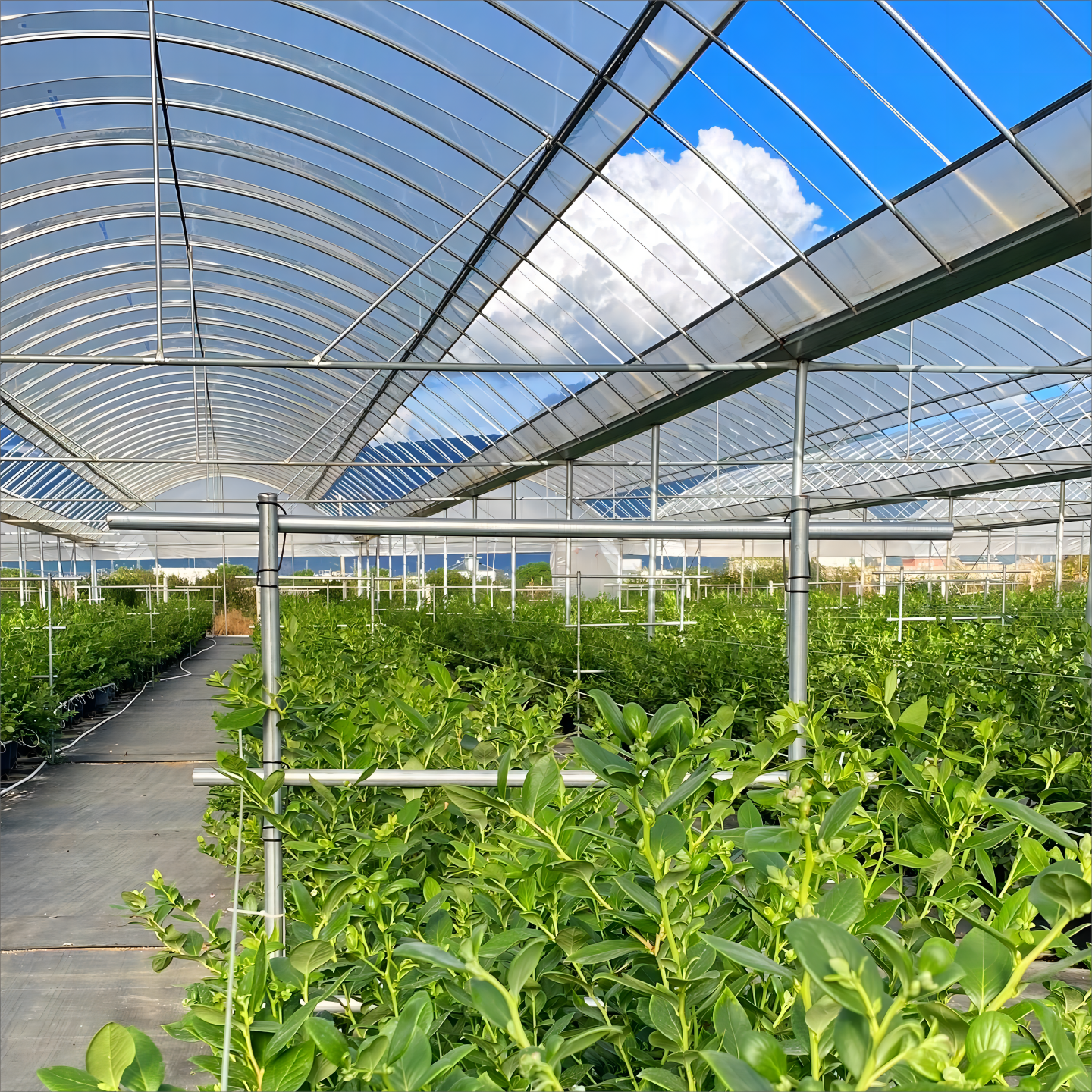
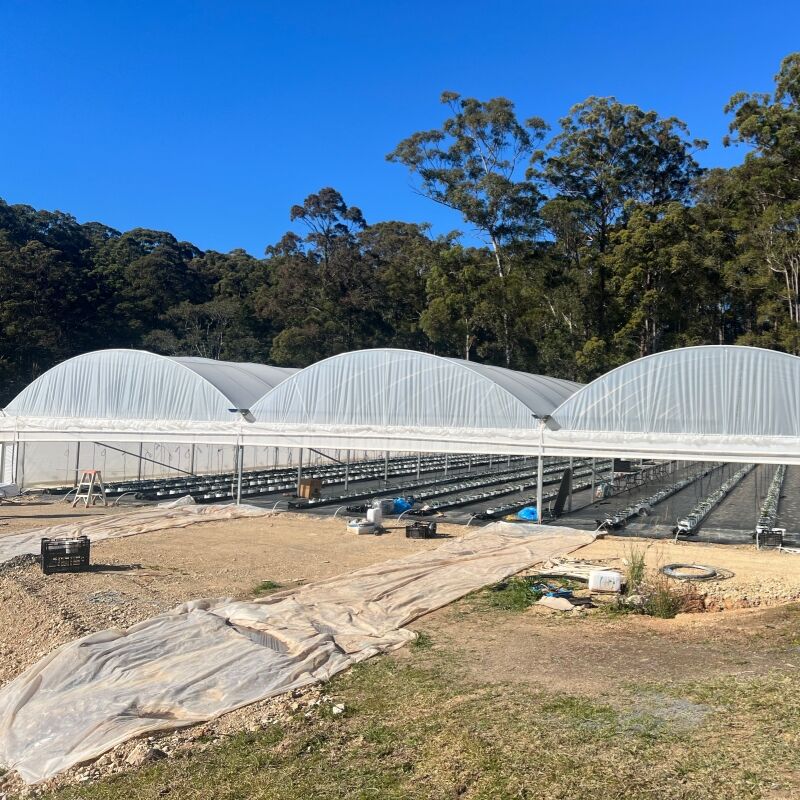
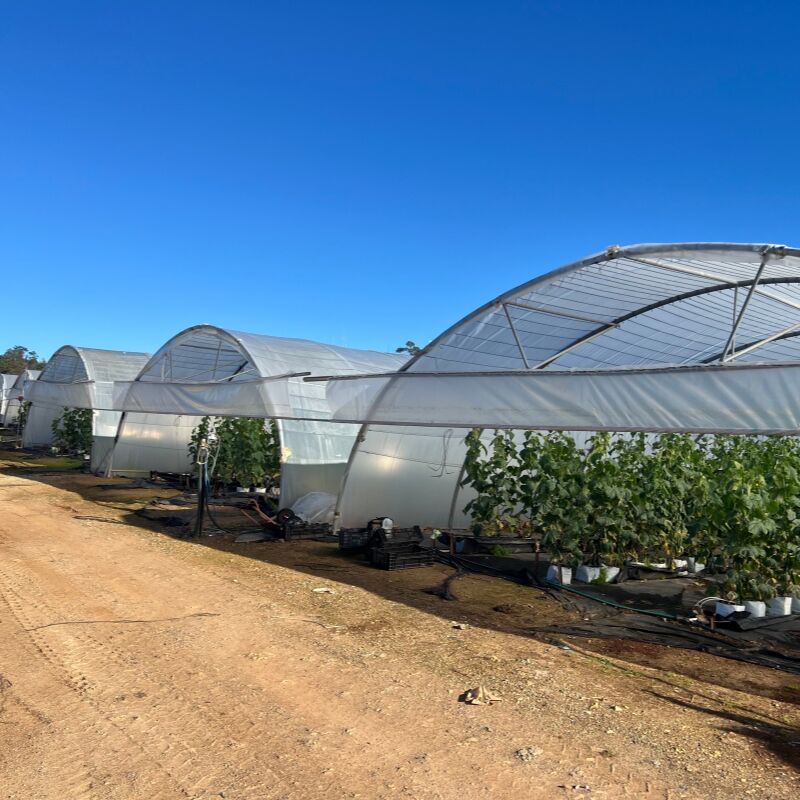
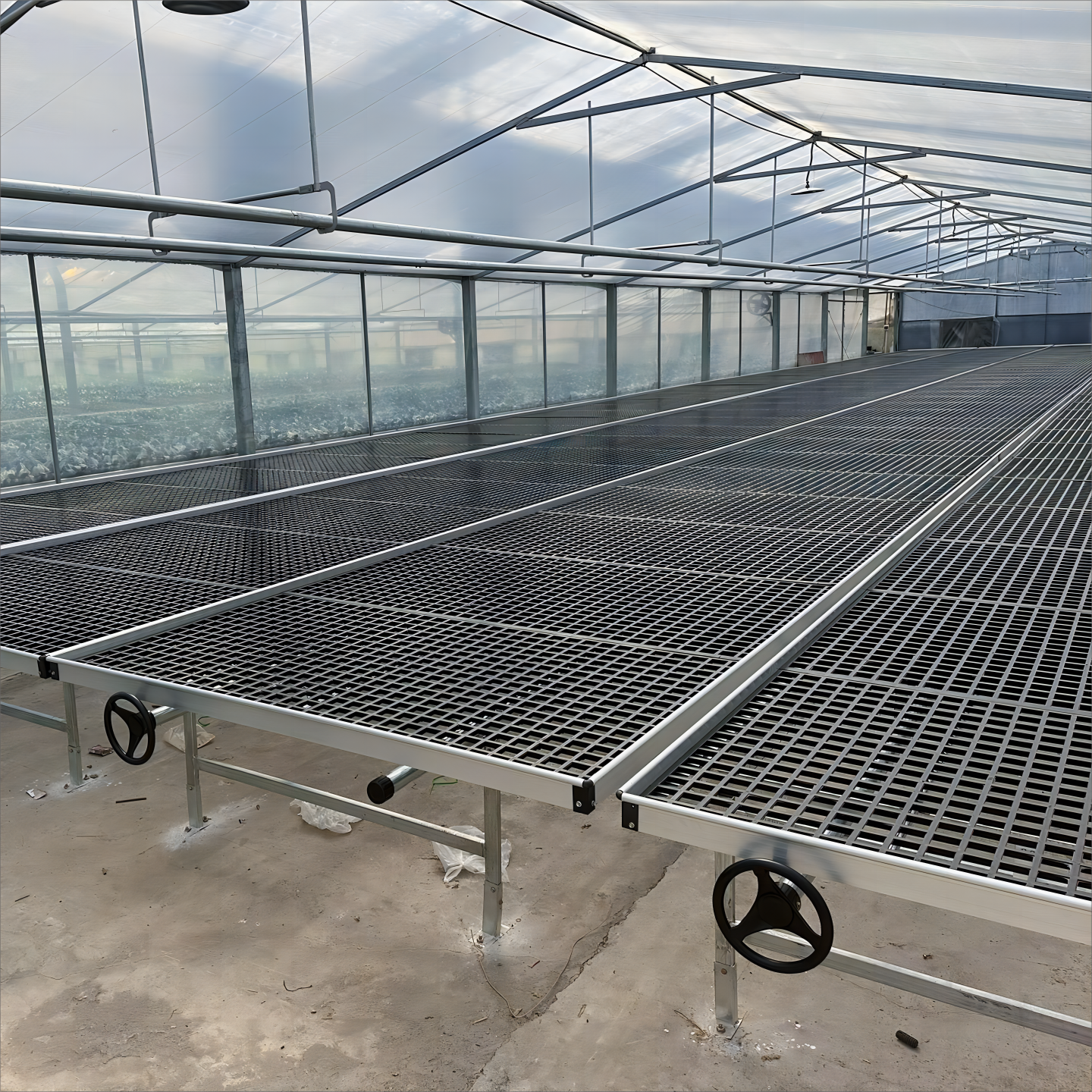
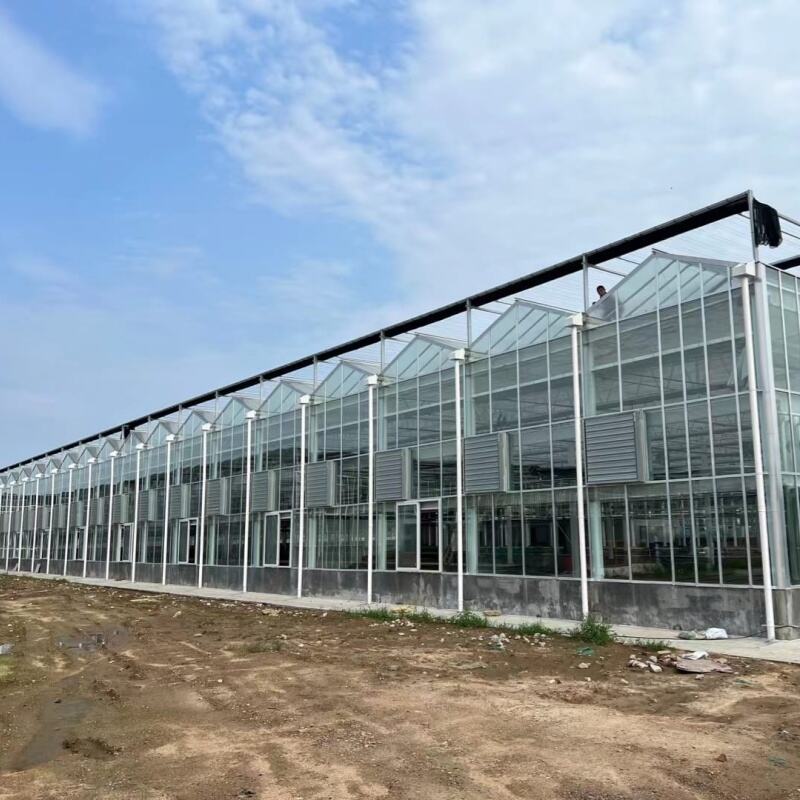
โครงสร้างพอลิทันเนลแบบกรอบเหล็กเป็นแนวทางปฏิวัติในการเพาะปลูกภายใต้สิ่งแวดล้อมที่ควบคุม ซึ่งผสานรวมวิศวกรรมโครงสร้างที่แข็งแรงเข้ากับเทคโนโลยีการเกษตรขั้นสูง โครงสร้างเพาะปลูกนวัตกรรมนี้มีโครงร่างทำจากเหล็กชุบสังกะสี ซึ่งให้ความทนทานและอายุการใช้งานยาวนานอย่างโดดเด่นเมื่อเทียบกับทางเลือกแบบอะลูมิเนียมหรือพลาสติกแบบดั้งเดิม พอลิทันเนลแบบกรอบเหล็กใช้ท่อเหล็กชุบสังกะสีเกรดสูงที่ต้านทานการกัดกร่อน จึงรับประกันประสิทธิภาพการทำงานที่เชื่อถือได้เป็นเวลาหลายทศวรรษภายใต้สภาพอากาศที่หลากหลาย โครงร่างรองรับผ้าคลุมโพลีเอทิลีนที่ออกแบบพิเศษ เพื่อสร้างไมโครไคลเมตที่เหมาะสมที่สุดสำหรับการเจริญเติบโตของพืช ขณะเดียวกันก็ปกป้องผลผลิตจากการเครียดจากสิ่งแวดล้อม หน้าที่หลักของพอลิทันเนลแบบกรอบเหล็กรวมถึง การยืดระยะเวลาการเพาะปลูก การปกป้องพืชจากสภาพอากาศที่ไม่เอื้ออำนวย การสร้างสภาพแวดล้อมที่ควบคุมได้สำหรับการเพาะปลูก และการเพิ่มผลผลิตสูงสุดตลอดทั้งปี คุณสมบัติทางเทคโนโลยีประกอบด้วยระบบระบายอากาศขั้นสูงที่มีหน้าต่างบานเกล็ดอัตโนมัติ แผงข้างแบบม้วนขึ้น และช่องระบายอากาศบริเวณสันหลังคา ซึ่งช่วยรักษาอุณหภูมิและระดับความชื้นให้อยู่ในเกณฑ์ที่เหมาะสม แบบแปลนพอลิทันเนลแบบกรอบเหล็กรวมถึง กรอบประตูที่เสริมความแข็งแรง ระบบรางระบายน้ำที่ติดตั้งไว้ภายใน และจุดยึดอุปกรณ์เสริม (ตามตัวเลือก) สำหรับระบบให้น้ำ ระบบทำความร้อน และระบบทำความเย็น การประยุกต์ใช้มีตั้งแต่การเกษตรเชิงพาณิชย์ การทำสวนเพื่อจำหน่าย การศึกษาในสถาบันการศึกษา ศูนย์วิจัย และการเพาะปลูกเพื่อความสนุกส่วนตัว แบบโมดูลาร์ช่วยให้สามารถปรับความยาวและความกว้างได้ตามความต้องการ รองรับพืชชนิดต่าง ๆ ตั้งแต่ผักใบเขียว ผักเถา ไปจนถึงพืชดอก เกษตรกรมืออาชีพใช้พอลิทันเนลแบบกรอบเหล็กในการผลิตพืชผักตลอดทั้งปี เช่น มะเขือเทศ แตงกวา พริก สมุนไพร และพืชพิเศษต่าง ๆ โครงสร้างนี้ยังช่วยให้ควบคุมสภาวะแวดล้อมได้อย่างแม่นยำผ่านระบบเสริมความร้อน ระบบทำความเย็น และระบบแสงสว่าง สถาบันวิจัยนำโครงสร้างเหล่านี้ไปใช้ในโครงการพัฒนาพันธุ์พืช การศึกษาด้านการเกษตร และการทดลองภายใต้สภาวะควบคุม สถานศึกษาได้รับประโยชน์จากพอลิทันเนลแบบกรอบเหล็กในฐานะเครื่องมือการเรียนการสอนวิชาการเกษตรศาสตร์และแนวปฏิบัติด้านการเพาะปลูกอย่างยั่งยืน โครงสร้างที่แข็งแรงทนทานนี้สามารถรับน้ำหนักหิมะที่มาก ลมกระโชกแรง และลูกเห็บได้ จึงเหมาะสำหรับใช้งานในพื้นที่ภูมิศาสตร์และเขตภูมิอากาศที่หลากหลาย
 EN
EN