Professional Vegetable Shade House Systems - Advanced Climate Control for Maximum Crop Yields

Welcome To JYXD-greenhouse

Get a Free Quote

Our representative will contact you soon.
Email
Tel or Whatsapp
Name
Company Name
Message
0/1000

vegetable shade house

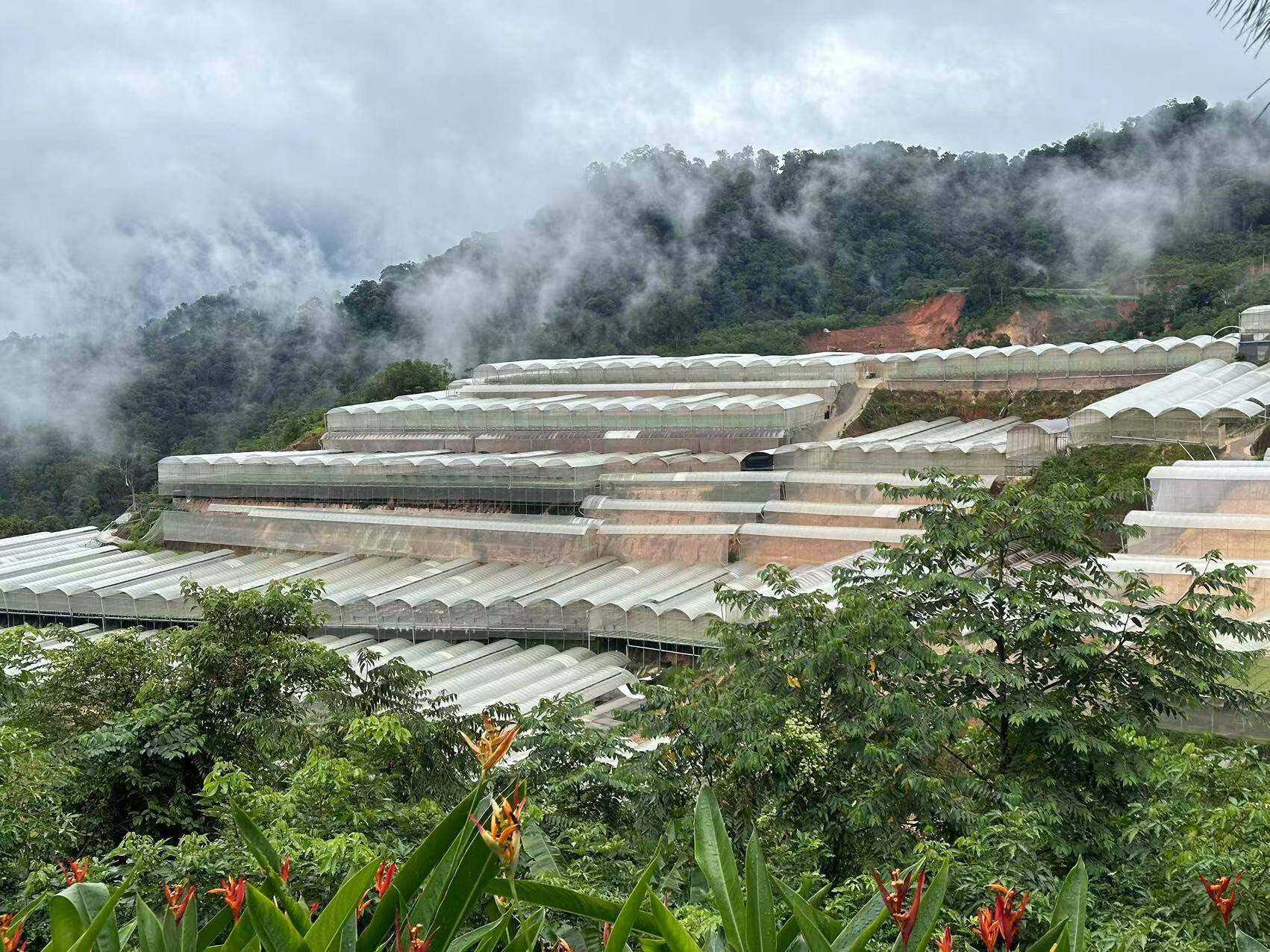
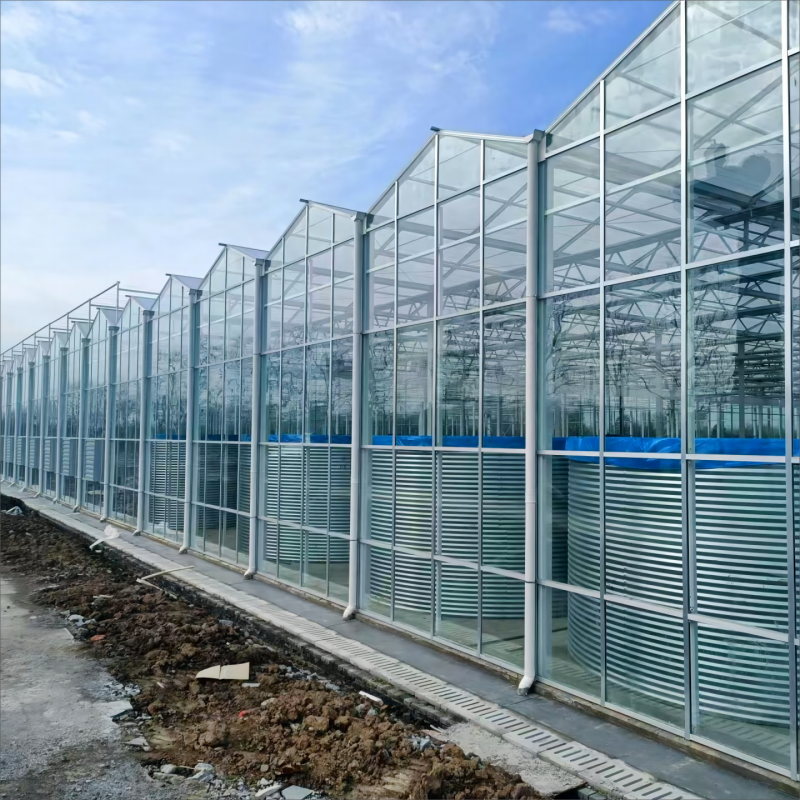
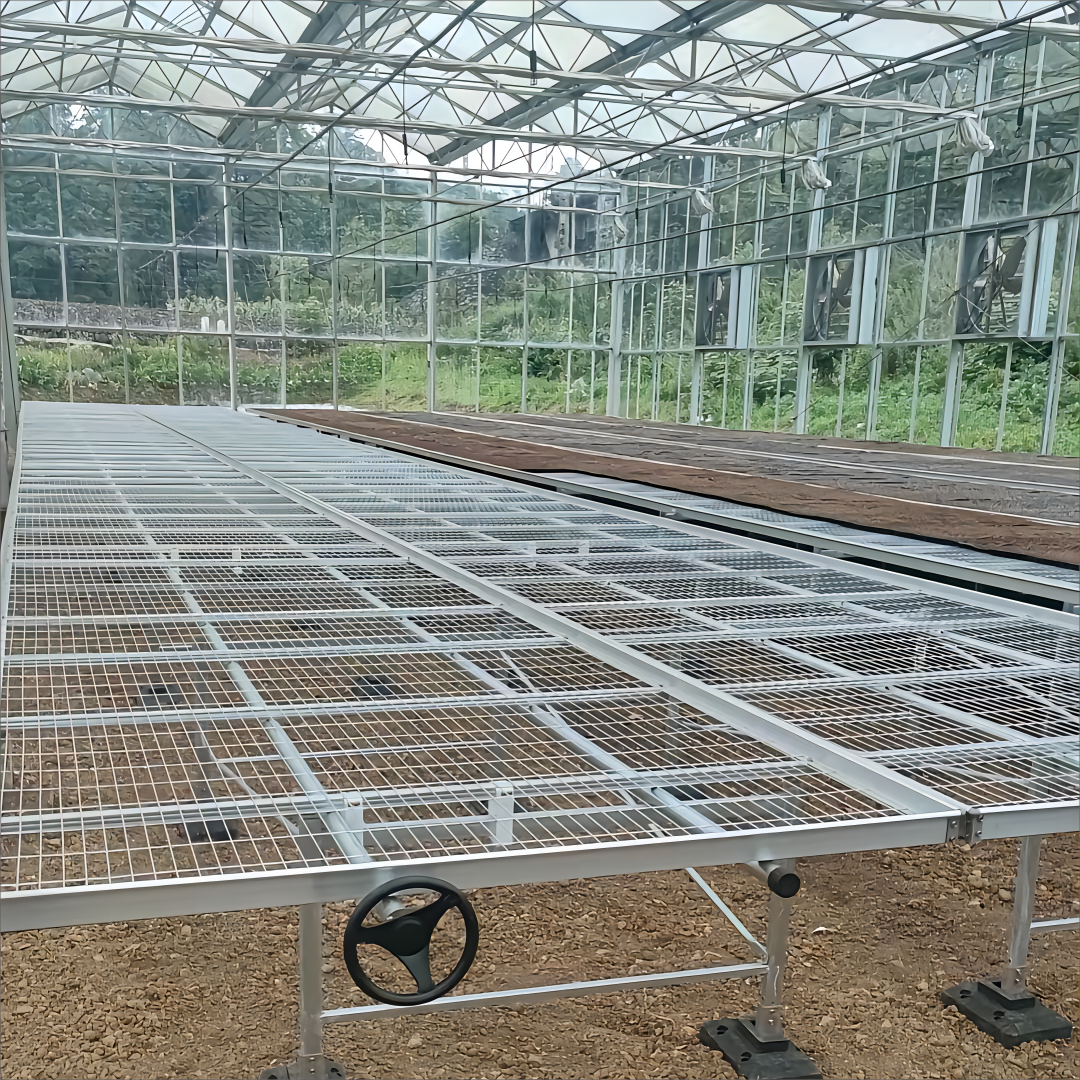
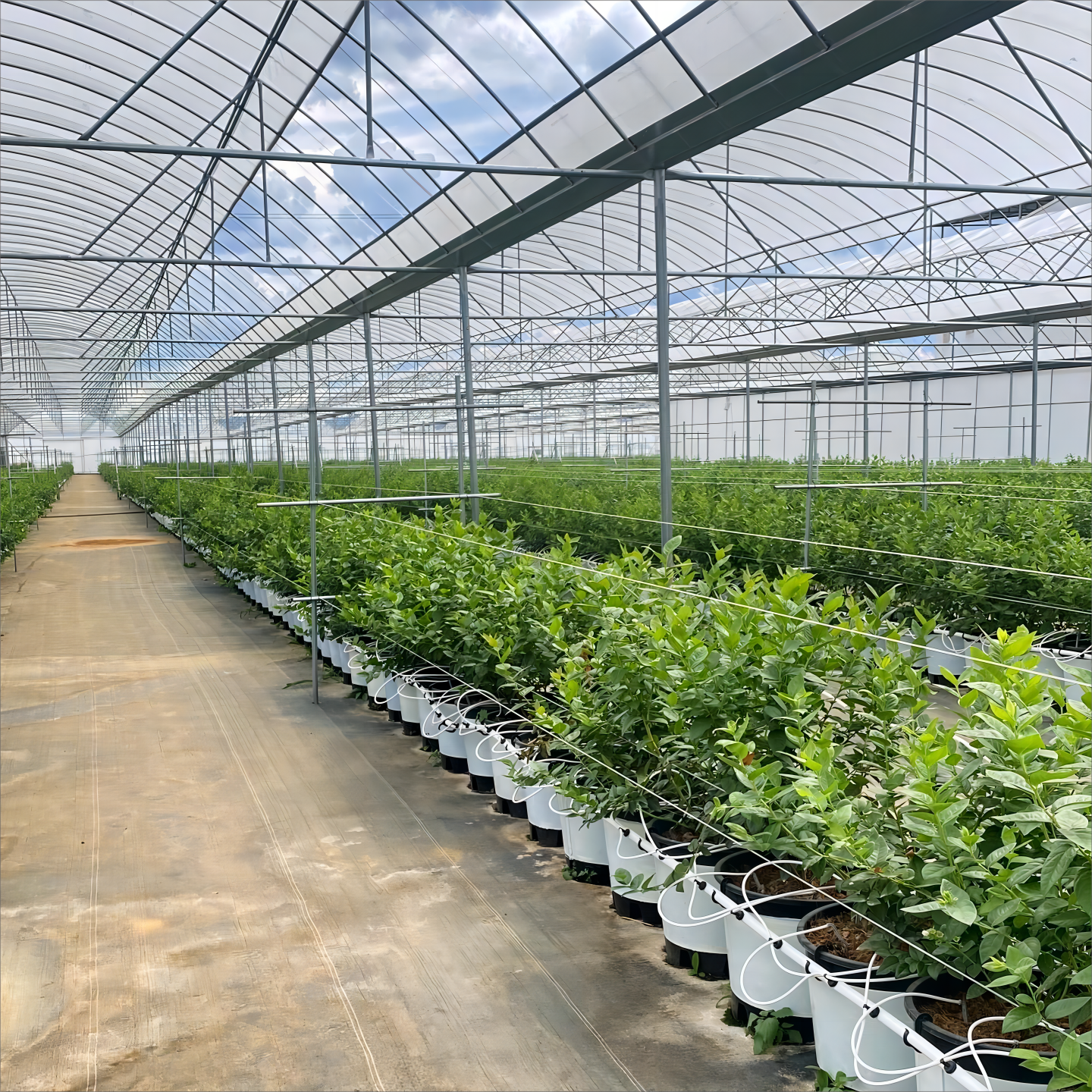
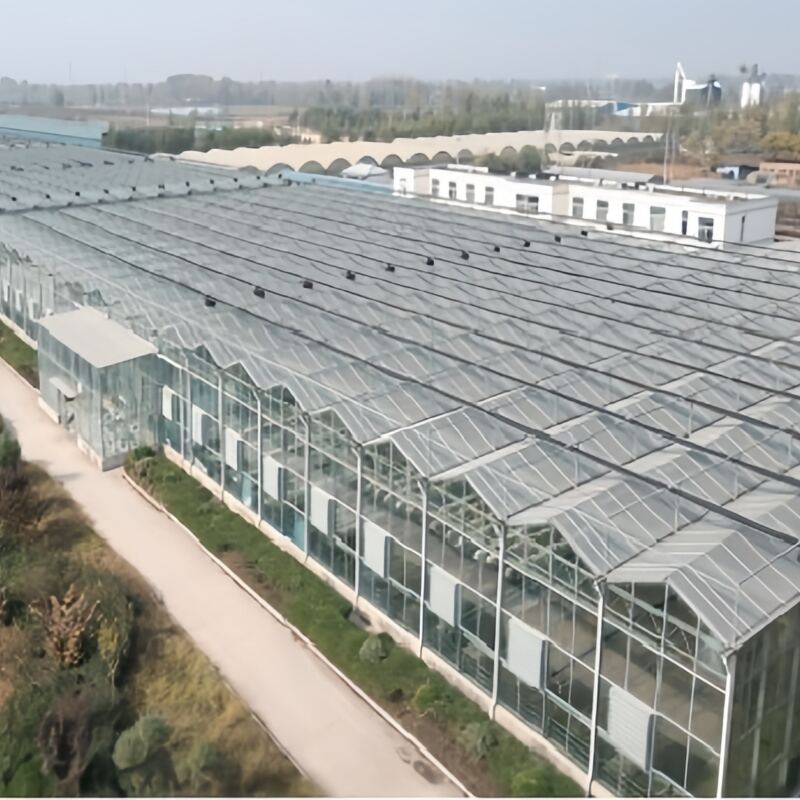
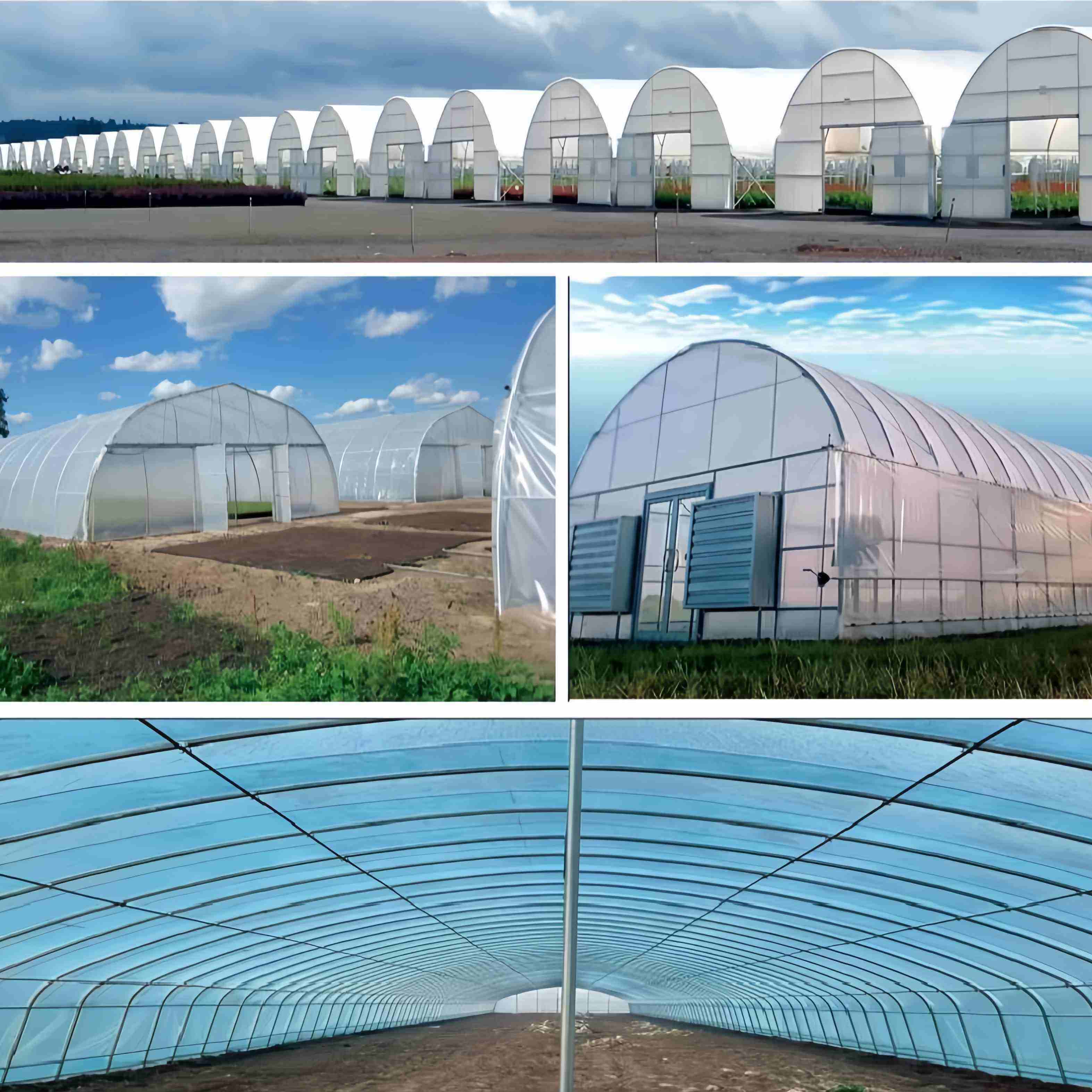
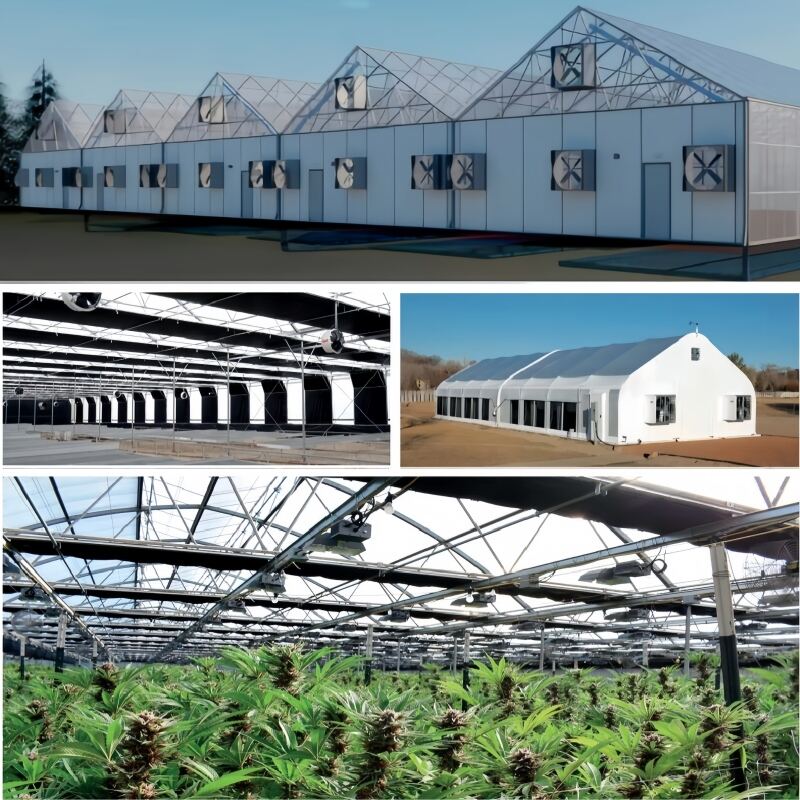
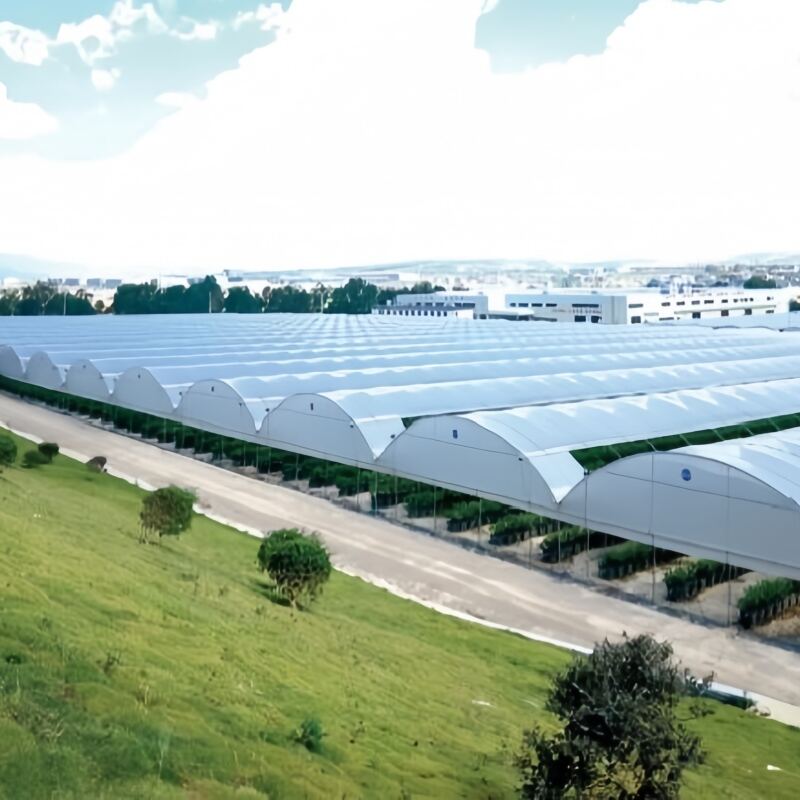
A vegetable shade house represents a sophisticated agricultural structure designed to create optimal growing conditions for various crops while protecting them from environmental stressors. This specialized greenhouse facility combines advanced shade netting technology with climate control systems to regulate light intensity, temperature, and humidity levels. The vegetable shade house serves as an intermediate solution between open-field cultivation and fully enclosed greenhouse farming, offering farmers enhanced control over their growing environment without the substantial investment required for complete climate-controlled facilities. The primary function of a vegetable shade house centers on providing filtered sunlight exposure to crops that require specific light conditions for optimal growth. These structures typically feature adjustable shade cloth systems that can be modified according to seasonal requirements and crop specifications. The technological framework includes ventilation systems, irrigation infrastructure, and monitoring equipment that allows farmers to maintain precise environmental parameters. Modern vegetable shade house designs incorporate automated systems for shade adjustment, ensuring crops receive appropriate light levels throughout different growth stages. The structure's framework usually consists of galvanized steel or aluminum supports that provide durability and longevity in various weather conditions. Applications of vegetable shade house technology span across multiple agricultural sectors, from commercial vegetable production to specialty crop cultivation. These facilities prove particularly valuable for growing leafy greens, herbs, seedlings, and temperature-sensitive vegetables that require protection from extreme weather conditions. The versatility of vegetable shade house systems makes them suitable for both large-scale commercial operations and smaller specialty farming enterprises, providing scalable solutions that adapt to different production requirements and geographic locations.

New Products

The vegetable shade house delivers numerous practical benefits that directly impact farming success and profitability. Farmers experience significantly improved crop yields because the controlled environment eliminates many factors that typically reduce harvest quantities. Weather-related losses decrease dramatically as the structure shields plants from hail, excessive rainfall, strong winds, and temperature extremes that commonly damage outdoor crops. This protection translates into more predictable income streams and reduced financial risk for agricultural operations. Energy efficiency represents another major advantage of vegetable shade house systems compared to traditional greenhouses. The natural ventilation design reduces electricity costs while maintaining optimal growing conditions. Farmers save substantially on heating and cooling expenses since the shade cloth regulates temperature naturally without requiring constant mechanical intervention. Water conservation becomes achievable through integrated irrigation systems that prevent waste and ensure efficient distribution throughout the growing area. Labor efficiency improves considerably within vegetable shade house environments because workers can access crops easily regardless of weather conditions. The protected environment allows for consistent work schedules and reduces time lost due to adverse weather. Maintenance requirements remain minimal compared to complex greenhouse systems, reducing ongoing operational costs and technical expertise requirements. Pest and disease management becomes more effective in vegetable shade house settings because the controlled environment limits external contamination sources. Farmers can implement targeted treatment programs more successfully and reduce chemical usage through preventive measures. The structure also facilitates better air circulation, which naturally reduces fungal problems and creates healthier growing conditions. Market advantages emerge as vegetable shade house production enables year-round cultivation cycles, allowing farmers to supply fresh produce when outdoor growing becomes impossible. This extended growing season capability provides competitive positioning and premium pricing opportunities. Quality improvements result from consistent environmental conditions that produce uniform, high-grade vegetables that meet strict market standards and customer expectations.

Practical Tips

Forging a Powerful Alliance: Netafim and Juyou Xinda Unite to Reshape the Future of Smart Agriculture

28

Nov

Forging a Powerful Alliance: Netafim and Juyou Xinda Unite to Reshape the Future of Smart Agriculture

View More
Australian Greenhouse Company Visits Our Facilities to Explore New Collaboration on 50,000 Sq.m Strawberry Glass Greenhouse Project

28

Nov

Australian Greenhouse Company Visits Our Facilities to Explore New Collaboration on 50,000 Sq.m Strawberry Glass Greenhouse Project

View More
 Innovative Breakthrough: Our Company Successfully Delivers World's First Customized

28

Nov

Innovative Breakthrough: Our Company Successfully Delivers World's First Customized "Greenhouse for Fertilizer Drying" to Malaysian Client

View More

Get a Free Quote

Our representative will contact you soon.
Email
Tel or Whatsapp
Name
Company Name
Message
0/1000

vegetable shade house

Advanced Climate Control Technology

Advanced Climate Control Technology

The vegetable shade house incorporates cutting-edge climate control technology that revolutionizes traditional farming approaches by providing precise environmental management capabilities. This sophisticated system combines automated shade adjustment mechanisms with intelligent monitoring sensors that continuously track temperature, humidity, light intensity, and air circulation parameters. The technology responds automatically to changing conditions, adjusting shade levels throughout the day to maintain optimal growing environments for different crop varieties. Advanced control panels allow farmers to program specific settings for various growth stages, ensuring each plant receives exactly the right conditions for maximum development. The climate control system includes smart ventilation features that automatically open and close vents based on internal temperature readings, preventing overheating while maintaining necessary humidity levels. This technological integration eliminates guesswork from farming decisions and provides data-driven insights that help optimize production cycles. Remote monitoring capabilities enable farmers to track conditions from anywhere using mobile applications, receiving alerts when adjustments are needed or when environmental parameters fall outside desired ranges. The system's learning algorithms adapt to local climate patterns over time, becoming increasingly efficient at predicting and responding to environmental changes. Energy-efficient sensors reduce operational costs while providing comprehensive environmental data that supports informed decision-making. The technology also includes backup systems that ensure continuous operation even during power outages, protecting valuable crops from sudden environmental changes. Integration with irrigation systems creates synchronized responses that coordinate watering schedules with climate conditions, maximizing water efficiency and plant health. This comprehensive technological approach transforms the vegetable shade house into an intelligent growing environment that consistently delivers superior results while reducing manual labor requirements and operational complexity.
Versatile Crop Protection System

Versatile Crop Protection System

The vegetable shade house features a comprehensive crop protection system that shields plants from multiple environmental threats while maintaining optimal growing conditions throughout the entire cultivation cycle. This multi-layered protection approach combines physical barriers with environmental controls to create a secure growing environment that dramatically reduces crop losses and improves overall yield quality. The structural design provides robust protection against severe weather events including hailstorms, heavy rainfall, strong winds, and temperature extremes that frequently damage outdoor crops. High-quality shade netting materials filter harmful UV radiation while allowing beneficial light wavelengths to penetrate, preventing sun damage while ensuring adequate photosynthesis. The protection system extends beyond weather considerations to include pest management features that create barriers against flying insects and other harmful organisms without completely sealing the growing environment. Strategic ventilation openings maintain air circulation while preventing larger pests from entering the protected space. The system's flexibility allows farmers to adjust protection levels based on seasonal requirements and specific crop needs, providing customized solutions for different vegetable varieties. Bird protection features prevent crop damage from avian pests while maintaining the natural ecosystem balance necessary for healthy plant development. The structure's design also protects against soil erosion and nutrient loss that commonly occurs in open-field cultivation, preserving valuable growing medium and reducing fertilizer requirements. Frost protection capabilities extend growing seasons by maintaining minimum temperature thresholds during cold periods, enabling continuous production when outdoor growing becomes impossible. The protection system includes emergency response features that automatically adjust settings during extreme weather events, ensuring crop safety without requiring constant human supervision. Long-term durability ensures consistent protection over multiple growing seasons, providing reliable performance and protecting the substantial investment farmers make in crop production. This comprehensive approach to crop protection creates a stable, productive growing environment that delivers consistent results regardless of external conditions.
Economic Efficiency and Return on Investment

Economic Efficiency and Return on Investment

The vegetable shade house delivers exceptional economic efficiency through multiple revenue-enhancing and cost-reducing mechanisms that generate substantial return on investment for agricultural operations of all sizes. This economic advantage stems from the structure's ability to increase production cycles per year while simultaneously reducing operational costs and crop losses. Farmers typically experience yield increases of 200-400% compared to traditional outdoor growing methods because the controlled environment eliminates weather-related losses and enables continuous production throughout the year. The extended growing season capability allows producers to cultivate crops during off-seasons when market prices reach premium levels, significantly increasing profit margins per harvest. Labor efficiency improvements reduce operational costs as workers can maintain consistent schedules regardless of weather conditions, eliminating downtime and increasing productivity per labor hour. The reduced need for chemical treatments results from the protected environment's natural pest control benefits, lowering input costs while producing cleaner, more marketable vegetables. Water usage efficiency decreases irrigation costs by up to 60% through targeted distribution systems and reduced evaporation losses. Energy savings compared to traditional greenhouse operations provide substantial cost advantages as natural ventilation and climate regulation reduce electricity requirements. The structure's durability ensures long-term investment protection with minimal maintenance requirements over 15-20 year operational lifespans. Quality improvements resulting from consistent growing conditions enable access to premium markets and higher selling prices for superior produce. Risk reduction benefits protect against total crop loss scenarios that can devastate outdoor operations, providing financial stability and predictable income streams. The scalable design allows farmers to expand operations gradually, minimizing initial investment risks while building successful production systems. Government incentives and agricultural support programs often provide additional financial benefits for sustainable growing technologies, further improving the economic equation. Market timing advantages enable strategic planting and harvesting schedules that capitalize on seasonal demand fluctuations and premium pricing opportunities, maximizing revenue potential from each growing cycle.

Get a Free Quote

Our representative will contact you soon.
Email
Tel or Whatsapp
Name
Company Name
Message
0/1000