Premium Veggie Garden Greenhouse Solutions - Year-Round Vegetable Growing Systems

Welcome To JYXD-greenhouse

Get a Free Quote

Our representative will contact you soon.
Email
Tel or Whatsapp
Name
Company Name
Message
0/1000

veggie garden greenhouse

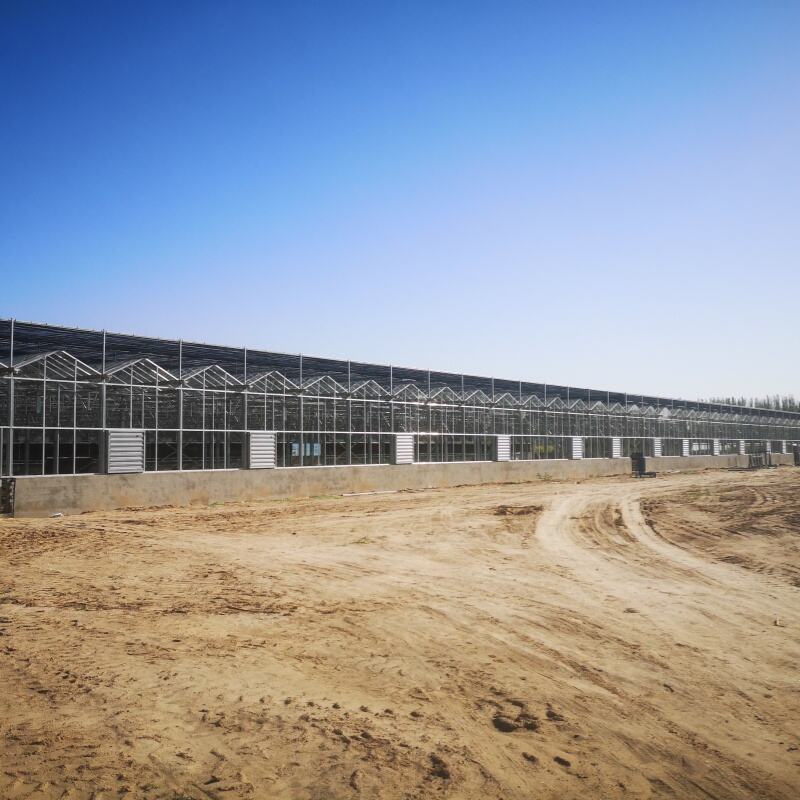
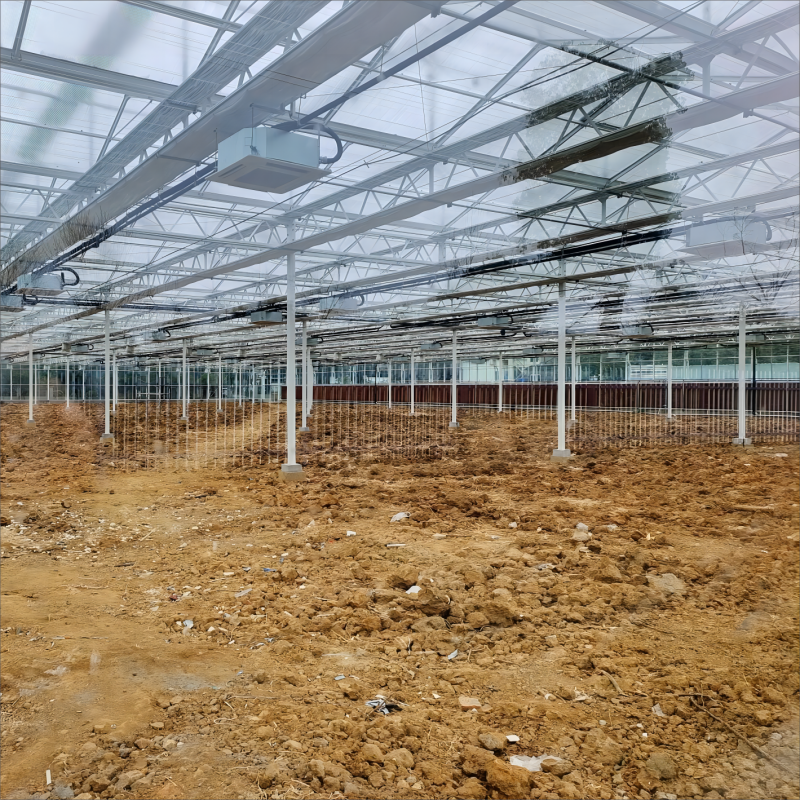
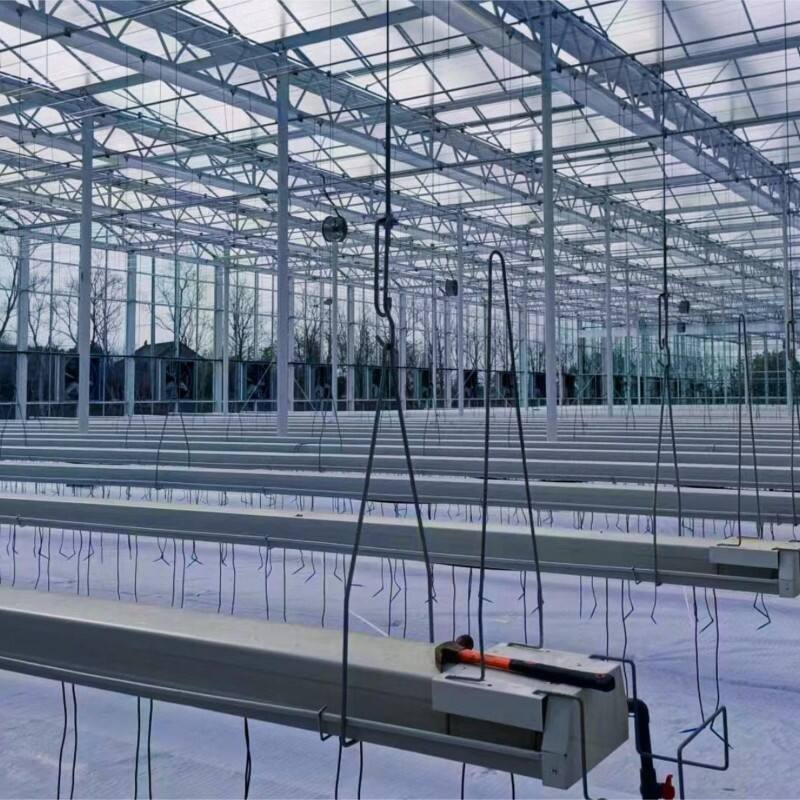
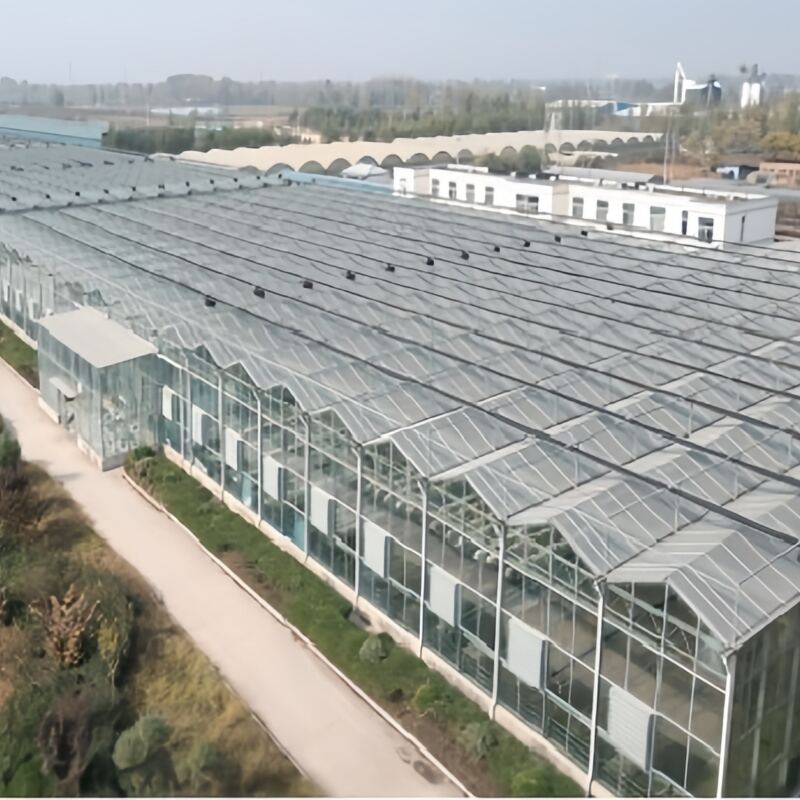
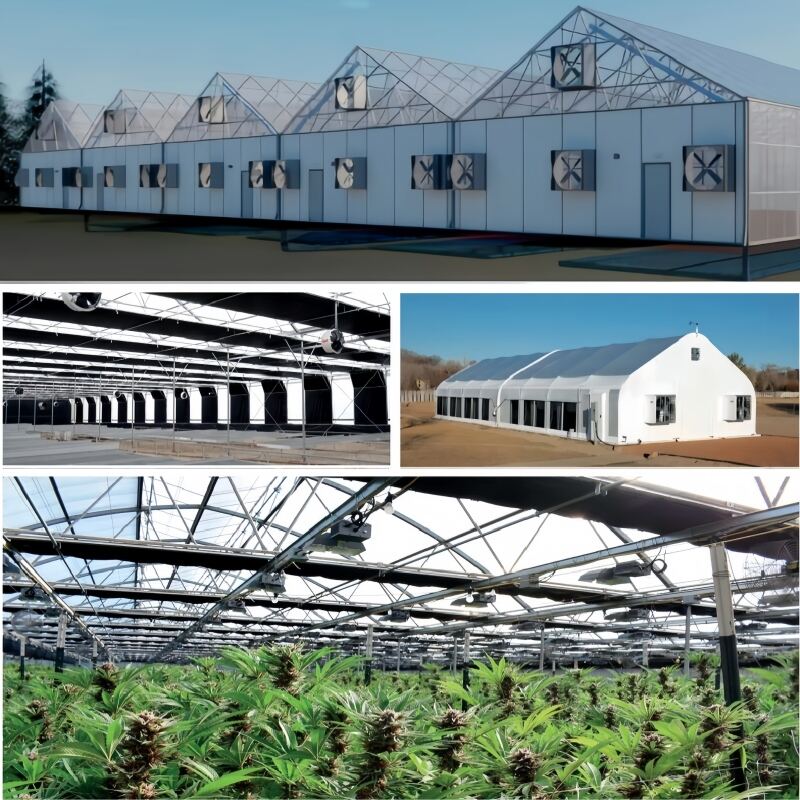
A veggie garden greenhouse represents the perfect fusion of traditional gardening wisdom and modern agricultural innovation, designed specifically to optimize vegetable cultivation throughout the year. This specialized structure creates a controlled microclimate that shields your precious crops from unpredictable weather conditions, pests, and environmental stressors that commonly plague outdoor gardens. The veggie garden greenhouse utilizes advanced materials such as polycarbonate panels or tempered glass walls that maximize light transmission while providing superior insulation properties. These structures incorporate ventilation systems, including roof vents, side louvers, and exhaust fans that maintain optimal air circulation and temperature regulation. Modern veggie garden greenhouse designs feature integrated irrigation systems, allowing for precise water delivery directly to plant roots through drip systems or misting mechanisms. The foundation typically consists of concrete, gravel, or treated lumber that ensures structural stability and proper drainage. Technologically advanced models include automated climate control systems with digital thermostats, humidity sensors, and programmable timers that maintain ideal growing conditions without constant manual intervention. Solar-powered options are increasingly popular, incorporating photovoltaic panels that power ventilation fans, heating systems, and monitoring equipment. The applications of a veggie garden greenhouse extend far beyond simple weather protection. Home gardeners use these structures to extend growing seasons, starting seedlings earlier in spring and harvesting fresh produce well into winter months. Commercial small-scale farmers utilize veggie garden greenhouses to increase crop yields per square foot, reduce pesticide usage, and guarantee consistent produce quality for local markets. Educational institutions employ these facilities for hands-on learning experiences, teaching students about sustainable agriculture practices and plant biology. Urban dwellers particularly benefit from compact veggie garden greenhouse designs that maximize limited space while producing substantial harvests of fresh vegetables year-round.

New Product Releases

The veggie garden greenhouse delivers exceptional value through its ability to dramatically extend your growing season, allowing you to cultivate fresh vegetables twelve months a year regardless of external climate conditions. This extended season translates directly into increased food production, with many gardeners reporting harvest yields that are three to four times higher than traditional outdoor gardening methods. Your investment in a veggie garden greenhouse pays dividends through reduced grocery bills as you produce premium organic vegetables at a fraction of retail costs. The controlled environment eliminates the guesswork from gardening by maintaining consistent temperature, humidity, and light levels that vegetables require for optimal growth. You gain complete protection from destructive weather events including hailstorms, heavy rains, frost, and extreme temperature fluctuations that can devastate outdoor crops overnight. Pest management becomes significantly easier within a veggie garden greenhouse since the enclosed structure naturally barriers against insects, rodents, and other garden invaders, reducing or eliminating the need for harmful pesticides. Water conservation represents another major advantage, as controlled irrigation systems prevent waste while ensuring plants receive precisely the moisture they need. The veggie garden greenhouse enables precise nutrient management through soil-less growing mediums and controlled fertilizer applications, resulting in healthier plants and superior vegetable quality. Space efficiency reaches new heights within these structures, where vertical growing systems and intensive planting methods can produce remarkable harvests from minimal square footage. Your veggie garden greenhouse provides a comfortable working environment protected from wind, rain, and harsh sunlight, making gardening tasks more enjoyable throughout the year. The structure offers flexibility to experiment with exotic or warm-season vegetables that would never survive in your local outdoor climate, expanding your culinary possibilities. Energy efficiency improvements in modern veggie garden greenhouse designs incorporate passive solar heating, thermal mass systems, and insulated foundations that minimize operational costs while maximizing growing potential. Quality control becomes achievable as you monitor and adjust every aspect of the growing environment, ensuring consistently superior vegetables compared to mass-produced commercial alternatives.

Practical Tips

Forging a Powerful Alliance: Netafim and Juyou Xinda Unite to Reshape the Future of Smart Agriculture

28

Nov

Forging a Powerful Alliance: Netafim and Juyou Xinda Unite to Reshape the Future of Smart Agriculture

View More
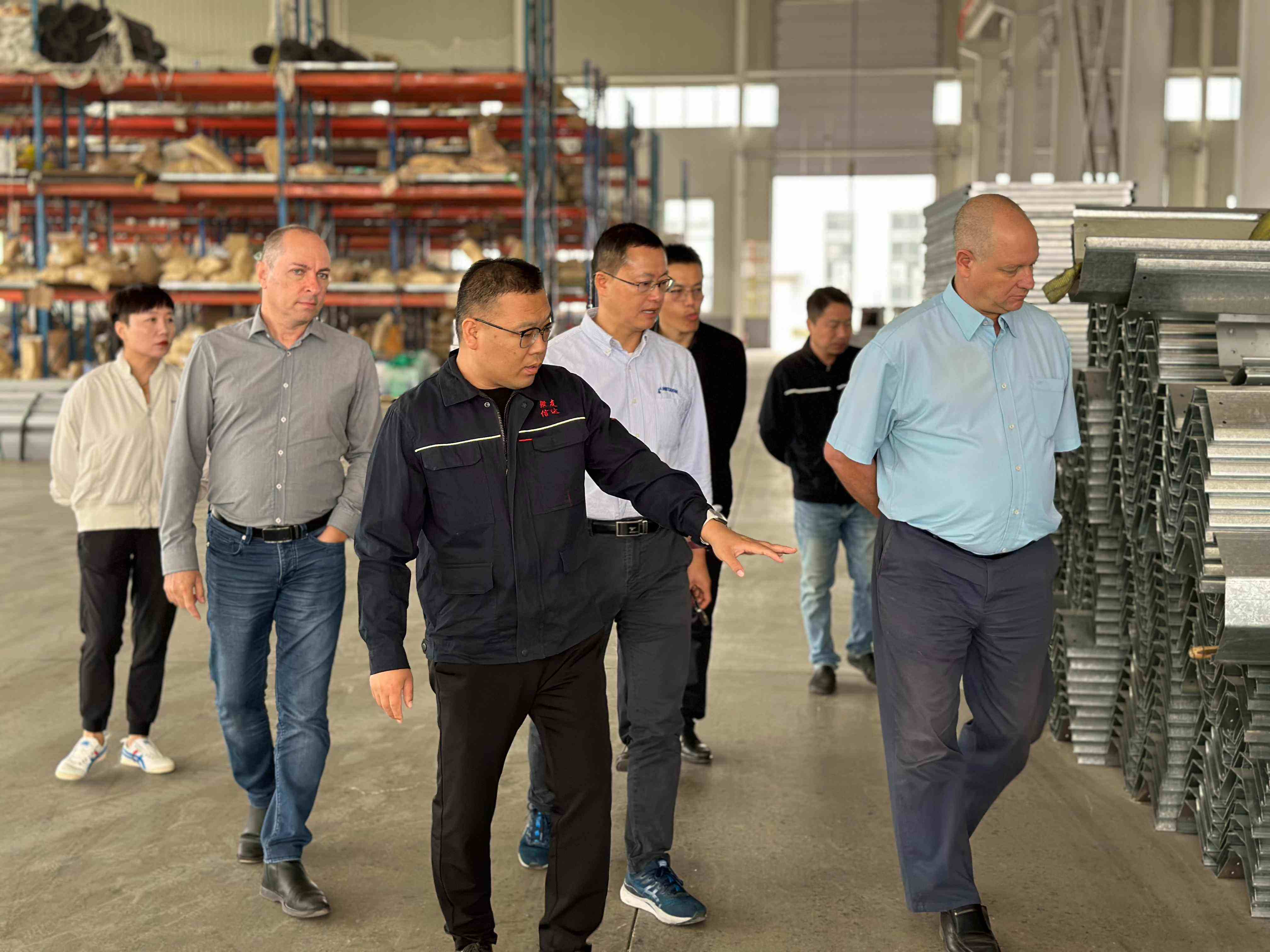
Australian Greenhouse Company Visits Our Facilities to Explore New Collaboration on 50,000 Sq.m Strawberry Glass Greenhouse Project

28

Nov

Australian Greenhouse Company Visits Our Facilities to Explore New Collaboration on 50,000 Sq.m Strawberry Glass Greenhouse Project

View More
 Innovative Breakthrough: Our Company Successfully Delivers World's First Customized

28

Nov

Innovative Breakthrough: Our Company Successfully Delivers World's First Customized "Greenhouse for Fertilizer Drying" to Malaysian Client

View More

Get a Free Quote

Our representative will contact you soon.
Email
Tel or Whatsapp
Name
Company Name
Message
0/1000

veggie garden greenhouse

Advanced Climate Control Systems for Optimal Growing Conditions

Advanced Climate Control Systems for Optimal Growing Conditions

The sophisticated climate control capabilities of a modern veggie garden greenhouse represent the cornerstone technology that separates amateur gardening from professional-grade cultivation results. These comprehensive systems integrate multiple environmental monitoring and adjustment mechanisms that work in perfect harmony to maintain the ideal microclimate for vegetable production throughout every season. Temperature regulation forms the foundation of effective climate control, utilizing both passive and active heating and cooling methods to maintain optimal ranges for different vegetable varieties. Passive solar design captures and stores heat during sunny periods through thermal mass materials like concrete floors, water barrels, or stone walls that release stored energy during cooler nights. Active heating systems include electric heaters, gas-powered units, or even wood-burning stoves with proper ventilation, while cooling mechanisms employ exhaust fans, evaporative coolers, and automated shade systems. Humidity management prevents common fungal diseases and promotes healthy plant transpiration through dehumidifiers, ventilation fans, and moisture sensors that maintain ideal atmospheric conditions. The ventilation component ensures continuous fresh air circulation, preventing stagnant conditions that encourage pest infestations and plant diseases while facilitating proper carbon dioxide exchange essential for photosynthesis. Automated louvre systems open and close based on temperature thresholds, while roof vents create natural convection currents that regulate internal atmosphere without energy consumption. Modern veggie garden greenhouse installations incorporate smart technology interfaces that allow remote monitoring and control through smartphone applications, enabling gardeners to adjust conditions from anywhere. Light supplementation systems using LED grow lights extend daylight hours during winter months and provide spectrum-specific illumination that enhances flowering and fruit development. These integrated climate control systems eliminate the traditional gardening challenges of seasonal limitations, unpredictable weather patterns, and suboptimal growing conditions that reduce harvests and plant health.
Space-Efficient Design Maximizes Vegetable Production Potential

Space-Efficient Design Maximizes Vegetable Production Potential

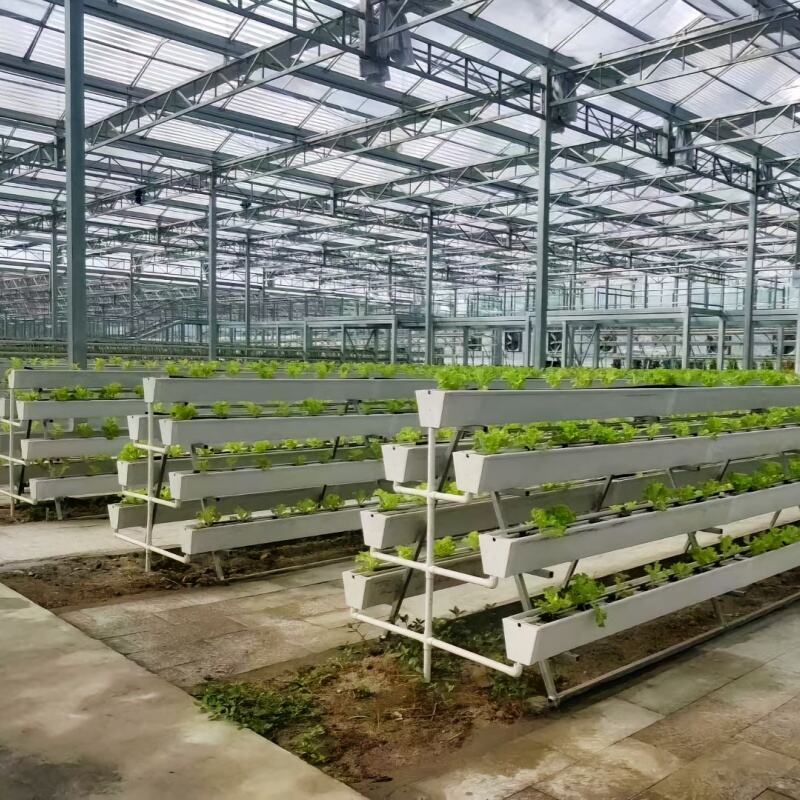
The innovative space-efficient design principles employed in modern veggie garden greenhouse construction revolutionize how gardeners approach vegetable production by maximizing yield per square foot through intelligent layout optimization and vertical growing strategies. Unlike traditional row-based outdoor gardening that wastes significant space between plants and walkways, veggie garden greenhouse designs utilize every available cubic inch through multi-level growing systems, hanging planters, and intensive spacing methods that can triple or quadruple production capacity within the same footprint. Vertical growing towers and wall-mounted planting systems transform unused air space into productive growing areas, perfect for vine crops like tomatoes, cucumbers, and beans that naturally climb upward. Tiered shelving systems accommodate multiple levels of leafy greens, herbs, and compact vegetables, creating a three-dimensional growing environment that maximizes light utilization and simplifies harvesting procedures. The controlled environment of a veggie garden greenhouse eliminates competition from weeds, allowing vegetables to be planted much closer together than outdoor spacing recommendations suggest. Succession planting becomes highly efficient as gardeners can start new crops in one section while harvesting mature vegetables from another area, ensuring continuous production throughout the year. Bench systems with integrated storage compartments serve dual purposes by providing elevated growing surfaces that improve ergonomics while offering convenient tool and supply storage underneath. Mobile growing containers on wheels allow for flexible space reconfiguration based on seasonal needs and crop rotation requirements. The protected environment enables creative solutions like aquaponic systems that combine fish farming with vegetable production in a symbiotic relationship that maximizes both protein and produce output. Compact root vegetable growing methods using deep containers and specialized growing mediums allow for intensive cultivation of carrots, radishes, and potatoes in minimal floor space. These space-efficient designs make veggie garden greenhouses practical for urban dwellers with limited yard space while providing suburban and rural gardeners with unprecedented production capabilities from modest structures.
Year-Round Growing Capability Ensures Continuous Fresh Vegetable Supply

Year-Round Growing Capability Ensures Continuous Fresh Vegetable Supply

The year-round growing capability of a veggie garden greenhouse transforms the fundamental relationship between gardeners and seasonal limitations, providing unprecedented access to fresh, homegrown vegetables throughout all twelve months regardless of external weather conditions or geographical location. This continuous production capability eliminates the traditional feast-or-famine cycle of outdoor gardening where abundant summer harvests give way to barren winter months dependent on stored or purchased vegetables. Within the protected environment of a veggie garden greenhouse, warm-season crops like tomatoes, peppers, and eggplants continue producing well into winter months when supplemented with appropriate heating and lighting systems. Cool-season vegetables such as lettuce, spinach, kale, and broccoli thrive during periods when outdoor gardens lie frozen and dormant, providing essential fresh nutrition when it becomes most expensive and difficult to source locally. The controlled environment allows for strategic succession planting schedules that ensure harvests mature at regular intervals, preventing the overwhelming gluts common in seasonal outdoor gardens while maintaining steady supply for family consumption. Winter growing in a veggie garden greenhouse often produces superior quality vegetables compared to summer outdoor crops because the controlled environment eliminates stress factors like extreme heat, drought, and pest pressure that can compromise flavor and texture. Microgreen and sprout production becomes highly efficient year-round within the stable conditions of a veggie garden greenhouse, providing nutrient-dense fresh foods that can be harvested within days of planting. The ability to control photoperiods through supplemental lighting systems allows gardeners to manipulate flowering and fruiting cycles, extending harvest windows for crops that would normally have limited growing seasons. Seed starting operations become highly productive as the veggie garden greenhouse provides ideal germination conditions and protection for young seedlings that would be vulnerable to outdoor temperature fluctuations and pest damage. This year-round capability not only ensures food security and reduces grocery expenses but also provides significant health benefits through consistent access to fresh, chemical-free vegetables that retain maximum nutritional value from garden to table within hours rather than days or weeks.

Get a Free Quote

Our representative will contact you soon.
Email
Tel or Whatsapp
Name
Company Name
Message
0/1000