gothic greenhouse frame
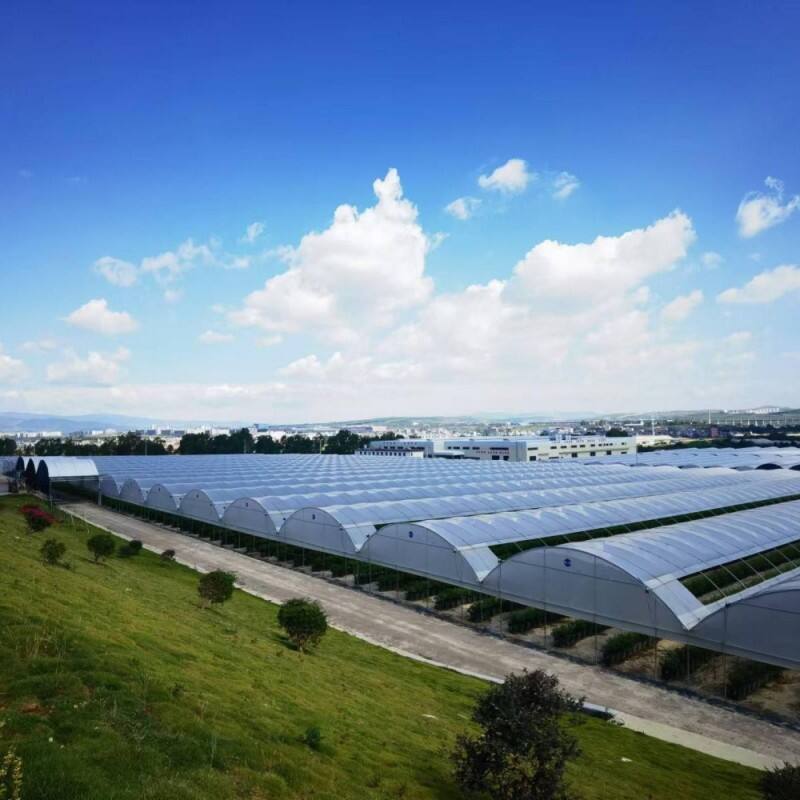
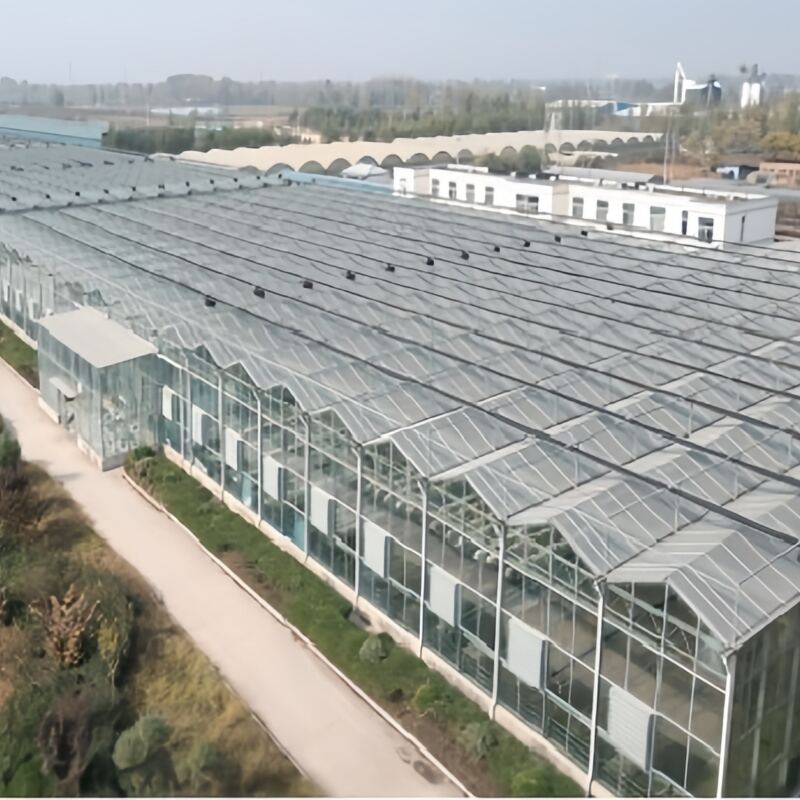
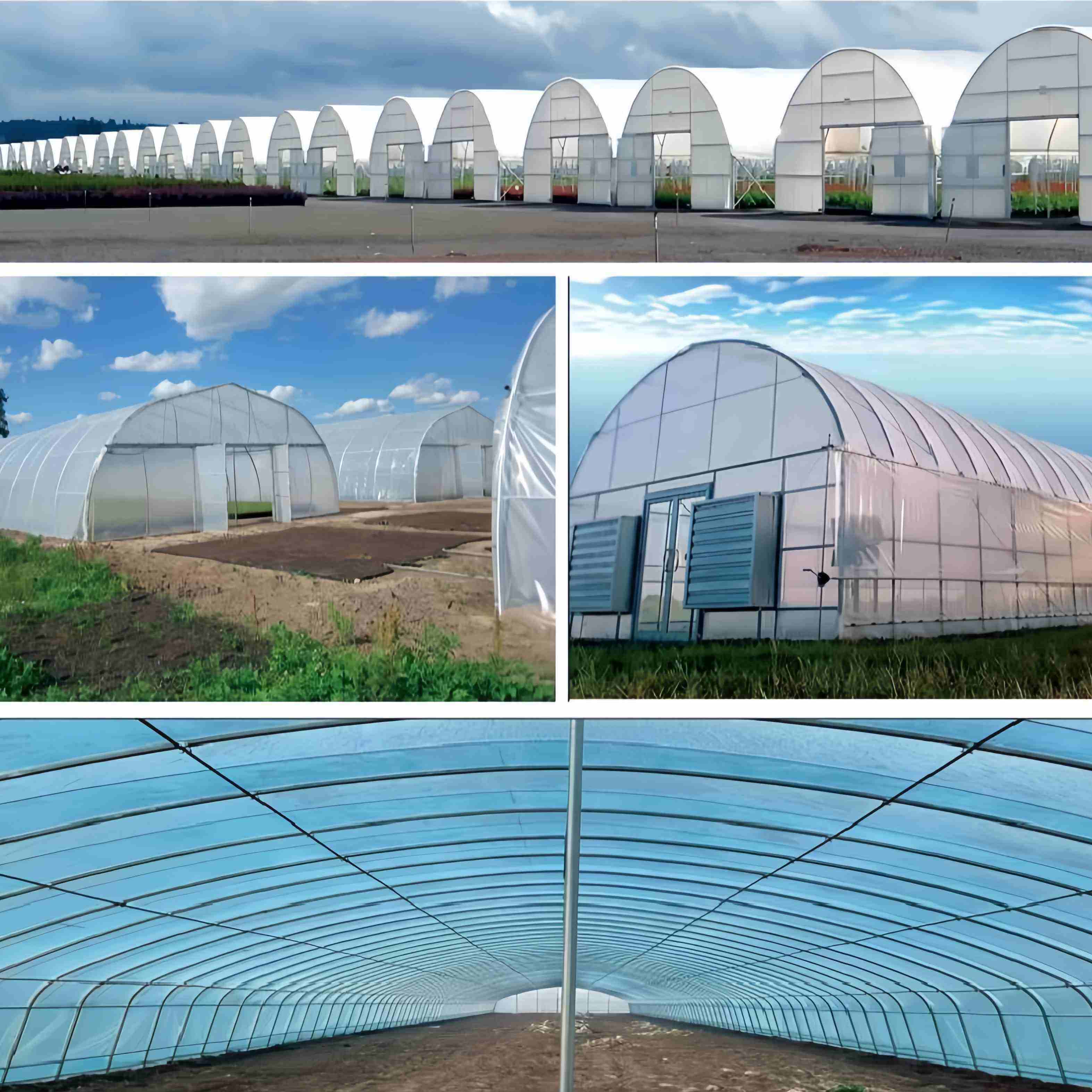
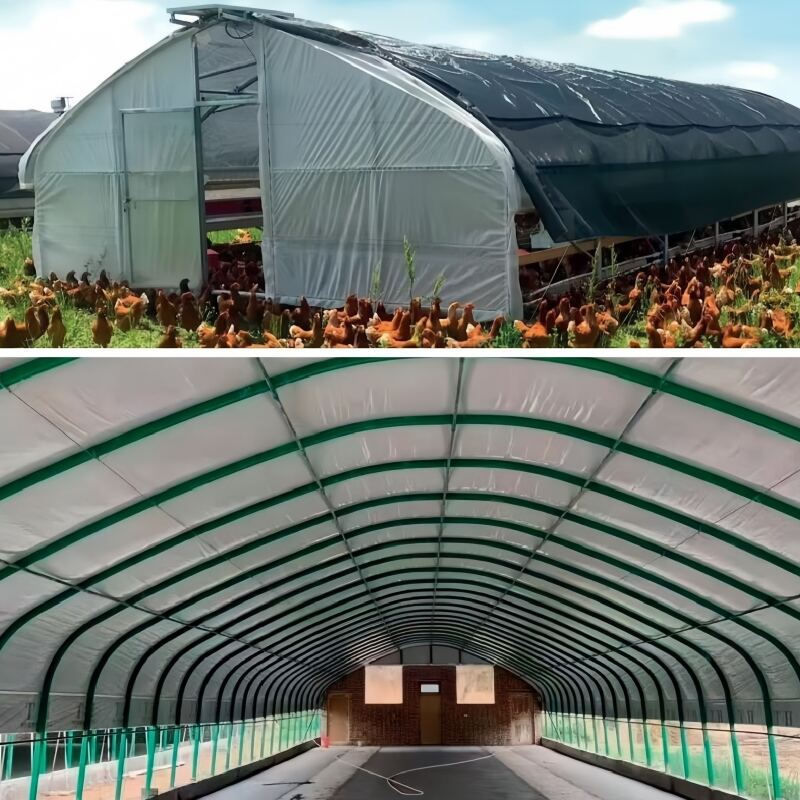
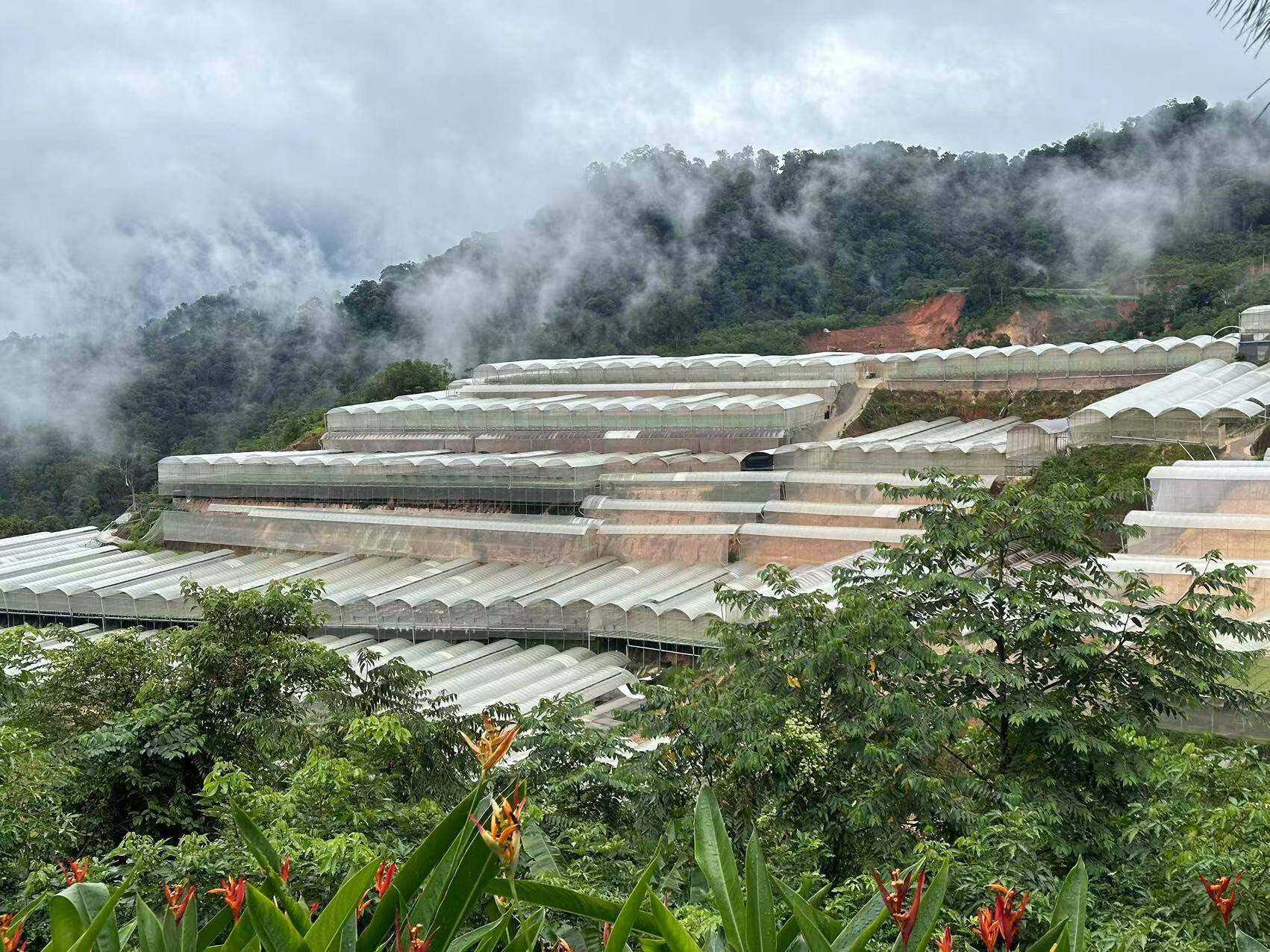
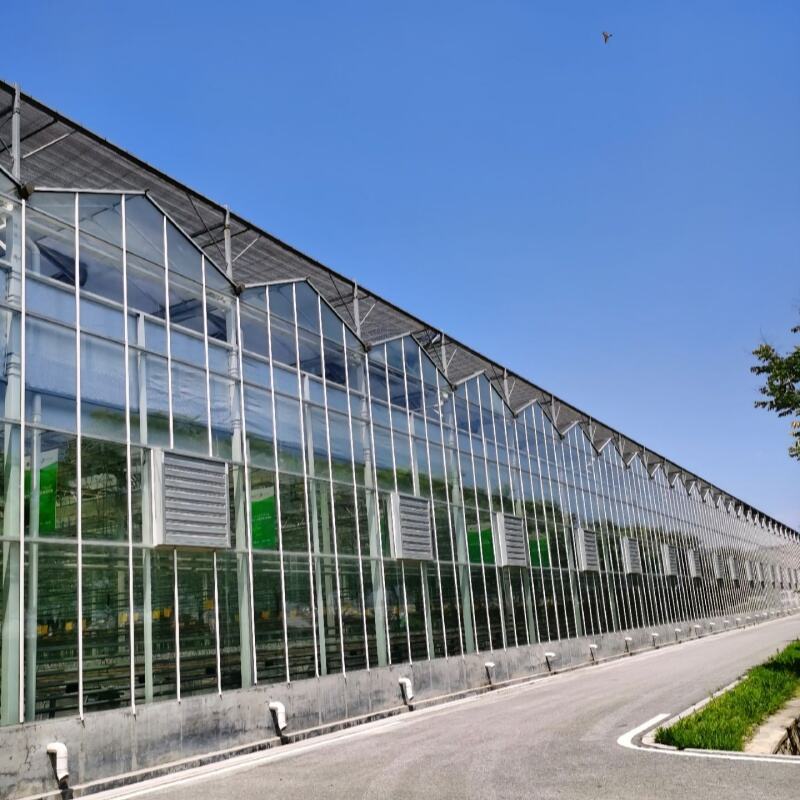
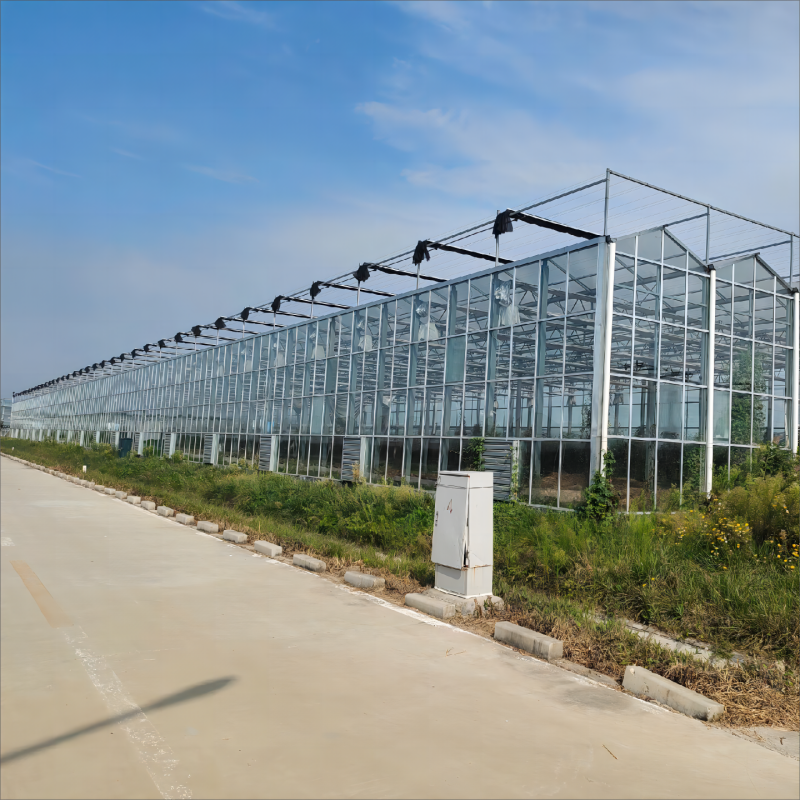
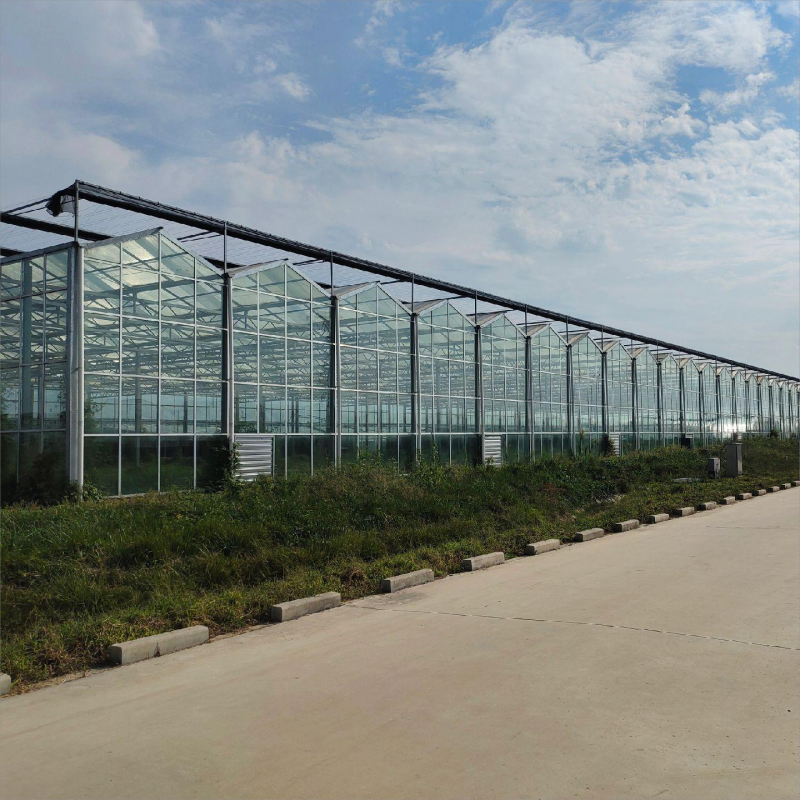
The gothic greenhouse frame represents a revolutionary advancement in modern agricultural infrastructure, combining centuries-old architectural wisdom with contemporary engineering excellence. This distinctive structural design features pointed arches and steep angles that create an optimal growing environment for plants while maximizing space efficiency. The gothic greenhouse frame utilizes high-strength materials such as galvanized steel or aluminum alloy, ensuring exceptional durability against harsh weather conditions and providing long-lasting performance for commercial and residential applications. The main functions of the gothic greenhouse frame include superior structural integrity, enhanced light transmission, efficient water drainage, and optimized ventilation systems. The pointed arch design naturally distributes weight loads across the entire structure, reducing stress concentrations and eliminating the need for internal support columns that could obstruct plant growth or equipment movement. Technological features incorporate advanced glazing systems, automated climate control compatibility, and modular construction methods that simplify installation and maintenance procedures. The steep roof angles facilitate rapid rainwater and snow runoff, preventing accumulation that could damage the structure or reduce light penetration. Applications span across commercial horticulture, research facilities, botanical gardens, educational institutions, and high-end residential growing spaces. Professional growers particularly value the gothic greenhouse frame for its ability to accommodate tall crops, hanging basket systems, and vertical growing installations. The aerodynamic profile reduces wind resistance, making it suitable for locations with challenging weather patterns. Advanced mounting systems allow integration of modern growing technologies including hydroponic systems, automated irrigation networks, and sophisticated environmental monitoring equipment. The gothic greenhouse frame design maximizes interior volume while maintaining structural efficiency, creating an ideal microclimate for year-round cultivation of vegetables, flowers, herbs, and specialty crops across diverse geographic regions.

 EN
EN