Versatile Growing Environment and Crop Flexibility
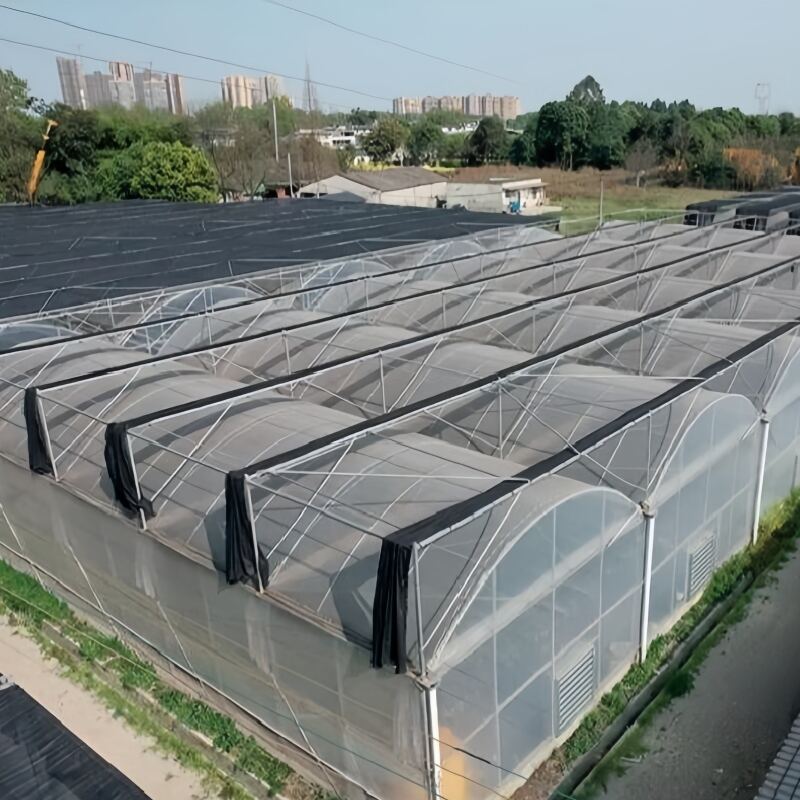
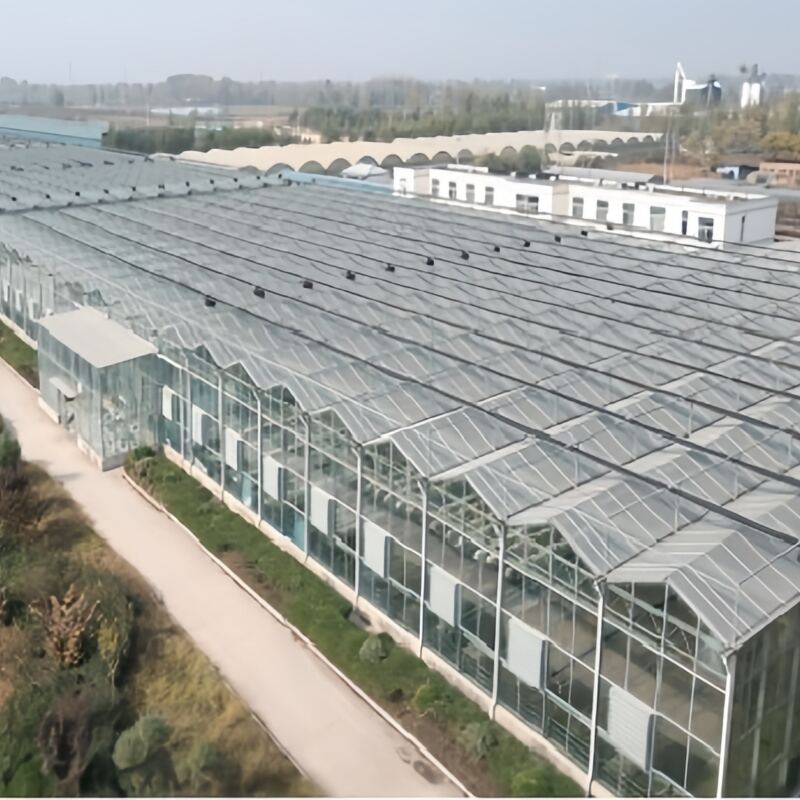
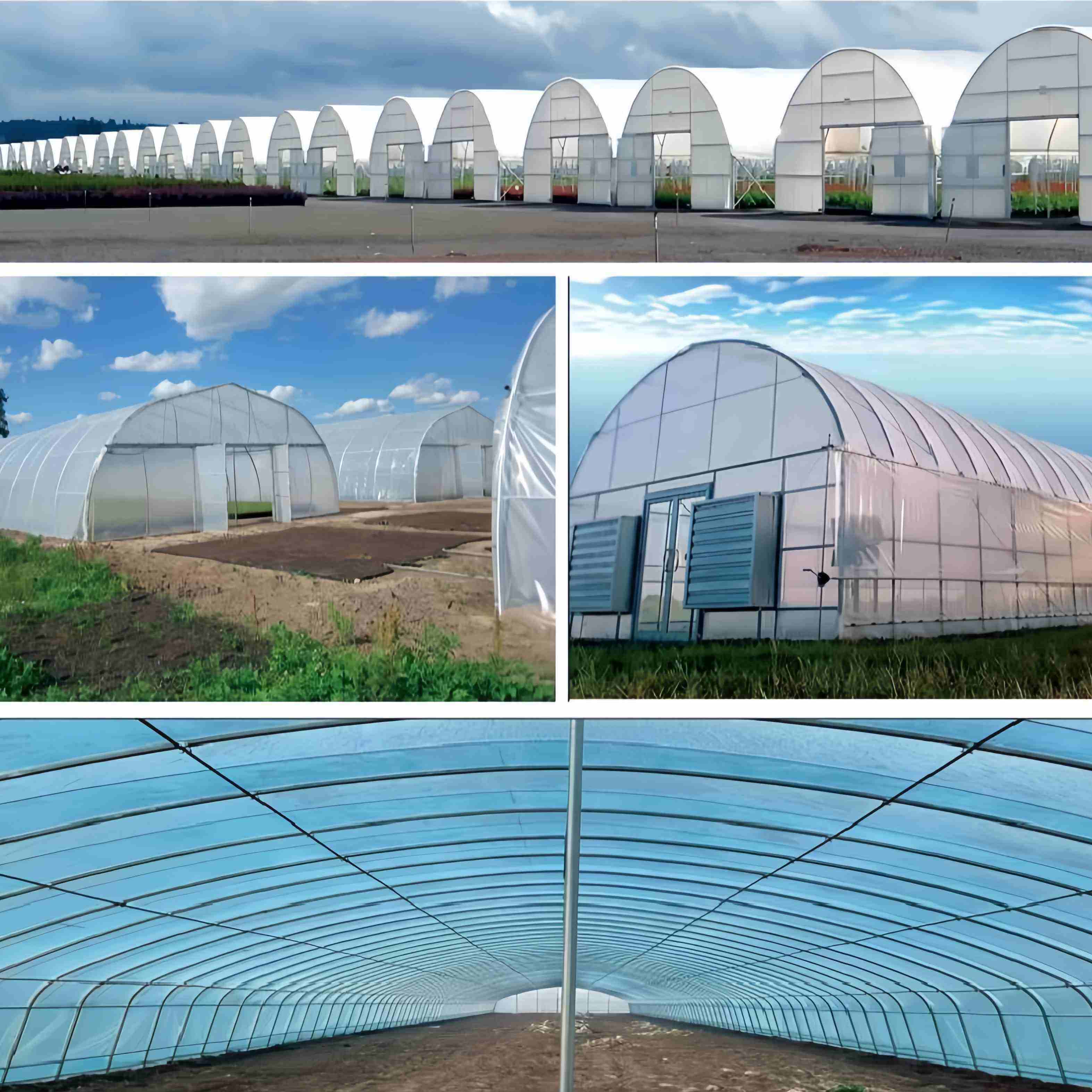
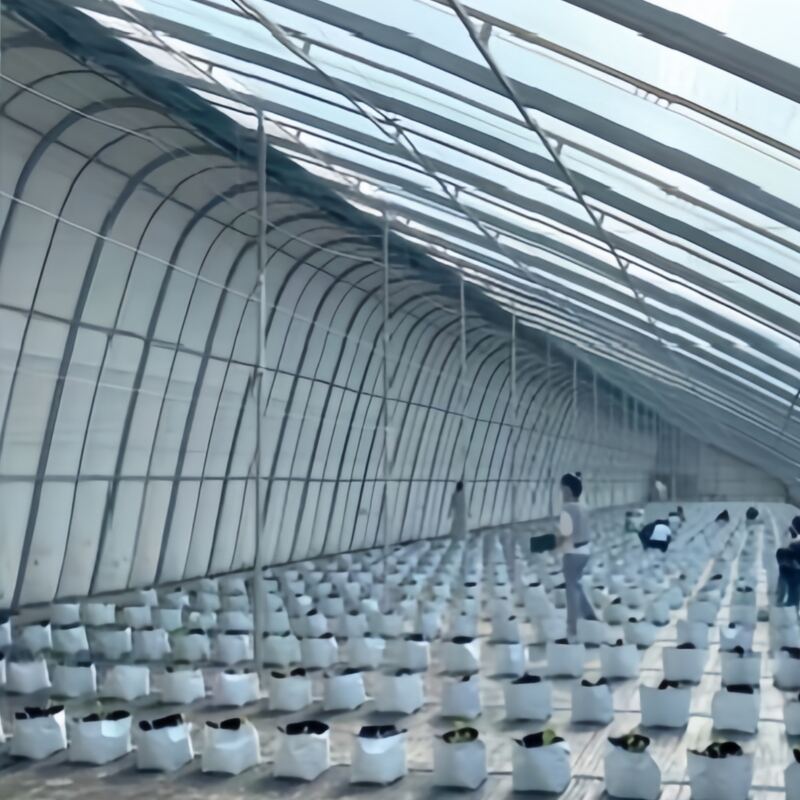
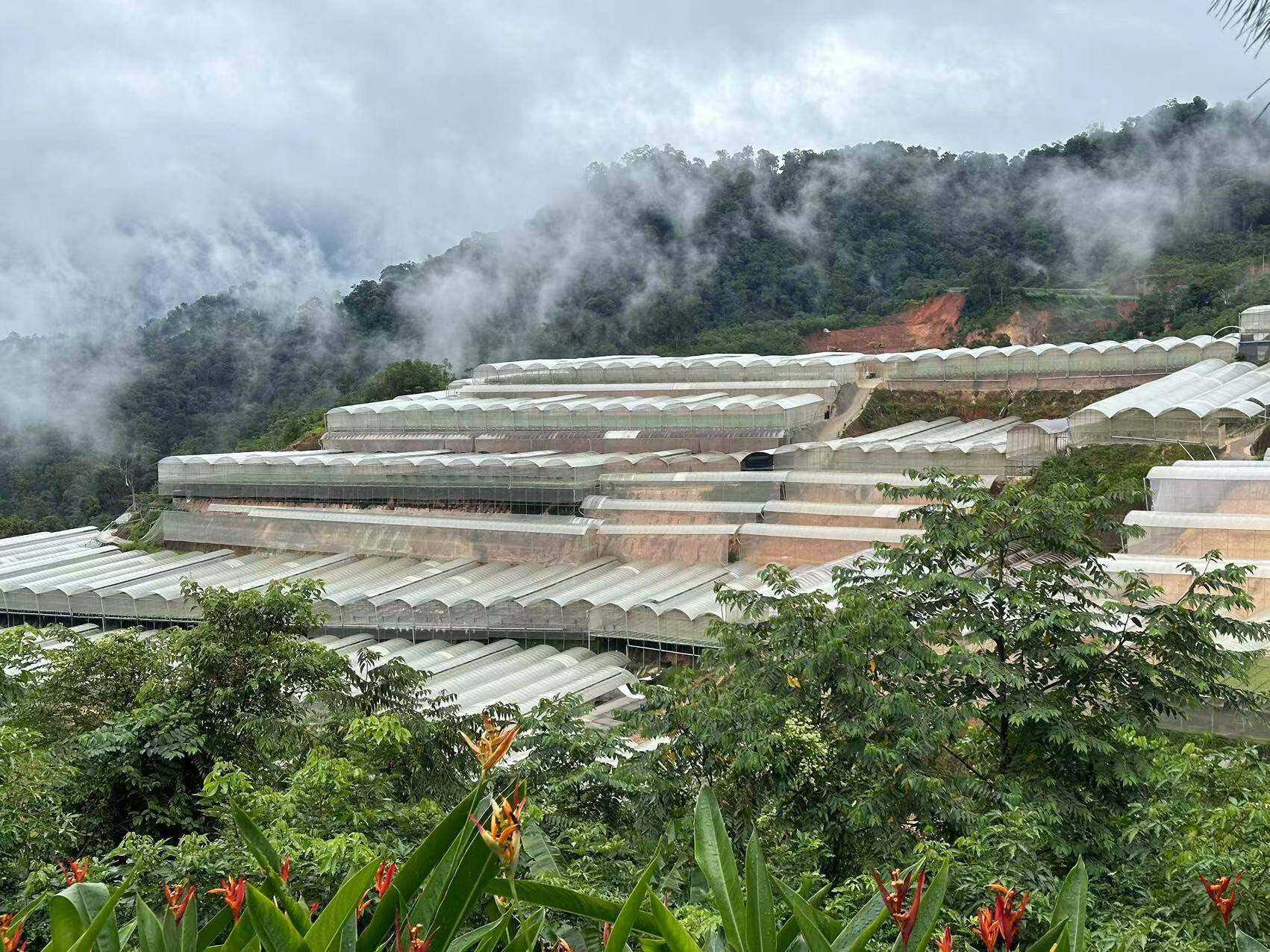
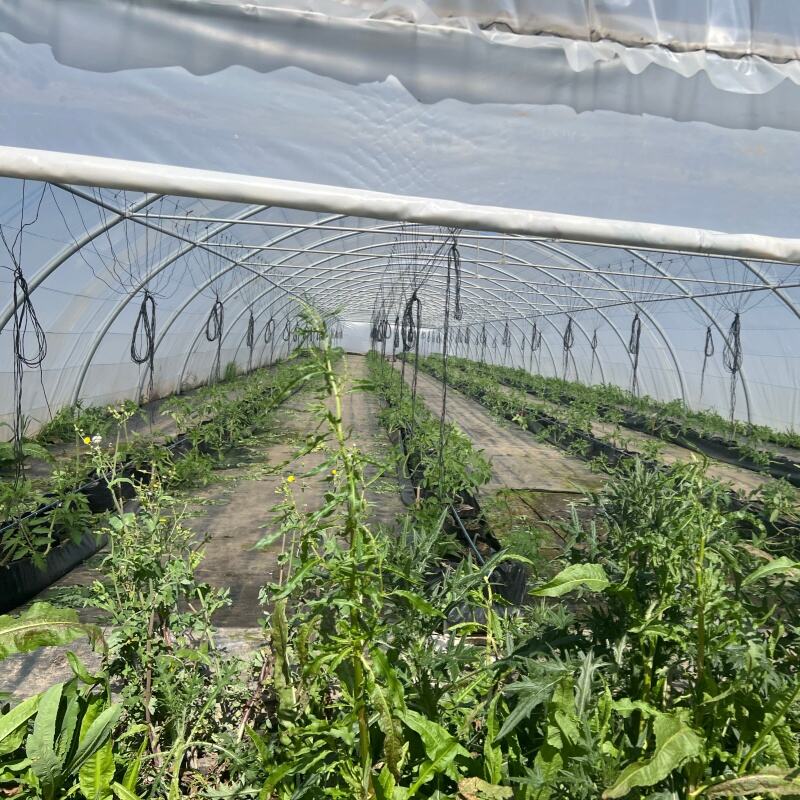
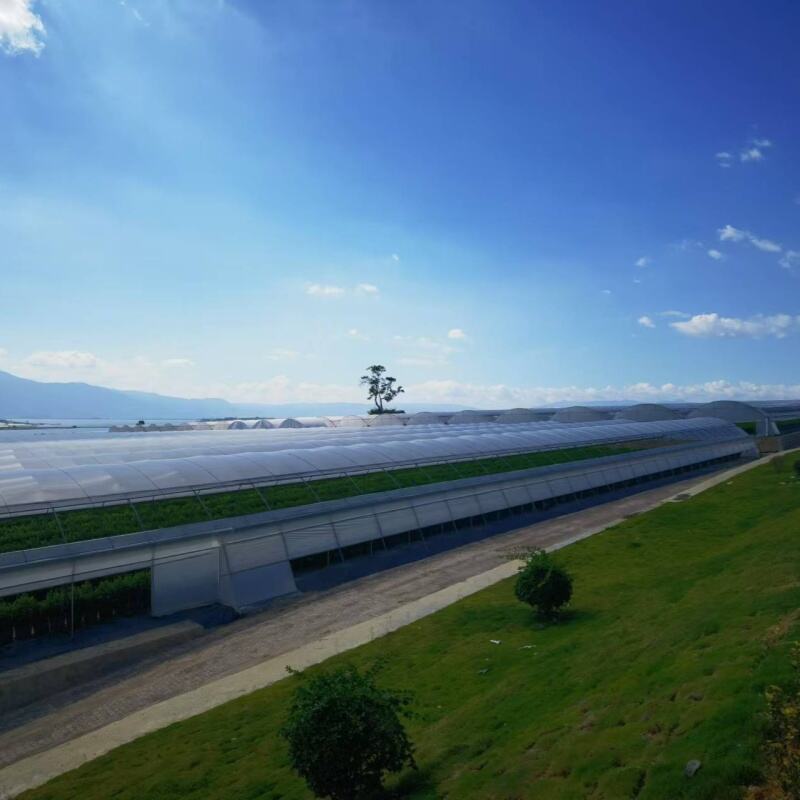
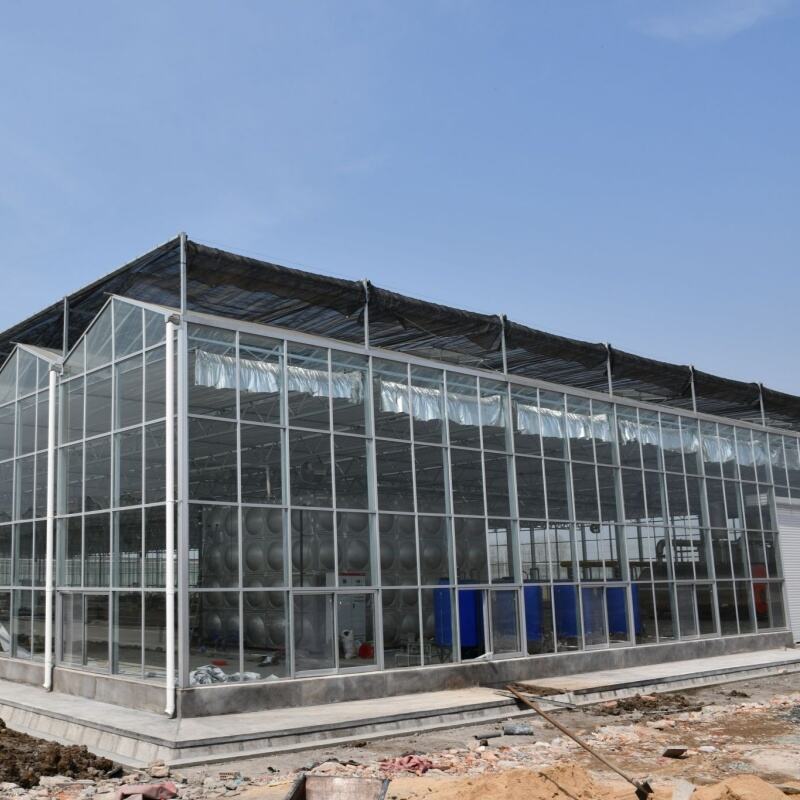
The adaptable design of the hoophouse greenhouse accommodates diverse growing methods and crop varieties, making it an invaluable asset for commercial producers, research facilities, and educational institutions seeking maximum flexibility in their agricultural operations. Interior layout options include raised beds, ground-level planting areas, hydroponic systems, and vertical growing configurations that optimize space utilization while catering to specific crop requirements and growing preferences. The controlled environment enables year-round production of temperature-sensitive crops like tomatoes, cucumbers, and peppers in regions where outdoor cultivation would be impossible during certain seasons, effectively expanding market opportunities and revenue potential. Specialized zones within larger hoophouse greenhouse installations allow simultaneous cultivation of crops with different environmental needs, maximizing facility utilization and diversifying production portfolios. The structure accommodates various irrigation methods, including drip systems, overhead sprinklers, and flood tables, providing flexibility to match watering techniques with specific crop requirements and water conservation goals. Lighting systems integration supports shade-loving plants through light diffusion panels while enabling supplemental illumination for light-hungry varieties during shorter daylight periods. The hoophouse greenhouse environment facilitates organic growing practices by providing physical barriers against pests while maintaining natural growing conditions that support beneficial insects and biological pest control methods. Research applications benefit from the controlled variables available within the structure, enabling precise experimentation with growing techniques, variety trials, and environmental condition studies that contribute to agricultural advancement. Educational programs utilize the accessible design and visible growing processes to demonstrate modern agricultural techniques and inspire interest in farming careers among students and community members. The versatility extends to seasonal adaptations, with removable panels and adjustable ventilation allowing conversion from winter protection mode to summer shade house configuration, ensuring optimal growing conditions throughout changing seasons while maximizing the return on investment for agricultural enterprises.
 EN
EN