Çox yönlü tətbiqlər və miqyaslaşdırma variantları
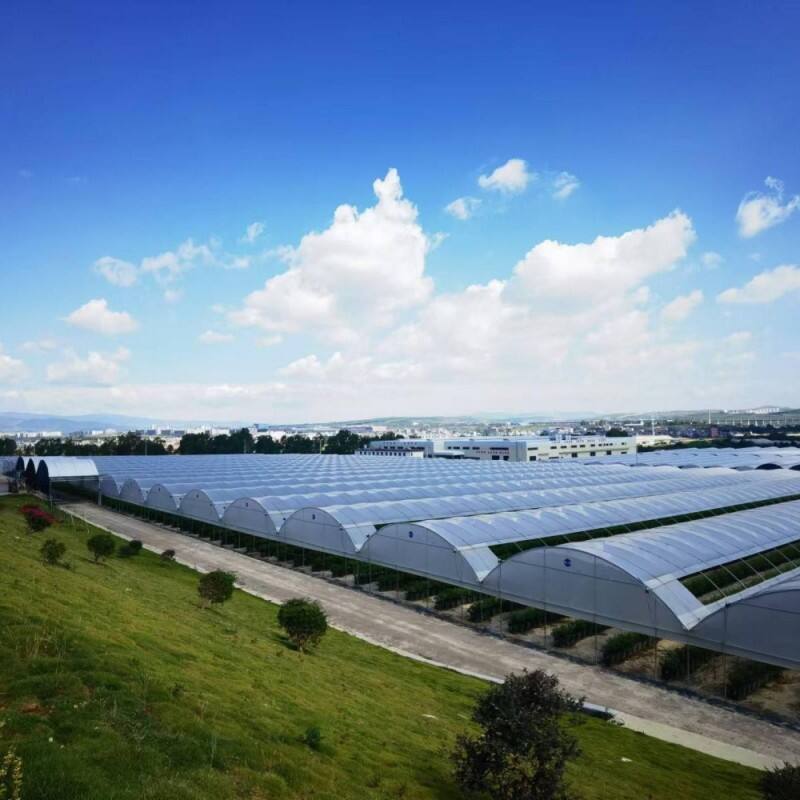
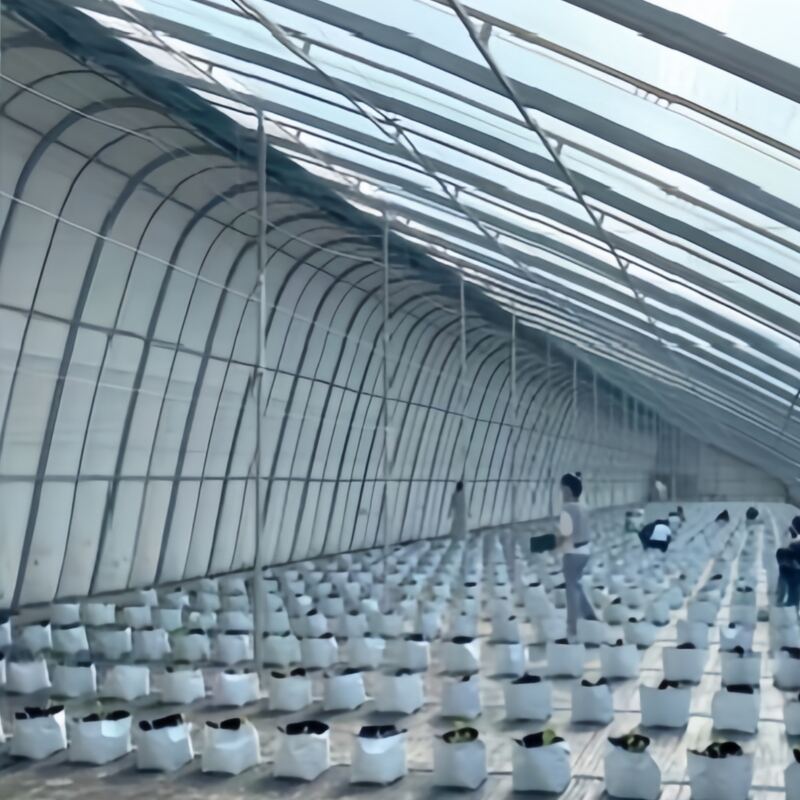
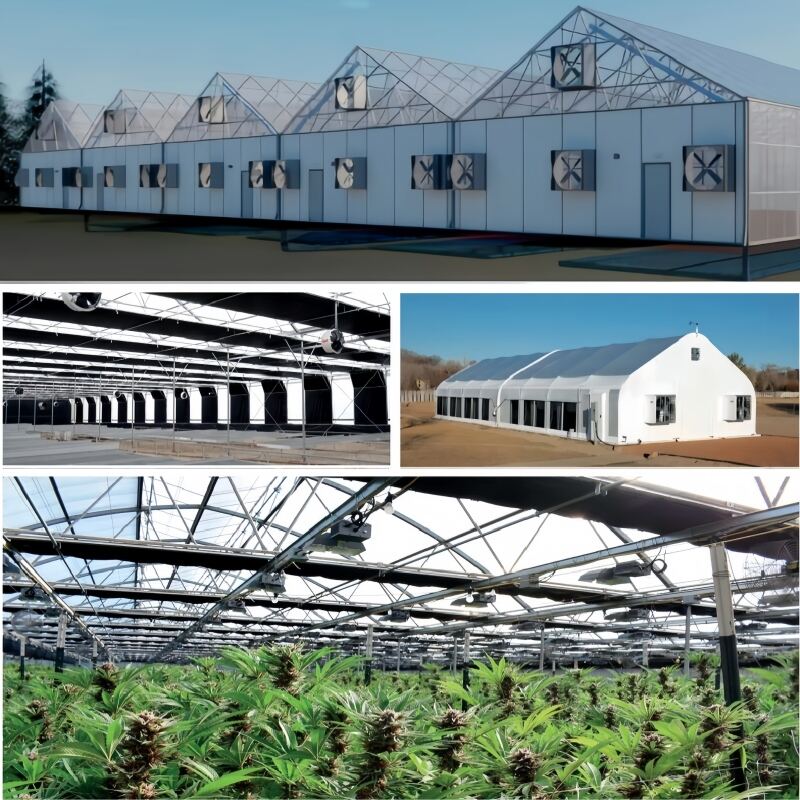
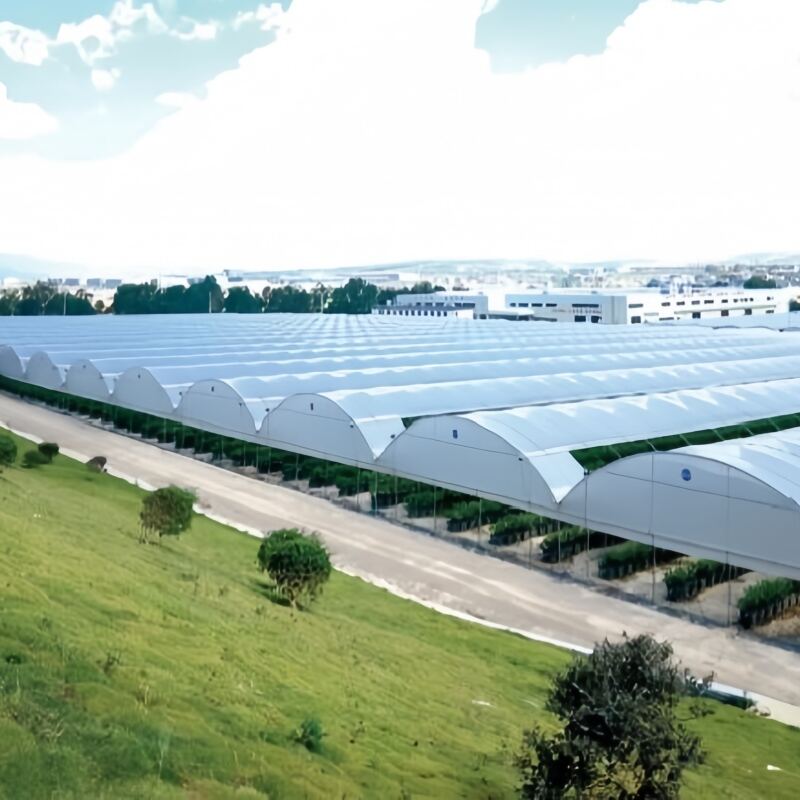
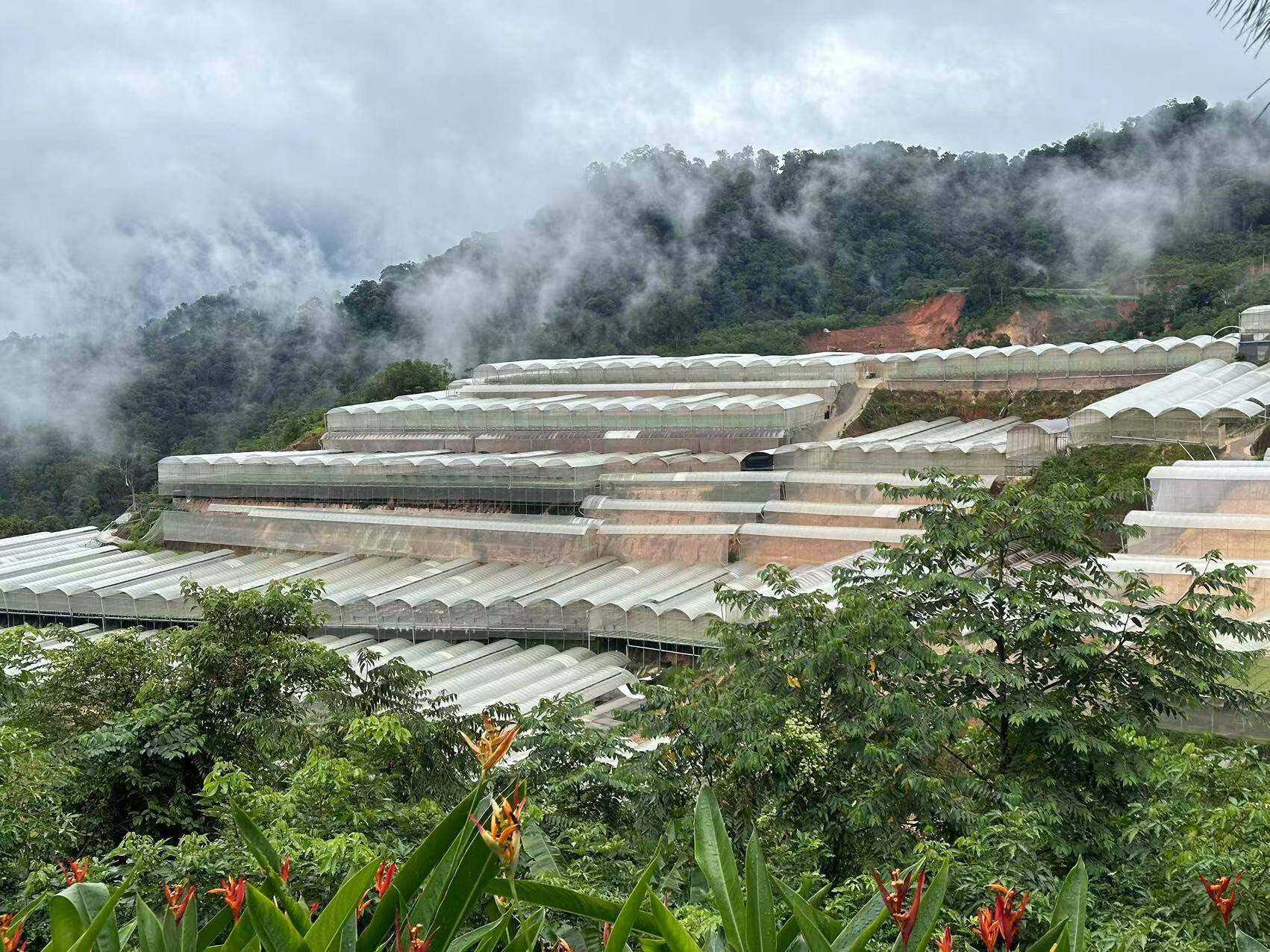
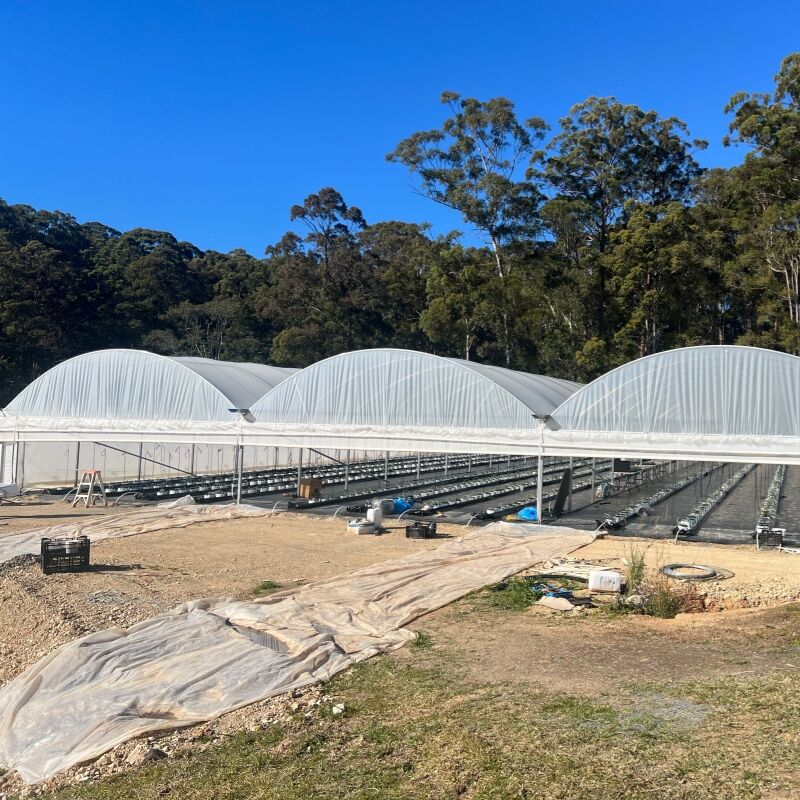
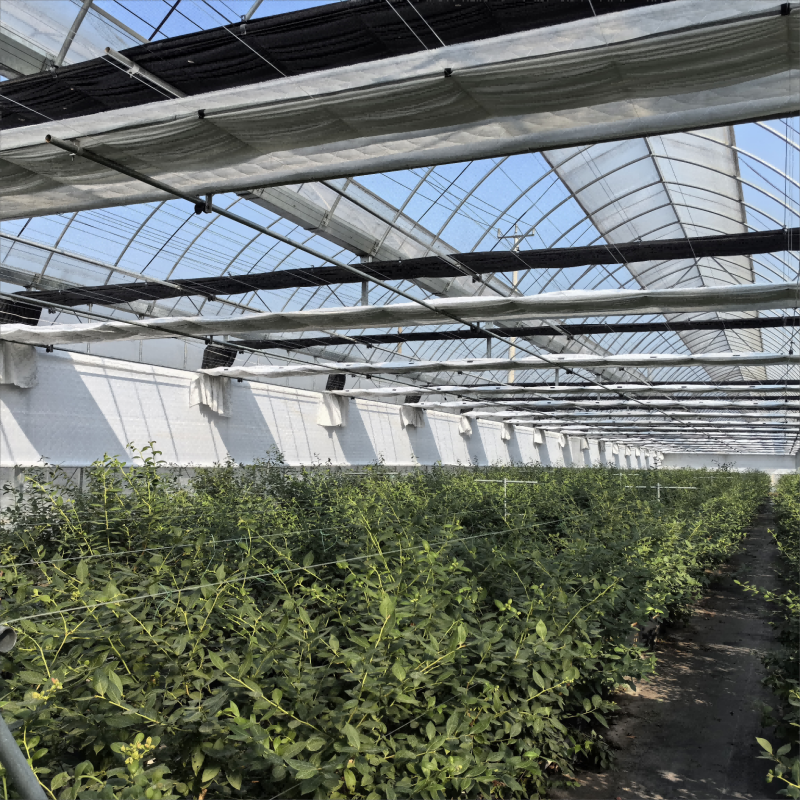
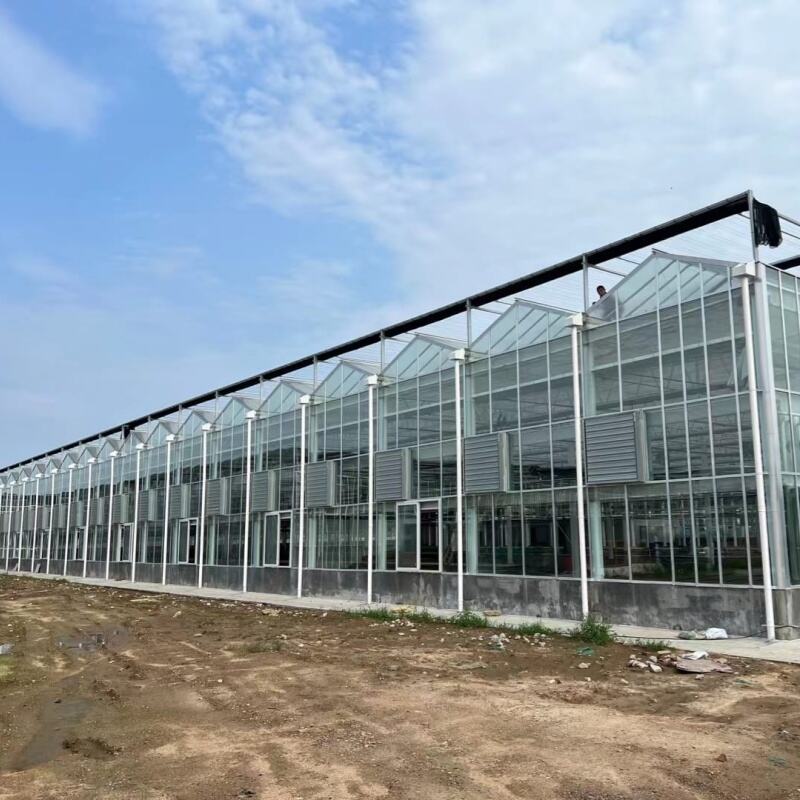
Yüksək tunel dəstləri, kiçik miqyaslı hobbi bağları ilə böyük kommersiya kənd təsərrüfatı əməliyyatlarına qədər müxtəlif kənd təsərrüfatı tətbiqlərini əhatə edən, qeyri-adi çoxtərəfli və miqyaslanma qabiliyyətinə malikdir. Bu uyğunlaşdırıla bilən strukturlar tərəvəzlər, ot bitkiləri, kəsilmiş çiçəklər, fidalıq üçün bitki kökləri, çiyələk və dərman bitkiləri kimi xüsusi bitkilər də daxil olmaqla geniş çeşidli bitkilərin yetişdirilməsini dəstəkləyir. Modullu dizayn istehsalçıların kiçik birimlərlə başlayıb, biznesləri inkişaf etdikcə əlavə bölmələr əlavə etmələrini və ya bir neçə strukturu birləşdirmələrini imkan verir. Fərdi ölçülər seçimi mövcud torpaq sahəsindən asılı olmayaraq optimal sahə istifadəsini təmin edir; eni on iki futdan otuz altı futa qədər, uzunluğu isə praktiki olaraq məhdudiyyətsizdir. Çoxmövsümülüyün esnekliyi eyni strukturun baharda və payızda soyuq mövsüm bitkilərini, yay aylarında isə isti mövsüm tərəvəzlərini qorumağa imkan verir. Hidroponik və akvaponik sistemlər yüksək tunel dəstləri daxilində pürüzsüz şəkildə inteqrasiya olunur və torpaqsız yetişdirmə üsulları üçün nəzarət olunan mühit yaradaraq sahə effektivliyini və məhsul verimliliyini maksimuma çatdırır. Şaquli yetişdirmə sistemləri və asılan səbət düzülüşləri eyni ərazidə məhsuldarlıq tutumunu artırır və bu strukturları intensiv istehsal üsulları üçün ideal edir. Təhsil müəssisələri tələbələrə nəzarət olunan mühit kənd təsərrüfatı sahəsində real dünya təcrübəsi verən əl ilə aparılan kənd təsərrüfatı təlim proqramları üçün yüksək tunel dəstlərindən istifadə edir. Tədqiqat tətbiqləri bu strukturların təmin etdiyi sabit yetişdirmə şəraitindən faydalanır və bunun sayəsində dəqiq təcrübə nəticələri və müqayisəli tədqiqatlar mümkündür. Satış nurseriyaları yüksək tunel dəstlərindən daşınma və göstərmə zamanı stokları qorumaq üçün istifadə edir; bu, bitkilərin keyfiyyətini qoruyarkən satış mövsümünü uzadır. Ekoloji sertifikatlaşdırma uyğunluğu bu strukturları zərərvericilərdən qorunma ehtiyacını ödəyən, lakin ekoloji statuslarını qoruyan sertifikatlı ekoloji istehsalçılar üçün dəyərli edir. Mövsümi sökülmə variantları torpaq istifadəsinin esnekliyini qoruyarkən lazım olduqda bitkiləri qorumaq üçün müvəqqəti quraşdırmalar imkan verir. İqtisadi giriş qiyməti və sürətli investisiya gəliri yüksək tunel dəstlərini başlanğıc mərhələsində olan fermərlər üçün də, möhkəmlənmiş əməliyyatlara sahib olanlar üçün də əlçatan edir və əvvəllər yalnız kapital gücü güclü istixana əməliyyatlarına mövcud olan nəzarət olunan mühit kənd təsərrüfatı texnologiyalarına giriş imkanını demokratikləşdirir.
 ×
×
 EN
EN