Large Industrial Greenhouse Solutions: Advanced Commercial Growing Systems for Maximum Agricultural Productivity

Welcome To JYXD-greenhouse

Get a Free Quote

Our representative will contact you soon.
Email
Tel or Whatsapp
Name
Company Name
Message
0/1000

large industrial greenhouse

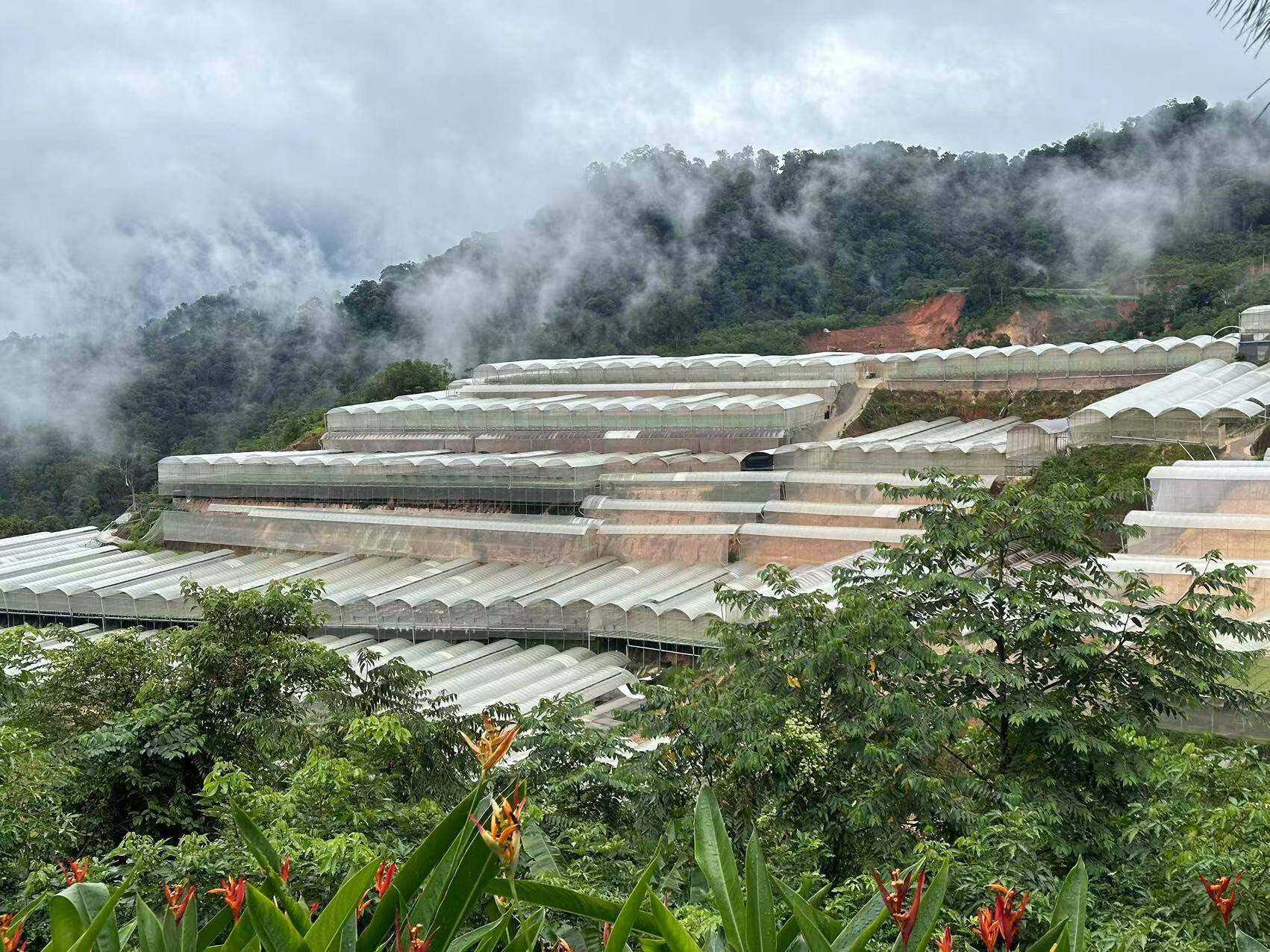
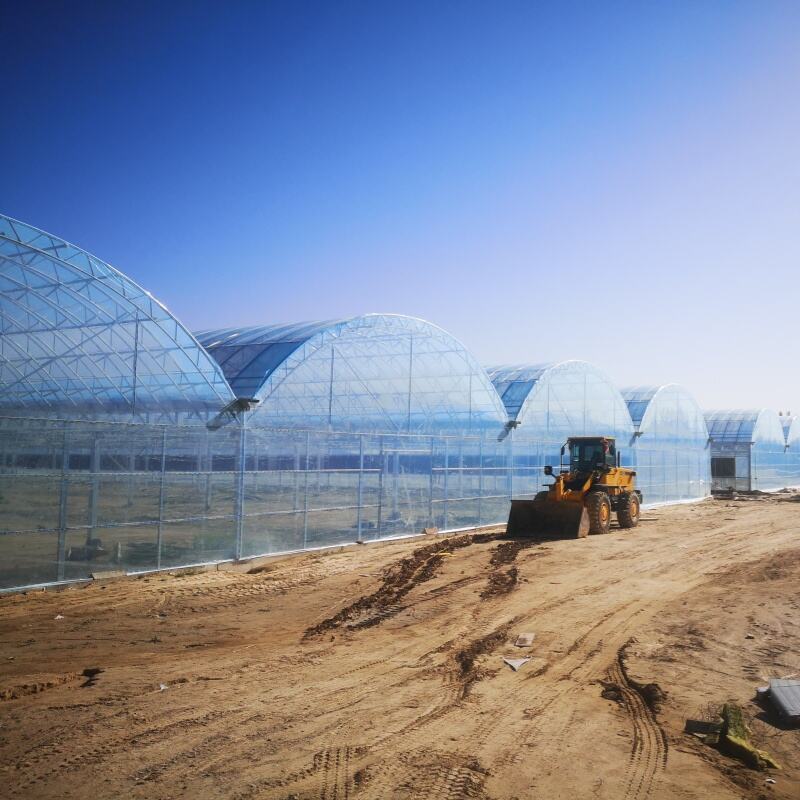
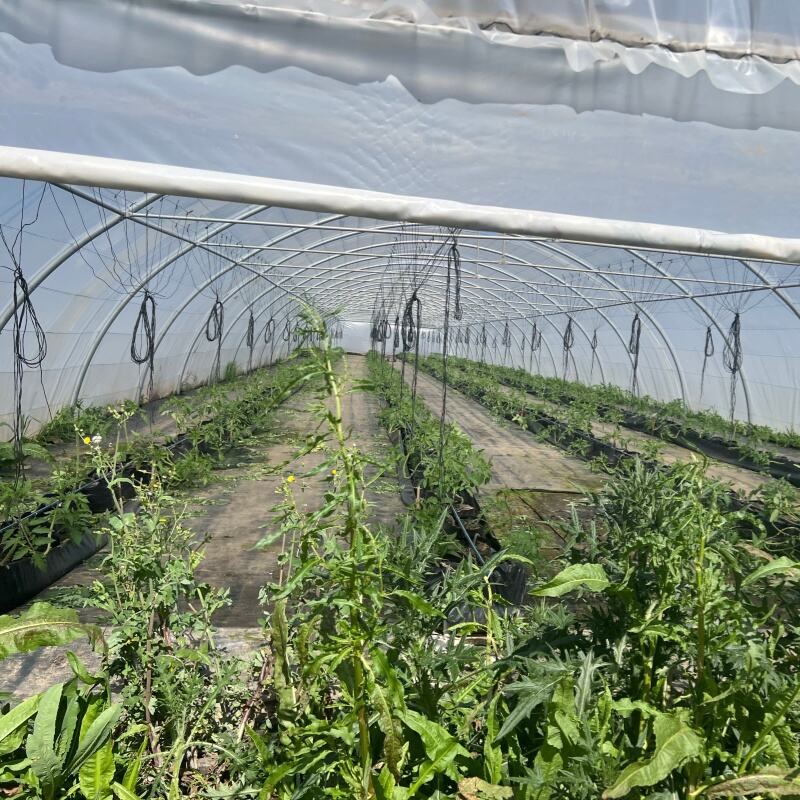
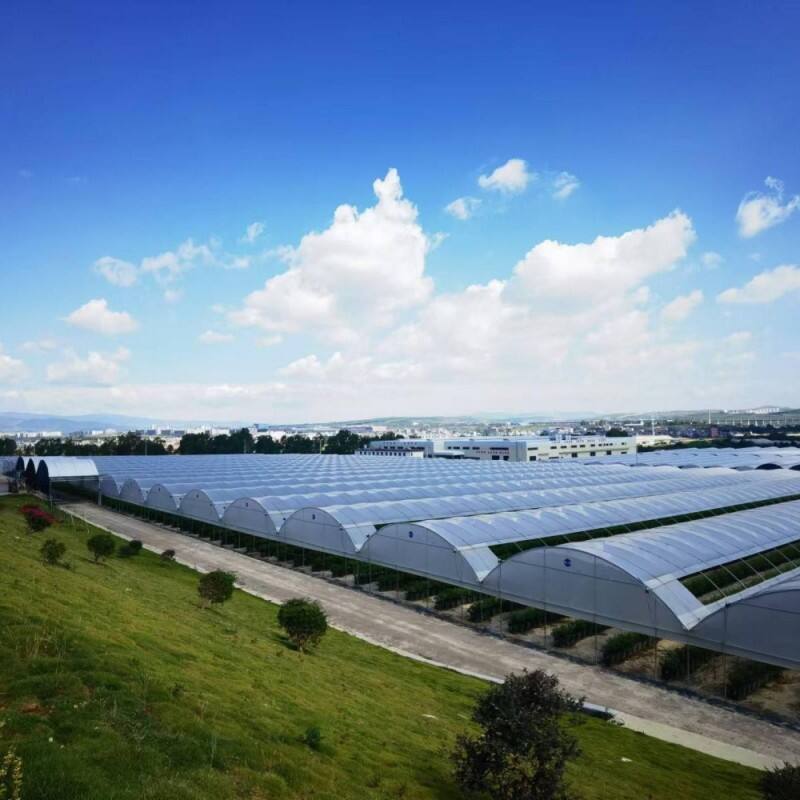
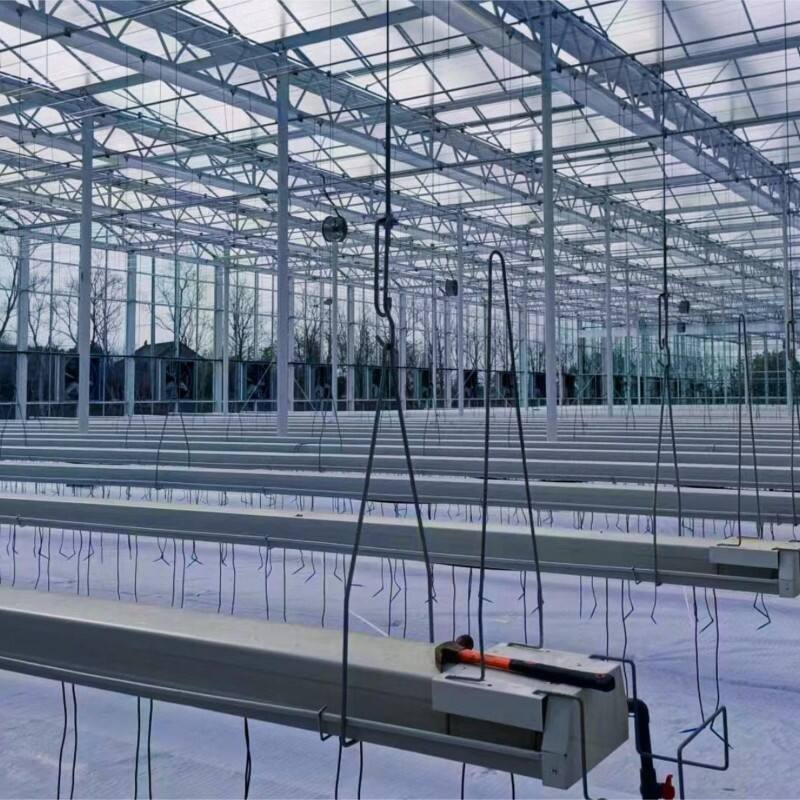
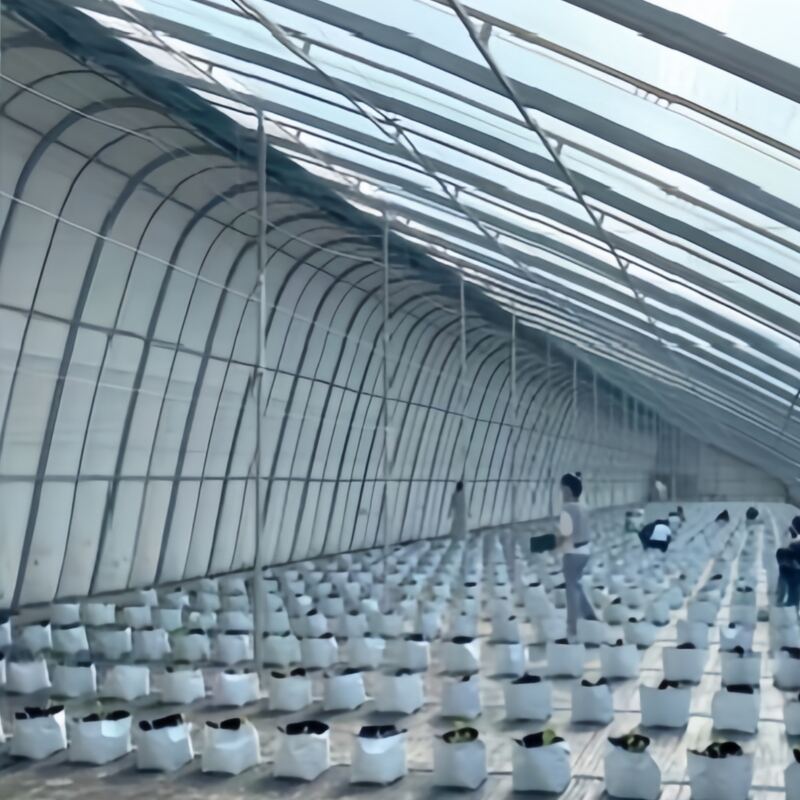
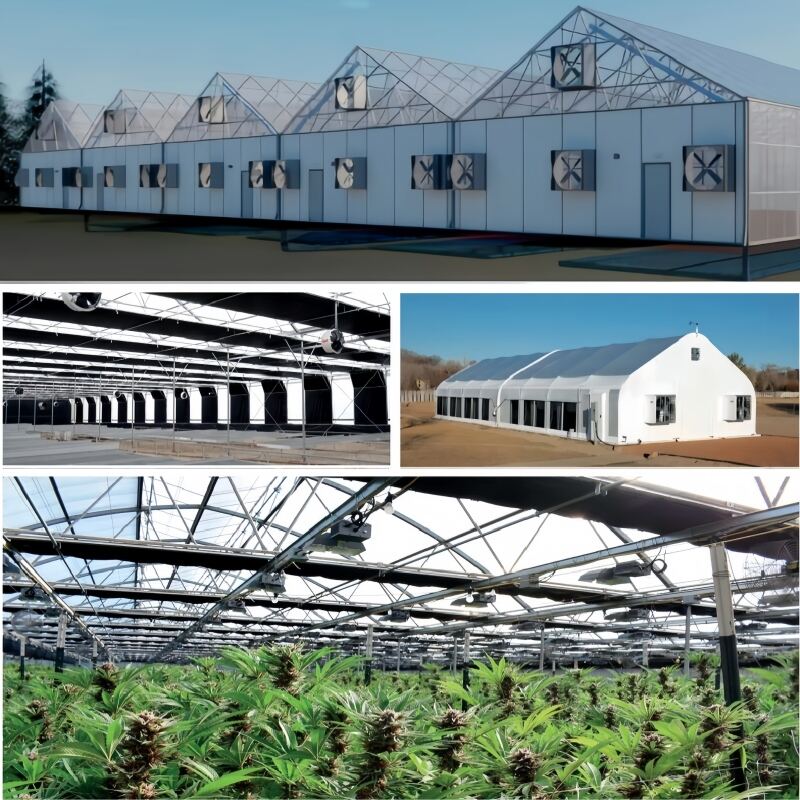
A large industrial greenhouse represents a sophisticated agricultural infrastructure designed to maximize crop production while maintaining optimal growing conditions year-round. These expansive structures typically span thousands of square feet and incorporate advanced climate control systems, automated irrigation networks, and precision monitoring technologies. The primary function of a large industrial greenhouse centers on creating controlled environments that eliminate weather-related risks and extend growing seasons indefinitely. Modern facilities utilize computer-controlled systems to regulate temperature, humidity, light exposure, and air circulation with remarkable precision. The technological features include automated ventilation systems, supplemental LED lighting arrays, hydroponic or aeroponic growing systems, and integrated pest management solutions. These greenhouses employ sensors throughout the structure to continuously monitor soil moisture, nutrient levels, CO2 concentrations, and plant health indicators. Advanced irrigation systems deliver precise amounts of water and nutrients directly to plant roots, minimizing waste and maximizing efficiency. The applications for large industrial greenhouse facilities are diverse and expanding rapidly. Commercial vegetable production represents the most common use, with tomatoes, cucumbers, peppers, and leafy greens being primary crops. Flower cultivation for cut flower markets also utilizes these facilities extensively. Research institutions employ large industrial greenhouse complexes for agricultural experiments, plant breeding programs, and climate change studies. Pharmaceutical companies use controlled environment agriculture to cultivate medicinal plants with consistent potency levels. Urban agriculture initiatives increasingly rely on large industrial greenhouse installations to provide fresh produce in metropolitan areas where traditional farming is impractical. These facilities enable year-round production cycles, allowing multiple harvests annually and ensuring consistent market supply regardless of external weather conditions or seasonal limitations.

New Product Releases

Large industrial greenhouse systems deliver substantial economic benefits that transform traditional agricultural operations into highly profitable ventures. These facilities generate significantly higher yields per square foot compared to conventional outdoor farming, often producing three to five times more crops annually. The controlled environment eliminates crop losses from weather events, pests, and diseases, ensuring predictable harvests and stable revenue streams. Water conservation represents another major advantage, as precision irrigation systems reduce water consumption by up to 90 percent while maintaining optimal plant hydration levels. Energy efficiency improvements through modern insulation materials and smart climate control systems minimize operational costs while maintaining ideal growing conditions. Labor productivity increases dramatically within large industrial greenhouse environments due to ergonomic design features, mechanized systems, and organized workflows that reduce manual tasks. Workers operate in comfortable conditions year-round, leading to higher job satisfaction and reduced turnover rates. The controlled environment enables precise nutrient management, eliminating fertilizer waste and reducing environmental impact while maximizing plant health and growth rates. Quality control becomes significantly easier within enclosed systems where contamination risks are minimized and growing conditions remain consistent. Crop timing flexibility allows producers to meet specific market demands, capitalize on premium pricing periods, and maintain continuous production schedules. Large industrial greenhouse facilities support sustainable agriculture practices by reducing pesticide usage, minimizing soil degradation, and enabling organic growing methods. Location independence means these structures can operate successfully in urban areas, desert regions, or climates previously unsuitable for agriculture. Market proximity reduces transportation costs and ensures fresher products reach consumers faster. Risk management improves substantially as external factors like drought, flooding, frost, or extreme temperatures no longer threaten crop production. Technology integration capabilities allow for data-driven decision making, predictive maintenance scheduling, and continuous optimization of growing parameters. Investment returns typically exceed traditional farming operations due to higher productivity, premium product quality, and reduced operational risks throughout the production cycle.

Tips And Tricks

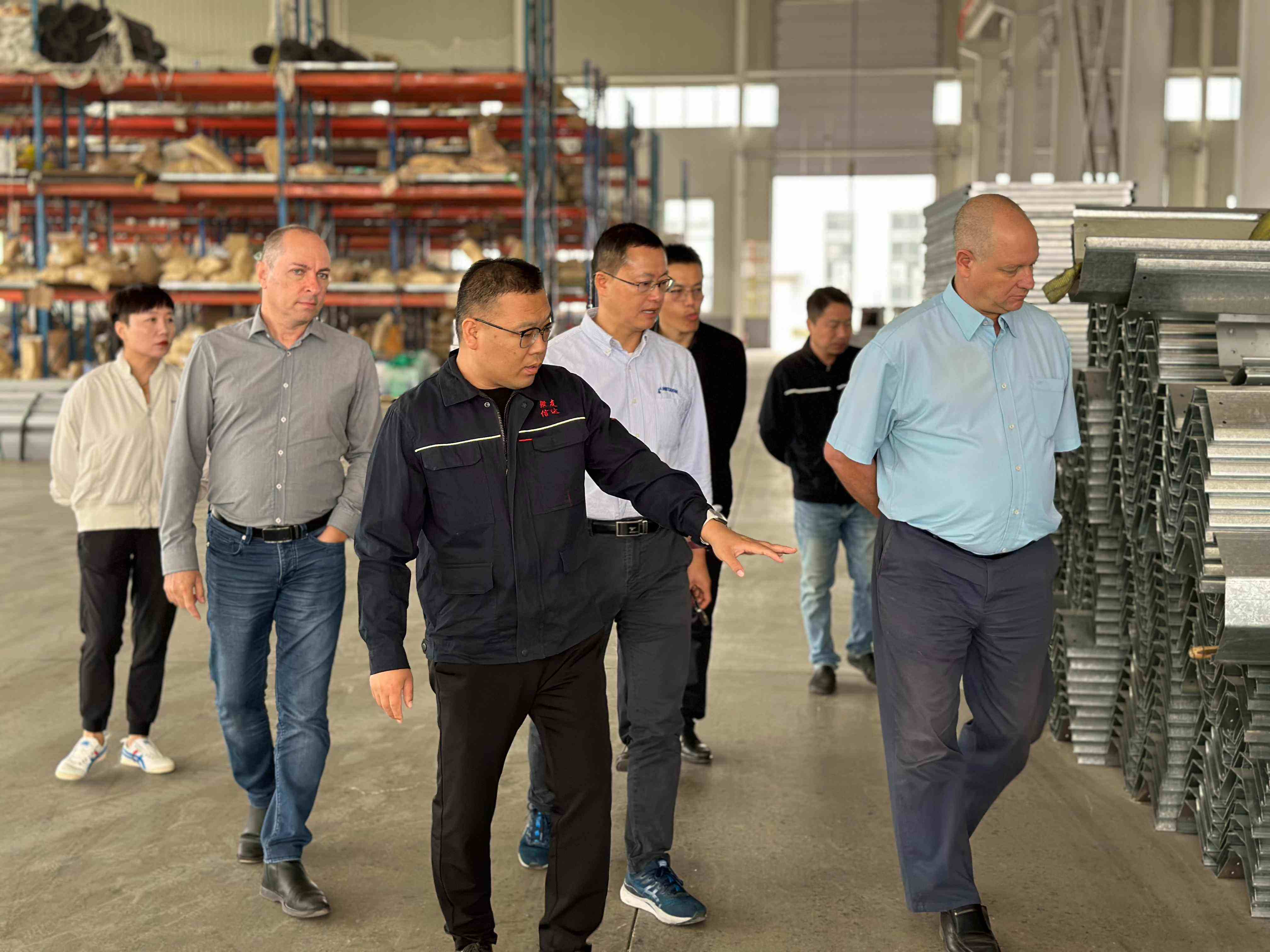
Forging a Powerful Alliance: Netafim and Juyou Xinda Unite to Reshape the Future of Smart Agriculture

28

Nov

Forging a Powerful Alliance: Netafim and Juyou Xinda Unite to Reshape the Future of Smart Agriculture

View More
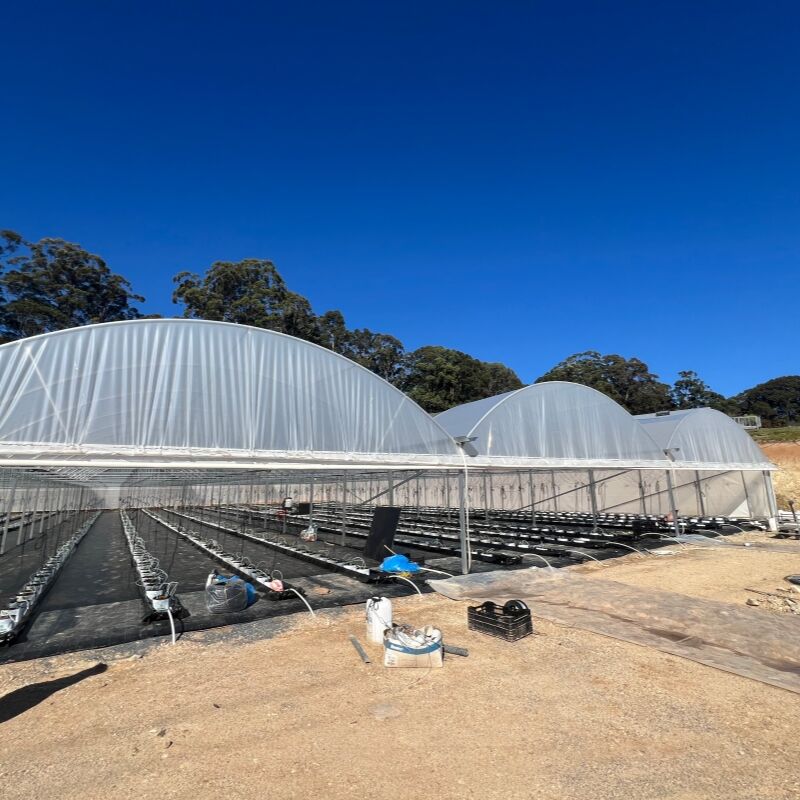
Australian Greenhouse Company Visits Our Facilities to Explore New Collaboration on 50,000 Sq.m Strawberry Glass Greenhouse Project

28

Nov

Australian Greenhouse Company Visits Our Facilities to Explore New Collaboration on 50,000 Sq.m Strawberry Glass Greenhouse Project

View More
 Innovative Breakthrough: Our Company Successfully Delivers World's First Customized

28

Nov

Innovative Breakthrough: Our Company Successfully Delivers World's First Customized "Greenhouse for Fertilizer Drying" to Malaysian Client

View More

Get a Free Quote

Our representative will contact you soon.
Email
Tel or Whatsapp
Name
Company Name
Message
0/1000

large industrial greenhouse

Advanced Climate Control Technology

Advanced Climate Control Technology

The sophisticated climate control system within a large industrial greenhouse represents the cornerstone of successful controlled environment agriculture. This comprehensive technology suite manages every aspect of the growing environment with surgical precision, ensuring optimal conditions for maximum plant productivity and quality. Temperature regulation systems utilize multiple zones throughout the facility, allowing different crops or growth stages to coexist under customized conditions. Heating systems employ energy-efficient boilers, radiant floor heating, or waste heat recovery systems to maintain consistent temperatures during cold periods. Cooling mechanisms include evaporative cooling pads, misting systems, and mechanical refrigeration units that prevent overheating during warm weather. Ventilation systems create proper air circulation patterns that prevent stagnant air pockets, reduce humidity buildup, and ensure uniform CO2 distribution throughout the large industrial greenhouse space. Automated louvers and exhaust fans respond instantly to sensor readings, maintaining ideal airflow rates while conserving energy. Humidity control systems prevent condensation problems that can lead to plant diseases while maintaining optimal moisture levels for different crop varieties. CO2 enrichment systems inject precise amounts of carbon dioxide to accelerate photosynthesis and boost growth rates, particularly during daylight hours when plants can effectively utilize increased CO2 concentrations. Light management includes natural light optimization through roof design and supplemental LED systems that provide specific light spectrums for different growth phases. These integrated systems work continuously to create microclimates that can be adjusted for specific crops, growth stages, or market requirements. The technology monitors external weather conditions and automatically adjusts internal parameters to maintain stability regardless of outside environmental changes. This level of control eliminates the guesswork from agriculture, transforming farming into a precise science that delivers consistent, predictable results throughout the year.
Scalable Production Capacity

Scalable Production Capacity

The scalable production capacity of a large industrial greenhouse offers unprecedented flexibility for agricultural businesses seeking to expand operations or adapt to changing market demands. These facilities can accommodate various growing systems simultaneously, from traditional soil-based cultivation to advanced hydroponic and aeroponic systems that maximize space utilization and crop yields. Vertical growing systems within the large industrial greenhouse structure multiply productive capacity by utilizing available height, creating multiple growing levels that can triple or quadruple output per square foot of floor space. Modular design principles allow facility expansion through additional sections that integrate seamlessly with existing infrastructure, enabling businesses to grow incrementally based on market success and financial capacity. The production capacity scales efficiently across different crop types, accommodating everything from leafy greens with short growing cycles to vine crops requiring extended growth periods and specialized support structures. Automation systems within large industrial greenhouse facilities can handle increased production volumes without proportional increases in labor requirements, maintaining operational efficiency as output expands. Specialized growing zones can be configured for different purposes including propagation areas, vegetative growth sections, flowering chambers, and harvesting zones that create continuous production workflows. This systematic approach ensures optimal space utilization while maintaining quality standards across all production areas. The facility design accommodates various packaging and processing equipment that can handle increased volumes as production scales upward. Storage and logistics systems integrate with production areas to manage larger harvests efficiently, maintaining product quality from harvest through distribution. Energy systems scale proportionally with production increases, utilizing economies of scale to reduce per-unit energy costs as facility capacity expands. Water recycling and treatment systems handle increased volumes while maintaining sustainability standards and reducing operational costs. Market diversification becomes possible as production capacity allows for multiple crop varieties and specialized products that command premium prices, reducing dependency on single crop revenue streams.
Sustainable Resource Management

Sustainable Resource Management

Sustainable resource management within a large industrial greenhouse establishes environmentally responsible agriculture that conserves natural resources while maintaining high productivity levels. Water management systems capture, filter, and recycle irrigation runoff, creating closed-loop systems that eliminate waste and reduce freshwater consumption by up to 95 percent compared to traditional farming methods. Nutrient recovery systems extract unused fertilizers from drainage water, reconcentrate them, and reintroduce them into the irrigation system, preventing environmental contamination while reducing input costs. Energy management incorporates renewable energy sources including solar panels, geothermal systems, and wind power to offset operational energy requirements and reduce carbon footprint. Heat recovery systems capture waste heat from equipment and lighting systems, redirecting thermal energy for heating purposes during cooler periods. Biological pest control methods within the large industrial greenhouse eliminate or dramatically reduce chemical pesticide usage through beneficial insect programs, companion planting, and natural deterrent systems. Integrated pest management protocols maintain healthy crop conditions while protecting beneficial insects and preventing pesticide resistance development. Waste management systems convert organic plant waste into compost or biogas, creating circular economy principles that eliminate disposal costs while generating valuable byproducts. CO2 management systems can utilize waste CO2 from industrial processes or biogas production to enrich growing environments, reducing atmospheric emissions while enhancing plant growth. Soil-less growing systems eliminate soil depletion concerns while preventing erosion and nutrient runoff that pollutes waterways. These systems also eliminate the need for soil sterilization chemicals and reduce water contamination risks. Precision application systems ensure fertilizers and supplements reach plants exactly where needed, preventing overapplication and environmental contamination. Resource monitoring systems track consumption patterns and identify optimization opportunities, enabling continuous improvement in resource efficiency. The sustainable practices within large industrial greenhouse operations often qualify for environmental certifications and carbon credits that provide additional revenue streams while demonstrating corporate environmental responsibility to consumers increasingly concerned about sustainable food production methods.

Get a Free Quote

Our representative will contact you soon.
Email
Tel or Whatsapp
Name
Company Name
Message
0/1000