large industrial greenhouse
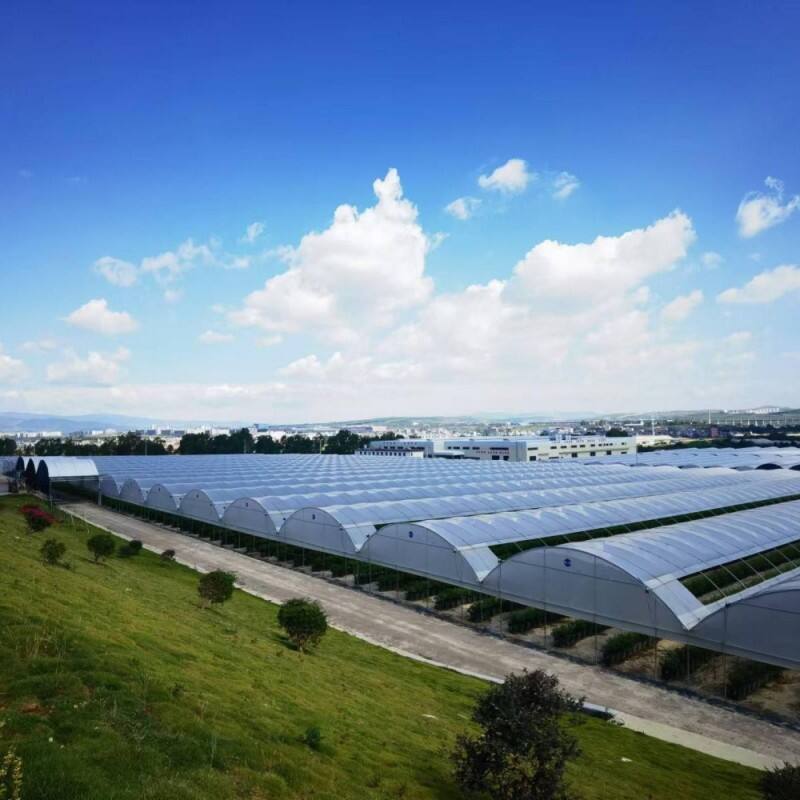
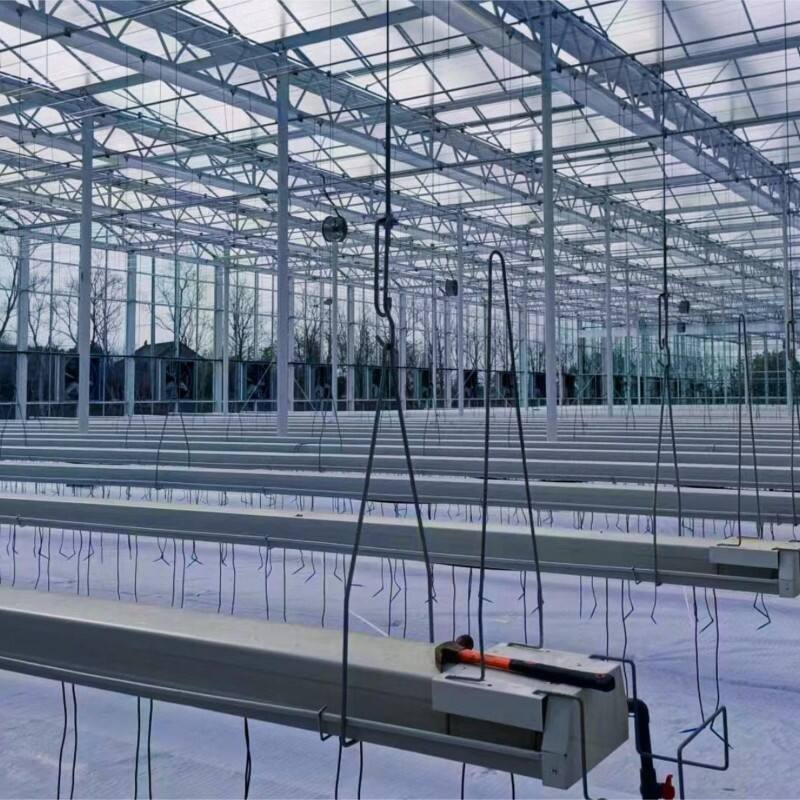
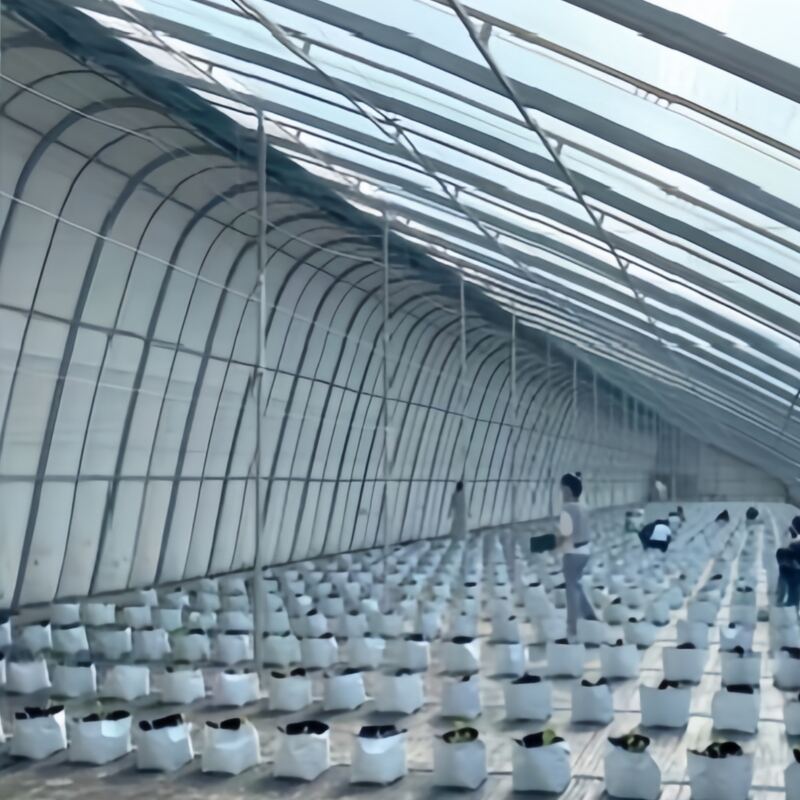
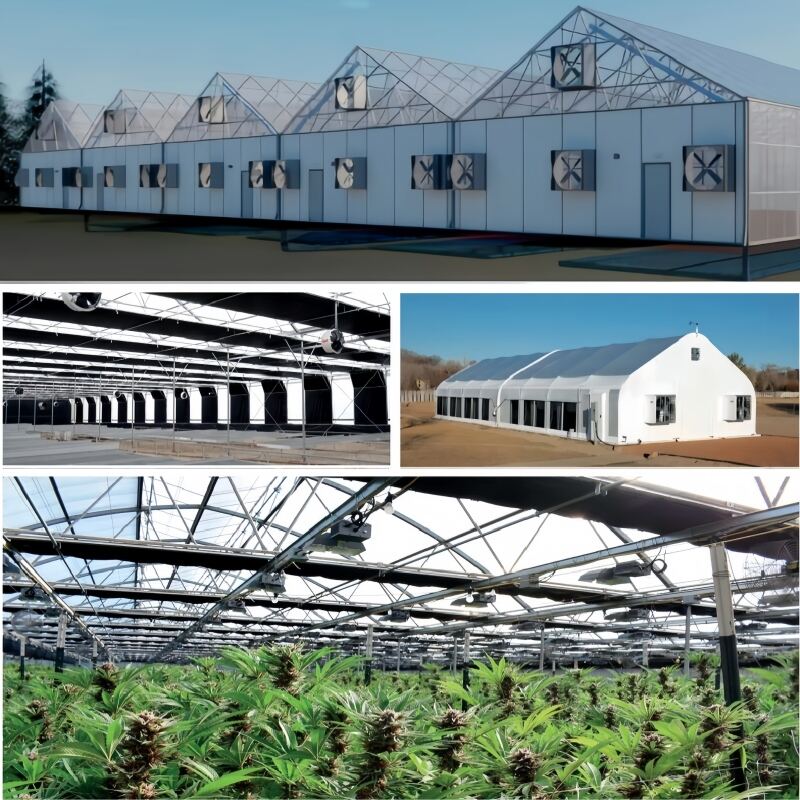
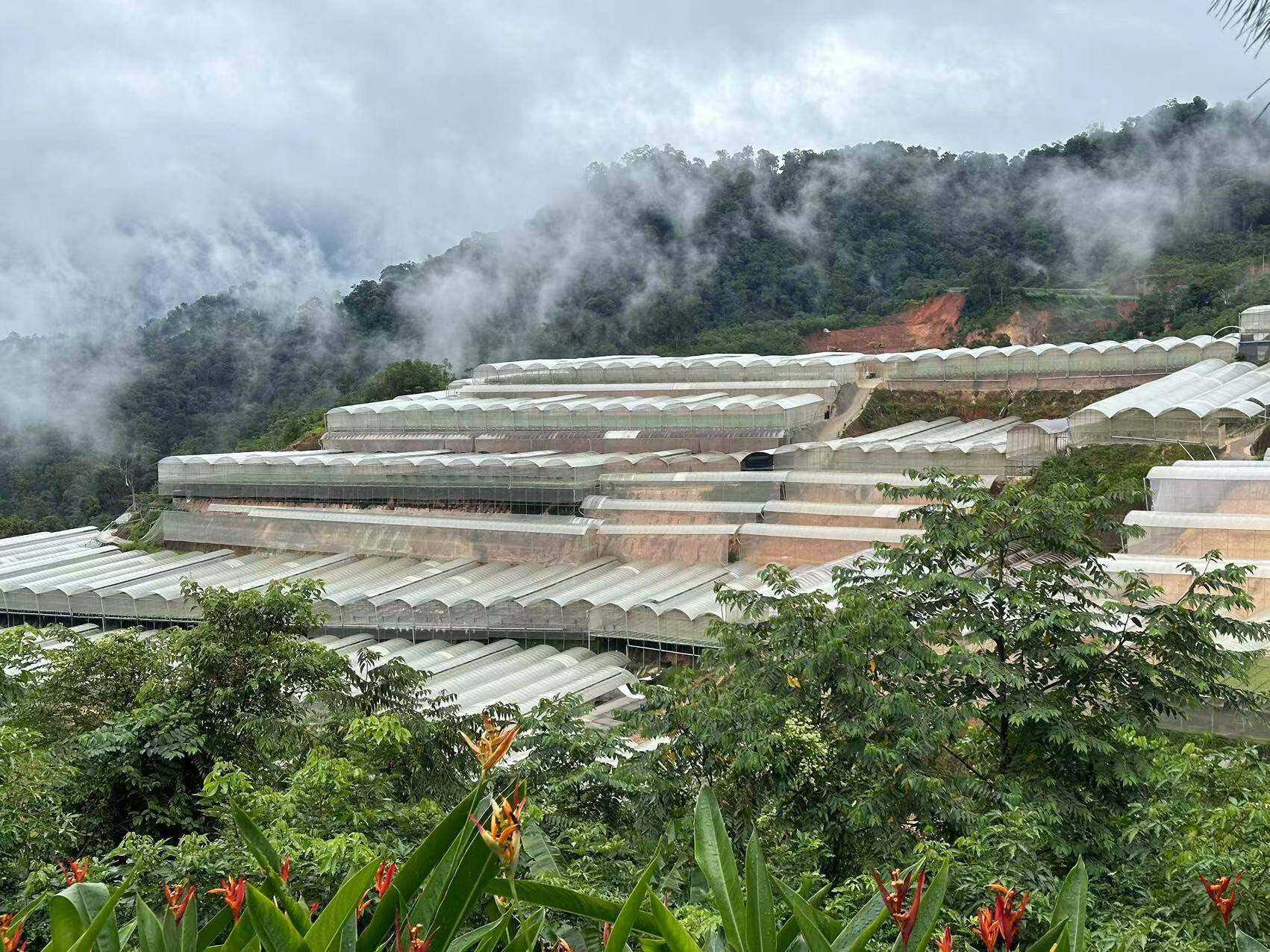
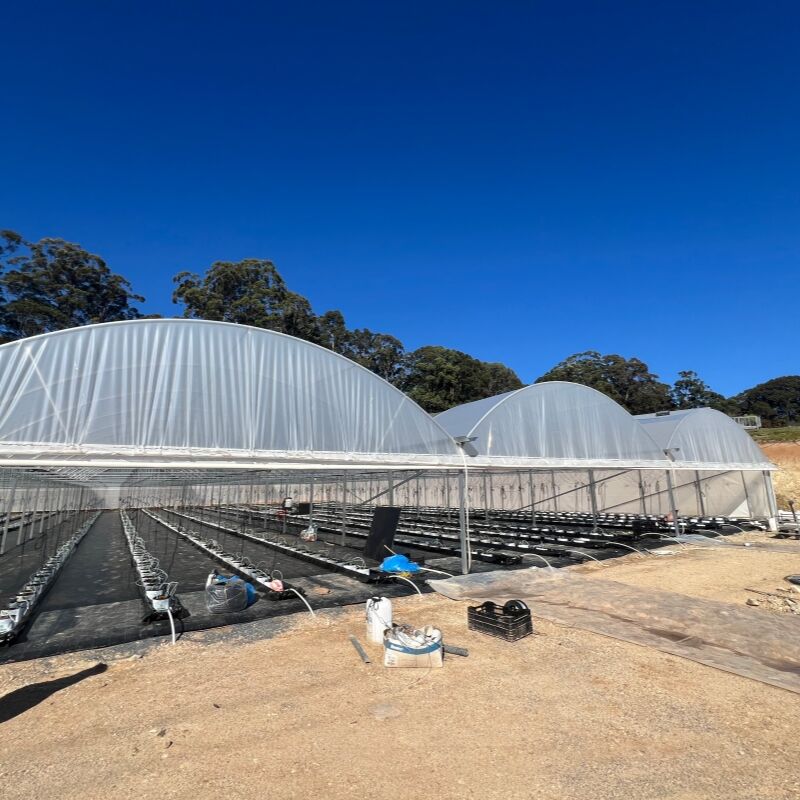
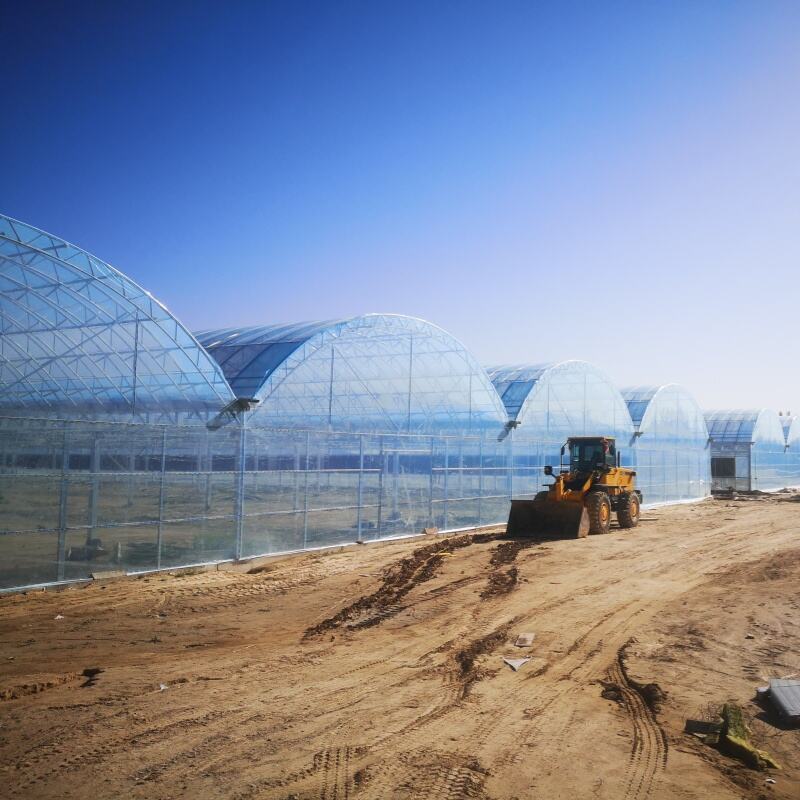
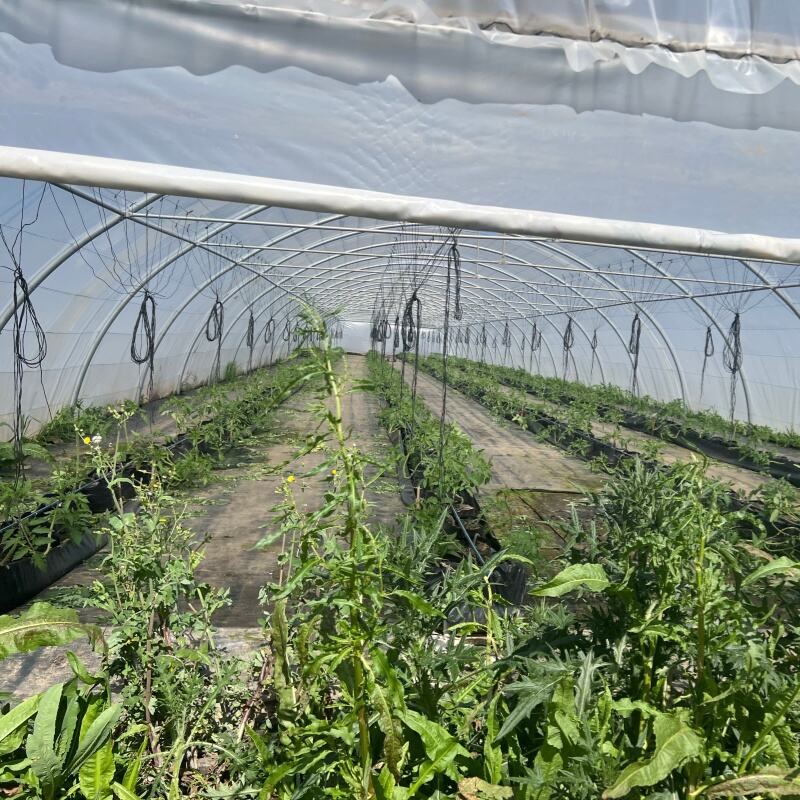
A large industrial greenhouse represents a sophisticated agricultural infrastructure designed to maximize crop production while maintaining optimal growing conditions year-round. These expansive structures typically span thousands of square feet and incorporate advanced climate control systems, automated irrigation networks, and precision monitoring technologies. The primary function of a large industrial greenhouse centers on creating controlled environments that eliminate weather-related risks and extend growing seasons indefinitely. Modern facilities utilize computer-controlled systems to regulate temperature, humidity, light exposure, and air circulation with remarkable precision. The technological features include automated ventilation systems, supplemental LED lighting arrays, hydroponic or aeroponic growing systems, and integrated pest management solutions. These greenhouses employ sensors throughout the structure to continuously monitor soil moisture, nutrient levels, CO2 concentrations, and plant health indicators. Advanced irrigation systems deliver precise amounts of water and nutrients directly to plant roots, minimizing waste and maximizing efficiency. The applications for large industrial greenhouse facilities are diverse and expanding rapidly. Commercial vegetable production represents the most common use, with tomatoes, cucumbers, peppers, and leafy greens being primary crops. Flower cultivation for cut flower markets also utilizes these facilities extensively. Research institutions employ large industrial greenhouse complexes for agricultural experiments, plant breeding programs, and climate change studies. Pharmaceutical companies use controlled environment agriculture to cultivate medicinal plants with consistent potency levels. Urban agriculture initiatives increasingly rely on large industrial greenhouse installations to provide fresh produce in metropolitan areas where traditional farming is impractical. These facilities enable year-round production cycles, allowing multiple harvests annually and ensuring consistent market supply regardless of external weather conditions or seasonal limitations.
 EN
EN