Chinese Greenhouse Technology: Advanced Climate-Controlled Agricultural Solutions for Maximum Crop Yields

Welcome To JYXD-greenhouse

Get a Free Quote

Our representative will contact you soon.
Email
Tel or Whatsapp
Name
Company Name
Message
0/1000

chinese greenhouse

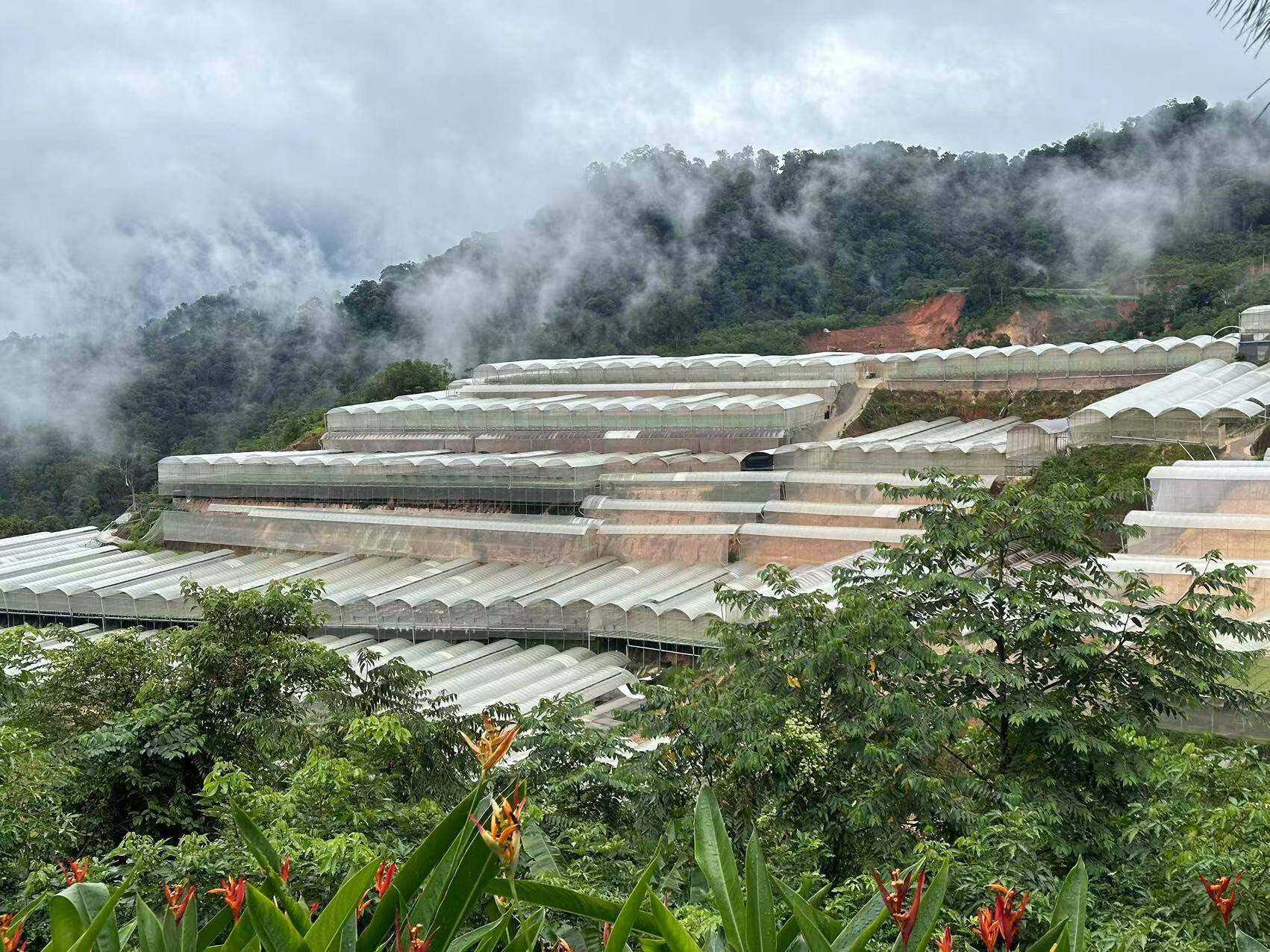
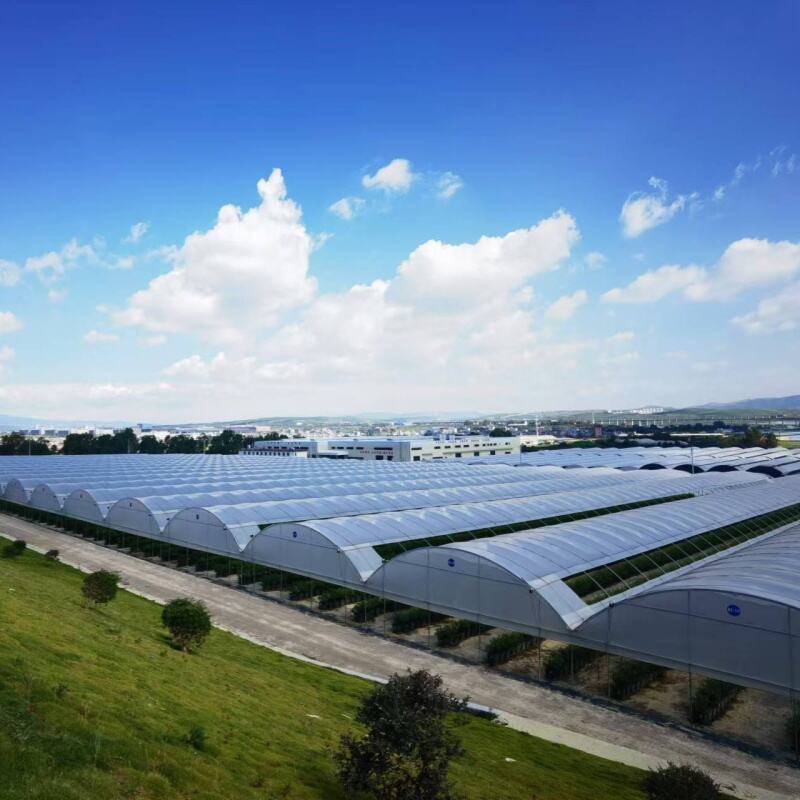
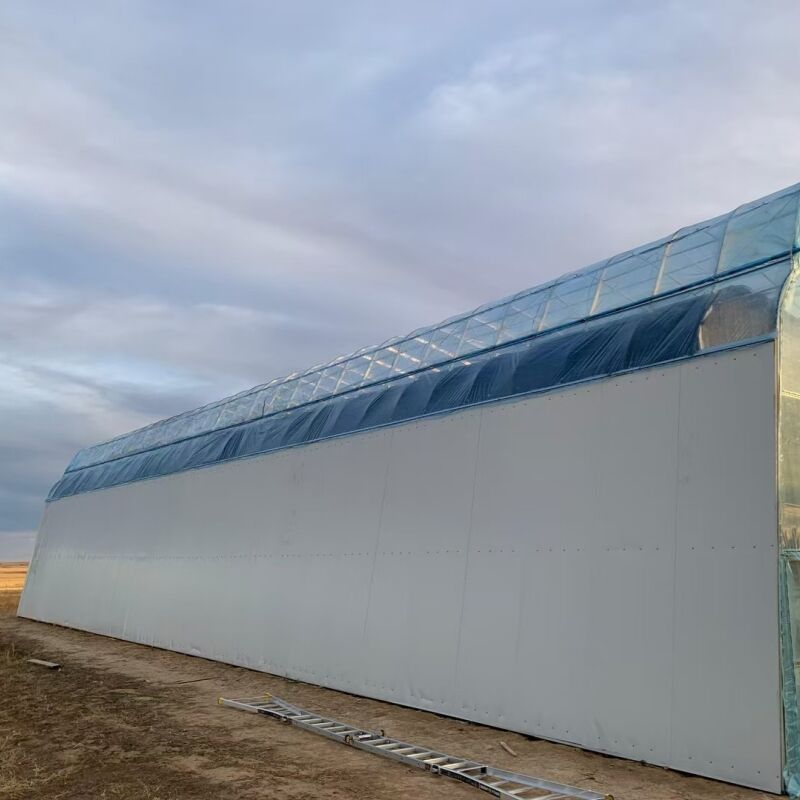
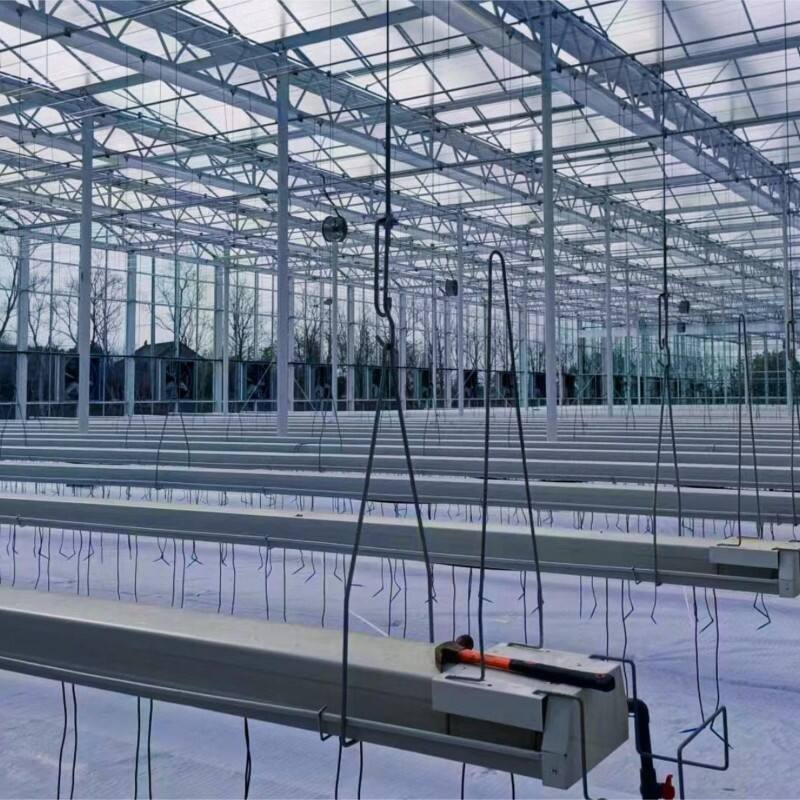
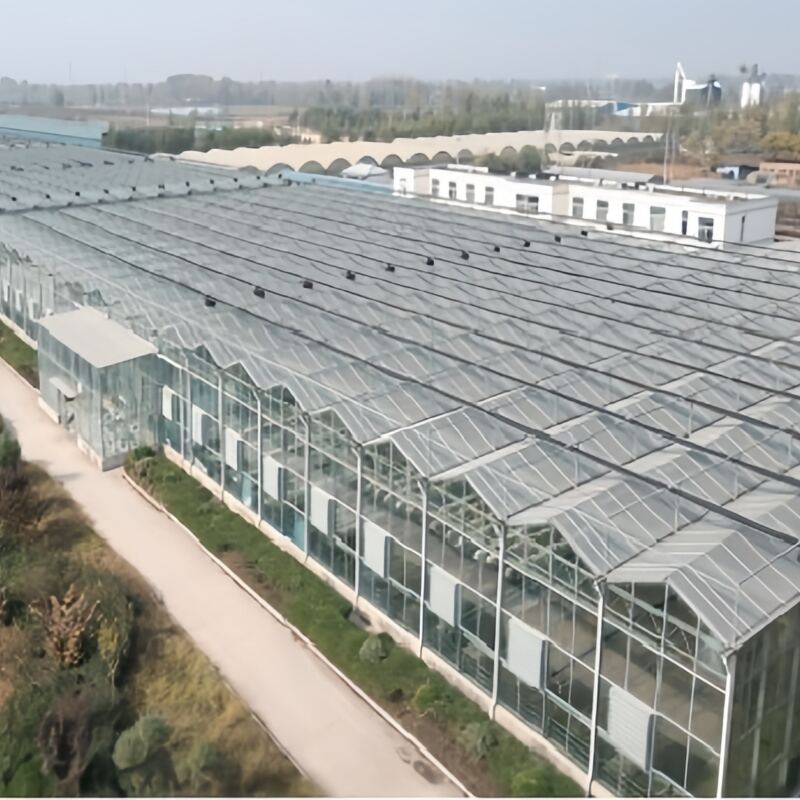
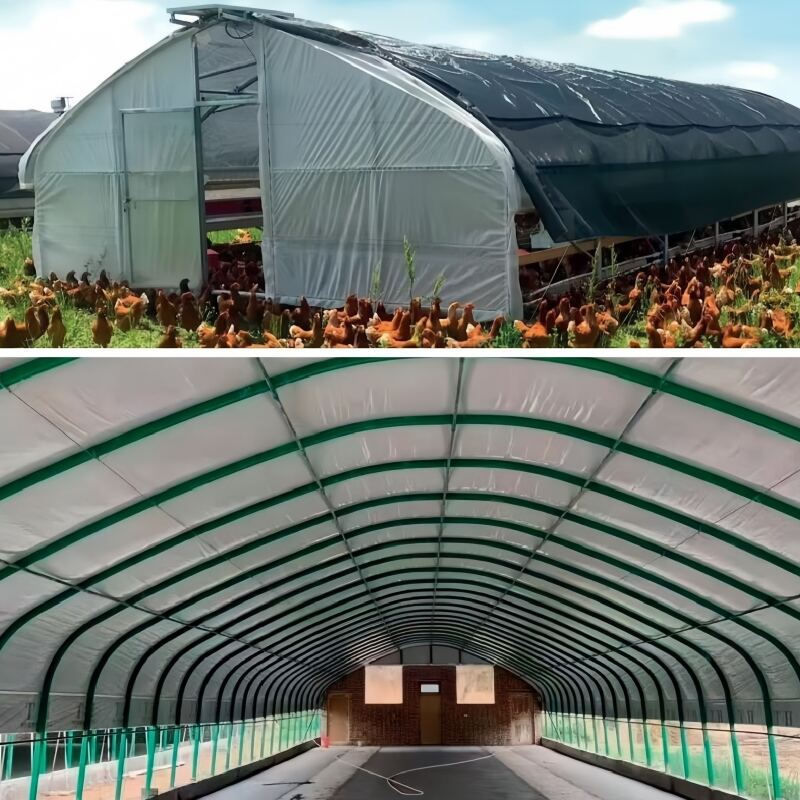
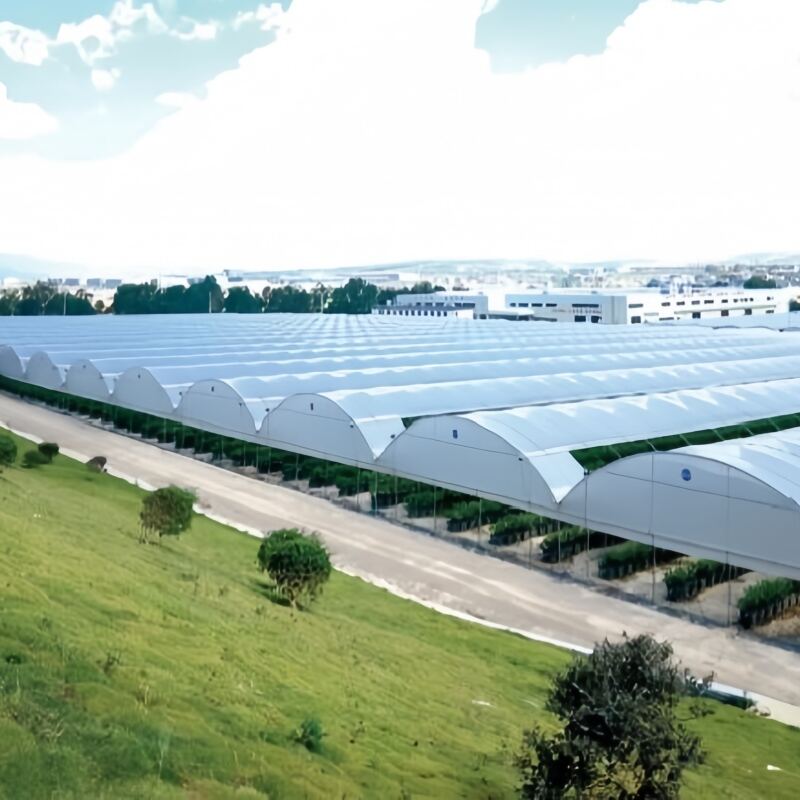
The chinese greenhouse represents a revolutionary approach to modern agricultural infrastructure, combining traditional horticultural wisdom with contemporary engineering solutions. These sophisticated structures are designed to create optimal growing environments for a wide variety of crops while maximizing energy efficiency and production yields. The primary function of a chinese greenhouse is to provide controlled climate conditions that extend growing seasons, protect plants from adverse weather conditions, and enable year-round cultivation regardless of external environmental factors. The technological features of chinese greenhouses include advanced ventilation systems, automated irrigation networks, precise temperature control mechanisms, and innovative structural designs that optimize light penetration and heat retention. These facilities incorporate multi-layered thermal insulation, computerized monitoring systems, and energy-efficient heating solutions that significantly reduce operational costs. The structural framework typically utilizes high-grade steel or aluminum components, ensuring durability and longevity even in challenging weather conditions. Applications of chinese greenhouses span across commercial agriculture, research institutions, educational facilities, and residential gardening projects. Commercial growers utilize these structures for producing vegetables, flowers, herbs, and specialty crops that require specific environmental conditions. Research centers employ chinese greenhouse technology for agricultural experimentation, plant breeding programs, and climate change studies. Educational institutions integrate these facilities into their curriculum to provide hands-on learning experiences for students studying agriculture, botany, and environmental sciences. The versatility of chinese greenhouse designs allows for customization based on specific crop requirements, local climate conditions, and operational budgets. These structures can be configured for hydroponic systems, soil-based cultivation, or hybrid growing methods, making them suitable for diverse agricultural applications and geographical locations worldwide.

New Products

Chinese greenhouse technology offers numerous compelling advantages that make it an exceptional investment for agricultural operations of all sizes. The most significant benefit is the dramatic increase in crop yields compared to traditional outdoor farming methods. These structures create ideal growing conditions that can boost production by 300 to 500 percent, allowing farmers to harvest multiple crops per year instead of being limited to seasonal growing patterns. The controlled environment eliminates weather-related risks such as frost damage, hail destruction, excessive rainfall, or drought conditions that commonly devastate outdoor crops. This reliability ensures consistent income streams and reduces the financial uncertainty associated with traditional farming. Energy efficiency stands as another major advantage of chinese greenhouse systems. The innovative design incorporates advanced insulation materials and smart ventilation systems that minimize heating and cooling costs throughout the year. Solar collectors, thermal mass systems, and automated climate controls work together to maintain optimal temperatures while consuming significantly less energy than conventional greenhouse structures. This translates directly into lower operational expenses and improved profit margins for agricultural businesses. Water conservation represents a crucial benefit in today's environmentally conscious market. Chinese greenhouses utilize precision irrigation systems that deliver water directly to plant roots, reducing waste by up to 90 percent compared to traditional field irrigation methods. These systems incorporate moisture sensors, automated scheduling, and recycling capabilities that maximize water efficiency while ensuring plants receive optimal hydration levels. The pest and disease management advantages cannot be overstated. The enclosed environment creates natural barriers against insects, rodents, and airborne pathogens that typically plague outdoor crops. This protection reduces the need for chemical pesticides and fungicides, resulting in healthier produce and lower chemical input costs. The ability to maintain sterile growing conditions also enables organic certification opportunities that command premium market prices. Labor efficiency improvements make chinese greenhouses particularly attractive for commercial operations. The organized layout, elevated growing systems, and automated equipment reduce the physical demands on workers while increasing productivity per labor hour. Climate-controlled working conditions ensure comfortable environments for staff year-round, leading to better employee satisfaction and retention rates. Market timing flexibility provides significant competitive advantages. Growers can schedule harvests to coincide with peak demand periods, avoiding market gluts that depress prices. The ability to produce out-of-season crops enables premium pricing opportunities and market differentiation. Quality control benefits include protection from contamination, consistent growing conditions that produce uniform products, and extended shelf life due to optimal harvest timing and handling conditions.

Tips And Tricks

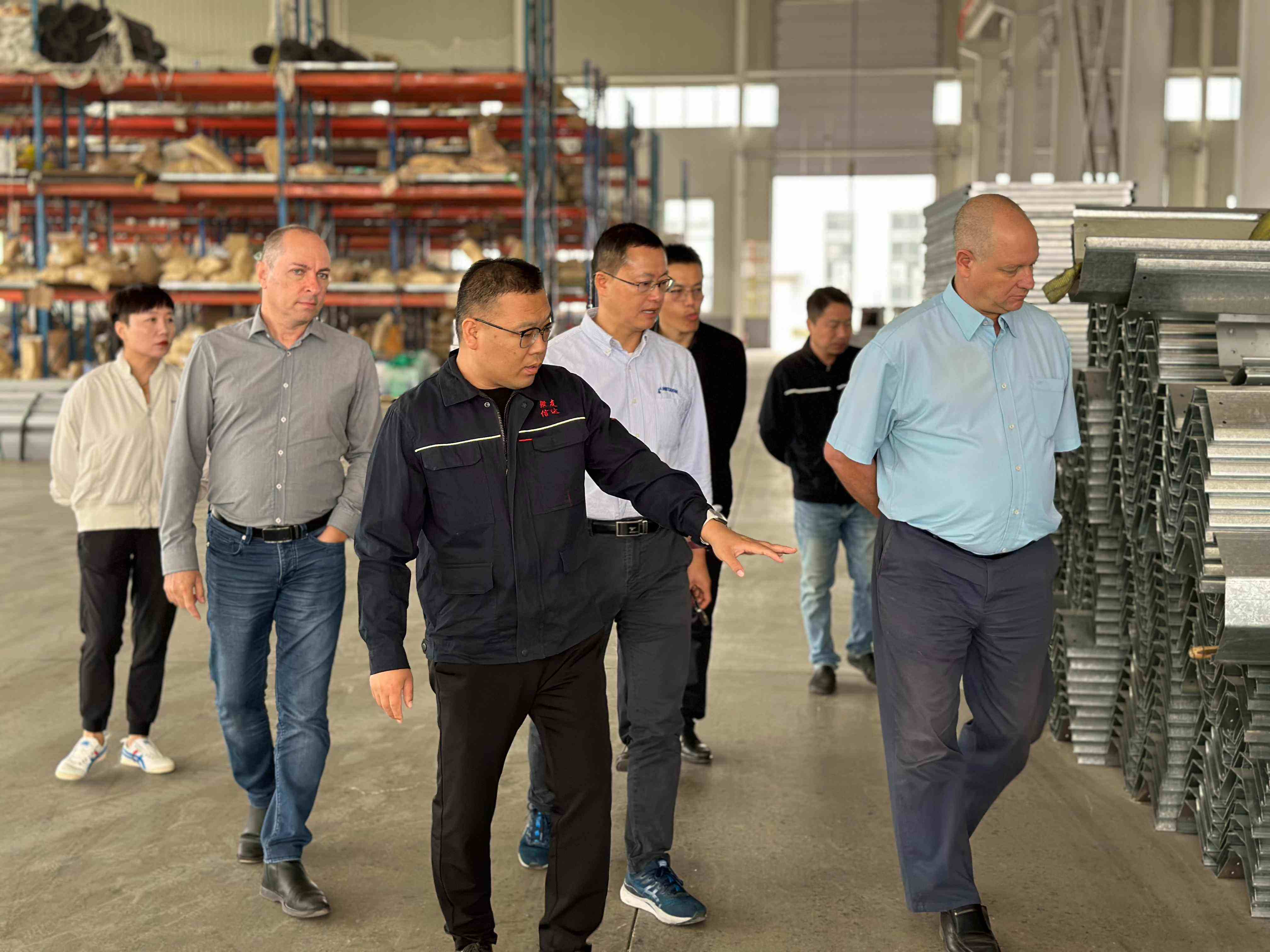
Forging a Powerful Alliance: Netafim and Juyou Xinda Unite to Reshape the Future of Smart Agriculture

28

Nov

Forging a Powerful Alliance: Netafim and Juyou Xinda Unite to Reshape the Future of Smart Agriculture

View More
Australian Greenhouse Company Visits Our Facilities to Explore New Collaboration on 50,000 Sq.m Strawberry Glass Greenhouse Project

28

Nov

Australian Greenhouse Company Visits Our Facilities to Explore New Collaboration on 50,000 Sq.m Strawberry Glass Greenhouse Project

View More
 Innovative Breakthrough: Our Company Successfully Delivers World's First Customized

28

Nov

Innovative Breakthrough: Our Company Successfully Delivers World's First Customized "Greenhouse for Fertilizer Drying" to Malaysian Client

View More

Get a Free Quote

Our representative will contact you soon.
Email
Tel or Whatsapp
Name
Company Name
Message
0/1000

chinese greenhouse

Advanced Climate Control Technology

Advanced Climate Control Technology

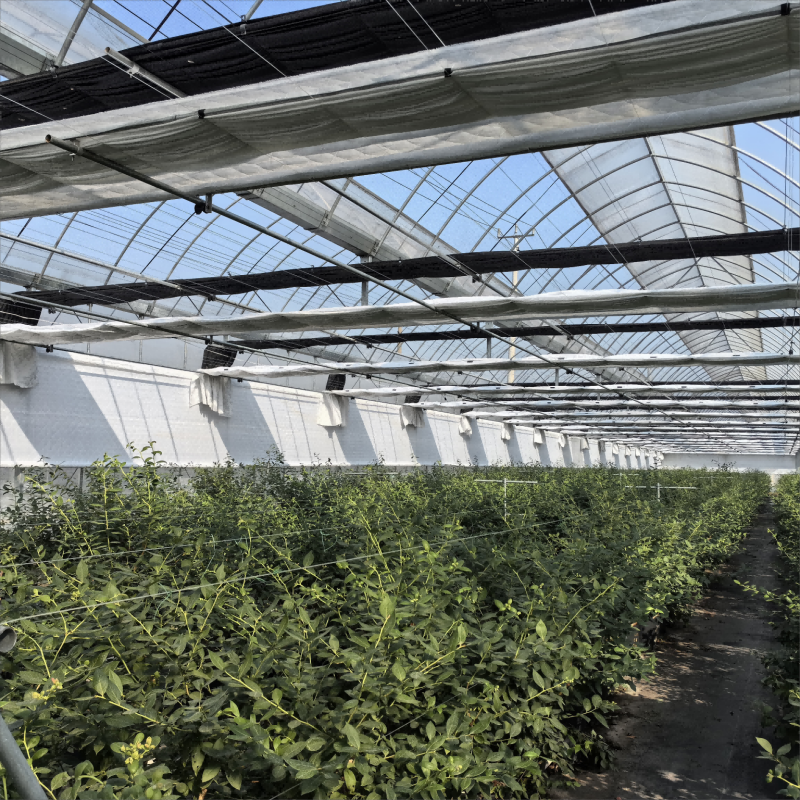
The climate control technology integrated into chinese greenhouse systems represents the pinnacle of agricultural engineering, providing unprecedented precision in environmental management. This sophisticated system combines multiple sensors, automated controls, and intelligent software to maintain optimal growing conditions 24 hours a day, 365 days a year. Temperature regulation utilizes a multi-zone approach where different sections of the greenhouse can maintain distinct climate profiles based on specific crop requirements. The system employs thermal sensors positioned throughout the structure to monitor temperature variations and automatically adjust heating or cooling systems to maintain desired levels within one degree of target temperatures. Humidity control mechanisms include automated misting systems, dehumidifiers, and ventilation fans that work in coordination to prevent moisture-related diseases while ensuring plants receive adequate atmospheric moisture for optimal growth. The ventilation system features motorized roof vents, side louvers, and exhaust fans that create optimal air circulation patterns, preventing stagnant air pockets that can harbor diseases and ensuring consistent carbon dioxide distribution throughout the growing space. Light management capabilities include automated shade cloth systems that deploy during excessive sunlight periods and supplemental LED lighting systems that activate during low-light conditions or extend daylight hours during winter months. The integration of weather monitoring stations allows the system to anticipate external weather changes and proactively adjust internal conditions to maintain stability. Smart irrigation controls work seamlessly with climate systems to adjust watering schedules based on temperature, humidity, and plant growth stages. The computerized monitoring interface provides real-time data visualization, historical trend analysis, and remote access capabilities that enable growers to manage their operations from anywhere in the world. Alert systems notify operators of any deviations from optimal parameters, ensuring immediate response to potential issues before they impact crop health. Energy optimization algorithms continuously analyze system performance and adjust operations to minimize energy consumption while maintaining ideal growing conditions. This advanced climate control technology transforms traditional farming from a weather-dependent gamble into a predictable, controllable business operation that delivers consistent results regardless of external environmental challenges.
Modular Construction Design

Modular Construction Design

The modular construction design philosophy behind chinese greenhouse systems revolutionizes how agricultural facilities are planned, built, and expanded over time. This innovative approach breaks down the traditional greenhouse structure into standardized, interconnectable components that offer unprecedented flexibility and scalability for growing operations. Each module represents a complete growing unit with its own structural framework, climate systems, and growing infrastructure that can function independently or integrate seamlessly with additional modules. The standardization of components significantly reduces construction costs and timeframes compared to custom-built greenhouse structures. Manufacturers can produce modules in controlled factory environments, ensuring consistent quality, precise tolerances, and reduced material waste. This mass production approach translates into substantial cost savings that are passed on to customers while maintaining superior build quality. The modular system enables phased expansion strategies that allow growers to start with smaller investments and gradually increase their production capacity as their businesses grow. This scalability removes the financial barriers that traditionally prevent small and medium-sized operators from entering protected agriculture markets. Additional modules can be added without disrupting existing operations, ensuring continuous production during expansion phases. Transportation and installation advantages include reduced shipping costs due to optimized packaging, simplified logistics coordination, and faster on-site assembly times. The standardized connection systems ensure that modules align perfectly and integrate all mechanical, electrical, and irrigation systems automatically during assembly. Site preparation requirements are minimized due to standardized foundation specifications and modular weight distribution systems. Maintenance and repair benefits include interchangeable parts across all modules, simplified troubleshooting procedures, and the ability to isolate individual modules for service without affecting the entire operation. Component replacement becomes straightforward since all modules utilize identical systems and parts inventories can be minimized. Customization options remain extensive despite standardization, with modules available in various sizes, heights, and configurations to accommodate different crops, terrain conditions, and operational preferences. Climate control systems can be configured independently for each module or integrated across multiple units depending on crop requirements and operational strategies. The modular approach also facilitates technology upgrades, allowing operators to retrofit individual modules with new equipment or systems without requiring complete facility overhauls, ensuring long-term adaptability and technology currency.
Sustainable Resource Management

Sustainable Resource Management

Sustainable resource management represents the cornerstone of chinese greenhouse technology, embodying comprehensive systems designed to minimize environmental impact while maximizing agricultural productivity and operational efficiency. This holistic approach integrates water conservation, energy optimization, waste reduction, and soil health preservation into a cohesive management strategy that benefits both agricultural operations and environmental stewardship. Water management systems utilize closed-loop recycling technology that captures, filters, and reuses all water within the greenhouse ecosystem. Precipitation collection systems harvest rainwater from greenhouse roofs and surrounding surfaces, storing it in integrated reservoirs for irrigation use during dry periods. Advanced filtration systems remove impurities and pathogens from recycled water, ensuring plant health while maximizing water utilization efficiency. Nutrient recovery systems capture and process plant drainage, extracting valuable minerals and nutrients for reuse in hydroponic solutions, eliminating waste while reducing fertilizer costs. Precision irrigation technology delivers water directly to plant root zones through drip irrigation, micro-sprinklers, or hydroponic systems that minimize evaporation and runoff while ensuring optimal plant hydration. Soil moisture sensors provide real-time feedback to automated irrigation controllers, preventing overwatering and underwatering while maintaining ideal soil conditions for plant growth. Energy sustainability initiatives include solar panel integration, thermal mass systems, and waste heat recovery mechanisms that reduce dependence on external energy sources. Solar collectors harvest renewable energy during daylight hours, storing excess power in battery systems for use during nighttime operations or cloudy weather periods. Thermal mass systems utilize concrete floors, water barrels, or specialized materials that absorb heat during warm periods and release it during cooler times, naturally regulating greenhouse temperatures and reducing heating costs. Waste heat recovery systems capture warm air from equipment operations and redirect it to heating systems or thermal storage units, maximizing energy utilization efficiency. Organic waste management transforms plant trimmings, expired crops, and organic matter into valuable compost through controlled decomposition processes. This compost production reduces waste disposal costs while creating nutrient-rich soil amendments that enhance plant growth and soil health. Integrated pest management strategies utilize beneficial insects, companion planting, and biological controls that eliminate the need for chemical pesticides while maintaining effective pest control. Carbon footprint reduction results from local food production that eliminates transportation emissions, reduced packaging requirements, and decreased chemical inputs compared to conventional agricultural methods.

Get a Free Quote

Our representative will contact you soon.
Email
Tel or Whatsapp
Name
Company Name
Message
0/1000