Təhlükəsiz Resurs İdarəetməsi
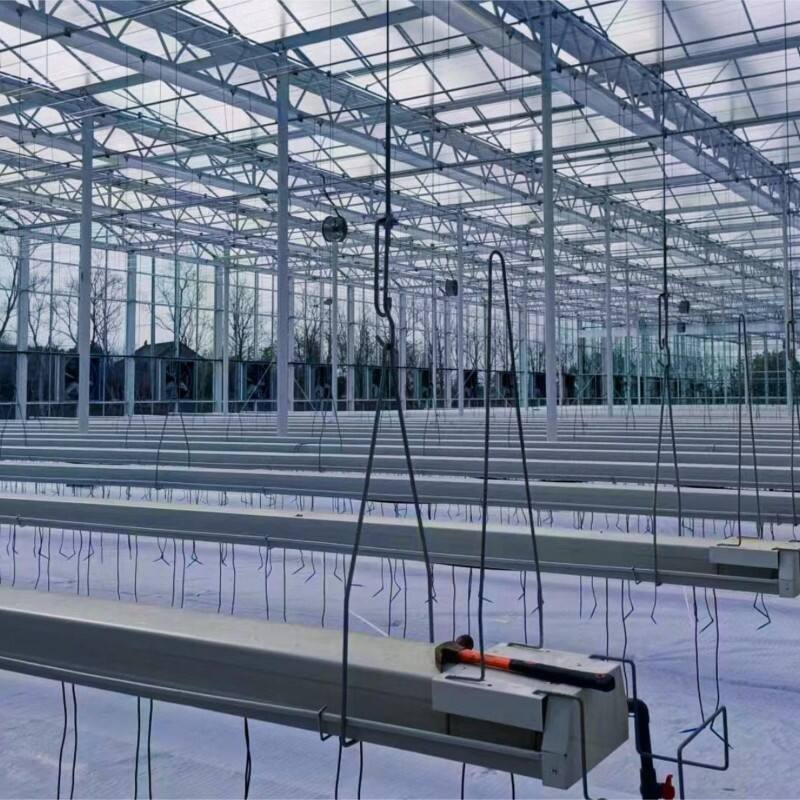
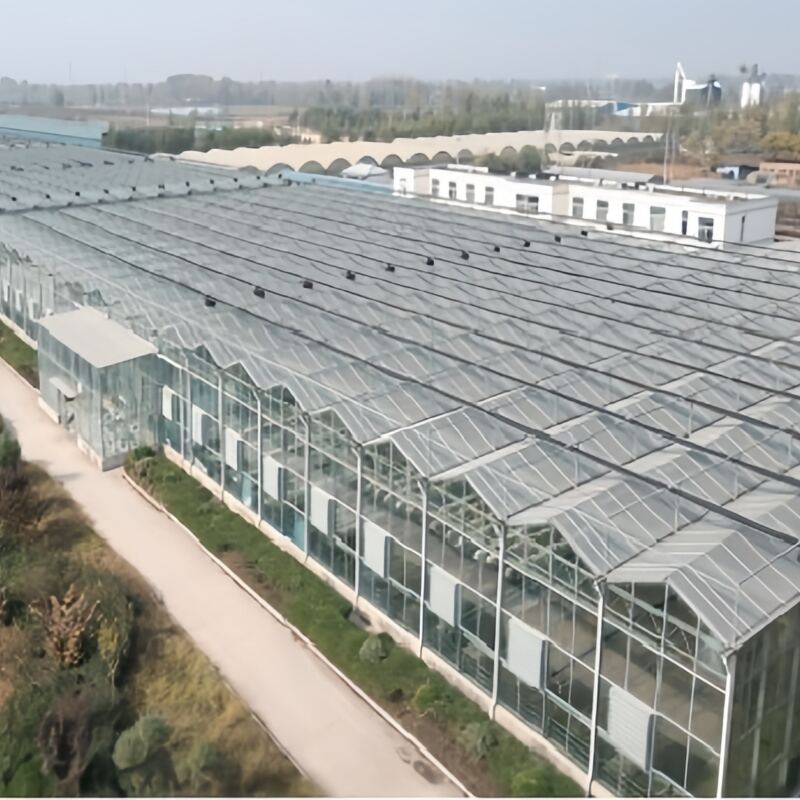
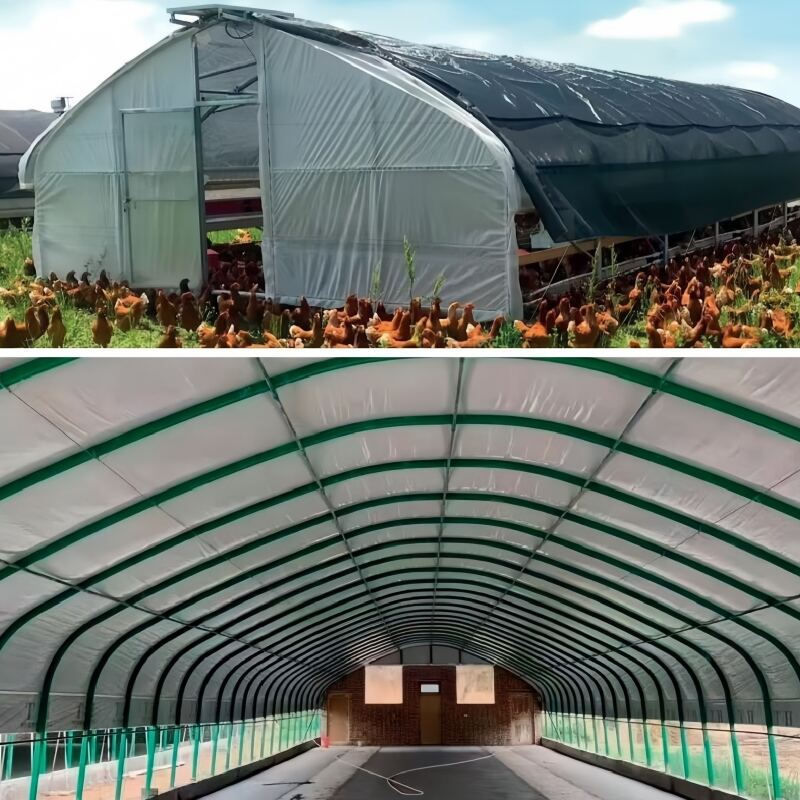
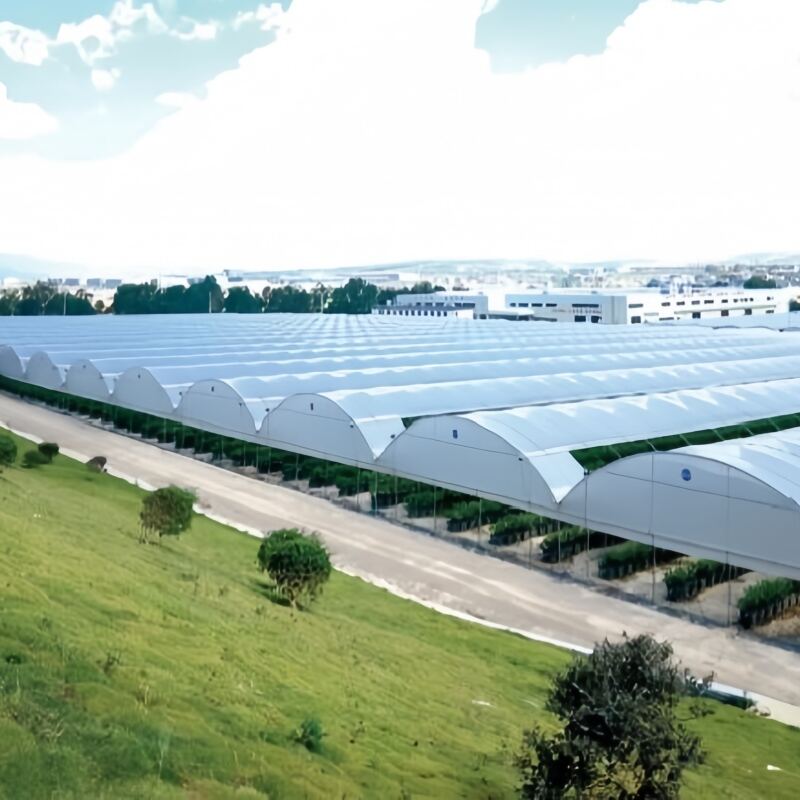
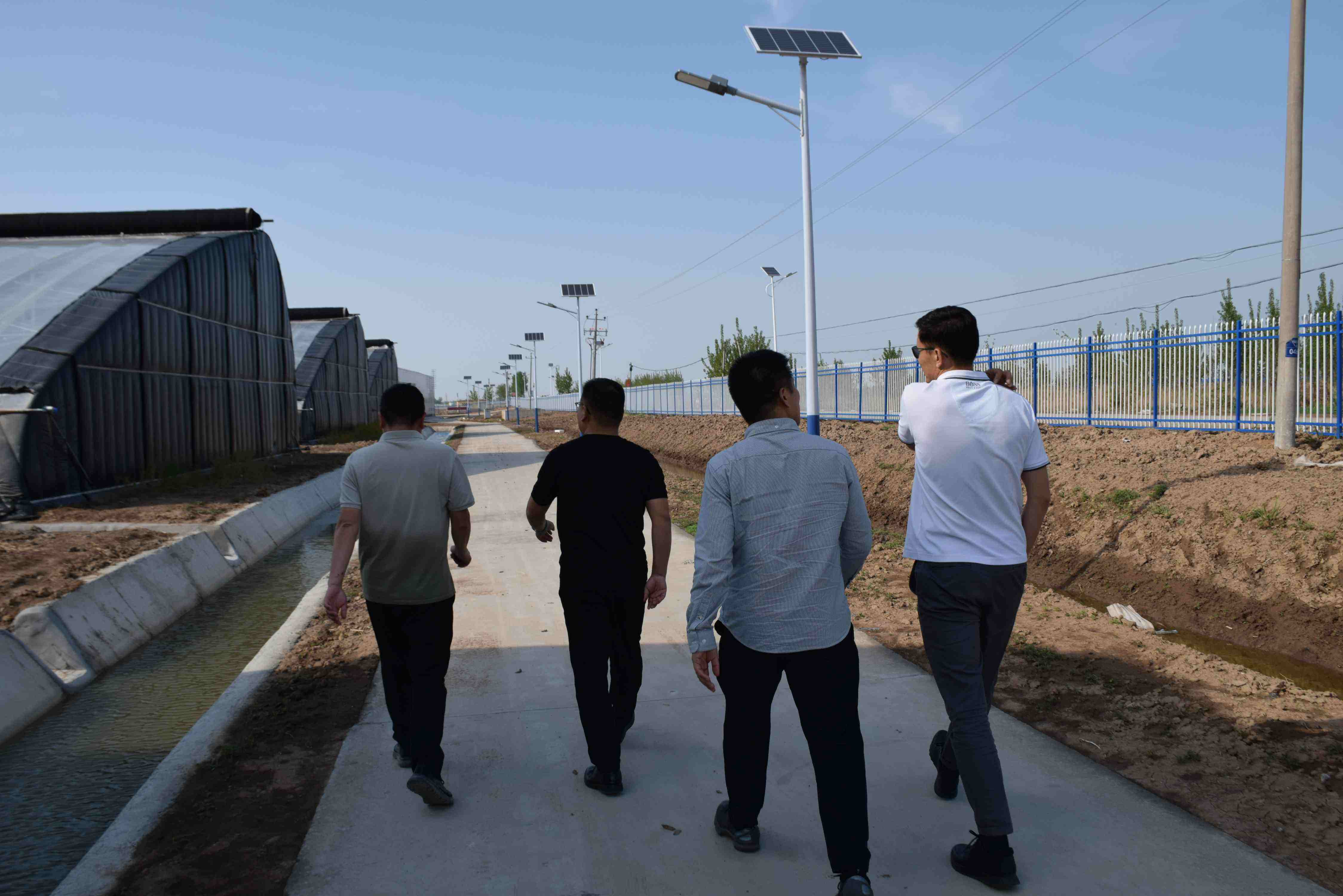
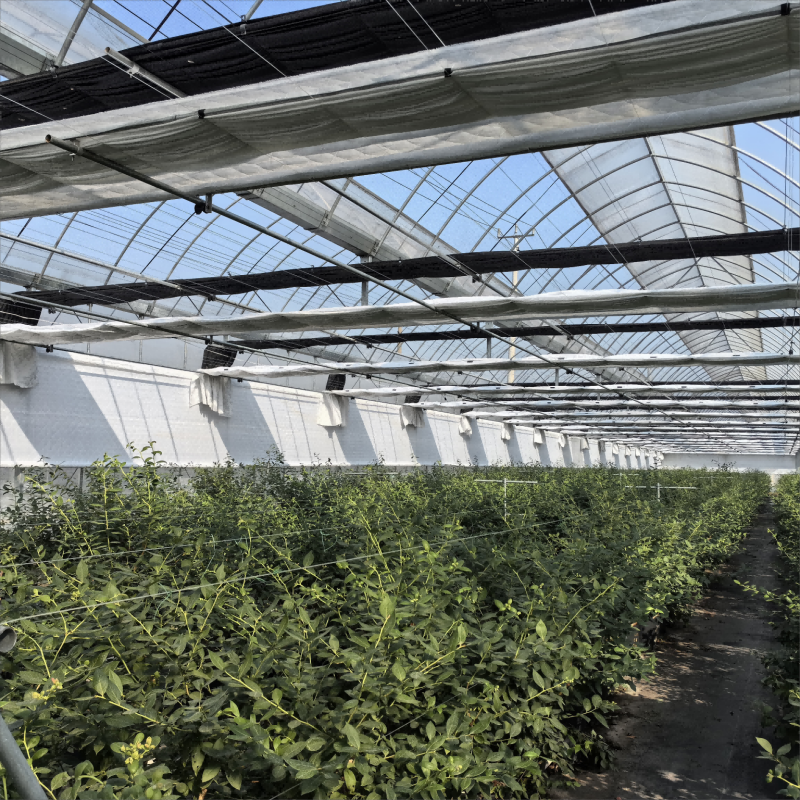
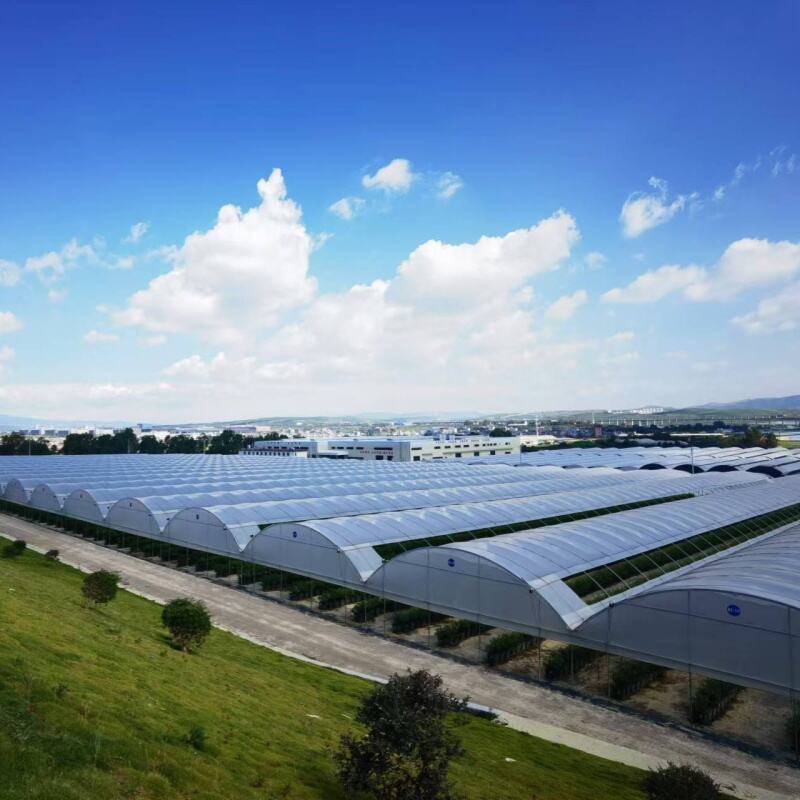
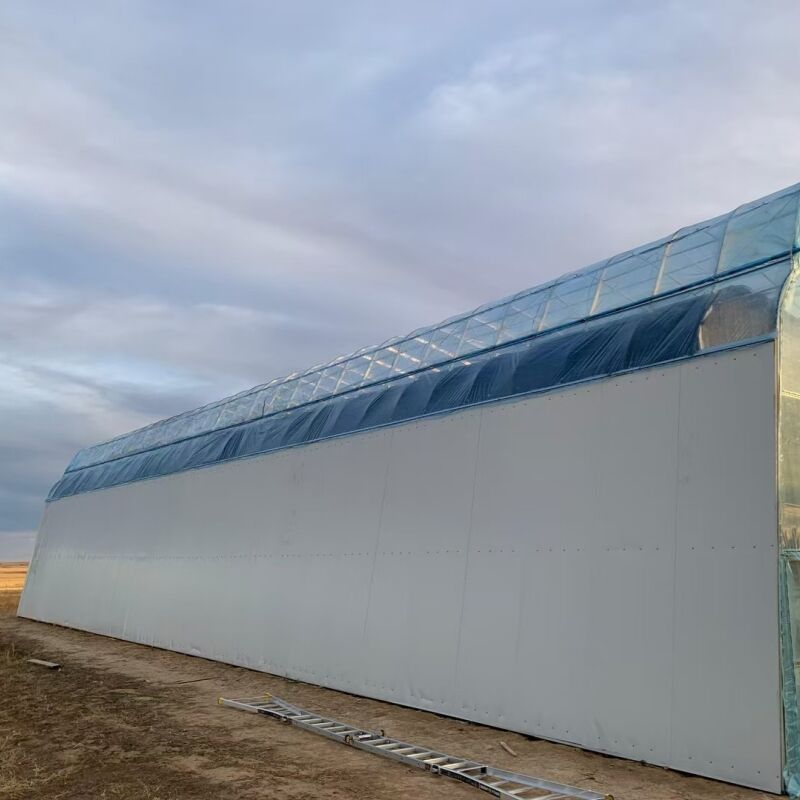
Sürdürülebilən resurs idarə edilməsi, ətraf mühitə təsirin azaldılması ilə kənd təsərrüfatı məhsuldarlığının və əməliyyat səmərəliliyinin artırılmasının birləşdirildiyi kompleks sistemləri əks etdirən Çin istixanalarının texnologiyasının əsasını təşkil edir. Bu bütövlükçü yanaşma su qorunması, enerji optimallaşdırılması, tullantıların azaldılması və torpaq sağlamlığının qorunması sahələrini kənd təsərrüfatı fəaliyyətlərinə və ətraf mühitin qorunmasına xidmət edən tamamilə uyğunlaşdırılmış bir idarəetmə strategiyasına birləşdirir. Su idarəetmə sistemləri istixana ekosisteminin daxilində bütün suyu toplayan, süzən və təkrar istifadə edən qapalı dövrü təkrar istifadə texnologiyasından istifadə edir. Yağıntı toplama sistemləri istixana damlarından və ətrafdakı səthlərdən yağış suyunu toplayaraq quruluş dövründə sulama üçün inteqrasiya olunmuş rezervuarlarda saxlayır. İnkişaf etmiş süzgəc sistemləri təkrar istifadə olunan sudan çirkləri və patogenləri arıtdığı üçün bitkilərin sağlamlığını təmin edir və suyun istifadə səmərəliliyini maksimuma çatdırır. Qida maddələrinin bərpa edilməsi sistemləri bitki drainajını toplayaraq emal edir və dəyərli mineralları və qida maddələrini hidroponik məhlullarda təkrar istifadə üçün çıxarır; bu da tullantıların yaranmasını dayandırır və mineral gübrələrə olan xərcləri azaldır. Dəqiqlikli sulama texnologiyası damcı sulama, mikro-səpələyici və ya hidroponik sistemlər vasitəsilə suyu bitkilərin kök zonalarına birbaşa çatdırır ki, bu da buxarlanma və axın itkilərini minimuma endirərək bitkilərin optimal nəmlənməsini təmin edir. Torpaq nəmi sensorları avtomatlaşdırılmış sulama idarəetmə qurğularına real vaxt rejimində geri əlaqə verir və beləliklə, bitkilərin inkişafı üçün ideal torpaq şəraitinin saxlanması üçün suyun artıq və ya yetərsiz verilməsini qarşısını alır. Enerji sürdürülebilərliyi tədbirləri günəş panellərinin inteqrasiyasını, istilik kütləsi sistemlərini və tullantı istiliyinin bərpa edilməsi mexanizmlərini özündə birləşdirir ki, bu da xarici enerji mənbələrindən asılılığı azaldır. Günəş kollektorları gündüz saatlarında bərpa olunan enerjini toplayaraq əlavə enerjini akkumulyator sistemlərində saxlayır ki, bu da gecə və ya buludlu hava dövrlərində istifadə üçün lazımdır. İstilik kütləsi sistemləri istilən zaman istiliyi udan və soyuq zamanlar ərzində onu buraxan beton döşəmələr, su barrelləri və ya xüsusi materiallardan istifadə edir ki, bu da istixananın temperaturunu təbii şəkildə tənzimləyərək istilətmə xərclərini azaldır. Tullantı istiliyinin bərpa edilməsi sistemləri avadanlıqların işləməsi zamanı yaranan isti havanı tutub onu istilətmə sistemlərinə və ya istilik saxlama qurğularına yönəldir ki, enerjinin istifadə səmərəliliyi maksimuma çatdırılsın. Orqanik tullantıların idarə edilməsi bitki kəsilmələrini, son tarixi keçmiş məhsulları və digər orqanik maddələri nəzarət olunan parçalanma prosesləri vasitəsilə dəyərli kompost halına gətirir. Bu kompost istehsalı tullantıların atılması xərclərini azaldır və eyni zamanda bitkilərin inkişafını və torpaq sağlamlığını artırmağa kömək edən qida maddələri ilə zəngin torpaq əlavələri yaradır. İnteqrasiya olunmuş zərərvericilərin idarə edilməsi strategiyaları kimyəvi pestisidlərin istifadəsinə ehtiyac qalmadan effektiv zərərvericilərə qarşı mübarizə aparmaq üçün faydalı həşəratlardan, qonşu əkinlərdən və bioloji nəzarət üsullarından istifadə edir. Karbon izinin azaldılması yerli qida istehsalı sayəsində nəqliyyat emissiyalarının aradan qaldırılması, paketləmə tələblərinin azalması və konvensiya kənd təsərrüfatı üsullarına nisbətən kimyəvi girişlərin azaldılması nəticəsində əldə olunur.
 ×
×
 EN
EN