Efficacité maximale de l’espace et productivité
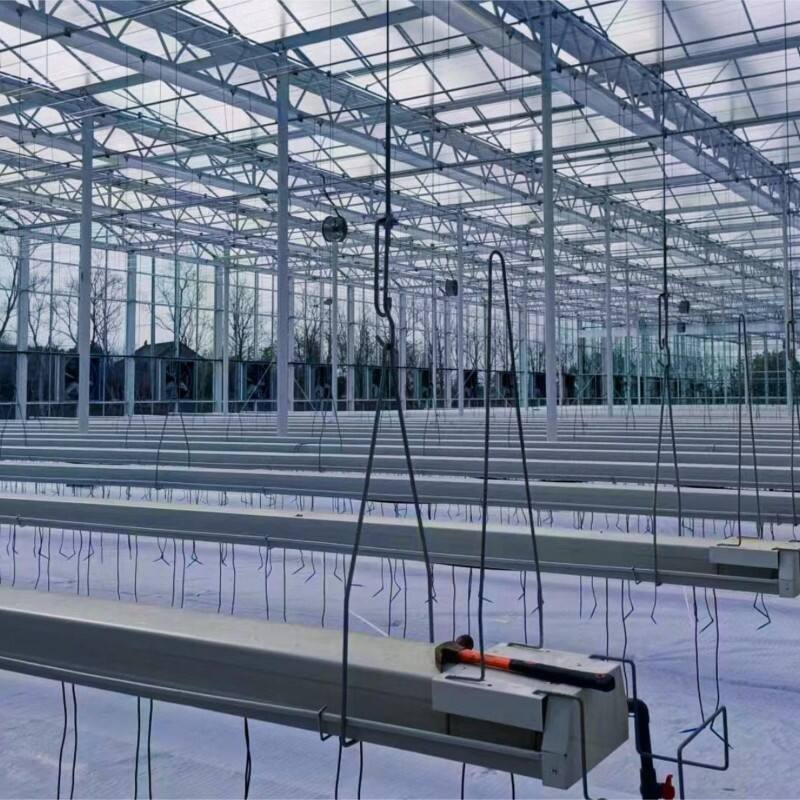
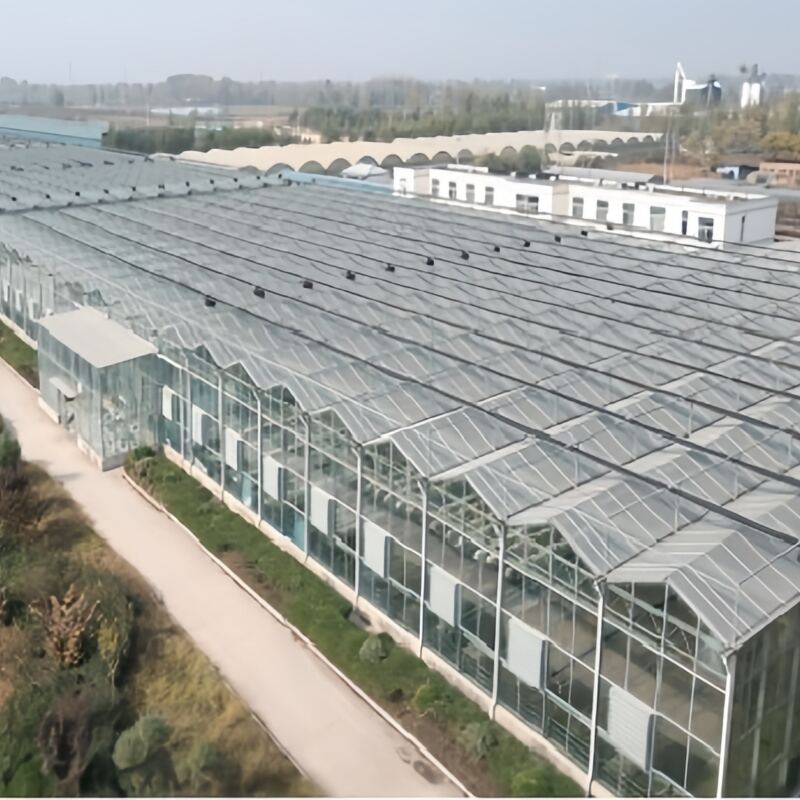
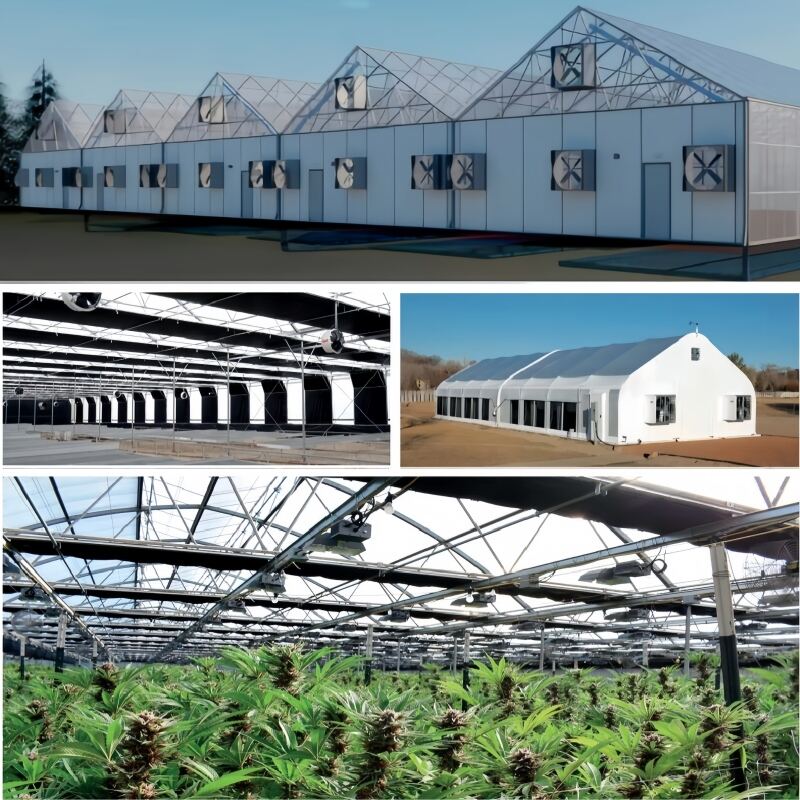
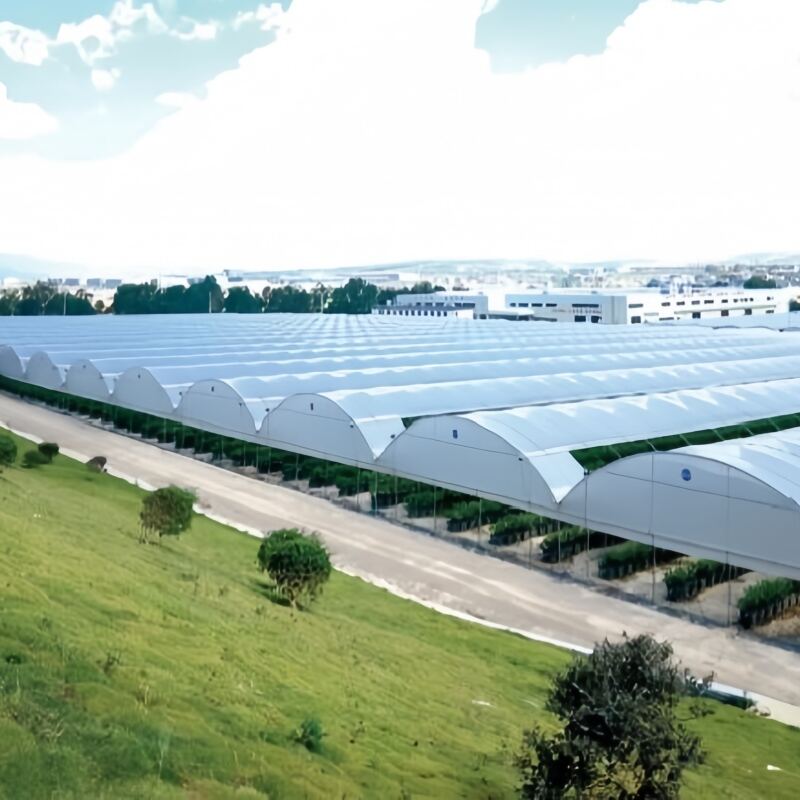
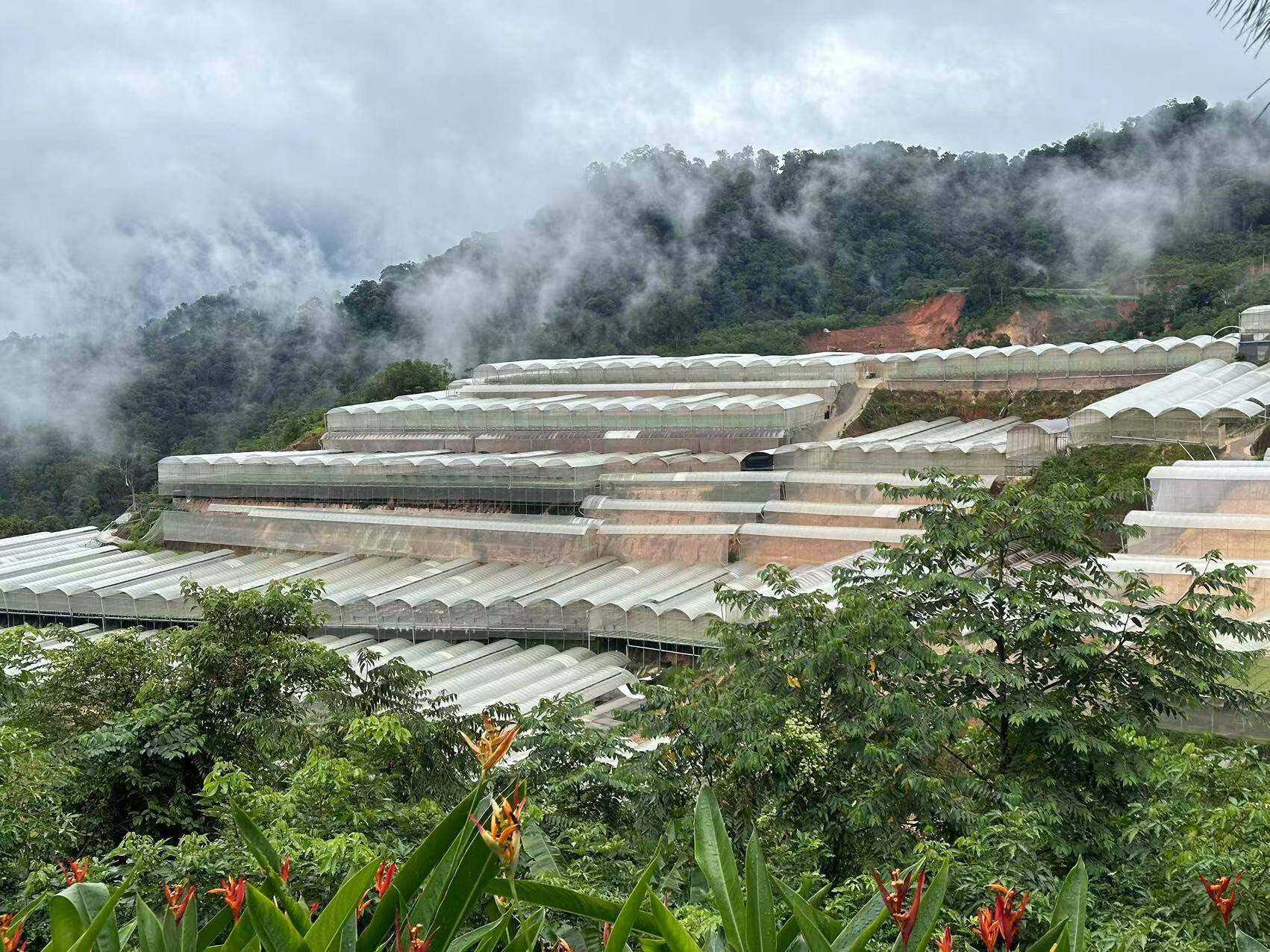
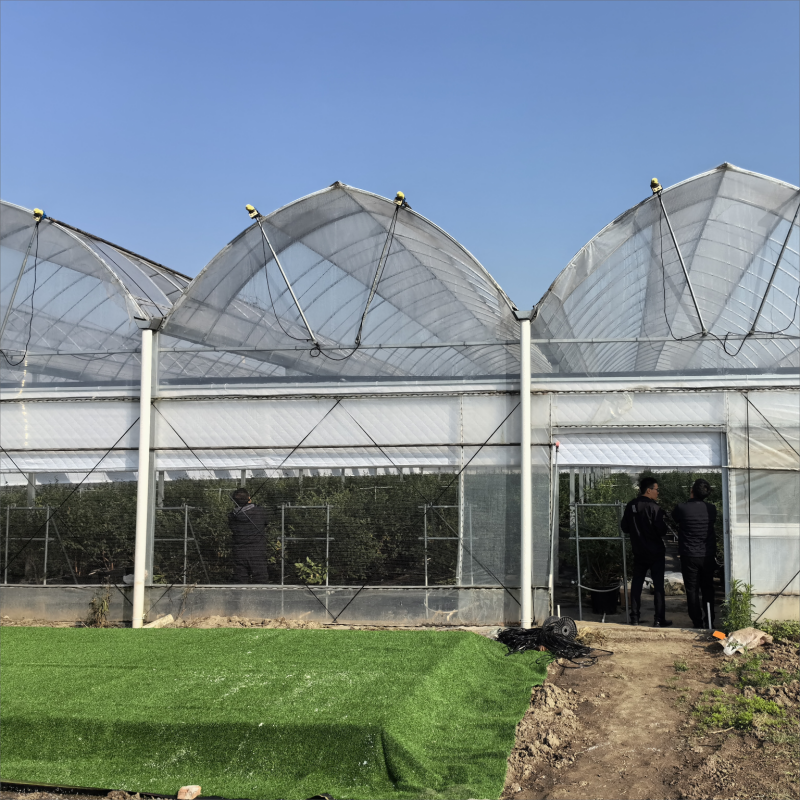
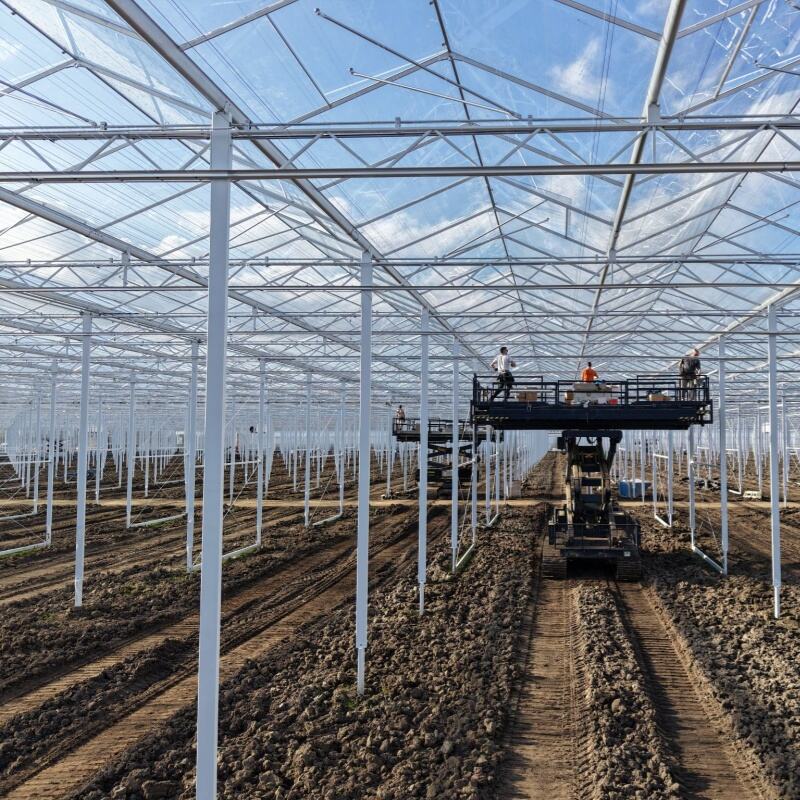
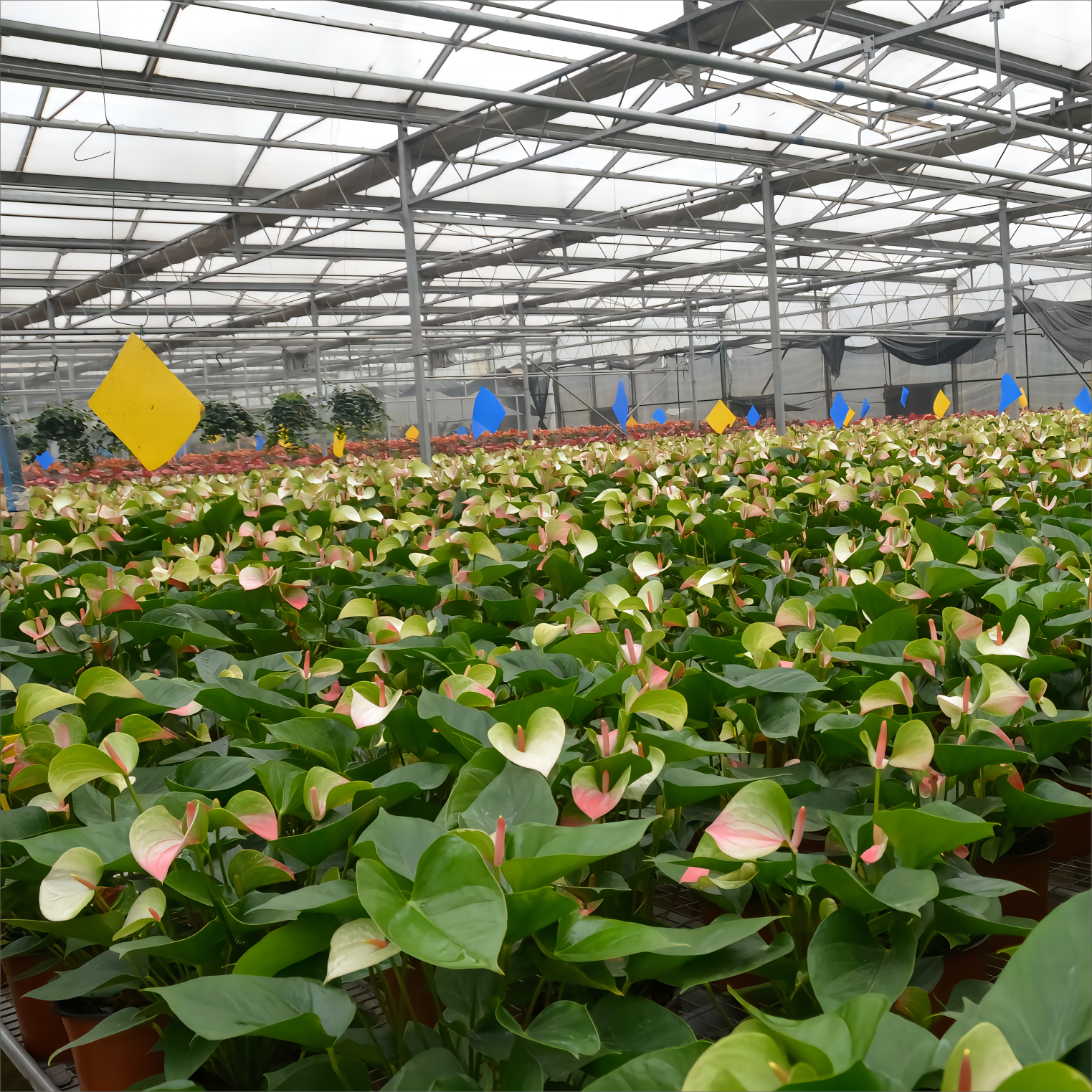
La conception de serre à plusieurs travées permet une utilisation exceptionnelle de l'espace en éliminant les redondances structurelles et en maximisant la surface productive dédiée à la culture au sein de l'emprise disponible. La configuration continue des travées réduit la surface totale des murs nécessaire par rapport à plusieurs structures séparées, créant davantage d'espace intérieur pour la production de cultures. Le dimensionnement structurel optimise l'espacement des poteaux et les systèmes de soutien afin de minimiser les obstacles dans la zone de culture tout en conservant la capacité portante requise. Des systèmes de culture verticale peuvent être mis en œuvre efficacement dans l’ensemble de l’installation, en exploitant l’espace aérien pour des paniers suspendus, des tours verticales ou des systèmes de culture multicouche qui multiplient la capacité de production. La conception ouverte du plan permet d’accueillir des équipements motorisés, notamment des machines automatisées de semis, des systèmes de repiquage et des équipements de récolte, ce qui augmente l’efficacité opérationnelle. L’espacement des allées peut être personnalisé afin d’assurer un équilibre entre les besoins d’accessibilité et une utilisation maximale des plates-bandes, garantissant ainsi une exploitation optimale de chaque mètre carré. L’agencement en serre à plusieurs travées soutient divers systèmes de culture, notamment des plates-bandes au sol, des bancs surélevés, des systèmes hydroponiques et des méthodes de culture en conteneurs, configurables selon les besoins spécifiques de chaque culture. L’optimisation des flux de travail devient possible grâce à un positionnement stratégique des zones de travail, des espaces de stockage et des zones dédiées aux équipements, ce qui réduit les temps de déplacement et les coûts de main-d’œuvre. La gestion des stocks s’améliore grâce à des emplacements dédiés aux fournitures, aux outils et aux produits récoltés, assurant une organisation rigoureuse sans sacrifier d’espace de culture. La conception de l’installation prévoit des possibilités d’extension en intégrant dès la conception une infrastructure technique (électricité, eau, climatisation, etc.) pouvant supporter l’ajout de nouvelles travées sans nécessiter de modifications majeures des systèmes existants. La planification de la production gagne en souplesse, car différentes zones de culture peuvent être consacrées simultanément à diverses variétés de cultures ou à des stades de croissance différents. Des zones dédiées à la gestion des ravageurs peuvent être aménagées afin d’isoler les zones de traitement si nécessaire, sans perturber l’ensemble des activités de l’installation. Cette conception efficace réduit les coûts de construction par mètre carré de surface cultivée, tout en maximisant le potentiel de revenus grâce à une capacité de production accrue et une flexibilité opérationnelle adaptée aux évolutions de la demande du marché et aux contraintes saisonnières.
 ×
×
 EN
EN