Multi Span Greenhouse Solutions: Advanced Climate Control for Year-Round Agricultural Production

Welcome To JYXD-greenhouse

Get a Free Quote

Our representative will contact you soon.
Email
Tel or Whatsapp
Name
Company Name
Message
0/1000

multi span greenhouse

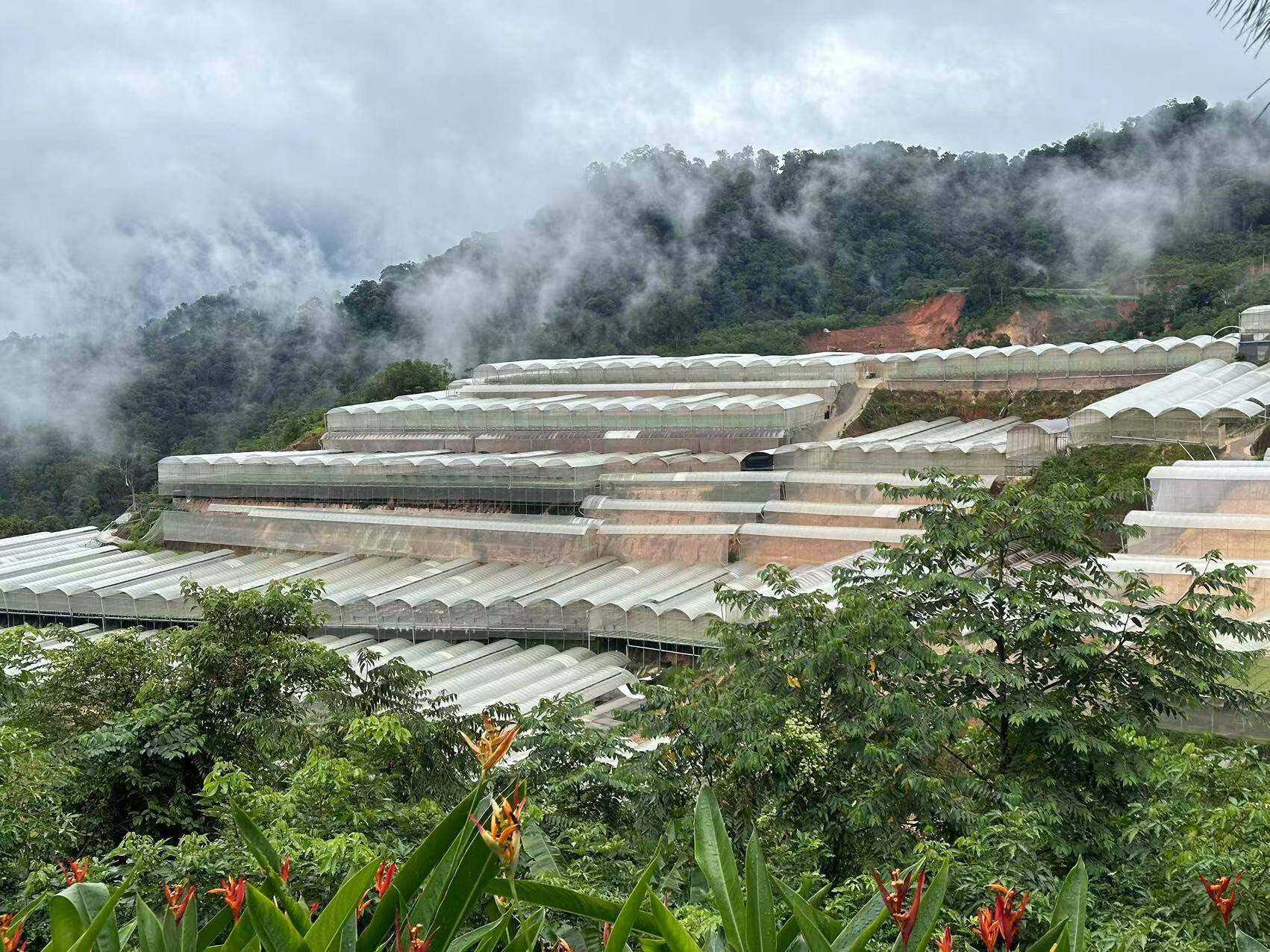
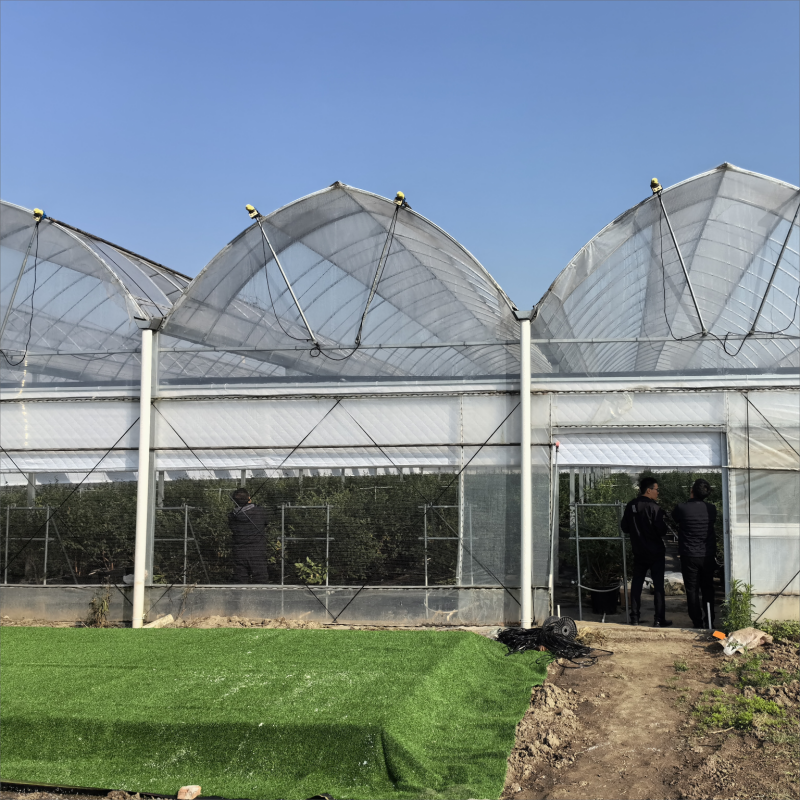
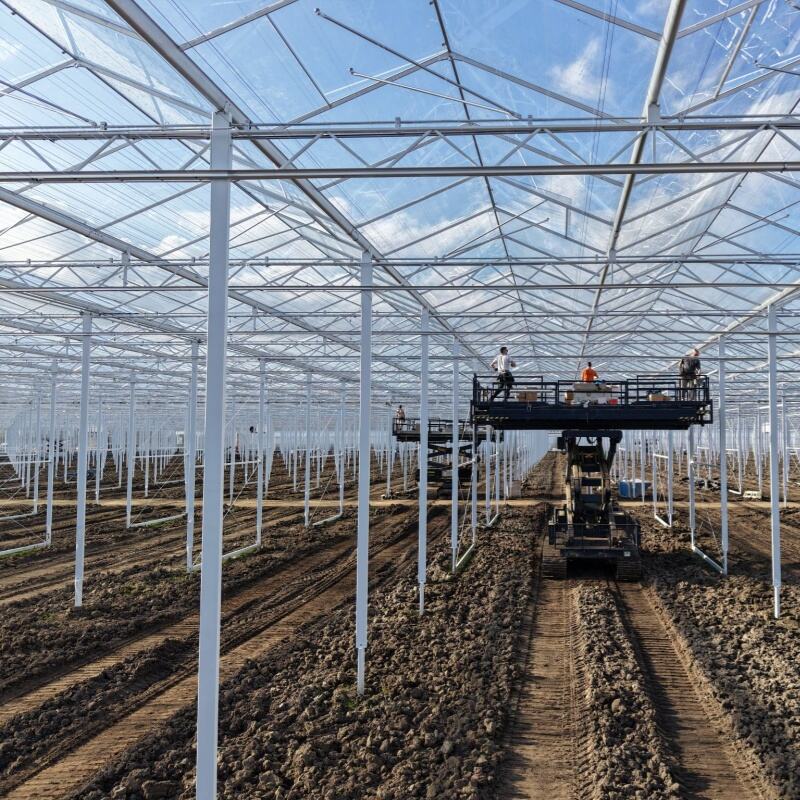
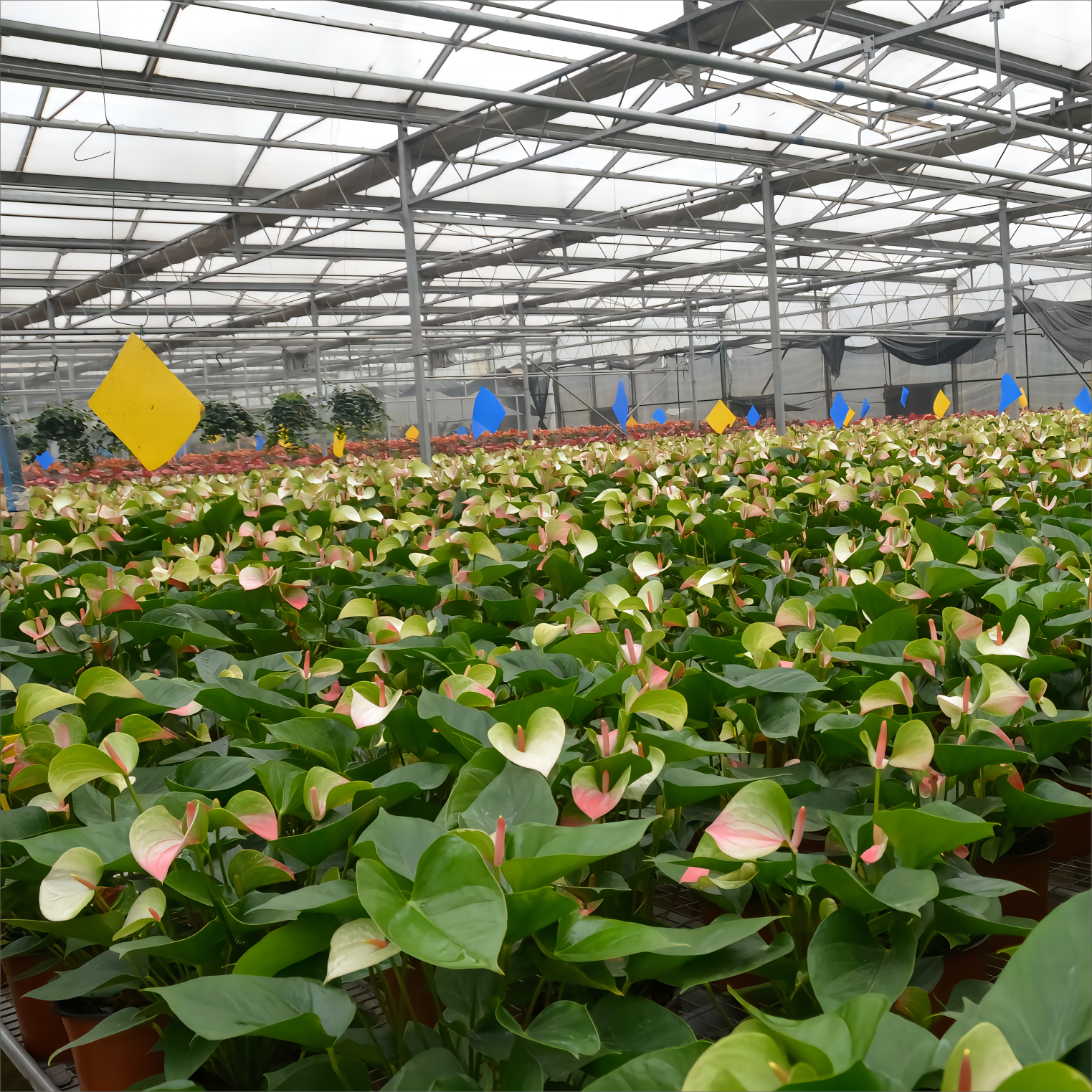
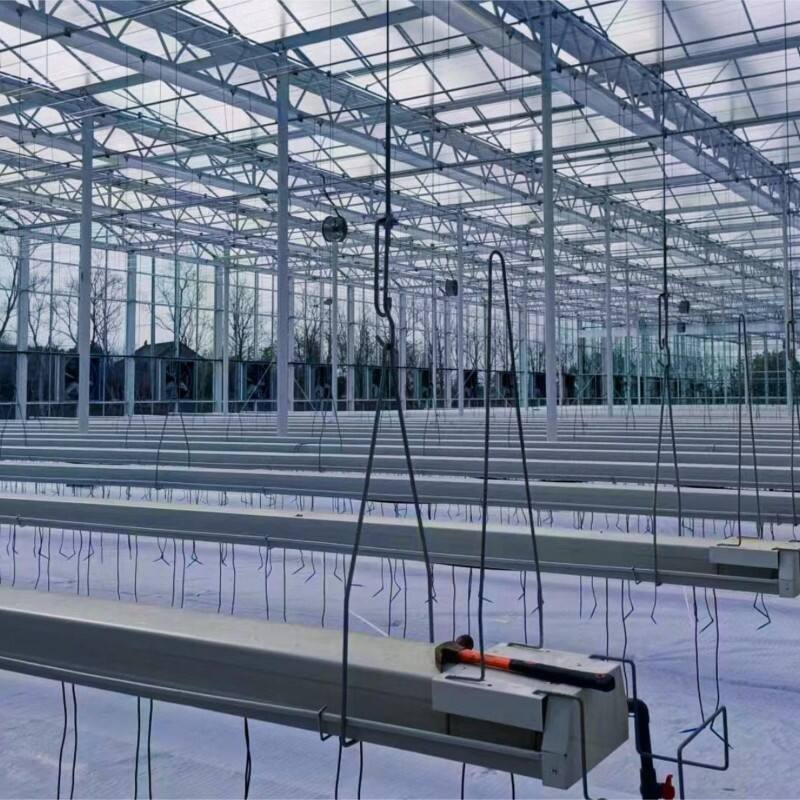
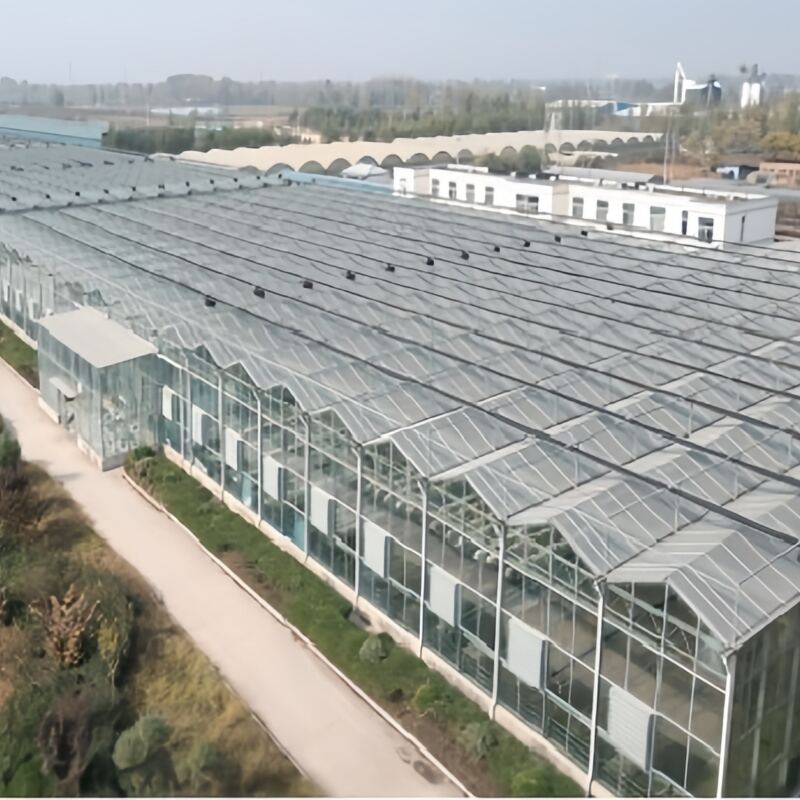
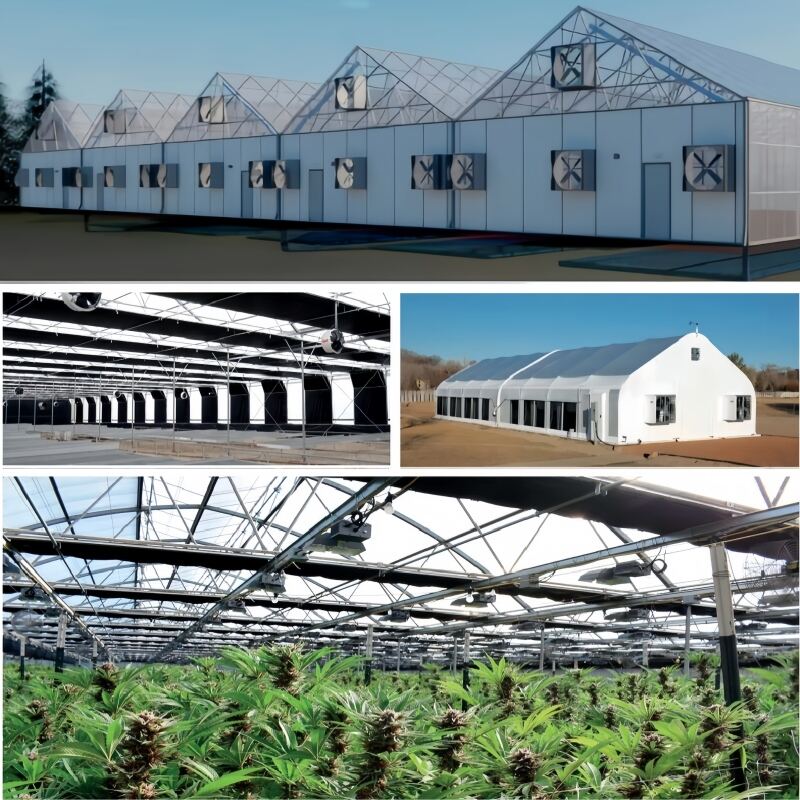
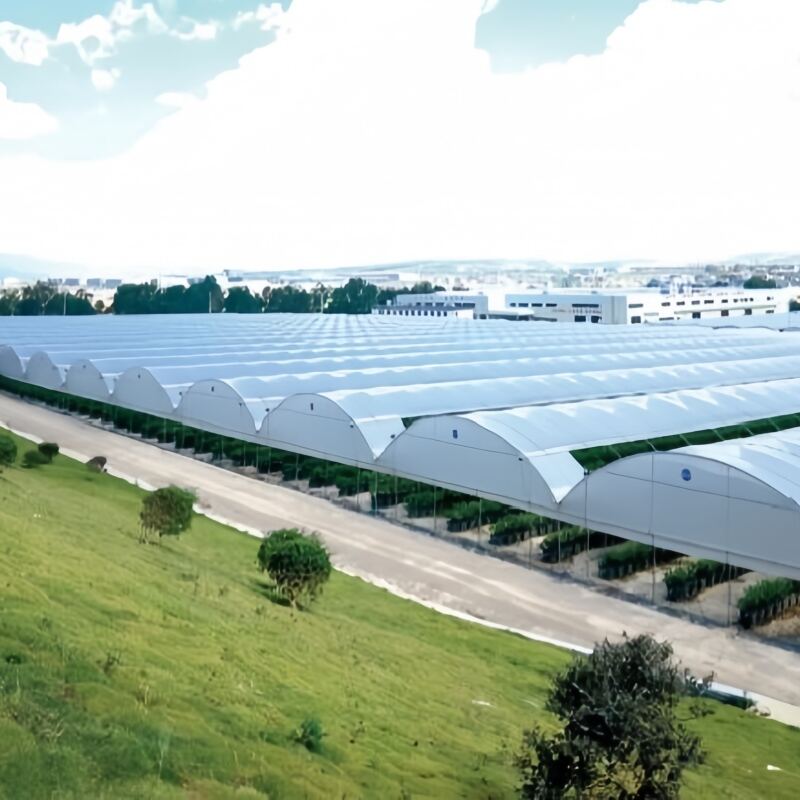
A multi span greenhouse represents a sophisticated agricultural structure consisting of multiple connected growing sections under a single continuous roof system. This innovative design creates expansive covered growing areas by linking several individual greenhouse units together, forming one cohesive facility. The multi span greenhouse configuration maximizes production capacity while maintaining efficient environmental control throughout the entire structure. Each span typically measures between 20 to 40 feet in width, and facilities can incorporate numerous spans depending on operational requirements and available land space. The structural framework utilizes high-strength materials including galvanized steel or aluminum components that provide exceptional durability and longevity. Advanced glazing systems feature polycarbonate panels, tempered glass, or specialized plastic films that optimize light transmission while maintaining thermal efficiency. Climate control systems integrate heating, cooling, and ventilation equipment that maintains precise temperature and humidity levels across all growing zones. Automated irrigation networks deliver water and nutrients directly to plant root systems through drip irrigation or hydroponic distribution methods. The multi span greenhouse design incorporates sophisticated monitoring systems that track environmental parameters including temperature, humidity, CO2 levels, and soil moisture content. These facilities support year-round cultivation of vegetables, flowers, herbs, and specialty crops regardless of external weather conditions. Modern multi span greenhouse installations often include computerized control systems that automatically adjust environmental parameters based on plant growth stages and seasonal requirements. The spacious interior layout facilitates mechanized operations including planting, harvesting, and crop maintenance activities. Structural engineering ensures snow loads, wind resistance, and seismic stability meet local building codes and agricultural standards. Energy-efficient designs incorporate thermal screens, heat recovery systems, and renewable energy integration to minimize operational costs while maximizing productivity and sustainability.

New Products

Multi span greenhouse facilities deliver substantial cost savings compared to constructing multiple individual greenhouse structures. The shared wall design eliminates duplicate construction materials and reduces overall building expenses significantly. Operational efficiency increases dramatically because workers can move seamlessly between growing areas without exposure to external weather conditions. This continuous workspace design streamlines daily maintenance tasks, plant monitoring, and harvesting operations throughout the entire facility. Climate control becomes more economical and effective when managing a single large environment rather than multiple separate units. Heating and cooling systems operate more efficiently across connected spaces, reducing energy consumption and utility costs substantially. The multi span greenhouse configuration provides superior crop protection from extreme weather events including hailstorms, high winds, and temperature fluctuations that could damage outdoor growing operations. Pest and disease management becomes more manageable within the controlled environment, reducing pesticide applications and crop losses significantly. Water usage optimization occurs through precision irrigation systems that deliver exact amounts of moisture and nutrients directly to plant root zones. Year-round production capabilities enable continuous harvesting cycles that maximize revenue generation and provide consistent product availability to markets. Space utilization reaches optimal levels as the design eliminates wasted areas between separate structures while maximizing growing surface area per square foot of land. Labor efficiency improves because workers can complete tasks across multiple growing zones without traveling between separate buildings or dealing with weather delays. Investment returns accelerate due to higher production volumes, reduced operational costs, and extended growing seasons that generate revenue throughout the year. Quality control standards improve within the stable environment where temperature, humidity, and lighting conditions remain consistent across all production areas. Scalability becomes straightforward as additional spans can be added to existing structures without major infrastructure modifications. Marketing advantages emerge from consistent product quality and reliable supply schedules that meet customer demands regardless of seasonal variations or weather disruptions.

Latest News

Forging a Powerful Alliance: Netafim and Juyou Xinda Unite to Reshape the Future of Smart Agriculture

28

Nov

Forging a Powerful Alliance: Netafim and Juyou Xinda Unite to Reshape the Future of Smart Agriculture

View More
Australian Greenhouse Company Visits Our Facilities to Explore New Collaboration on 50,000 Sq.m Strawberry Glass Greenhouse Project

28

Nov

Australian Greenhouse Company Visits Our Facilities to Explore New Collaboration on 50,000 Sq.m Strawberry Glass Greenhouse Project

View More
 Innovative Breakthrough: Our Company Successfully Delivers World's First Customized

28

Nov

Innovative Breakthrough: Our Company Successfully Delivers World's First Customized "Greenhouse for Fertilizer Drying" to Malaysian Client

View More

Get a Free Quote

Our representative will contact you soon.
Email
Tel or Whatsapp
Name
Company Name
Message
0/1000

multi span greenhouse

Advanced Climate Control Integration

Advanced Climate Control Integration

The multi span greenhouse excels in delivering precise environmental management through integrated climate control systems that maintain optimal growing conditions across expansive production areas. This sophisticated technology combines heating, cooling, ventilation, and humidity control equipment into a unified system that responds automatically to changing conditions. Temperature sensors positioned throughout each span continuously monitor ambient conditions and trigger appropriate responses from heating or cooling equipment. Ventilation systems include roof vents, side wall louvers, and exhaust fans that work together to maintain proper air circulation and prevent stagnant conditions that could promote disease development. Humidity control mechanisms integrate misting systems, dehumidifiers, and air circulation equipment that maintain ideal moisture levels for different crop varieties. The computerized control system processes data from multiple sensors and adjusts environmental parameters according to predetermined settings or real-time plant requirements. CO2 enrichment systems can be incorporated to boost photosynthesis rates and accelerate plant growth during peak production periods. Thermal screening systems deploy automatically during temperature extremes to conserve energy while protecting crops from excessive heat or cold exposure. Heat recovery systems capture waste heat from equipment operations and redirect this energy to reduce heating costs during colder months. The integrated approach ensures consistent environmental conditions across all growing areas, eliminating the microclimates that can develop in smaller facilities. Energy management systems monitor power consumption and optimize equipment operation schedules to minimize utility costs while maintaining ideal growing conditions. Backup systems provide redundancy for critical functions, ensuring crop protection even during equipment failures or power outages. Remote monitoring capabilities allow operators to track facility conditions and make adjustments from off-site locations through smartphone applications or computer interfaces. This comprehensive climate control integration results in healthier plants, faster growth rates, higher yields, and superior crop quality that commands premium market prices.
Maximized Space Efficiency and Productivity

Maximized Space Efficiency and Productivity

Multi span greenhouse design achieves exceptional space utilization by eliminating structural redundancies and maximizing productive growing area within the available footprint. The connected span configuration reduces the total wall surface area required compared to multiple separate structures, creating more interior space for crop production. Structural engineering optimizes column spacing and support systems to minimize obstructions within the growing area while maintaining necessary load-bearing capacity. Vertical growing systems can be implemented effectively throughout the facility, utilizing overhead space for hanging baskets, vertical towers, or multi-tier growing systems that multiply production capacity. The open floor plan design accommodates mechanized equipment including automated seeding machines, transplanting systems, and harvesting equipment that increase operational efficiency. Aisle spacing can be customized to balance accessibility requirements with maximum bed utilization, ensuring optimal use of every square foot. The multi span greenhouse layout supports diverse cropping systems including ground beds, raised benches, hydroponic systems, and container growing methods that can be configured according to specific crop requirements. Workflow optimization becomes possible through strategic placement of work areas, storage spaces, and equipment zones that minimize travel time and reduce labor costs. Inventory management improves with designated areas for supplies, tools, and harvested products that maintain organization without sacrificing growing space. The facility design accommodates expansion plans by incorporating utility infrastructure that can support additional spans without major system modifications. Production scheduling becomes more flexible as different growing zones can be dedicated to various crop varieties or growth stages simultaneously. Pest management zones can be established to isolate treatment areas when necessary without disrupting operations throughout the entire facility. The efficient design reduces construction costs per square foot of growing area while maximizing revenue potential through increased production capacity and operational flexibility that adapts to changing market demands and seasonal requirements.
Year-Round Production Capabilities

Year-Round Production Capabilities

The multi span greenhouse enables continuous crop production throughout all seasons by creating a controlled environment that remains independent of external weather conditions and seasonal limitations. This capability transforms agricultural operations from seasonal activities into year-round business enterprises that generate consistent revenue streams regardless of climate variations. Temperature control systems maintain optimal growing ranges even during extreme winter or summer conditions that would halt outdoor production completely. Supplemental lighting systems can extend daylight hours during shorter winter days or provide specific light spectrums that enhance plant growth and flowering processes. The protected environment eliminates frost damage, hail destruction, and wind damage that frequently destroy outdoor crops and result in significant financial losses. Pest pressure reduces dramatically within the enclosed system where beneficial insects can be introduced for biological control while excluding harmful outdoor pests. Disease prevention improves through environmental control that eliminates the wet conditions and temperature fluctuations that promote fungal and bacterial infections. Crop scheduling becomes predictable as growth rates remain consistent without weather-related delays or accelerated maturation periods. Multiple growing cycles can be completed annually with fast-growing crops like lettuce, herbs, and microgreens that mature in 30 to 60 days. Premium pricing opportunities emerge from off-season production when outdoor supplies are limited and market demand exceeds availability. Local market supply becomes reliable as consumers can depend on consistent product availability from nearby multi span greenhouse operations rather than distant suppliers. Specialty crop production becomes economically viable as controlled conditions support delicate varieties that require specific environmental parameters impossible to maintain outdoors. Water conservation occurs through recirculating systems and precise irrigation control that eliminates waste from weather-related disruptions. Labor scheduling improves with consistent work availability throughout the year rather than seasonal peaks and idle periods that characterize outdoor farming operations. Investment recovery accelerates through continuous production cycles that maximize facility utilization and generate returns during traditional off-seasons when outdoor agriculture remains dormant.

Get a Free Quote

Our representative will contact you soon.
Email
Tel or Whatsapp
Name
Company Name
Message
0/1000