 EN
EN
Q: How to Choose Greenhouse Covering Materials? (Detailed Guide)
A: There is no “best” greenhouse covering material—only the one that best fits your project. The right choice depends on climate conditions, crops, budget, and expected lifespan.
1. Main Types of Greenhouse Covering Materials
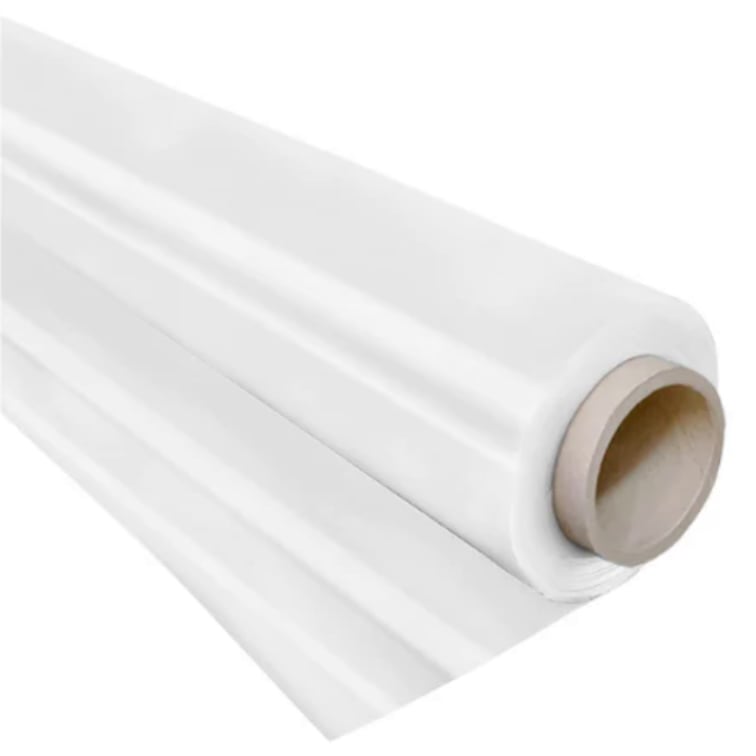
1️⃣ PE Film (Plastic Film Greenhouse)
✔ Features:
• Light transmission: 85%–90%
• Lifespan: 3–5 years (high-quality film can last longer)
• Cost: Low
✔ Advantages:
• Low initial investment, fast return
• Easy installation
• Suitable for large-scale projects
• Can use double-layer film for better insulation
✖ Disadvantages:
• Needs replacement after a few years
• Lower resistance to strong wind and heavy snow
👉 Best for:
• Vegetable crops (tomatoes, cucumbers, peppers)
• Entry-level or budget projects
• Warm or mild climates
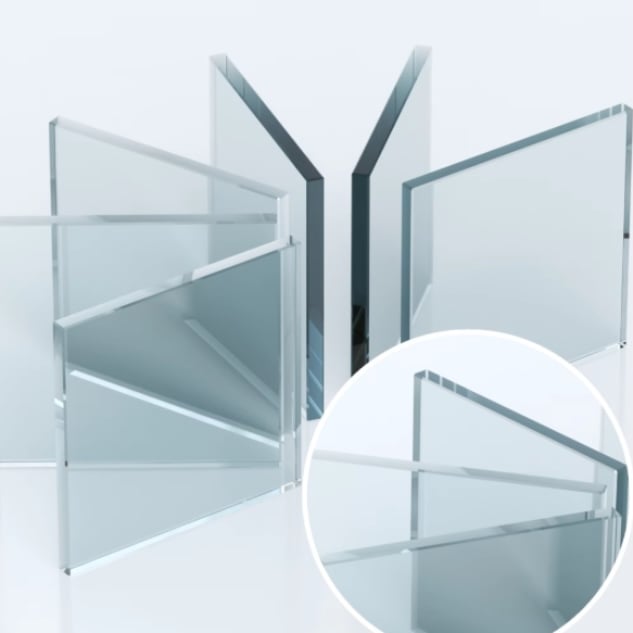
2️⃣ Polycarbonate Sheet (PC / Twin-wall Panel)
✔ Features:
• Light transmission: 80%–88%
• Lifespan: 8–10 years
• Cost: Medium
✔ Advantages:
• Excellent thermal insulation
• Strong impact resistance (hail, wind)
• Suitable for areas with large temperature differences
✖ Disadvantages:
• Higher cost than film
• May slightly yellow over time
👉 Best for:
• Cold regions or high-altitude areas
• Berries (strawberries, blueberries), flowers, nurseries
• Projects requiring stable growing conditions
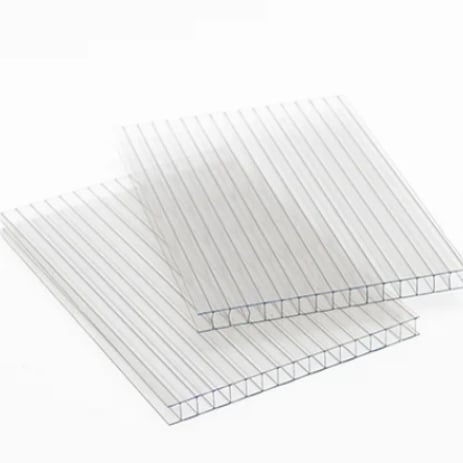
3️⃣ Glass Greenhouse
✔ Features:
• Light transmission: 90%+ (highest)
• Lifespan: 15–25 years
• Cost: High
✔ Advantages:
• Maximum light for higher yields
• Strong and durable structure
• Ideal for modern, automated greenhouses
• Attractive for agri-tourism
✖ Disadvantages:
• High initial investment
• More complex installation and maintenance
👉 Best for:
• High-value crops and export-oriented farming
• Smart/automated greenhouse projects
• Large-scale commercial agriculture
Copyright © 2026 Hebei Juyou Xinda Greenhouse Facilities Co.,Ltd. All rights reserved. — Privacy Policy
