Agricultural Polytunnel: Advanced Protected Growing Solutions for Modern Farming Operations

Welcome To JYXD-greenhouse

Get a Free Quote

Our representative will contact you soon.
Email
Tel or Whatsapp
Name
Company Name
Message
0/1000

agricultural polytunnel

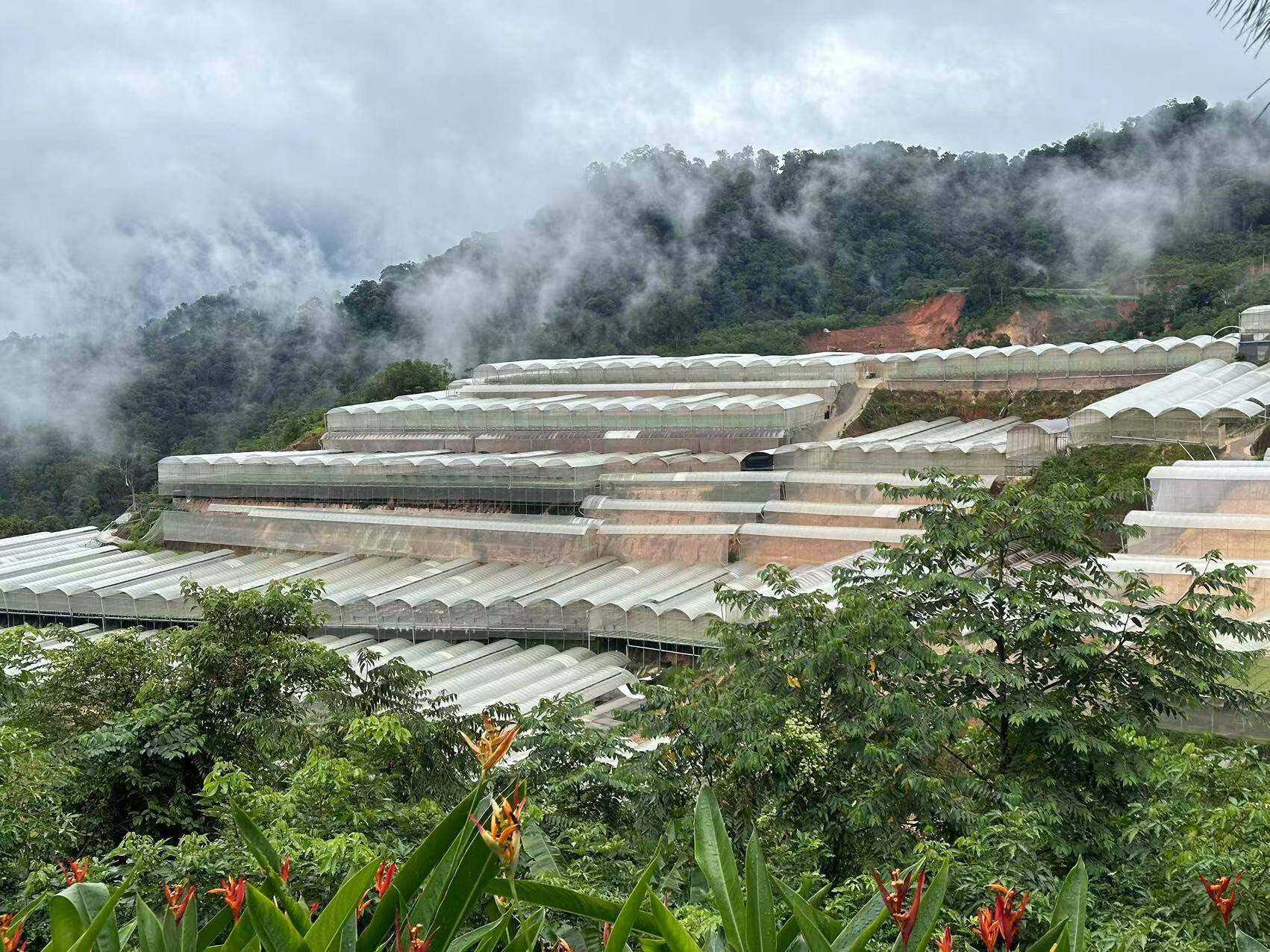
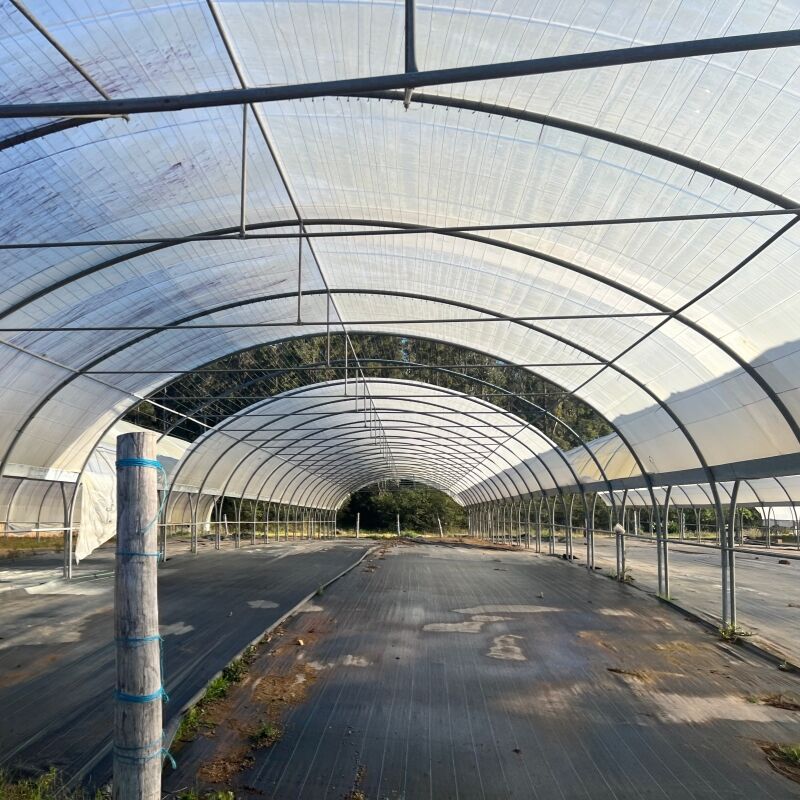
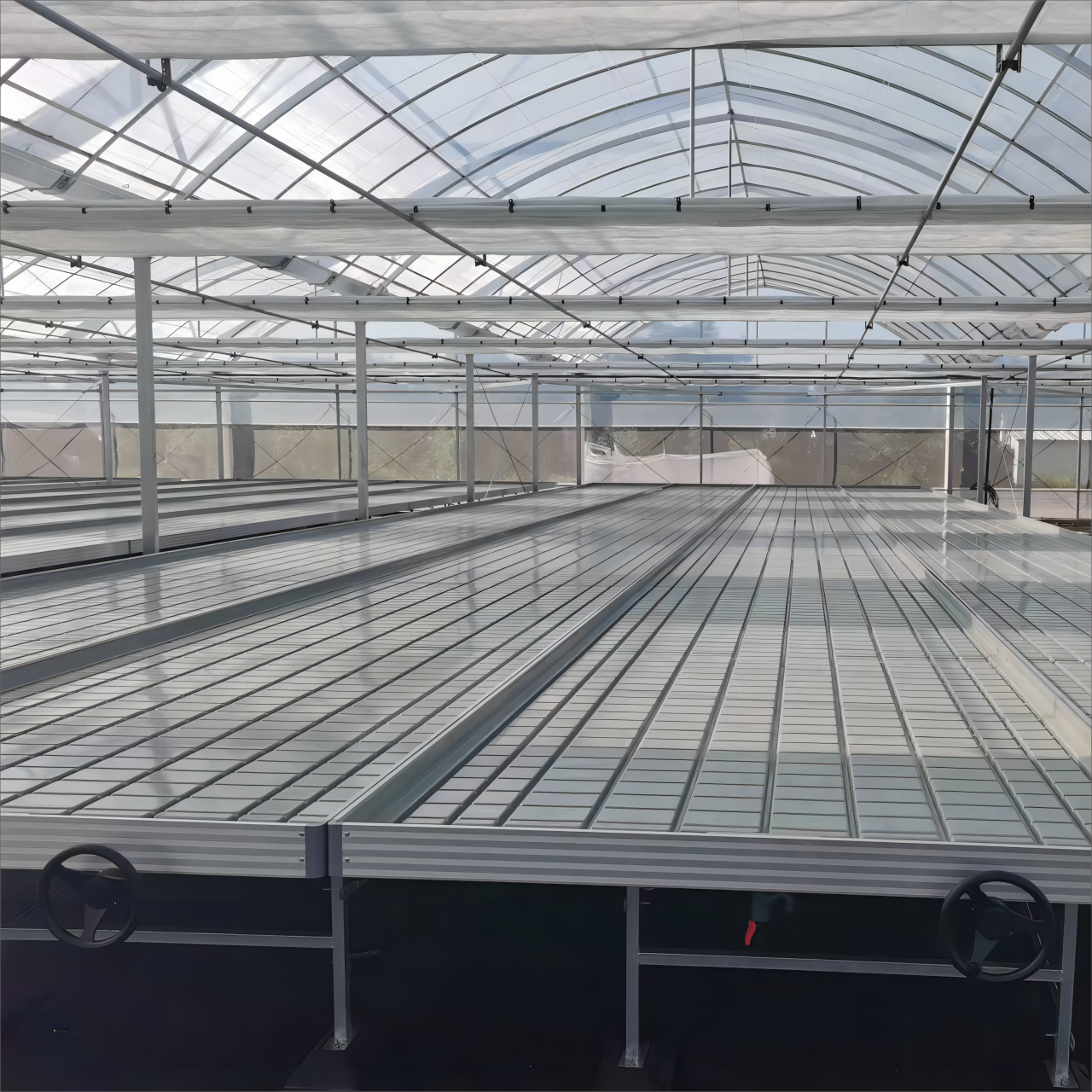
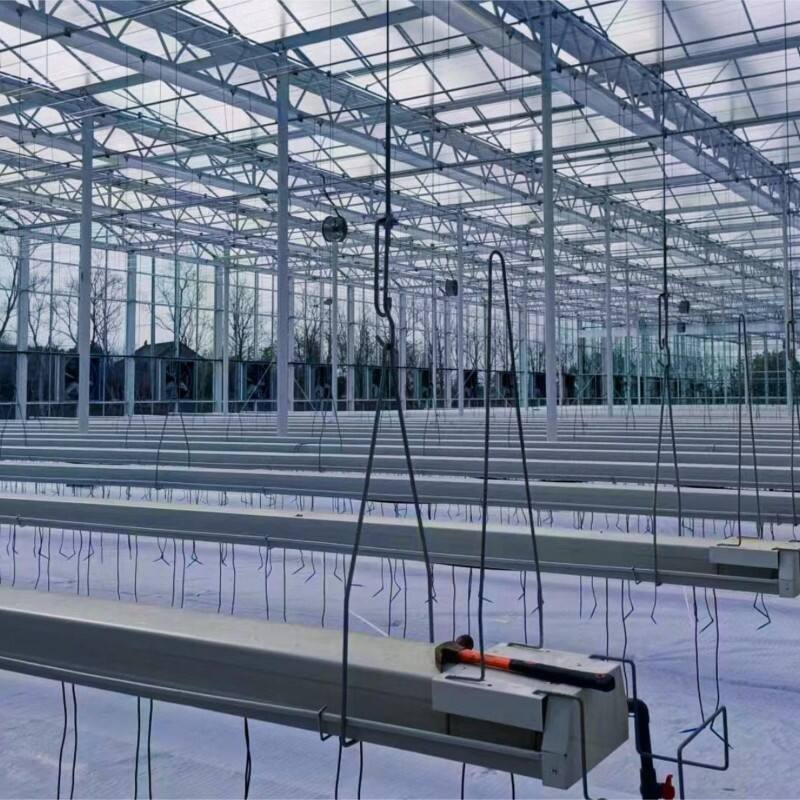
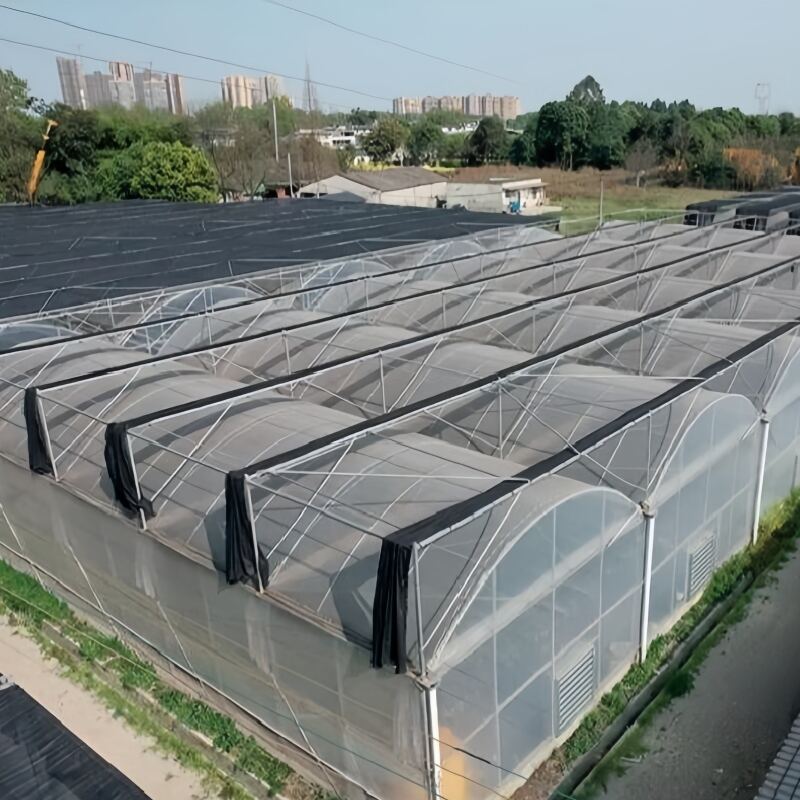
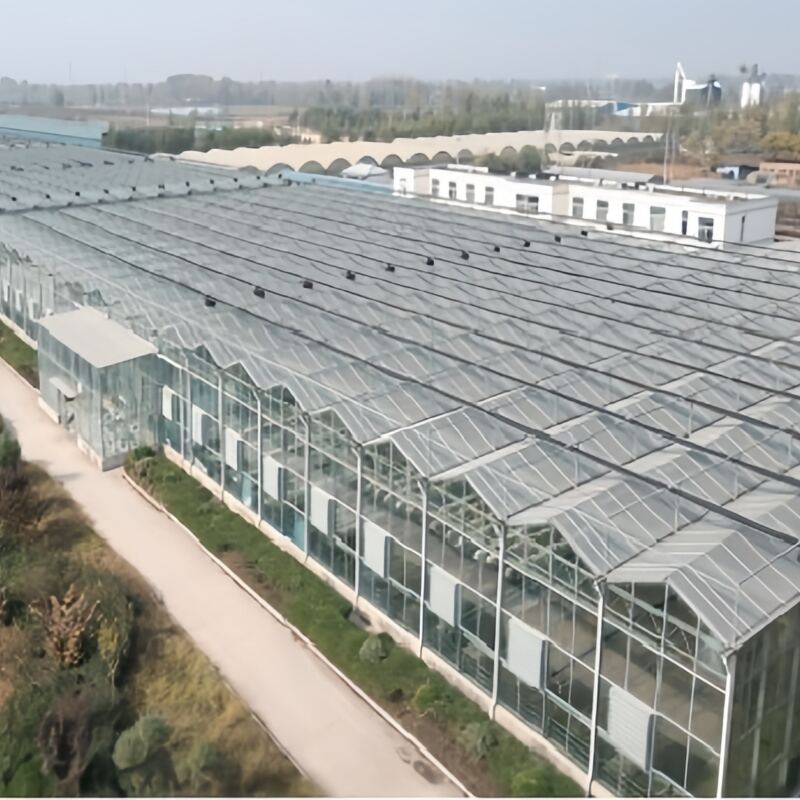
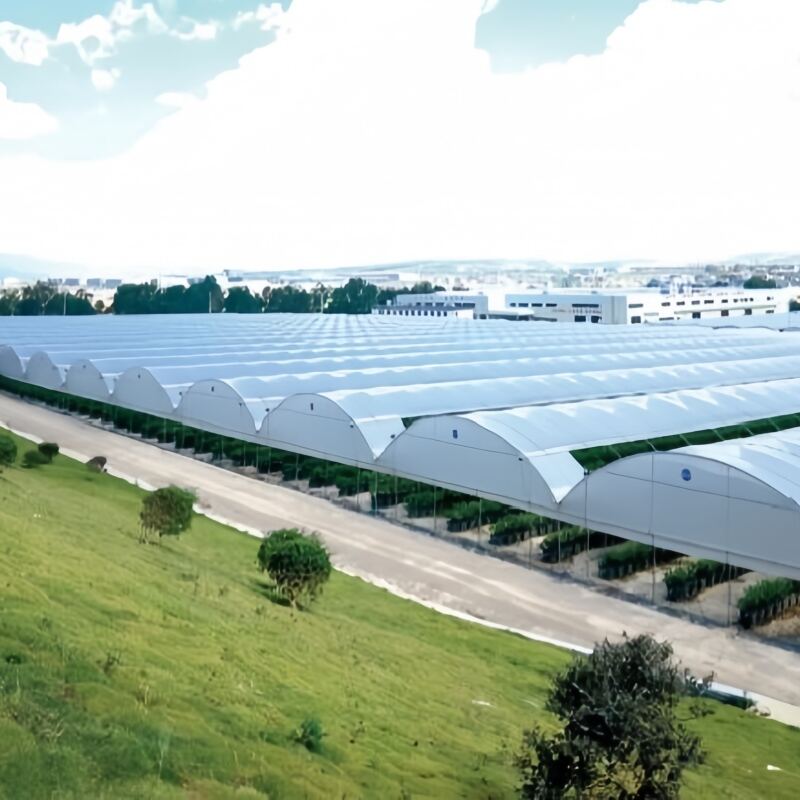
An agricultural polytunnel represents a revolutionary protective growing structure that transforms modern farming practices through its innovative design and practical functionality. This semi-circular or arched framework, typically constructed from galvanized steel or aluminum tubing, creates an enclosed environment covered with durable polyethylene plastic sheeting. The agricultural polytunnel serves as a controlled microclimate system that enables farmers to extend growing seasons, protect crops from adverse weather conditions, and maximize agricultural productivity throughout the year. The primary functions of an agricultural polytunnel include temperature regulation, humidity control, wind protection, and pest exclusion. By creating a barrier between crops and external environmental factors, these structures maintain optimal growing conditions that promote healthy plant development and increased yields. The technological features of modern agricultural polytunnels incorporate advanced ventilation systems, automatic irrigation networks, and climate monitoring equipment. Many models include roll-up side panels, exhaust fans, and louvre vents that facilitate proper air circulation and temperature management. The framework design ensures structural integrity while accommodating various crops ranging from vegetables and herbs to flowers and seedlings. Agricultural polytunnels find extensive applications across diverse farming operations, from small-scale market gardens to large commercial agricultural enterprises. Greenhouse vegetable production, nursery operations, organic farming systems, and specialty crop cultivation all benefit from polytunnel technology. These versatile structures adapt to different geographical locations and climate zones, making them suitable for year-round food production in regions with challenging weather patterns. The scalable nature of agricultural polytunnels allows farmers to customize dimensions, ventilation options, and additional features based on specific crop requirements and operational needs.

New Product Recommendations

Agricultural polytunnels deliver substantial economic benefits by extending growing seasons and enabling year-round crop production in climates where outdoor farming faces seasonal limitations. Farmers experience significantly higher crop yields compared to traditional open-field cultivation, as the controlled environment optimizes plant growth conditions and reduces crop losses from weather-related damage. The protective structure shields crops from hail, frost, excessive rain, and strong winds, ensuring consistent harvests and reliable income streams for agricultural businesses. Cost-effectiveness stands as a major advantage, with agricultural polytunnels requiring lower initial investment compared to traditional glass greenhouses while delivering comparable growing results. Maintenance costs remain minimal due to the durable polyethylene covering and robust framework construction, making these structures accessible to farmers with varying budget constraints. Energy efficiency surpasses conventional heated greenhouses since polytunnels utilize passive solar heating and natural ventilation systems, reducing operational expenses and environmental impact. Water conservation emerges as another critical benefit, as the enclosed environment minimizes evaporation and allows for precise irrigation management. Farmers can implement drip irrigation systems and monitor soil moisture levels more effectively, reducing water waste and ensuring optimal hydration for crops. The controlled environment also prevents soil erosion and nutrient leaching, preserving valuable topsoil and maintaining soil health over time. Pest and disease management becomes more manageable within agricultural polytunnels, as the enclosed structure creates barriers against flying insects, birds, and airborne pathogens. This natural protection reduces reliance on chemical pesticides and supports sustainable farming practices that appeal to environmentally conscious consumers. Quality control improves dramatically as crops develop in stable conditions without exposure to dust, pollution, or sudden temperature fluctuations that can affect appearance and nutritional value. Agricultural polytunnels enable farmers to meet market demands for consistent, high-quality produce regardless of external weather conditions, creating competitive advantages in local and regional markets.

Practical Tips

Forging a Powerful Alliance: Netafim and Juyou Xinda Unite to Reshape the Future of Smart Agriculture

28

Nov

Forging a Powerful Alliance: Netafim and Juyou Xinda Unite to Reshape the Future of Smart Agriculture

View More
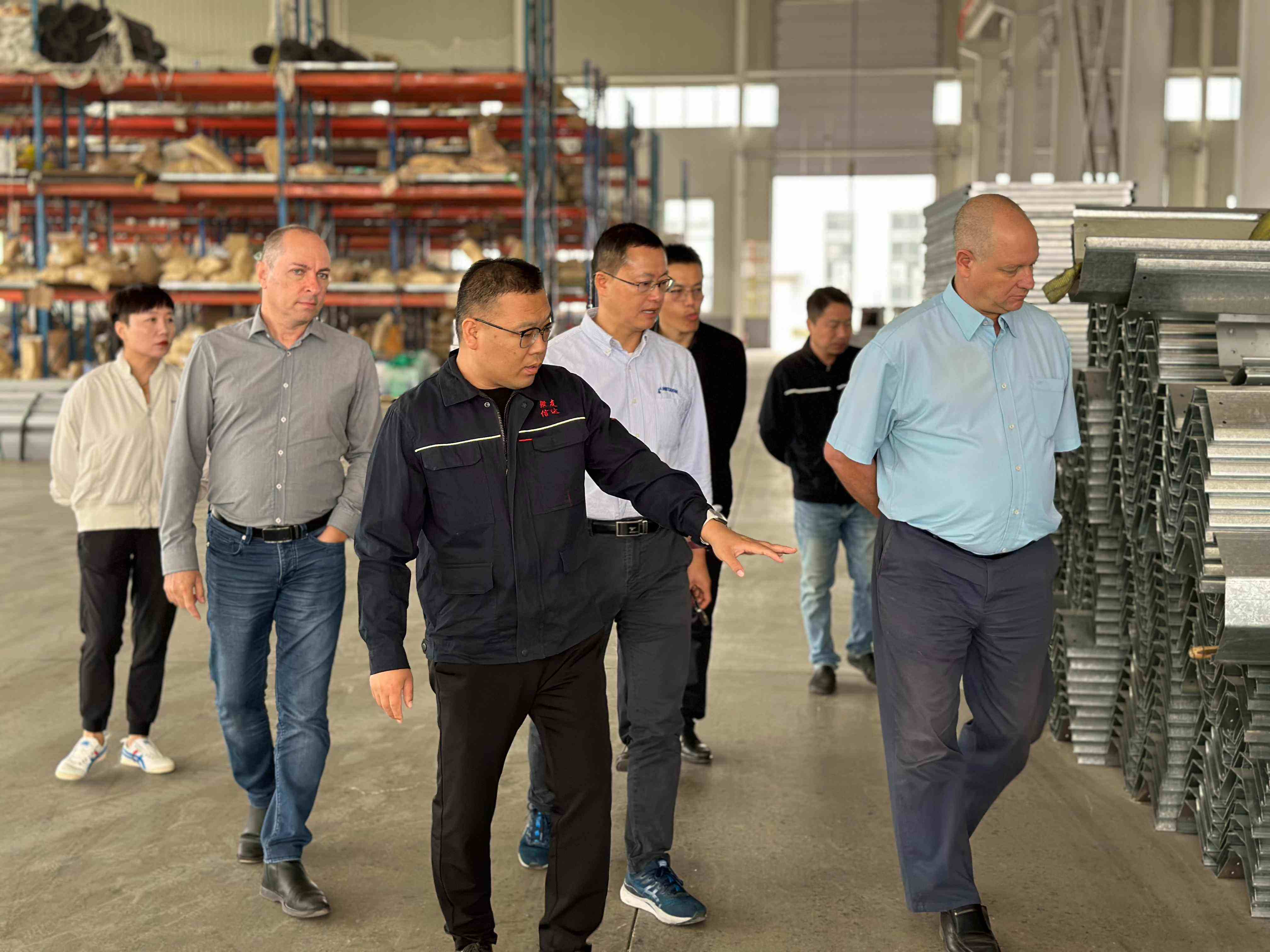
Australian Greenhouse Company Visits Our Facilities to Explore New Collaboration on 50,000 Sq.m Strawberry Glass Greenhouse Project

28

Nov

Australian Greenhouse Company Visits Our Facilities to Explore New Collaboration on 50,000 Sq.m Strawberry Glass Greenhouse Project

View More
 Innovative Breakthrough: Our Company Successfully Delivers World's First Customized

28

Nov

Innovative Breakthrough: Our Company Successfully Delivers World's First Customized "Greenhouse for Fertilizer Drying" to Malaysian Client

View More

Get a Free Quote

Our representative will contact you soon.
Email
Tel or Whatsapp
Name
Company Name
Message
0/1000

agricultural polytunnel

Superior Climate Control Technology

Superior Climate Control Technology

Agricultural polytunnel climate control technology represents the cornerstone of successful protected cultivation, delivering precise environmental management that maximizes crop performance throughout all seasons. The advanced ventilation systems incorporated in modern agricultural polytunnels feature automated roll-up sidewalls, ridge vents, and exhaust fans that work in harmony to maintain optimal temperature and humidity levels. These sophisticated mechanisms respond to internal climate conditions, opening and closing based on predetermined temperature thresholds to prevent overheating during summer months and retain warmth during cooler periods. The polyethylene covering acts as an insulating barrier that traps solar radiation during daylight hours, creating a greenhouse effect that elevates internal temperatures by 5-10 degrees Celsius compared to external conditions. This passive heating system reduces energy consumption while extending growing seasons in temperate climates. Humidity regulation within agricultural polytunnels prevents condensation buildup that could promote fungal diseases and bacterial infections. Strategic vent placement ensures continuous air circulation, removing excess moisture while maintaining adequate humidity levels for optimal plant transpiration. Temperature monitoring systems provide real-time data that enables farmers to make informed decisions about ventilation adjustments and crop management practices. The thermal mass effect created by soil, water containers, and structural elements helps stabilize temperature fluctuations, preventing sudden environmental changes that could stress plants. Advanced agricultural polytunnels incorporate thermal screens and shade cloths that provide additional climate control options during extreme weather conditions. These supplementary features allow farmers to fine-tune growing environments for specific crop varieties that require particular temperature ranges or light levels. The microclimate created within agricultural polytunnels supports year-round production of temperature-sensitive crops, enabling farmers to supply fresh produce during off-season periods when market prices typically increase. This climate control capability transforms agricultural operations by providing predictable growing conditions that support consistent harvests and reliable business planning.
Exceptional Durability and Weather Resistance

Exceptional Durability and Weather Resistance

The exceptional durability and weather resistance of agricultural polytunnels stem from their engineered framework design and high-quality materials that withstand decades of continuous outdoor exposure. Galvanized steel tubing forms the structural backbone of these protective systems, providing corrosion resistance and structural integrity that maintains stability under severe weather conditions including high winds, heavy snow loads, and intense solar radiation. The hot-dip galvanization process creates a protective zinc coating that prevents rust formation and extends the operational lifespan of agricultural polytunnels to 15-20 years with proper maintenance. Aluminum framework alternatives offer lightweight construction with superior corrosion resistance, particularly beneficial in coastal environments where salt exposure accelerates metal deterioration. The agricultural polytunnel covering utilizes UV-stabilized polyethylene plastic engineered specifically for agricultural applications, incorporating light diffusion properties and anti-condensate treatments that enhance crop growing conditions. This specialized plastic material resists degradation from ultraviolet radiation, maintaining transparency and flexibility throughout its 4-6 year service life. Advanced plastic formulations include anti-fog additives that prevent moisture accumulation on internal surfaces, ensuring maximum light transmission for photosynthesis. Wind resistance capabilities of agricultural polytunnels exceed those of temporary structures through aerodynamic design principles that deflect air currents and minimize pressure buildup. Ground anchoring systems secure the framework to concrete foundations or earth anchors, providing stability during storms and preventing structural displacement. Snow load calculations ensure agricultural polytunnels maintain structural integrity under heavy winter precipitation, with reinforced framework configurations available for regions experiencing extreme snowfall. The modular construction approach allows for easy replacement of damaged sections without compromising the entire structure, minimizing downtime and repair costs. Weather sealing systems prevent air infiltration and maintain climate control effectiveness, featuring overlapping joints and secure fastening mechanisms that accommodate thermal expansion and contraction cycles. Quality assurance testing subjects agricultural polytunnels to simulated extreme weather conditions, validating performance standards and ensuring reliable protection for valuable crops throughout their operational lifetime.
Versatile Applications for Diverse Farming Operations

Versatile Applications for Diverse Farming Operations

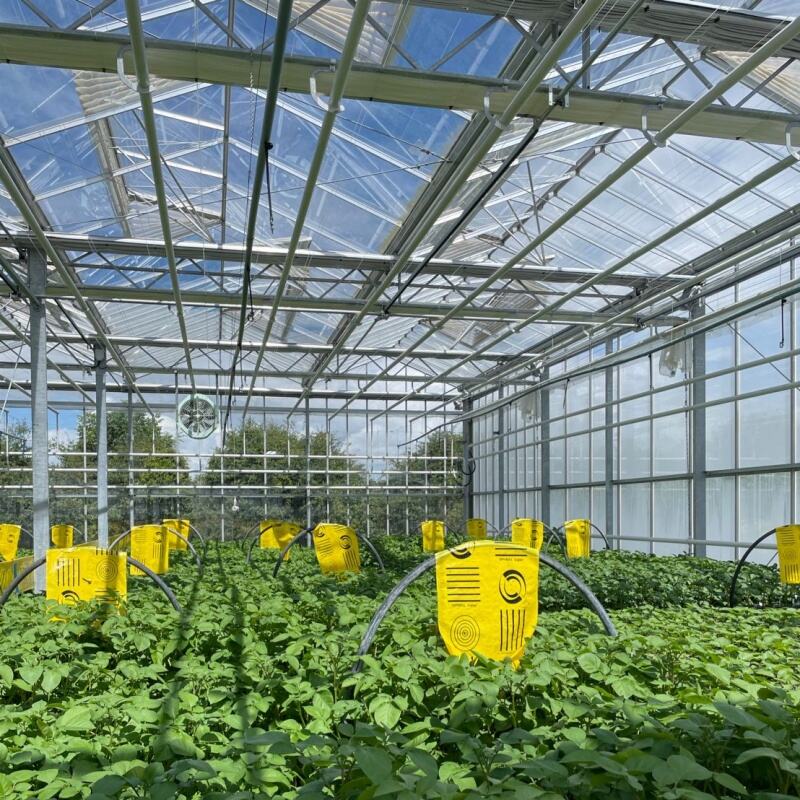
Agricultural polytunnels demonstrate remarkable versatility through their adaptability to diverse farming operations, crop varieties, and production scales, making them indispensable tools for modern agricultural enterprises. Commercial vegetable production benefits extensively from agricultural polytunnel technology, with tomatoes, cucumbers, peppers, and leafy greens achieving superior yields and quality compared to open-field cultivation. The controlled environment enables precise management of growing conditions that optimize nutrient uptake, water utilization, and pest control strategies specific to each crop variety. Nursery operations utilize agricultural polytunnels for seedling production, propagation activities, and plant hardening processes that require protected environments during critical growth stages. The stable microclimate supports consistent germination rates and uniform seedling development, reducing production losses and improving transplant success rates. Ornamental plant cultivation thrives within agricultural polytunnels, where flower growers produce cut flowers, potted plants, and bedding plants with enhanced color intensity and extended bloom periods. The protection from weather extremes prevents flower damage and maintains market-quality appearance that commands premium prices. Organic farming operations leverage agricultural polytunnels to meet certification requirements while maintaining productive capacity through natural pest exclusion and reduced chemical input needs. The enclosed environment supports integrated pest management strategies that rely on beneficial insects and biological controls rather than synthetic pesticides. Specialty crop production, including herbs, microgreens, and exotic vegetables, benefits from the precise environmental control that agricultural polytunnels provide for temperature-sensitive or delicate plant varieties. Research and educational facilities employ agricultural polytunnels for controlled experiments, variety trials, and demonstration projects that require standardized growing conditions. The scalable nature of agricultural polytunnel systems accommodates operations ranging from small market gardens to large commercial farms, with modular designs that expand production capacity as businesses grow. Seasonal extension capabilities enable farmers to start crops earlier in spring and continue harvesting later into autumn, maximizing land utilization and extending marketing periods for fresh produce sales. Multi-season production cycles become feasible within agricultural polytunnels, allowing farmers to grow multiple crops annually on the same land area and diversify revenue streams throughout the growing season.

Get a Free Quote

Our representative will contact you soon.
Email
Tel or Whatsapp
Name
Company Name
Message
0/1000