Versatile Applications for Diverse Farming Operations
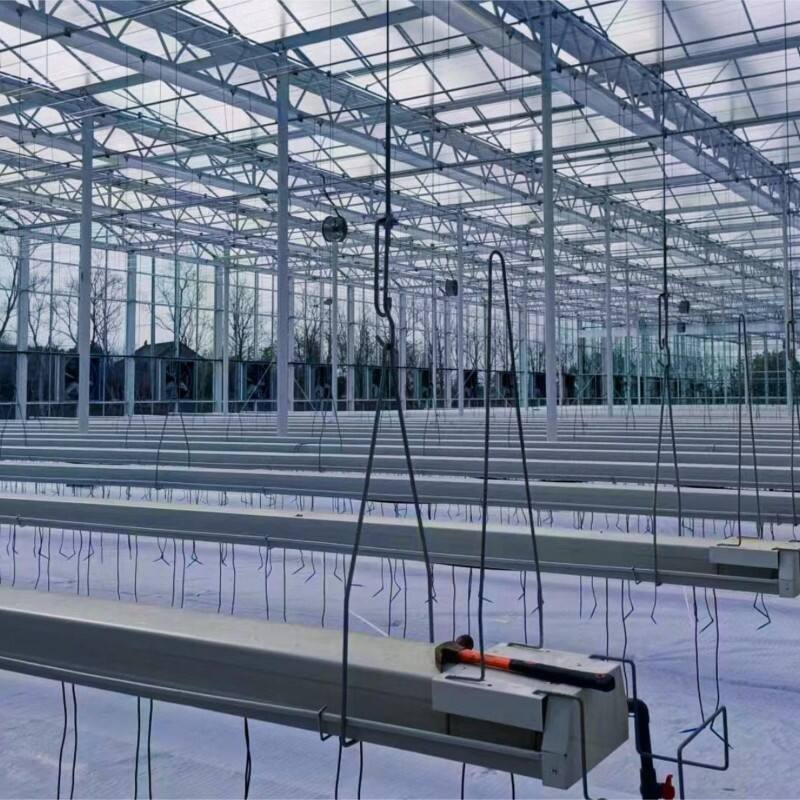
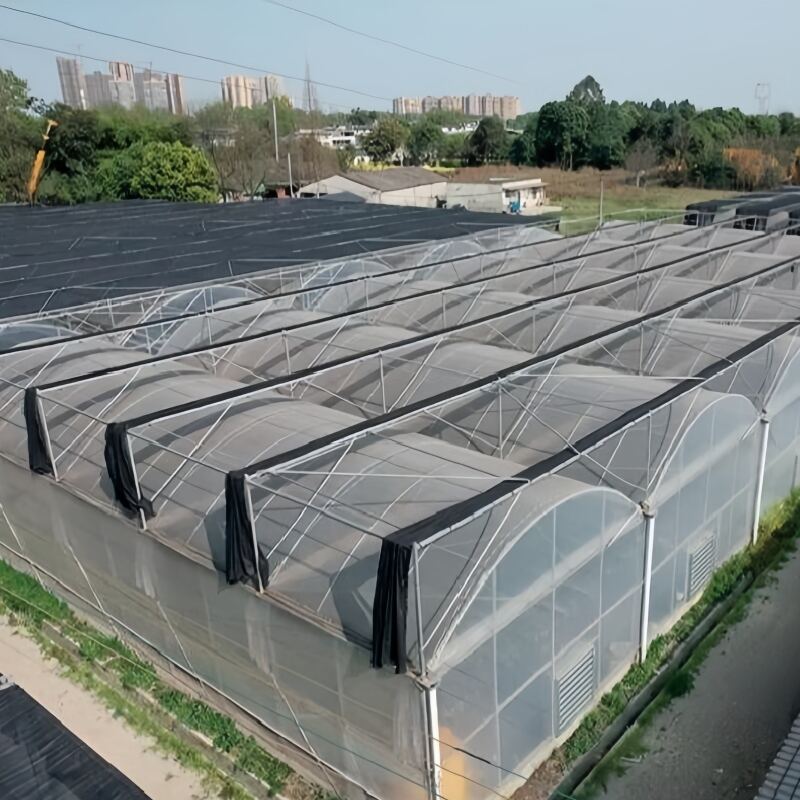
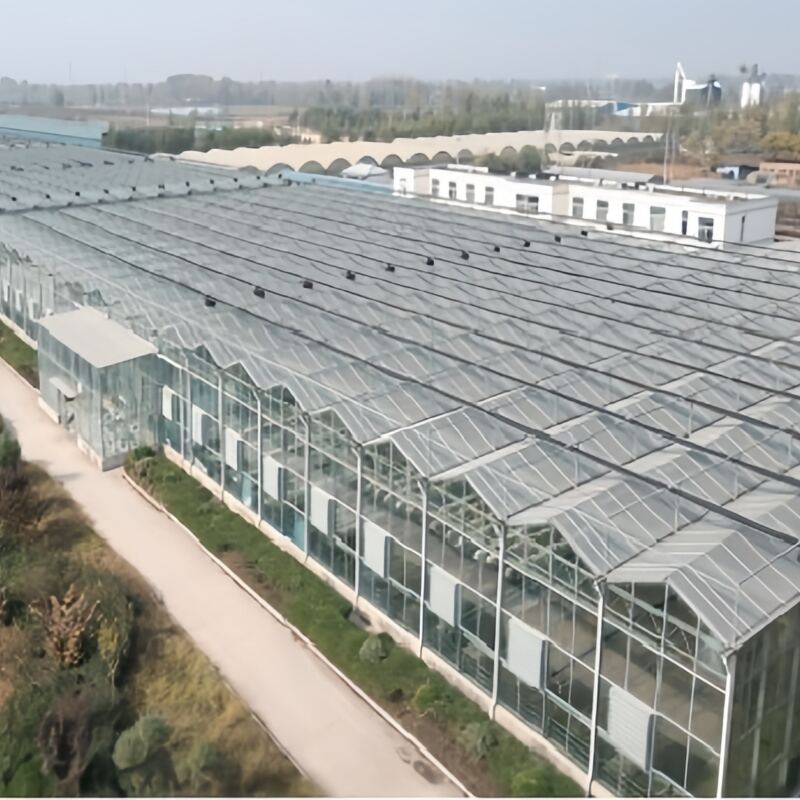
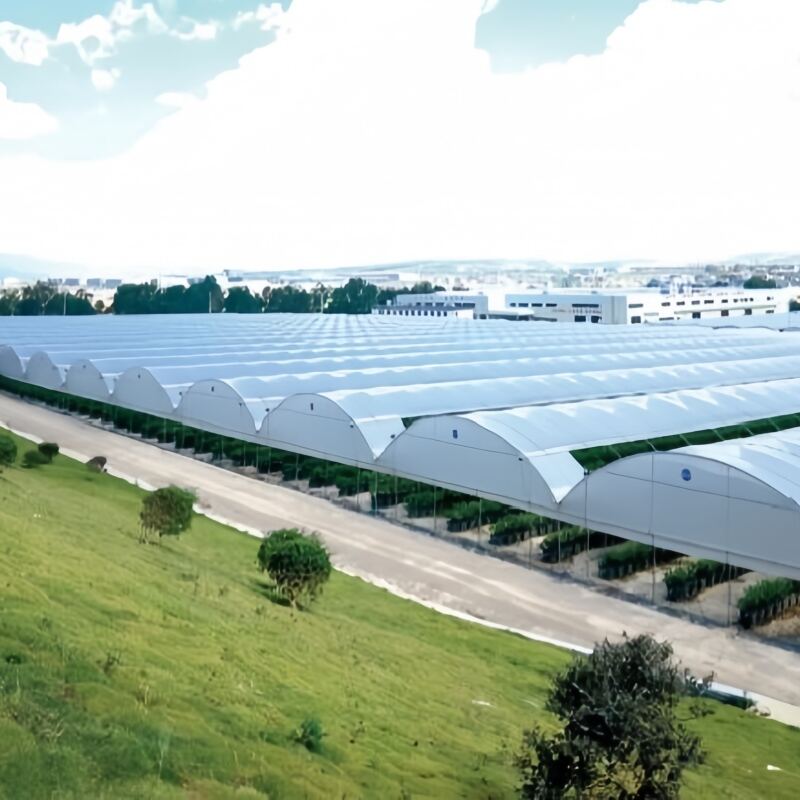
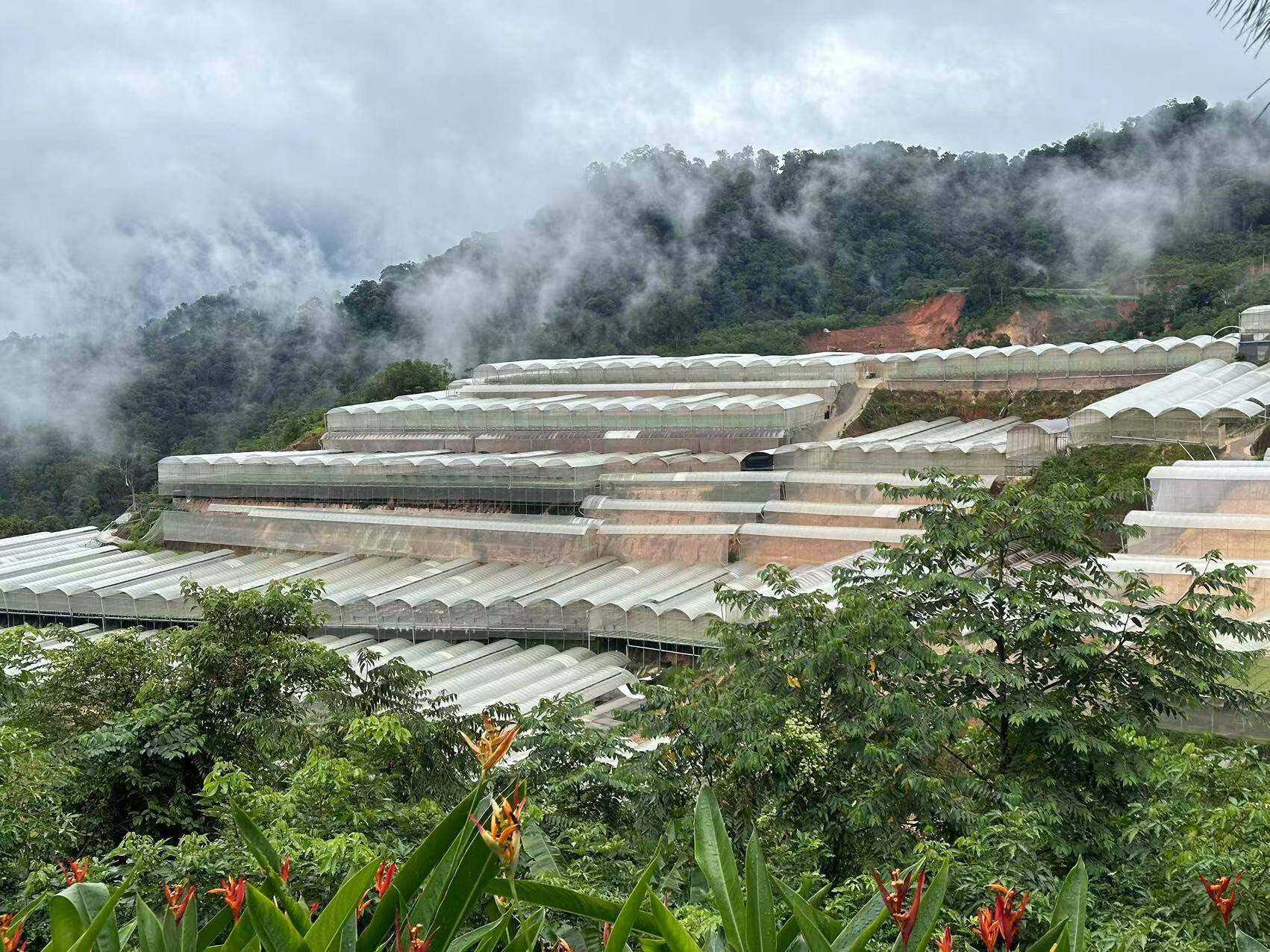
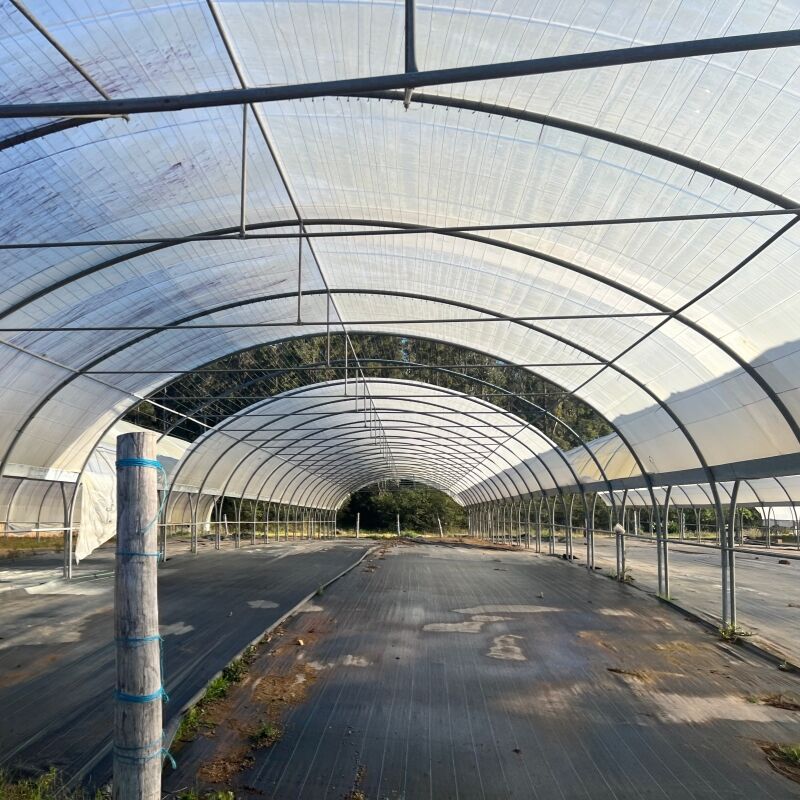
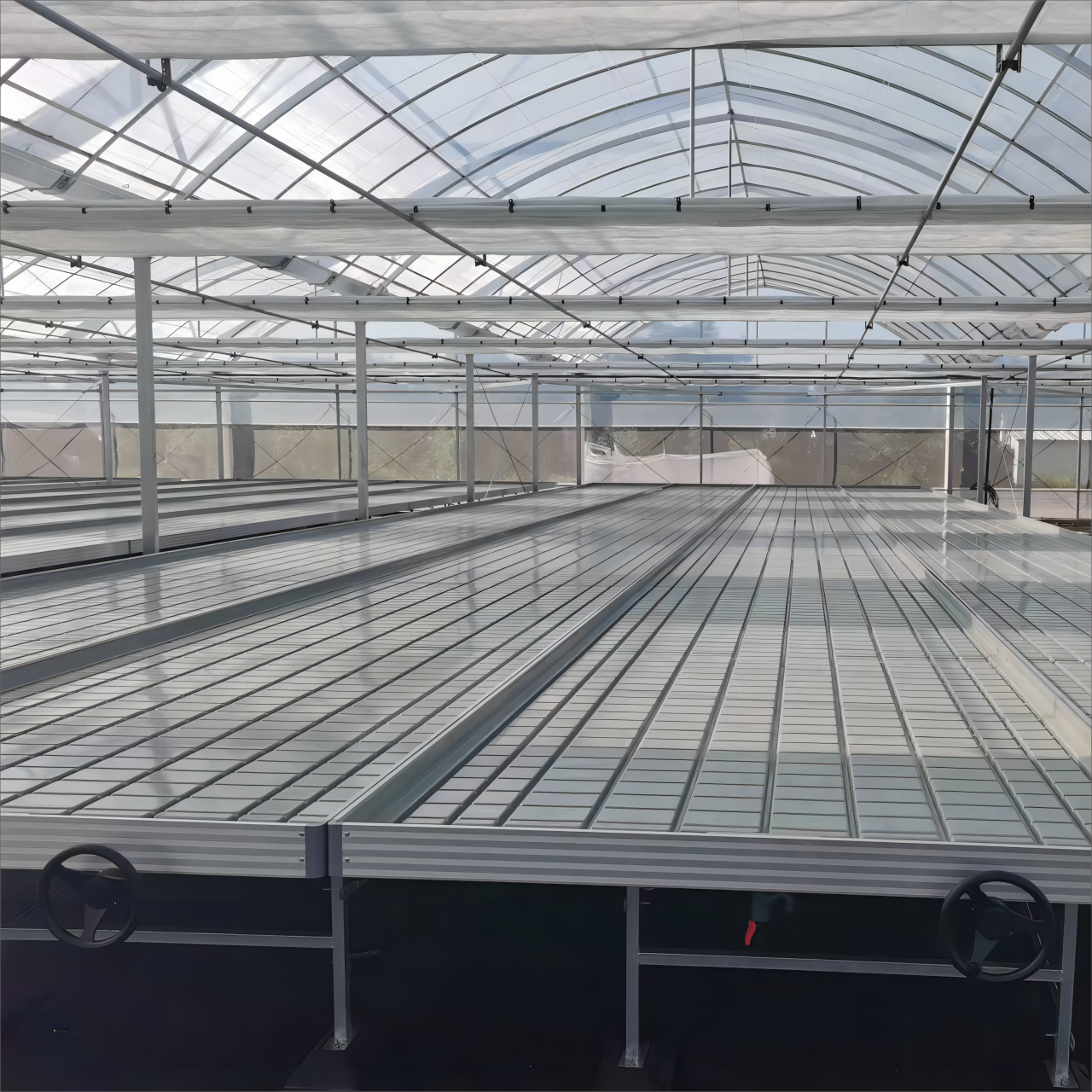
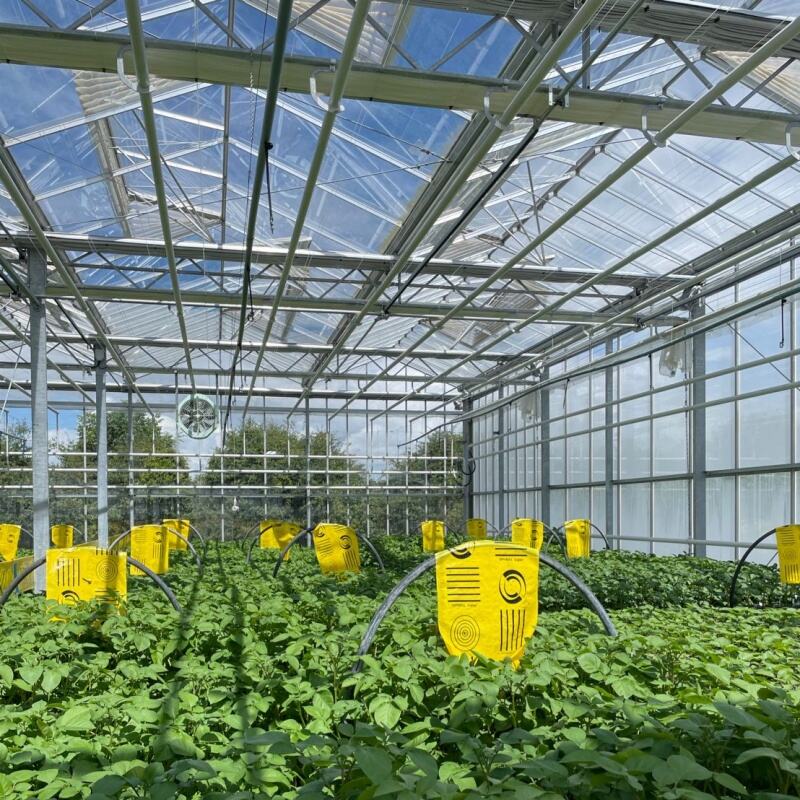
Agricultural polytunnels demonstrate remarkable versatility through their adaptability to diverse farming operations, crop varieties, and production scales, making them indispensable tools for modern agricultural enterprises. Commercial vegetable production benefits extensively from agricultural polytunnel technology, with tomatoes, cucumbers, peppers, and leafy greens achieving superior yields and quality compared to open-field cultivation. The controlled environment enables precise management of growing conditions that optimize nutrient uptake, water utilization, and pest control strategies specific to each crop variety. Nursery operations utilize agricultural polytunnels for seedling production, propagation activities, and plant hardening processes that require protected environments during critical growth stages. The stable microclimate supports consistent germination rates and uniform seedling development, reducing production losses and improving transplant success rates. Ornamental plant cultivation thrives within agricultural polytunnels, where flower growers produce cut flowers, potted plants, and bedding plants with enhanced color intensity and extended bloom periods. The protection from weather extremes prevents flower damage and maintains market-quality appearance that commands premium prices. Organic farming operations leverage agricultural polytunnels to meet certification requirements while maintaining productive capacity through natural pest exclusion and reduced chemical input needs. The enclosed environment supports integrated pest management strategies that rely on beneficial insects and biological controls rather than synthetic pesticides. Specialty crop production, including herbs, microgreens, and exotic vegetables, benefits from the precise environmental control that agricultural polytunnels provide for temperature-sensitive or delicate plant varieties. Research and educational facilities employ agricultural polytunnels for controlled experiments, variety trials, and demonstration projects that require standardized growing conditions. The scalable nature of agricultural polytunnel systems accommodates operations ranging from small market gardens to large commercial farms, with modular designs that expand production capacity as businesses grow. Seasonal extension capabilities enable farmers to start crops earlier in spring and continue harvesting later into autumn, maximizing land utilization and extending marketing periods for fresh produce sales. Multi-season production cycles become feasible within agricultural polytunnels, allowing farmers to grow multiple crops annually on the same land area and diversify revenue streams throughout the growing season.
 EN
EN