Maxima Transmissio Lucis et Efficiencia Energetica
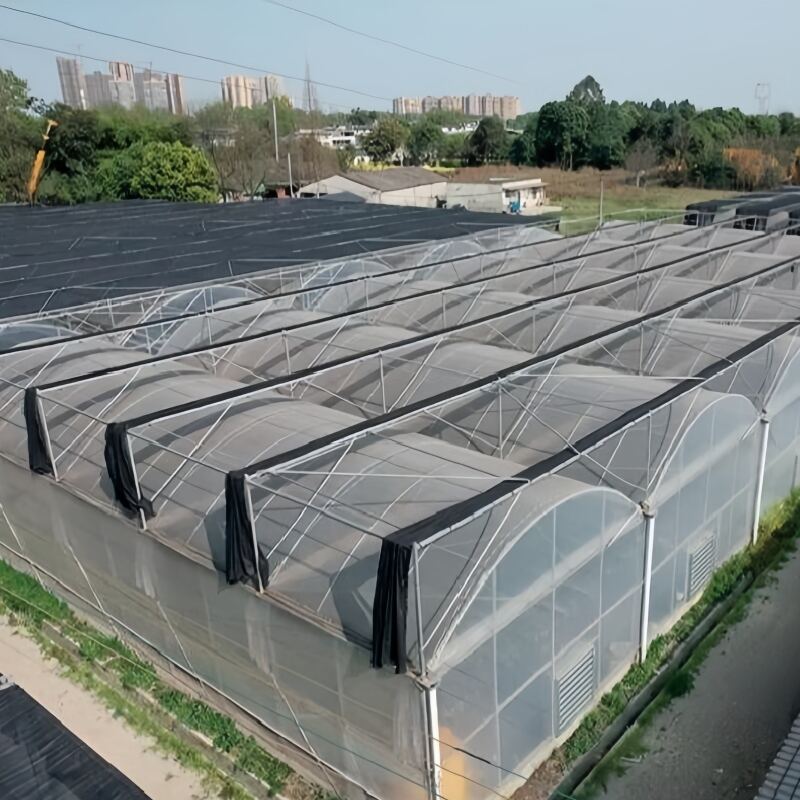
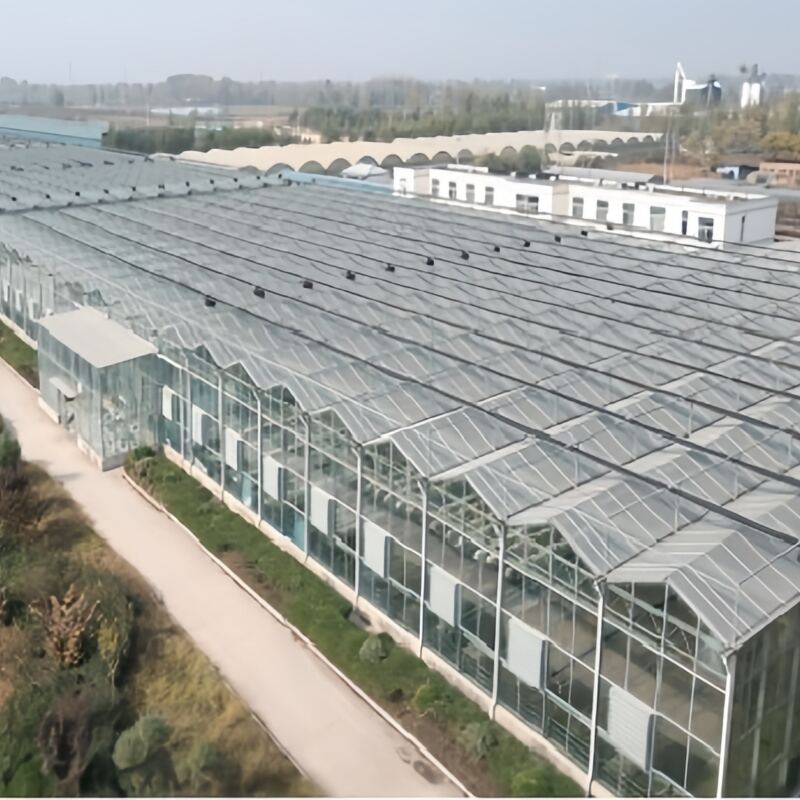
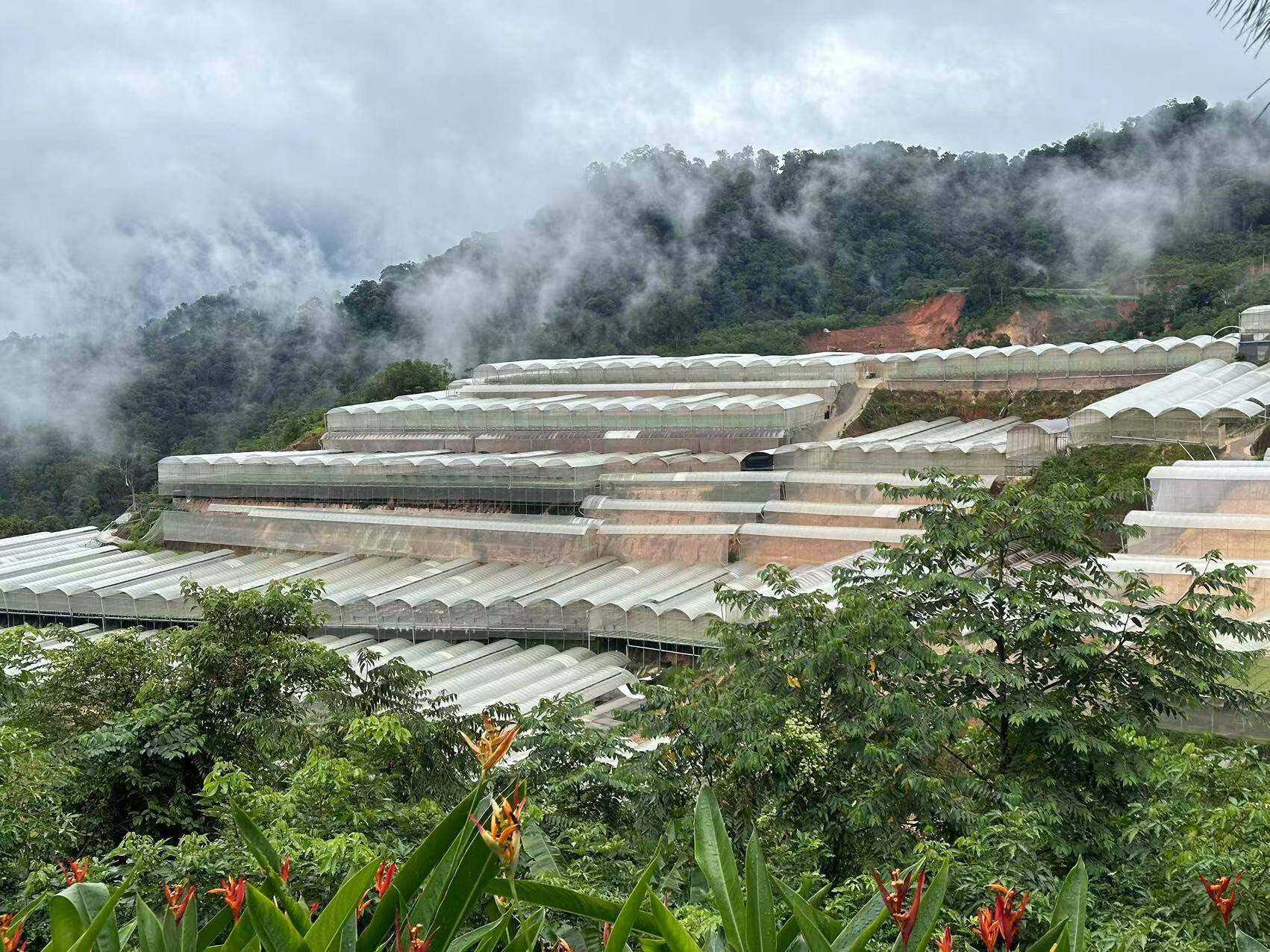
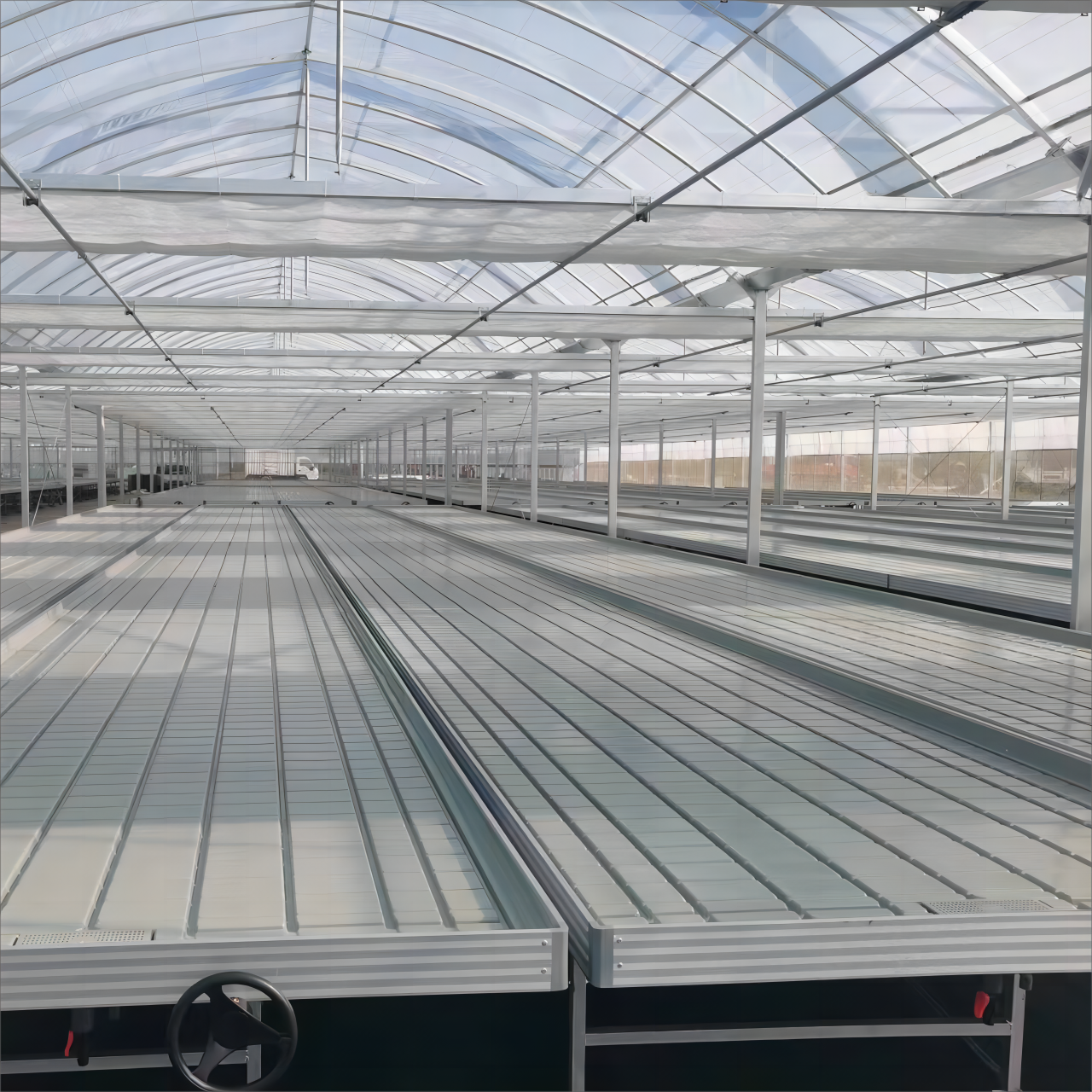
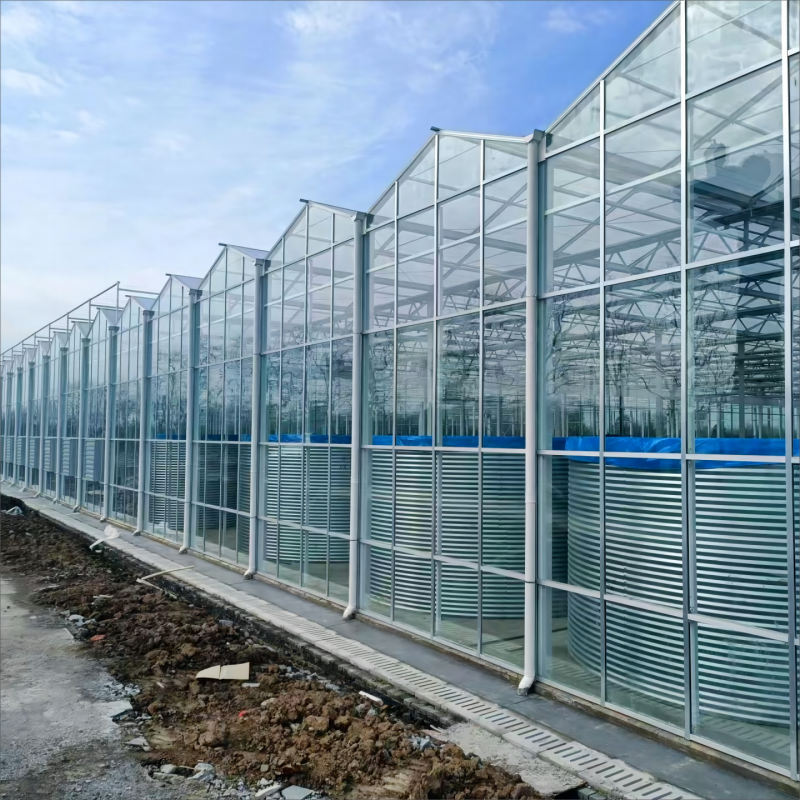
Magnus vitreus hortus hiemalis praestantem vitri technologiam utitur, quae ad usus agricolas specialiter est excogitata, atque incomparabiles facultates transmittendi lucem praebet, quae crescitus plantarum et efficaciam energiae magnopere augent. Tabulae horticulturae ad altam performationem, quae ex vitro paratae sunt, ferri paucitatem habent et stratis specialibus ornantur, quae radiationem activam photosyntheticam ad maximum producunt simulque radiations ultravioletas noxias, quae plantas sensibiles laedere possent, filtrant. Constructio ex vitro usque ad 95 percentum lucis transmittit, cum alia tegumenta, ut policarbonatum aut pelliculae plasticae, saepe tantum 70–80 percentum efficaciae consequuntur. Haec superior penetratio lucis directe in maiorem activitatem photosyntheticam, celeriores incrementi rates, et altiores fructus in omnibus culturis intra aedificium coltis convertitur. Magni vitrei horti hiemalis designatio angulos tabularum optimos et obstructionem structuralem minimam includit, ut lumen aequabiliter per totam aream colendi distribuatur, et zonae umbriferae, quae productivitatem minuunt, tollantur. Vitrum temperatum pro tutela constructum durabilitatem egregiam praebet, simul ac transparentiam crystallinam servat, quae non decrescit cum tempore, ut fit in alternativis plasticis. Proprietates thermicae vitri magnopere ad efficaciam energiae conferunt per calescens solare passivum inter horas diei, quod postulata calefactionis supplementariae minuit et impensas operationales demittit. Unitates vitreae isolatae ad applicationes in climatibus extremis specificari possunt, quae meliorem praebent performance thermicam, dum optima transmissio lucis retinetur. Magnus vitreus hortus hiemalis fructum capiat ex qualitatibus spectri pleni lucis naturalis, quae sanum plantarum incrementum promovet, inter quae melior color, sapor, et contentum nutrimentorum comparatione ad systemata illuminationis artificialis. Strata anti-reflectiva in tabulis vitreis specialibus disponibilia ulterius efficaciam transmittendi lucem augent, dum glarem et accumulationem caloris inter horarum culminum solarium minuunt. Facilis cura, quae superficies vitreas requirit, longam performationem asservat, quoniam ritus purgandi nivelem transmittendi lucis optima per totam vitam operationalem aedificii conservant. Praeventiones pro efficacia energiae se extendunt ad minuendos necessarios usus luminis artificialis, praesertim mensibus hiemalibus, cum horae lucis decrescunt, quod magnas impensas electricitatis parcit. Considerationes de designo structurale maximam superficiem vitream augent, dum tamen necessarium subsidium et resistentiam adversus tempestatem praebent, ita ut optimum aequilibrium inter admissionem lucis et integritatem structuralem constituatur, quod praecipuas proprietates performationis magni vitrei horti hiemalis bene dispositi definit.
 ×
×
 EN
EN