 EN
EN
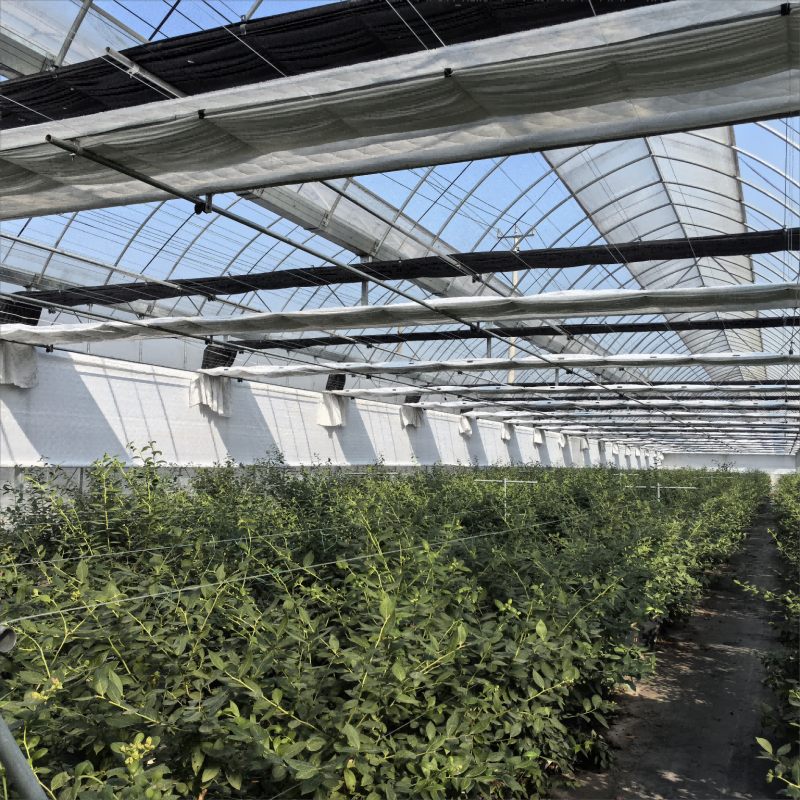
Het kiezen van de juiste kasstructuur grootte is een van de meest kritieke beslissingen die u moet nemen bij het opzetten van een gecontroleerde teeltomgeving. De grootte van uw kas lijst heeft direct invloed op uw operationele efficiëntie, het mogelijke oogstrendement, de onderhoudseisen en de langetermijnrendabiliteit. Of u nu een bestaande activiteit uitbreidt of uw eerste faciliteit bouwt, het begrijpen van hoe u uw specifieke behoeften kunt afwegen tegen de beschikbare kasstructuur opties bespaart u tijd, geld en voorkomt kostbare fouten op termijn. Deze uitgebreide gids begeleidt u stap voor stap door de belangrijkste factoren die bepalen welke kasstructuur afmetingen het beste passen bij uw unieke situatie.
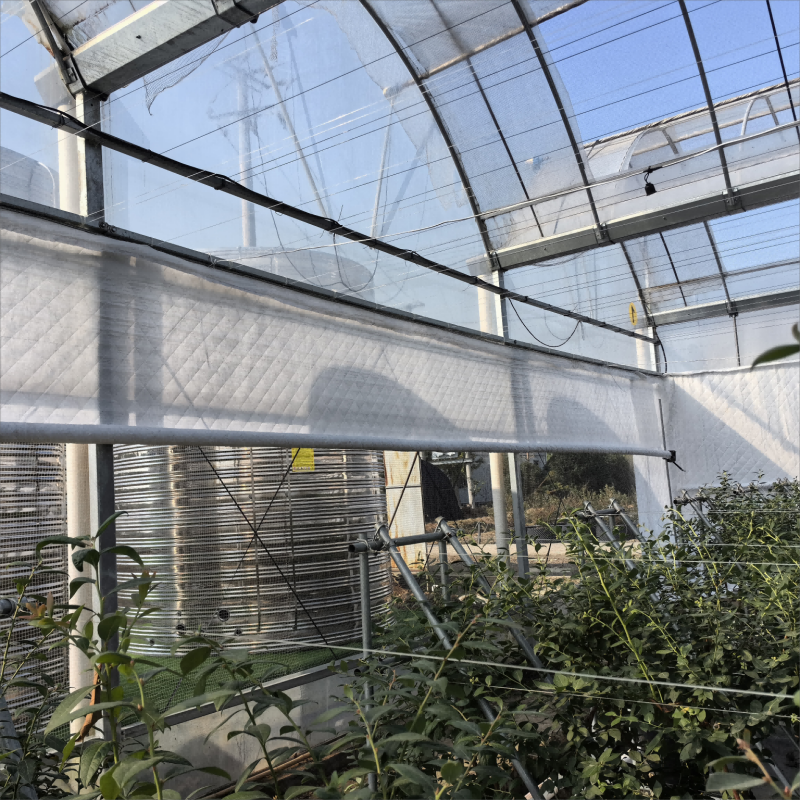
Kiezen voor het juiste kasstructuur vereist een evenwicht tussen meerdere variabelen: het totale oppervlak dat u nodig hebt om te telen, de beschikbare grondruimte, uw budgetbeperkingen, uw klimaatzone en de specifieke gewassen of planten die u wilt kweken. Een kasstructuur die te klein is, beperkt uw productiecapaciteit en dwingt u om potentiële verkoopkansen of klanten af te wijzen. Omgekeerd leidt een te grote kasstructuur verspilt bronnen aan verwarming, koeling en onderhoud terwijl waardevolle grond wordt gebruikt. De meest effectieve aanpak is om uw huidige behoeften te beoordelen, toekomstige groei te anticiperen en een kasstructuur configuratie te kiezen die zowel flexibiliteit als schaalbaarheid biedt.
Inschatten van je productiecapaciteitsbehoeften
Begrijp uw huidige gewasvolume
Voordat u de juiste kasstructuur afmetingen kunt bepalen, moet u eerst vaststellen hoeveel plantmateriaal u jaarlijks of seizoensgebonden moet kweken. Bereken de benodigde vierkante voet (square footage) om uw huidige voorraad te kweken, plus eventuele geplande uitbreiding voor de komende drie tot vijf jaar. Elk gewastype vereist specifieke afstand tussen planten, voldoende hoogte en specifieke bankconfiguraties binnen uw kasstructuur . Kruiden hebben minimale verticale ruimte nodig, terwijl hoge groenten of klimmende gewassen aanzienlijk meer kopruimte vereisen. Documenteer deze eisen zorgvuldig, want zij vormen de basis voor uw kasstructuur selectieproces.
Projecteer toekomstige groeitrajecten
Veel kwekers onderschatten hun toekomstige vraag en installeren een kasstructuur dat binnen twee of drie jaar ontoereikend wordt. In plaats van opnieuw geconfronteerd te worden met een dure uitbreiding, plan uw oorspronkelijke kasstructuur grootte zodanig dat deze ten minste drie jaar aan verwachte groei kan accommoderen. Voer gesprekken met uw verkoopteam, analyseer markttrends en bestudeer uw klantacquisitiepatronen om realistische uitbreidingsscenario’s te voorspellen. Een licht grotere kasstructuur die vanaf het begin wordt gebouwd, is bijna altijd economischer dan later een extra constructie toe te voegen. Moderne meervoudige overspannings- kasstructuur ontwerpen maken het mogelijk om secties trapsgewijs toe te voegen; kies daarom een basiseenheid die deze modulaire aanpak ondersteunt.
Beoordelen van locatiebeperkingen en milieuaspecten
Analyseren van beschikbaar terrein en fysieke beperkingen
Uw perceelsindeling, bouwvoorschriften en toegangspunten voor nutsvoorzieningen bepalen allemaal de maximale kasstructuur grootte die u praktisch kunt installeren. Onderzoek uw terrein om gebieden te identificeren met optimale zonneschijn, voldoende afwatering en toegankelijkheid voor apparatuur en personeel. Houd bij de plaatsbepaling van uw kasstructuur rekening met de nabijheid van waterbronnen, elektrische aansluitingen en opslagfaciliteiten. Veel jurisdicties stellen beperkingen op aan de hoogte en het grondvlak van constructies, dus controleer de lokale bestemmingsplannen voordat u uw kasstructuur specificaties definitief vastlegt. Raadpleeg een locatie-engineer om de draagkracht van de bodem en de funderingsvereisten voor uw beoogde kasstructuur afmetingen.
Overwegingen met betrekking tot klimaat en weerspatronen
Uw geografische locatie beïnvloedt fundamenteel de ideale kasstructuur configuratie. Gebieden met zware sneeuwbelasting vereisen sterkere frame-materialen en steilere dakhellingen, wat mogelijk een hogere kasstructuur constructie vereist. Gebieden die vatbaar zijn voor sterke winden vergen versterkte kasstructuur bouw en lager profiel ontwerpen. Gebieden met intense zonnestraling profiteren van hogere kasstructuur spits-toegevormde daken die de ventilatiestroming maximaliseren. Koelere klimaten kunnen kortere kasstructuur hoogtes om de verwarmingskosten te verlagen. Een klimaatanalyse die specifiek is voor uw locatie, toont aan hoe weerspatronen uw kasstructuur keuze moeten beïnvloeden om structurele integriteit en operationele efficiëntie te waarborgen.
Kiezen van frameafmetingen voor operationele efficiëntie
Standaardbreedtes en overspanningen van kasframes
De meeste commerciële bedrijven kiezen voor een kasstructuur breedte tussen 20 en 40 voet voor eenvoudige overspanningen, of veelvouden van 10 tot 16 voet voor meervoudige overspanningen kasstructuur breedte bepaalt hoeveel rijen werkbanken of kweekbedden u kunt plaatsen, terwijl u voldoende werkpaden behoudt. Smallere kasstructuur breedtes maximaliseren het efficiënte gebruik van het land op beperkte locaties, maar verminderen de productiecapaciteit per lopende voet. Breedere kasstructuur overspanningen bieden een hogere productiedichtheid, maar vergroten de complexiteit van het interne klimaatbeheer. Houd rekening met de draaicirkel van uw machines en de arbeidsstromen bij het bepalen van kasstructuur de breedte. kasstructuur interne breedtes en gangafmetingen.
Hoogte en interne ruimteconfiguratie
Hoogte van uw kasstructuur heeft direct invloed op de effectiviteit van ventilatie, de mogelijkheden voor installatie van apparatuur en de flexibiliteit bij teelt. De meeste commerciële kasstructuur constructies hebben een hoogte van 10 tot 14 voet aan de goot en van 14 tot 18 voet aan de nok bij gevelverbonden ontwerpen. Een grotere kasstructuur hoogte maakt het mogelijk om gestapelde teeltsystemen, bovenliggende apparatuur en een betere luchtlagenverdeling te integreren. Echter, een grotere kasstructuur hoogte verhoogt de materiaalkosten en bemoeilijkt de klimaatregeling tijdens extreme weersomstandigheden. De gewenste gewassen en productiemethoden moeten bepalen welke kasstructuur hoogte u uiteindelijk nodig hebt. Verticale teeltsystemen vereisen voldoende kasstructuur vrije ruimte, terwijl kweekbanken voor vermeerdering lagere kasstructuur profielen.
Veelgestelde vragen
Hoe bepaal ik of het frame van mijn kas te klein is voor toekomstige uitbreiding?
Vergelijk uw huidige productiecapaciteitsbenutting met uw verwachte groeipercentage over de komende drie tot vijf jaar. Als u binnen twee jaar meer dan 85 procent van uw huidige kasstructuur capaciteit zult bereiken, is uw kasstructuur waarschijnlijk te klein. Beoordeel of uw locatie ruimte biedt voor extra kasstructuur constructies of uitbreidingen. Indien niet, investeer in een grotere initiële kasstructuur om kostbare verhuizing of herbouw te voorkomen.
Wat is de meest kosteneffectieve kasframegrootte voor kleinschalige bedrijven?
Kleine kwekers behalen doorgaans de beste waarde met een kasstructuur van 1.000 tot 2.500 vierkante voet. Deze kasstructuur grootte biedt schaalvoordelen voor materialen en arbeid, terwijl het nog steeds beheersbaar blijft voor één of twee personen. Beginnen met een bescheiden kasstructuur en later secties toevoegen kost vaak minder dan vanaf het begin te groot te bouwen, vooral als de marktvraag onzeker blijft.
Moet ik de breedte of de lengte van het kassenframe prioriteren voor mijn bedrijfsvoering?
Prioriteer kasstructuur lengte voor toekomstige uitbreidbaarheid, aangezien de meeste multispan-systemen op lineaire wijze groeien. Kasstructuur breedte wordt beperkt door uw locatie en de toegankelijkheid voor personeel, waardoor deze meer permanent is. Een modulaire kasstructuur aanpak stelt u in staat de lengte geleidelijk uit te breiden, terwijl u een consistente breedte en constructieontwerp behoudt.