Commercial Greenhouse Structures: Advanced Agricultural Solutions for Optimal Crop Production

Welcome To JYXD-greenhouse

Get a Free Quote

Our representative will contact you soon.
Email
Tel or Whatsapp
Name
Company Name
Message
0/1000

commercial greenhouse structures

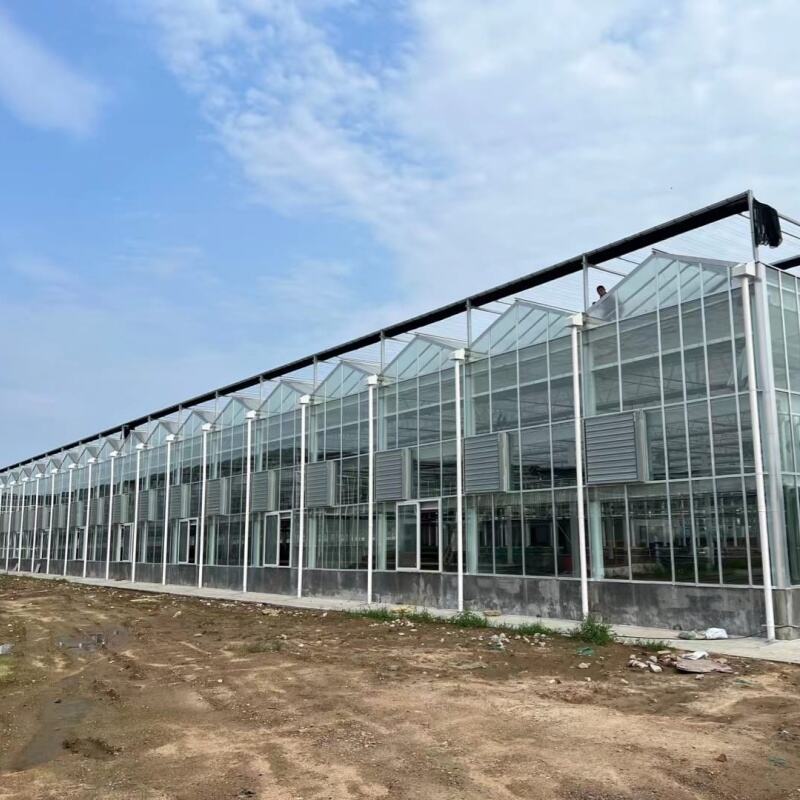
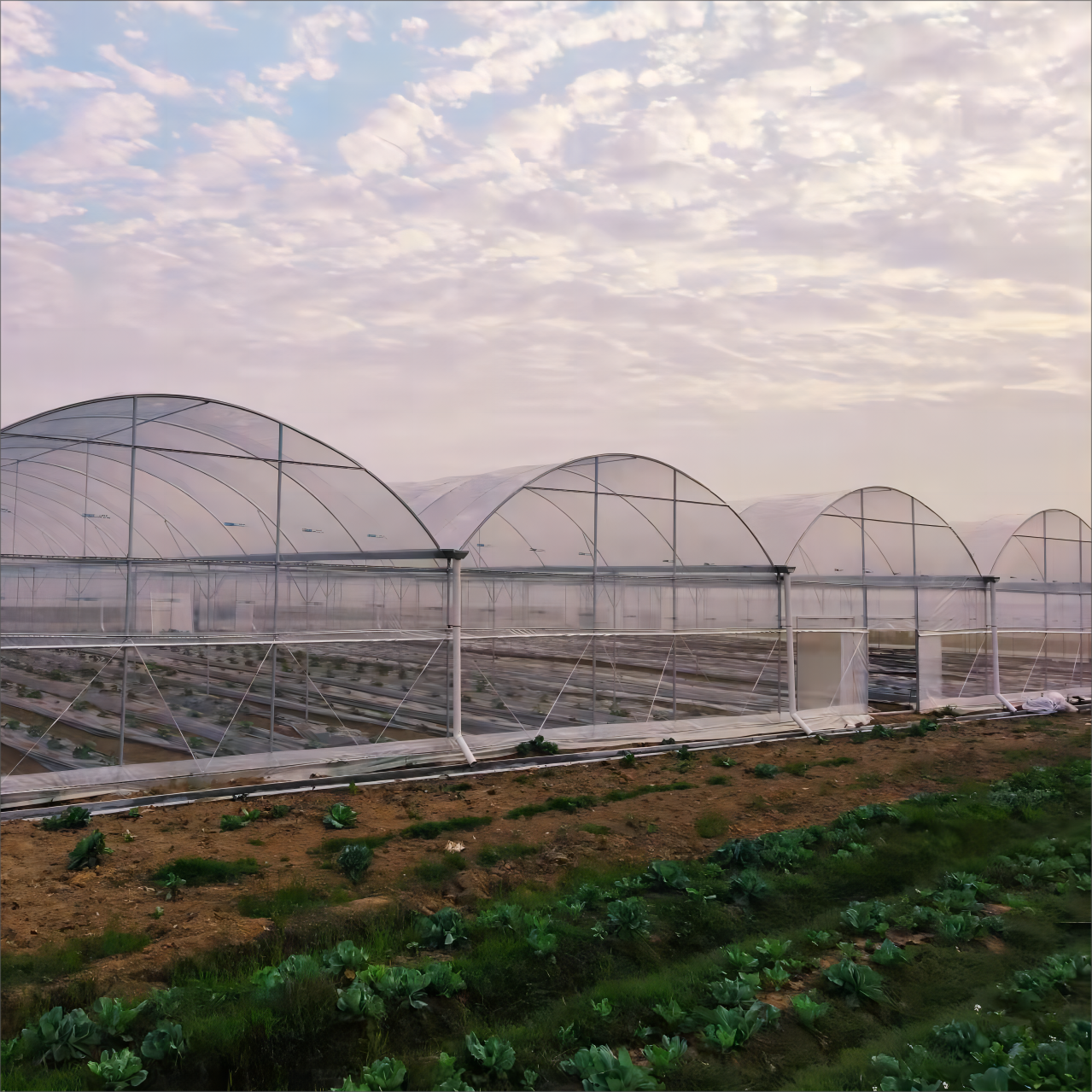
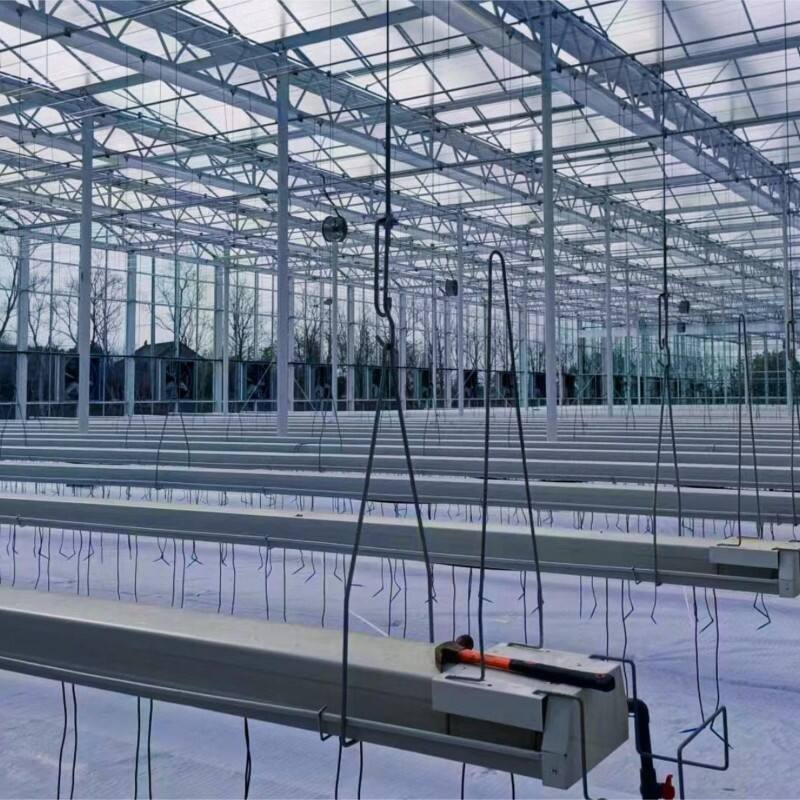
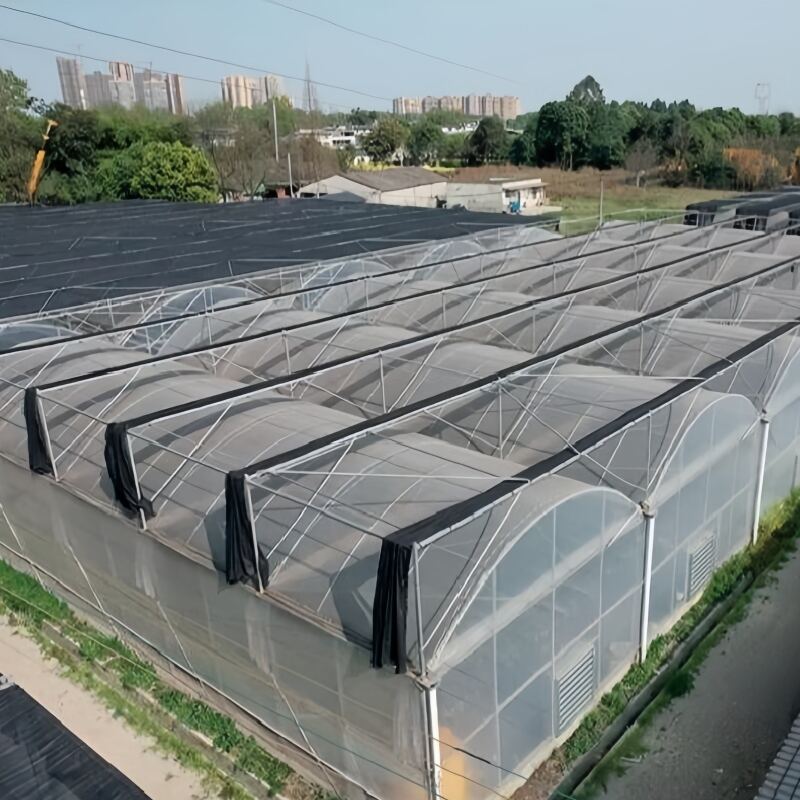
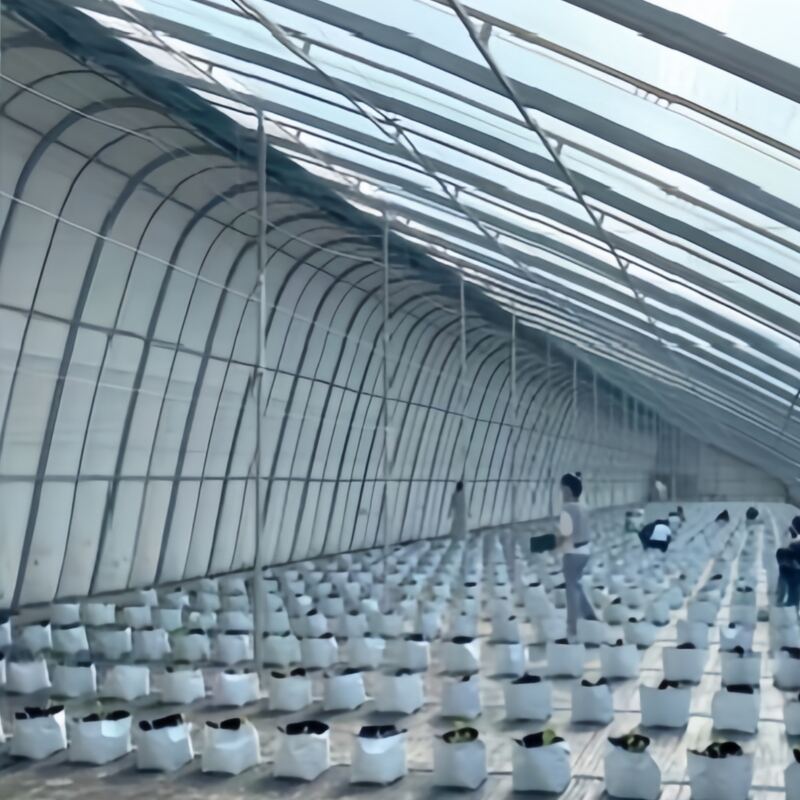
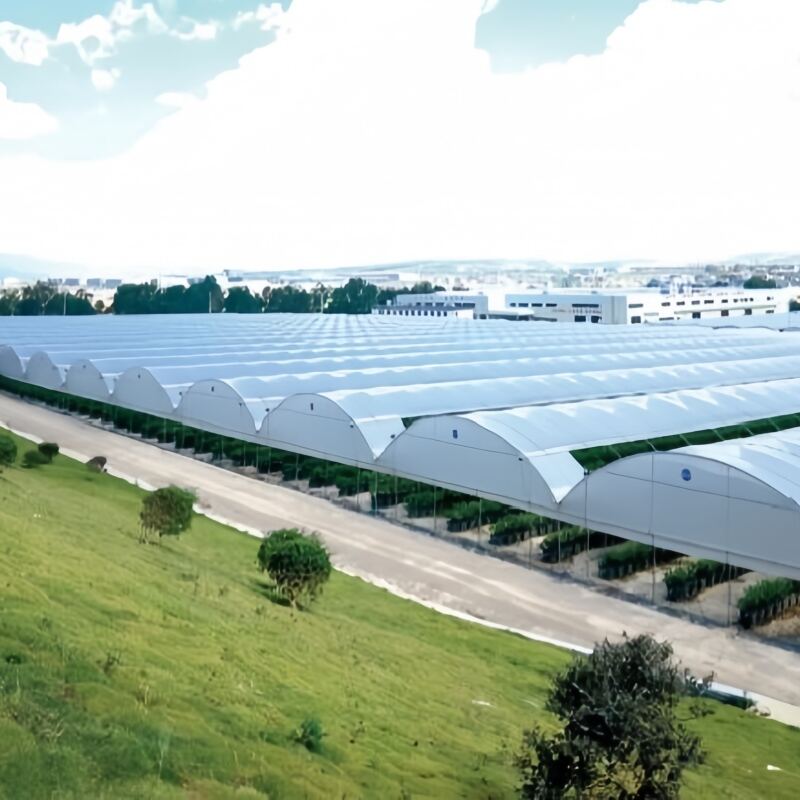
Commercial greenhouse structures represent sophisticated agricultural facilities designed to create controlled environments for optimal plant cultivation year-round. These engineered systems provide farmers, horticulturists, and agricultural businesses with the ability to manipulate environmental conditions including temperature, humidity, light exposure, and air circulation to maximize crop yields and quality. Modern commercial greenhouse structures incorporate advanced materials such as polycarbonate panels, tempered glass, and reinforced aluminum or steel frameworks that ensure durability while maintaining excellent light transmission properties. The primary functions of these structures extend beyond simple weather protection, encompassing climate control systems, automated irrigation networks, and ventilation mechanisms that work together to create ideal growing conditions. Technological features integrated into contemporary commercial greenhouse structures include computerized environmental monitoring systems, automated shade curtains, heating and cooling systems, and sophisticated nutrient delivery mechanisms. These facilities utilize sensors to continuously monitor soil moisture, ambient temperature, carbon dioxide levels, and light intensity, automatically adjusting conditions to maintain optimal growing parameters. The structural design of commercial greenhouse structures varies significantly based on intended applications, ranging from simple hoop houses for seasonal crop protection to complex multi-span facilities equipped with hydroponic growing systems. Applications span diverse agricultural sectors including vegetable production, flower cultivation, seedling propagation, research facilities, and specialized crops requiring controlled environments. The versatility of commercial greenhouse structures makes them suitable for various scales of operation, from small-scale specialty growers to large commercial agricultural enterprises. These structures enable extended growing seasons, protection from adverse weather conditions, pest management, and precise control over growing conditions that would be impossible in traditional outdoor farming environments.

Popular Products

Commercial greenhouse structures deliver substantial economic benefits through increased crop productivity and extended growing seasons that allow farmers to harvest multiple crops annually. These controlled environments typically produce yields that are three to ten times higher than traditional outdoor farming methods, directly translating to improved profitability and return on investment. The precise environmental control capabilities of commercial greenhouse structures enable growers to optimize growing conditions for specific crops, resulting in faster plant development, improved quality, and reduced crop losses due to weather-related damage or pest infestations. Water conservation represents another significant advantage, as commercial greenhouse structures utilize efficient irrigation systems that reduce water consumption by up to fifty percent compared to field agriculture while ensuring optimal moisture levels for plant growth. The structures provide effective protection against extreme weather events, including hailstorms, heavy rains, strong winds, and temperature fluctuations that can devastate outdoor crops. This weather protection ensures consistent crop production and reduces financial risks associated with unpredictable climate conditions. Pest and disease management becomes more manageable within commercial greenhouse structures, as the enclosed environment allows for better monitoring and control of harmful insects and pathogens while reducing the need for chemical pesticides. The controlled atmosphere also minimizes weed growth, reducing labor costs associated with manual weeding and herbicide applications. Commercial greenhouse structures enable year-round production capabilities, allowing growers to supply fresh produce consistently regardless of seasonal limitations, which commands premium prices in markets during off-seasons. The structures facilitate precise fertilizer application through integrated nutrient delivery systems, reducing fertilizer waste and environmental impact while ensuring plants receive optimal nutrition. Labor efficiency improves significantly within commercial greenhouse structures due to organized growing systems, better working conditions, and reduced time spent on crop maintenance activities. The enhanced crop quality achieved through controlled growing conditions often allows producers to access premium markets and command higher prices for their products. Additionally, commercial greenhouse structures support sustainable agricultural practices by reducing land requirements, minimizing chemical inputs, and enabling organic growing methods.

Latest News

Forging a Powerful Alliance: Netafim and Juyou Xinda Unite to Reshape the Future of Smart Agriculture

28

Nov

Forging a Powerful Alliance: Netafim and Juyou Xinda Unite to Reshape the Future of Smart Agriculture

View More
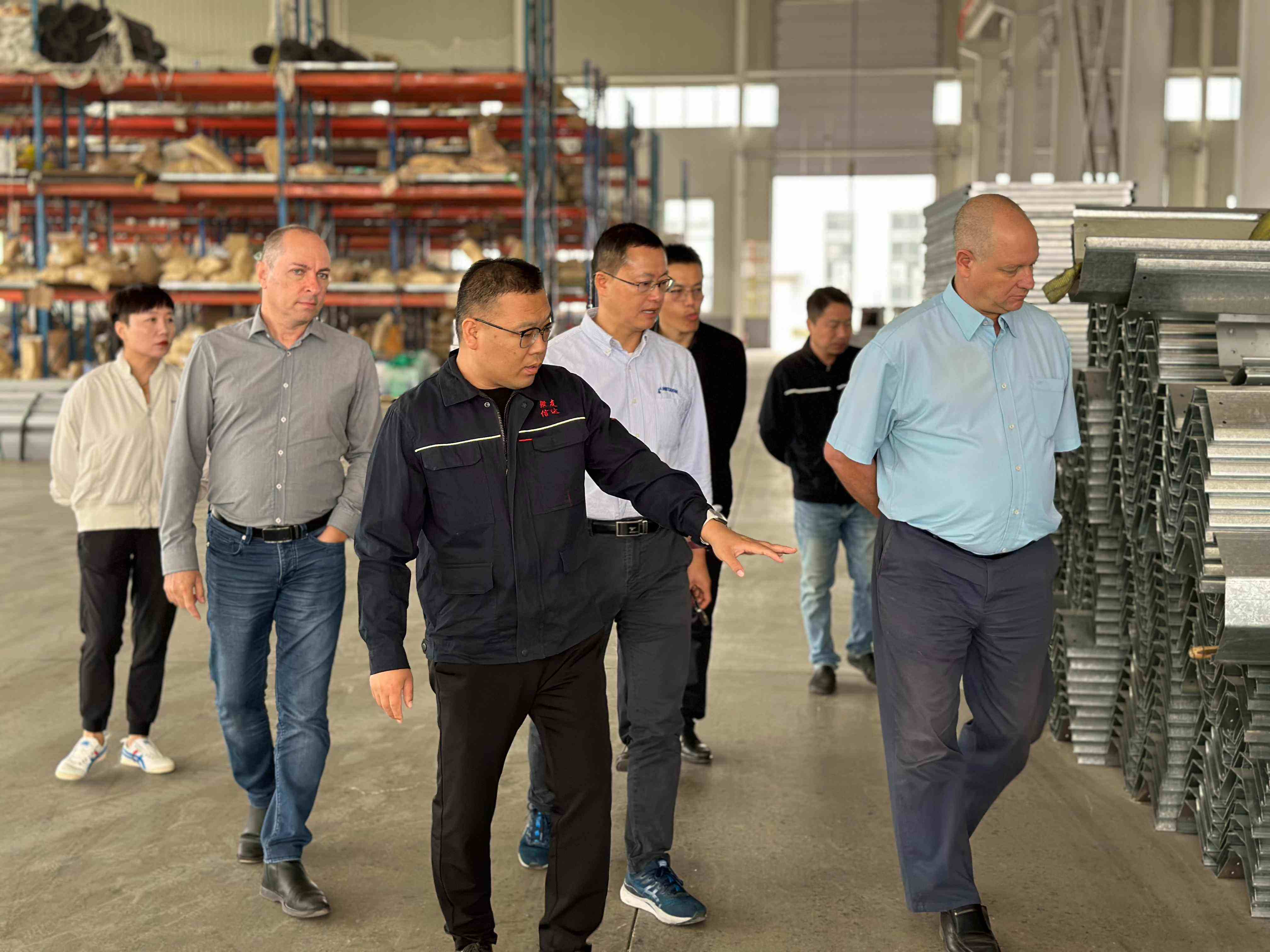
Australian Greenhouse Company Visits Our Facilities to Explore New Collaboration on 50,000 Sq.m Strawberry Glass Greenhouse Project

28

Nov

Australian Greenhouse Company Visits Our Facilities to Explore New Collaboration on 50,000 Sq.m Strawberry Glass Greenhouse Project

View More
 Innovative Breakthrough: Our Company Successfully Delivers World's First Customized

28

Nov

Innovative Breakthrough: Our Company Successfully Delivers World's First Customized "Greenhouse for Fertilizer Drying" to Malaysian Client

View More

Get a Free Quote

Our representative will contact you soon.
Email
Tel or Whatsapp
Name
Company Name
Message
0/1000

commercial greenhouse structures

Advanced Climate Control Technology

Advanced Climate Control Technology

Commercial greenhouse structures incorporate sophisticated climate control technology that revolutionizes agricultural production by providing unprecedented precision in environmental management. These systems utilize advanced sensors, automated controls, and intelligent software to monitor and adjust temperature, humidity, light levels, and air circulation throughout the growing space. The technology includes computerized environmental control units that can maintain temperature variations within one degree Celsius, ensuring optimal growing conditions for specific crops throughout different growth stages. Heating systems integrated into commercial greenhouse structures range from traditional forced-air systems to modern radiant heating solutions that distribute warmth evenly while minimizing energy consumption. Cooling systems employ various methods including exhaust fans, evaporative cooling pads, and fog systems that work together to maintain ideal temperatures during hot weather conditions. Humidity control mechanisms prevent excessive moisture that can lead to fungal diseases while maintaining adequate levels for healthy plant transpiration. The ventilation systems in commercial greenhouse structures utilize both natural and mechanical methods, with automated roof vents, side vents, and circulation fans that ensure proper air movement and gas exchange. Carbon dioxide supplementation systems enhance plant photosynthesis by maintaining optimal CO2 levels, particularly important during periods when vents are closed. Light management technology includes automated shade systems that protect crops from excessive solar radiation while maximizing beneficial light exposure. Some commercial greenhouse structures incorporate supplemental LED lighting systems that provide specific light spectrums to optimize plant growth and development. The integration of weather stations and forecasting systems allows the climate control technology to anticipate and prepare for changing external conditions, automatically adjusting internal parameters to maintain stability. Remote monitoring capabilities enable growers to oversee and control their commercial greenhouse structures from anywhere using smartphones or computers, ensuring continuous optimization even when not physically present. This advanced technology significantly reduces labor requirements while improving crop consistency and yield potential.
Durable Construction and Materials

Durable Construction and Materials

The structural integrity and longevity of commercial greenhouse structures depend on high-quality construction materials and engineering designs that withstand diverse environmental challenges while maintaining optimal growing conditions. Modern commercial greenhouse structures utilize advanced materials such as multi-wall polycarbonate panels that provide excellent insulation properties while allowing maximum light transmission for photosynthesis. These panels offer superior impact resistance compared to traditional glass, reducing maintenance costs and safety concerns associated with breakage. The framework materials used in commercial greenhouse structures typically consist of galvanized steel or aluminum alloys that resist corrosion and provide exceptional strength-to-weight ratios. The galvanization process protects steel components from rust and extends the operational lifespan of commercial greenhouse structures to several decades with minimal maintenance requirements. Aluminum frameworks offer additional benefits including lighter weight, natural corrosion resistance, and thermal expansion properties that accommodate temperature variations without structural stress. Foundation systems for commercial greenhouse structures utilize reinforced concrete or engineered concrete blocks that provide stable support while accommodating utility connections for heating, electrical, and irrigation systems. The roof designs incorporate snow load calculations and wind resistance specifications that ensure structural stability under extreme weather conditions. Ventilation components including roof vents, side vents, and exhaust fans feature weather-sealed construction and corrosion-resistant hardware that maintains functionality over extended periods. Door and access systems utilize commercial-grade materials and hardware designed to withstand frequent use while maintaining environmental seals. The glazing systems in commercial greenhouse structures often include specialized coatings that enhance light transmission while reducing heat loss, improving energy efficiency throughout the operational lifespan. Guttering and drainage systems utilize materials that resist corrosion and blockage while efficiently managing water runoff and collection. The assembly methods for commercial greenhouse structures employ precision-engineered connection systems that ensure proper alignment and structural stability while facilitating efficient installation processes. Quality control measures during manufacturing ensure that all components meet strict specifications for commercial greenhouse structures, providing customers with reliable, long-lasting facilities that maintain their value and functionality over time.
Versatile Applications and Scalability

Versatile Applications and Scalability

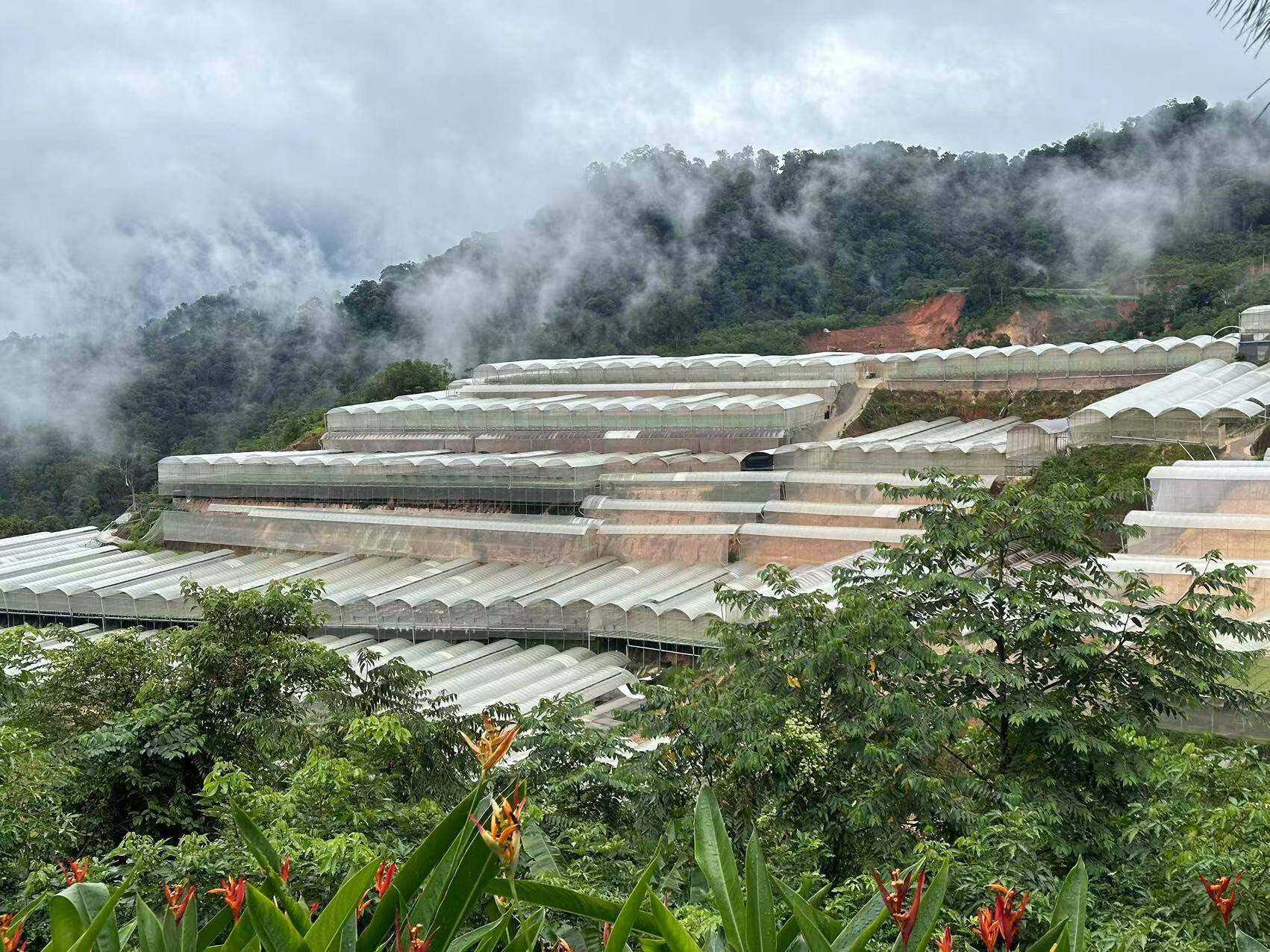
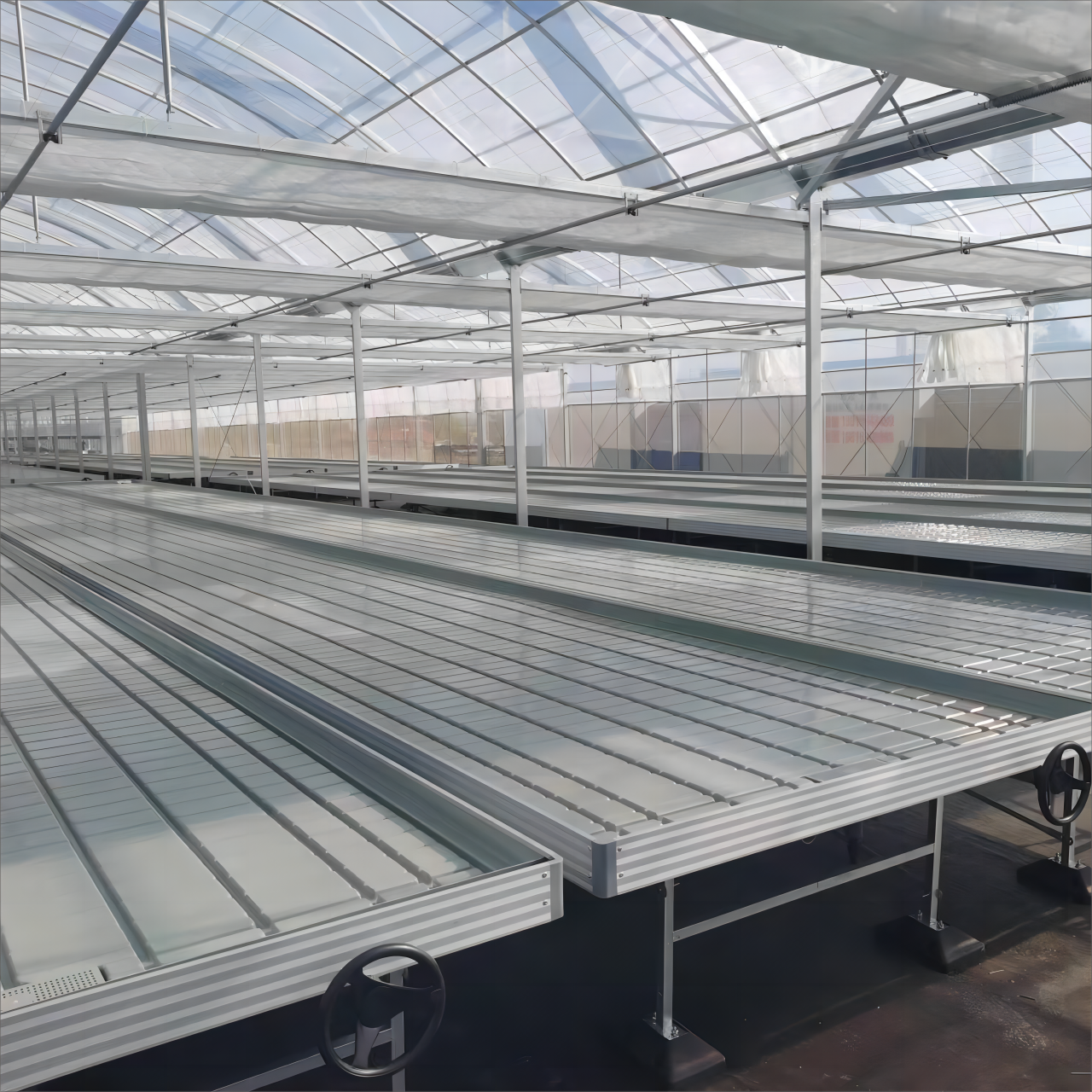
Commercial greenhouse structures offer remarkable versatility in applications and scalability options that accommodate diverse agricultural needs ranging from small specialty operations to large-scale commercial production facilities. These adaptable structures support various growing methodologies including traditional soil-based cultivation, hydroponic systems, aeroponic technologies, and aquaponic integrated systems, allowing growers to select the most appropriate production method for their specific crops and business objectives. The modular design of commercial greenhouse structures enables easy expansion as operations grow, with standardized connection systems that allow additional bays or sections to be added without disrupting existing production areas. This scalability feature makes commercial greenhouse structures an excellent investment for businesses planning gradual expansion or seasonal production increases. Crop versatility represents a major advantage, as commercial greenhouse structures can accommodate vegetables, fruits, flowers, herbs, seedlings, and specialty crops through customized environmental controls and growing systems. The structures support both organic and conventional growing practices, with specialized ventilation and isolation capabilities that prevent cross-contamination between different production areas. Research and educational applications benefit from the controlled environment capabilities of commercial greenhouse structures, enabling precise experimentation and demonstration of various growing techniques and technologies. The structures can be configured for specific purposes including propagation houses with high humidity environments, finishing houses with optimal flowering conditions, or storage facilities with controlled atmosphere capabilities. Commercial greenhouse structures accommodate various automation levels from basic manual operations to fully automated systems with robotic planting, harvesting, and monitoring capabilities. The energy efficiency of these structures can be optimized through orientation, glazing selection, and thermal curtain systems that reduce operational costs while maintaining optimal growing conditions. Seasonal conversion capabilities allow commercial greenhouse structures to serve multiple purposes throughout the year, such as plant production during growing seasons and equipment storage during dormant periods. The structures can incorporate renewable energy systems including solar panels, geothermal heating, and rainwater collection systems that enhance sustainability and reduce operational expenses. Multi-zone capabilities within single commercial greenhouse structures enable simultaneous production of different crops requiring varying environmental conditions, maximizing facility utilization and production diversity. The professional appearance and organized layout of commercial greenhouse structures enhance property values and create positive impressions for customers, suppliers, and regulatory inspectors.

Get a Free Quote

Our representative will contact you soon.
Email
Tel or Whatsapp
Name
Company Name
Message
0/1000