commercial greenhouse structures
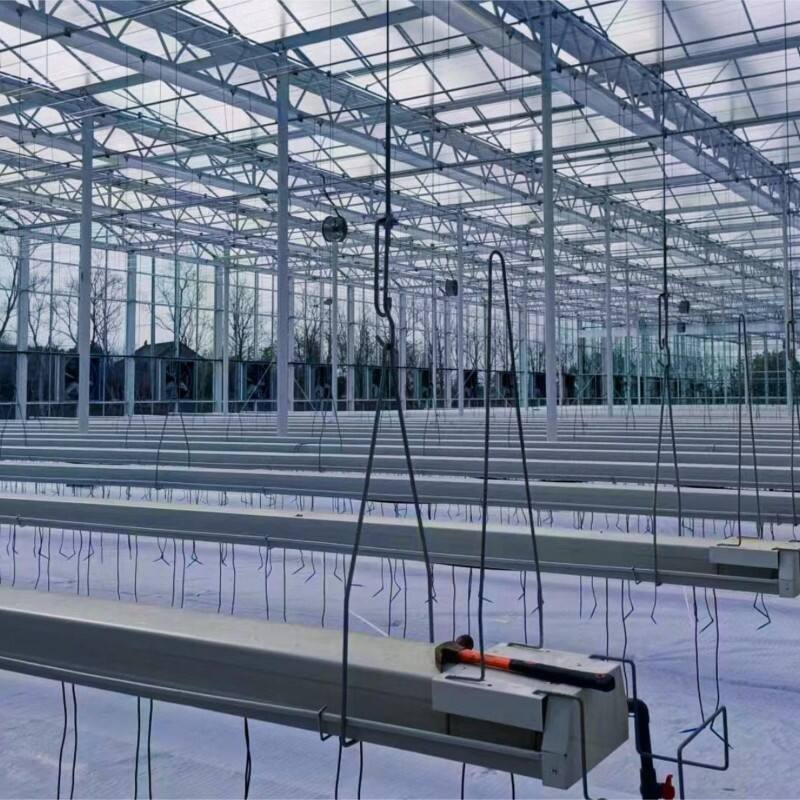
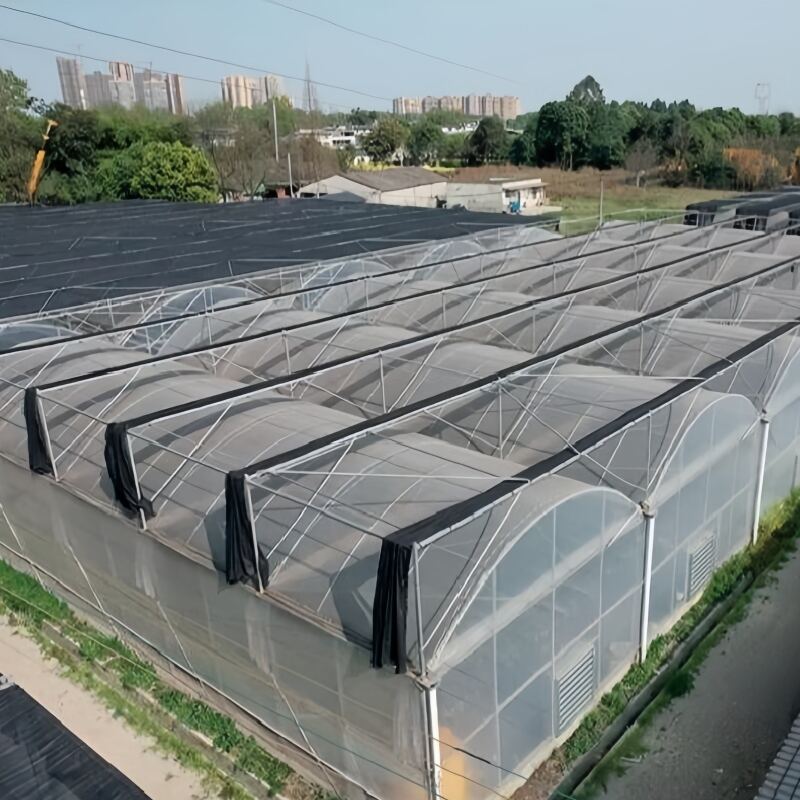
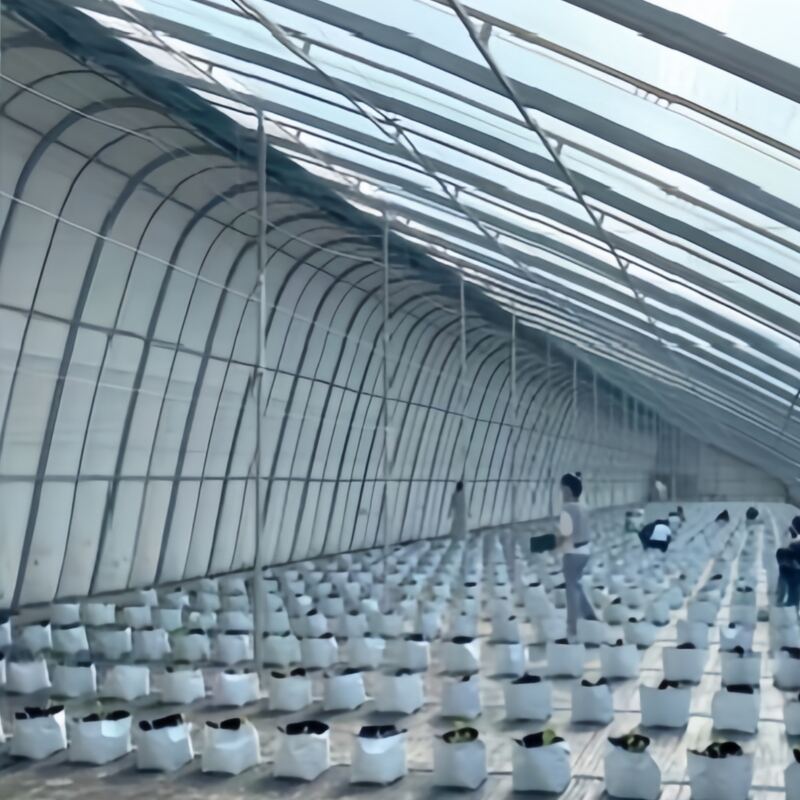
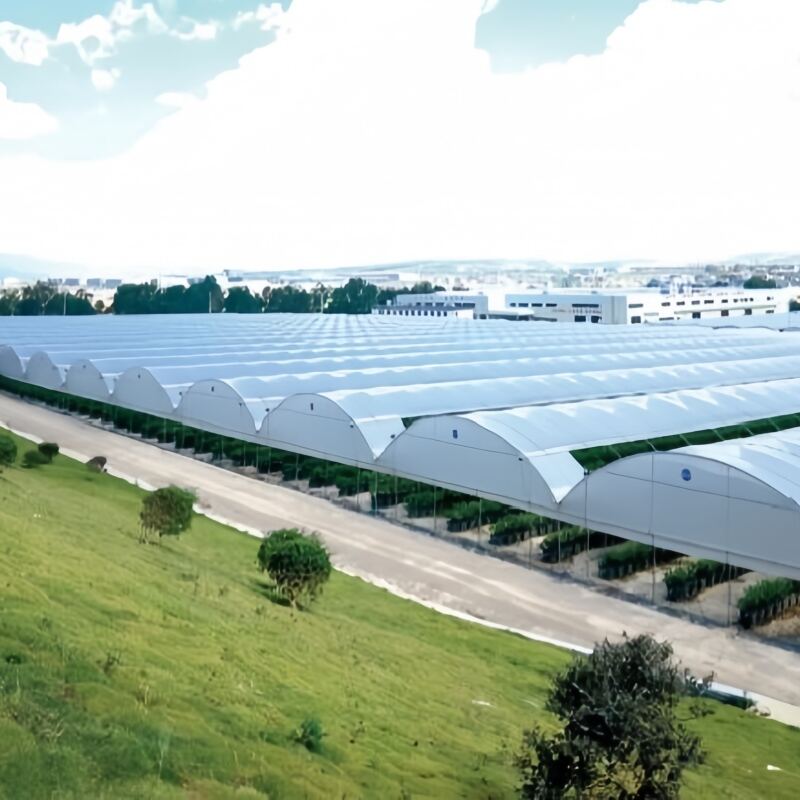
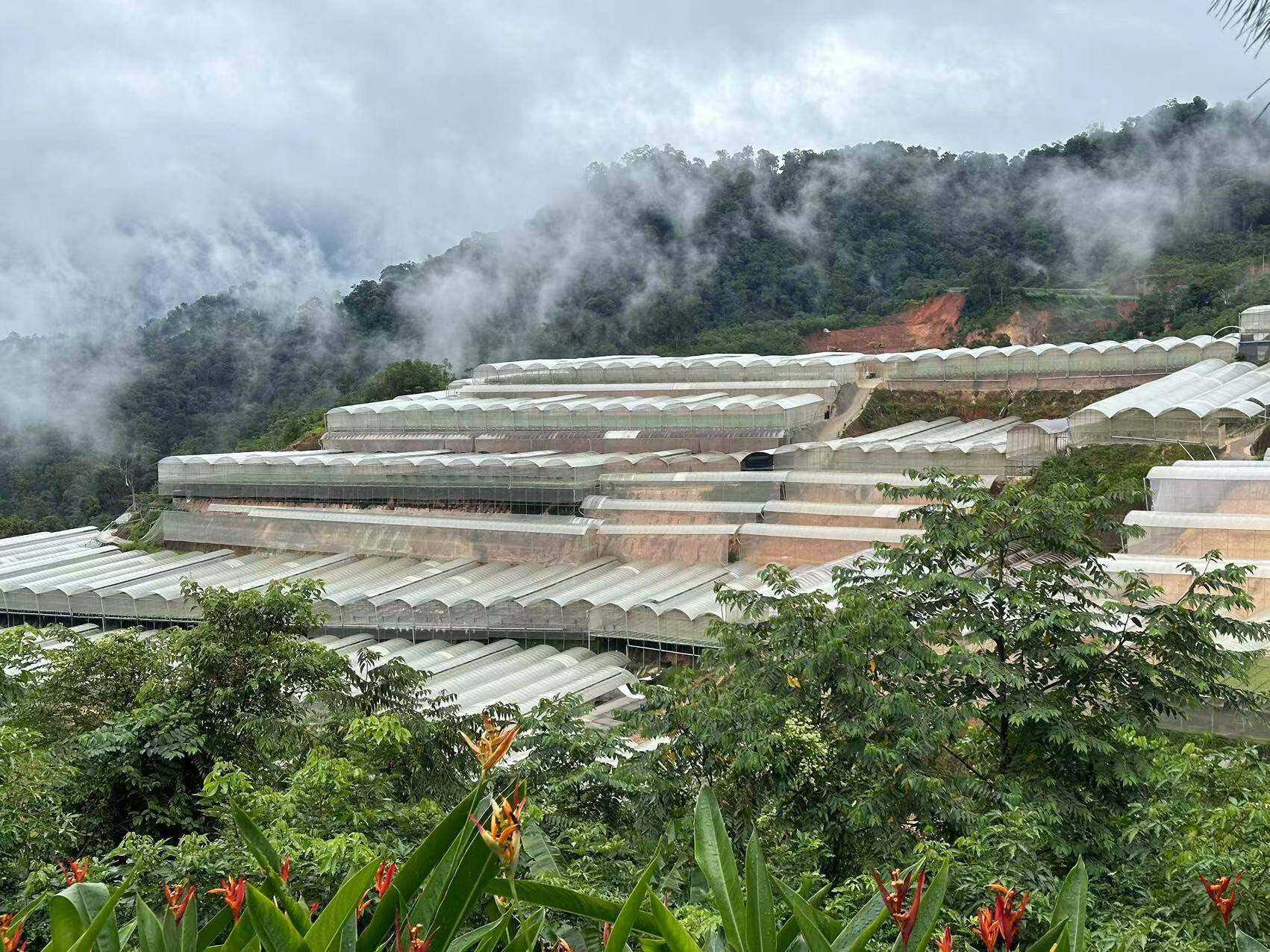
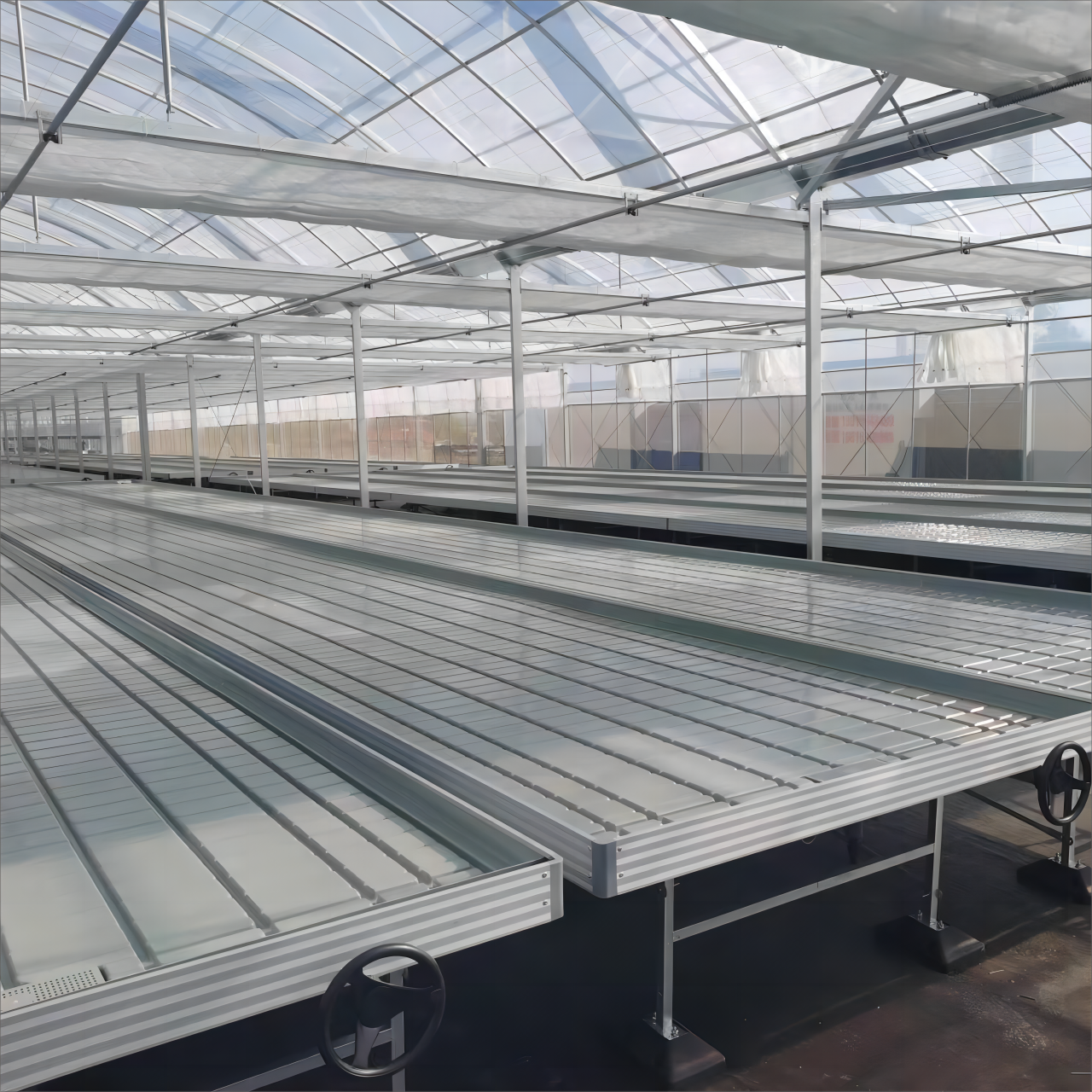
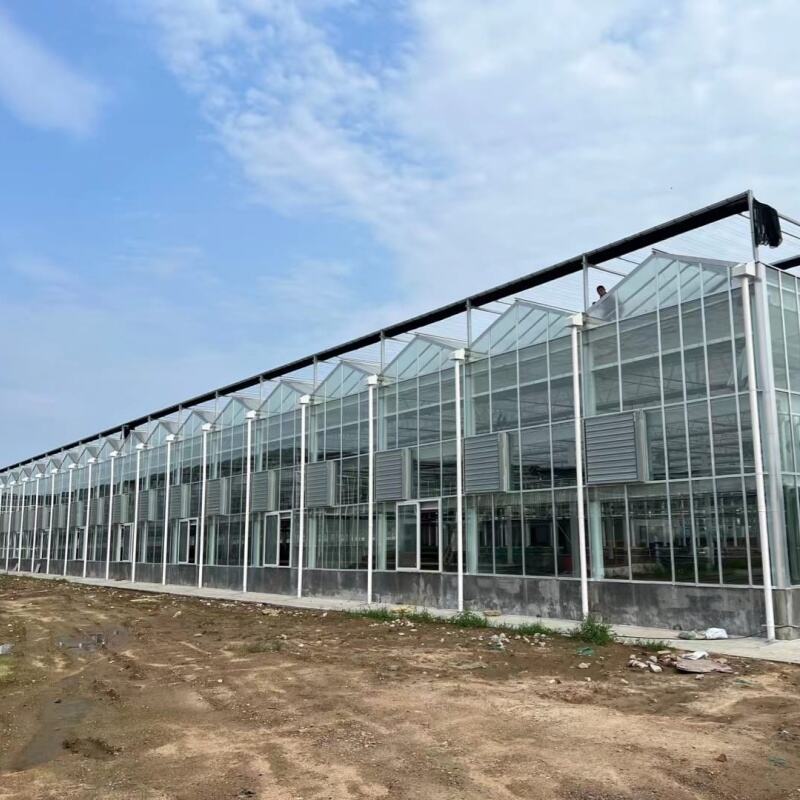
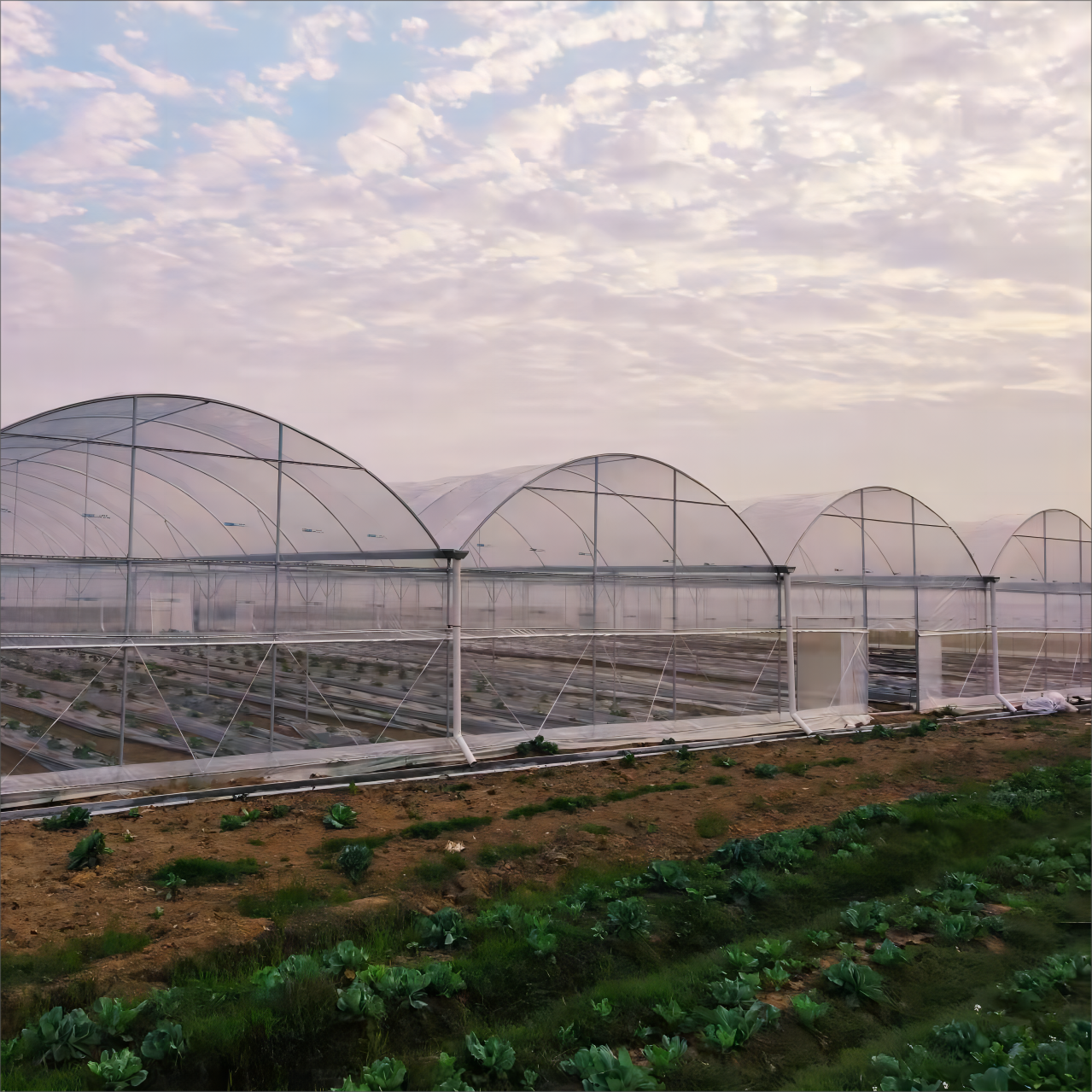
Commercial greenhouse structures represent sophisticated agricultural facilities designed to create controlled environments for optimal plant cultivation year-round. These engineered systems provide farmers, horticulturists, and agricultural businesses with the ability to manipulate environmental conditions including temperature, humidity, light exposure, and air circulation to maximize crop yields and quality. Modern commercial greenhouse structures incorporate advanced materials such as polycarbonate panels, tempered glass, and reinforced aluminum or steel frameworks that ensure durability while maintaining excellent light transmission properties. The primary functions of these structures extend beyond simple weather protection, encompassing climate control systems, automated irrigation networks, and ventilation mechanisms that work together to create ideal growing conditions. Technological features integrated into contemporary commercial greenhouse structures include computerized environmental monitoring systems, automated shade curtains, heating and cooling systems, and sophisticated nutrient delivery mechanisms. These facilities utilize sensors to continuously monitor soil moisture, ambient temperature, carbon dioxide levels, and light intensity, automatically adjusting conditions to maintain optimal growing parameters. The structural design of commercial greenhouse structures varies significantly based on intended applications, ranging from simple hoop houses for seasonal crop protection to complex multi-span facilities equipped with hydroponic growing systems. Applications span diverse agricultural sectors including vegetable production, flower cultivation, seedling propagation, research facilities, and specialized crops requiring controlled environments. The versatility of commercial greenhouse structures makes them suitable for various scales of operation, from small-scale specialty growers to large commercial agricultural enterprises. These structures enable extended growing seasons, protection from adverse weather conditions, pest management, and precise control over growing conditions that would be impossible in traditional outdoor farming environments.
 EN
EN