Glass House for Plants: Complete Guide to Year-Round Greenhouse Growing Solutions

Welcome To JYXD-greenhouse

Get a Free Quote

Our representative will contact you soon.
Email
Tel or Whatsapp
Name
Company Name
Message
0/1000

glass house for plants

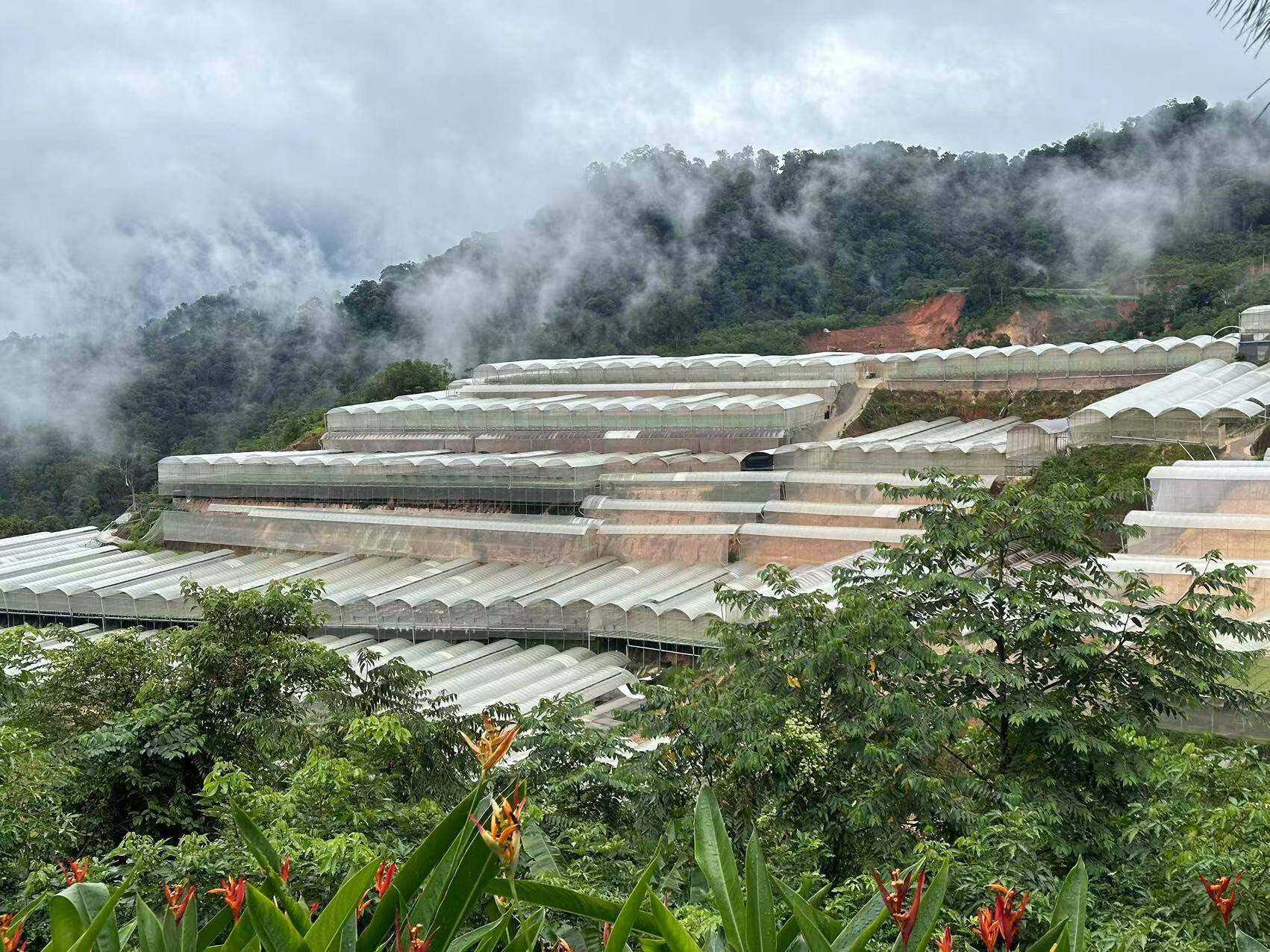
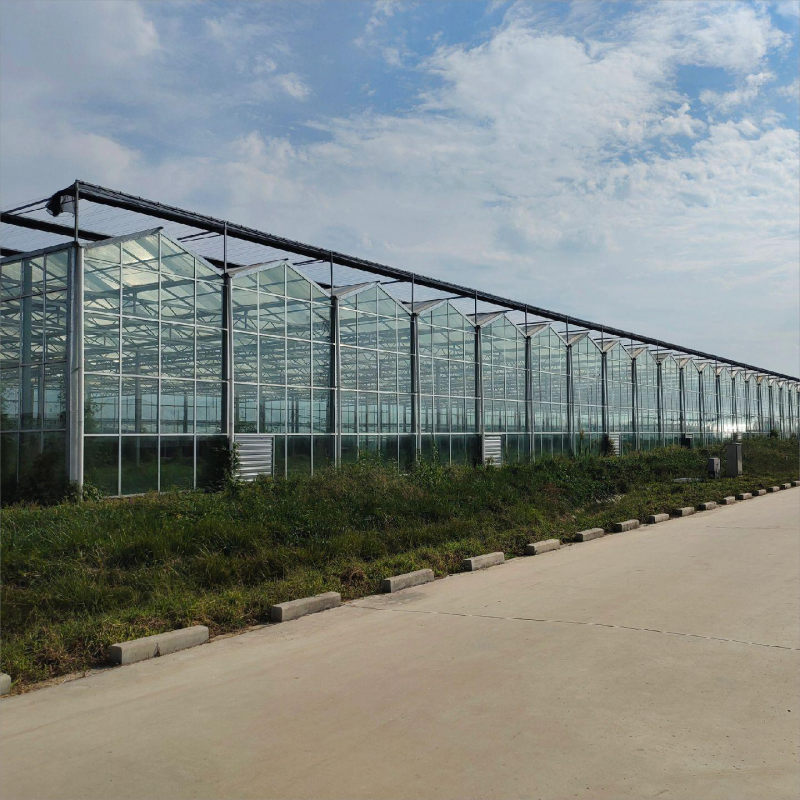
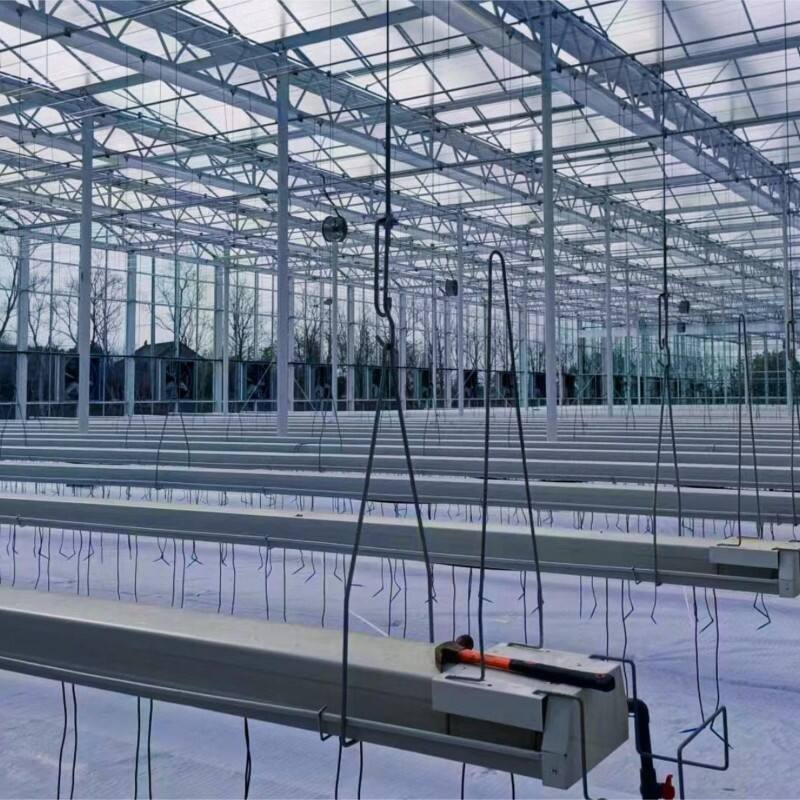
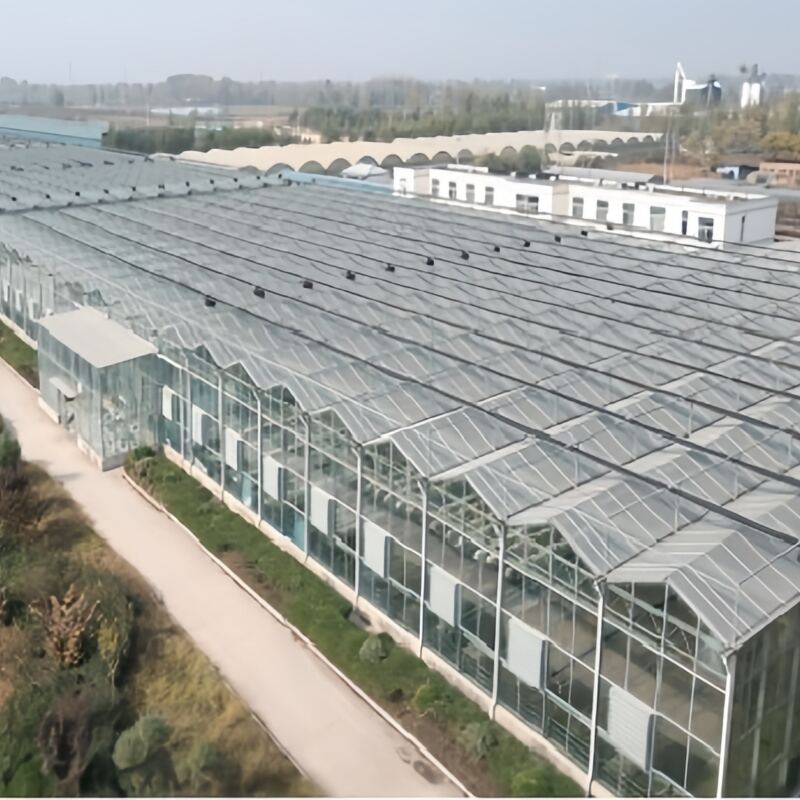
A glass house for plants represents a revolutionary advancement in controlled environment agriculture, offering gardeners and commercial growers unprecedented precision in plant cultivation. These sophisticated structures utilize transparent glass panels to create an enclosed ecosystem where environmental variables can be meticulously managed to optimize plant growth throughout the year. The primary function of a glass house for plants centers on providing protection from external weather conditions while maximizing natural light penetration, creating an ideal microclimate for diverse plant species. Modern glass house for plants incorporates advanced ventilation systems that regulate air circulation, preventing humidity buildup and maintaining optimal oxygen levels. Temperature control mechanisms ensure consistent growing conditions regardless of seasonal fluctuations, while automated irrigation systems deliver precise water amounts directly to plant root zones. The technological features of a contemporary glass house for plants include computerized climate monitoring sensors that track temperature, humidity, soil moisture, and light intensity in real-time. Smart glass technology allows for automatic tinting during peak sunlight hours, protecting sensitive plants from excessive radiation while maintaining photosynthetic efficiency. Energy-efficient LED supplemental lighting systems extend growing seasons and enable cultivation of light-demanding crops during shorter winter days. Applications for glass house for plants span residential gardening, commercial agriculture, research facilities, and educational institutions. Home gardeners utilize compact glass house for plants to extend growing seasons for vegetables, herbs, and ornamental plants. Commercial operations deploy large-scale glass house for plants for year-round production of high-value crops including tomatoes, cucumbers, leafy greens, and specialty flowers. Research institutions employ glass house for plants to conduct controlled experiments on plant breeding, disease resistance, and sustainable growing practices, contributing valuable insights to agricultural science.

New Products

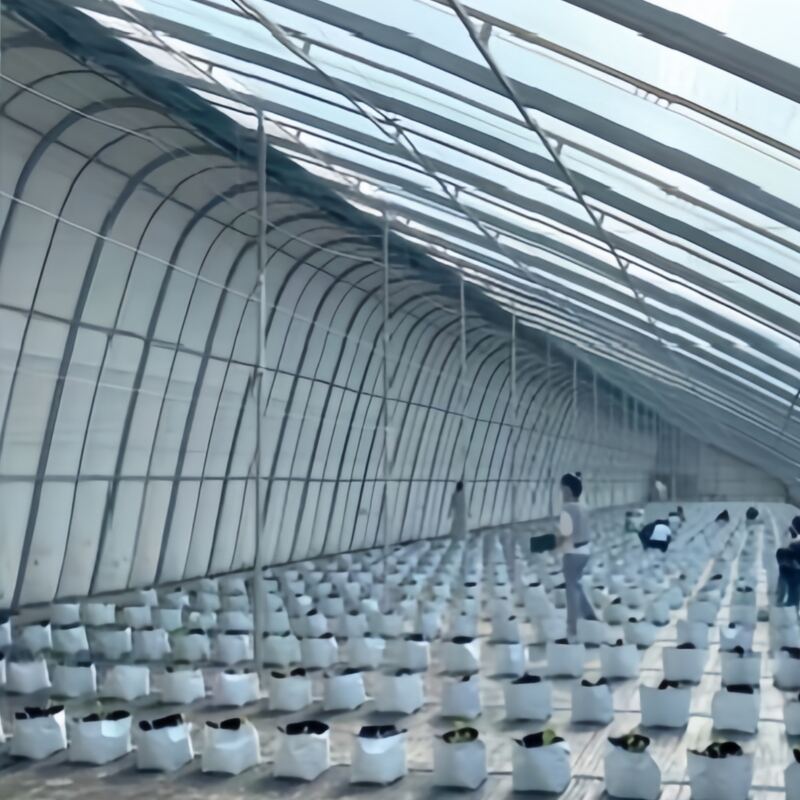
The glass house for plants delivers exceptional value through its ability to create optimal growing conditions that dramatically increase crop yields compared to traditional outdoor cultivation methods. Plants grown within a glass house for plants experience accelerated growth rates due to consistent temperature regulation, protection from harsh weather elements, and precise control over watering schedules. This controlled environment eliminates the unpredictability of outdoor gardening, allowing growers to achieve reliable harvests regardless of seasonal changes or climate variations. Water efficiency represents another significant advantage of the glass house for plants, as closed-loop irrigation systems reduce water consumption by up to 90 percent compared to conventional farming practices. The glass house for plants enables precise nutrient delivery through hydroponic or aeroponic systems, ensuring plants receive exactly the minerals they need for optimal development while minimizing fertilizer waste. Pest and disease management becomes significantly easier within a glass house for plants, as the enclosed structure creates a physical barrier against many common garden pests and reduces the likelihood of soil-borne diseases. This protection reduces or eliminates the need for chemical pesticides, resulting in cleaner, healthier produce and lower environmental impact. The glass house for plants extends growing seasons substantially, allowing cultivation of warm-season crops year-round in temperate climates and enabling multiple harvest cycles annually. Space utilization efficiency surpasses traditional gardening methods, as vertical growing systems within a glass house for plants maximize production per square foot. Climate adaptability makes the glass house for plants suitable for diverse geographical locations, from arctic regions to desert environments, democratizing access to fresh produce cultivation. Economic benefits include reduced grocery expenses through home food production, potential income generation from surplus crop sales, and long-term cost savings through decreased reliance on commercially grown produce. The glass house for plants also provides educational opportunities, allowing families to learn about plant biology, sustainable agriculture, and environmental stewardship through hands-on gardening experiences that continue throughout the year.

Latest News

Forging a Powerful Alliance: Netafim and Juyou Xinda Unite to Reshape the Future of Smart Agriculture

28

Nov

Forging a Powerful Alliance: Netafim and Juyou Xinda Unite to Reshape the Future of Smart Agriculture

View More
Australian Greenhouse Company Visits Our Facilities to Explore New Collaboration on 50,000 Sq.m Strawberry Glass Greenhouse Project

28

Nov

Australian Greenhouse Company Visits Our Facilities to Explore New Collaboration on 50,000 Sq.m Strawberry Glass Greenhouse Project

View More
 Innovative Breakthrough: Our Company Successfully Delivers World's First Customized

28

Nov

Innovative Breakthrough: Our Company Successfully Delivers World's First Customized "Greenhouse for Fertilizer Drying" to Malaysian Client

View More

Get a Free Quote

Our representative will contact you soon.
Email
Tel or Whatsapp
Name
Company Name
Message
0/1000

glass house for plants

Advanced Climate Control Technology

Advanced Climate Control Technology

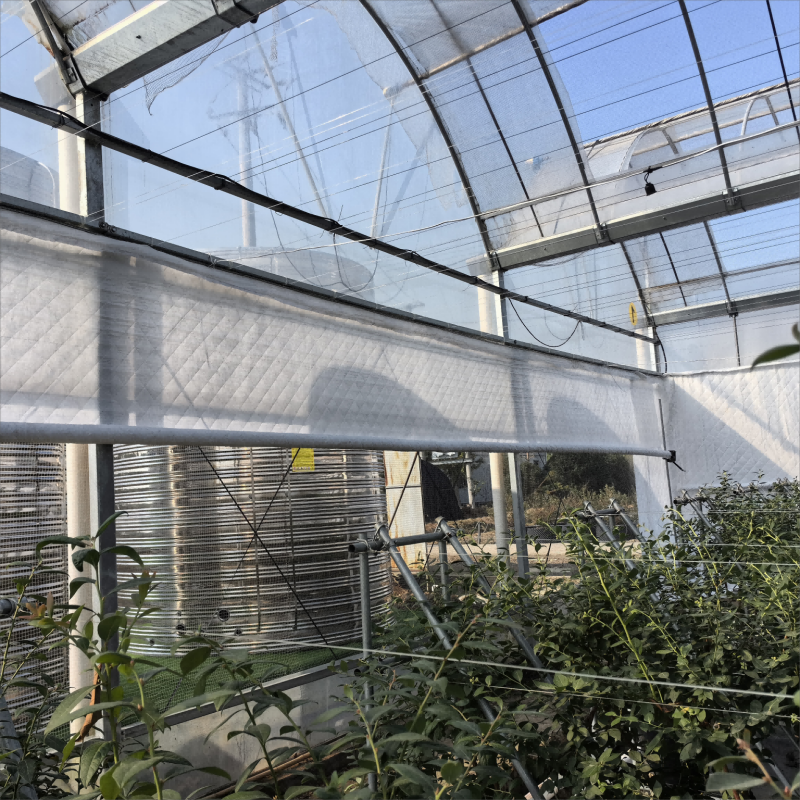
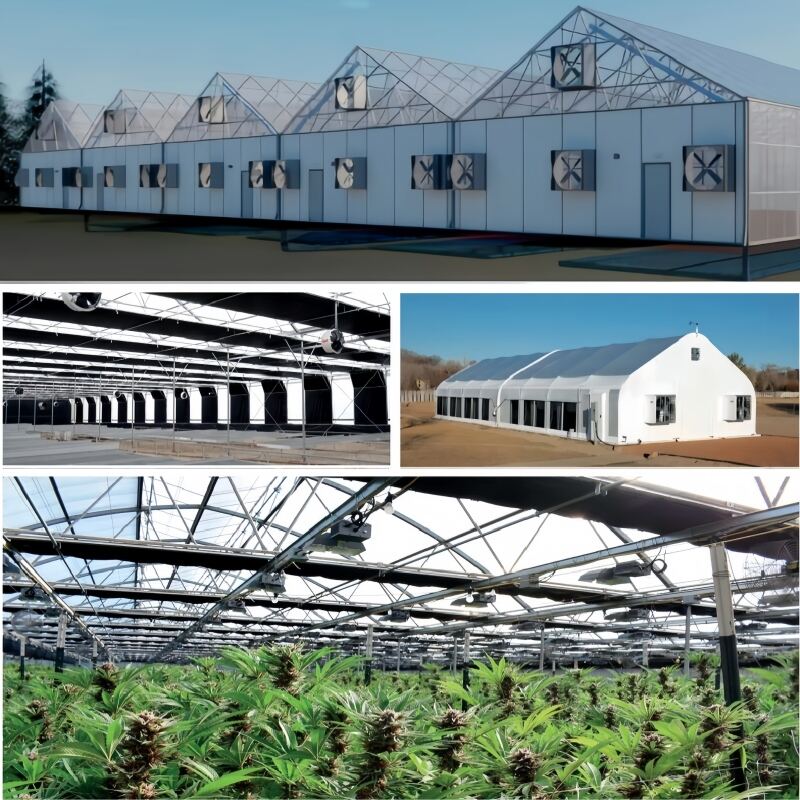
The sophisticated climate control system within a glass house for plants represents cutting-edge agricultural technology that transforms how we approach plant cultivation in controlled environments. This comprehensive system integrates multiple sensors and automated controls to maintain precise environmental conditions that promote optimal plant growth throughout all seasons. Temperature regulation forms the cornerstone of the glass house for plants climate control system, utilizing both passive solar heating during daytime hours and supplemental heating systems during colder periods to maintain consistent growing temperatures. Advanced ventilation mechanisms automatically adjust airflow based on internal temperature readings, preventing overheating during summer months while ensuring adequate air circulation to prevent fungal growth and disease development. Humidity management systems within the glass house for plants monitor moisture levels continuously, activating exhaust fans or misting systems as needed to maintain optimal humidity ranges for different plant species. The integration of smart glass technology allows the glass house for plants to automatically adjust light transmission based on external weather conditions and internal temperature readings, protecting plants from excessive solar radiation while maximizing beneficial light exposure. Computerized control panels enable users to program specific climate parameters for different growing zones within the glass house for plants, accommodating diverse plant requirements simultaneously. Carbon dioxide monitoring and supplementation systems enhance photosynthetic efficiency by maintaining optimal CO2 levels during peak growing periods. Weather prediction integration allows the glass house for plants to automatically adjust environmental settings based on upcoming weather forecasts, preparing plants for optimal growing conditions before external changes occur. Energy efficiency optimization reduces operational costs through smart scheduling of heating, cooling, and lighting systems based on time-of-day electricity rates and natural light availability. The climate control technology in a glass house for plants creates a stable, predictable environment that eliminates the stress factors associated with outdoor cultivation, resulting in healthier plants, higher yields, and more consistent crop quality throughout the growing season.
Year-Round Growing Capability

Year-Round Growing Capability

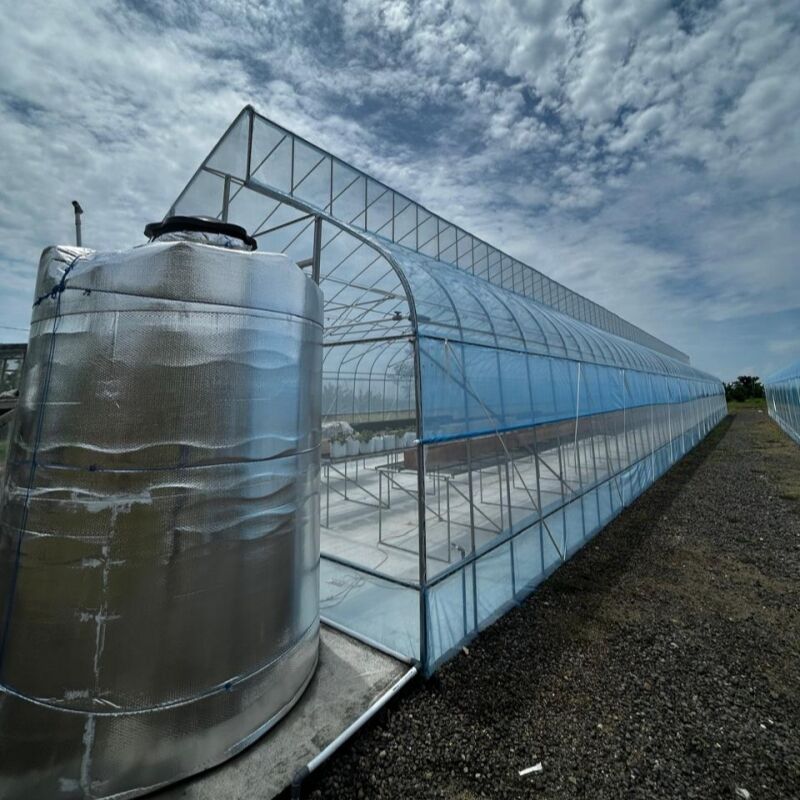
The year-round growing capability of a glass house for plants revolutionizes traditional agriculture by eliminating seasonal limitations and enabling continuous food production regardless of external weather conditions or geographical location. This transformative feature allows gardeners and commercial growers to maintain productive cultivation cycles throughout winter months when outdoor growing becomes impossible in most temperate and cold climates. The glass house for plants achieves this remarkable capability through its combination of thermal regulation, supplemental lighting systems, and protected growing environment that shields plants from frost, snow, wind, and extreme temperature fluctuations. During winter months, the glass house for plants captures and retains solar energy during daylight hours while supplemental heating systems maintain optimal root zone temperatures during nighttime periods. Advanced insulation properties of modern glass panels reduce heat loss while maximizing light transmission, creating an energy-efficient growing environment that supports plant metabolism year-round. LED lighting systems integrated into the glass house for plants provide full-spectrum illumination that compensates for reduced natural daylight during shorter winter days, ensuring plants receive adequate photosynthetic energy for continued growth and development. The controlled environment within a glass house for plants allows for strategic crop rotation and succession planting, enabling multiple harvests of fast-growing crops like lettuce, spinach, and herbs throughout winter months. Cold-hardy vegetables such as kale, Brussels sprouts, and winter radishes thrive within the protected environment of a glass house for plants, providing fresh produce during seasons when grocery store prices typically peak. Warm-season crops including tomatoes, peppers, and cucumbers can continue producing well into winter months within a properly managed glass house for plants, extending harvest periods by several months compared to outdoor cultivation. The year-round capability transforms food security for families and communities, providing consistent access to fresh, nutritious produce regardless of supply chain disruptions or seasonal availability issues. Commercial applications of year-round glass house for plants cultivation enable local food production that reduces transportation costs and environmental impact while ensuring consistent product availability for restaurants, farmers markets, and grocery retailers throughout all seasons.
Superior Plant Protection and Health Benefits

Superior Plant Protection and Health Benefits

The superior plant protection offered by a glass house for plants creates an optimized growing environment that significantly enhances plant health, reduces disease pressure, and produces higher quality crops compared to outdoor cultivation methods. Physical barrier protection represents the primary defense mechanism of a glass house for plants, shielding crops from destructive weather events including hailstorms, heavy winds, excessive rainfall, and temperature extremes that can damage or destroy outdoor plants. The enclosed structure of a glass house for plants creates an effective barrier against common garden pests such as aphids, caterpillars, birds, and small mammals that typically cause significant crop losses in outdoor gardens. Pest exclusion within the glass house for plants reduces or eliminates the need for chemical pesticides, resulting in cleaner, healthier produce that meets organic growing standards while protecting beneficial insects and soil microorganisms. Disease prevention becomes significantly more manageable within a glass house for plants due to controlled humidity levels, improved air circulation, and elimination of soil splash that often spreads fungal and bacterial pathogens in outdoor growing conditions. The glass house for plants enables precise irrigation management through drip systems or hydroponic methods that deliver water directly to plant root zones while keeping foliage dry, reducing the likelihood of foliar diseases that thrive in moist conditions. Air filtration systems within advanced glass house for plants installations can remove airborne pathogens, dust, and pollutants that might otherwise compromise plant health or contaminate crops intended for human consumption. Quarantine capabilities of the glass house for plants allow growers to isolate new plants or treat diseased specimens without risking contamination of healthy crops, supporting integrated pest management strategies and disease prevention protocols. Soil quality improvement becomes achievable within a glass house for plants through controlled composting, targeted soil amendments, and protection from soil erosion and nutrient leaching caused by heavy rainfall. The protected environment enables cultivation of sensitive or exotic plant varieties that would not survive in local outdoor conditions, expanding growing possibilities and enabling experimentation with high-value specialty crops. Enhanced plant vigor and stress reduction within the glass house for plants result in stronger immune systems, better nutrient uptake, and improved flavor profiles in edible crops while extending shelf life and storage quality of harvested produce.

Get a Free Quote

Our representative will contact you soon.
Email
Tel or Whatsapp
Name
Company Name
Message
0/1000