Superior Plant Protection and Health Benefits
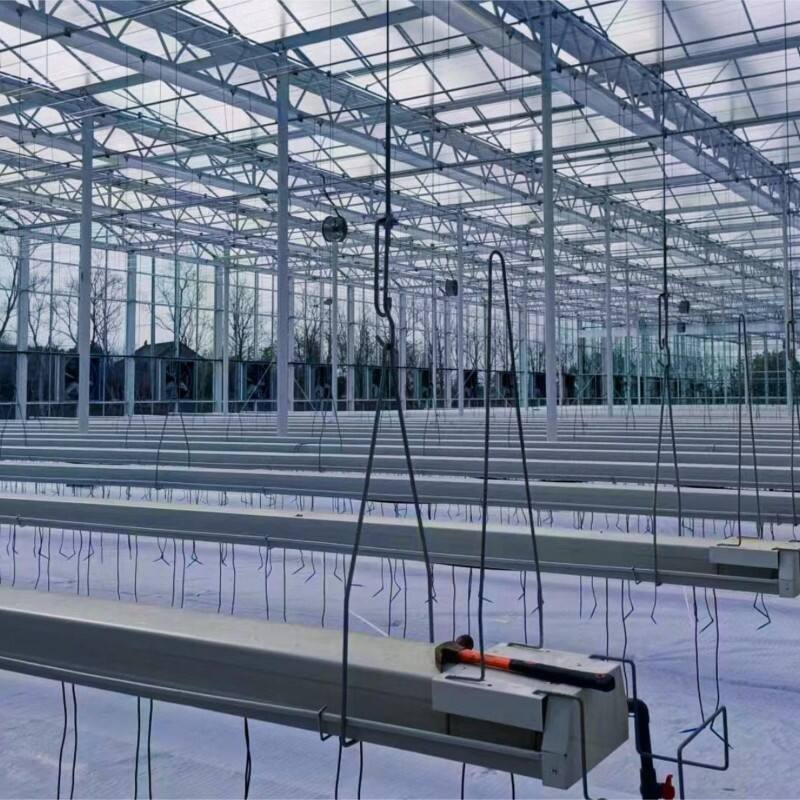
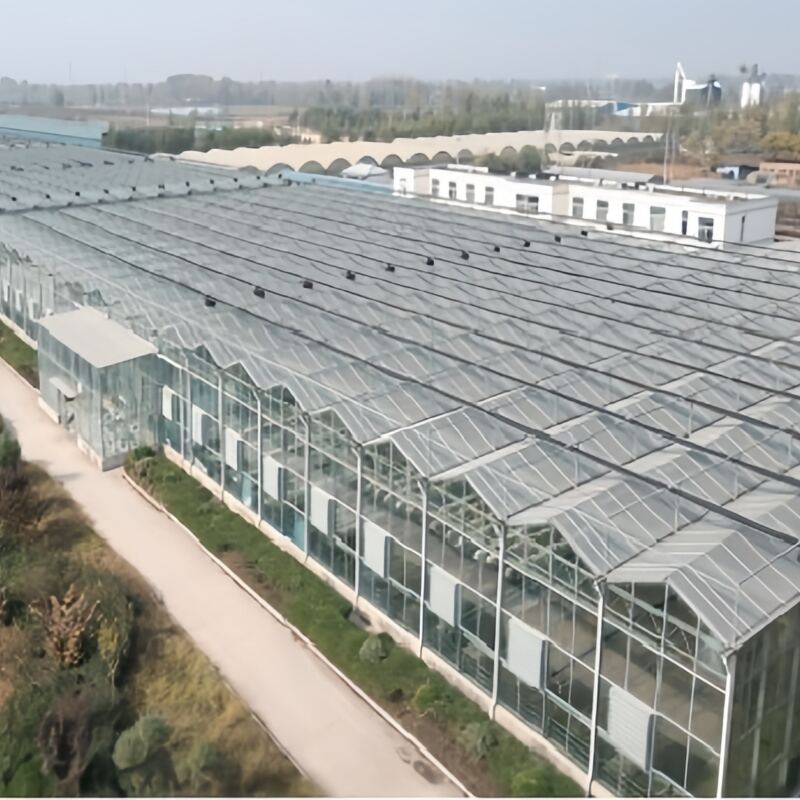
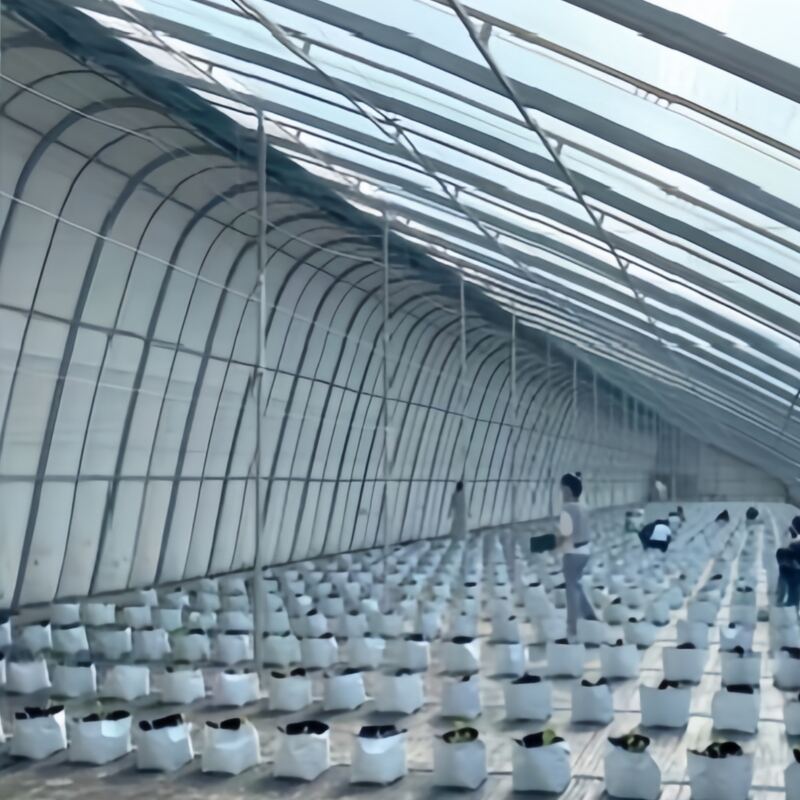
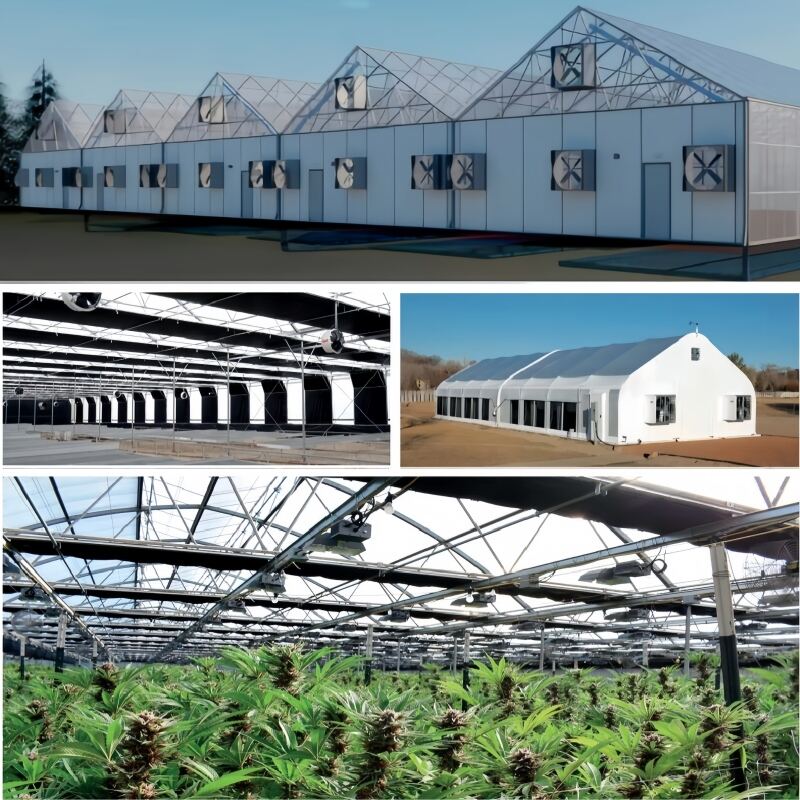
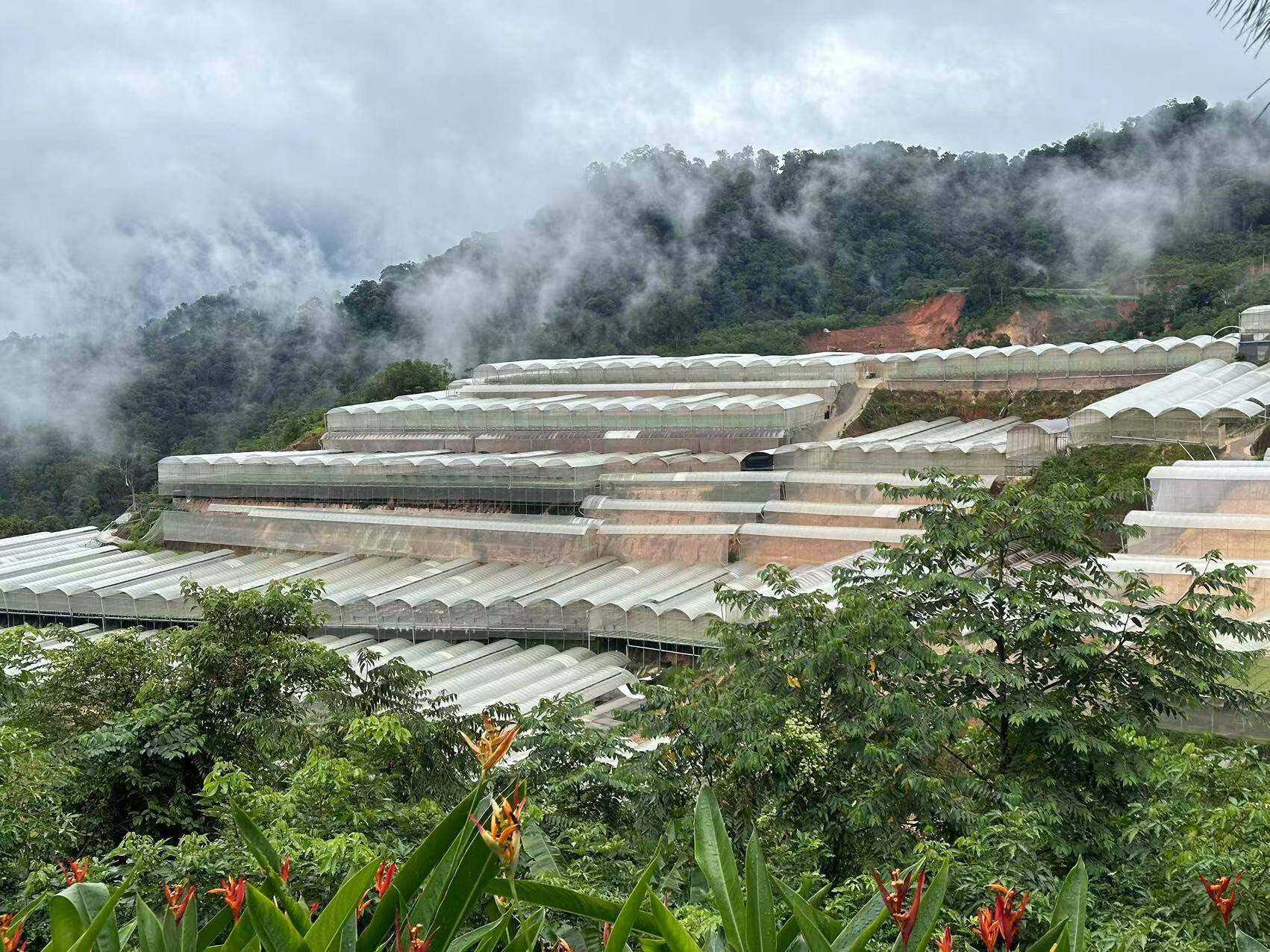
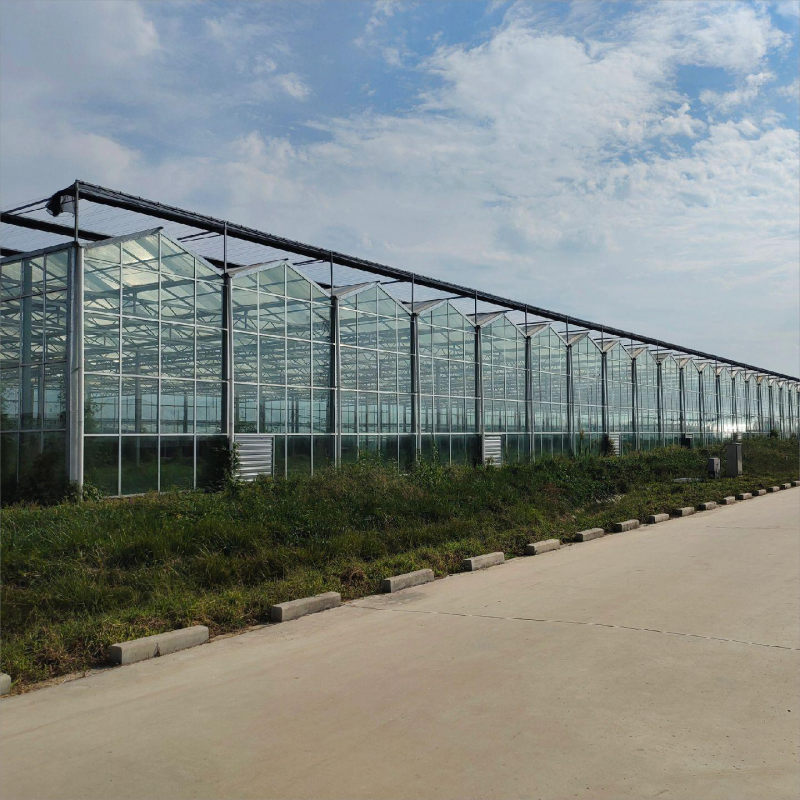
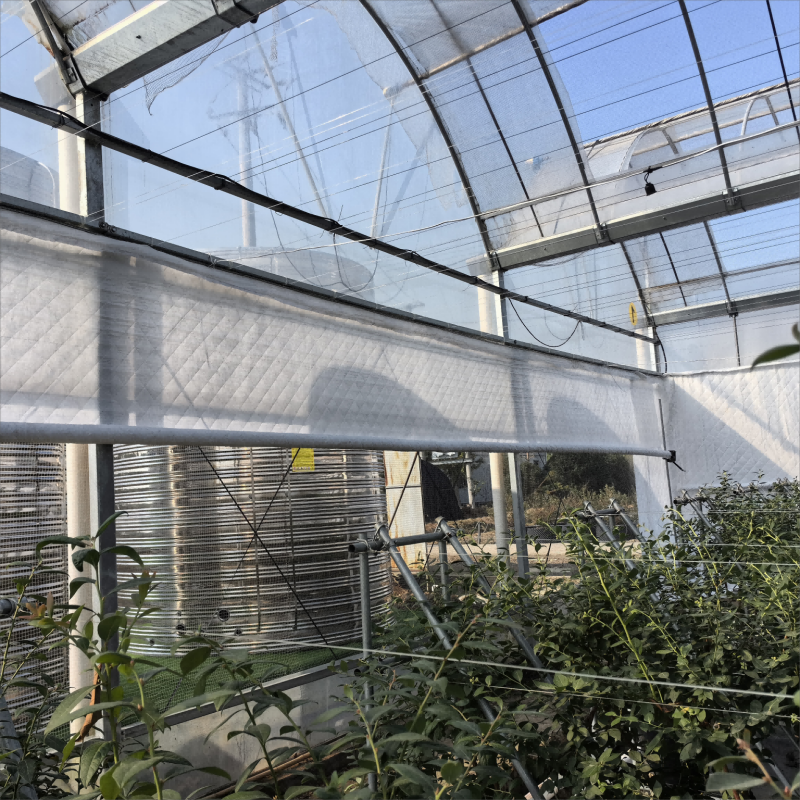
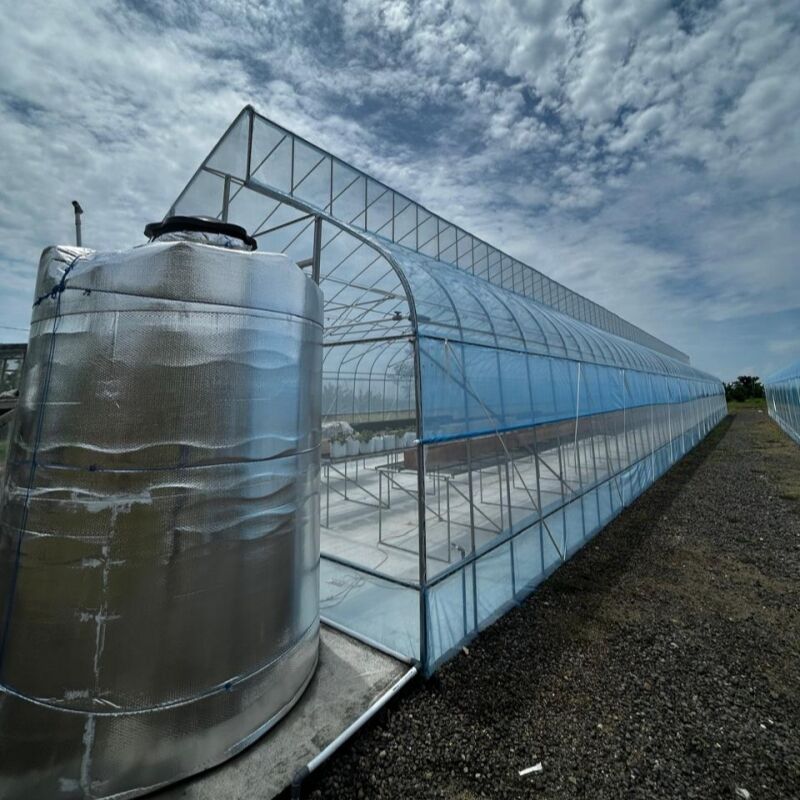
The superior plant protection offered by a glass house for plants creates an optimized growing environment that significantly enhances plant health, reduces disease pressure, and produces higher quality crops compared to outdoor cultivation methods. Physical barrier protection represents the primary defense mechanism of a glass house for plants, shielding crops from destructive weather events including hailstorms, heavy winds, excessive rainfall, and temperature extremes that can damage or destroy outdoor plants. The enclosed structure of a glass house for plants creates an effective barrier against common garden pests such as aphids, caterpillars, birds, and small mammals that typically cause significant crop losses in outdoor gardens. Pest exclusion within the glass house for plants reduces or eliminates the need for chemical pesticides, resulting in cleaner, healthier produce that meets organic growing standards while protecting beneficial insects and soil microorganisms. Disease prevention becomes significantly more manageable within a glass house for plants due to controlled humidity levels, improved air circulation, and elimination of soil splash that often spreads fungal and bacterial pathogens in outdoor growing conditions. The glass house for plants enables precise irrigation management through drip systems or hydroponic methods that deliver water directly to plant root zones while keeping foliage dry, reducing the likelihood of foliar diseases that thrive in moist conditions. Air filtration systems within advanced glass house for plants installations can remove airborne pathogens, dust, and pollutants that might otherwise compromise plant health or contaminate crops intended for human consumption. Quarantine capabilities of the glass house for plants allow growers to isolate new plants or treat diseased specimens without risking contamination of healthy crops, supporting integrated pest management strategies and disease prevention protocols. Soil quality improvement becomes achievable within a glass house for plants through controlled composting, targeted soil amendments, and protection from soil erosion and nutrient leaching caused by heavy rainfall. The protected environment enables cultivation of sensitive or exotic plant varieties that would not survive in local outdoor conditions, expanding growing possibilities and enabling experimentation with high-value specialty crops. Enhanced plant vigor and stress reduction within the glass house for plants result in stronger immune systems, better nutrient uptake, and improved flavor profiles in edible crops while extending shelf life and storage quality of harvested produce.


 EN
EN