Premium Double Layer Greenhouse Plastic - Superior Insulation & Crop Protection Solutions

Welcome To JYXD-greenhouse

Get a Free Quote

Our representative will contact you soon.
Email
Tel or Whatsapp
Name
Company Name
Message
0/1000

double layer greenhouse plastic

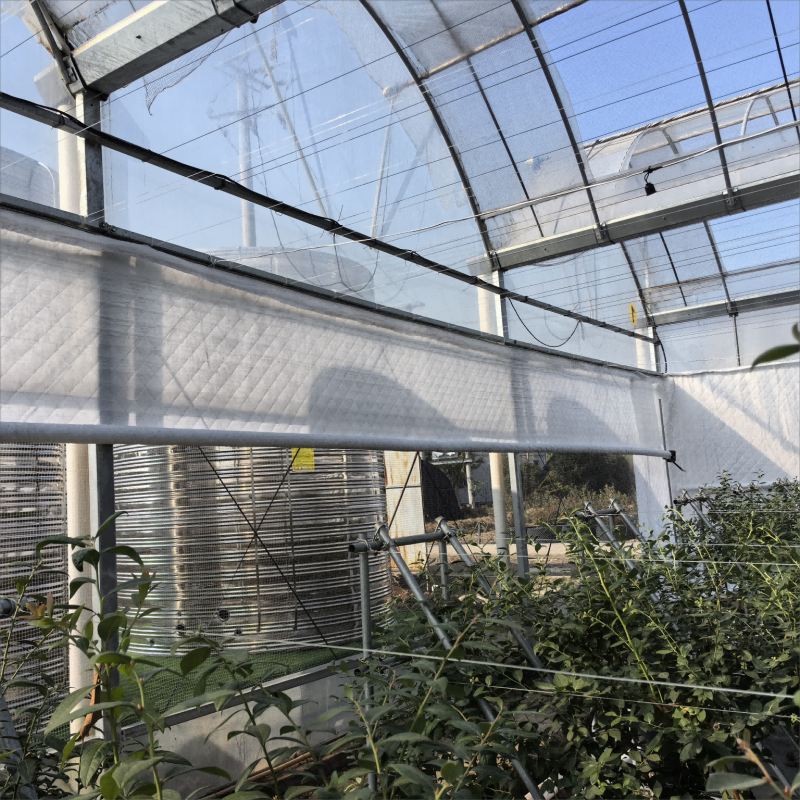
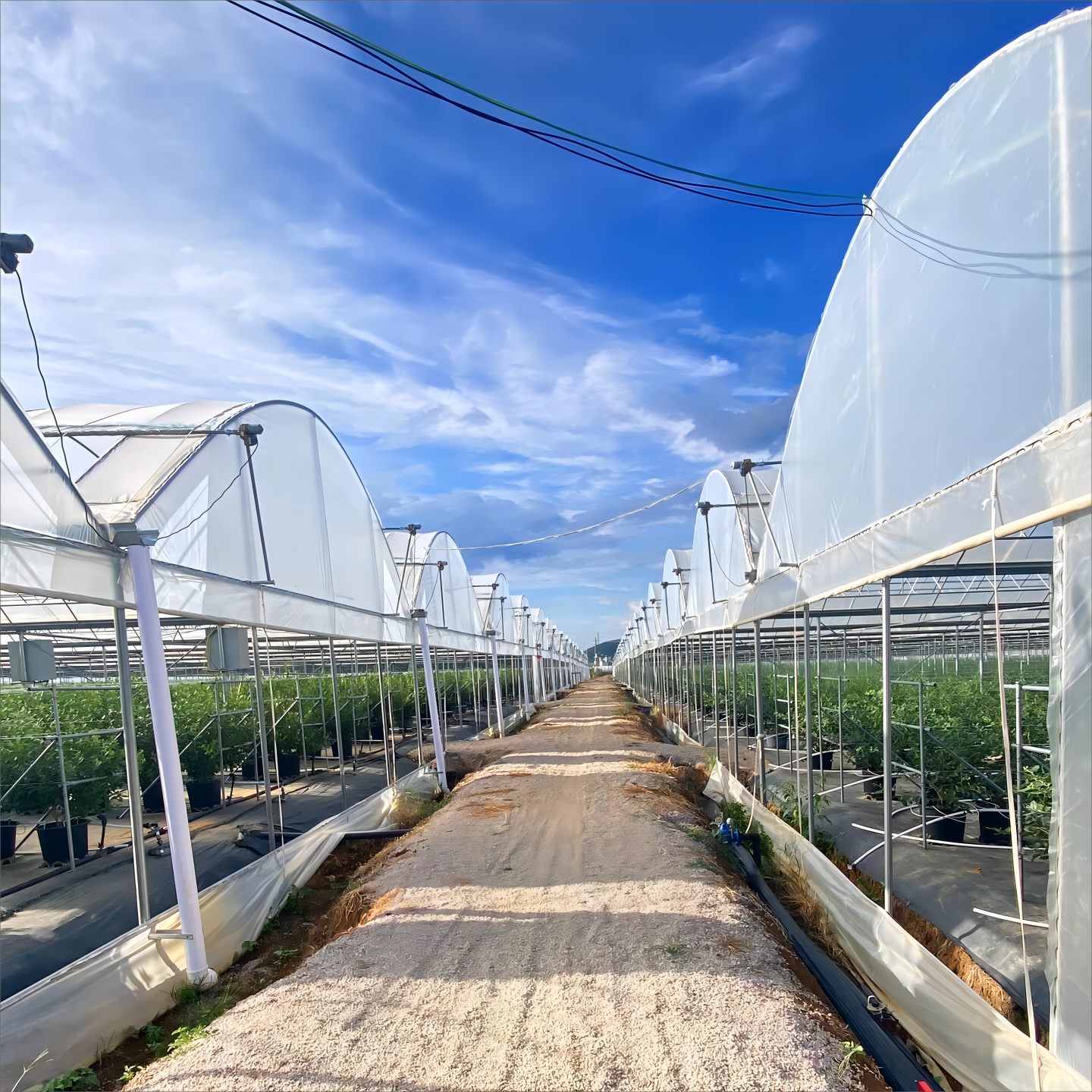
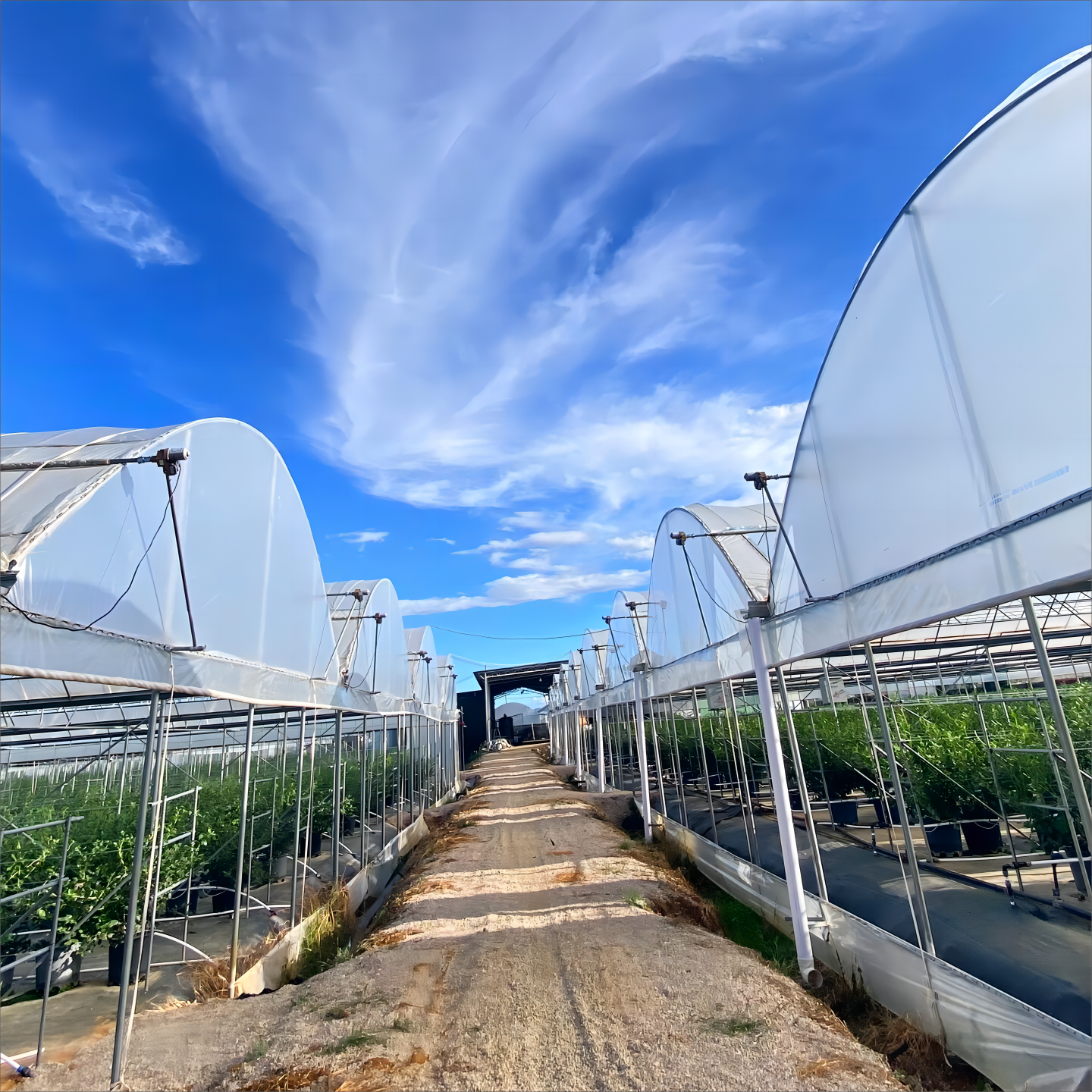
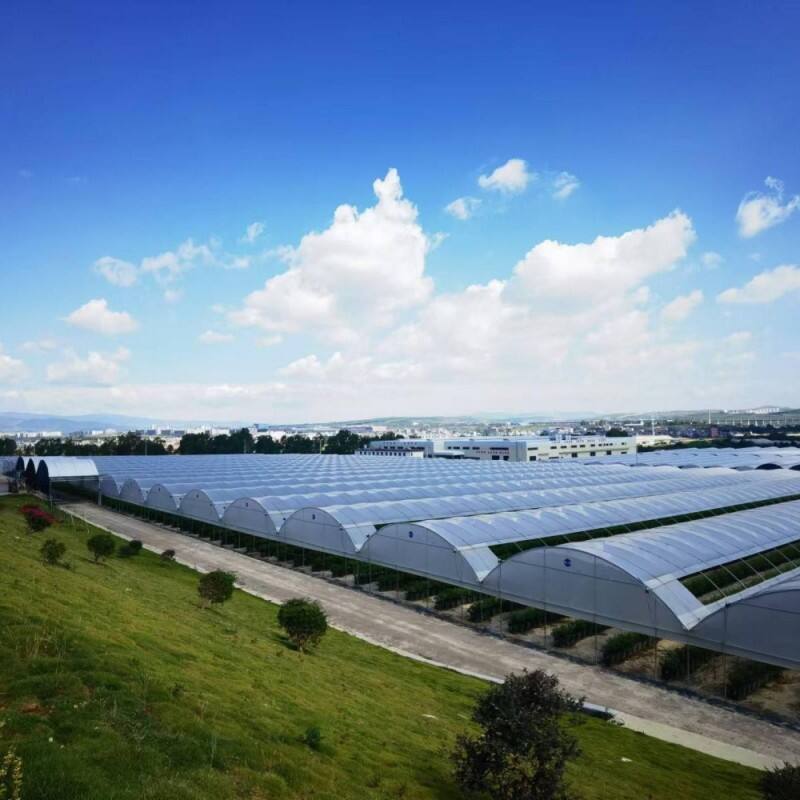
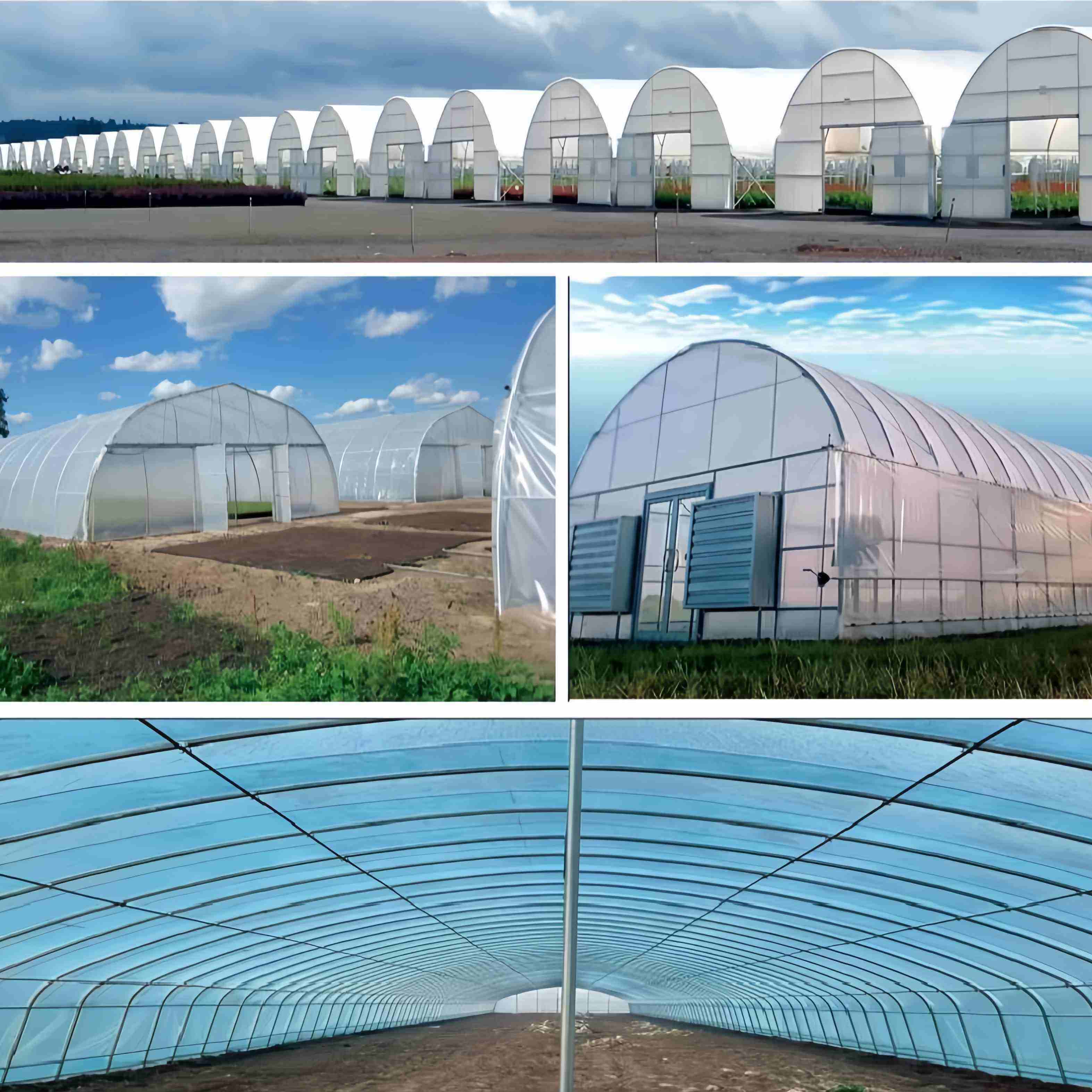
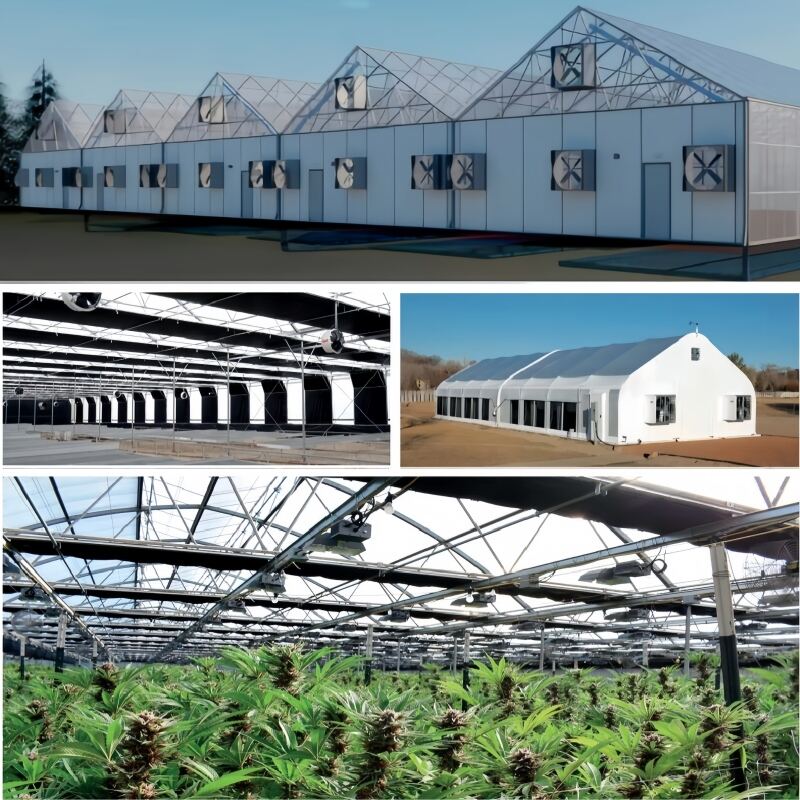
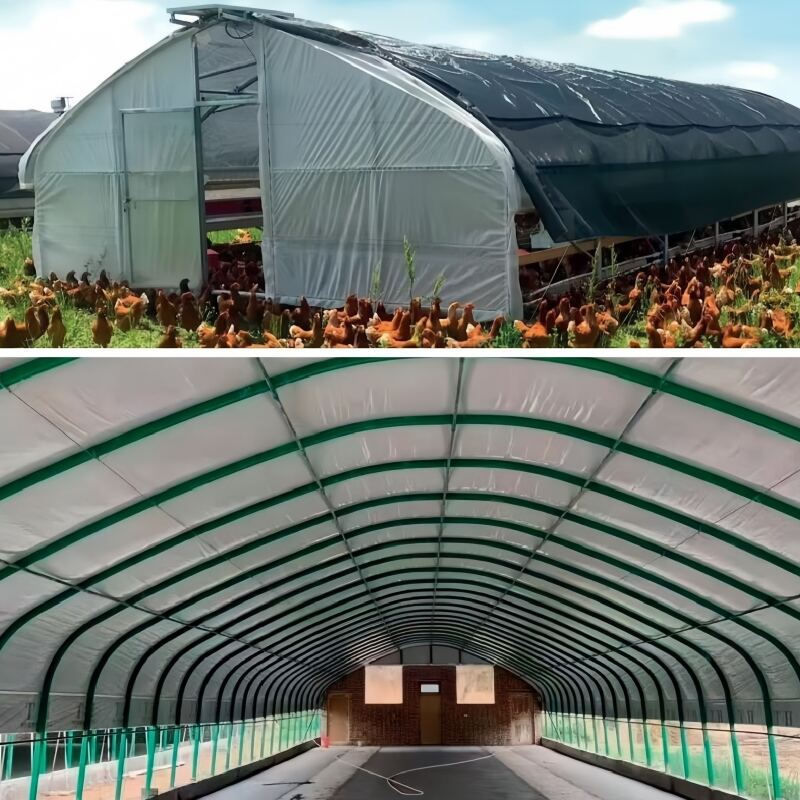
Double layer greenhouse plastic represents a revolutionary advancement in agricultural protection technology, designed to provide superior crop cultivation environments while maximizing energy efficiency and structural durability. This innovative covering system consists of two separate plastic film layers that create an insulated air space between them, fundamentally transforming how greenhouses maintain optimal growing conditions. The double layer greenhouse plastic system operates on the principle of thermal insulation, where the trapped air between the two plastic sheets acts as a natural insulator, significantly reducing heat transfer and maintaining stable internal temperatures. This technology has become increasingly popular among commercial growers and hobbyist gardeners who seek to extend growing seasons, reduce heating costs, and protect their crops from extreme weather conditions. The outer layer of the double layer greenhouse plastic typically features UV-resistant properties that protect against harmful solar radiation while allowing beneficial light wavelengths to penetrate. Meanwhile, the inner layer maintains structural integrity and provides additional protection against condensation and moisture accumulation. Modern double layer greenhouse plastic systems often incorporate advanced polymer formulations that enhance light transmission, improve tear resistance, and extend operational lifespan. Installation of double layer greenhouse plastic requires specialized inflation systems that maintain consistent air pressure between the layers, ensuring optimal performance throughout varying weather conditions. The technology finds extensive applications in commercial vegetable production, flower cultivation, nursery operations, and research facilities where precise environmental control is essential. Many agricultural operations have adopted double layer greenhouse plastic as a cost-effective alternative to rigid glazing materials, achieving comparable insulation performance at a fraction of the cost. The system's versatility allows for customization based on specific crop requirements, climate conditions, and budget constraints, making it an attractive solution for diverse agricultural applications worldwide.

New Product Recommendations

Double layer greenhouse plastic delivers exceptional thermal insulation that dramatically reduces heating costs during cold seasons while maintaining optimal growing temperatures for various crops. The insulating air gap between the two plastic layers creates a barrier that prevents heat loss, allowing growers to maintain consistent internal temperatures with significantly less energy consumption compared to single-layer coverings. This thermal efficiency translates directly into reduced operational expenses, making greenhouse operations more profitable and sustainable. The enhanced light transmission properties of double layer greenhouse plastic ensure that plants receive adequate photosynthetic radiation while filtering out harmful UV wavelengths that could damage sensitive crops. Advanced formulations in modern double layer greenhouse plastic systems optimize light diffusion, creating uniform illumination throughout the growing space and eliminating hot spots that could stress plants. The structural benefits of double layer greenhouse plastic include superior wind resistance and load-bearing capacity compared to single-layer alternatives. The dual-layer construction distributes mechanical stress more effectively, reducing the risk of tears or punctures during severe weather events. This increased durability extends the operational lifespan of the covering material, providing better return on investment for greenhouse operators. Moisture management represents another significant advantage of double layer greenhouse plastic systems. The design minimizes condensation formation on interior surfaces, reducing humidity-related plant diseases and improving air quality within the growing environment. The controlled moisture levels also prevent dripping that could damage sensitive crops or create uneven growing conditions. Installation flexibility allows double layer greenhouse plastic to accommodate various greenhouse designs and sizes, from small hobby structures to large commercial facilities. The lightweight nature of the material reduces structural requirements for supporting frameworks, enabling more cost-effective construction while maintaining excellent performance characteristics. Maintenance requirements for double layer greenhouse plastic are minimal compared to rigid glazing materials, as the plastic surface resists algae growth and requires only periodic cleaning to maintain optimal light transmission. The system's ability to provide consistent environmental control helps growers achieve higher crop yields, better quality produce, and more predictable harvest schedules, ultimately improving overall agricultural productivity and profitability.

Practical Tips

Forging a Powerful Alliance: Netafim and Juyou Xinda Unite to Reshape the Future of Smart Agriculture

28

Nov

Forging a Powerful Alliance: Netafim and Juyou Xinda Unite to Reshape the Future of Smart Agriculture

View More
Australian Greenhouse Company Visits Our Facilities to Explore New Collaboration on 50,000 Sq.m Strawberry Glass Greenhouse Project

28

Nov

Australian Greenhouse Company Visits Our Facilities to Explore New Collaboration on 50,000 Sq.m Strawberry Glass Greenhouse Project

View More
 Innovative Breakthrough: Our Company Successfully Delivers World's First Customized

28

Nov

Innovative Breakthrough: Our Company Successfully Delivers World's First Customized "Greenhouse for Fertilizer Drying" to Malaysian Client

View More

Get a Free Quote

Our representative will contact you soon.
Email
Tel or Whatsapp
Name
Company Name
Message
0/1000

double layer greenhouse plastic

Superior Thermal Insulation Performance

Superior Thermal Insulation Performance

The thermal insulation capabilities of double layer greenhouse plastic represent its most significant technological achievement, delivering energy savings that can reduce heating costs by up to 40 percent compared to conventional single-layer coverings. This remarkable efficiency stems from the carefully engineered air space between the two plastic layers, which creates a thermal barrier that effectively prevents heat transfer through conduction, convection, and radiation. The insulating properties of double layer greenhouse plastic remain consistent across varying temperature ranges, ensuring stable growing conditions even during extreme weather fluctuations. Advanced manufacturing techniques used in producing double layer greenhouse plastic incorporate specialized additives that enhance thermal retention while maintaining excellent light transmission characteristics. The air gap thickness in double layer greenhouse plastic systems is precisely calculated to optimize insulation performance without compromising structural integrity or light penetration. This thermal efficiency enables growers to maintain optimal temperatures for heat-loving crops like tomatoes, peppers, and cucumbers throughout extended growing seasons, maximizing productivity and profitability. The consistent temperature control provided by double layer greenhouse plastic eliminates thermal shock that can stress plants and reduce yields, creating ideal microclimates for sensitive species. Energy-conscious growers particularly benefit from the reduced carbon footprint associated with lower heating requirements, aligning with sustainable agricultural practices and environmental stewardship goals. The thermal performance of double layer greenhouse plastic systems improves over time as the materials settle and the air gap stabilizes, providing long-term value for greenhouse investments. Modern double layer greenhouse plastic formulations include thermal stabilizers that prevent degradation under extreme temperature conditions, ensuring consistent insulation performance throughout the material's operational lifespan. The economic benefits of superior thermal insulation extend beyond energy savings to include reduced equipment wear on heating systems, lower maintenance costs, and improved crop quality resulting from stable growing conditions.
Enhanced Structural Durability and Weather Resistance

Enhanced Structural Durability and Weather Resistance

Double layer greenhouse plastic demonstrates exceptional structural durability that significantly outperforms single-layer alternatives in challenging weather conditions, providing reliable crop protection and long-term investment security for agricultural operations. The dual-layer construction of double layer greenhouse plastic distributes mechanical stress more effectively across the surface area, preventing localized failures that commonly occur with thinner, single-layer materials. This enhanced stress distribution enables double layer greenhouse plastic to withstand wind loads, hail impacts, and thermal expansion cycles that would typically compromise conventional greenhouse coverings. Advanced polymer chemistry used in double layer greenhouse plastic manufacturing incorporates UV stabilizers, anti-oxidants, and impact modifiers that resist degradation from prolonged exposure to solar radiation and extreme temperatures. The tear propagation resistance of double layer greenhouse plastic exceeds industry standards, ensuring that minor punctures or cuts do not develop into catastrophic failures that could expose crops to damaging weather conditions. Quality double layer greenhouse plastic systems undergo rigorous testing protocols that simulate years of weathering in accelerated timeframes, validating their performance under diverse climatic conditions. The material's flexibility allows double layer greenhouse plastic to accommodate thermal expansion and contraction without developing stress cracks or permanent deformation that could compromise structural integrity. Snow load capacity of properly installed double layer greenhouse plastic systems meets or exceeds building code requirements for agricultural structures, providing peace of mind for growers in regions with heavy snowfall. The chemical resistance properties of double layer greenhouse plastic protect against degradation from agricultural chemicals, cleaning agents, and atmospheric pollutants that could weaken conventional materials over time. Installation techniques for double layer greenhouse plastic include specialized fastening systems and edge treatments that prevent wind uplift and ensure secure attachment to greenhouse frameworks. The proven track record of double layer greenhouse plastic in commercial applications demonstrates its reliability across diverse agricultural environments, from tropical production facilities to northern climate operations with harsh winter conditions.
Optimal Light Management and Crop Performance

Optimal Light Management and Crop Performance

Double layer greenhouse plastic incorporates sophisticated light management technology that optimizes photosynthetic efficiency while protecting crops from harmful radiation, resulting in improved plant growth, higher yields, and superior crop quality. The light transmission characteristics of double layer greenhouse plastic are carefully engineered to maximize beneficial wavelengths in the photosynthetically active radiation spectrum while filtering out damaging UV rays that can cause plant stress and reduce productivity. Advanced optical properties of modern double layer greenhouse plastic create uniform light distribution throughout the growing space, eliminating shadows and hot spots that can lead to uneven crop development and reduced harvest quality. The diffuse light transmission provided by specially formulated double layer greenhouse plastic reduces plant stress by preventing direct solar radiation burns while ensuring adequate light penetration to lower canopy levels. Spectral selectivity in premium double layer greenhouse plastic systems enhances specific wavelengths that promote flowering, fruiting, and overall plant health, enabling growers to optimize production for specific crops and market demands. The anti-condensate properties of double layer greenhouse plastic prevent water droplet formation on interior surfaces, maintaining consistent light transmission throughout daily humidity cycles and preventing light-blocking moisture accumulation. Light transmission rates of quality double layer greenhouse plastic typically exceed 85 percent, ensuring that crops receive sufficient photosynthetic radiation for optimal growth while benefiting from thermal insulation and weather protection. The optical stability of double layer greenhouse plastic materials prevents yellowing and haze formation over time, maintaining consistent light transmission performance throughout the covering's operational lifespan. Infrared reflection properties of specialized double layer greenhouse plastic formulations help regulate internal temperatures by reflecting excess heat while allowing visible light to penetrate freely. The relationship between light quality and crop performance becomes particularly important for high-value specialty crops, where double layer greenhouse plastic can significantly impact marketable yield and premium pricing opportunities. Research studies consistently demonstrate that crops grown under properly selected double layer greenhouse plastic exhibit improved photosynthetic efficiency, enhanced nutrient uptake, and increased resistance to environmental stresses compared to those under conventional coverings.

Get a Free Quote

Our representative will contact you soon.
Email
Tel or Whatsapp
Name
Company Name
Message
0/1000