double layer greenhouse plastic
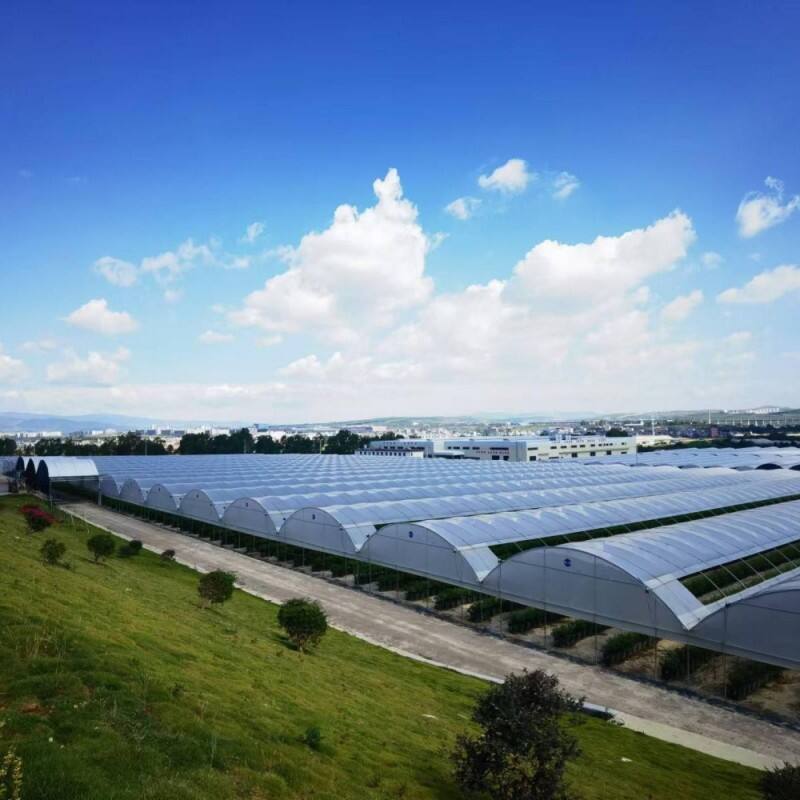
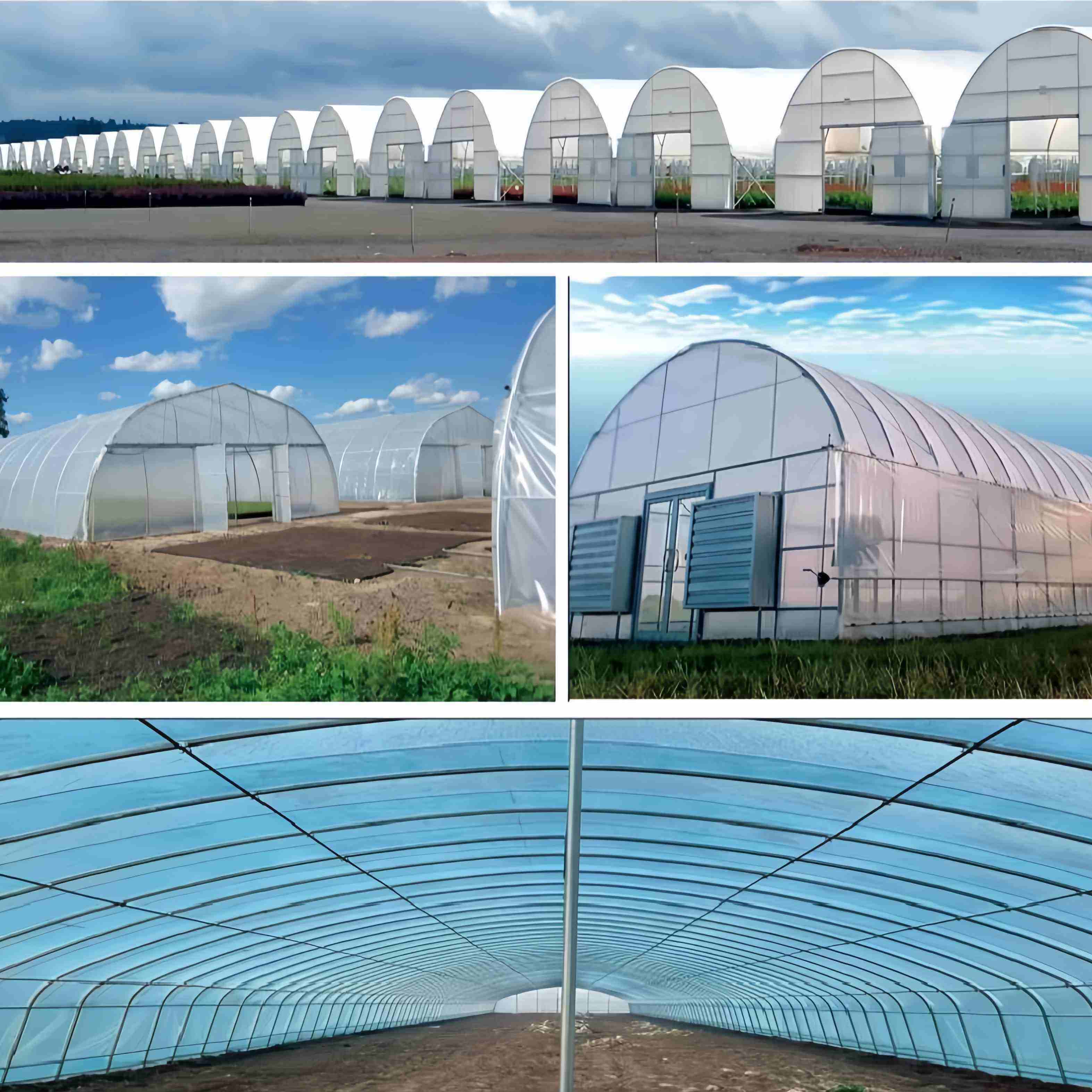
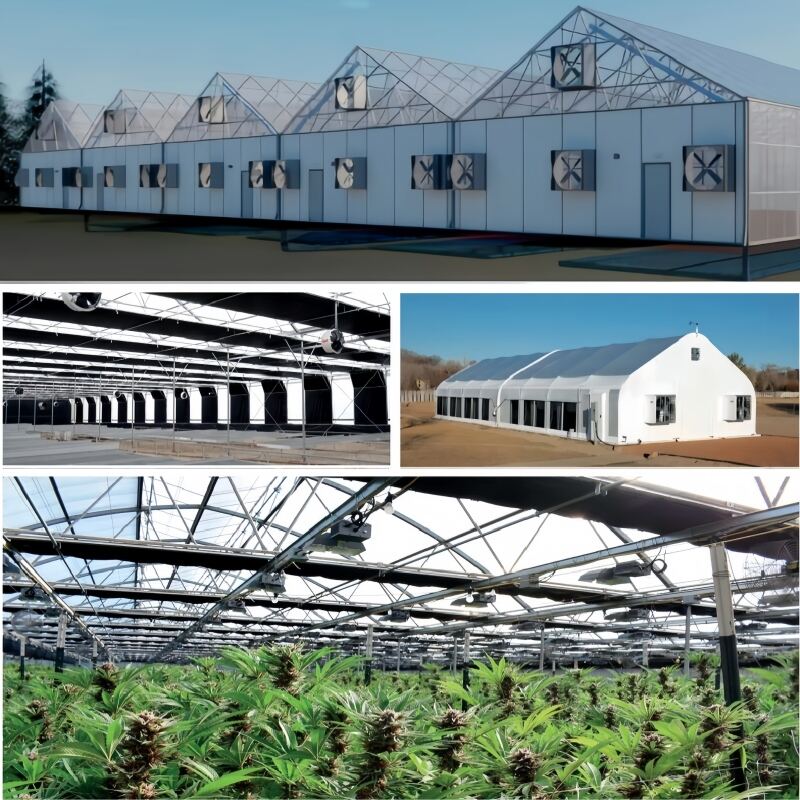
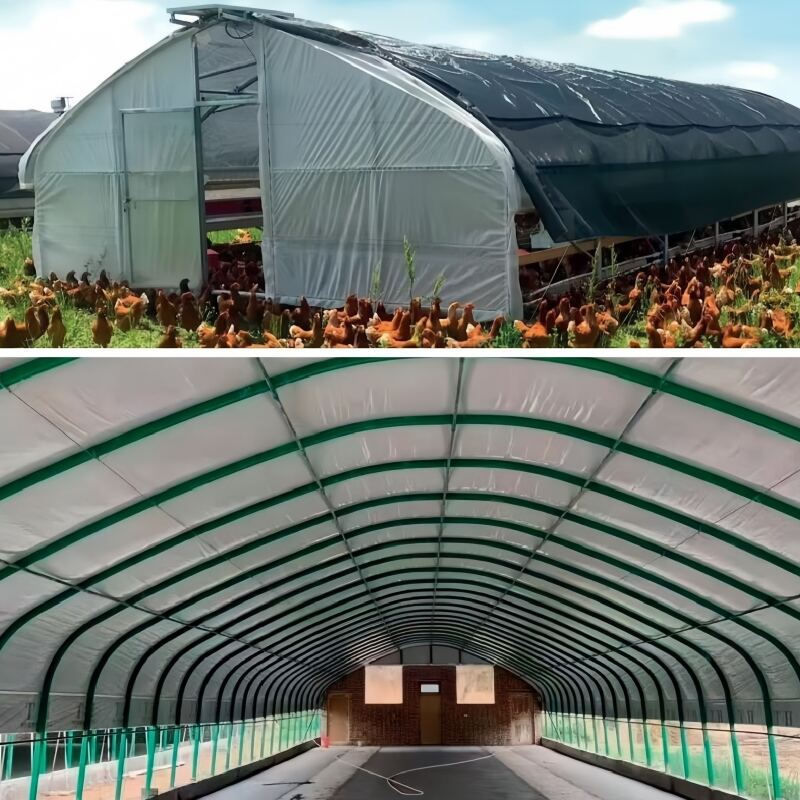
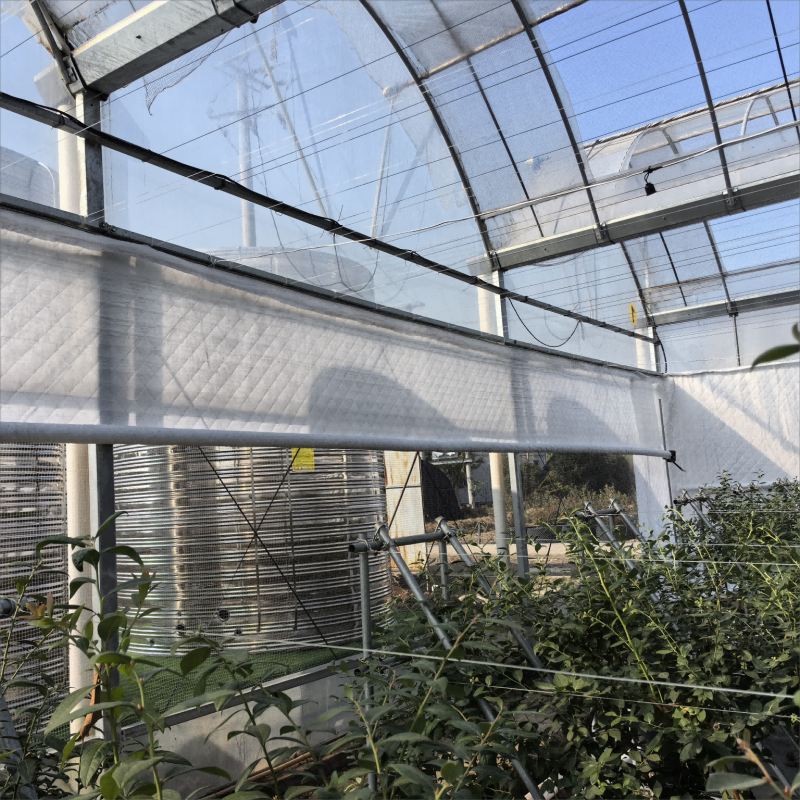
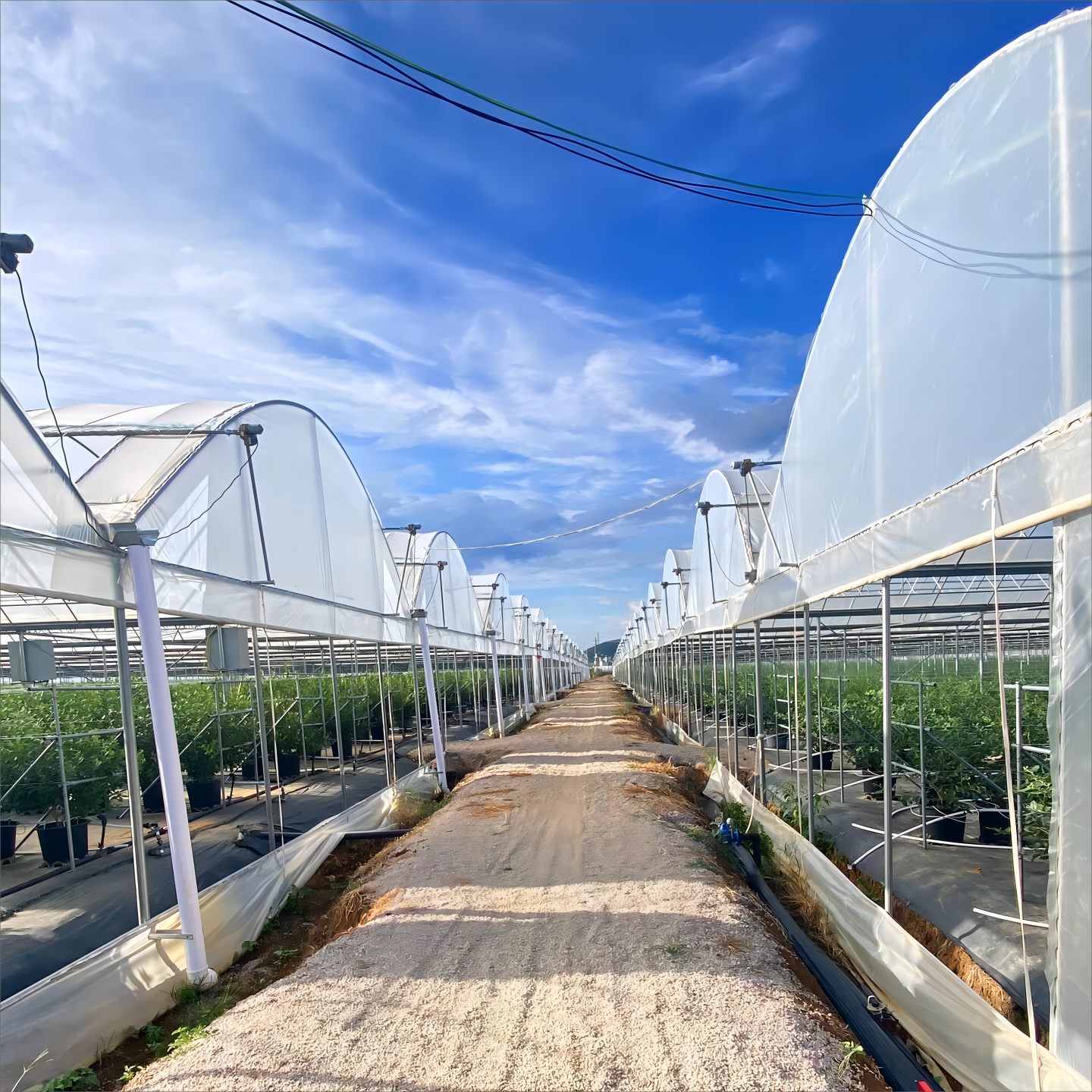
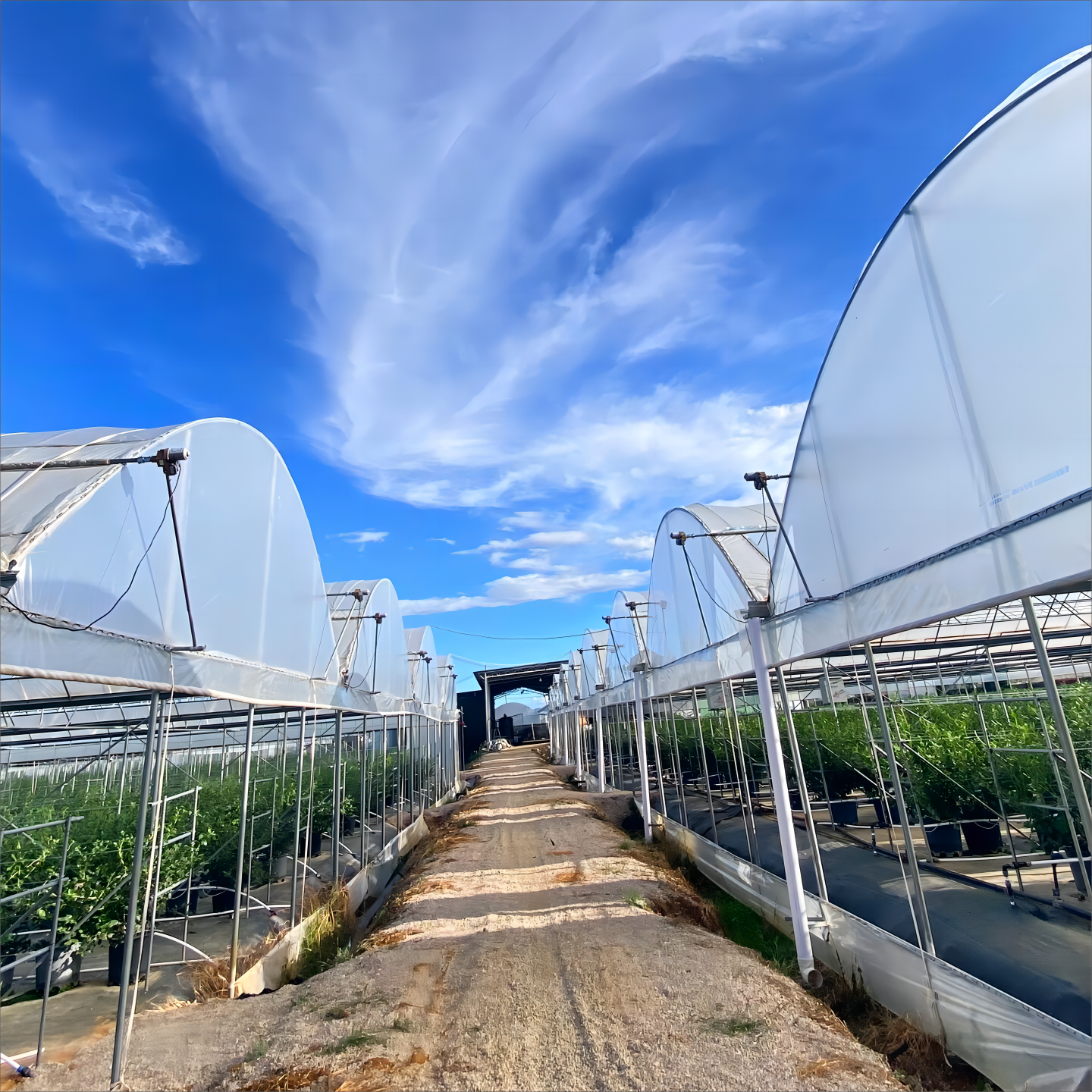
Double layer greenhouse plastic represents a revolutionary advancement in agricultural protection technology, designed to provide superior crop cultivation environments while maximizing energy efficiency and structural durability. This innovative covering system consists of two separate plastic film layers that create an insulated air space between them, fundamentally transforming how greenhouses maintain optimal growing conditions. The double layer greenhouse plastic system operates on the principle of thermal insulation, where the trapped air between the two plastic sheets acts as a natural insulator, significantly reducing heat transfer and maintaining stable internal temperatures. This technology has become increasingly popular among commercial growers and hobbyist gardeners who seek to extend growing seasons, reduce heating costs, and protect their crops from extreme weather conditions. The outer layer of the double layer greenhouse plastic typically features UV-resistant properties that protect against harmful solar radiation while allowing beneficial light wavelengths to penetrate. Meanwhile, the inner layer maintains structural integrity and provides additional protection against condensation and moisture accumulation. Modern double layer greenhouse plastic systems often incorporate advanced polymer formulations that enhance light transmission, improve tear resistance, and extend operational lifespan. Installation of double layer greenhouse plastic requires specialized inflation systems that maintain consistent air pressure between the layers, ensuring optimal performance throughout varying weather conditions. The technology finds extensive applications in commercial vegetable production, flower cultivation, nursery operations, and research facilities where precise environmental control is essential. Many agricultural operations have adopted double layer greenhouse plastic as a cost-effective alternative to rigid glazing materials, achieving comparable insulation performance at a fraction of the cost. The system's versatility allows for customization based on specific crop requirements, climate conditions, and budget constraints, making it an attractive solution for diverse agricultural applications worldwide.
 EN
EN