High Wind Greenhouse Solutions: Advanced Structures for Extreme Weather Protection

Welcome To JYXD-greenhouse

Get a Free Quote

Our representative will contact you soon.
Email
Tel or Whatsapp
Name
Company Name
Message
0/1000

greenhouse for high winds

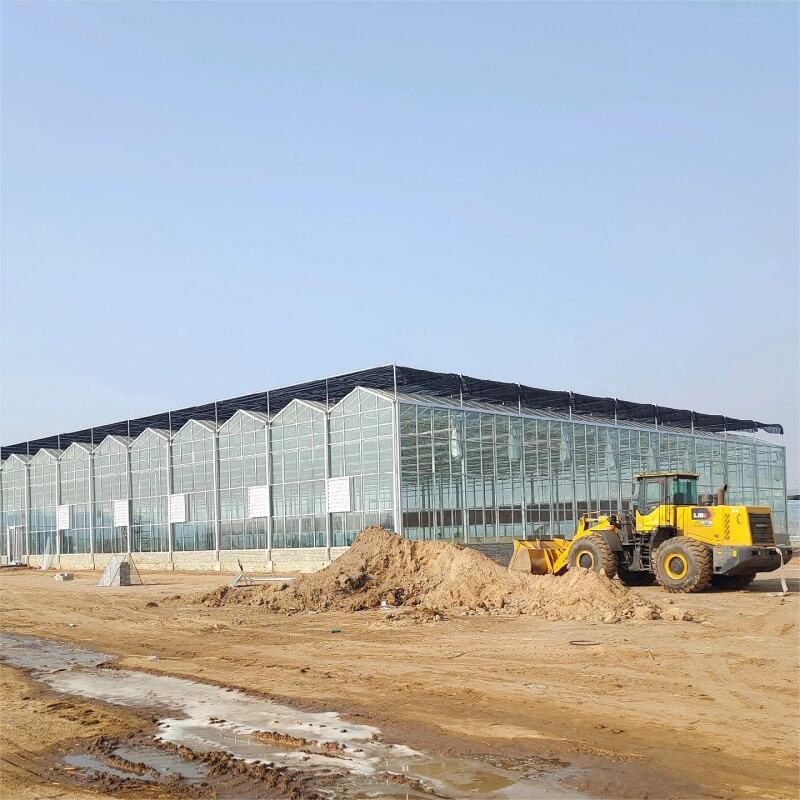
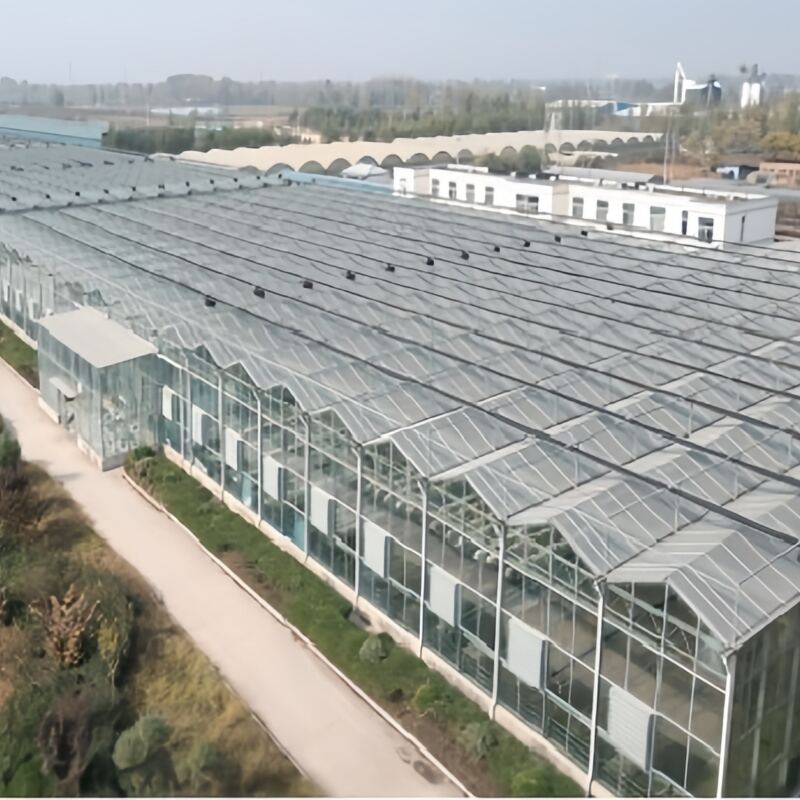
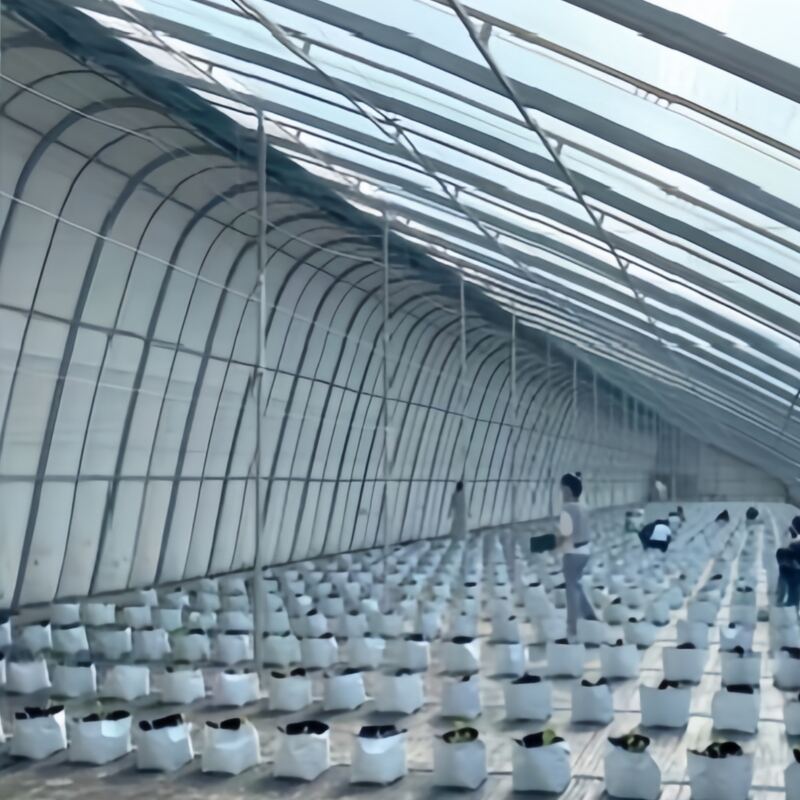
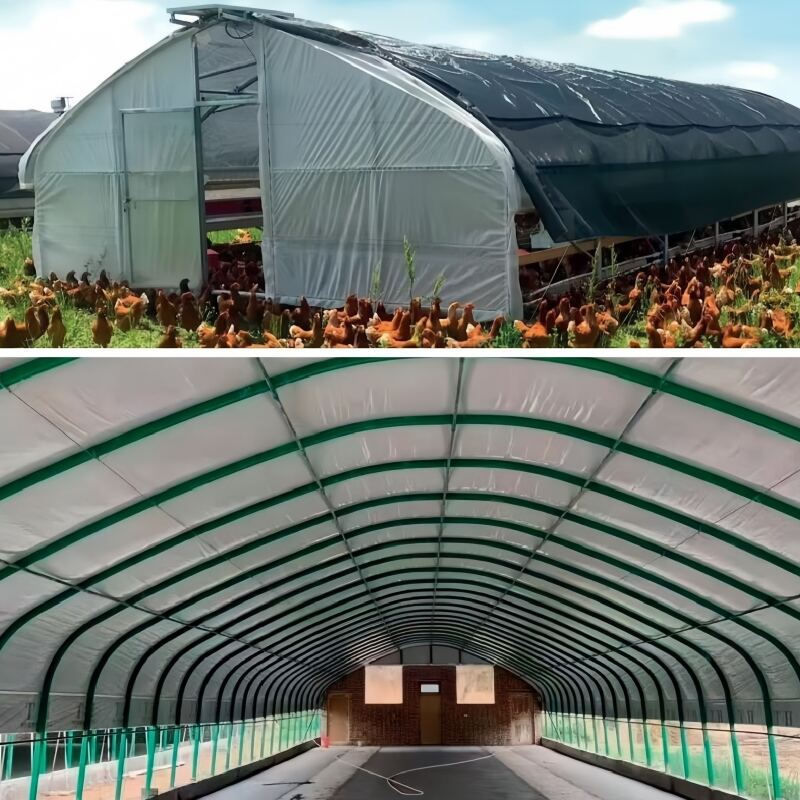
A greenhouse for high winds represents a revolutionary advancement in protected agriculture, specifically engineered to withstand extreme weather conditions while maintaining optimal growing environments. These specialized structures combine robust construction materials with innovative design principles to create resilient growing spaces that protect crops from devastating wind damage. The primary function of a greenhouse for high winds centers on providing year-round crop protection in regions prone to severe weather patterns, including hurricanes, tornadoes, and persistent strong winds. The technological features incorporated into these structures include reinforced aluminum or steel framework systems, impact-resistant polycarbonate or tempered glass panels, and advanced anchoring systems that secure the structure to concrete foundations. Aerodynamic design elements reduce wind resistance, while flexible joint systems allow controlled movement during extreme weather events. Climate control systems maintain precise temperature, humidity, and ventilation parameters regardless of external conditions. Modern greenhouse for high winds installations utilize computerized environmental monitoring systems that automatically adjust heating, cooling, and air circulation based on real-time weather data. These facilities serve diverse applications across commercial agriculture, research institutions, and educational facilities located in wind-prone regions. Commercial growers rely on greenhouse for high winds technology to protect valuable crops like tomatoes, peppers, leafy greens, and specialty flowers from wind damage that could destroy entire harvests. Research facilities use these structures to conduct controlled experiments without weather-related interruptions, while educational institutions demonstrate sustainable agriculture practices in challenging environments. The integration of renewable energy systems, including wind-resistant solar panels and geothermal heating, makes these structures increasingly sustainable. Advanced drainage systems prevent water accumulation during storms, while backup power systems ensure continuous operation during outages. These comprehensive features make greenhouse for high winds an essential investment for serious agricultural operations in challenging climates.

New Product Releases

Greenhouse for high winds technology delivers exceptional benefits that transform agricultural operations in challenging weather environments. The primary advantage lies in crop protection reliability, ensuring consistent harvests regardless of external weather conditions. Traditional outdoor farming suffers devastating losses when high winds destroy crops, but greenhouse for high winds structures provide complete protection, maintaining productivity throughout severe weather seasons. This protection translates directly into improved financial stability for growers who previously faced unpredictable income due to weather-related crop losses. The economic advantages extend beyond crop protection to include extended growing seasons, allowing farmers to produce crops year-round instead of being limited by seasonal weather patterns. Energy efficiency represents another significant benefit of greenhouse for high winds design. Advanced insulation properties and aerodynamic construction reduce heating and cooling costs compared to conventional structures. The sealed environment eliminates pesticide drift and reduces chemical usage, creating healthier growing conditions while lowering input costs. Water conservation benefits emerge from controlled irrigation systems that eliminate waste from wind evaporation and provide precise moisture management. Labor efficiency improves dramatically because workers can maintain consistent schedules without weather-related disruptions. Equipment protection ensures valuable machinery and irrigation systems remain safe from wind damage, reducing replacement and repair costs. Quality control advantages include consistent crop quality without wind-induced bruising or damage that affects marketability. The controlled environment enables precise nutrient management and disease prevention strategies that boost yields beyond traditional outdoor growing methods. Market advantages include the ability to supply fresh produce during seasonal shortages when outdoor crops fail due to weather, commanding premium prices. Insurance benefits often include reduced premiums for structures specifically designed to withstand extreme weather, providing additional cost savings. Location flexibility allows greenhouse for high winds installation in previously unsuitable areas, expanding agricultural opportunities in wind-prone regions. Environmental benefits include reduced carbon footprint through local production eliminating transportation needs during weather-related supply disruptions. Technology integration capabilities support precision agriculture techniques including automated monitoring, robotic harvesting, and data-driven optimization strategies that maximize efficiency and profitability.

Tips And Tricks

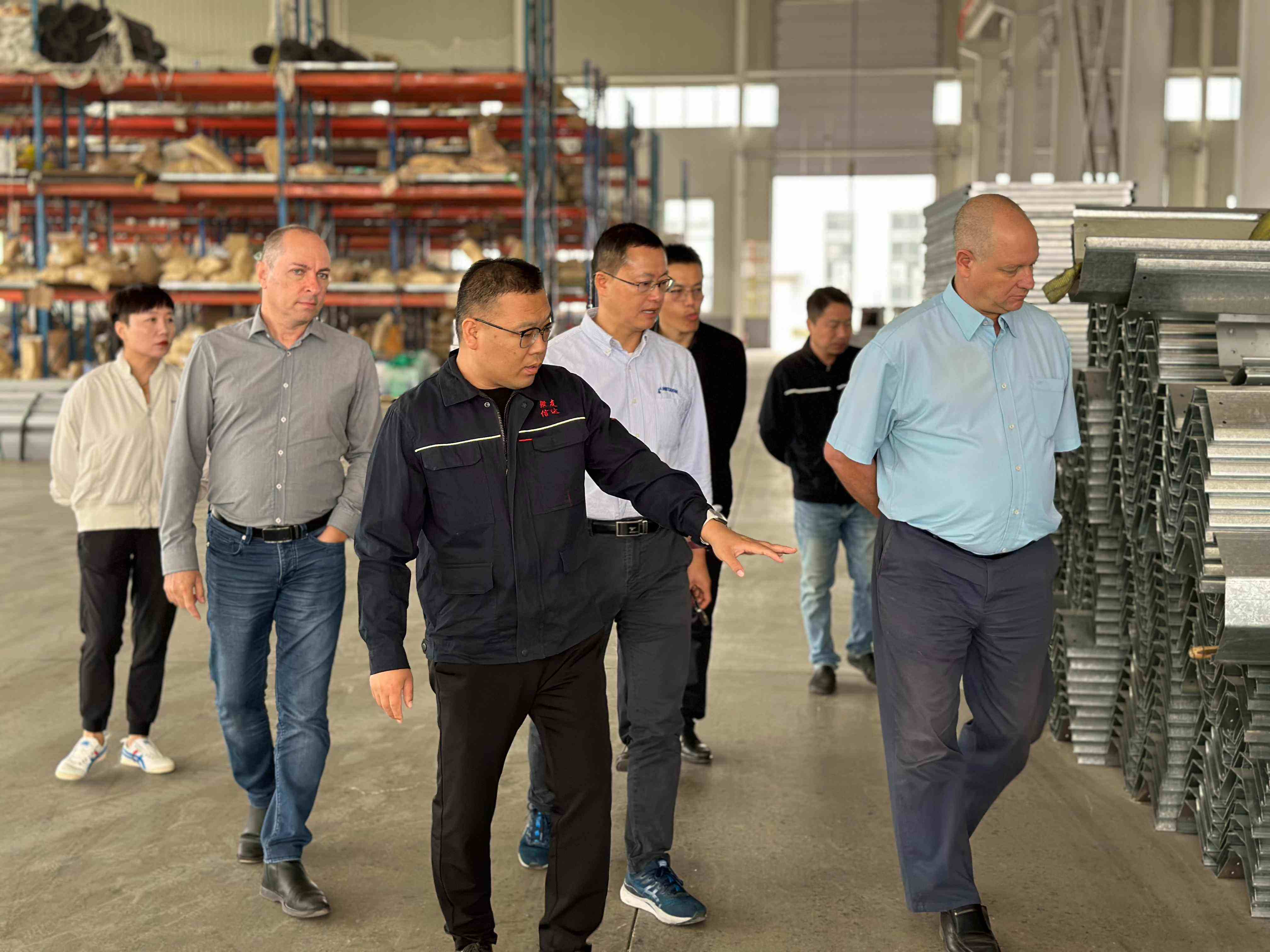
Forging a Powerful Alliance: Netafim and Juyou Xinda Unite to Reshape the Future of Smart Agriculture

28

Nov

Forging a Powerful Alliance: Netafim and Juyou Xinda Unite to Reshape the Future of Smart Agriculture

View More
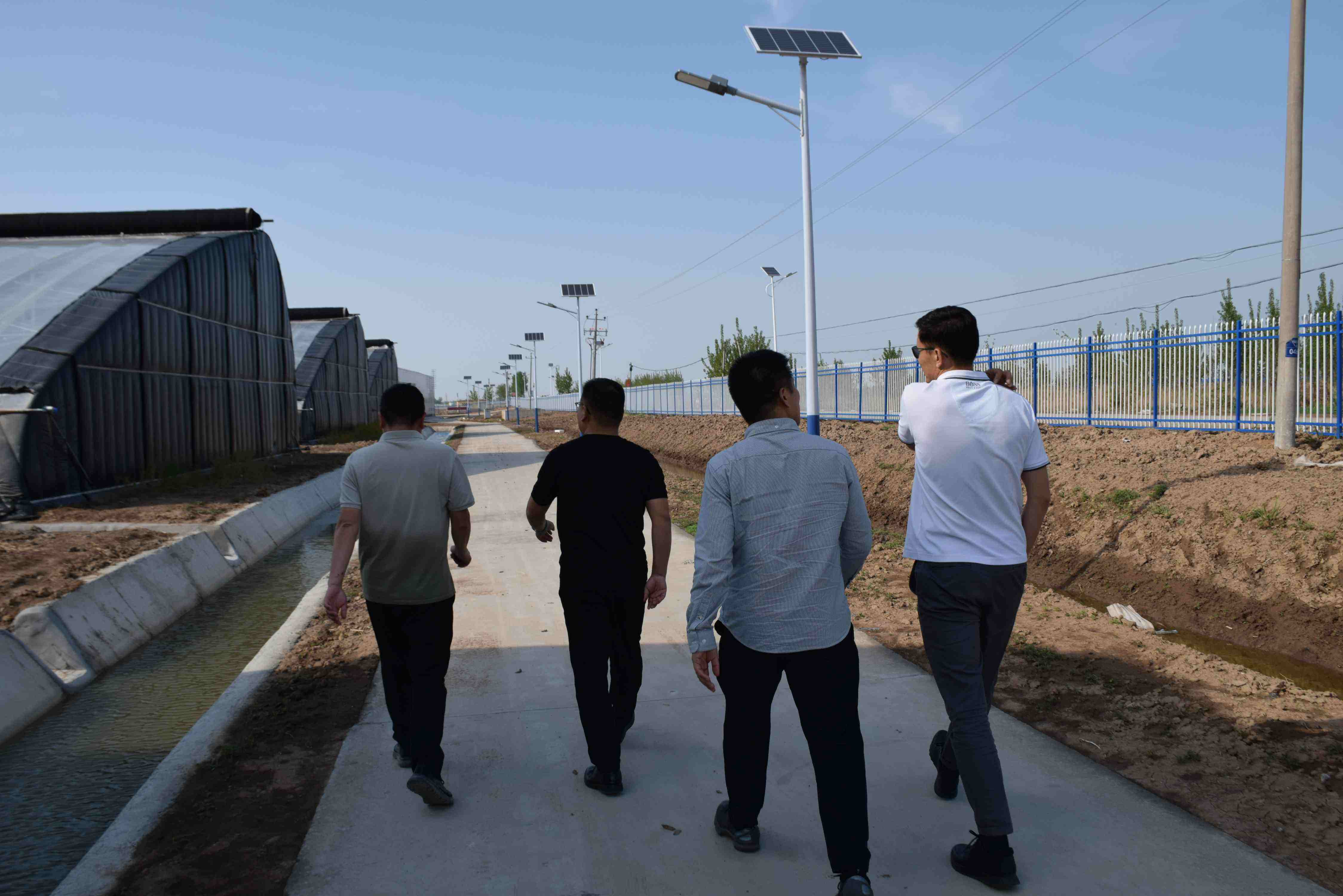
Australian Greenhouse Company Visits Our Facilities to Explore New Collaboration on 50,000 Sq.m Strawberry Glass Greenhouse Project

28

Nov

Australian Greenhouse Company Visits Our Facilities to Explore New Collaboration on 50,000 Sq.m Strawberry Glass Greenhouse Project

View More
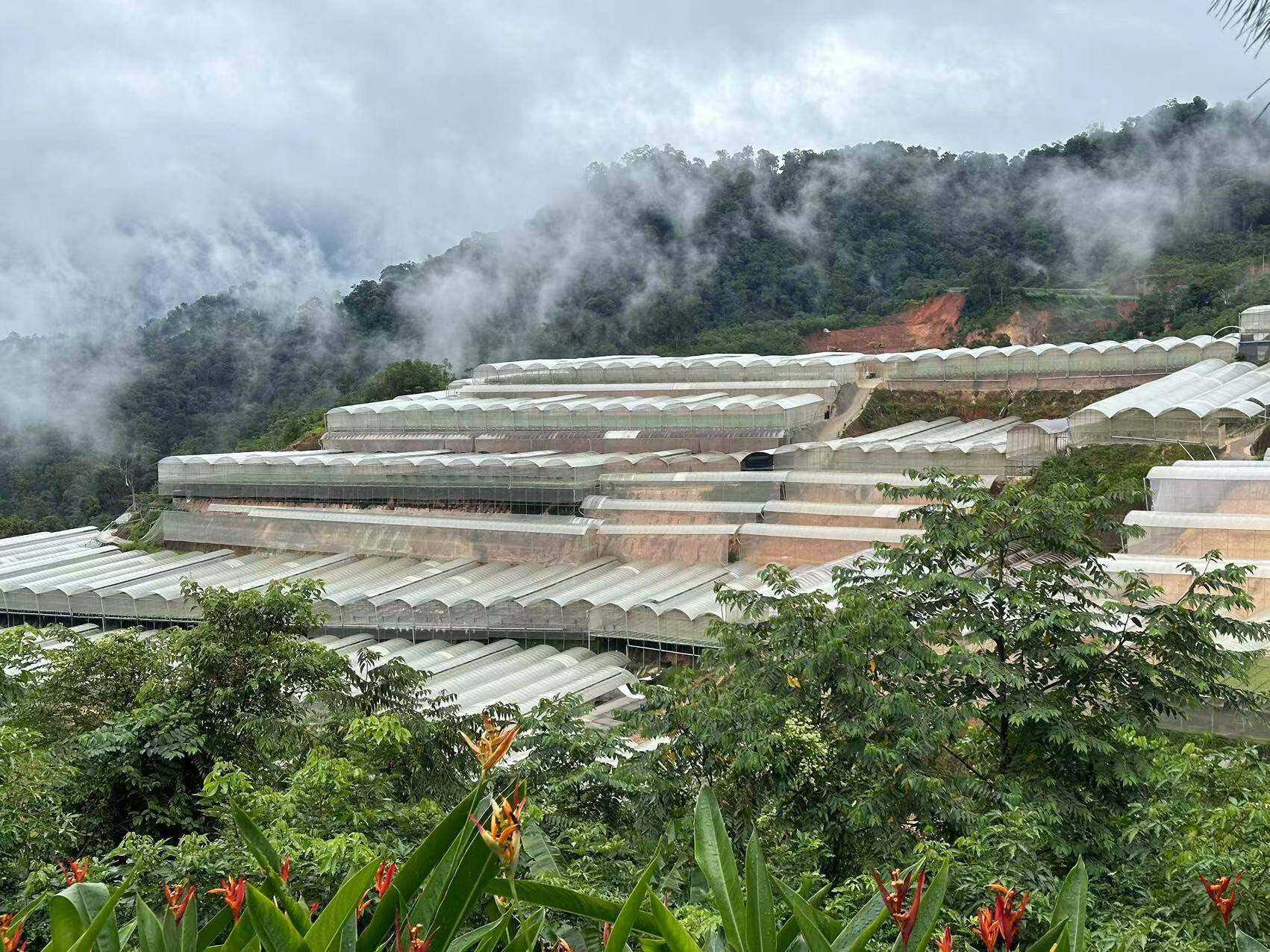
 Innovative Breakthrough: Our Company Successfully Delivers World's First Customized

28

Nov

Innovative Breakthrough: Our Company Successfully Delivers World's First Customized "Greenhouse for Fertilizer Drying" to Malaysian Client

View More

Get a Free Quote

Our representative will contact you soon.
Email
Tel or Whatsapp
Name
Company Name
Message
0/1000

greenhouse for high winds

Advanced Structural Engineering for Maximum Wind Resistance

Advanced Structural Engineering for Maximum Wind Resistance

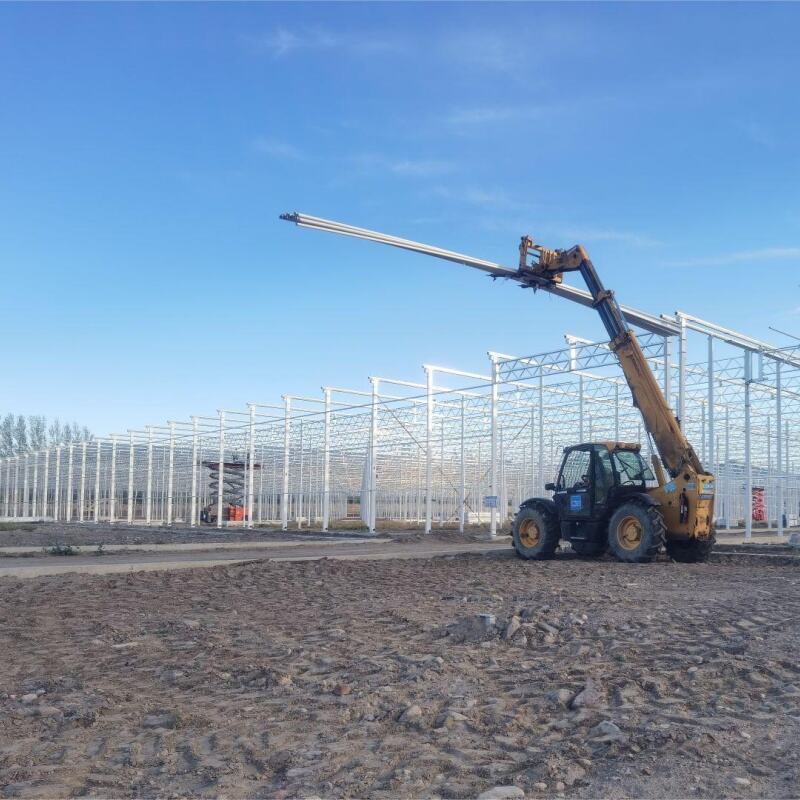
The structural engineering behind greenhouse for high winds represents a masterpiece of agricultural architecture, specifically designed to withstand wind forces that would devastate conventional growing structures. The foundation of this superior wind resistance begins with computer-aided design analysis that calculates precise load distributions and stress points under extreme weather conditions. Engineers utilize sophisticated wind tunnel testing to optimize structural geometry, ensuring maximum stability while minimizing material usage and construction costs. The framework employs high-strength aluminum alloys or galvanized steel components with reinforced connection points that distribute wind loads evenly throughout the structure. These materials resist corrosion and maintain structural integrity over decades of exposure to harsh environmental conditions. The aerodynamic profile reduces wind drag coefficient by up to sixty percent compared to traditional greenhouse designs, dramatically lowering the forces acting on the structure during storms. Flexible joint systems incorporate engineered movement capabilities that allow controlled deflection during extreme wind events, preventing catastrophic failure while maintaining structural stability. The glazing system utilizes impact-resistant polycarbonate panels or tempered glass specifically rated for projectile impact and pressure differentials created by high winds. Multiple anchoring systems secure the structure to reinforced concrete foundations using tensioned cables, ground anchors, and concrete piers that extend below frost lines. Advanced computer modeling predicts structural behavior under various wind scenarios, allowing engineers to optimize designs for specific geographic locations and local wind patterns. The modular construction approach enables rapid assembly while maintaining structural integrity, with pre-engineered components manufactured to precise specifications. Quality control measures include stress testing of critical components and regular structural inspections to ensure continued wind resistance throughout the structure's operational lifetime. This comprehensive engineering approach provides greenhouse for high winds users with confidence that their investment will protect valuable crops and equipment even during the most severe weather events, making it an essential choice for serious agricultural operations in wind-prone regions.
Intelligent Climate Control Systems for Optimal Growing Conditions

Intelligent Climate Control Systems for Optimal Growing Conditions

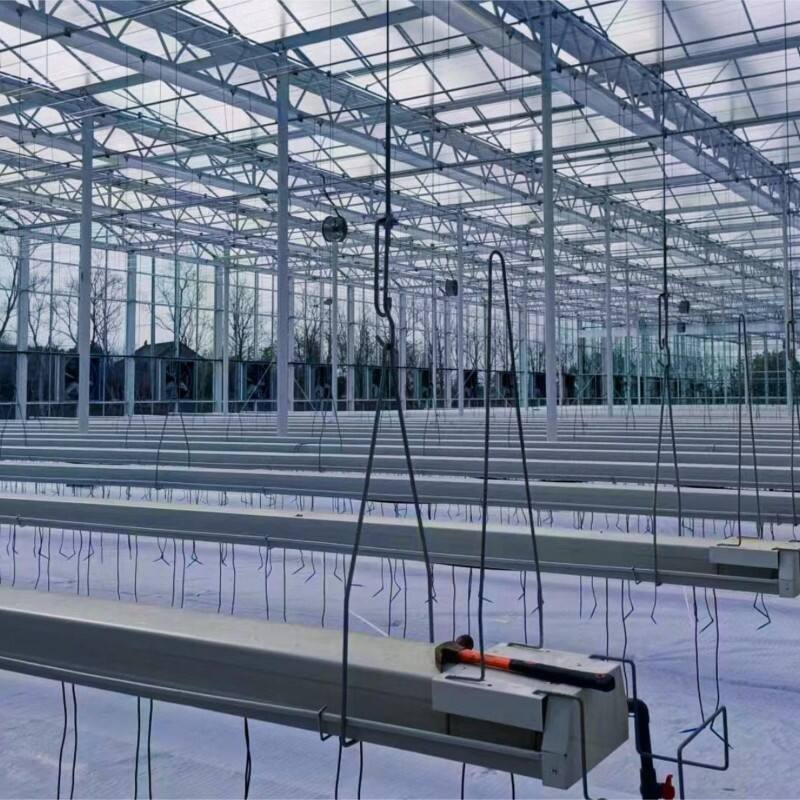
The climate control technology integrated into greenhouse for high winds structures represents the pinnacle of agricultural automation, providing precise environmental management regardless of external weather chaos. These sophisticated systems utilize multiple sensor networks that continuously monitor temperature, humidity, carbon dioxide levels, soil moisture, and light intensity throughout the growing space. Advanced algorithms process this environmental data in real-time, automatically adjusting heating, cooling, ventilation, and irrigation systems to maintain optimal growing conditions for specific crops. The automated climate management reduces labor requirements while ensuring consistent plant health and maximum yield potential. During high wind events, the system automatically adjusts ventilation patterns to prevent pressure imbalances that could damage the structure or stress plants. Backup power systems guarantee continuous climate control operation during weather-related power outages, protecting valuable crops from temperature fluctuations that could cause significant losses. The integrated heating systems utilize energy-efficient technologies including radiant floor heating, forced air circulation, and thermal curtain systems that maintain precise temperature zones throughout the growing area. Cooling systems incorporate evaporative cooling, mechanical refrigeration, and natural ventilation strategies that respond automatically to changing conditions. The humidity control capabilities prevent fungal diseases and optimize transpiration rates for maximum plant health and growth rates. Carbon dioxide enrichment systems boost photosynthesis during periods when natural ventilation is limited due to high wind conditions. Smart irrigation controllers deliver precise water and nutrient solutions based on real-time plant needs and environmental conditions, eliminating waste while maximizing plant performance. The system integration allows remote monitoring and control through mobile applications, enabling growers to manage their greenhouse for high winds operations from anywhere. Predictive maintenance algorithms analyze system performance data to schedule preventive maintenance before equipment failures occur, ensuring reliable operation during critical growing periods. Data logging capabilities provide comprehensive records for crop management optimization and regulatory compliance requirements. This intelligent automation transforms greenhouse for high winds facilities into highly efficient production systems that consistently deliver superior results regardless of external weather challenges.
Versatile Applications Across Multiple Agricultural Sectors

Versatile Applications Across Multiple Agricultural Sectors

The applications for greenhouse for high winds technology span diverse agricultural sectors, providing specialized solutions for commercial production, research facilities, educational institutions, and specialty crop operations. Commercial vegetable producers utilize these structures to guarantee consistent supplies of fresh produce including tomatoes, peppers, cucumbers, leafy greens, and herbs throughout challenging weather seasons. The controlled environment enables year-round production cycles that maximize facility utilization and return on investment. Flower and ornamental plant growers depend on greenhouse for high winds protection to maintain quality standards for premium markets, preventing wind damage that could render products unsaleable. The precise climate control capabilities support exotic and tropical plant cultivation in regions where outdoor growing would be impossible due to climate limitations. Research institutions employ greenhouse for high winds facilities to conduct controlled agricultural experiments without weather-related variables that could compromise research validity. These facilities enable consistent data collection and repeatable experimental conditions essential for scientific advancement. Educational programs utilize these structures to demonstrate sustainable agriculture practices and provide hands-on learning experiences for students studying agricultural sciences, horticulture, and environmental management. Specialty crop applications include medicinal plant cultivation, seed production operations, and propagation facilities that require precise environmental control and protection from contamination. Aquaponics and hydroponic systems integrate seamlessly with greenhouse for high winds technology, creating sustainable food production systems that combine fish farming with plant cultivation. Organic certification programs benefit from the controlled environment that eliminates pesticide drift and enables natural pest management strategies. Urban agriculture initiatives utilize compact greenhouse for high winds designs to establish food production facilities in metropolitan areas prone to severe weather events. Community supported agriculture operations employ these structures to guarantee consistent harvests for member shareholders, reducing the financial risks associated with weather-dependent outdoor farming. Cannabis cultivation facilities require the security and environmental control provided by greenhouse for high winds structures to meet regulatory requirements while protecting valuable crops from weather damage. The modular design capabilities allow customization for specific crop requirements and facility sizes, making greenhouse for high winds technology accessible to operations ranging from small family farms to large commercial enterprises seeking reliable production capabilities in challenging environments.

Get a Free Quote

Our representative will contact you soon.
Email
Tel or Whatsapp
Name
Company Name
Message
0/1000