building a glass greenhouse
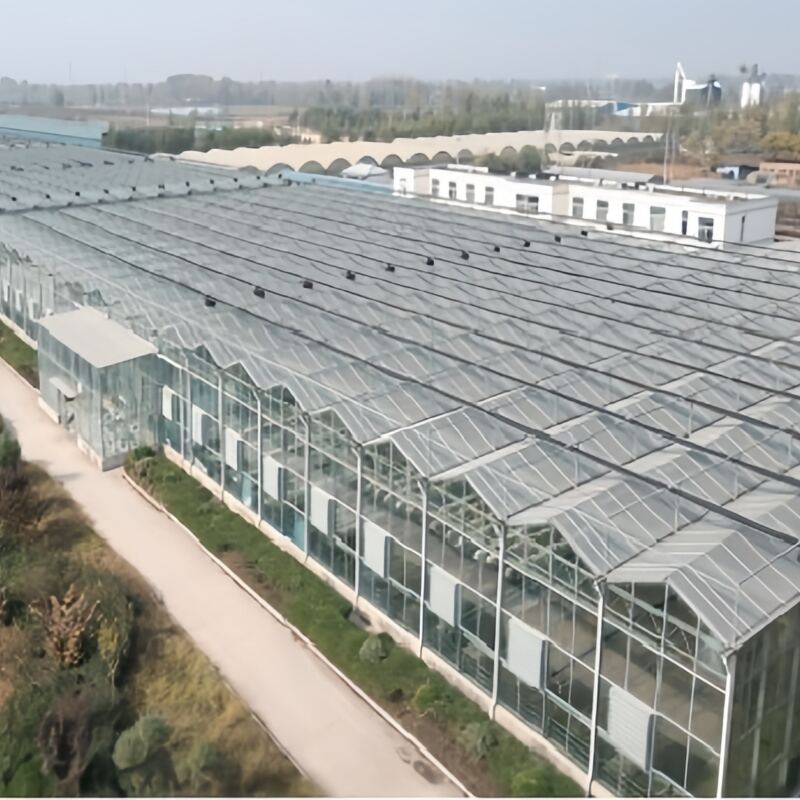
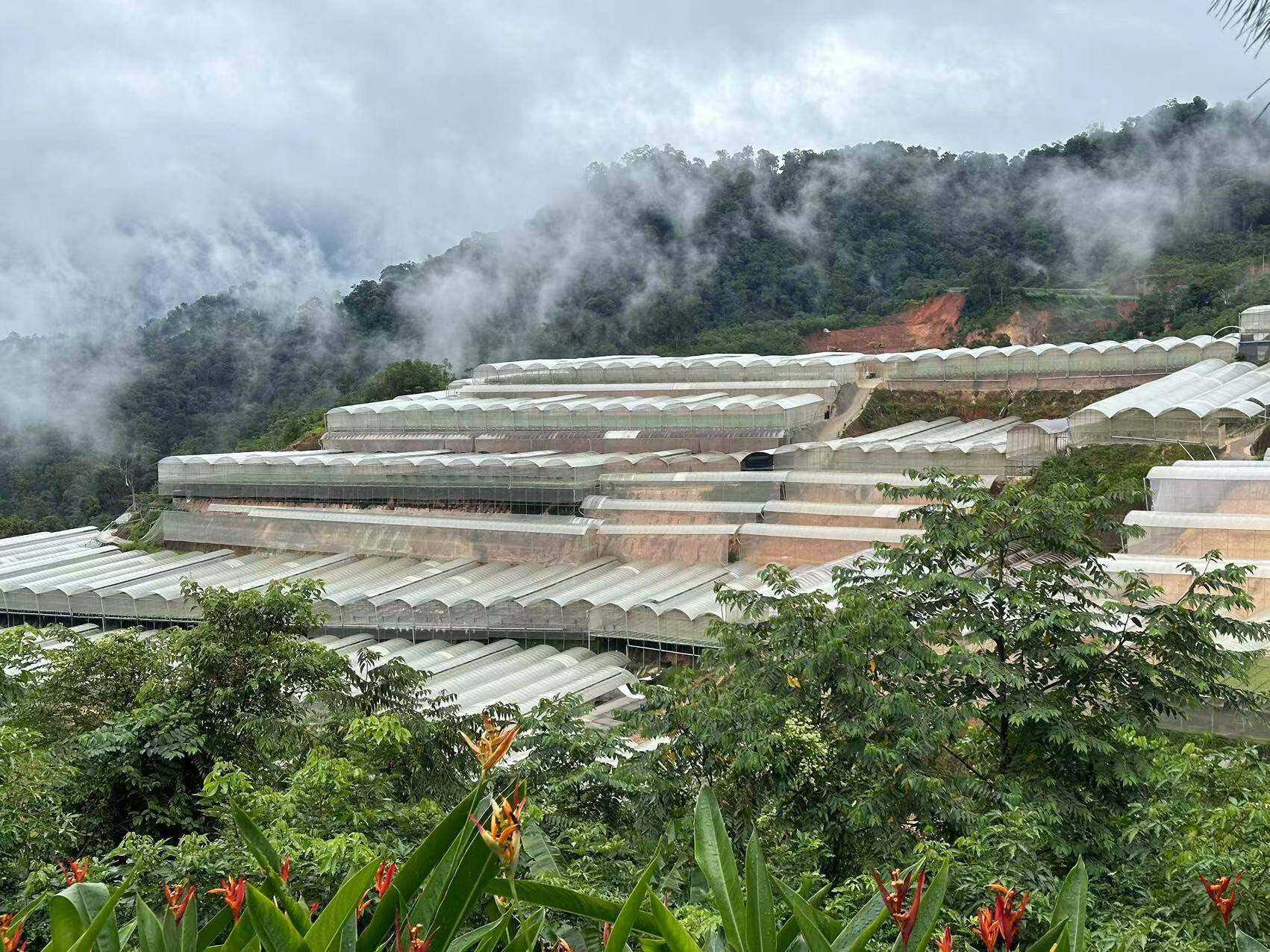
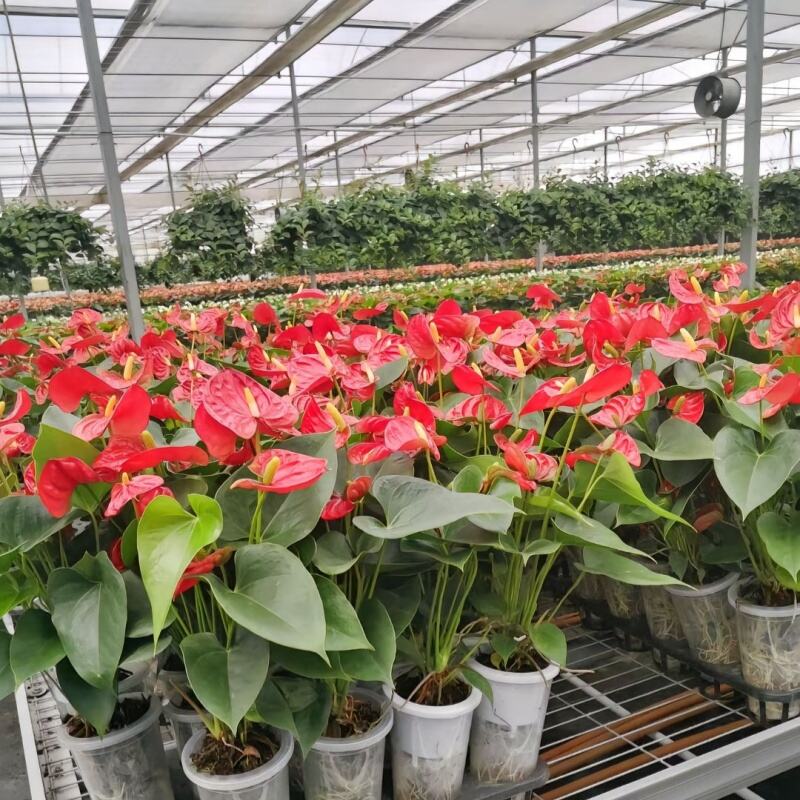
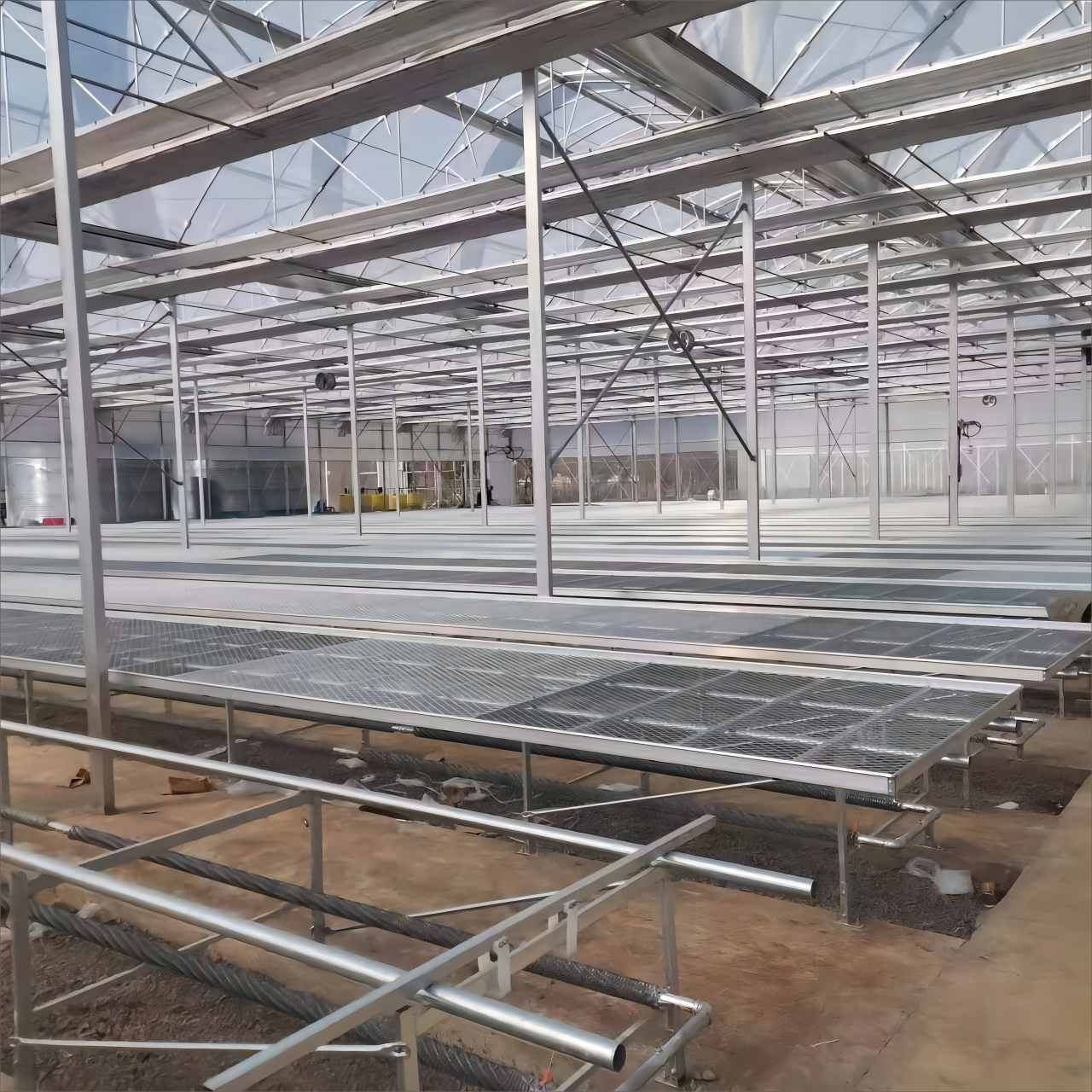
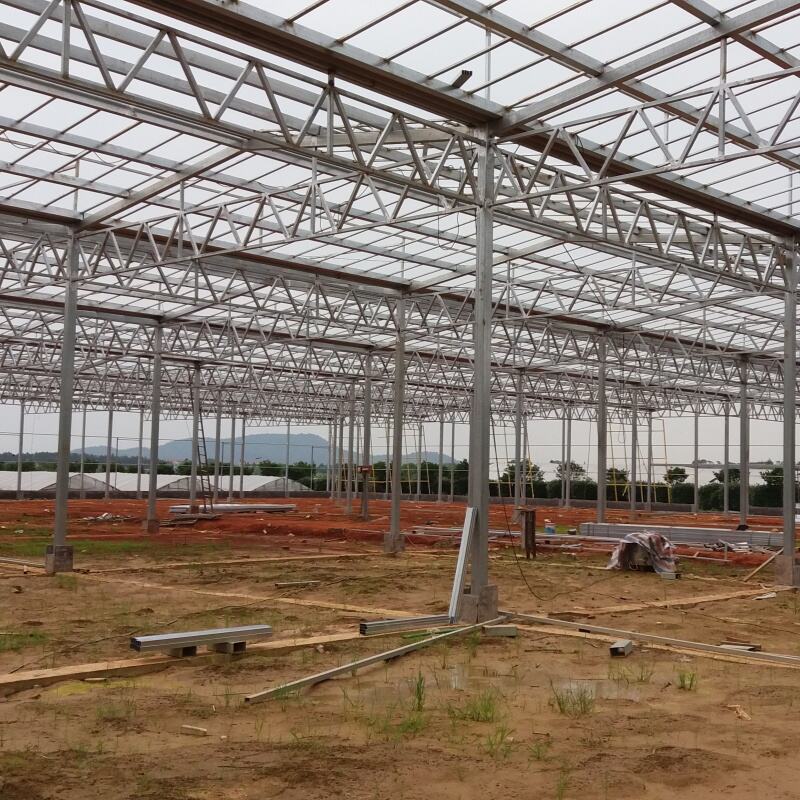
Building a glass greenhouse represents one of the most effective solutions for year-round agricultural production and controlled environment cultivation. A glass greenhouse is a transparent structure designed to create optimal growing conditions by regulating temperature, humidity, light exposure, and air circulation. The primary functions of building a glass greenhouse include extending growing seasons, protecting crops from harsh weather conditions, maximizing plant productivity, and enabling cultivation of exotic or off-season varieties. Modern glass greenhouse construction incorporates advanced technological features that distinguish it from traditional farming methods. These structures utilize high-quality tempered glass panels that provide excellent light transmission while maintaining structural integrity against environmental stresses. Automated climate control systems monitor and adjust internal conditions through sophisticated sensors and computerized management platforms. Ventilation systems ensure proper air circulation through strategically positioned roof vents, side louvers, and exhaust fans. Heating and cooling systems maintain consistent temperatures regardless of external weather fluctuations. Irrigation systems deliver precise water and nutrient solutions directly to plant root zones through drip irrigation or hydroponic configurations. Building a glass greenhouse serves diverse applications across commercial agriculture, research facilities, educational institutions, and residential gardening. Commercial growers utilize these structures to produce vegetables, flowers, herbs, and specialty crops with consistent quality and higher yields. Research institutions employ glass greenhouses for plant breeding programs, agricultural experiments, and botanical studies. Educational facilities use them as learning laboratories for students studying horticulture, botany, and sustainable agriculture practices. Residential applications include hobby gardening, organic food production, and ornamental plant cultivation. The construction process involves site preparation, foundation installation, frame assembly, glass panel installation, and integration of mechanical systems, creating a controlled environment that maximizes agricultural potential while minimizing environmental variables.
 EN
EN