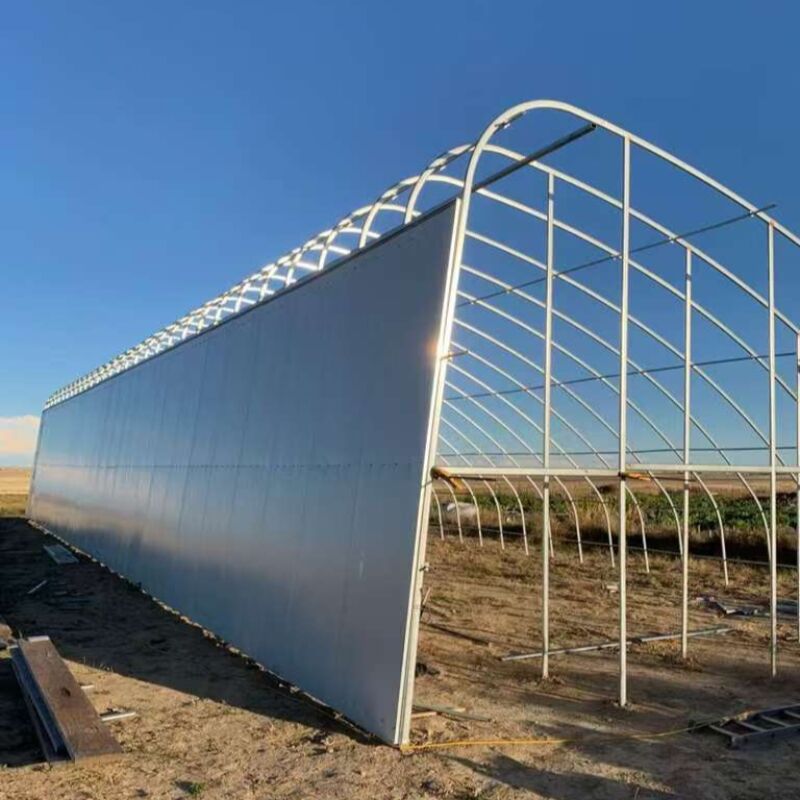
corrosion-resistant greenhouse frame
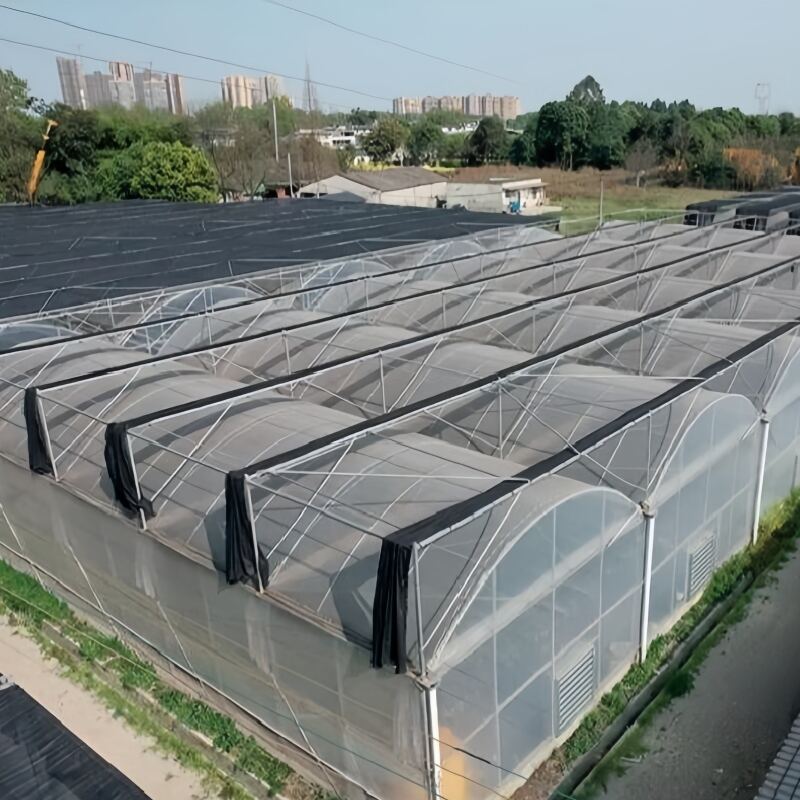
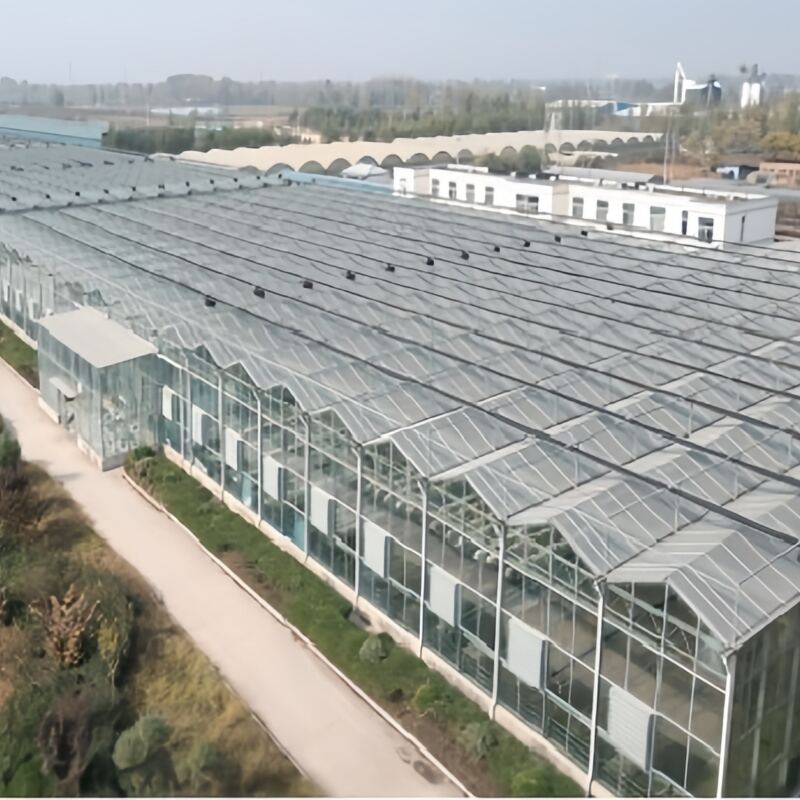
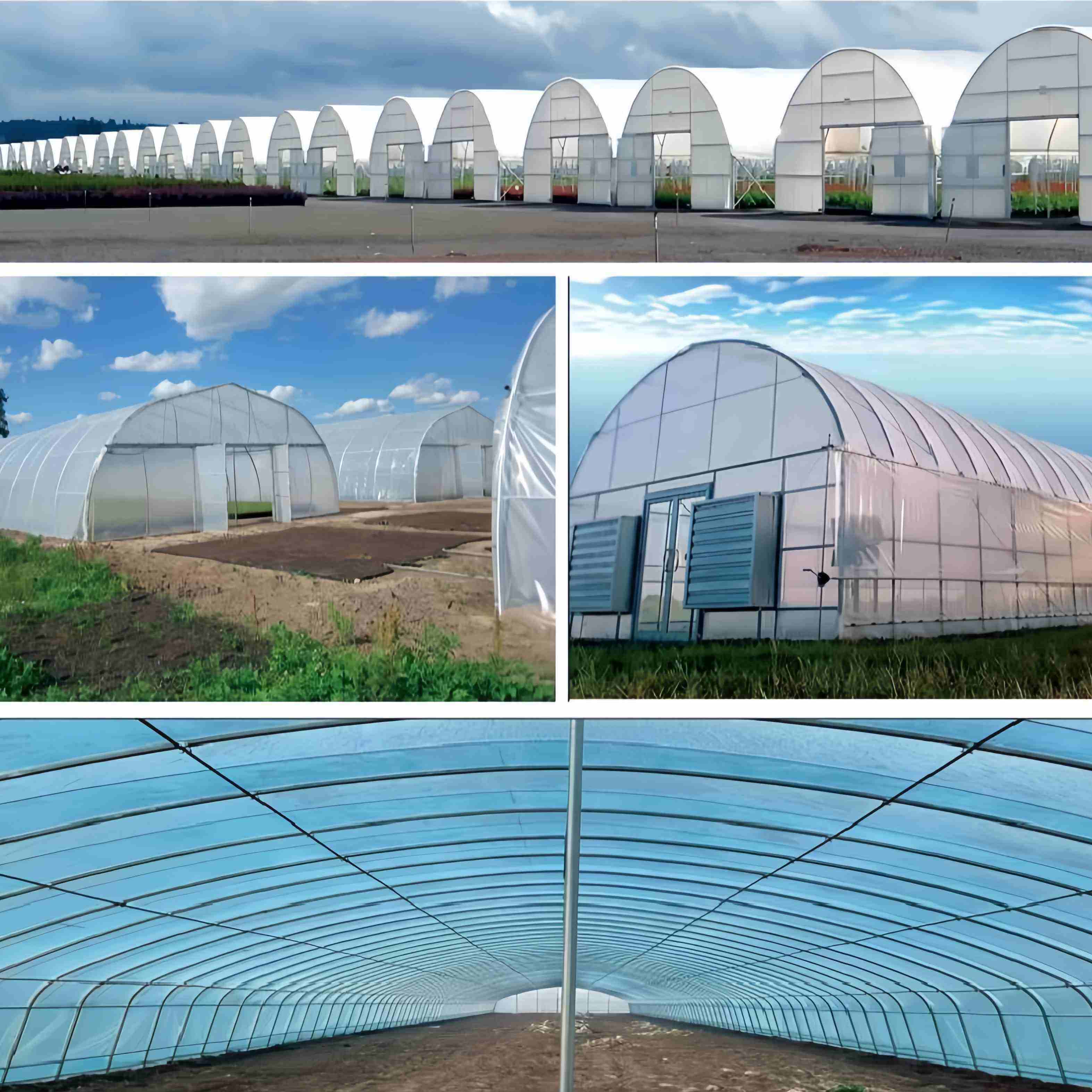
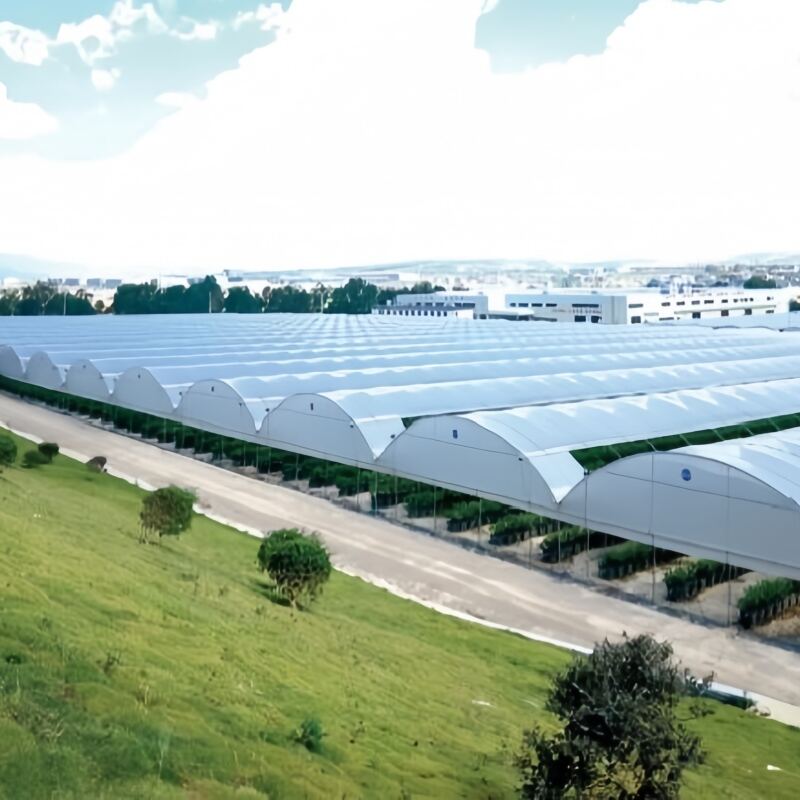
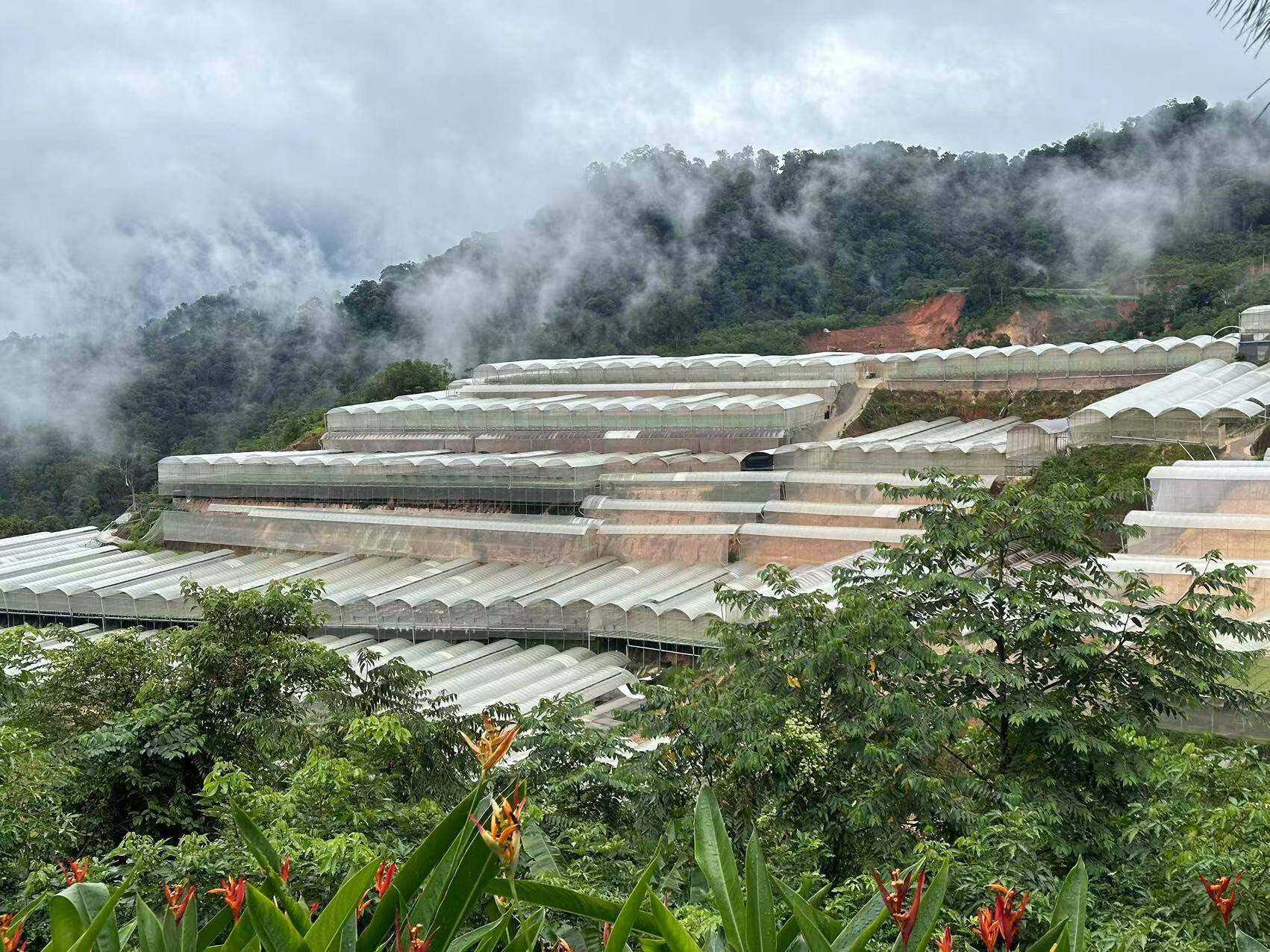
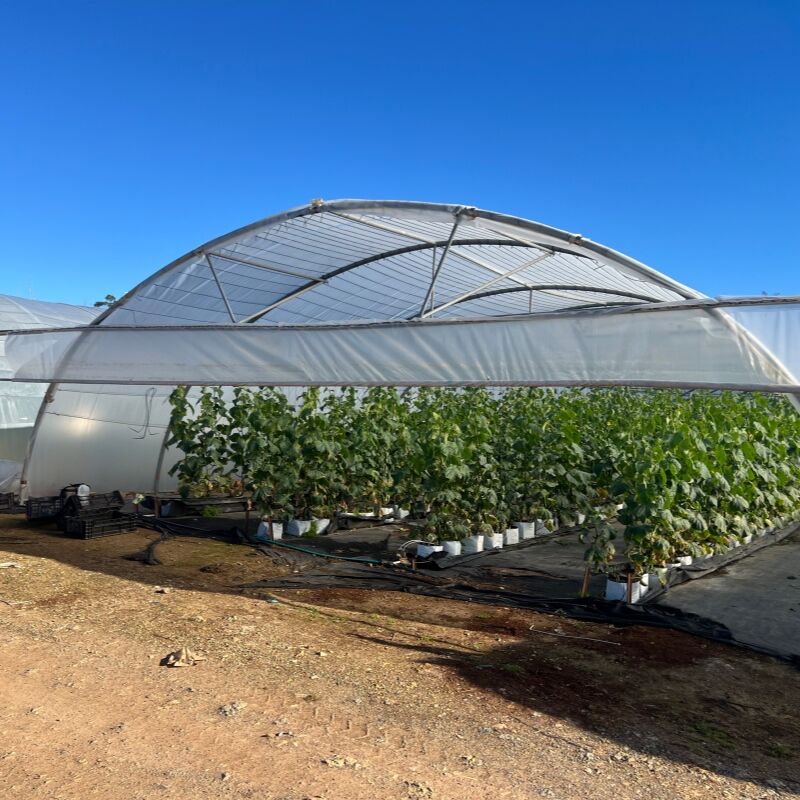
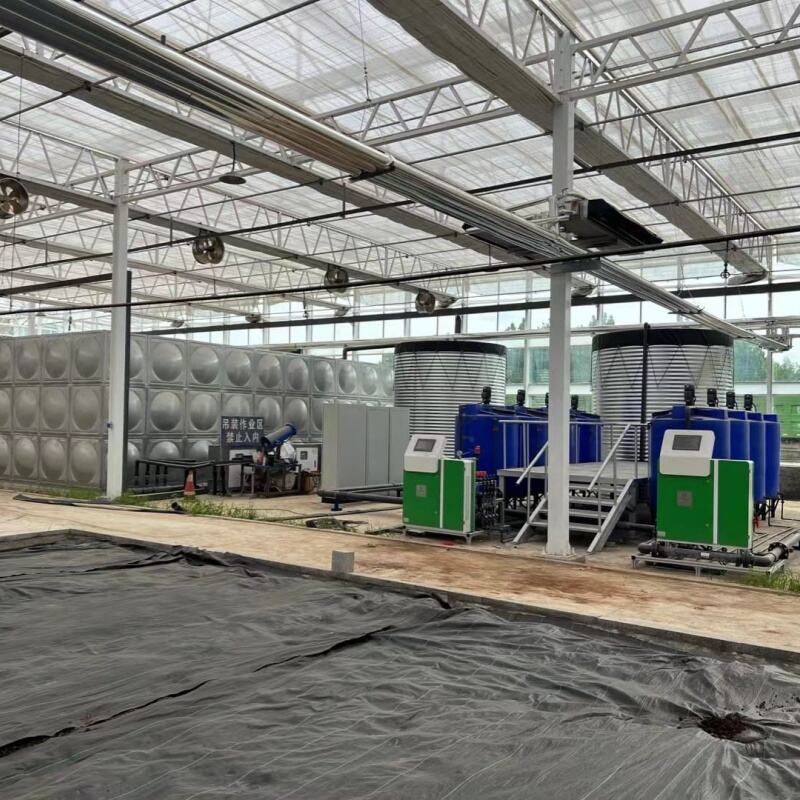
A corrosion-resistant greenhouse frame represents a revolutionary advancement in agricultural infrastructure, designed to withstand harsh environmental conditions while providing optimal growing environments for plants. These specialized structures incorporate advanced materials and engineering techniques to combat the natural deterioration processes that typically affect traditional greenhouse frameworks. The primary function of a corrosion-resistant greenhouse frame centers on creating a stable, long-lasting shelter that maintains structural integrity despite exposure to moisture, chemicals, temperature fluctuations, and other corrosive elements commonly found in agricultural settings. The technological features of modern corrosion-resistant greenhouse frames include innovative coating systems, specialized alloy compositions, and engineered plastic components that work together to prevent rust, oxidation, and material degradation. Many manufacturers utilize hot-dip galvanization processes, powder coating applications, and marine-grade aluminum alloys to achieve superior corrosion resistance. These frames often incorporate modular design principles, allowing for easy assembly, expansion, and maintenance while ensuring consistent performance across varying climate conditions. The applications for corrosion-resistant greenhouse frames span diverse agricultural sectors, including commercial vegetable production, flower cultivation, hydroponic farming, research facilities, and educational institutions. These structures prove particularly valuable in coastal regions where salt air accelerates corrosion, areas with high humidity levels, and locations where chemical fertilizers and pesticides create aggressive environmental conditions. Professional growers increasingly choose corrosion-resistant greenhouse frames for their ability to maintain structural soundness over extended periods, reducing replacement costs and minimizing downtime. The frames support various covering materials including polycarbonate panels, glass, and specialized films, adapting to specific crop requirements and regional climate demands while preserving their anti-corrosion properties throughout years of continuous operation.
 EN
EN