polycarbonate greenhouse frame
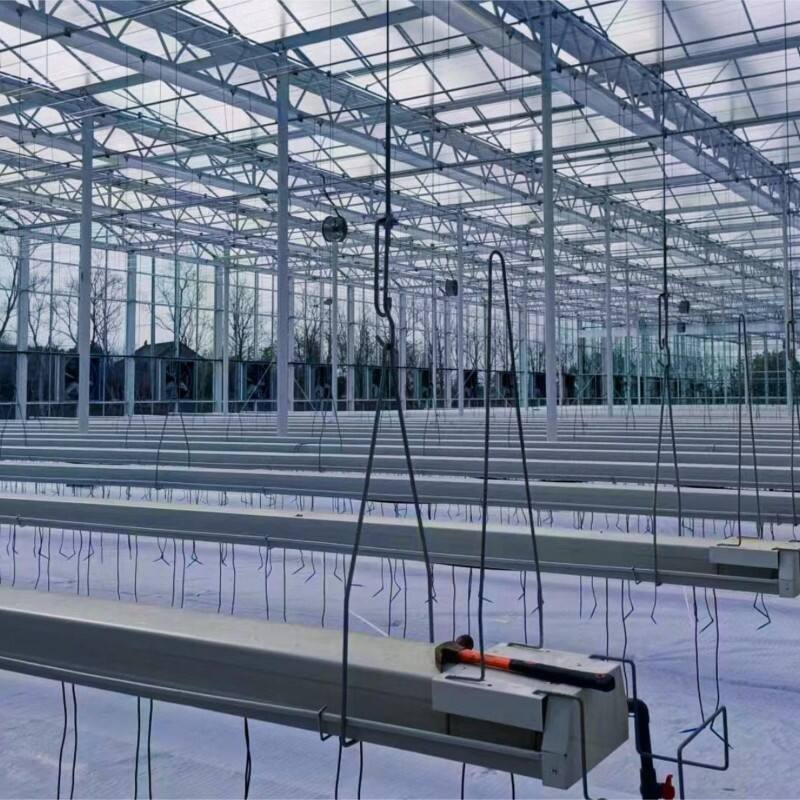
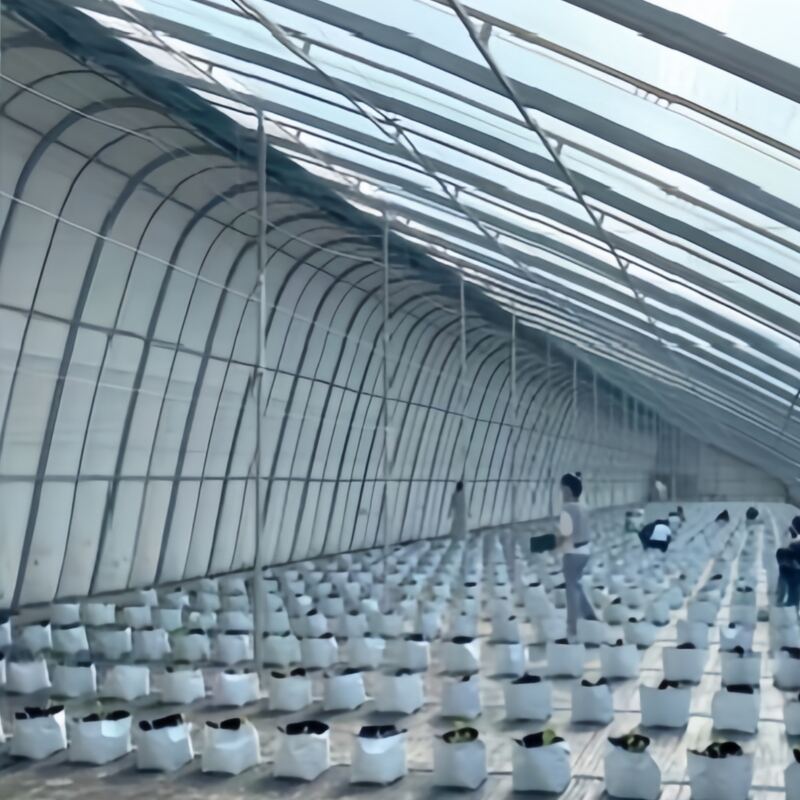
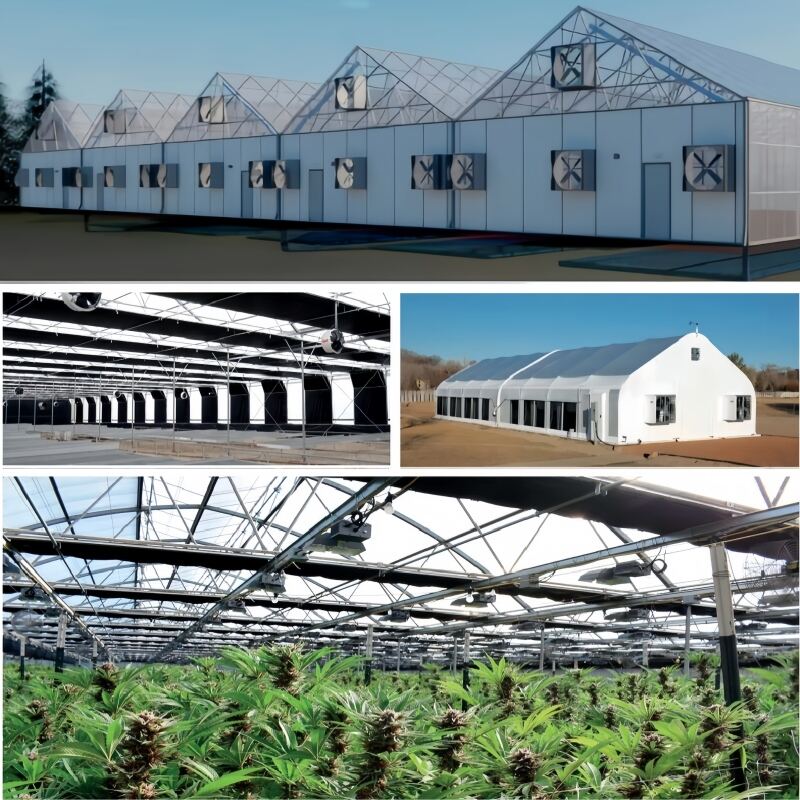
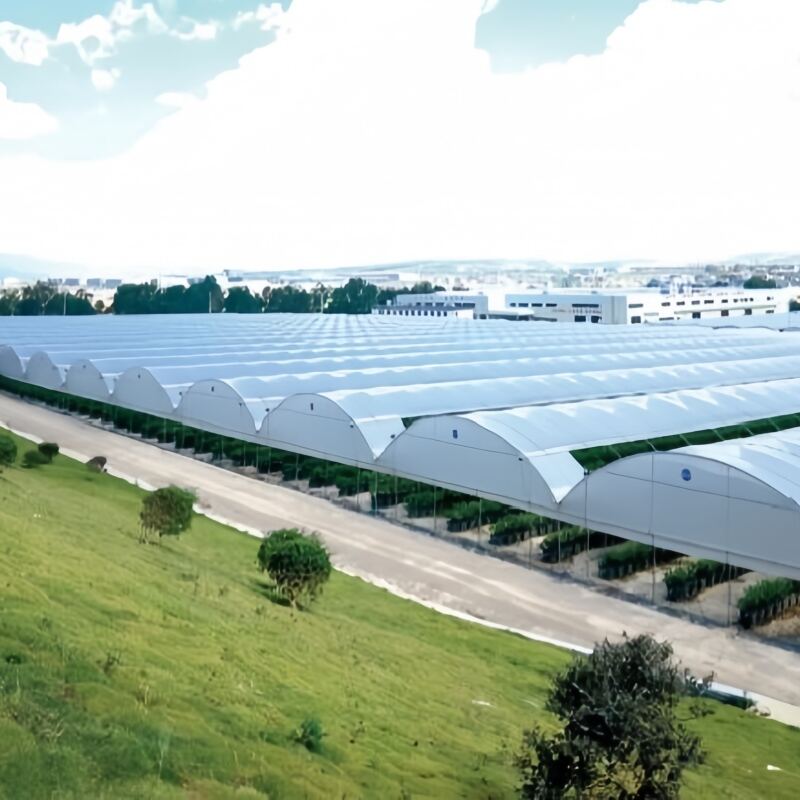
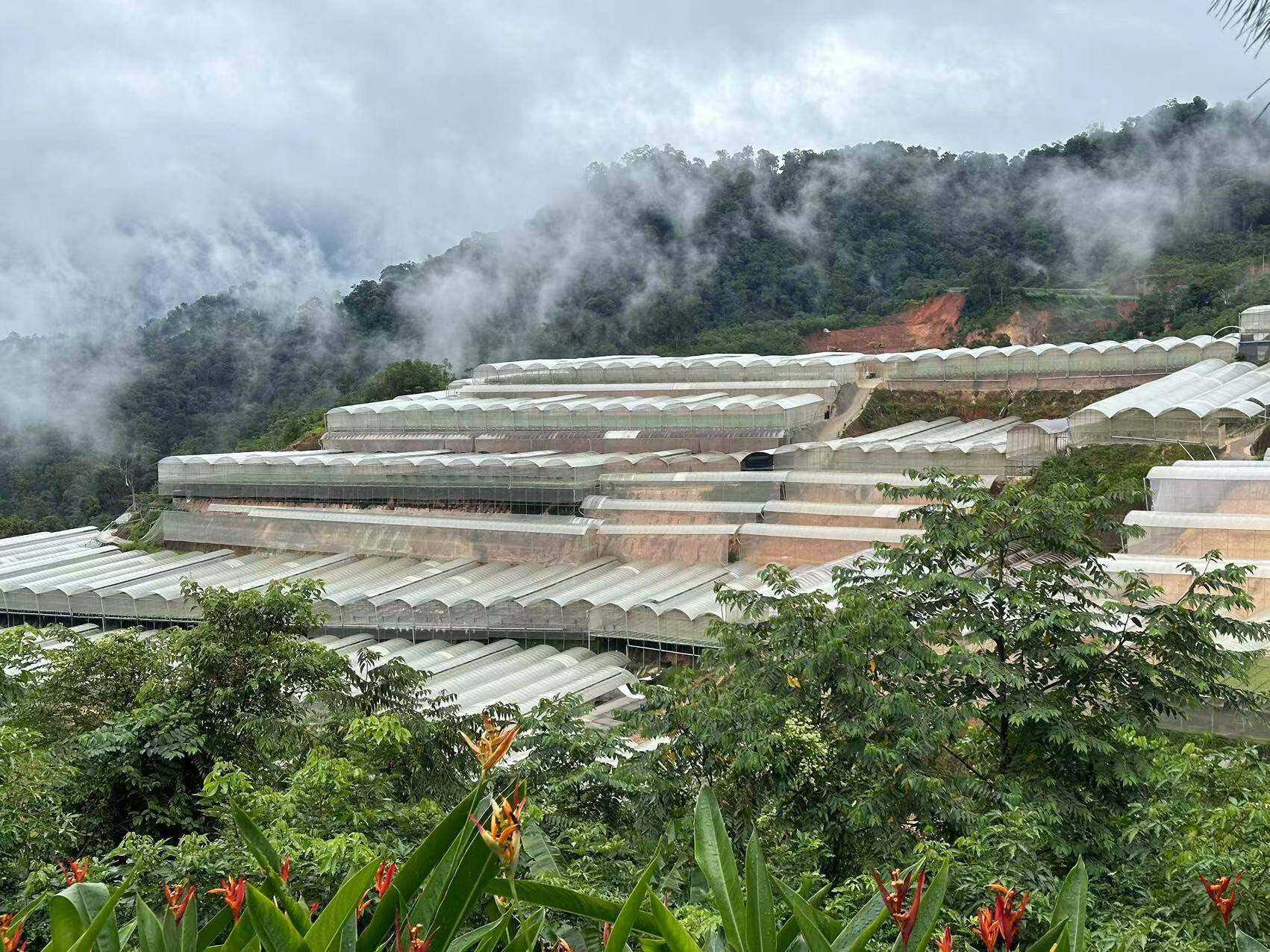
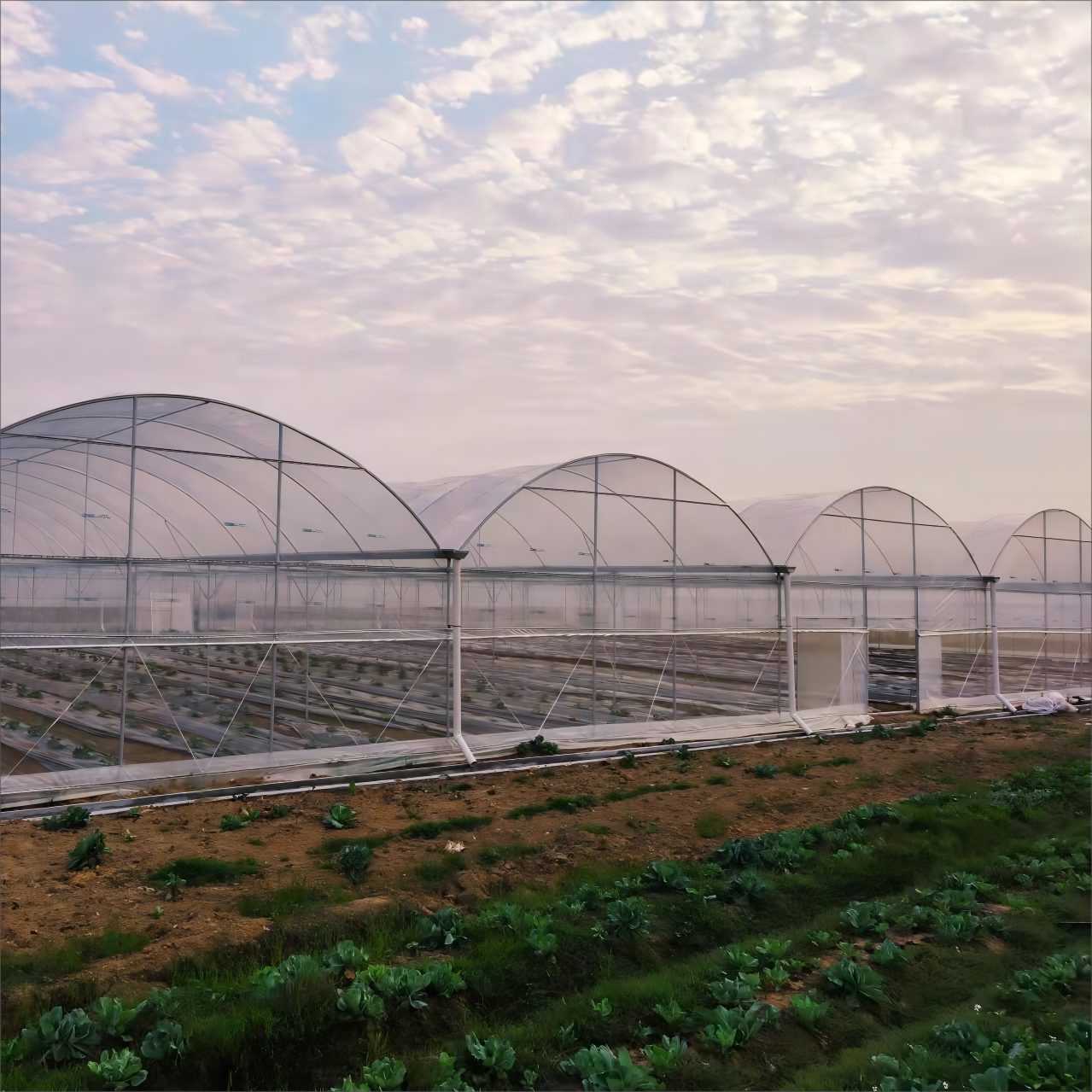
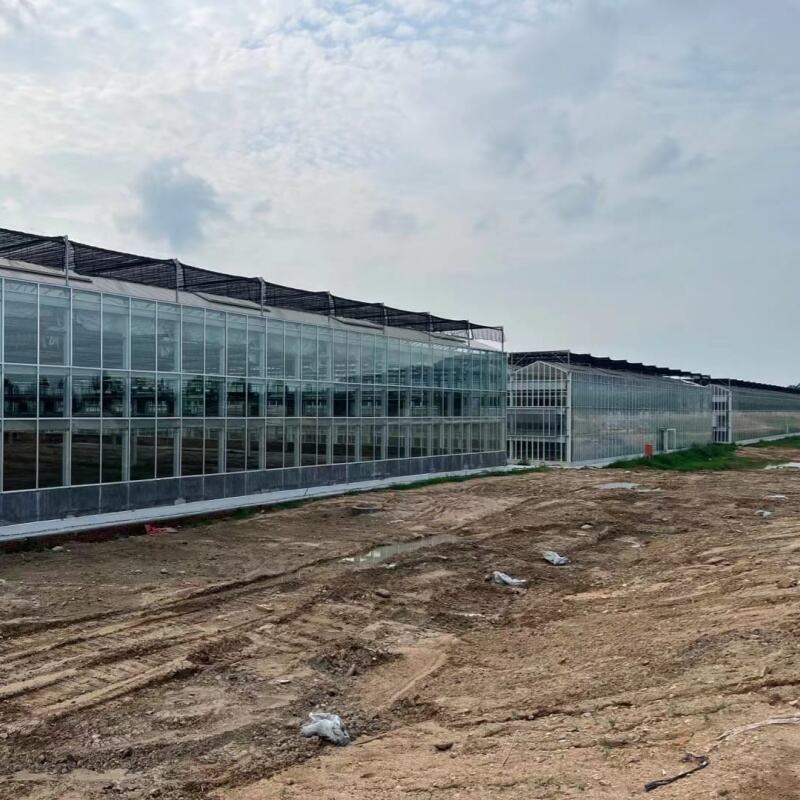
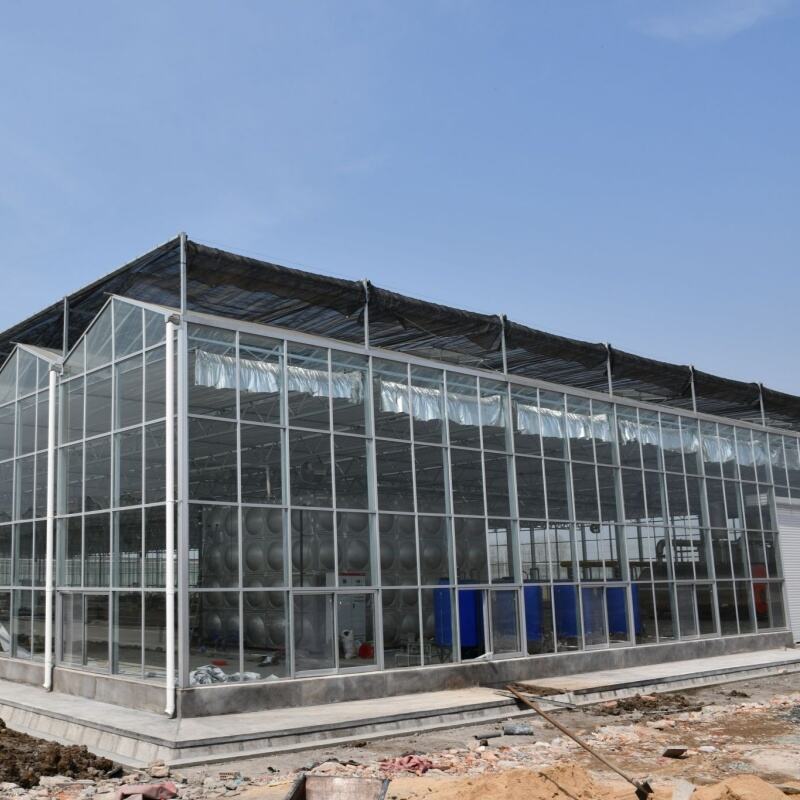
The polycarbonate greenhouse frame represents a revolutionary advancement in modern greenhouse construction, combining cutting-edge materials science with practical horticultural needs. This innovative structural system utilizes high-grade polycarbonate panels integrated with robust aluminum or galvanized steel framework to create an optimal growing environment for plants year-round. The polycarbonate greenhouse frame serves multiple essential functions, including temperature regulation, light transmission optimization, and protection from harsh weather conditions. Its primary technological features include superior insulation properties, enhanced UV protection, and exceptional impact resistance that surpasses traditional glass alternatives by up to 200 times. The frame system incorporates advanced sealing mechanisms that prevent heat loss while maintaining proper ventilation through strategically placed vents and louvers. These structures find extensive applications across residential gardening, commercial agriculture, research facilities, and educational institutions. The polycarbonate greenhouse frame excels in diverse climatic conditions, from tropical regions to cold northern territories, making it suitable for cultivating vegetables, flowers, herbs, and exotic plants. Professional growers appreciate how the polycarbonate greenhouse frame maintains consistent internal temperatures while reducing energy costs significantly. The modular design allows for easy expansion and customization, accommodating various plot sizes and specific growing requirements. Modern polycarbonate greenhouse frame systems integrate smart technology features such as automated climate control, irrigation systems, and monitoring sensors. The lightweight yet durable construction simplifies installation processes while ensuring long-term structural integrity. Environmental sustainability remains a key consideration, as the polycarbonate greenhouse frame promotes water conservation and reduces pesticide dependency through controlled growing conditions. These versatile structures support year-round cultivation, extending growing seasons and increasing crop yields substantially compared to outdoor farming methods.
 EN
EN