curved roof greenhouse frame
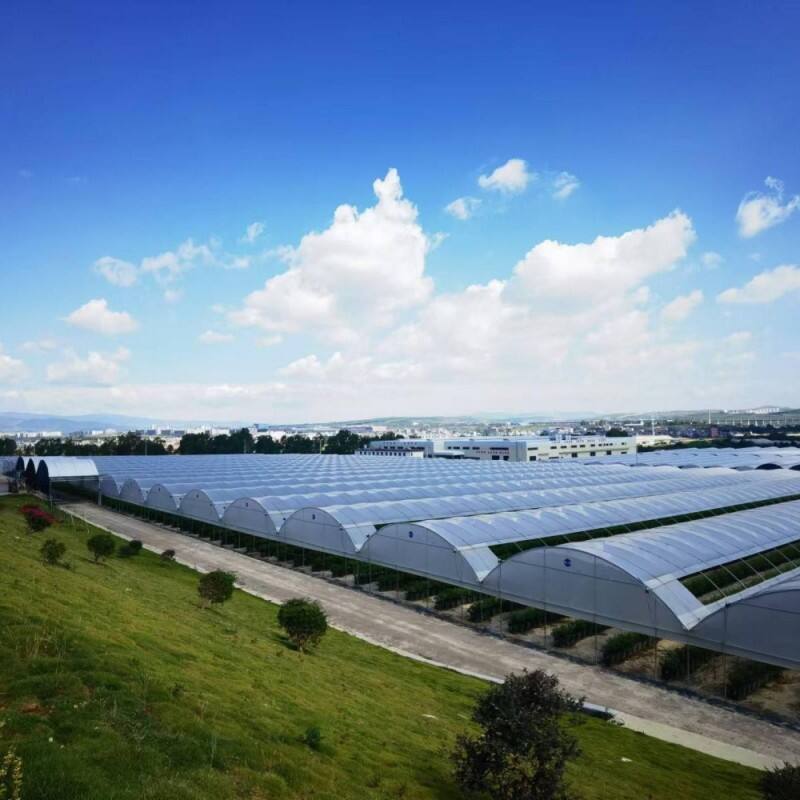
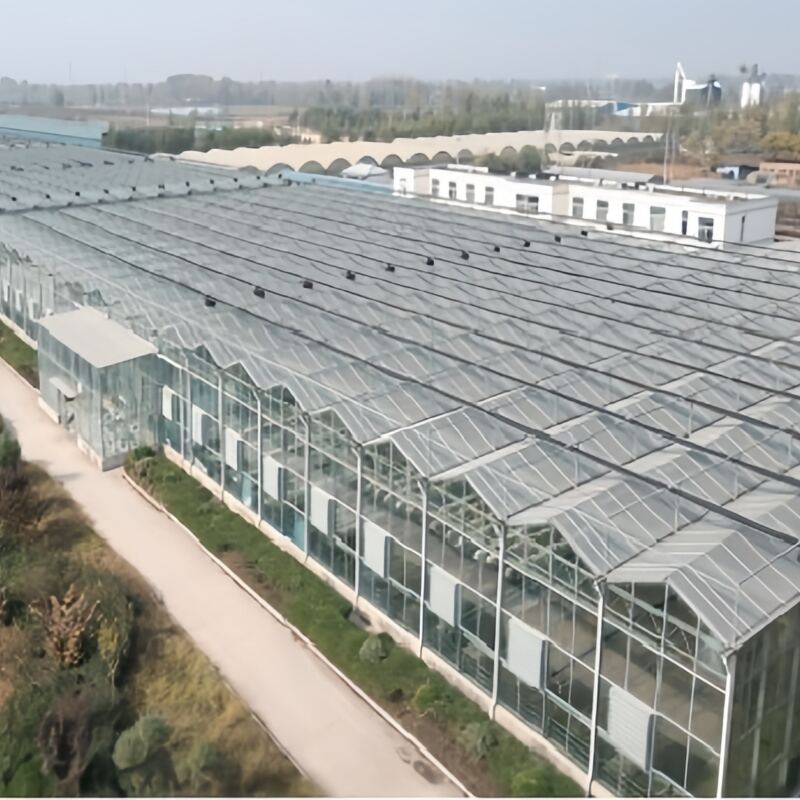
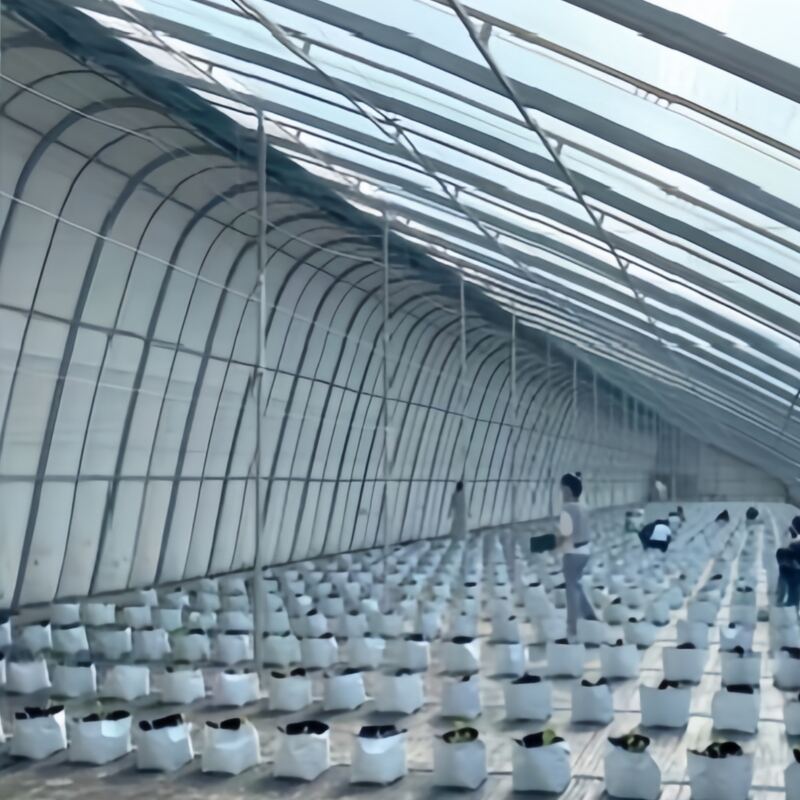
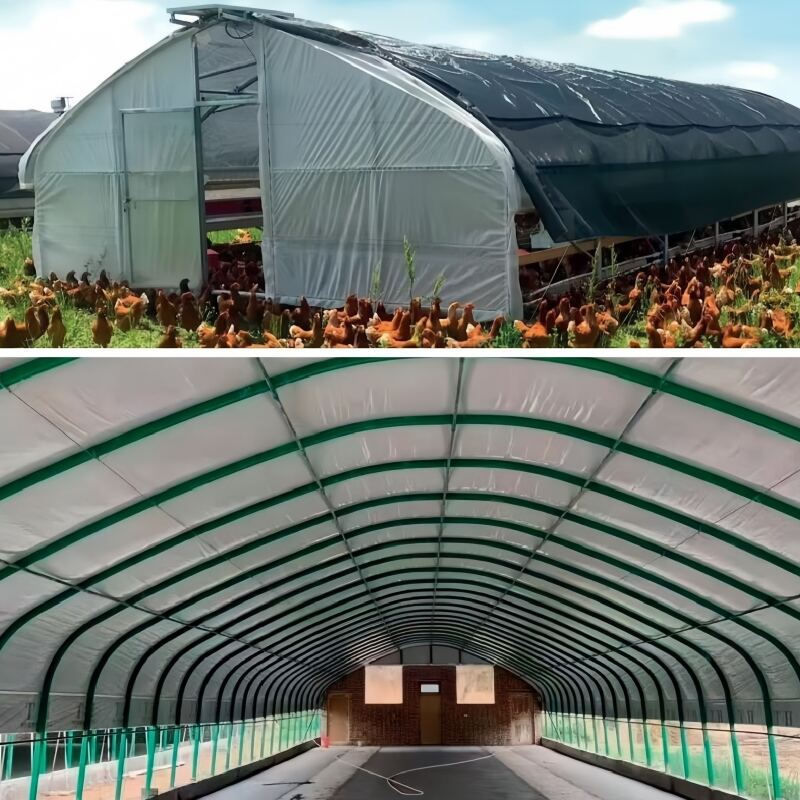
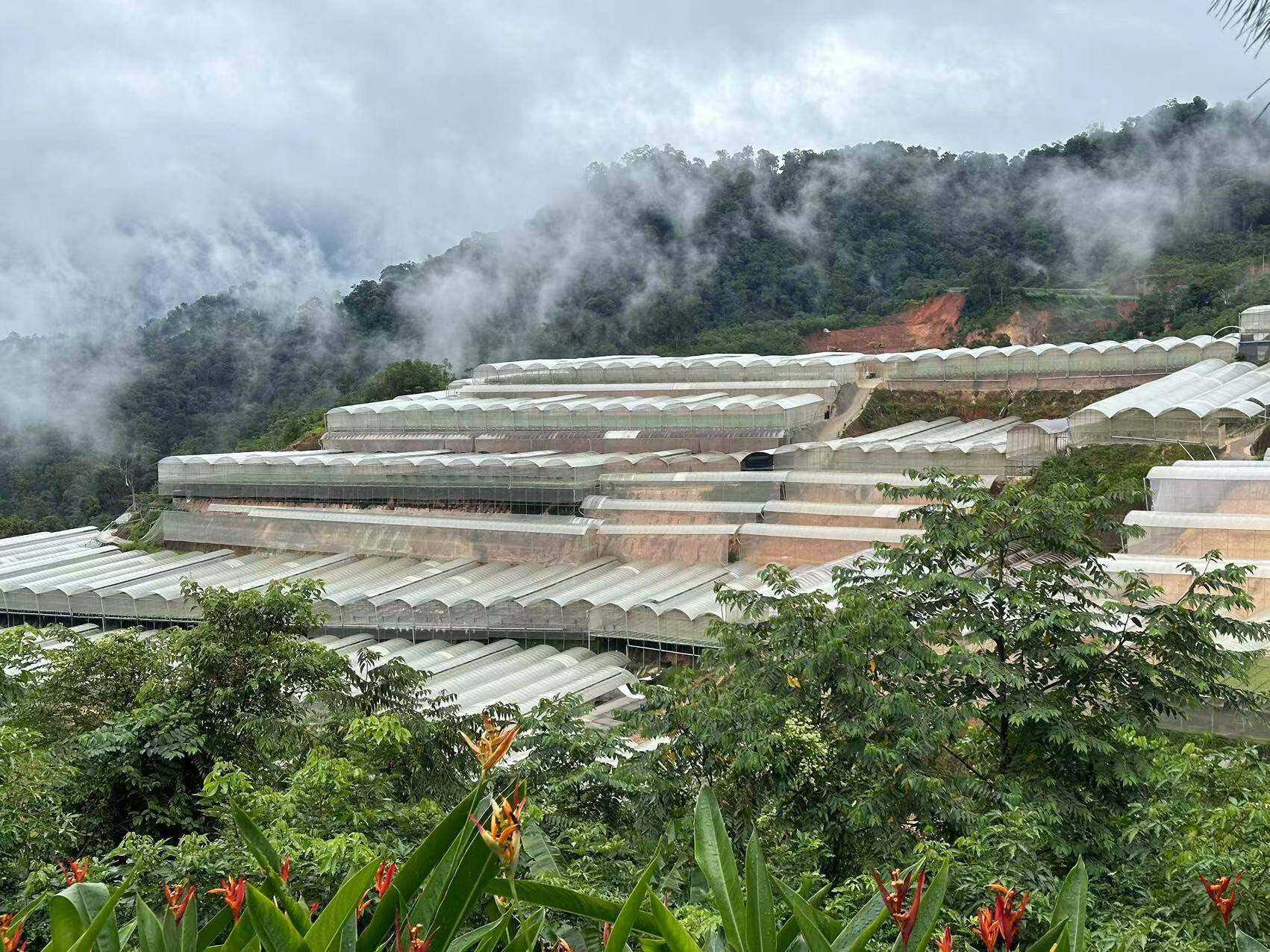
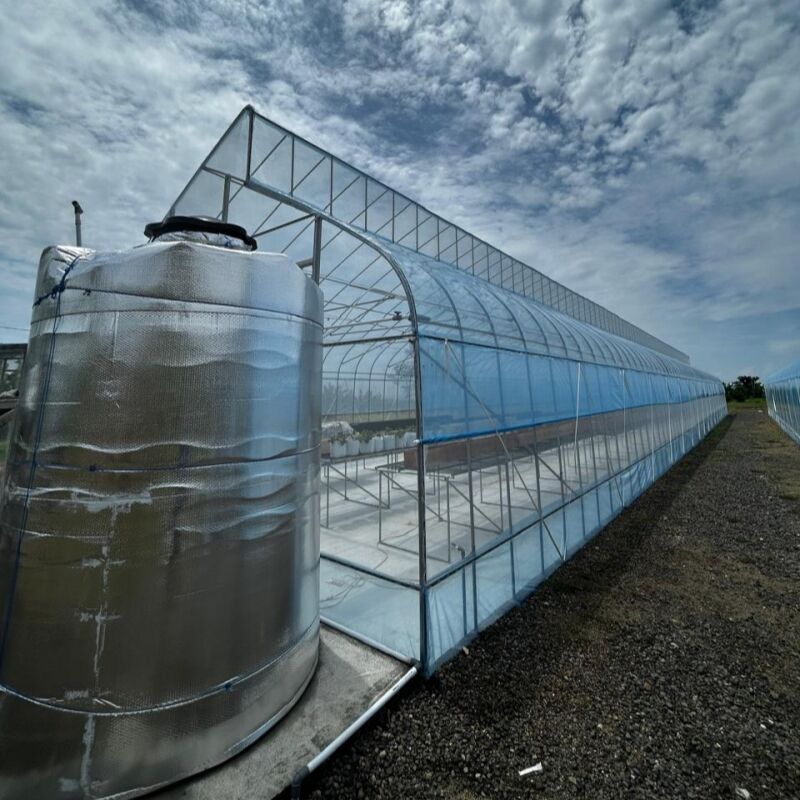
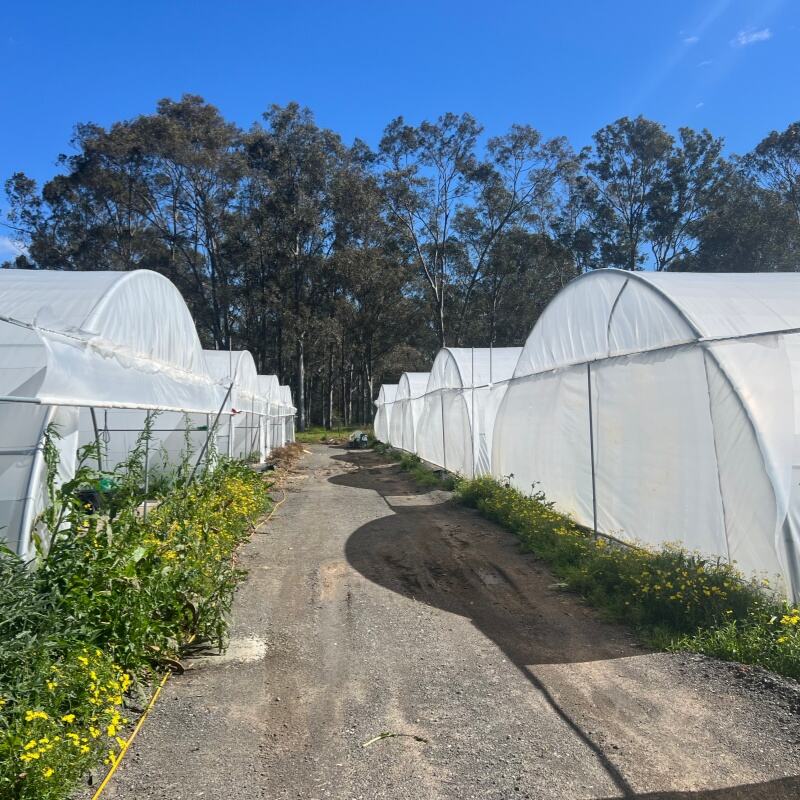
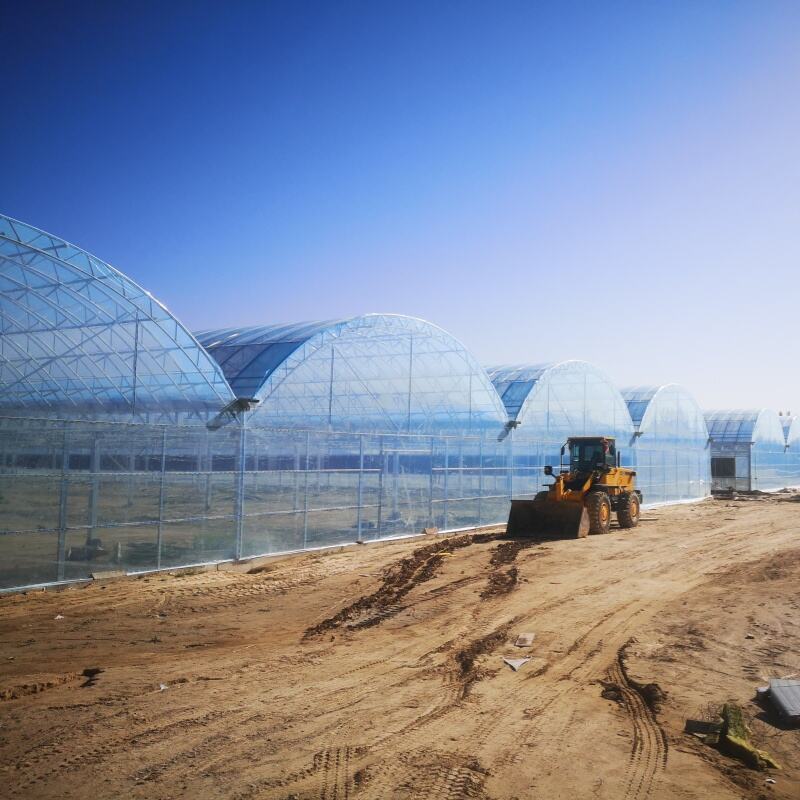
The curved roof greenhouse frame represents a revolutionary advancement in agricultural infrastructure design, combining structural engineering excellence with horticultural functionality. This innovative framework features a distinctive arched or curved roofline that maximizes natural light penetration while providing superior structural integrity against environmental stresses. The curved roof greenhouse frame utilizes advanced materials such as galvanized steel, aluminum alloy, or composite materials to create a robust yet flexible support system that can withstand varying weather conditions including heavy snow loads, strong winds, and temperature fluctuations. The main functions of this framework include optimal light distribution throughout the growing space, enhanced ventilation capabilities, and improved water runoff management. The curved design naturally channels rainwater and condensation away from plants, preventing moisture-related issues that commonly plague traditional flat-roof structures. Technologically, the curved roof greenhouse frame incorporates precision-engineered connection points, adjustable support systems, and modular components that facilitate easy assembly and future modifications. The framework supports various covering materials including polycarbonate panels, tempered glass, or specialized greenhouse films, each optimized for specific growing requirements. Applications span commercial agriculture, research facilities, educational institutions, and residential gardening projects. Commercial growers utilize curved roof greenhouse frame systems for year-round crop production, extending growing seasons and maximizing yield potential. Research institutions employ these structures for controlled environment studies, plant breeding programs, and agricultural experimentation. Educational facilities integrate curved roof greenhouse frame installations for hands-on learning experiences and sustainable agriculture programs. The versatility of this framework makes it suitable for diverse crops including vegetables, flowers, herbs, and specialty plants, while accommodating various growing methods such as hydroponic systems, soil-based cultivation, and vertical farming arrangements.
 EN
EN