custom greenhouse kits
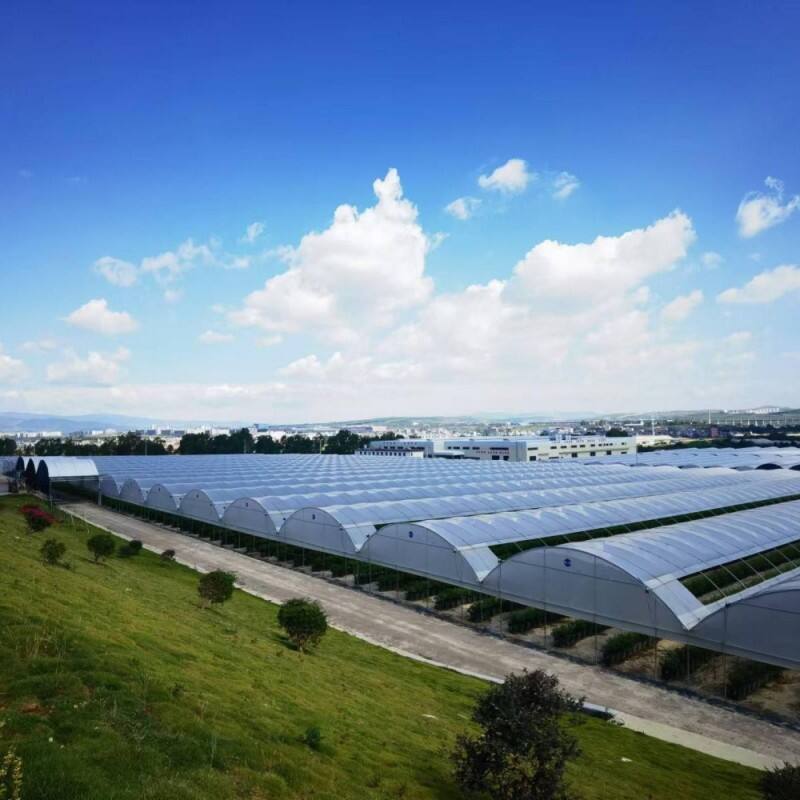
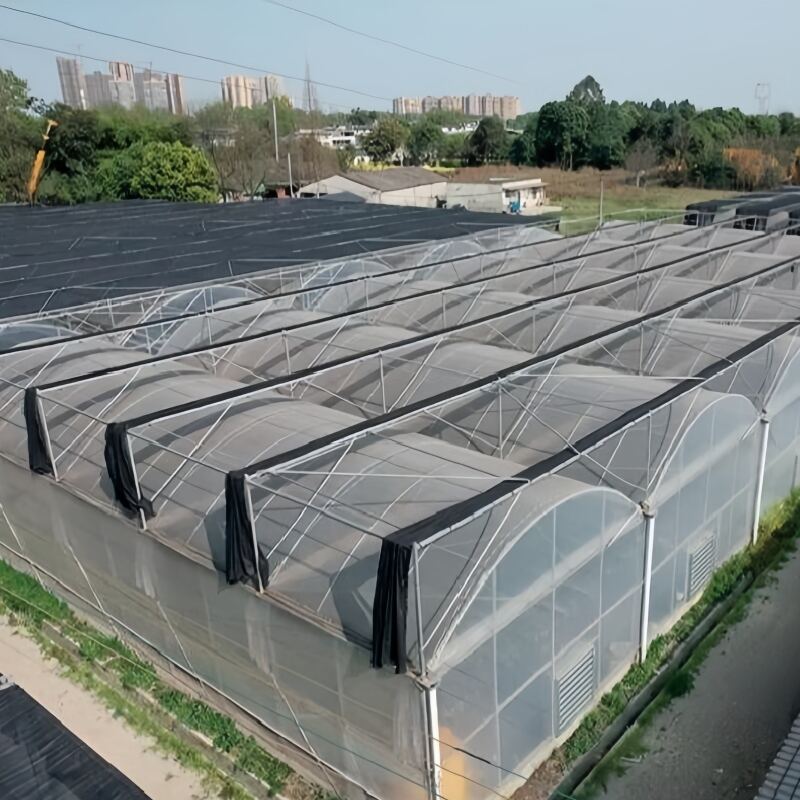
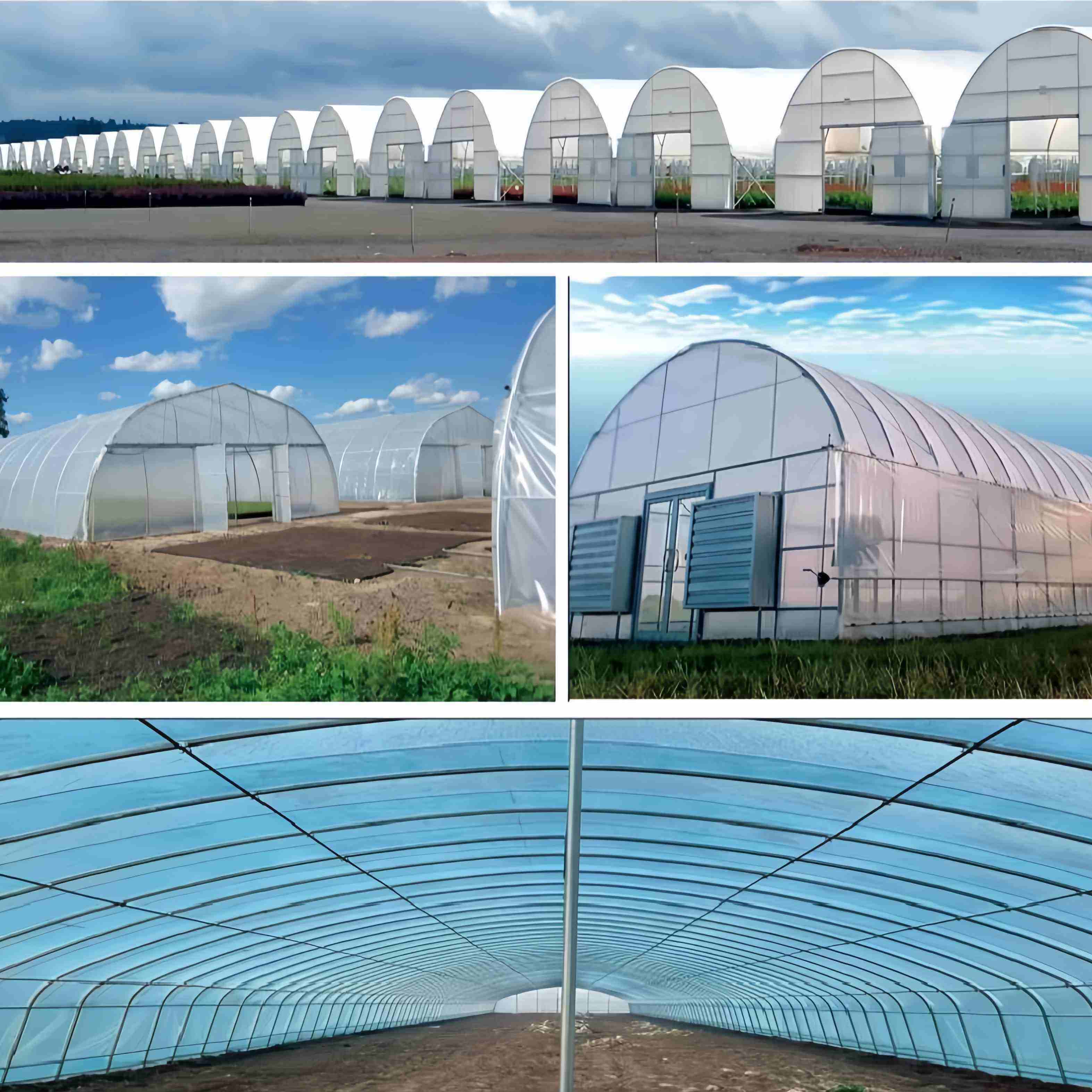
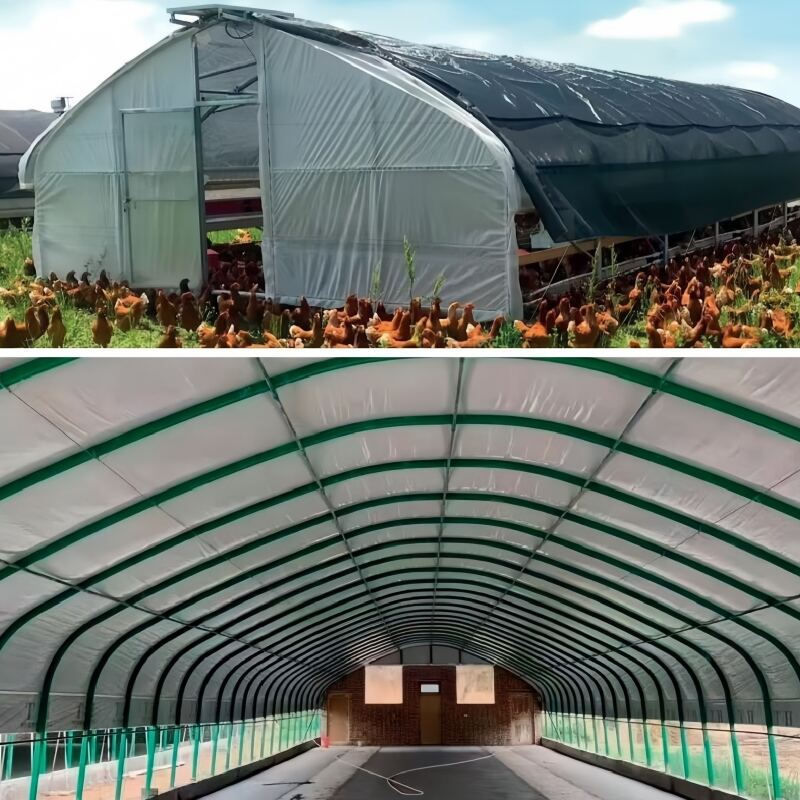
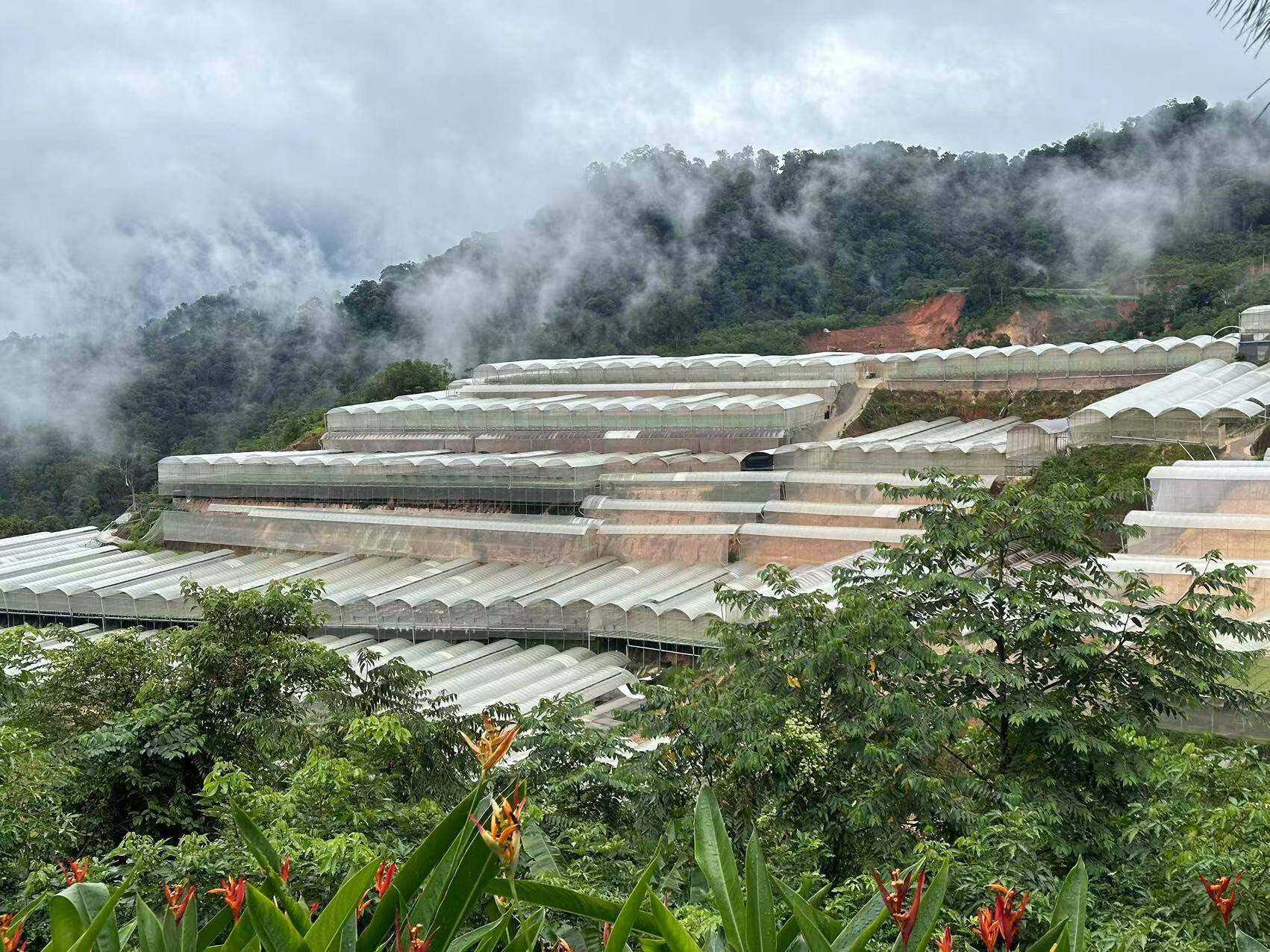
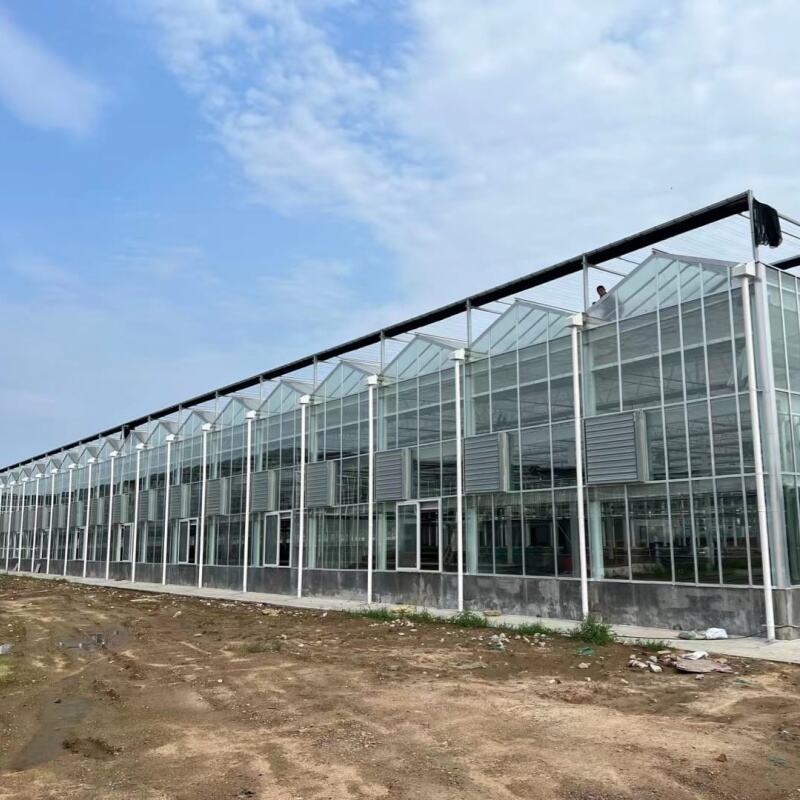
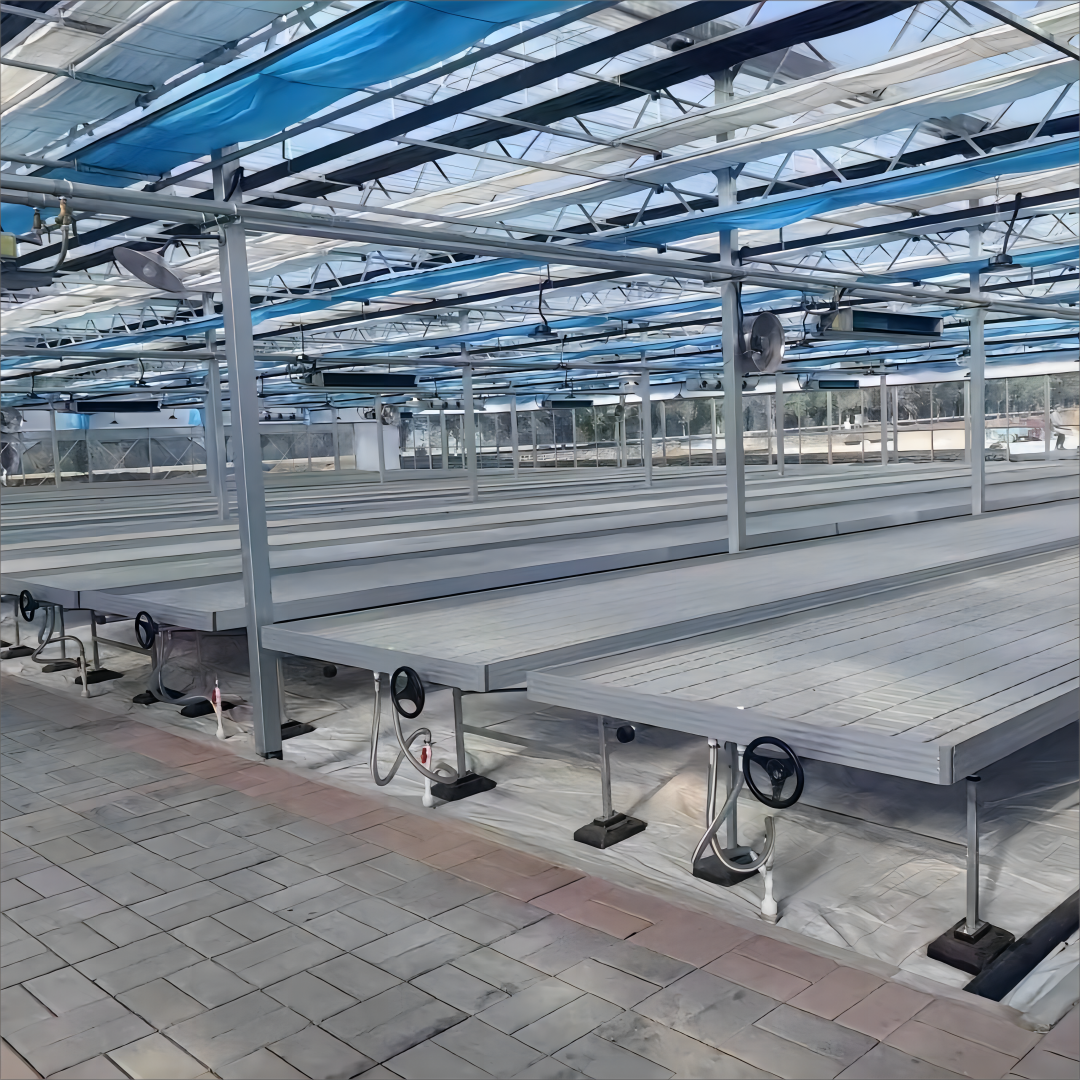
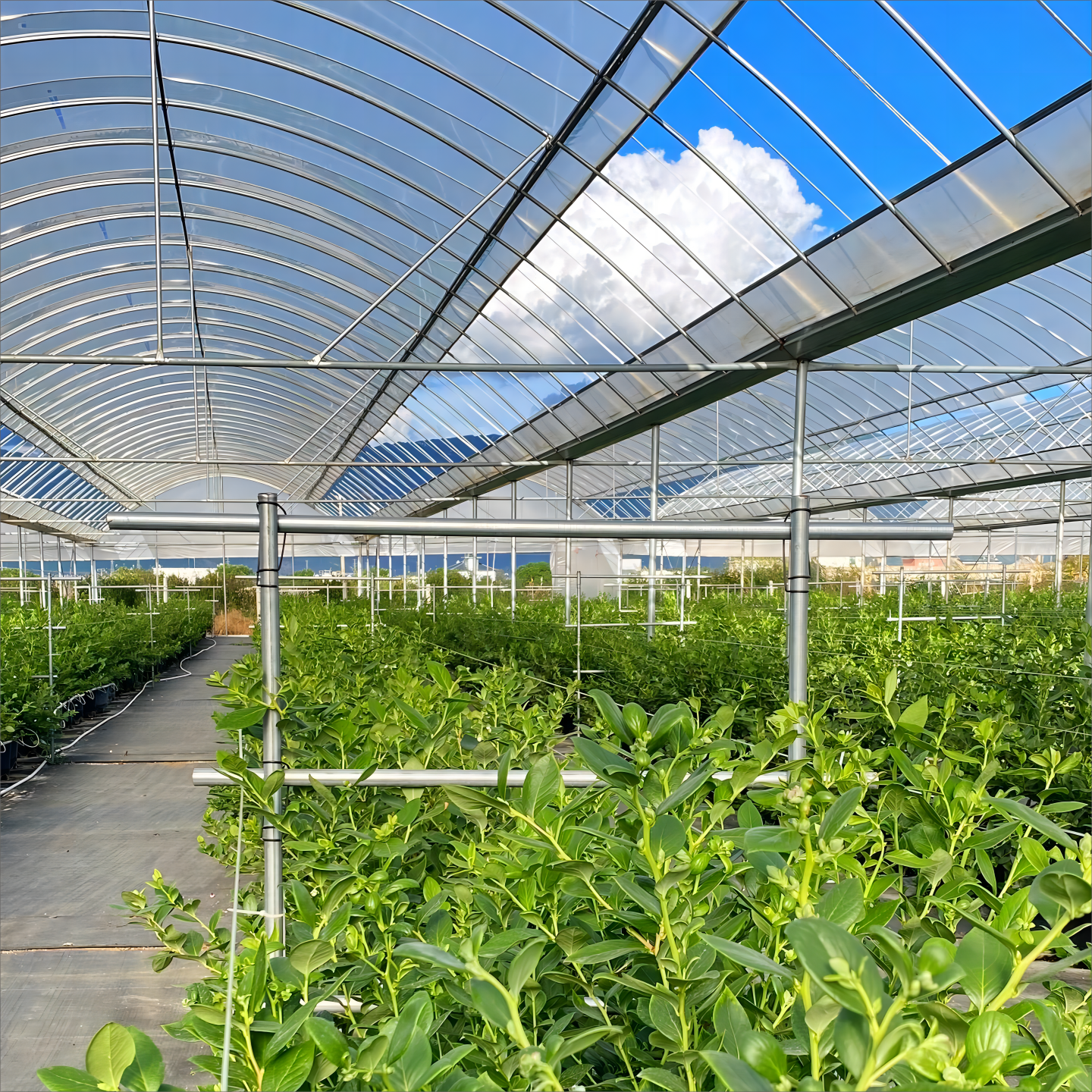
Custom greenhouse kits represent a revolutionary approach to controlled environment agriculture, offering tailored solutions for growers seeking precise cultivation environments. These comprehensive packages combine cutting-edge materials with innovative design principles to create personalized growing spaces that meet specific horticultural requirements. Unlike standard greenhouse structures, custom greenhouse kits are engineered to accommodate unique site conditions, crop preferences, and operational objectives, ensuring optimal plant performance across diverse applications. The main functions of custom greenhouse kits encompass climate regulation, pest exclusion, season extension, and crop protection. Advanced ventilation systems maintain ideal temperature and humidity levels while preventing condensation buildup. Integrated heating and cooling mechanisms work synergistically to create stable microclimates regardless of external weather conditions. These systems feature automated controls that monitor environmental parameters continuously, adjusting ventilation, heating, and irrigation based on real-time data. Technologically, custom greenhouse kits incorporate sophisticated materials including polycarbonate panels, aluminum framing, and weather-resistant components that ensure durability and longevity. Smart irrigation systems deliver precise water amounts directly to root zones, minimizing waste while maximizing nutrient uptake. LED lighting arrays supplement natural sunlight, extending growing seasons and enabling year-round production. Digital monitoring platforms provide remote access to greenhouse conditions through smartphone applications and computer interfaces. Applications for custom greenhouse kits span commercial agriculture, research institutions, educational facilities, and residential growing operations. Commercial producers utilize these structures for vegetable cultivation, flower production, and specialty crop development. Research facilities employ custom greenhouse kits for plant breeding programs, disease resistance studies, and agricultural experimentation. Educational institutions integrate these systems into curriculum programs, providing hands-on learning experiences for students pursuing agricultural sciences. Residential applications include hobby gardening, organic food production, and sustainable living initiatives, making fresh produce accessible regardless of geographic location or seasonal limitations.
 EN
EN