glasshouse accessories
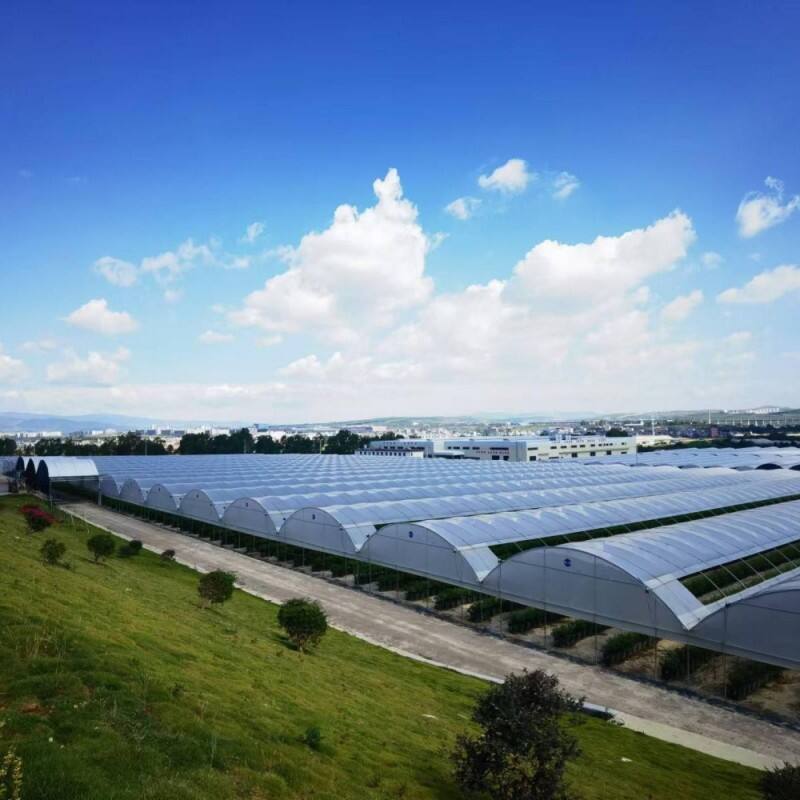
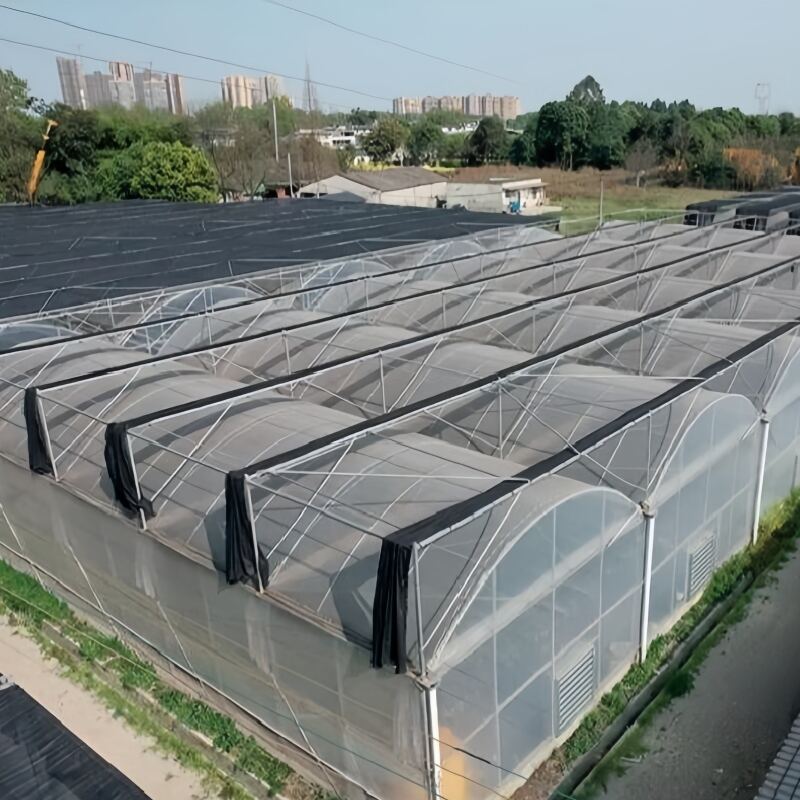
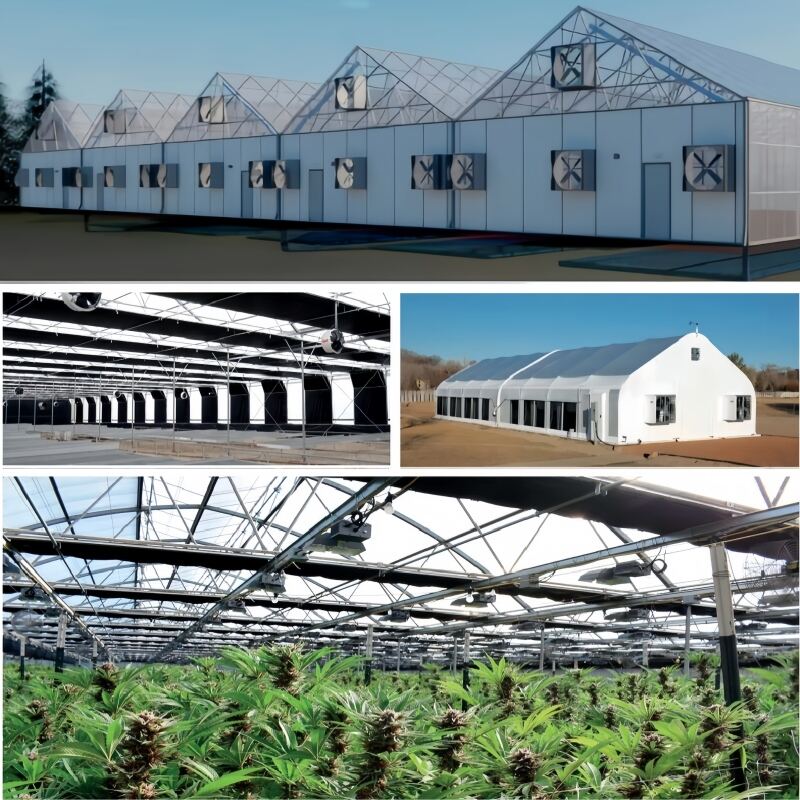
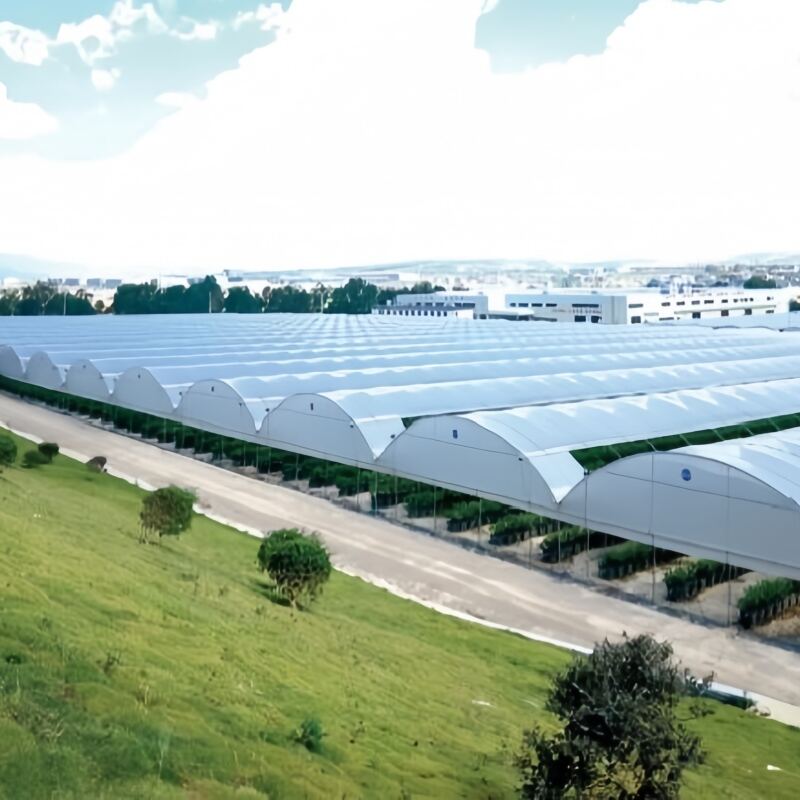
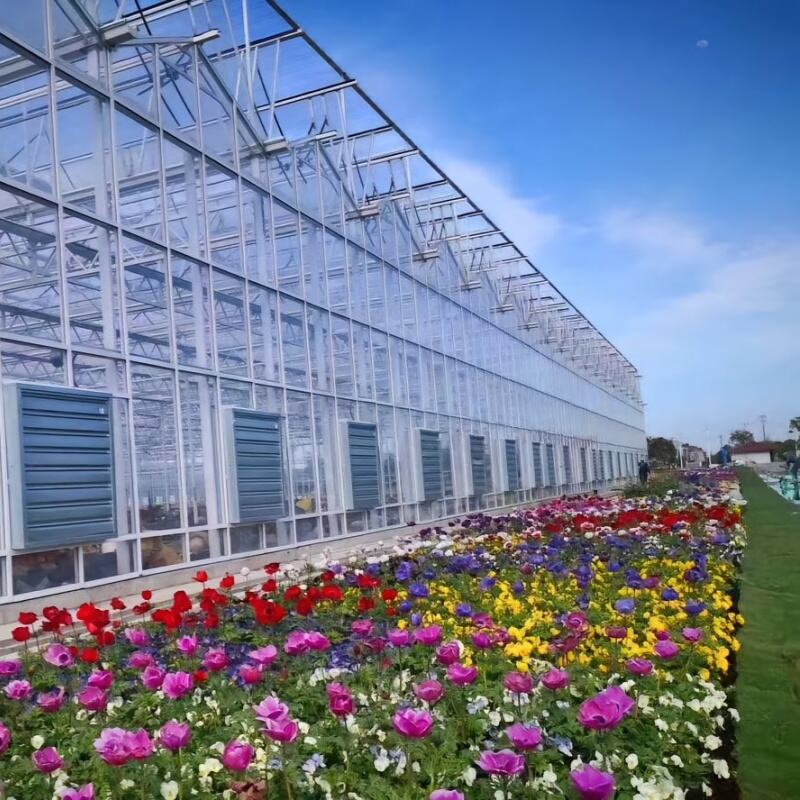
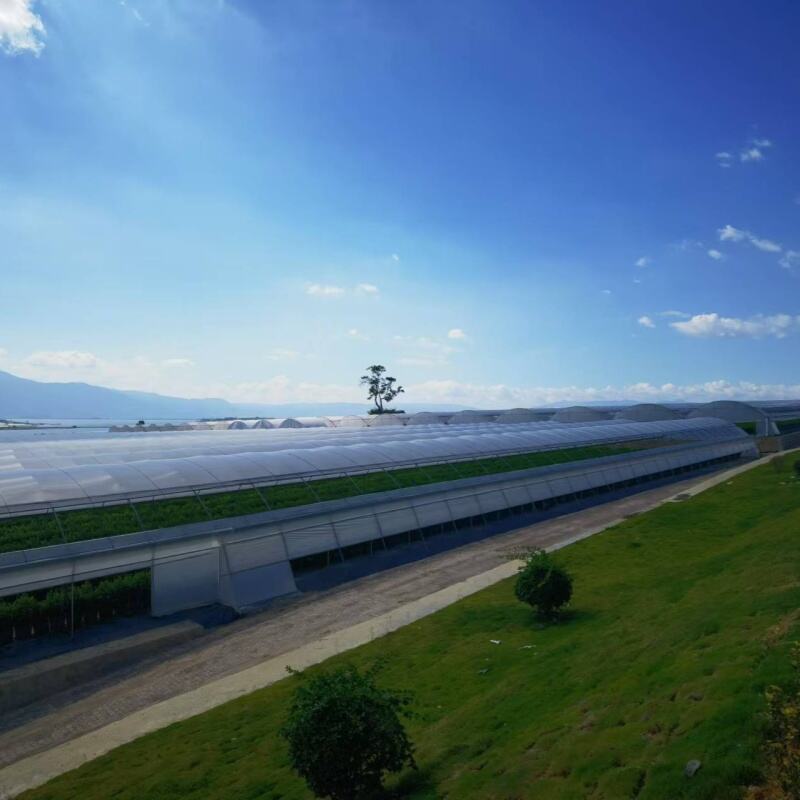
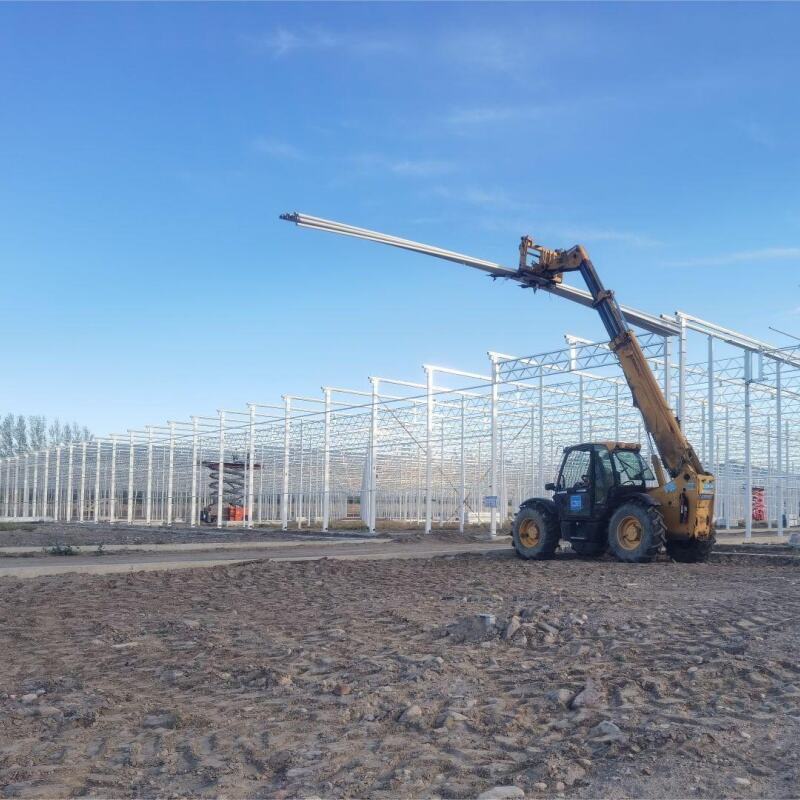
Glasshouse accessories represent essential components that transform basic greenhouse structures into efficient, productive growing environments. These specialized tools and equipment enhance the functionality of modern glasshouses, enabling growers to optimize plant cultivation conditions while maximizing yields. The comprehensive range of glasshouse accessories includes ventilation systems, heating equipment, irrigation solutions, shade cloths, benching systems, and environmental monitoring devices. Each accessory serves specific purposes in creating ideal growing conditions for various plant species. Ventilation systems regulate airflow and temperature, preventing overheating during warm periods and ensuring adequate air circulation. These systems typically feature automatic louvre windows, ridge vents, and exhaust fans that respond to temperature changes. Heating accessories maintain optimal temperatures during colder months, utilizing gas heaters, electric heating mats, or hot water circulation systems. Irrigation accessories deliver precise water management through misting systems, drip irrigation networks, and automated watering controls. Shade cloths protect plants from excessive sunlight while maintaining necessary light levels for photosynthesis. Benching systems provide organized growing surfaces that maximize space utilization and improve workflow efficiency. Environmental monitoring accessories track temperature, humidity, light levels, and soil moisture, enabling data-driven cultivation decisions. Modern glasshouse accessories incorporate smart technology features, including wireless sensors, automated controls, and smartphone connectivity. These technological advances allow remote monitoring and control of greenhouse conditions from anywhere. The applications of glasshouse accessories span commercial horticulture, research facilities, educational institutions, and hobby gardening. Professional growers rely on these accessories to maintain consistent environmental conditions, reduce labor costs, and improve crop quality. Research facilities use sophisticated accessories to conduct controlled experiments and develop new cultivation techniques. Educational institutions integrate these tools to teach students about modern agricultural practices and plant science principles.
 EN
EN