glass greenhouse cost
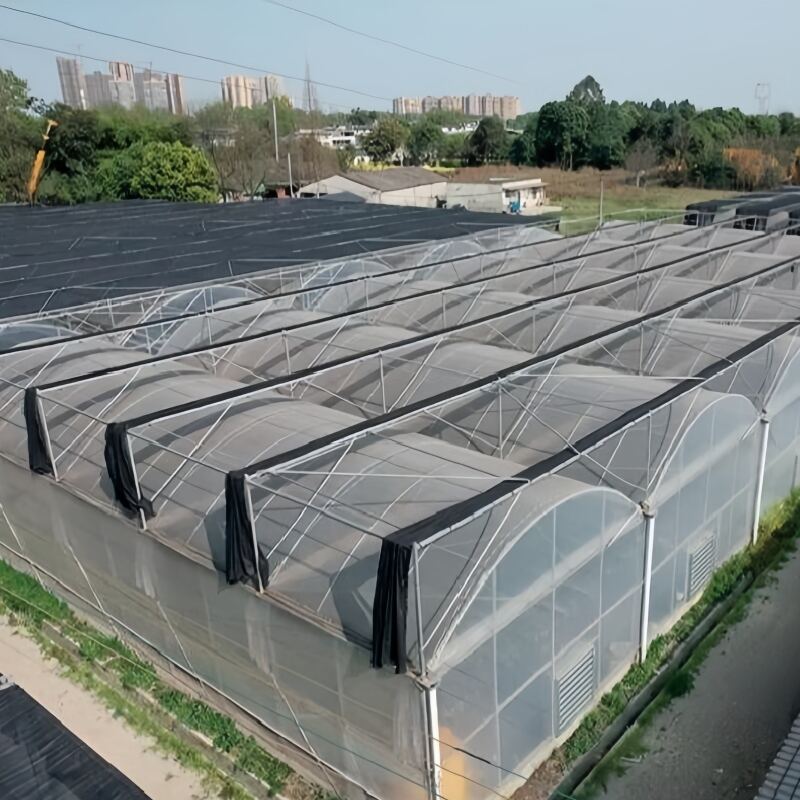
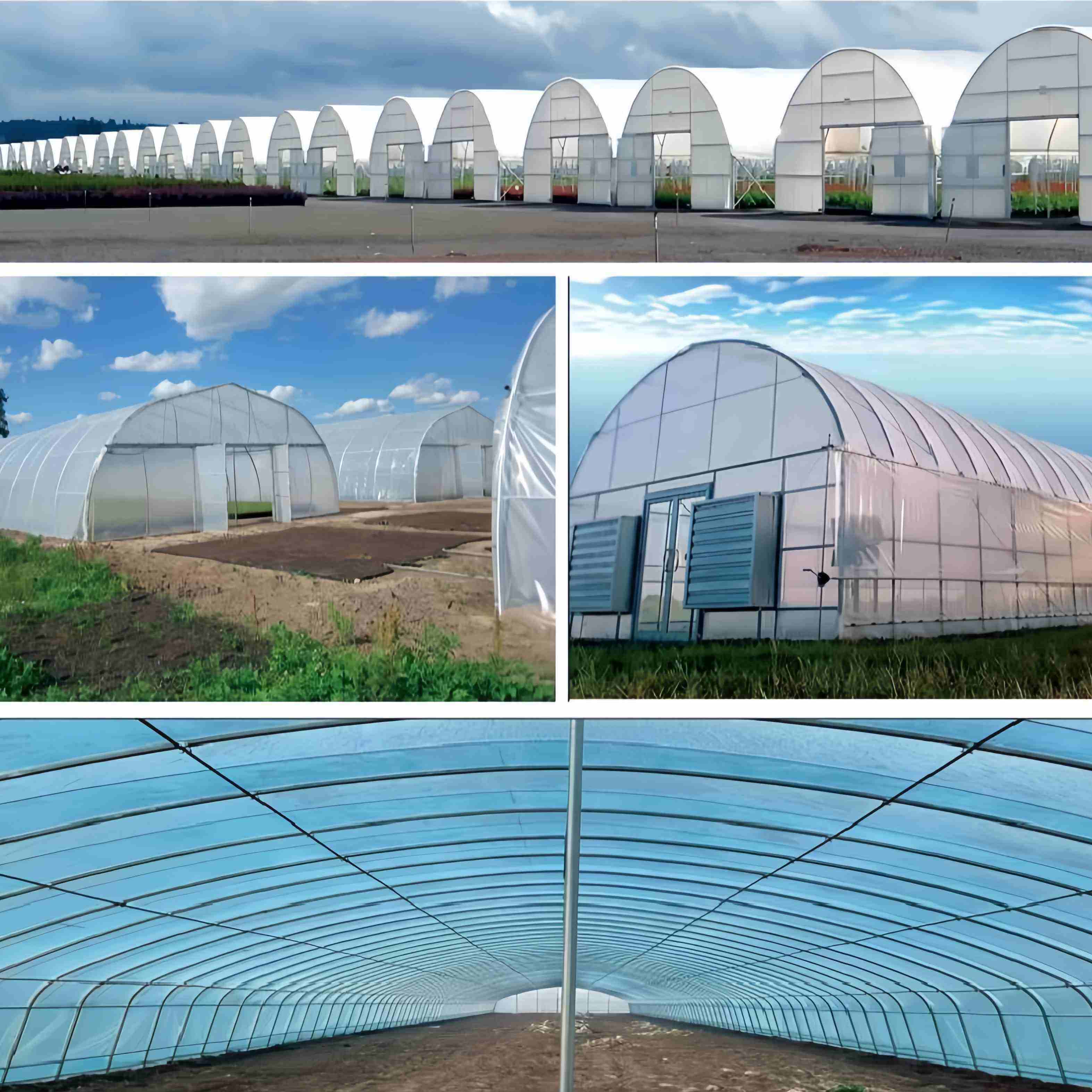
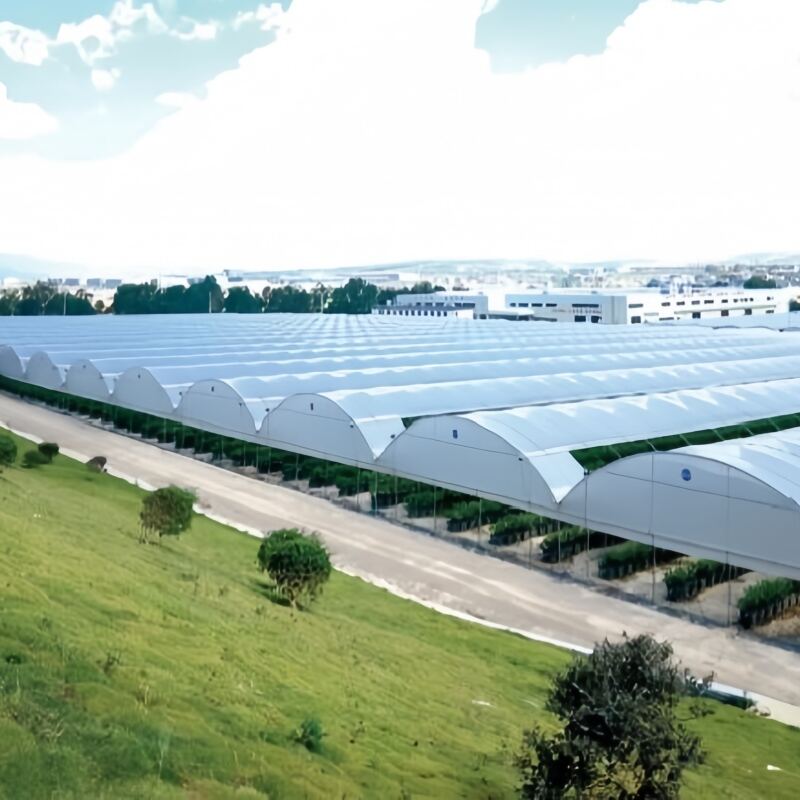
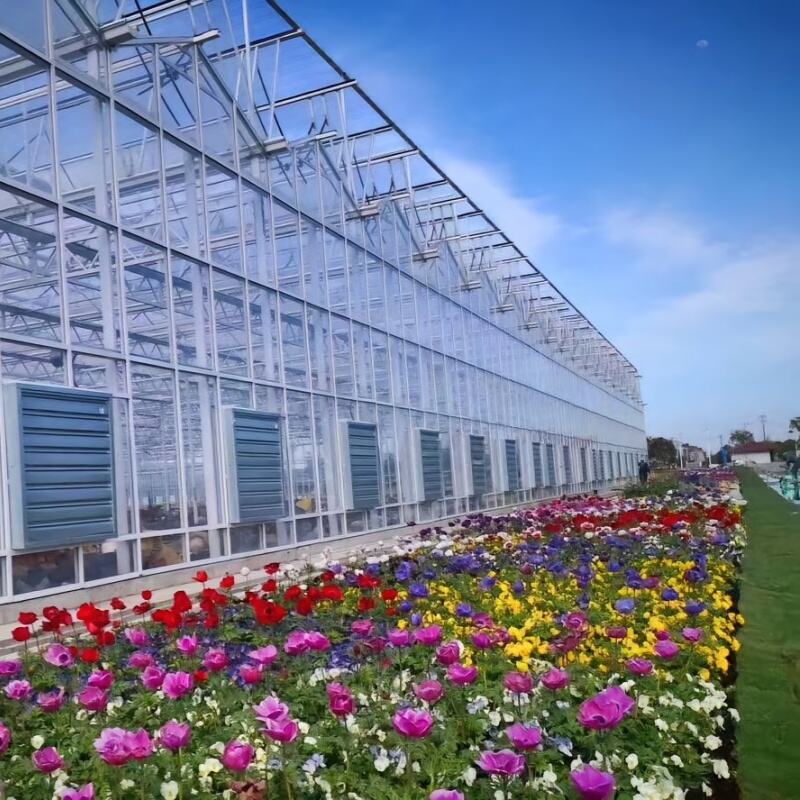
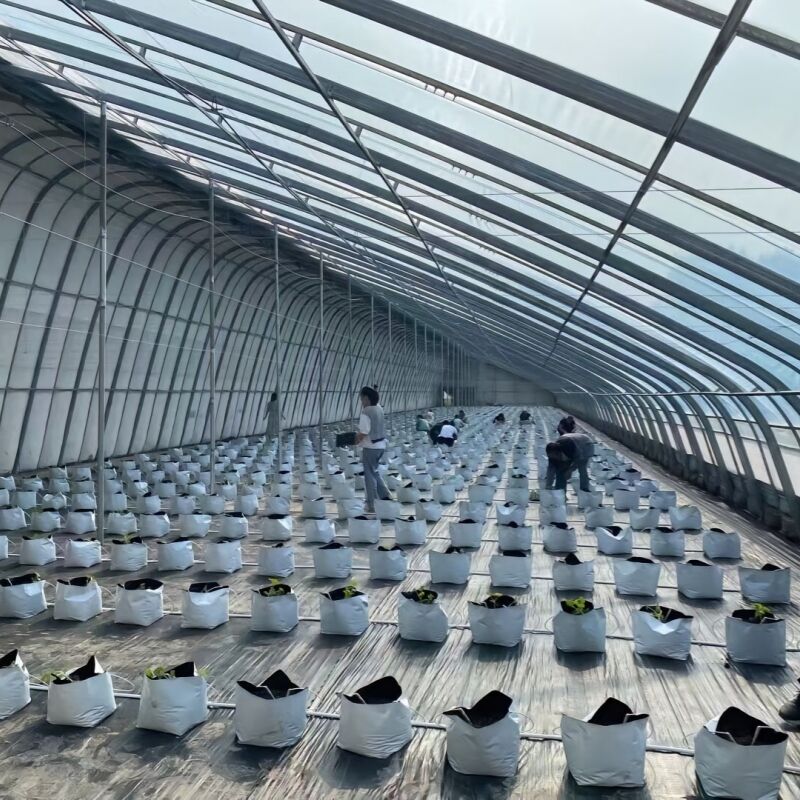
Understanding glass greenhouse cost requires examining multiple factors that influence the overall investment in controlled environment agriculture. Glass greenhouse cost varies significantly based on structural complexity, technological integration, and operational requirements. These sophisticated growing environments serve as climate-controlled spaces where agricultural professionals cultivate crops year-round, regardless of external weather conditions. The primary functions of glass greenhouses include temperature regulation, humidity control, light management, and protection from environmental hazards. Modern glass greenhouse cost encompasses advanced ventilation systems, automated irrigation networks, and sophisticated monitoring equipment. These structures utilize high-quality tempered glass panels that maximize light transmission while providing excellent insulation properties. The technological features integrated into contemporary glass greenhouses include computerized climate control systems, automated shading mechanisms, and precision nutrient delivery systems. Glass greenhouse cost also reflects the incorporation of energy-efficient heating and cooling systems that maintain optimal growing conditions. Applications span from commercial vegetable production and flower cultivation to research facilities and educational institutions. The versatility of glass greenhouses makes them suitable for hydroponic systems, traditional soil-based cultivation, and specialized growing techniques. Glass greenhouse cost considerations extend beyond initial construction to include ongoing operational expenses, maintenance requirements, and energy consumption. These structures offer exceptional durability and longevity, making them valuable long-term investments for agricultural operations. The transparent glass construction allows maximum natural light penetration, reducing artificial lighting requirements and associated energy costs. Professional greenhouse operators choose glass structures for their superior aesthetic appeal, structural integrity, and optimal growing conditions that consistently produce high-quality crops throughout all seasons.
 EN
EN