greenhouse film suppliers
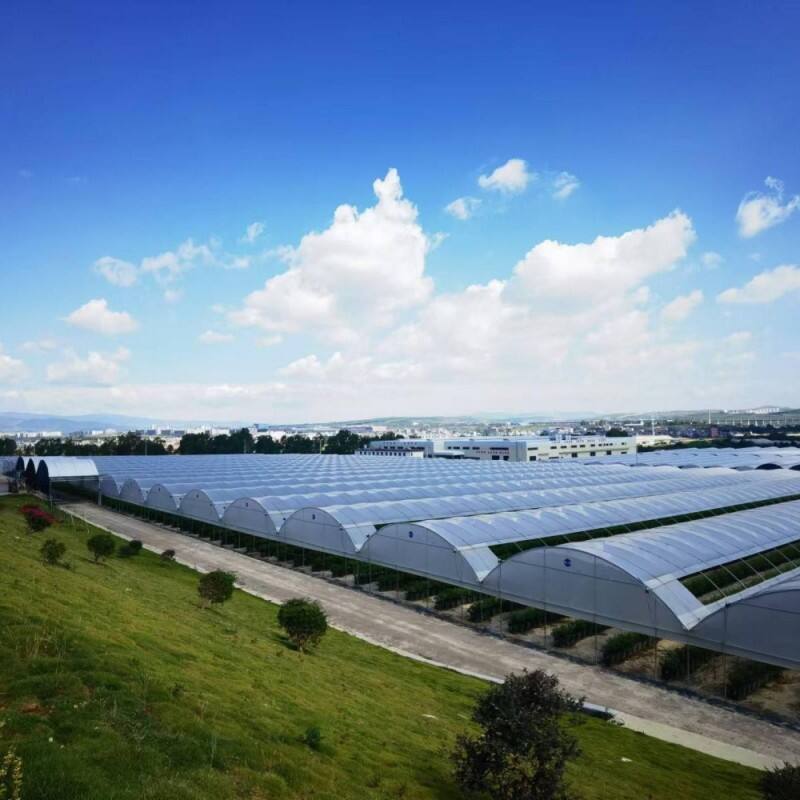
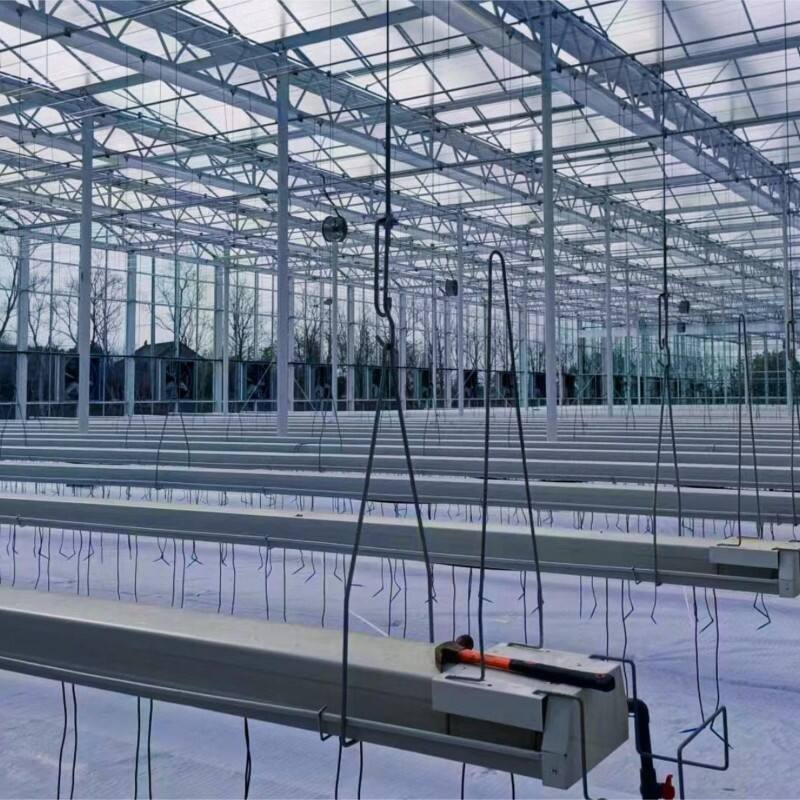
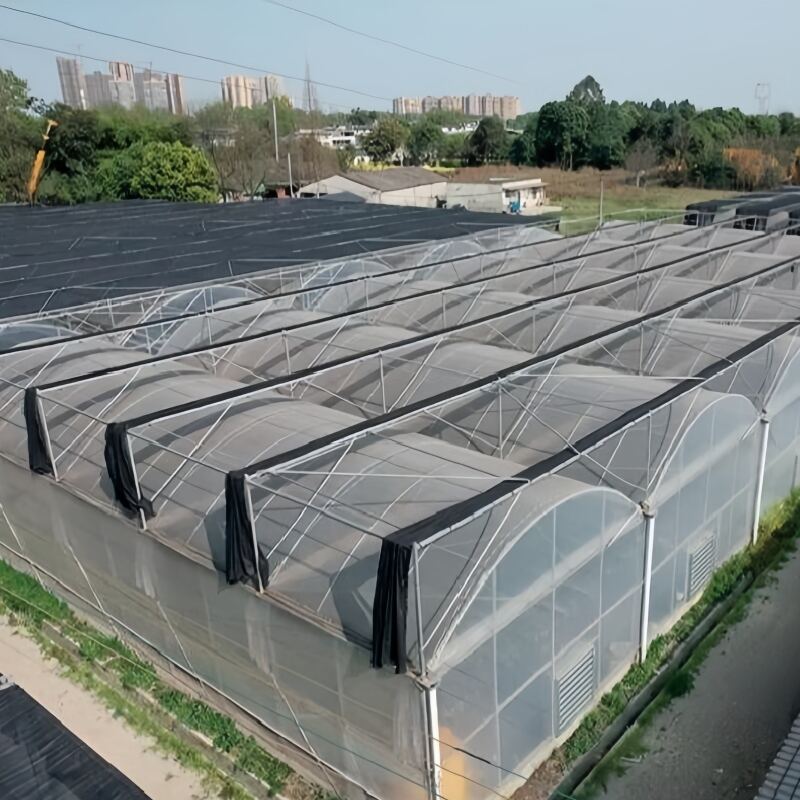
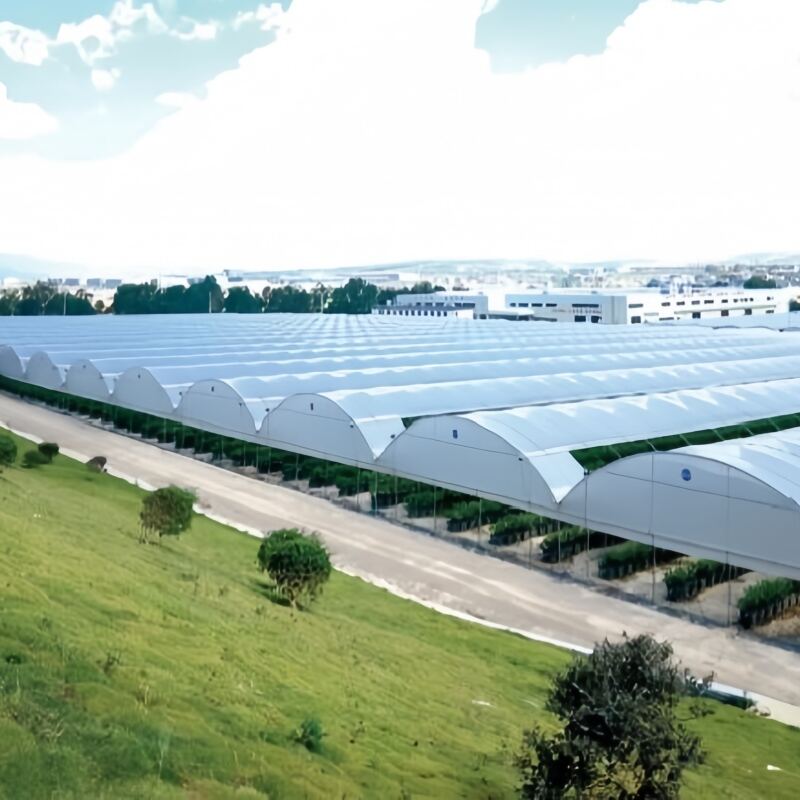
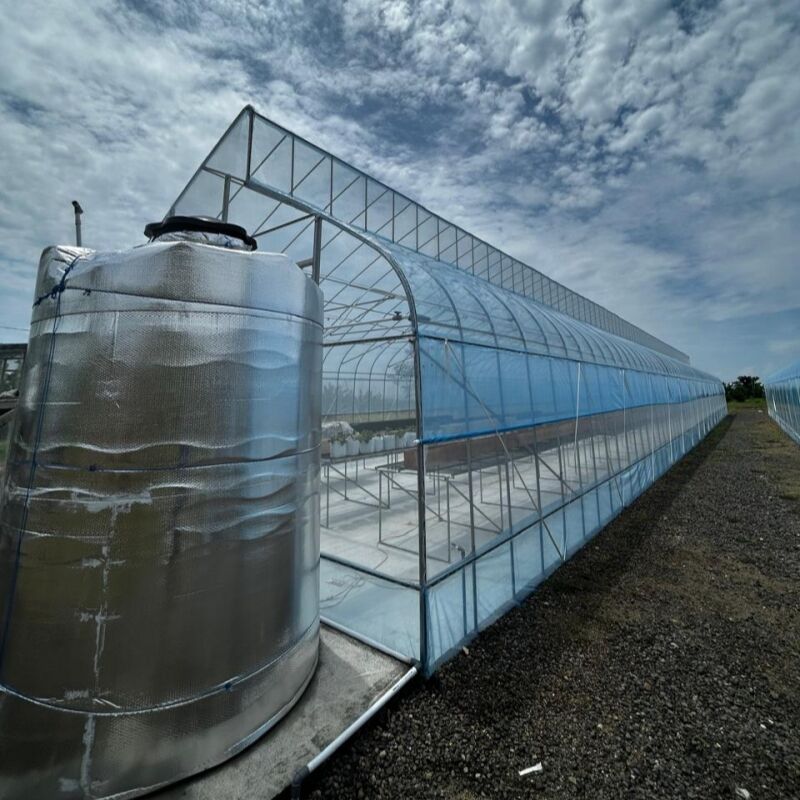
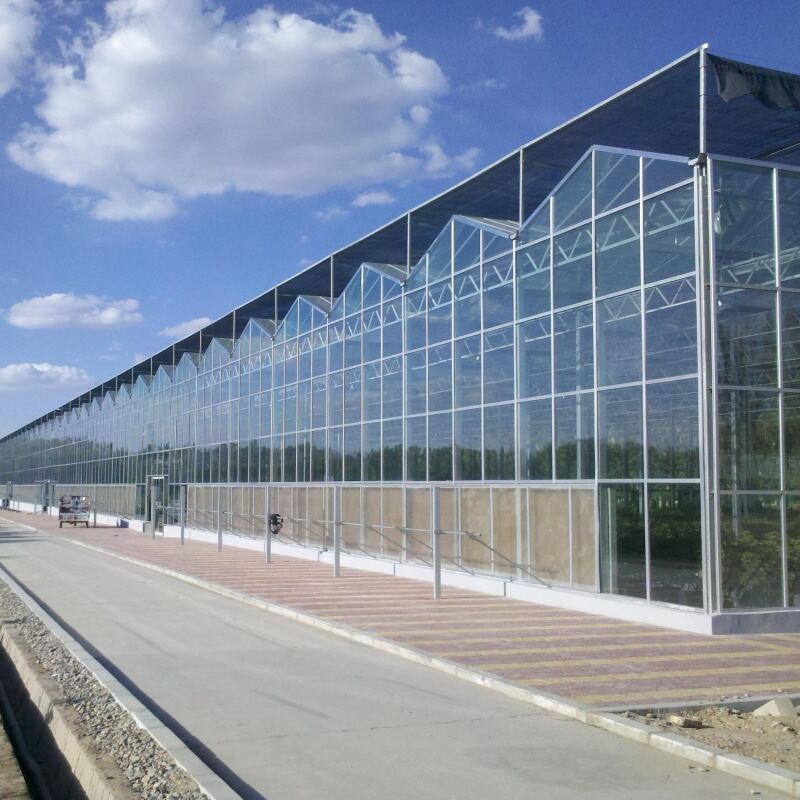
Greenhouse film suppliers play a crucial role in modern agriculture by providing specialized plastic coverings that create optimal growing environments for crops worldwide. These suppliers manufacture and distribute high-quality polyethylene films, polycarbonate sheets, and other protective materials specifically designed for greenhouse construction and maintenance. The primary function of greenhouse film suppliers involves producing durable, light-transmitting materials that protect plants from harsh weather conditions while maintaining proper temperature, humidity, and light levels essential for plant growth. Their technological features include advanced UV stabilization, anti-condensation properties, thermal insulation capabilities, and customizable light diffusion characteristics. Leading greenhouse film suppliers utilize cutting-edge manufacturing processes to create films with enhanced durability, typically lasting three to four years under normal conditions. These materials incorporate specialized additives that prevent degradation from ultraviolet radiation, reduce heat loss during cold periods, and minimize water droplet formation on interior surfaces. The applications of greenhouse film suppliers extend across various agricultural sectors, including commercial vegetable production, flower cultivation, nursery operations, and research facilities. Professional growers rely on greenhouse film suppliers to provide materials suitable for different climate zones, crop types, and growing seasons. These suppliers offer diverse product ranges, from standard single-layer films to sophisticated multi-layer constructions with specific optical properties. Many greenhouse film suppliers also provide technical support services, helping customers select appropriate materials based on their specific growing requirements, local climate conditions, and budget constraints. The expertise of greenhouse film suppliers encompasses understanding regional weather patterns, crop-specific lighting needs, and energy efficiency requirements. Their products enable year-round cultivation, extend growing seasons, protect crops from pests and diseases, and significantly increase agricultural productivity compared to open-field farming methods.
 EN
EN