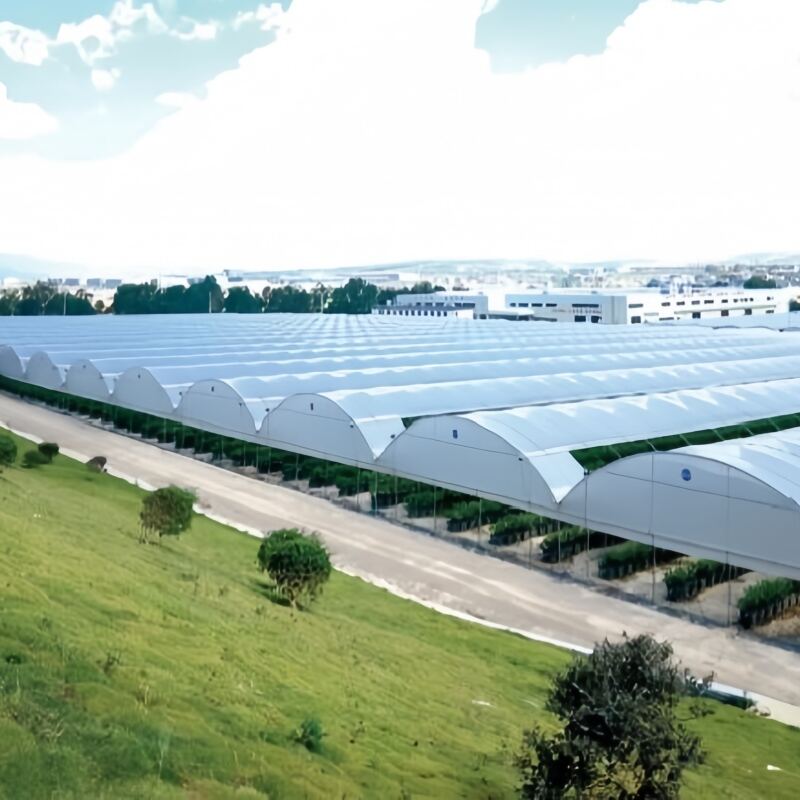
greenhouse manufacturers
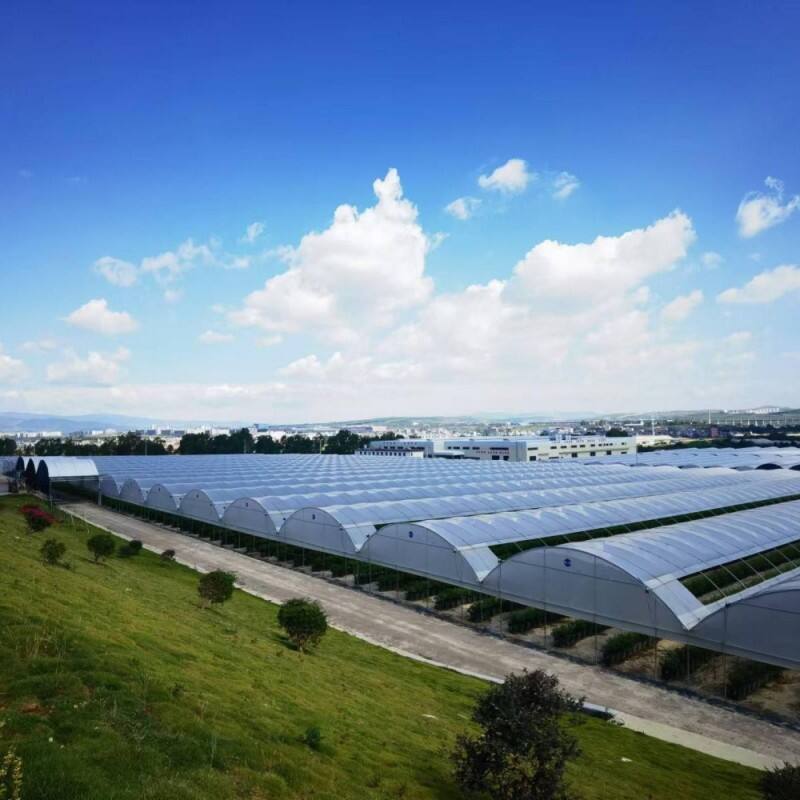
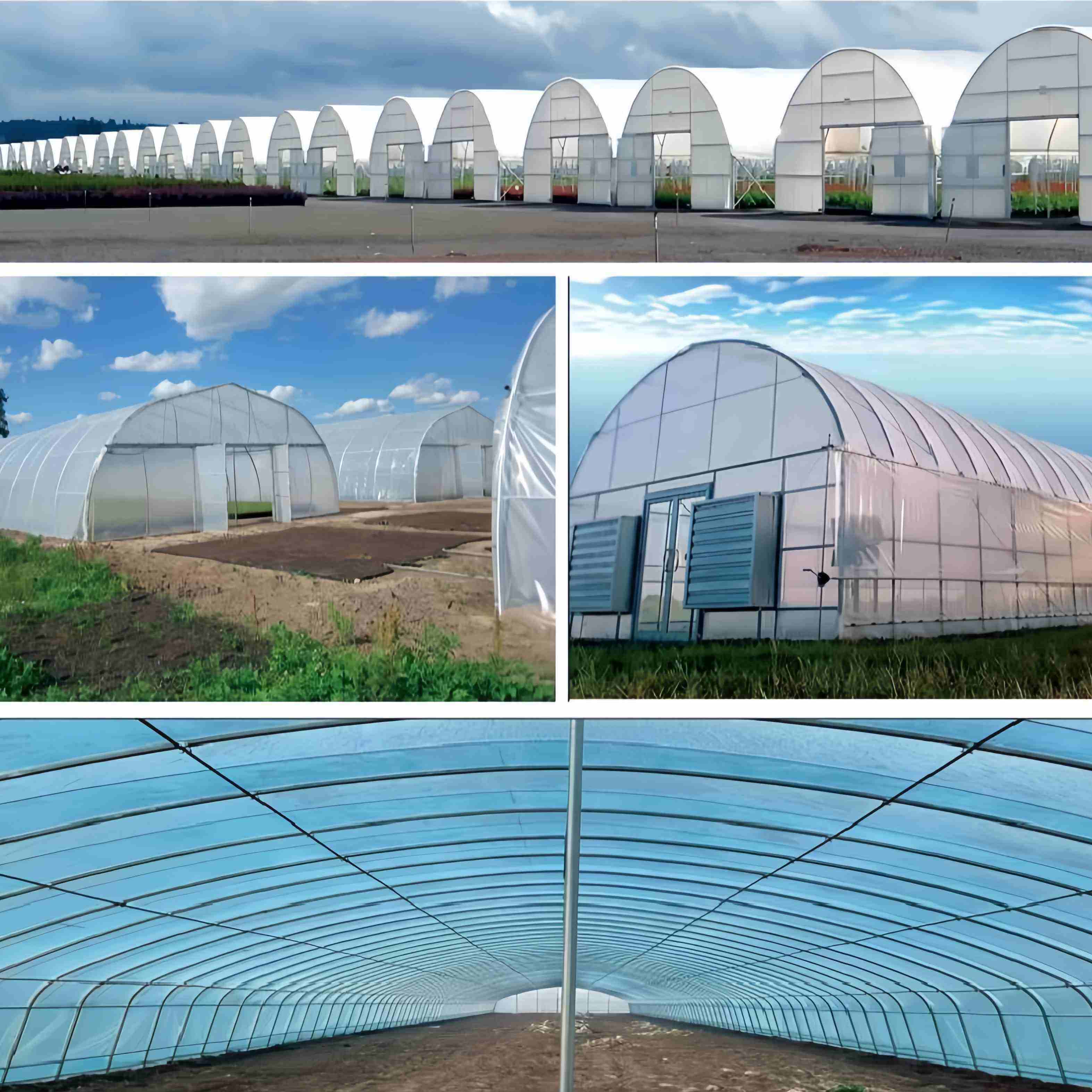
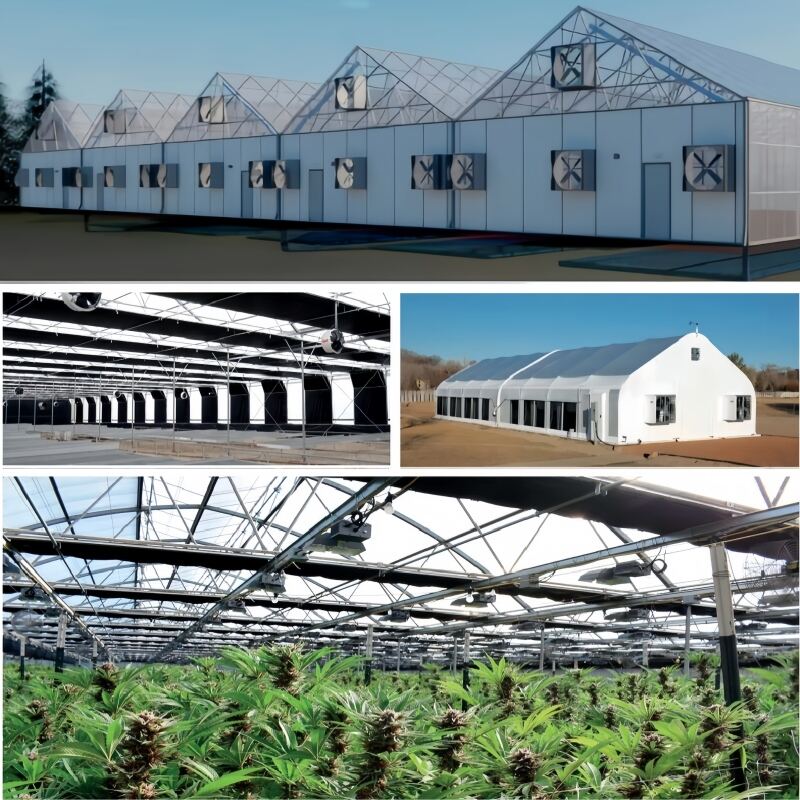
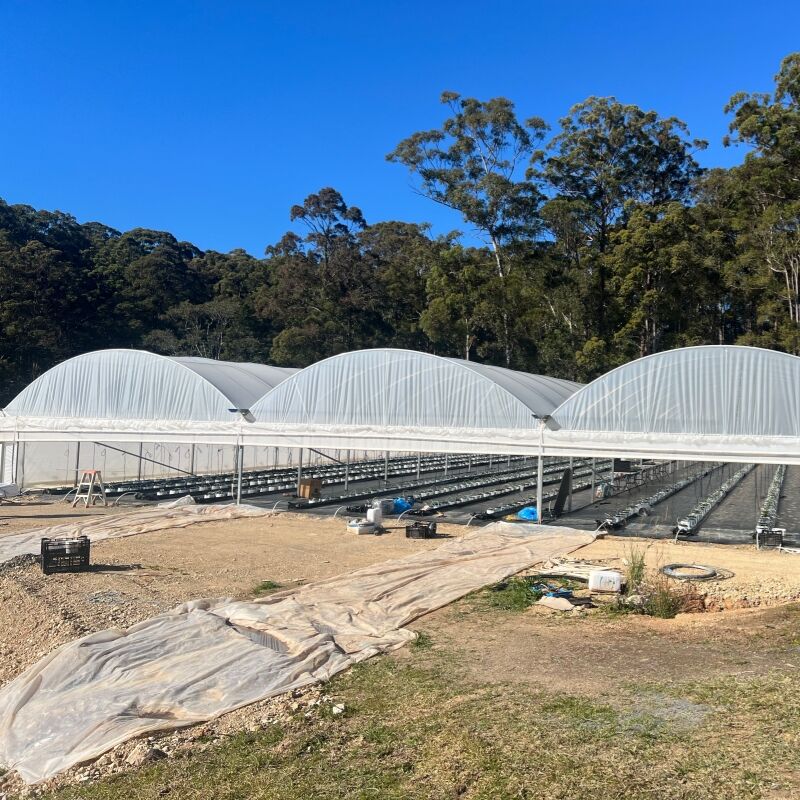
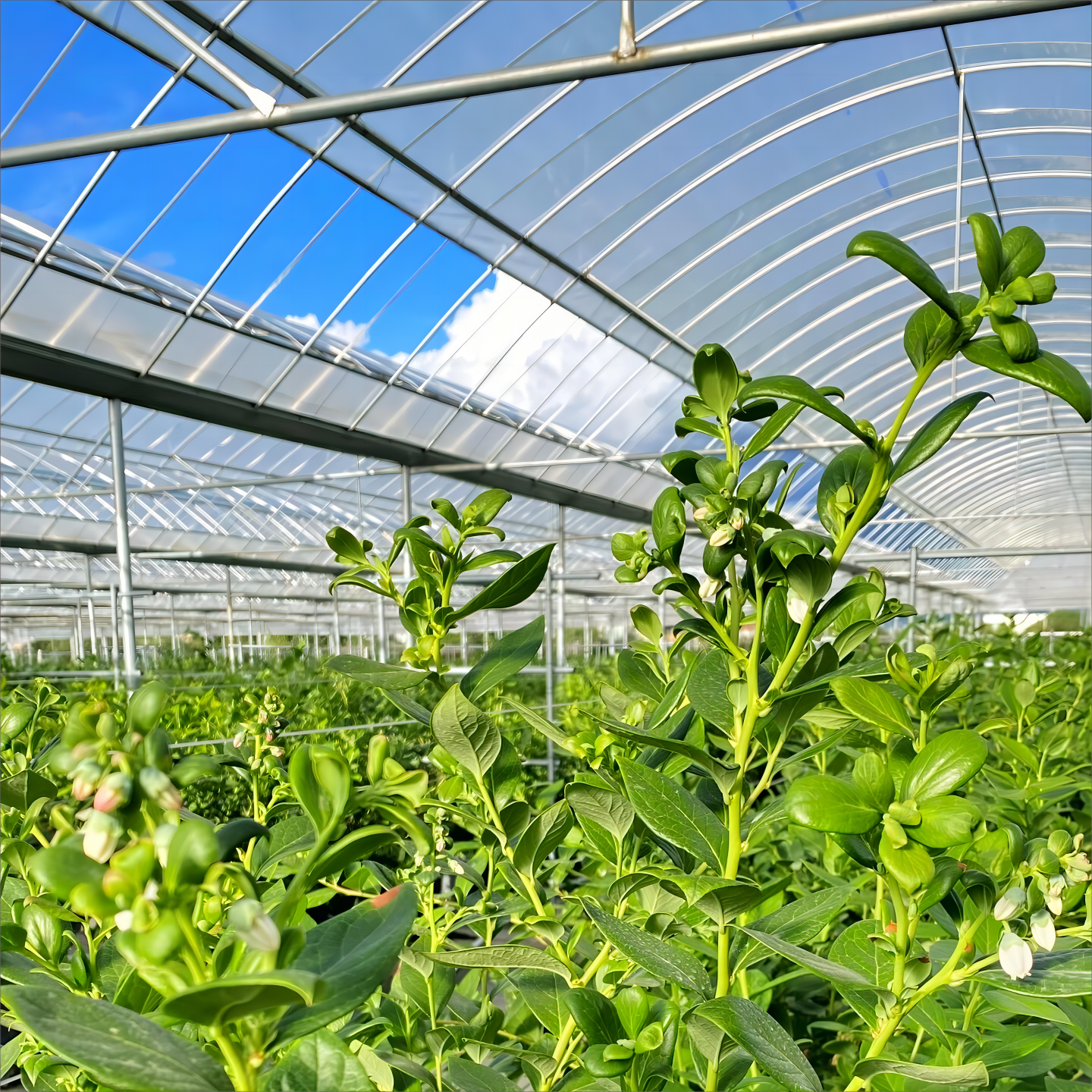
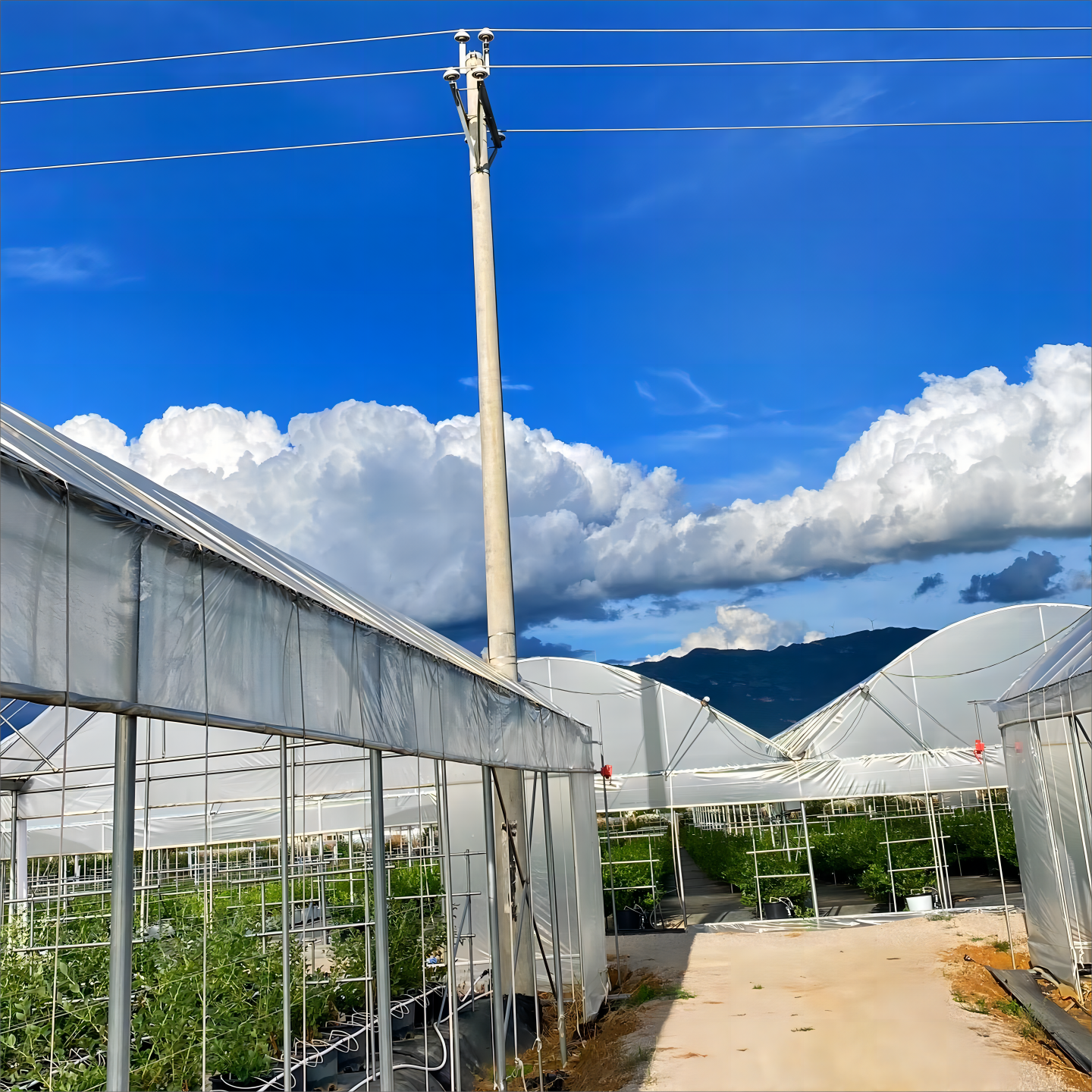
Greenhouse manufacturers represent the backbone of modern controlled environment agriculture, delivering innovative solutions that enable year-round crop production regardless of external weather conditions. These specialized companies design, engineer, and construct sophisticated growing environments that optimize plant growth through precise control of temperature, humidity, lighting, and ventilation systems. Leading greenhouse manufacturers combine decades of agricultural expertise with cutting-edge technology to create structures that maximize yield while minimizing resource consumption. Their facilities range from simple polytunnel designs for small-scale operations to advanced glass houses equipped with automated climate control systems, hydroponics infrastructure, and integrated pest management solutions. The primary functions of greenhouse manufacturers extend beyond mere construction, encompassing comprehensive project management from initial site assessment through installation and ongoing maintenance support. They utilize advanced materials such as polycarbonate panels, tempered glass, and specialized films that provide optimal light transmission while maintaining structural integrity. Technological features integrated by greenhouse manufacturers include computerized environmental controls, automated irrigation systems, energy-efficient heating and cooling mechanisms, and sophisticated monitoring equipment that tracks plant health and growing conditions in real-time. These manufacturers serve diverse markets including commercial vegetable production, ornamental plant cultivation, research facilities, and educational institutions. Their applications span across various agricultural sectors, from large-scale tomato and cucumber production to specialized nurseries growing seedlings and ornamental plants. Modern greenhouse manufacturers also focus on sustainability, incorporating renewable energy sources, water recycling systems, and eco-friendly materials into their designs. The integration of smart technology allows for remote monitoring and control, enabling growers to optimize conditions from anywhere while reducing labor costs and improving crop consistency.
 EN
EN