EN
EN

A Cost-Effective Structure for Controlled Photoperiod Management
Specification
| Greenhouse Type | Span(m) | Length(m) | Height(m) | |
| Roof Height(m) | Shoulder Height(m) | |||
| Light Deprivation Greenhouse | 6.0—10.0 | 10.0—150.0 | 3.0—6.0 | 1.0—2.0 |
Product Overview
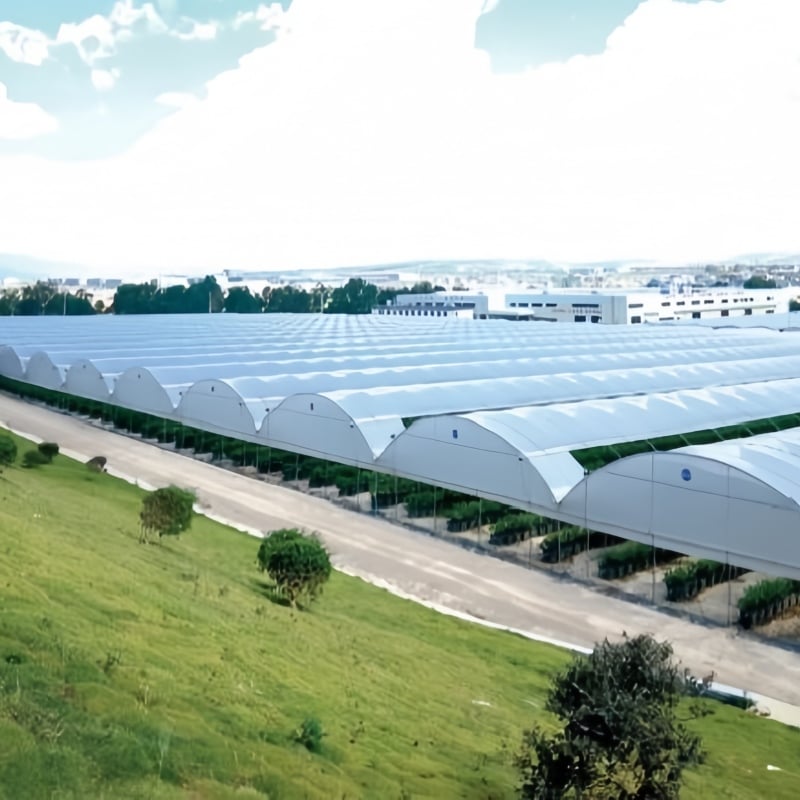
A Light Deprivation Greenhouse is a practical structure designed to give growers complete manual control over the photoperiod (light cycle) for their crops. By utilizing a simple, opaque covering system that can block out 100% of external light, this greenhouse creates an artificial environment to induce specific growth phases in plants or fungi that are sensitive to daylight hours. It is an accessible and functional solution for cultivating species that require strict darkness or tailored light schedules.
Core Structure & Operation
The design focuses on functionality and reliable light sealing.
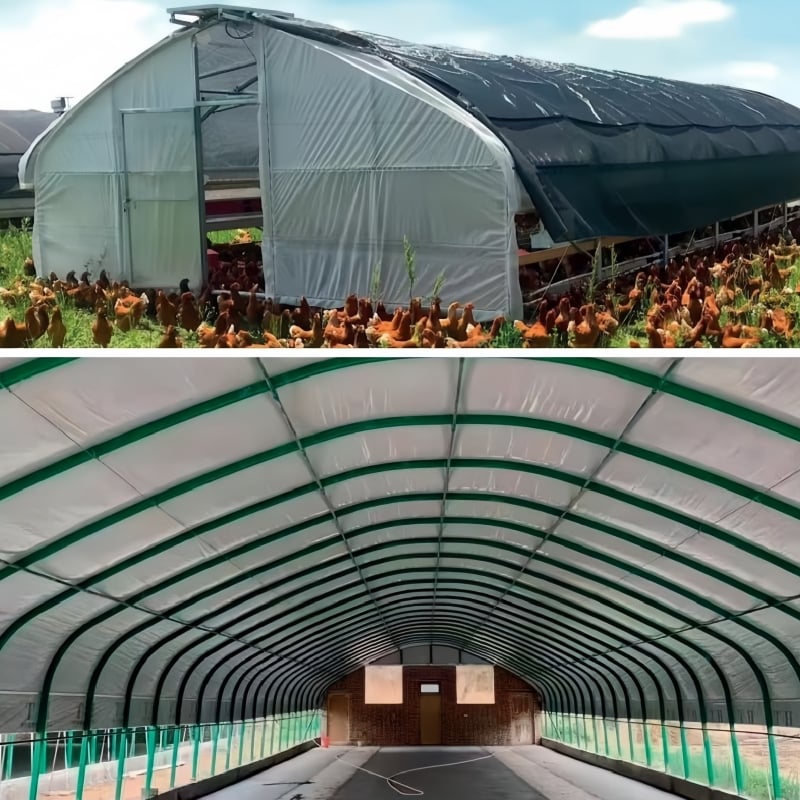
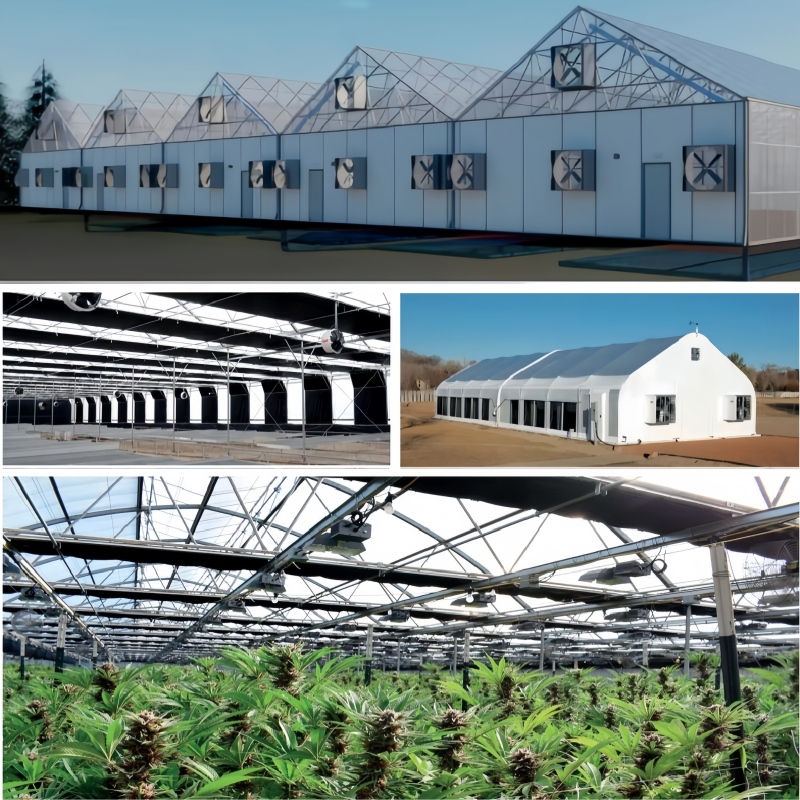
1. Frame: Typically a sturdy, galvanized steel arched (hoop house) frame, providing a cost-effective and easily assembled structure. The design prioritizes a smooth profile to facilitate the deployment of the light-blocking cover.
2. Light-Blocking Cover: The defining feature is a durable, blackout fabric or heavy-duty plastic film. This material is engineered to be completely lightproof and is mounted on a manual or motorized rolling mechanism. When deployed, it creates a sealed, dark environment inside the greenhouse.
Key Features & Benefits
• Complete Photoperiod Control: Allows growers to artificially shorten or extend "daylight" hours to trigger flowering, fruiting, or other growth stages in photoperiod-sensitive plants.
• Affordable & Simple Design: Offers a lower-cost entry point into controlled environment agriculture compared to highly automated glasshouses, with a straightforward build and operation.
• Dedicated Environment: Provides a clean, isolated space ideal for cultivating fungi (like mushrooms) or specialty plants that require darkness, protecting them from contamination and light pollution.
• Manual or Motorized Options: Can be operated with simple manual pulley systems or upgraded to basic motorized controls for convenience.
• Season Extension Potential: By controlling the light cycle, growers can potentially schedule harvests outside of the natural growing season.
Typical Applications
This structure is specifically suited for:
• Commercial Mushroom Cultivation: Creating the essential dark, humid environment required for fruiting bodies of various mushroom species.
• Specialty Plant Production: Growing photoperiod-sensitive medicinal herbs, ornamental plants, or cannabis (where legally permitted) that require precise light cycles to flower.
• Research & Breeding: Used in agricultural research for studying plant responses to specific light regimens.
• Nursery Operations: Can be adapted for forcing dormancy or controlling growth cycles in certain nursery stock.
Important Considerations for Buyers
• Primary Purpose is Light Control: This is a specialized tool. Its core advantage is light deprivation, not necessarily superior insulation or climate control compared to other greenhouses.
• Ventilation & Climate Management: Even in darkness, temperature and humidity must be managed. Passive vents or basic fan systems are crucial and must be designed to maintain a seal when the blackout cover is deployed.
• Material Durability: The blackout fabric is subject to wear and UV degradation and will require periodic inspection and eventual replacement.
• Manual Labor: Manual systems require daily intervention to roll the cover on and off precisely according to schedule.
Do you require precise control over light cycles for your cultivation? Discuss your specific crop requirements with our team to determine if a Light Deprivation Greenhouse is the right fit for your operation.

Copyright © 2026 Hebei Juyou Xinda Greenhouse Facilities Co.,Ltd. All rights reserved. — Privacy Policy