Complete Hydroponic Greenhouse Kit Guide - Advanced Climate Control & Vertical Growing Systems

Welcome To JYXD-greenhouse

Get a Free Quote

Our representative will contact you soon.
Email
Tel or Whatsapp
Name
Company Name
Message
0/1000

hydroponic greenhouse kit

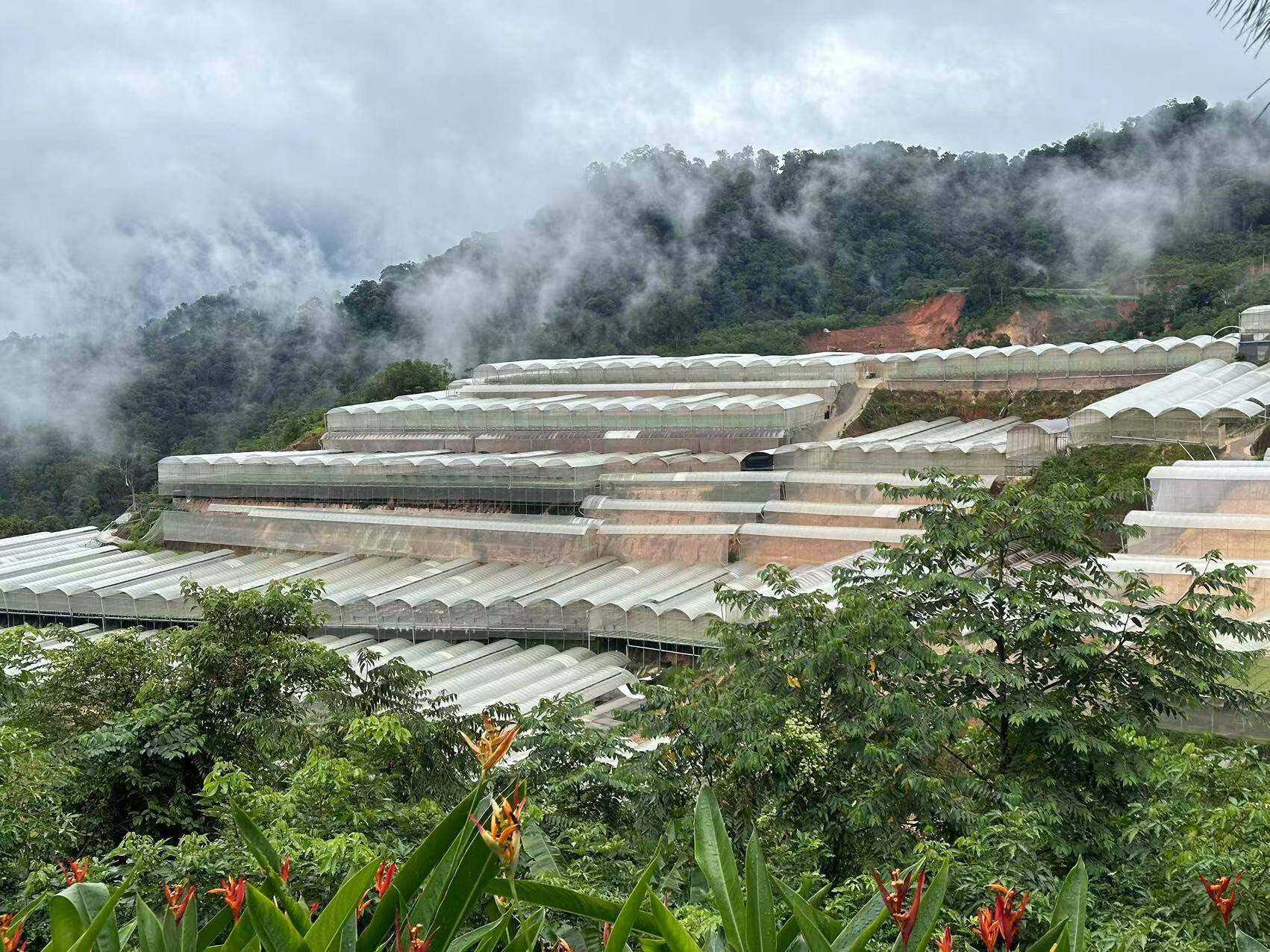
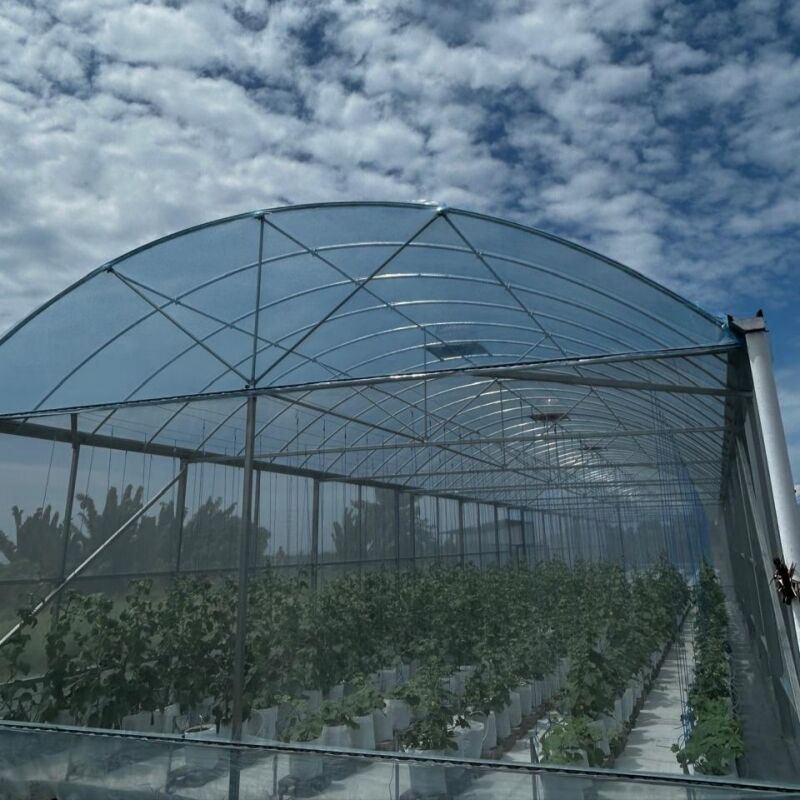
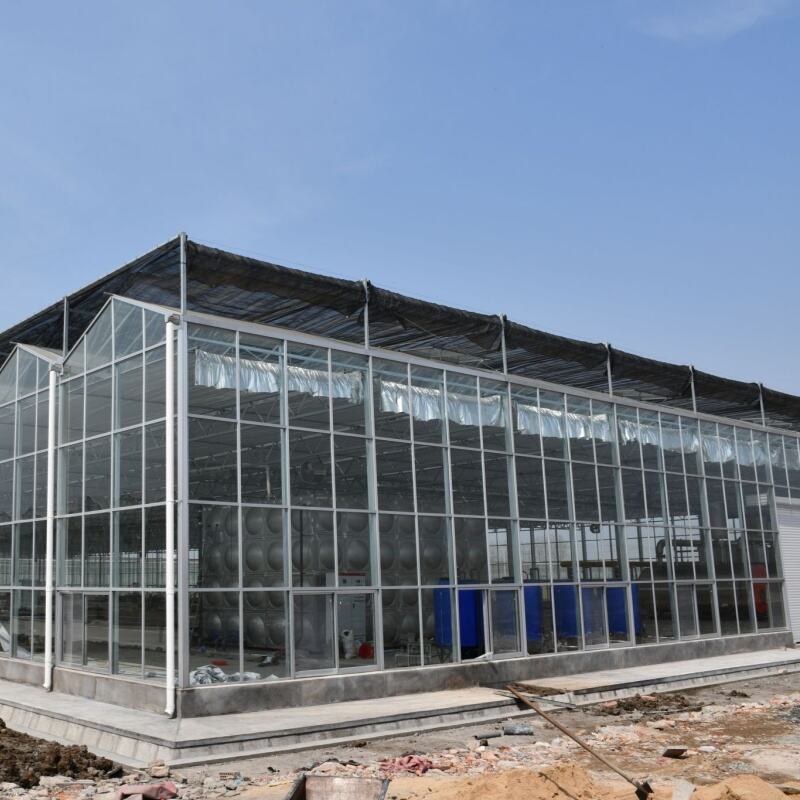
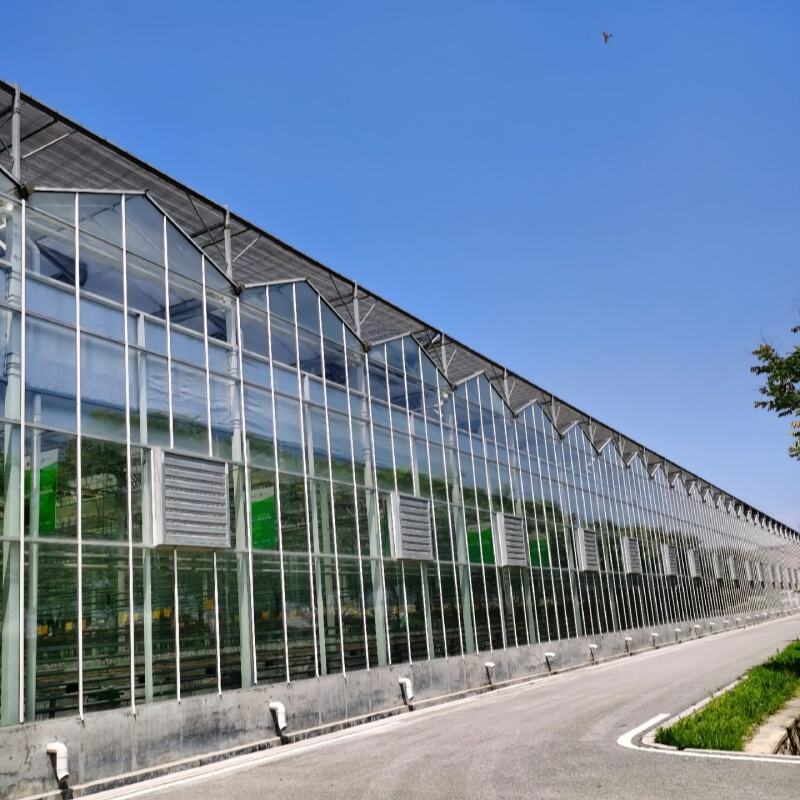
A hydroponic greenhouse kit represents the perfect fusion of controlled environment agriculture and soilless cultivation technology, offering gardeners and farmers an innovative solution for year-round crop production. This comprehensive system combines the protective benefits of greenhouse structures with the precision of hydroponic growing methods, creating an optimal environment for plant growth regardless of external weather conditions. The hydroponic greenhouse kit integrates essential components including climate control systems, nutrient delivery mechanisms, growing containers, and environmental monitoring equipment within a protected enclosure. The main functions of this advanced agricultural system center around providing plants with precisely controlled growing conditions while eliminating the need for traditional soil-based cultivation. The kit maintains optimal temperature, humidity, and lighting conditions through automated systems that respond to environmental changes in real-time. Water and nutrient solutions circulate through carefully designed channels, delivering exactly the right balance of minerals and elements directly to plant roots. This targeted delivery system ensures maximum nutrient uptake efficiency while minimizing waste and environmental impact. Technological features distinguish the hydroponic greenhouse kit from conventional growing methods through integration of smart sensors, automated irrigation systems, and digital monitoring platforms. Advanced pH and EC meters continuously monitor solution quality, while temperature and humidity sensors track atmospheric conditions. Many systems include smartphone connectivity, allowing remote monitoring and control capabilities that enable users to adjust settings from anywhere. LED growing lights provide supplemental illumination during low-light periods, extending growing seasons and boosting productivity. The applications for hydroponic greenhouse kit systems span residential, commercial, and educational sectors. Home gardeners use smaller units to grow fresh vegetables and herbs year-round, while commercial operations deploy larger systems for profitable crop production. Educational institutions utilize these kits to teach sustainable agriculture principles and modern farming techniques to students of all ages.
New Product Recommendations

The hydroponic greenhouse kit delivers exceptional advantages that transform how people approach food production and gardening. Water conservation stands as one of the most significant benefits, as these systems use up to 90 percent less water than traditional soil-based growing methods. The closed-loop design recirculates nutrient solutions, preventing waste and ensuring every drop serves a purpose. This efficiency becomes particularly valuable in areas facing water scarcity or where conservation efforts are priorities. Year-round growing capability eliminates seasonal limitations that restrict conventional outdoor gardening. The controlled environment protects plants from harsh weather, pests, and diseases that commonly affect outdoor crops. This protection translates to more predictable harvests and higher success rates for growers at all experience levels. Temperature regulation systems maintain optimal growing conditions regardless of external climate fluctuations, enabling tropical plants to thrive in cold climates and extending growing seasons indefinitely. Space efficiency maximizes productivity within limited areas through vertical growing systems and compact designs. Urban gardeners particularly benefit from this advantage, as small spaces can produce substantial yields that would be impossible with traditional gardening methods. The organized layout of hydroponic greenhouse kit systems allows for systematic planting and harvesting, making garden management more straightforward and time-efficient. Faster plant growth and higher yields result from the precise nutrient delivery and optimal growing conditions these systems provide. Plants access nutrients directly through their root systems without expending energy searching for resources in soil. This efficiency accelerates growth cycles, often reducing time to harvest by 25 to 50 percent compared to soil cultivation. The controlled environment eliminates competition from weeds and reduces plant stress, allowing crops to focus energy on producing fruits, vegetables, or flowers. Reduced pesticide dependence occurs naturally in the protected environment of a hydroponic greenhouse kit. The enclosed system prevents many common pests from reaching plants, while controlled conditions discourage disease development. When treatment becomes necessary, targeted applications prove more effective and require smaller quantities than broad-spectrum outdoor treatments. This reduction benefits both human health and environmental sustainability. Lower maintenance requirements make hydroponic greenhouse kit systems attractive to busy individuals who want fresh produce without extensive time commitments. Automated systems handle routine tasks like watering and nutrient delivery, while the absence of soil eliminates weeding and many cultivation chores associated with traditional gardening.

Practical Tips

Forging a Powerful Alliance: Netafim and Juyou Xinda Unite to Reshape the Future of Smart Agriculture

28

Nov

Forging a Powerful Alliance: Netafim and Juyou Xinda Unite to Reshape the Future of Smart Agriculture

View More
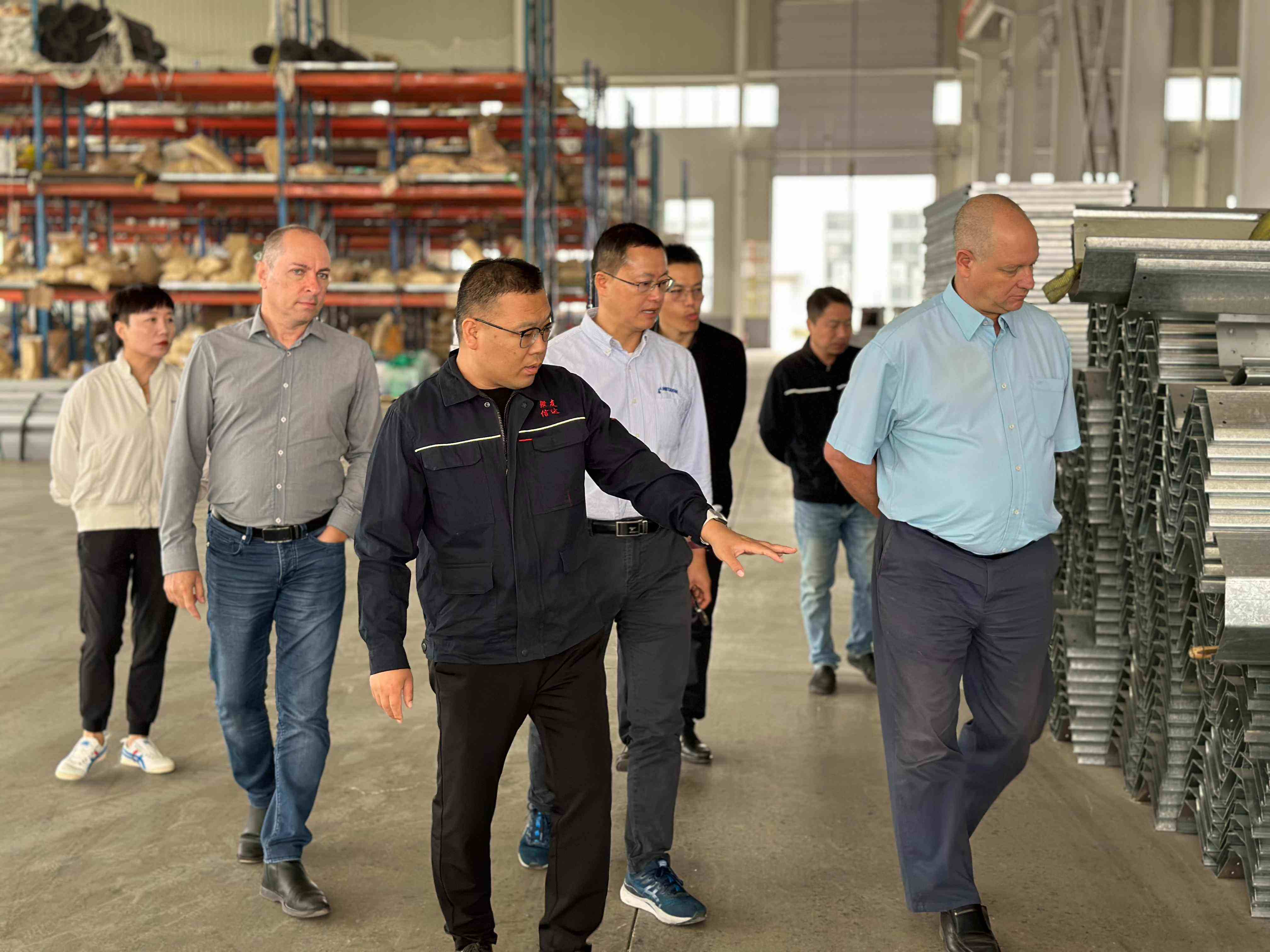
Australian Greenhouse Company Visits Our Facilities to Explore New Collaboration on 50,000 Sq.m Strawberry Glass Greenhouse Project

28

Nov

Australian Greenhouse Company Visits Our Facilities to Explore New Collaboration on 50,000 Sq.m Strawberry Glass Greenhouse Project

View More
 Innovative Breakthrough: Our Company Successfully Delivers World's First Customized

28

Nov

Innovative Breakthrough: Our Company Successfully Delivers World's First Customized "Greenhouse for Fertilizer Drying" to Malaysian Client

View More

Get a Free Quote

Our representative will contact you soon.
Email
Tel or Whatsapp
Name
Company Name
Message
0/1000

hydroponic greenhouse kit

Advanced Climate Control Technology

Advanced Climate Control Technology

The sophisticated climate control technology integrated into modern hydroponic greenhouse kit systems represents a breakthrough in precision agriculture that puts professional-grade growing capabilities within reach of everyday users. This comprehensive environmental management system operates through interconnected sensors, controllers, and automated equipment that work together to maintain perfect growing conditions around the clock. Temperature regulation forms the cornerstone of this technology, utilizing both heating and cooling mechanisms that respond instantly to environmental changes. Precision thermostats maintain temperatures within narrow ranges that optimize plant metabolism and growth rates, while preventing stress conditions that could damage crops or reduce yields. The system automatically activates ventilation fans, heating elements, or cooling systems based on real-time temperature readings, ensuring plants never experience harmful temperature fluctuations. Humidity control works in tandem with temperature management to create the ideal atmospheric conditions for plant health and productivity. Integrated dehumidifiers and humidifiers adjust moisture levels automatically, preventing fungal diseases that thrive in overly humid conditions while ensuring plants receive adequate moisture for proper transpiration. This balanced approach eliminates the guesswork involved in manual humidity management and prevents costly crop losses due to environmental stress. Air circulation systems ensure consistent atmospheric conditions throughout the growing space, preventing stagnant air pockets that could harbor diseases or create uneven growing conditions. Strategic placement of fans creates gentle air movement that strengthens plant stems while promoting even distribution of temperature, humidity, and carbon dioxide levels. This circulation also helps prevent pest infestations by disrupting the stable microclimates that insects prefer for reproduction and feeding. Intelligent lighting control systems extend the benefits of climate control technology by managing artificial illumination based on natural light availability and plant growth stages. Programmable LED arrays deliver specific light spectrums optimized for different phases of plant development, from seed germination through flowering and fruiting. These systems automatically adjust intensity and duration based on seasonal changes and individual crop requirements, maximizing photosynthesis efficiency while minimizing energy consumption. The integration of smart monitoring capabilities allows users to track and adjust all climate parameters through user-friendly interfaces, often accessible via smartphone applications that provide real-time data and remote control functionality.
Precision Nutrient Delivery System

Precision Nutrient Delivery System

The precision nutrient delivery system incorporated in hydroponic greenhouse kit designs revolutionizes plant nutrition by providing exact nutrient combinations directly to root zones with unprecedented accuracy and efficiency. This sophisticated system eliminates the uncertainty and waste associated with soil-based fertilization while ensuring plants receive optimal nutrition at every growth stage. The heart of this system lies in its automated mixing and circulation technology, which combines water with precisely measured nutrient concentrates to create perfectly balanced feeding solutions. Computer-controlled pumps and valves work together to maintain exact nutrient ratios, automatically adjusting concentrations based on plant requirements and growth phases. This precision prevents both nutrient deficiencies and toxic overfeeding situations that commonly occur with manual fertilization methods. pH management represents a critical component of the nutrient delivery system, as nutrient availability depends heavily on maintaining proper acidity levels in the growing solution. Automated pH controllers continuously monitor solution chemistry and make micro-adjustments using buffering agents to keep pH values within optimal ranges for maximum nutrient uptake. This constant monitoring and adjustment ensure plants can access all available nutrients efficiently, promoting faster growth and higher yields than possible with fluctuating pH conditions. The circulation system design ensures uniform nutrient distribution throughout the growing medium while preventing stagnation that could lead to root problems or nutrient imbalances. Timer-controlled pumps create regular flow cycles that deliver fresh solution to all plants equally, while drainage systems collect and recirculate unused solution to minimize waste. This closed-loop approach maximizes nutrient utilization while reducing environmental impact and operating costs. Monitoring and feedback mechanisms provide real-time data on nutrient levels, consumption rates, and system performance through digital displays and smartphone connectivity. Users can track nutrient uptake patterns, identify when refills are needed, and adjust feeding schedules based on plant responses and seasonal variations. This data-driven approach enables continuous optimization of growing conditions and helps prevent problems before they affect plant health. The system also incorporates safety features that prevent equipment failures from damaging crops, including backup power options, overflow protection, and emergency shutdown capabilities that protect both plants and equipment during unusual circumstances. Maintenance requirements remain minimal due to self-cleaning cycles and corrosion-resistant components designed for long-term reliability in humid greenhouse environments.
Space-Efficient Vertical Growing Design

Space-Efficient Vertical Growing Design

The space-efficient vertical growing design of modern hydroponic greenhouse kit systems maximizes productive capacity within minimal footprints, making intensive food production accessible even in urban environments where space comes at a premium. This innovative approach stacks growing levels vertically, multiplying the effective growing area by factors of three to five compared to traditional horizontal gardening methods. The structural engineering behind these systems ensures stability and weight distribution while providing easy access to all growing levels for maintenance and harvesting activities. The vertical tower configurations typical in these systems optimize light penetration and air circulation through carefully calculated spacing between growing levels and strategic placement of plants at each tier. This design prevents shading of lower plants while ensuring adequate airflow reaches all growing zones, maintaining healthy conditions throughout the vertical structure. Rotating tower options further enhance light exposure by slowly turning plants to ensure even illumination from all angles, promoting uniform growth and preventing the leaning or stretching that can occur with static positioning. Hydroponic greenhouse kit vertical systems incorporate specialized growing containers and support structures designed specifically for soilless cultivation in compact spaces. These containers optimize root development while minimizing the growing medium required, reducing weight and material costs while maintaining excellent plant support. The modular design allows users to customize configurations based on available space and crop requirements, with easy expansion capabilities as needs grow or change over time. Water and nutrient distribution in vertical systems requires sophisticated engineering to ensure equal delivery to all growing levels without waste or pooling issues. Gravity-fed systems combined with circulation pumps create efficient flow patterns that deliver nutrients to the top level and collect excess solution at the bottom for recirculation. This design eliminates the need for individual water lines to each plant while ensuring consistent nutrition throughout the vertical structure. The space efficiency extends beyond simple area multiplication to include intelligent use of vertical space for supporting equipment and storage. Integrated shelving provides convenient storage for nutrients, tools, and supplies, while built-in reservoirs and control panels minimize the system footprint. This comprehensive approach to space utilization makes hydroponic greenhouse kit systems practical for installation in basements, garages, patios, and other limited spaces where traditional gardening would be impossible or impractical.

Get a Free Quote

Our representative will contact you soon.
Email
Tel or Whatsapp
Name
Company Name
Message
0/1000