powder-coated greenhouse frame
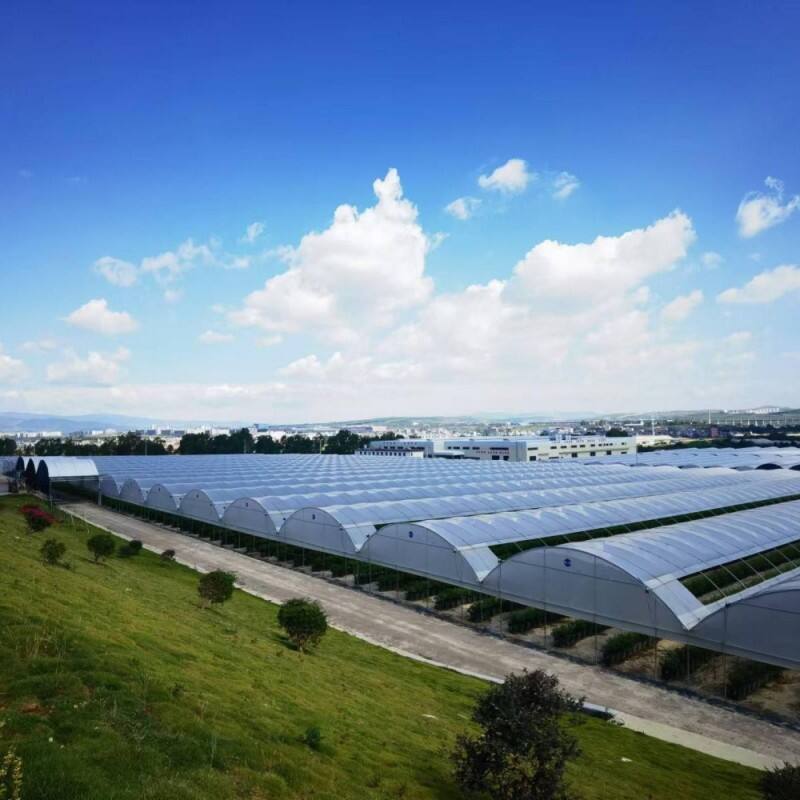
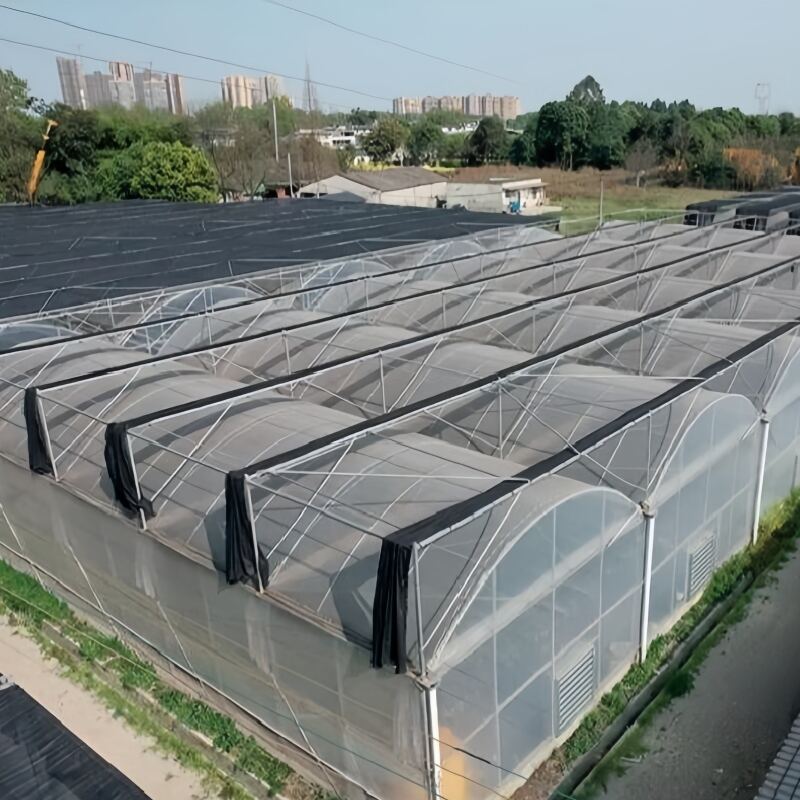
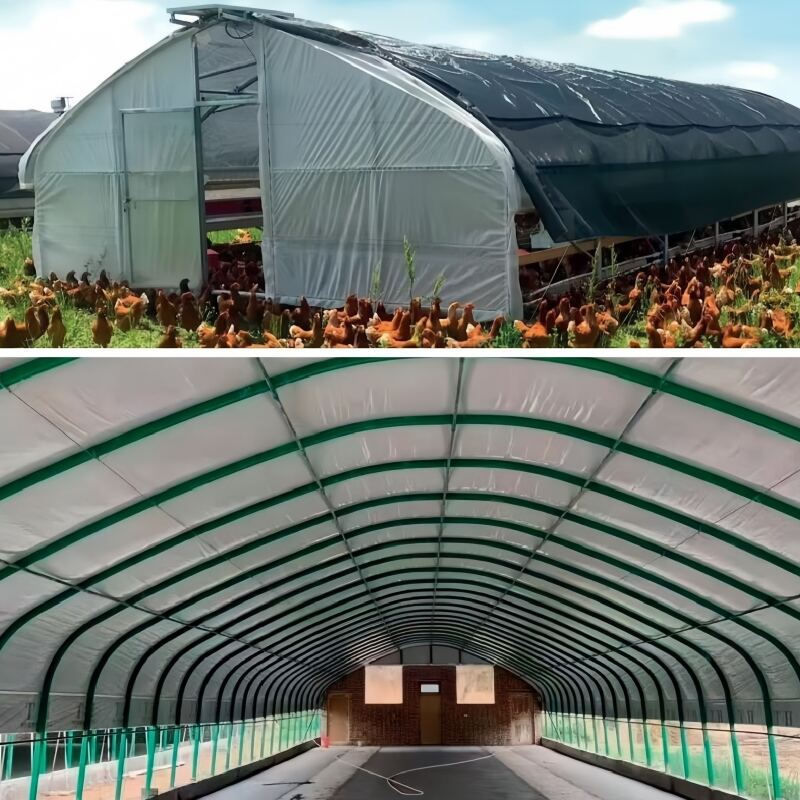
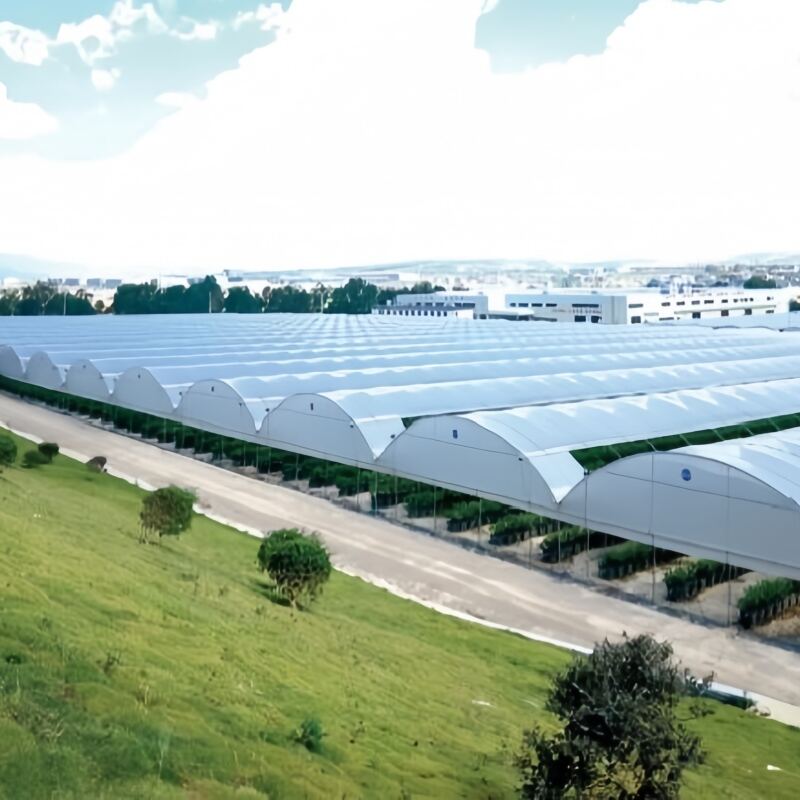
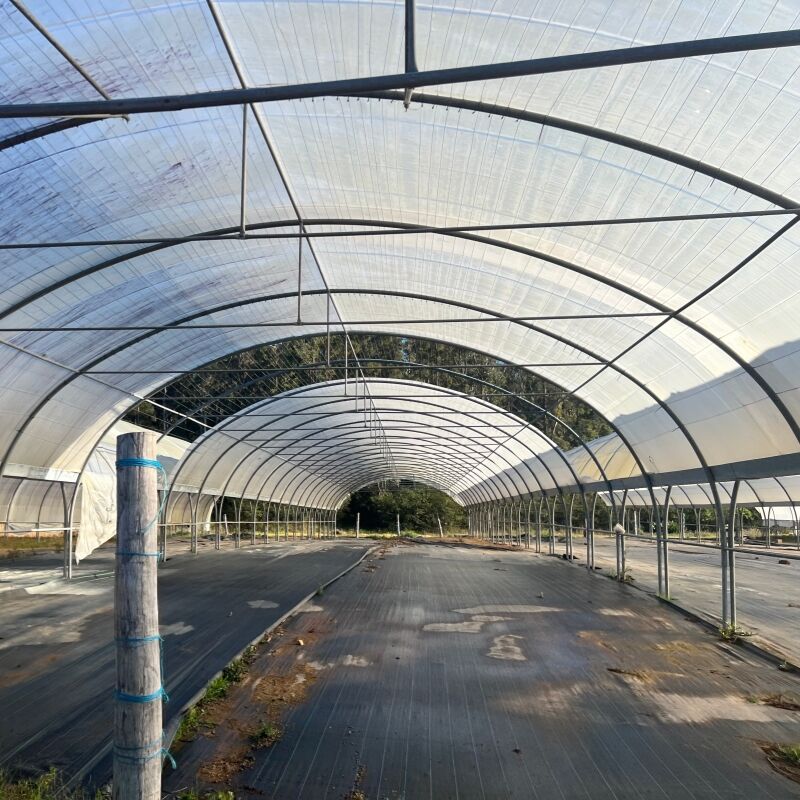
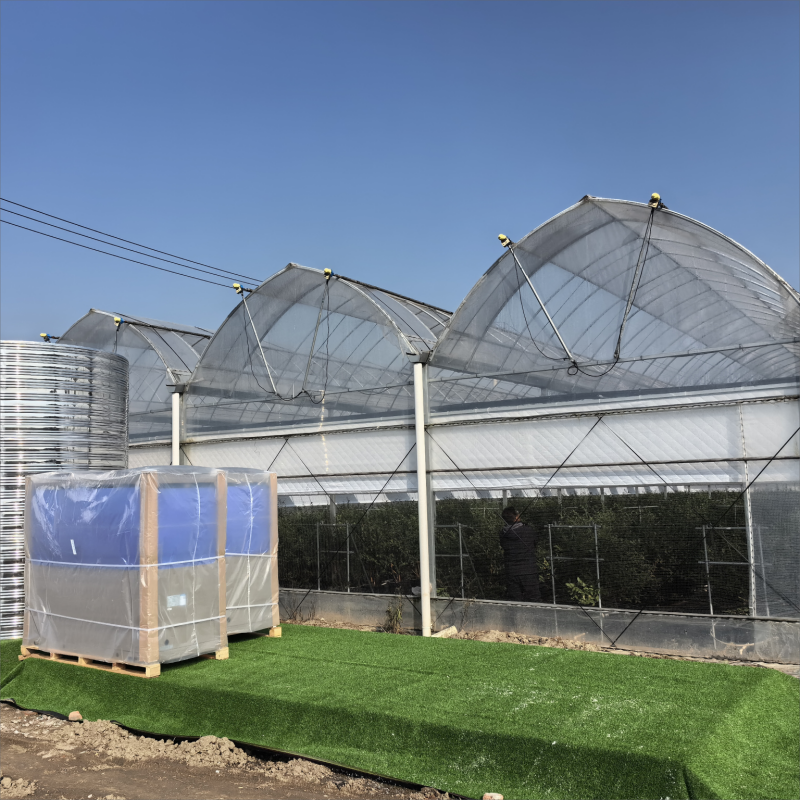
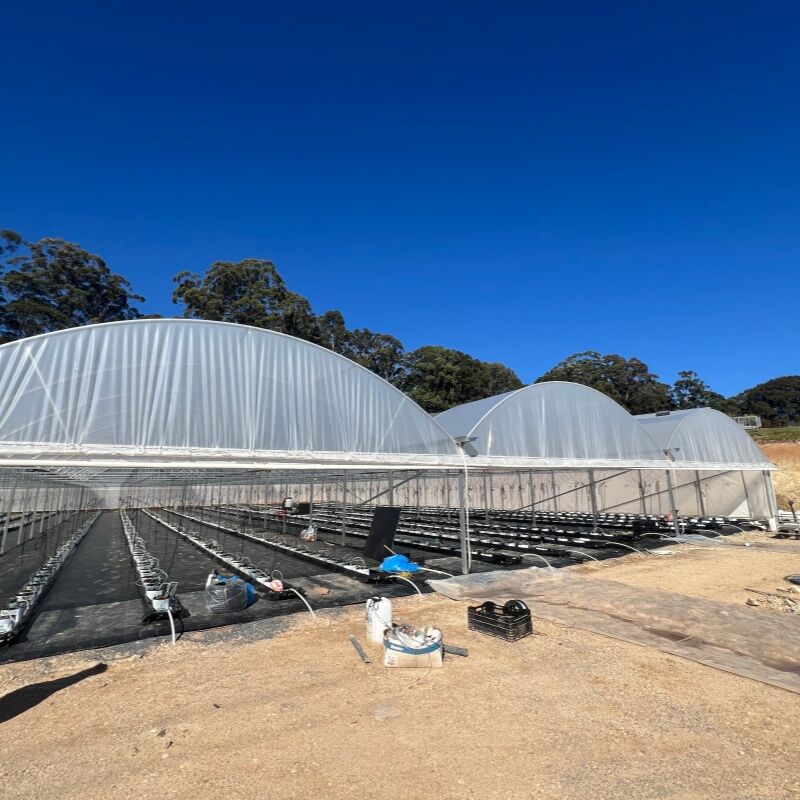
A powder-coated greenhouse frame represents the pinnacle of modern greenhouse construction technology, combining structural integrity with long-lasting protection against environmental elements. This innovative framing system utilizes an advanced powder coating process where dry powder particles are electrostatically applied to the metal framework, creating a uniform, durable finish that surpasses traditional paint applications. The powder-coated greenhouse frame serves as the backbone of professional and hobbyist growing operations, providing essential structural support while maintaining aesthetic appeal throughout years of continuous use. The primary function of these frames extends beyond mere structural support, encompassing critical roles in temperature regulation, pest exclusion, and environmental control. The powder coating technology creates a seamless barrier that prevents moisture infiltration, corrosion, and degradation that commonly affects untreated metal frameworks. These frames typically feature aluminum or steel construction, with the powder coating applied through an electrostatic process followed by curing in specialized ovens at temperatures reaching 400 degrees Fahrenheit. This manufacturing process ensures optimal adhesion and creates a finish that withstands extreme weather conditions, UV radiation, and chemical exposure from fertilizers and cleaning agents. The applications for powder-coated greenhouse frames span across commercial agriculture, research facilities, educational institutions, and residential gardening projects. Professional growers rely on these frames for large-scale operations requiring consistent environmental conditions, while home gardeners appreciate their low maintenance requirements and professional appearance. The frames accommodate various covering materials including polycarbonate panels, glass, and specialized greenhouse films, making them versatile solutions for different growing applications. Modern powder-coated greenhouse frames incorporate advanced engineering features such as thermal breaks, condensation management systems, and modular designs that allow for easy expansion. These technological enhancements optimize growing conditions while reducing energy consumption and maintenance costs, making them essential components for sustainable agriculture practices.
 EN
EN