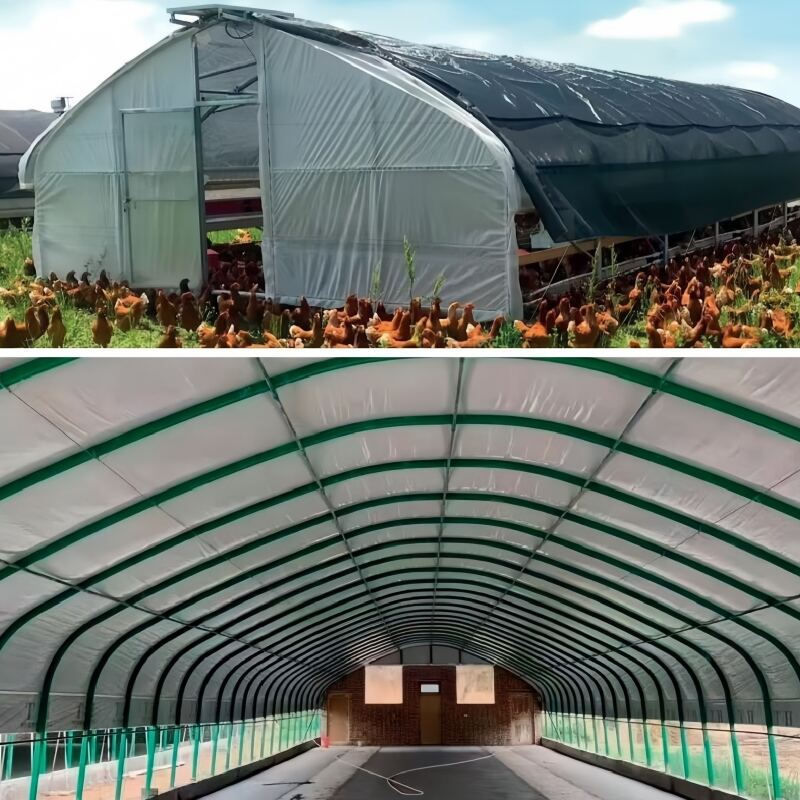
Professional Seedling Green House Solutions - Advanced Plant Propagation Technology

Welcome To JYXD-greenhouse

Get a Free Quote

Our representative will contact you soon.
Email
Tel or Whatsapp
Name
Company Name
Message
0/1000

seedling green house

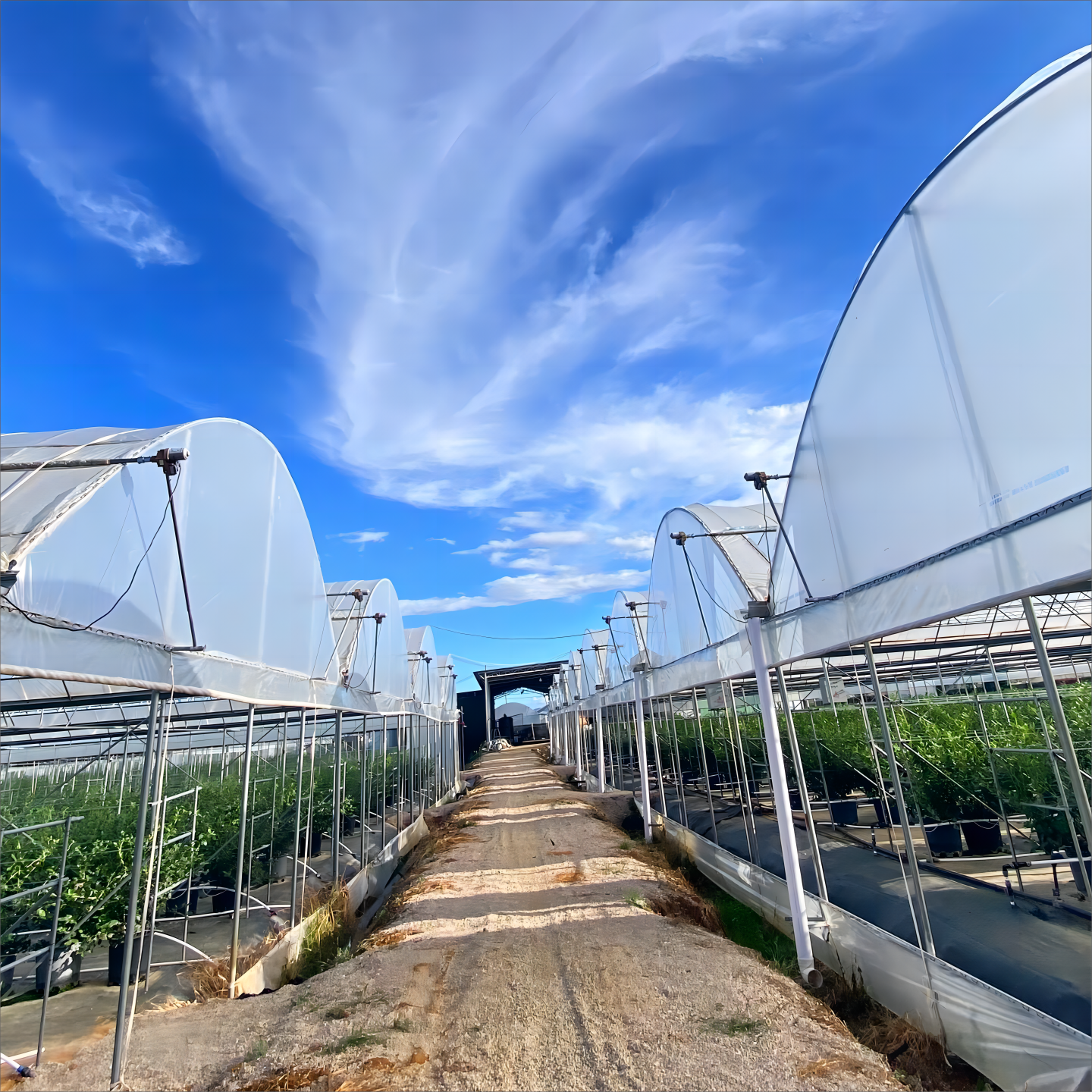
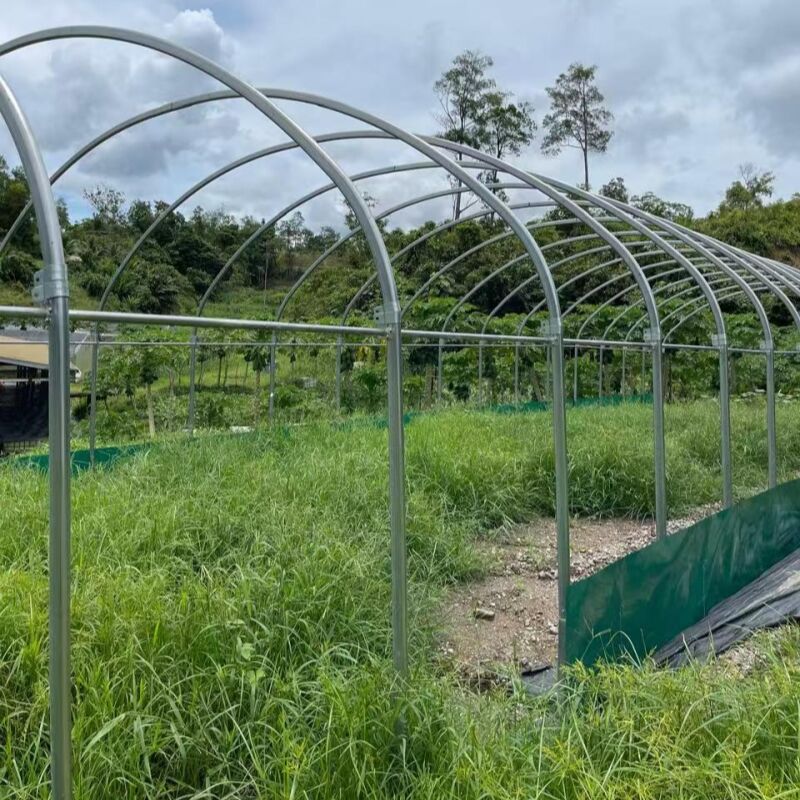
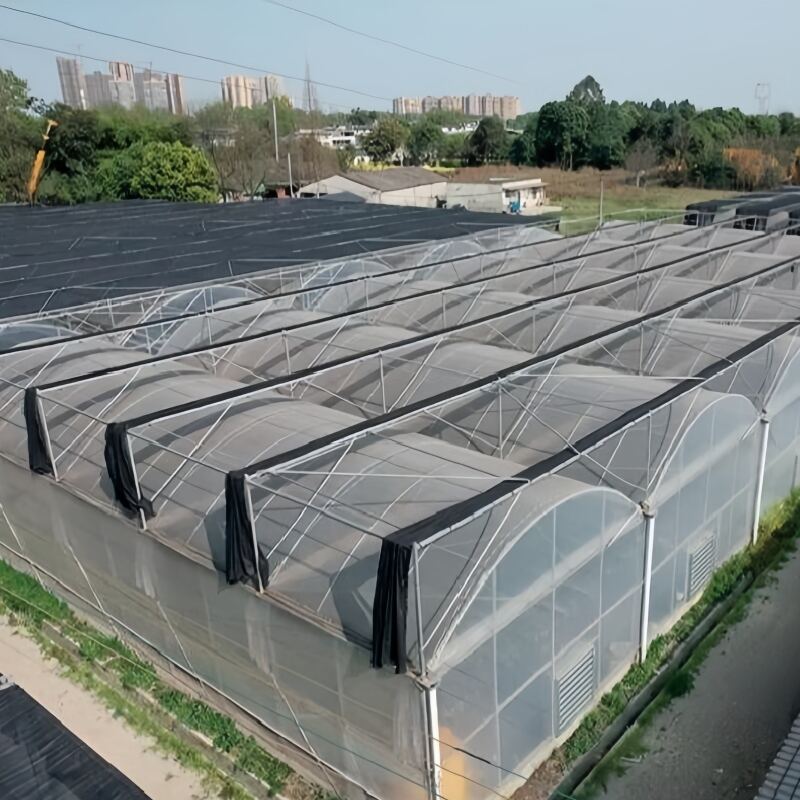
A seedling green house represents a specialized agricultural structure designed to create optimal growing conditions for young plants during their most vulnerable developmental stages. This controlled environment facility serves as a protective nurturing space where seeds germinate and develop into healthy seedlings before transplantation to outdoor growing areas. The seedling green house incorporates advanced climate control systems, specialized lighting technologies, and precise irrigation mechanisms to ensure consistent plant growth throughout the year. These structures typically feature transparent or translucent materials such as polycarbonate panels or tempered glass that maximize natural light penetration while maintaining thermal efficiency. The internal environment of a seedling green house can be carefully regulated through automated ventilation systems, heating units, and cooling mechanisms that respond to external weather conditions and internal temperature fluctuations. Modern seedling green house designs integrate sophisticated monitoring equipment including temperature sensors, humidity gauges, and soil moisture detectors that provide real-time data for optimal plant care. The irrigation systems within these facilities often employ drip irrigation or misting technologies that deliver precise water quantities directly to plant roots or foliage. Lighting supplements natural sunlight through LED grow lights or fluorescent systems that extend daily photoperiods and enhance photosynthesis processes. The structural framework of a seedling green house typically consists of aluminum or galvanized steel components that provide durability while supporting the weight of covering materials and internal equipment. These facilities accommodate various growing methods including seed trays, plug systems, and hydroponic setups that maximize space utilization and growing efficiency. The seedling green house serves commercial nurseries, research institutions, educational facilities, and home gardeners who require reliable plant propagation capabilities regardless of seasonal limitations or adverse weather conditions.

New Product Releases

The seedling green house delivers remarkable benefits that transform how growers approach plant propagation and early-stage cultivation. Temperature regulation stands as the primary advantage, allowing operators to maintain consistent growing conditions that accelerate germination rates and promote vigorous seedling development. Unlike outdoor growing methods, the seedling green house eliminates weather-related risks such as frost damage, excessive rainfall, or extreme heat that can destroy entire crops within hours. This protection translates into higher survival rates and more predictable harvest schedules that improve business planning and profitability. Water management becomes significantly more efficient within a seedling green house environment, where controlled irrigation systems prevent water waste while ensuring plants receive adequate moisture levels. The enclosed structure reduces water evaporation rates and allows for precise nutrient delivery through fertigation systems that combine irrigation with fertilization processes. Pest and disease control improves dramatically in seedling green house facilities, where physical barriers prevent many common garden pests from accessing vulnerable young plants. The controlled environment enables early detection of problems and targeted treatment applications that minimize pesticide usage while maintaining plant health. Space optimization represents another crucial benefit, as vertical growing systems and compact arrangements allow maximum plant density within limited footprints. This efficiency particularly benefits urban growers and commercial operations where land costs significantly impact profitability margins. Year-round production capabilities extend growing seasons beyond natural limitations, enabling multiple crop cycles annually and consistent supply chains for commercial customers. The seedling green house provides superior quality control over growing media, lighting conditions, and nutritional inputs that result in stronger, healthier seedlings with better transplant success rates. Energy efficiency improvements come through modern insulation materials and automated systems that reduce heating and cooling costs compared to traditional greenhouse structures. Labor efficiency increases as centralized operations allow workers to tend more plants in controlled conditions with ergonomic working heights and accessible layouts. Investment returns accelerate through higher plant survival rates, reduced input costs, faster growth cycles, and premium pricing for superior quality seedlings that outperform field-grown alternatives in subsequent growing phases.

Latest News

Forging a Powerful Alliance: Netafim and Juyou Xinda Unite to Reshape the Future of Smart Agriculture

28

Nov

Forging a Powerful Alliance: Netafim and Juyou Xinda Unite to Reshape the Future of Smart Agriculture

View More
Australian Greenhouse Company Visits Our Facilities to Explore New Collaboration on 50,000 Sq.m Strawberry Glass Greenhouse Project

28

Nov

Australian Greenhouse Company Visits Our Facilities to Explore New Collaboration on 50,000 Sq.m Strawberry Glass Greenhouse Project

View More
 Innovative Breakthrough: Our Company Successfully Delivers World's First Customized

28

Nov

Innovative Breakthrough: Our Company Successfully Delivers World's First Customized "Greenhouse for Fertilizer Drying" to Malaysian Client

View More

Get a Free Quote

Our representative will contact you soon.
Email
Tel or Whatsapp
Name
Company Name
Message
0/1000

seedling green house

Advanced Climate Control Technology

Advanced Climate Control Technology

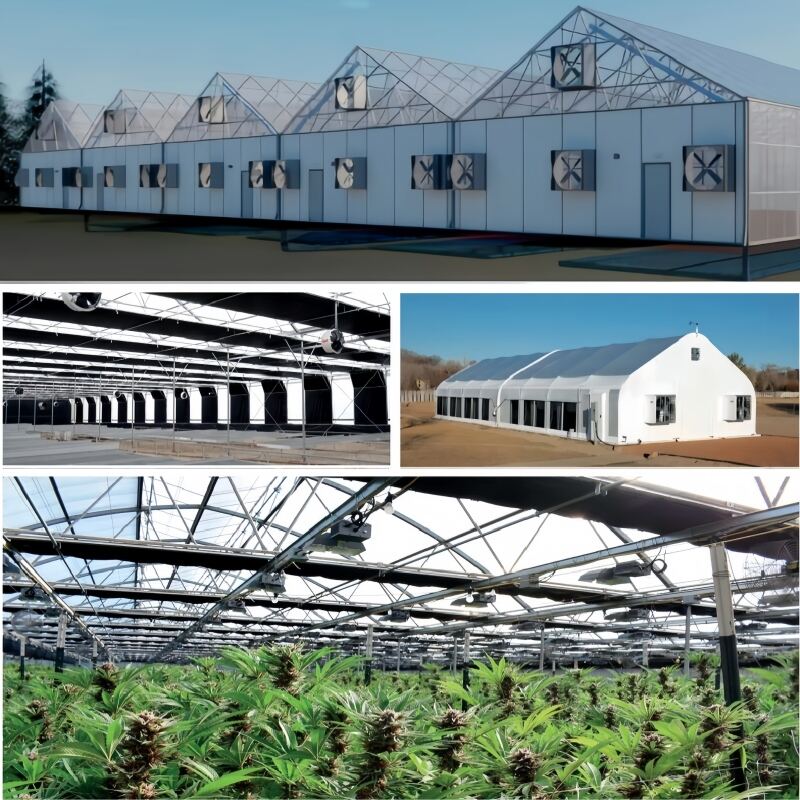
The seedling green house incorporates cutting-edge climate control technology that revolutionizes plant propagation through precise environmental management capabilities. This sophisticated system combines multiple sensors and automated controls to maintain optimal temperature ranges typically between 65-75 degrees Fahrenheit, regardless of external weather conditions. The technology monitors ambient temperature, humidity levels, soil moisture content, and air circulation patterns continuously throughout each day, making micro-adjustments that ensure seedlings receive consistent growing conditions. Heating systems utilize energy-efficient methods such as radiant floor heating, forced-air circulation, or water-based heating pipes that distribute warmth evenly throughout the seedling green house interior. Cooling mechanisms include exhaust fans, evaporative cooling pads, and automated venting systems that prevent overheating during warm weather periods. Humidity control prevents fungal diseases and promotes healthy transpiration rates through dehumidification systems and strategic air movement patterns. The integrated control panels allow operators to program specific climate recipes for different plant species, adjusting parameters automatically based on growth stages and seasonal requirements. Smart technology features enable remote monitoring through mobile applications and computer interfaces, allowing growers to oversee multiple seedling green house facilities from any location. Backup systems ensure continuous operation during power outages or equipment failures, protecting valuable plant inventory from environmental stress. The precision of these climate control systems reduces crop losses significantly compared to traditional growing methods, while accelerating germination times and improving overall plant vigor. Data logging capabilities track environmental conditions over time, enabling growers to optimize protocols and identify the most effective settings for specific plant varieties. This technological integration transforms the seedling green house into a high-performance growing environment that consistently produces superior seedlings with enhanced survival rates and faster establishment times when transplanted to final growing locations.
Maximized Growing Efficiency and Space Utilization

Maximized Growing Efficiency and Space Utilization

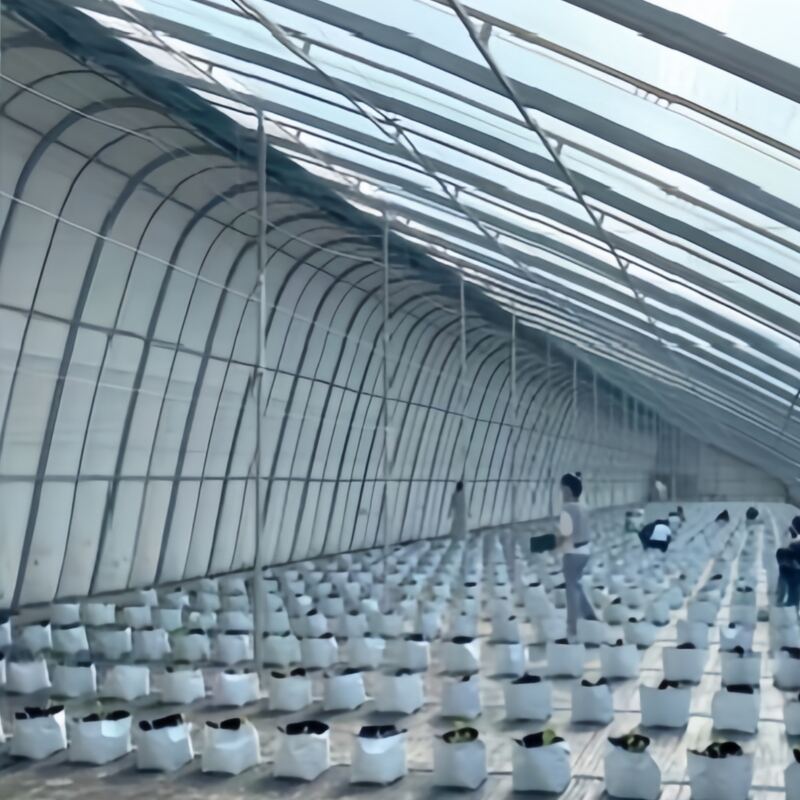
The seedling green house maximizes growing efficiency through innovative space utilization strategies that dramatically increase plant production capacity within compact footprints. Vertical growing systems stack multiple levels of seedling trays, effectively multiplying available growing space by 300-400 percent compared to single-level arrangements. These multi-tier systems incorporate adjustable shelving units with integrated lighting and irrigation components that serve each growing level independently. The compact design allows commercial growers to produce thousands of seedlings within relatively small structures, making efficient use of expensive urban land or limited growing areas. Modular growing benches provide flexibility for different container sizes and growing methods, accommodating seed trays, plug flats, individual pots, and hydroponic systems within the same seedling green house facility. Rolling bench systems maximize accessibility while maintaining high plant density, allowing workers to tend plants efficiently without wasting aisle space. The controlled environment eliminates many space requirements associated with outdoor growing, such as protective barriers, drainage systems, and equipment storage areas. Automated handling systems move seedling trays through different growth stages, reducing labor requirements while maintaining consistent care protocols. The seedling green house design optimizes workflow patterns that minimize walking distances and repetitive motions, improving worker productivity and reducing physical strain. Climate control efficiency increases with proper space utilization, as heating and cooling systems operate more effectively in well-organized environments with appropriate air circulation patterns. Inventory management becomes more precise through systematic plant placement and tracking systems that monitor growth progress and timing for transplant readiness. The concentrated production model reduces transportation costs and handling damage compared to dispersed growing operations. Quality control improves through standardized growing conditions and systematic monitoring procedures that ensure uniform plant development across all growing areas within the seedling green house facility.
Superior Plant Health and Quality Outcomes

Superior Plant Health and Quality Outcomes

The seedling green house delivers exceptional plant health and quality outcomes through comprehensive environmental control and protection measures that surpass traditional growing methods. Physical barriers prevent pest infiltration while maintaining optimal growing conditions that strengthen natural plant defenses against diseases and environmental stresses. The enclosed environment eliminates many common problems such as wind damage, hail impact, excessive moisture, and temperature fluctuations that weaken young plants during critical development periods. Integrated pest management strategies become more effective within the seedling green house, where beneficial insects can be introduced safely while excluding harmful pests through screening and filtration systems. Disease prevention improves through controlled humidity levels, proper air circulation, and sanitary growing conditions that reduce pathogen development and spread. The consistent environment promotes vigorous root development and robust foliage growth that creates stronger seedlings with better transplant survival rates. Quality control extends to growing media selection and nutrient management, where precise fertilization programs deliver optimal nutrition without waste or environmental contamination. Water quality control eliminates many soil-borne diseases and nutrient imbalances that occur in outdoor growing situations. The seedling green house enables selective breeding programs and genetic preservation efforts through controlled pollination and seed collection procedures. Plant spacing optimization reduces competition stress while maintaining adequate air circulation that prevents moisture-related problems. Timing control allows growers to produce seedlings exactly when needed, reducing storage stress and maintaining peak plant vigor at transplant time. The protected environment supports organic growing methods through reduced pesticide requirements and enhanced biological control options. Documentation and traceability improve through systematic record-keeping that tracks plant performance from germination through transplant stages. Research capabilities expand through controlled experimental conditions that enable testing of new varieties, growing techniques, and treatment protocols within the seedling green house facility.

Get a Free Quote

Our representative will contact you soon.
Email
Tel or Whatsapp
Name
Company Name
Message
0/1000