Professional Shade House Solutions - Advanced Agricultural Protection Systems for Enhanced Crop Production

Welcome To JYXD-greenhouse

Get a Free Quote

Our representative will contact you soon.
Email
Tel or Whatsapp
Name
Company Name
Message
0/1000

shade house

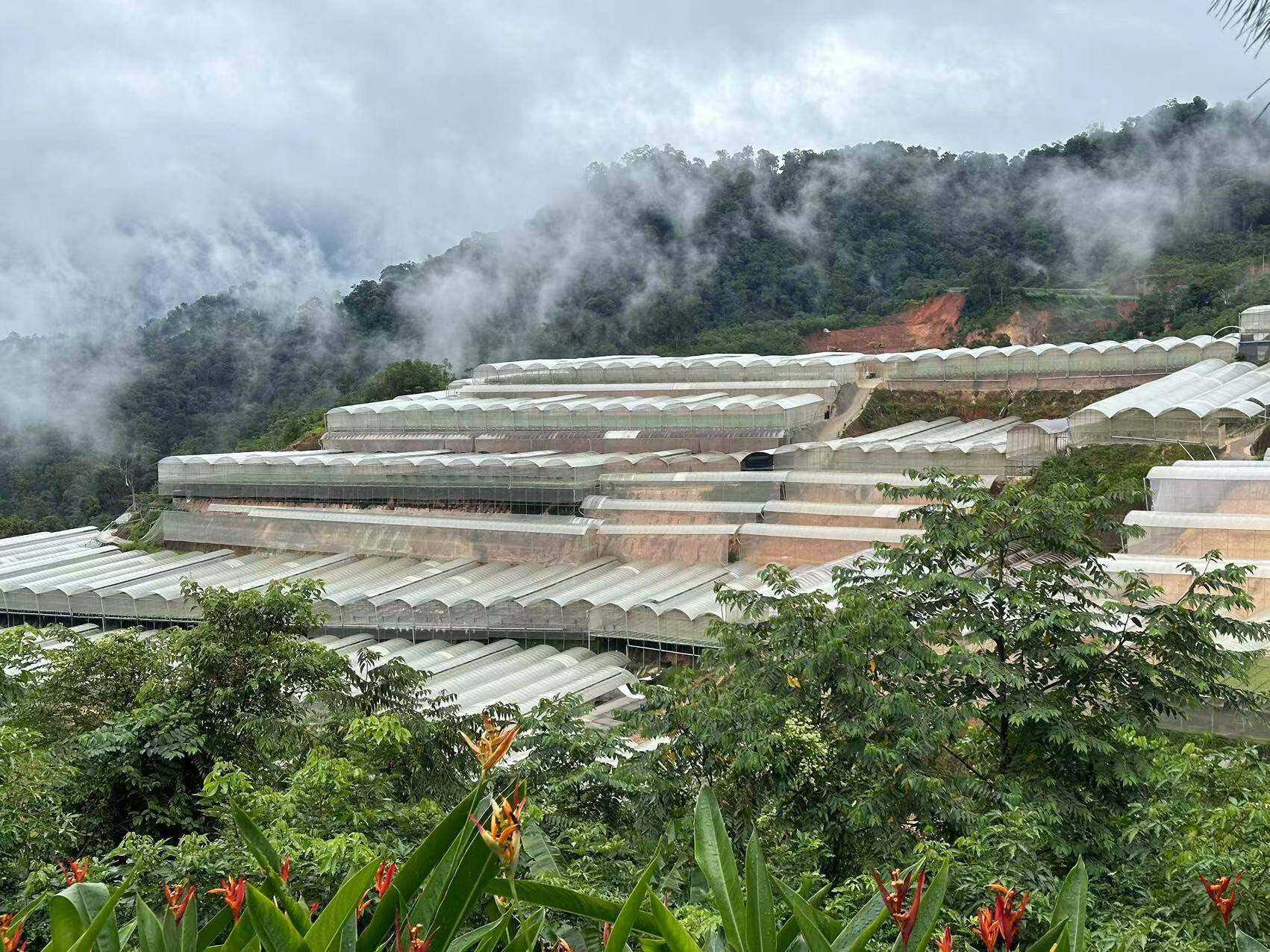
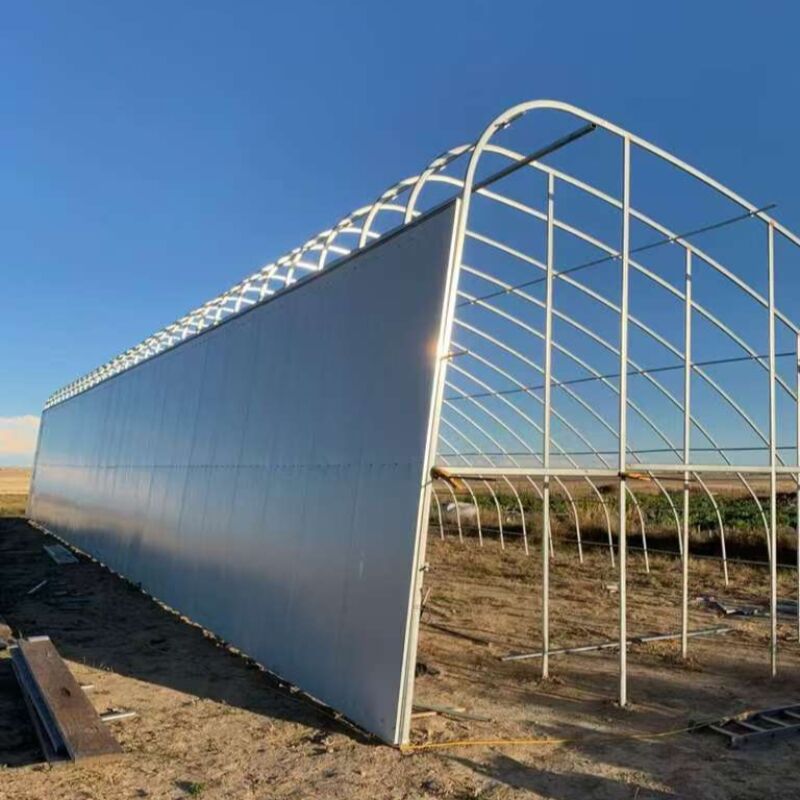
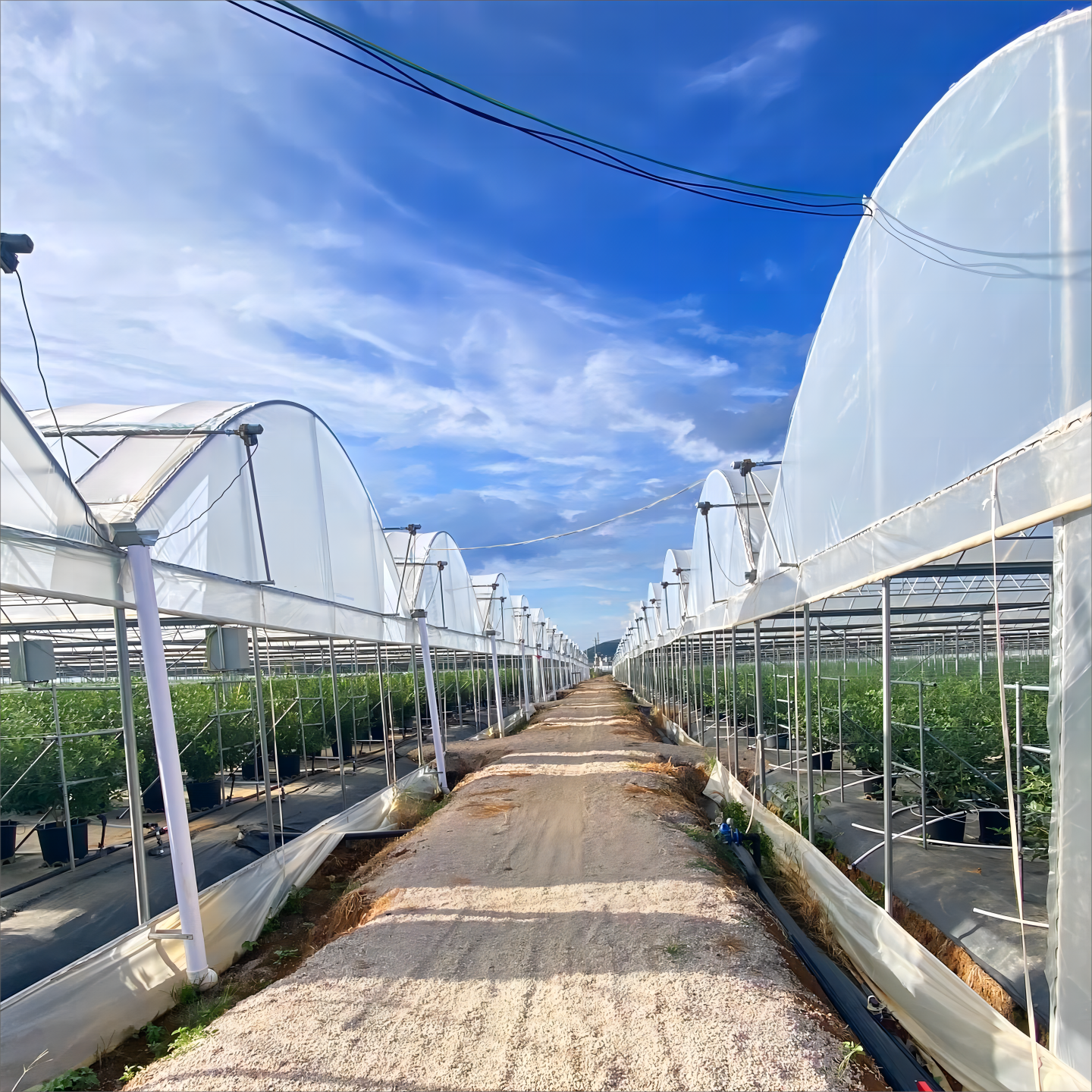
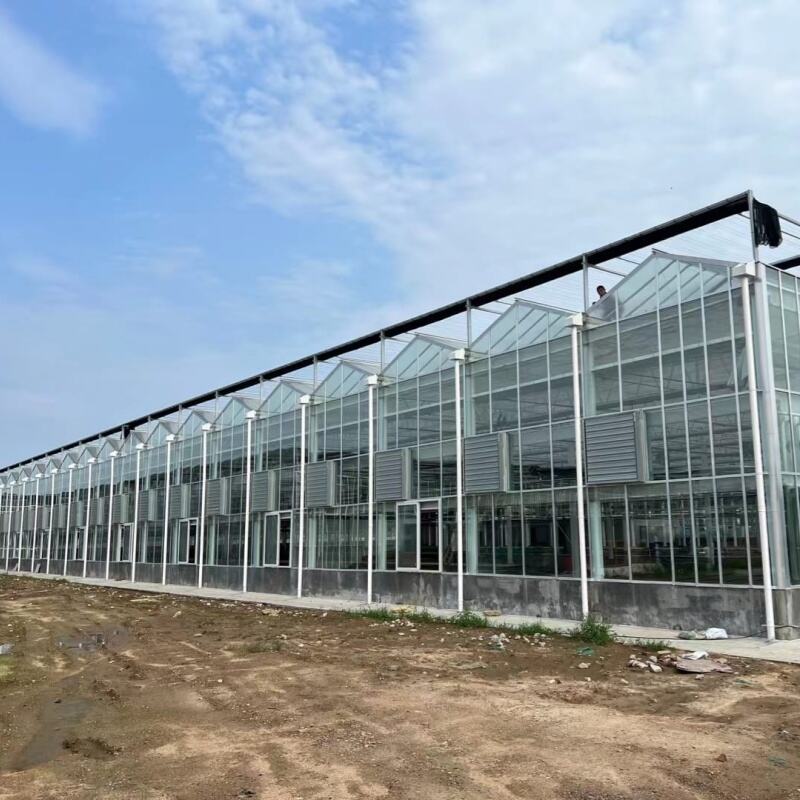
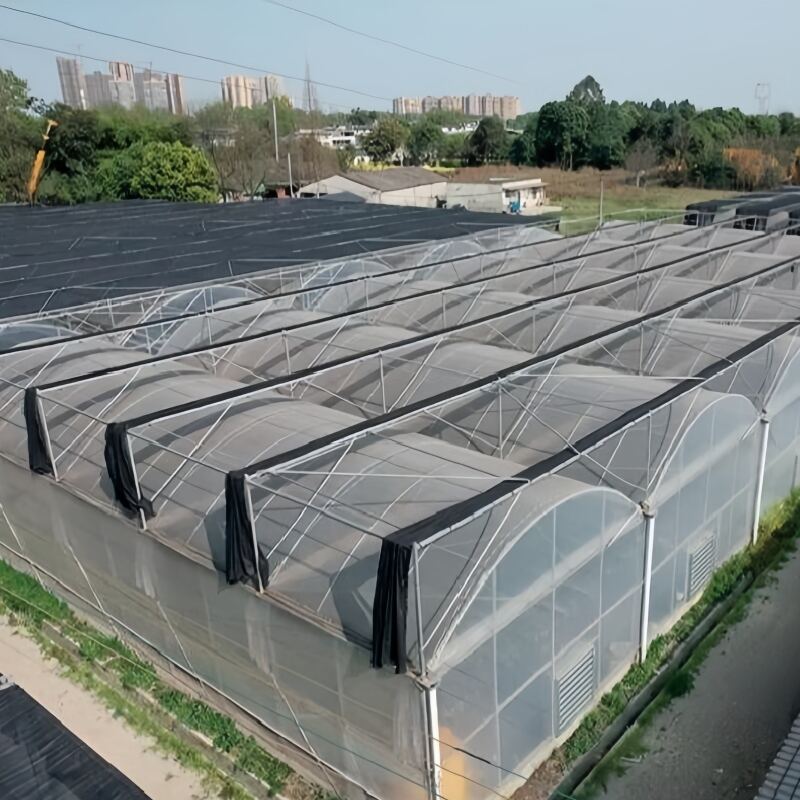
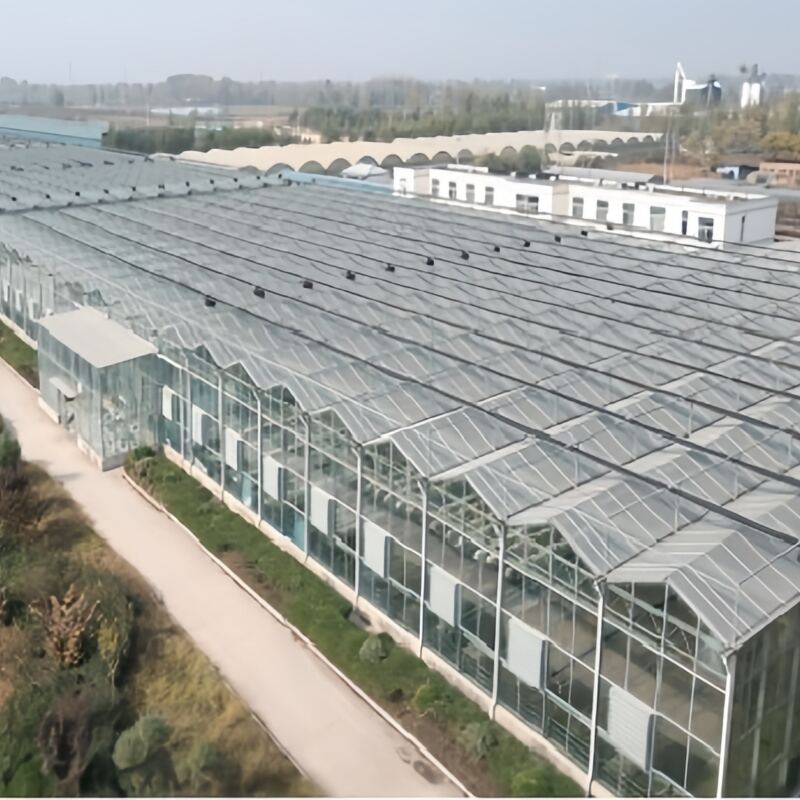
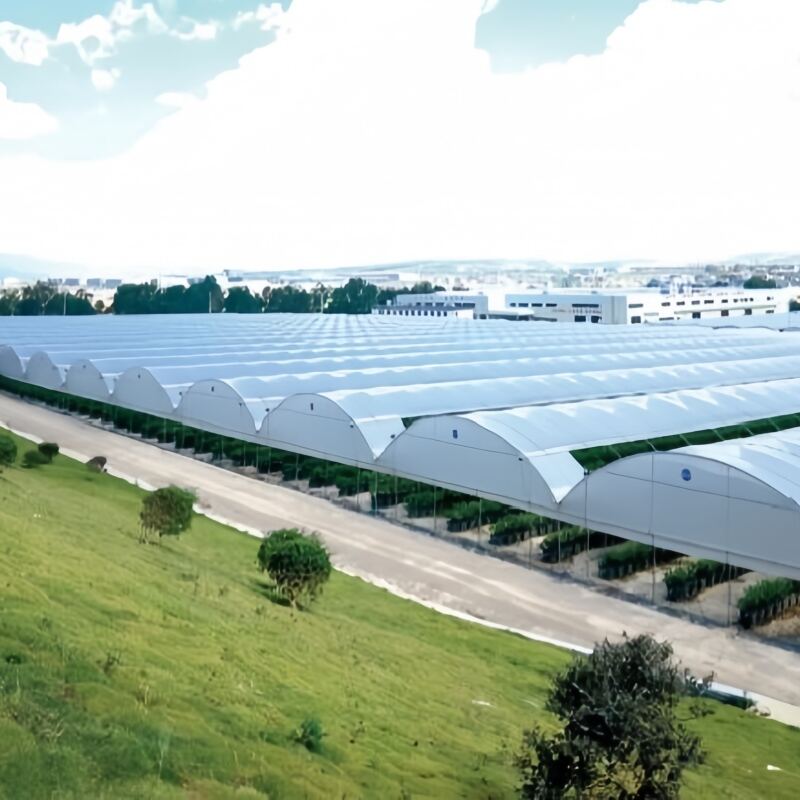
A shade house represents a revolutionary agricultural structure designed to provide controlled environmental protection for crops, plants, and agricultural operations. This innovative farming solution combines advanced materials with practical engineering to create optimal growing conditions while shielding vegetation from harsh weather elements. The shade house utilizes specialized fabric coverings, typically made from high-density polyethylene or polypropylene materials, which filter sunlight and regulate temperature fluctuations throughout growing seasons. Modern shade house designs incorporate sophisticated ventilation systems, automated climate controls, and durable framework construction using galvanized steel or aluminum components. The primary functions of a shade house include solar radiation management, temperature regulation, wind protection, and pest exclusion while maintaining adequate air circulation for healthy plant development. These structures serve multiple agricultural purposes, from nursery operations and seedling production to commercial crop cultivation and research facilities. Technological features often include adjustable shade percentages ranging from thirty to ninety percent light reduction, integrated irrigation systems, and computerized environmental monitoring equipment. The shade house framework typically employs tensioned cable systems and reinforced corner connections to withstand extreme weather conditions including high winds and heavy precipitation. Applications span across diverse agricultural sectors including horticulture, floriculture, vegetable production, fruit cultivation, and pharmaceutical plant growing. Commercial growers utilize shade house technology for extending growing seasons, improving crop quality, reducing water consumption, and maximizing yield per square foot of growing space. Research institutions employ these controlled environments for plant breeding programs, experimental cultivation trials, and sustainable agriculture development projects. The versatility of shade house construction allows for customization based on specific crop requirements, geographic location, and operational scale, making it an essential tool for modern agricultural enterprises seeking efficient and sustainable growing solutions.
New Product Releases

The shade house delivers exceptional value to agricultural operations through multiple practical benefits that directly impact productivity and profitability. Temperature regulation stands as one of the most significant advantages, as the shade house maintains optimal growing conditions by reducing extreme heat stress during summer months while providing frost protection during cooler periods. This climate control capability extends growing seasons substantially, allowing farmers to produce multiple crop cycles annually and generate increased revenue from the same land area. Water conservation represents another crucial benefit, with shade house environments reducing evaporation rates by up to forty percent compared to open field cultivation, resulting in substantial irrigation cost savings and improved water efficiency. The controlled environment within a shade house significantly reduces pest infestations and disease pressure, minimizing the need for chemical pesticides and fungicides while promoting healthier plant growth through natural protection mechanisms. Crop quality improvements are consistently observed in shade house production, with vegetables showing enhanced color, texture, and nutritional content due to reduced sun scald, wind damage, and environmental stress factors. Labor efficiency increases dramatically within shade house operations, as workers can maintain consistent productivity levels regardless of external weather conditions, reducing downtime and improving overall operational reliability. The structure provides excellent protection against hail damage, strong winds, and heavy rainfall, which can devastate open field crops and result in significant financial losses for growers. Energy costs remain minimal compared to greenhouse operations, as shade house designs rely primarily on natural ventilation and passive climate control rather than expensive heating, cooling, and artificial lighting systems. Installation and maintenance requirements are straightforward, with most shade house systems designed for easy assembly using basic tools and requiring minimal ongoing upkeep expenses. The flexibility to adjust shade levels throughout different seasons allows growers to optimize light conditions for various crop stages, from seedling establishment to mature fruit production. Return on investment typically occurs within two to three growing seasons, making shade house technology an economically viable solution for both small-scale and commercial agricultural operations seeking sustainable production methods.

Practical Tips

Forging a Powerful Alliance: Netafim and Juyou Xinda Unite to Reshape the Future of Smart Agriculture

28

Nov

Forging a Powerful Alliance: Netafim and Juyou Xinda Unite to Reshape the Future of Smart Agriculture

View More
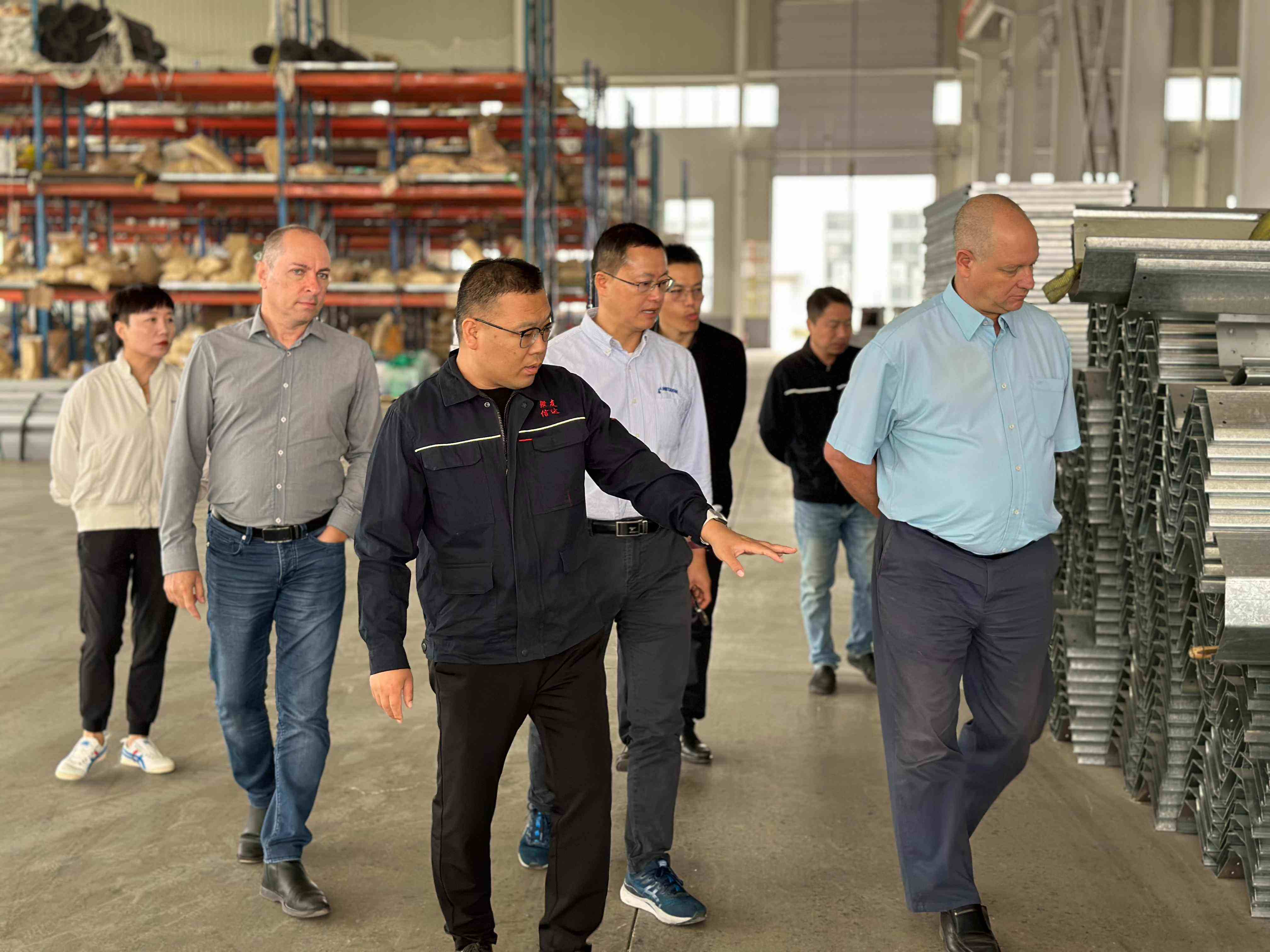
Australian Greenhouse Company Visits Our Facilities to Explore New Collaboration on 50,000 Sq.m Strawberry Glass Greenhouse Project

28

Nov

Australian Greenhouse Company Visits Our Facilities to Explore New Collaboration on 50,000 Sq.m Strawberry Glass Greenhouse Project

View More
 Innovative Breakthrough: Our Company Successfully Delivers World's First Customized

28

Nov

Innovative Breakthrough: Our Company Successfully Delivers World's First Customized "Greenhouse for Fertilizer Drying" to Malaysian Client

View More

Get a Free Quote

Our representative will contact you soon.
Email
Tel or Whatsapp
Name
Company Name
Message
0/1000

shade house

Advanced Climate Control Technology for Optimal Growing Conditions

Advanced Climate Control Technology for Optimal Growing Conditions

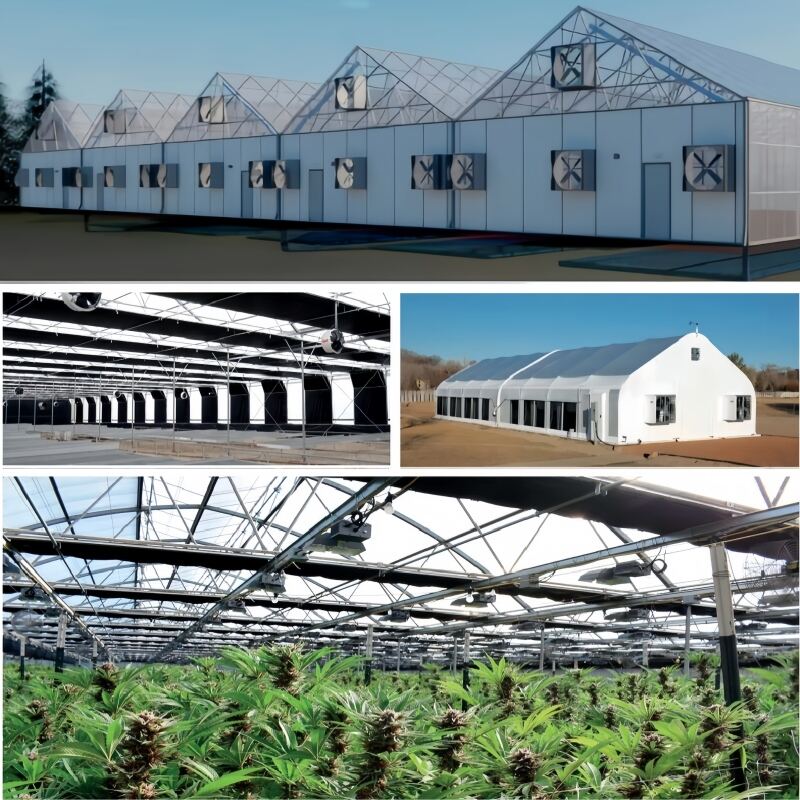
The sophisticated climate control technology integrated into modern shade house systems represents a breakthrough in agricultural environmental management, providing growers with unprecedented control over growing conditions while maintaining cost-effective operations. This advanced technology utilizes precisely engineered shade cloth materials that filter harmful ultraviolet radiation while allowing beneficial light wavelengths to penetrate for photosynthesis, creating an ideal balance between protection and plant nutrition requirements. The shade house climate control system incorporates automated ventilation mechanisms that respond to temperature and humidity fluctuations, ensuring consistent air circulation patterns that prevent stagnant conditions and reduce disease pressure naturally. Computerized monitoring systems track multiple environmental parameters including temperature, humidity, light intensity, and air movement, providing real-time data that enables precise adjustments to maintain optimal growing conditions throughout different seasons and weather patterns. The technology features adjustable shade percentages that can be modified seasonally or even daily to accommodate changing crop needs, from intense shade during peak summer heat to reduced shading during cooler months when maximum light penetration becomes beneficial. Integrated misting systems work in conjunction with natural ventilation to provide evaporative cooling during hot periods, reducing internal temperatures by up to fifteen degrees Fahrenheit compared to external conditions while maintaining appropriate humidity levels for plant health. The climate control technology extends to automated irrigation integration, where soil moisture sensors trigger precise watering schedules that complement the controlled environment to optimize water uptake and minimize waste. This comprehensive approach to environmental management results in improved crop yields, enhanced product quality, and reduced production risks compared to traditional open-field cultivation methods, making the shade house an invaluable investment for serious agricultural operations.
Superior Structural Durability and Weather Resistance Engineering

Superior Structural Durability and Weather Resistance Engineering

The engineering excellence behind shade house structural durability sets these agricultural facilities apart as long-term investments capable of withstanding extreme weather conditions while maintaining operational integrity for decades of reliable service. The framework construction utilizes premium galvanized steel or marine-grade aluminum components that resist corrosion, rust, and structural degradation even in harsh coastal or high-humidity environments where traditional structures might fail prematurely. Advanced tensioned cable systems distribute wind loads evenly across the entire shade house structure, preventing localized stress concentrations that could lead to fabric tears or framework damage during severe weather events including hurricanes, tornadoes, and intense thunderstorms. The foundation anchoring system employs deep-set concrete footings or helical pier installations that provide exceptional stability and prevent structural shifting during freeze-thaw cycles or seismic activity, ensuring long-term reliability regardless of geographic location or soil conditions. Reinforced corner connections and junction points utilize engineered brackets and hardware specifically designed to handle dynamic loads from wind gusts, snow accumulation, and thermal expansion without compromising structural integrity or requiring frequent maintenance interventions. The shade cloth attachment system features heavy-duty grommets, reinforced edge binding, and stainless steel hardware that maintains fabric tension and positioning throughout seasonal weather variations while allowing for controlled expansion and contraction cycles. Quality control testing ensures that every shade house component meets or exceeds industry standards for load-bearing capacity, weather resistance, and operational longevity, providing customers with confidence in their investment and peace of mind regarding long-term performance expectations. The modular design philosophy allows for future expansion or reconfiguration without compromising existing structural elements, making it possible to adapt the shade house to changing operational requirements or business growth while preserving the original investment in foundation and primary framework components.
Versatile Agricultural Applications and Customization Options

Versatile Agricultural Applications and Customization Options

The remarkable versatility of shade house applications enables agricultural operations of all scales to customize these structures for specific crop requirements, geographic conditions, and operational objectives while maximizing return on investment through multi-purpose functionality. Commercial vegetable producers utilize shade house environments to extend harvest seasons for heat-sensitive crops like lettuce, spinach, and herbs, achieving premium pricing through off-season availability while maintaining superior product quality that commands higher market values compared to field-grown alternatives. Nursery operations benefit tremendously from shade house protection during seedling establishment and plant propagation phases, where controlled conditions reduce transplant shock, improve survival rates, and accelerate root development for faster turnover and increased production capacity per growing area. Specialty crop cultivation including medicinal plants, exotic vegetables, and high-value herbs thrives under shade house conditions where precise environmental control enables consistent active compound concentrations and pharmaceutical-grade quality standards that meet strict regulatory requirements for commercial processing and distribution. The customization options available for shade house installations include variable shade percentages from twenty to ninety percent light reduction, multiple fabric colors for specific light spectrum filtering, retractable roof sections for seasonal adjustments, and integrated growing systems including hydroponic tables, hanging basket supports, and vertical growing arrangements that maximize space utilization efficiency. Research and educational institutions employ shade house facilities for controlled experiment environments where variables can be isolated and measured accurately, supporting agricultural research programs, university extension services, and sustainable farming technique development initiatives that benefit the broader agricultural community. Organic certification compatibility makes shade house production an excellent choice for growers pursuing premium organic market opportunities, as the reduced pest pressure and controlled environment minimize the need for approved organic treatments while maintaining strict compliance with certification standards and consumer expectations for pesticide-free produce.

Get a Free Quote

Our representative will contact you soon.
Email
Tel or Whatsapp
Name
Company Name
Message
0/1000