small tunnel greenhouse
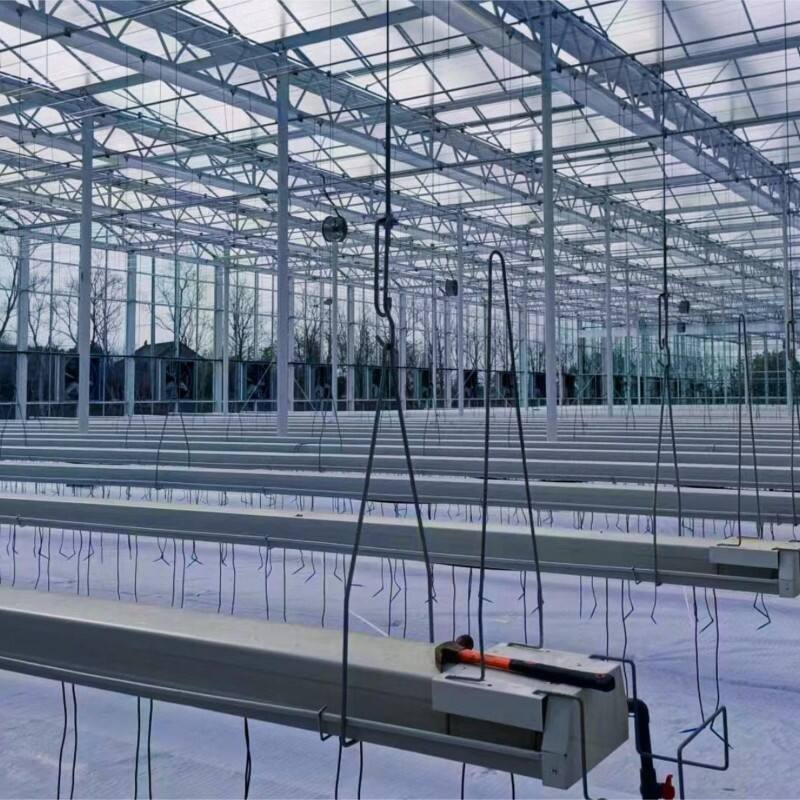
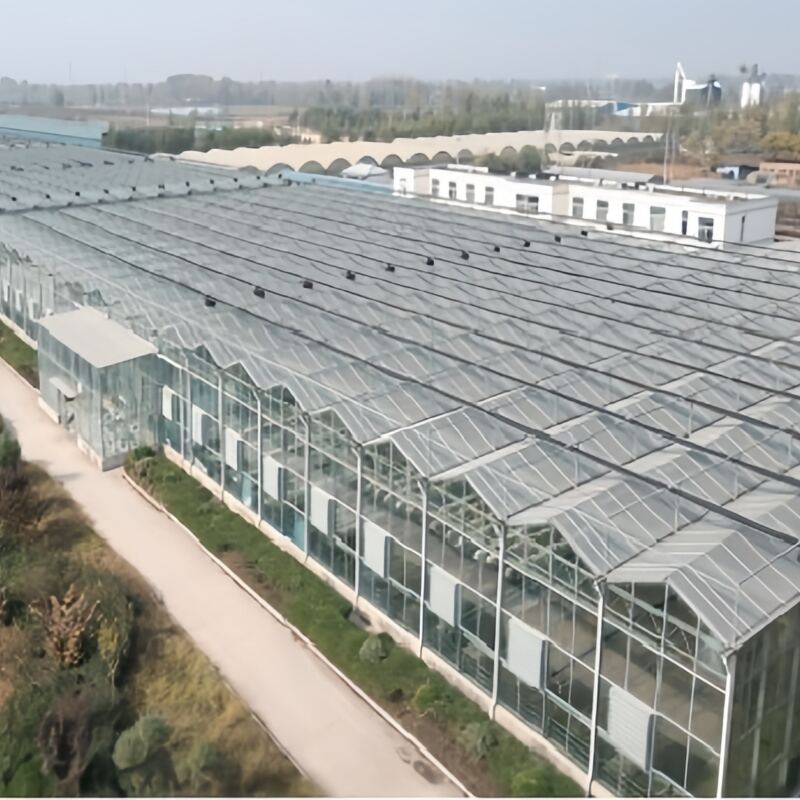
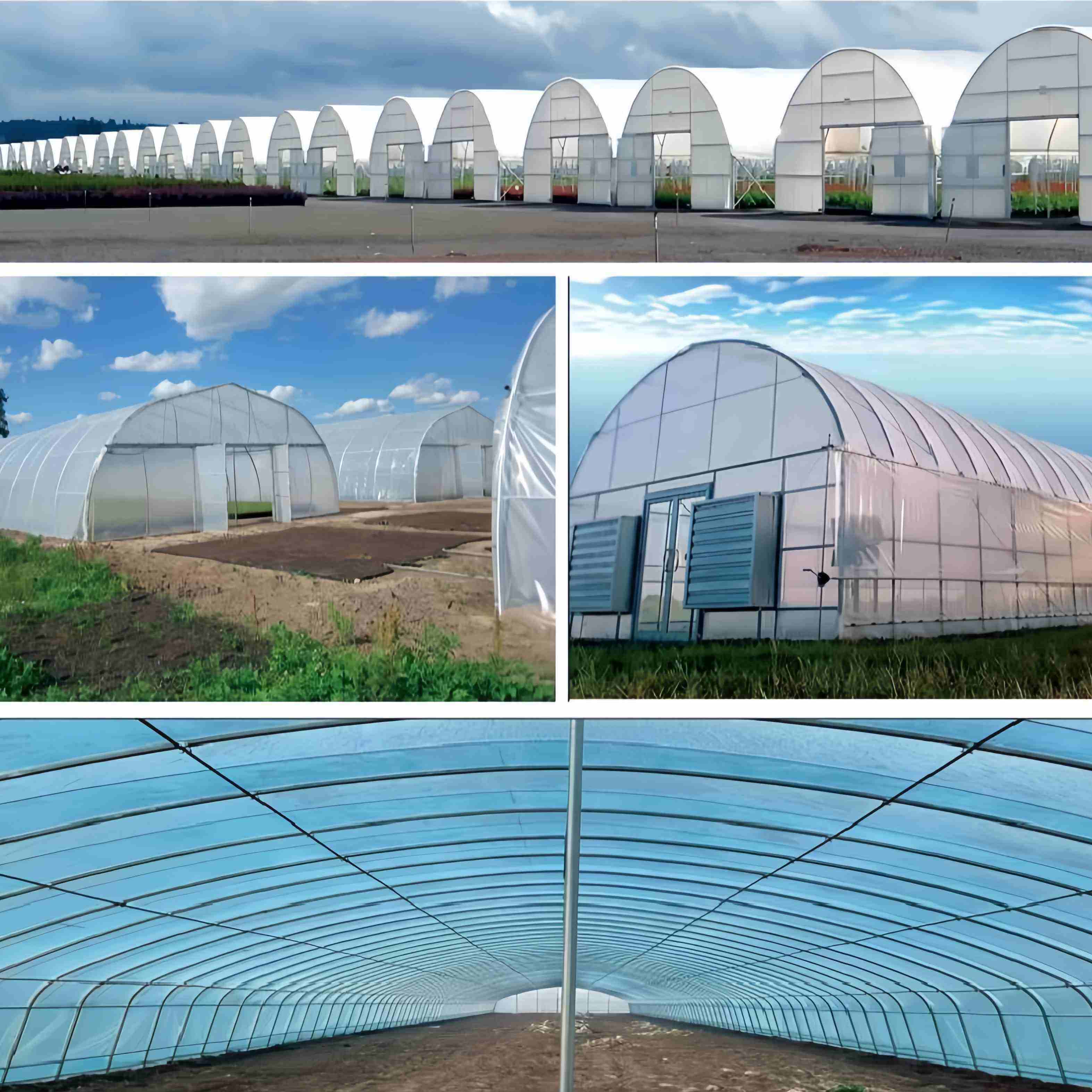
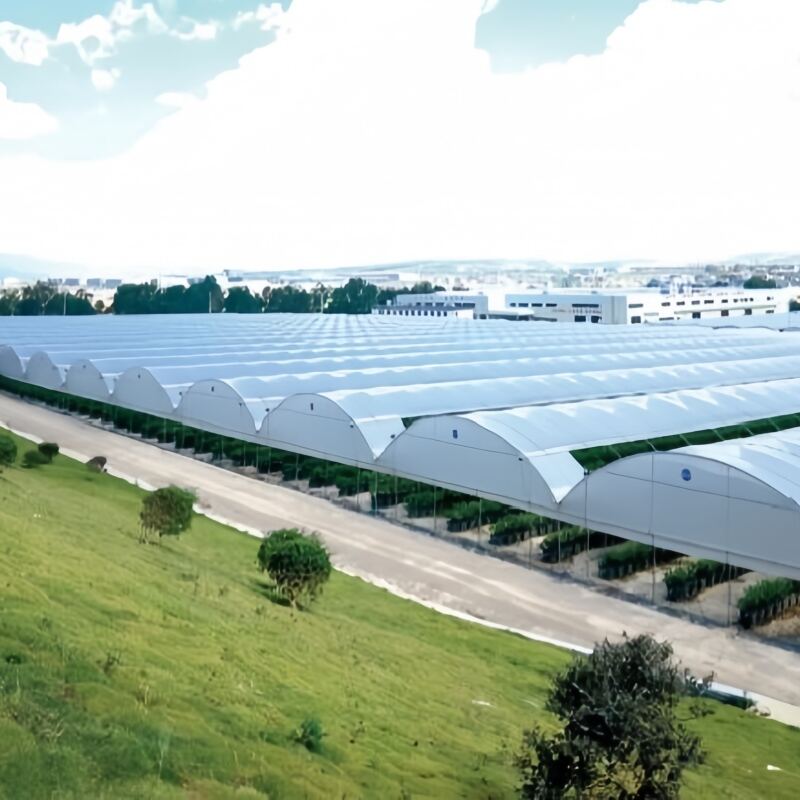
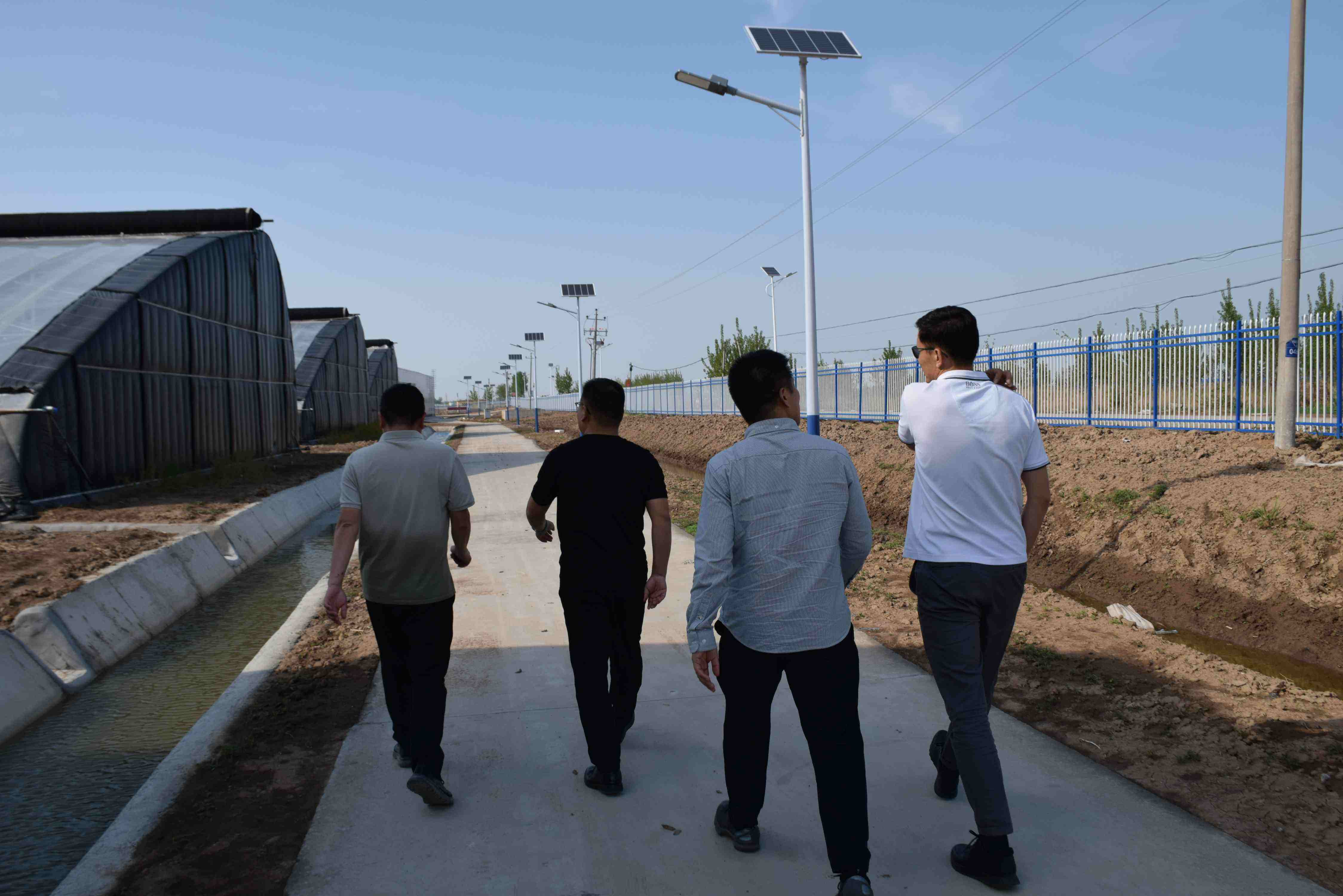
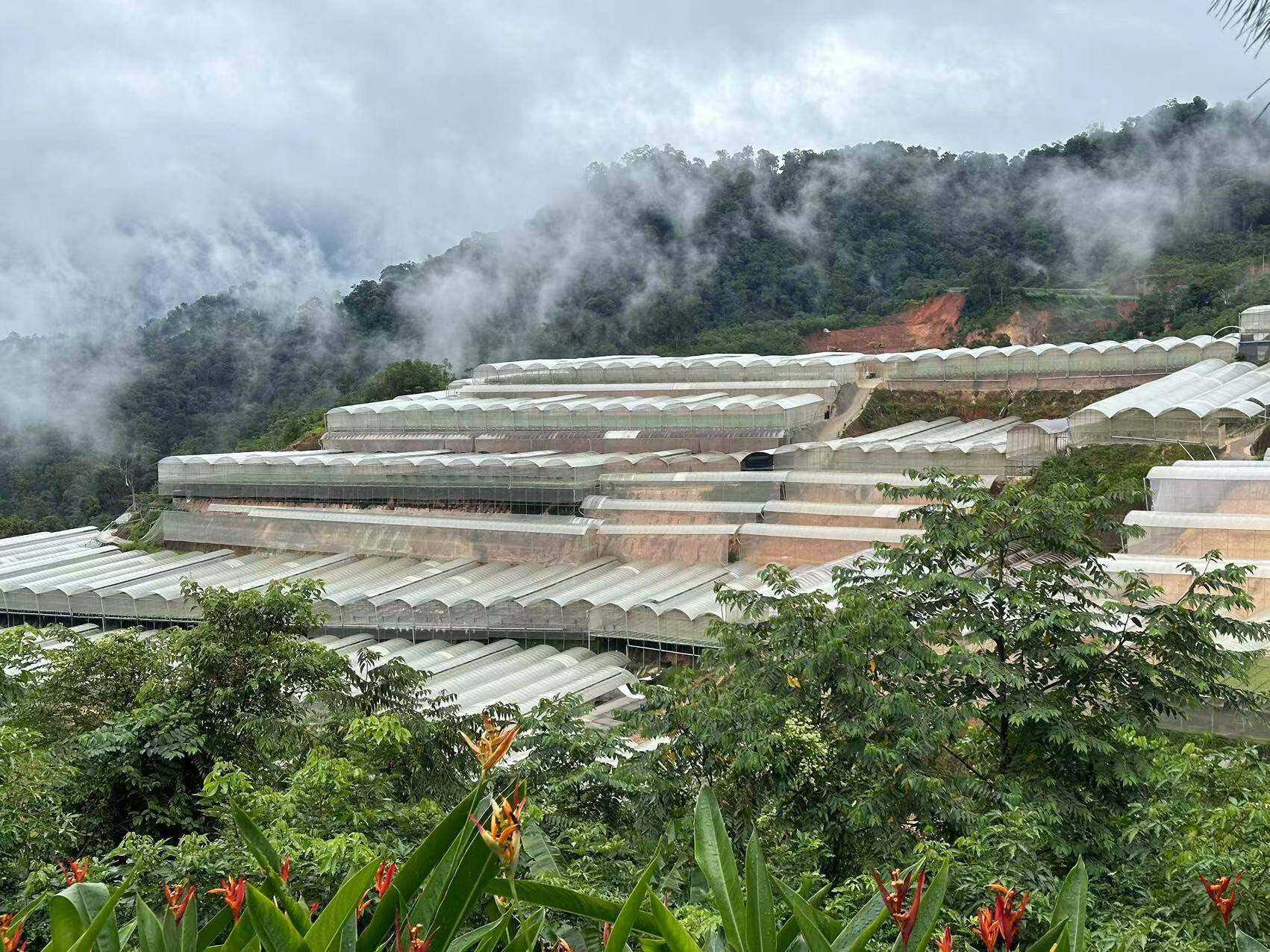
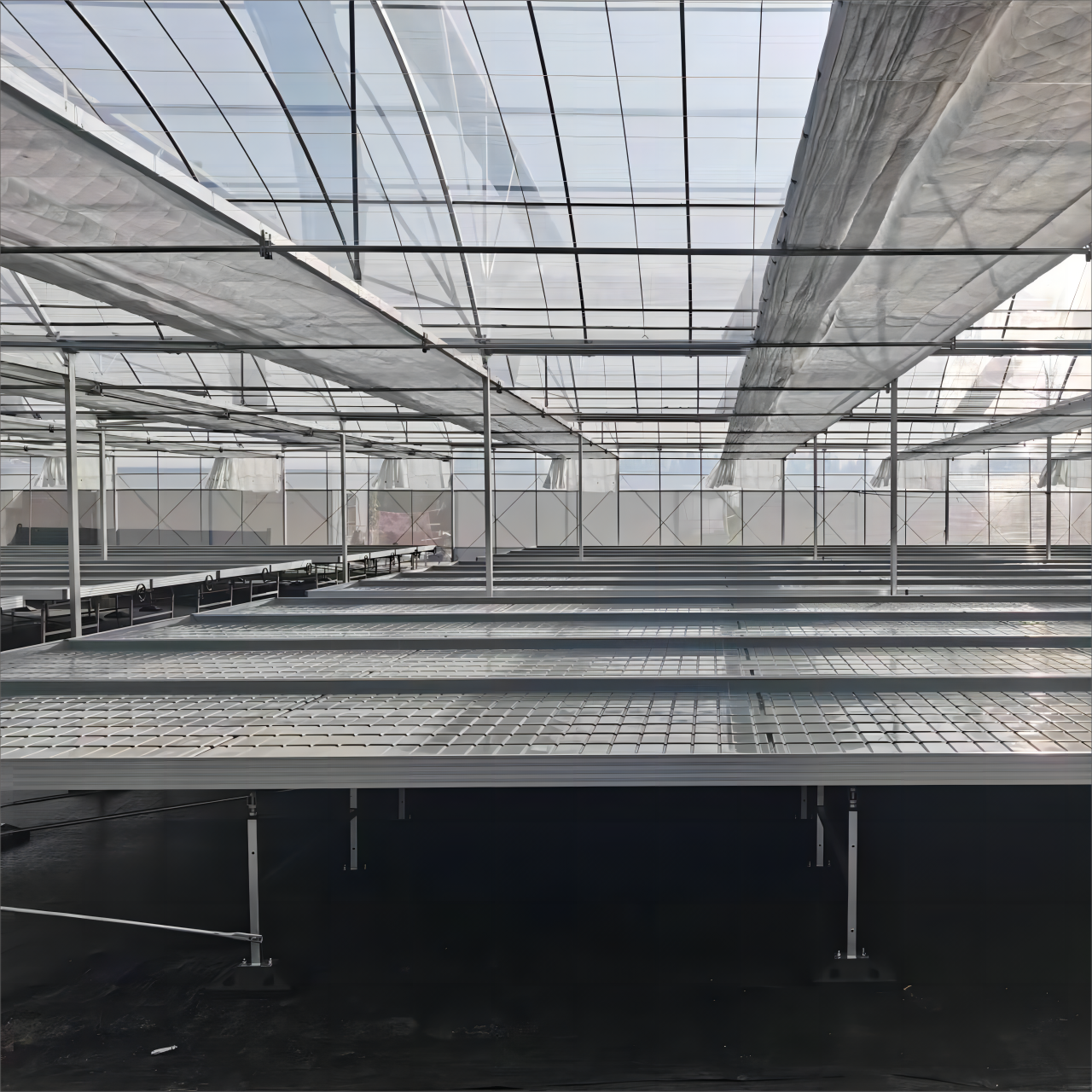
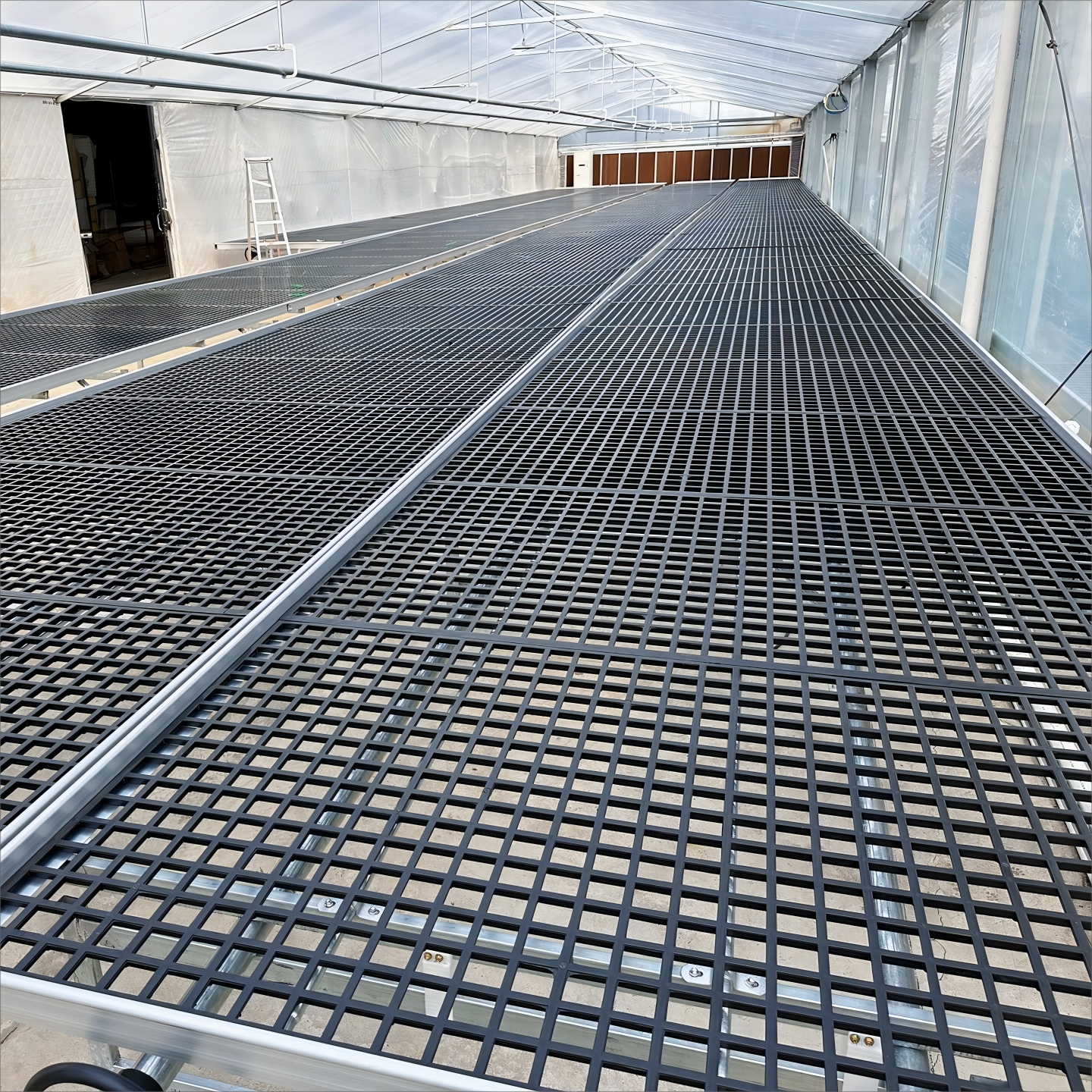
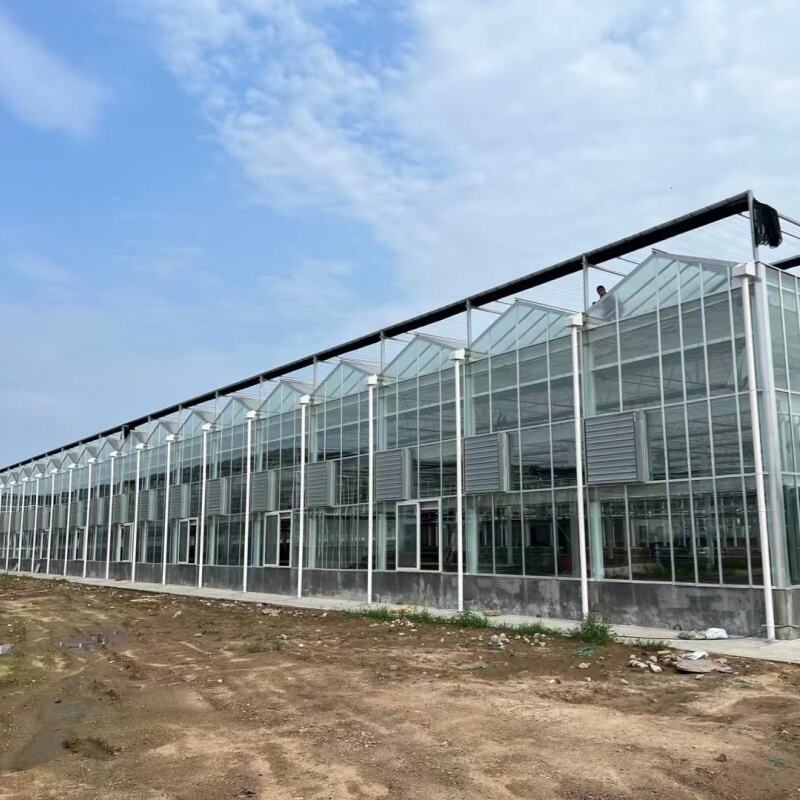
The small tunnel greenhouse represents a revolutionary advancement in controlled environment agriculture, providing farmers and gardeners with an efficient, cost-effective solution for year-round crop production. This innovative structure combines the benefits of traditional greenhouse technology with compact design principles, making it accessible to small-scale growers, urban farmers, and commercial operations seeking to maximize their growing potential within limited space constraints. The small tunnel greenhouse utilizes a curved, tunnel-like framework typically constructed from galvanized steel or aluminum, covered with high-quality polyethylene or polycarbonate materials that create an optimal microclimate for plant growth. The main functions of this agricultural structure include temperature regulation, humidity control, pest protection, and season extension capabilities. The technological features incorporate passive ventilation systems, automated irrigation compatibility, and modular construction that allows for easy assembly and relocation. The design facilitates natural air circulation through ridge vents and side roll-up curtains, ensuring proper airflow management without requiring expensive mechanical ventilation systems. Applications for the small tunnel greenhouse span across diverse agricultural sectors, including vegetable production, herb cultivation, flower growing, seedling propagation, and specialty crop development. Market gardeners utilize these structures for early spring plantings, fall crop extensions, and winter production of cold-hardy vegetables. Urban agriculturalists benefit from the space-efficient design that maximizes growing area while maintaining portability for lease agreements or temporary installations. Commercial growers implement multiple small tunnel greenhouse units to create scalable production systems that can expand incrementally based on market demands and available capital. The versatility of these structures makes them suitable for organic farming operations, hydroponic systems, and traditional soil-based cultivation methods, providing flexibility for various growing preferences and crop requirements.
 EN
EN